
Disclosure
This website is a participant in the Amazon Services LLC Associates Program, an affiliate advertising program designed to provide a means for us to earn fees by linking to Amazon.com and affiliated sites.
Choosing the right mattress topper is an investment in long-term sleep quality and comfort. A durable topper can extend your mattress’s life and improve your nightly rest.
Longevity depends heavily on material density and construction quality, not just initial softness. High-density foams and tightly coiled fibers resist sagging and maintain support for years.
Is Your Mattress Topper Sagging and Losing Support After Just One Year?
Many mattress toppers quickly compress and form permanent body impressions, leaving you with the same discomfort you bought them to fix. The Sleep On Latex Pure Green Topper is made from exceptionally durable, high-density natural latex that resists sagging for years, providing consistent pressure relief and support to extend your mattress’s comfortable life.
For lasting comfort and resilience, choose the: Sleep On Latex Pure Green Natural Latex Mattress Topper
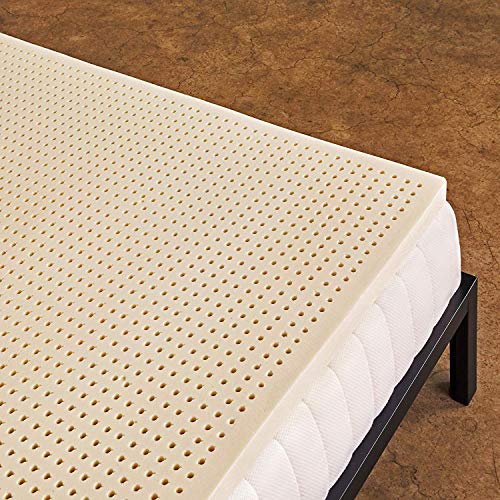
- Soft - Great for Adding Softness to the Surface of a Mattress
- Adjusts to Your Body Instantly - Latex Foam Naturally Stays Cool
- Made of Natural Latex Harvested from Organically Grown Rubber Trees
Key Factors for a Long-Lasting Mattress Topper
Selecting a topper for durability requires focusing on core material properties and construction. These elements determine how well the topper will withstand nightly pressure and maintain its shape over many years.
Material Density and Durability Ratings
Density is the most critical factor for a topper’s lifespan, especially for foam. It measures the weight of material per cubic foot, indicating how much solid material is present.
- Memory Foam Density: Look for a density of at least 3 to 4 pounds per cubic foot (PCF). Lower-density foams soften and sag quickly, while higher-density foams provide lasting support and contouring.
- Latex Density: Natural and blended latex toppers are inherently durable. Their resilience and bounce-back ability prevent permanent body impressions far longer than standard polyurethane foam.
- Fiberfill & Down Alternative: For these materials, check the fill power and baffle-box construction. Higher fill power and stitched chambers prevent the filling from shifting and clumping over time.
Construction Quality and Core Support
How a topper is built is just as important as what it’s made from. Superior construction techniques directly combat sagging and wear.
Look for features like zoned support in latex or foam toppers, which reinforces heavier areas like the hips and shoulders. In feather or fiber toppers, a gusseted edge or baffle-wall design maintains an even surface. Always examine the cover fabric; a removable, machine-washable cover made from tight-knit, durable fabric like cotton or bamboo blend protects the core and is easy to clean.
| Material | Expected Lifespan | Key Durability Factor |
|---|---|---|
| High-Density Memory Foam (4+ PCF) | 5-8+ years | Density rating; resists sagging |
| Natural Latex | 8-12+ years | Resilience and bounce-back |
| Premium Fiberfill (Baffle-Box) | 3-5 years | Chambered construction prevents shifting |
How to Maintain Your Topper for Extended Lifespan
Proper care is essential to maximize your topper’s durability. A consistent maintenance routine protects your investment and ensures it performs well for its full intended lifespan.
Essential Care Routine and Rotation Schedule
Establishing simple habits can dramatically slow down the natural wear process. The goal is to distribute pressure evenly across the entire surface of the topper.
- Rotate Regularly: Every 3-6 months, rotate your topper 180 degrees (head to foot). This prevents consistent pressure on the same spots, which is a primary cause of sagging.
- Use a Protector: Always place a high-quality, waterproof mattress protector directly over the topper. This barrier shields against spills, sweat, and dust mites, keeping the core materials clean and dry.
- Air It Out: When changing sheets, allow the topper to breathe for 30 minutes. This reduces moisture buildup and helps maintain the freshness of the materials.
Cleaning Guidelines for Different Materials
Accidents happen, but cleaning your topper incorrectly can damage it. Always refer to the care label first, as methods vary significantly by material type.
For memory foam and latex, spot cleaning is almost always required. Use a mild detergent and a damp cloth, never saturating the foam. Most fiber, down, or wool toppers may be machine-washable on a gentle cycle, but ensure they are thoroughly dried to prevent mold.
- Memory Foam/Latex: Blot spills immediately. Use a vacuum with an upholstery attachment for dust. Never machine wash or dry, as this will break down the foam cells.
- Feather/Down: Professional cleaning is often recommended. If machine-washable, use a large, commercial machine and dry with tennis balls to fluff.
- Cooling Gel or Copper Infused: Follow the foam guidelines. The cooling elements are integrated into the foam and can be damaged by improper cleaning.
Warranty and Brand Reputation for Lasting Value
A strong warranty and reputable brand are your best assurances of a topper built to last. These factors reflect the manufacturer’s confidence in their product’s materials and construction.
Decoding Warranty Terms and Coverage Details
A long warranty is meaningless if it doesn’t cover the most common failure points. You must understand the specific terms before purchasing.
Look for coverage against body impressions or sagging beyond a certain depth, typically 1 to 1.5 inches. Be wary of “pro-rated” warranties that reduce your refund value over time. A straightforward, non-prorated warranty offers better long-term protection for your investment.
- Coverage Period: A 5 to 10-year warranty is standard for quality foam or latex. A shorter warranty may indicate lower-density materials.
- Sagging Threshold: The warranty should explicitly state the minimum impression depth (e.g., 1.5″) that qualifies for a claim.
- Claim Process: Check if you need to provide photos, retain original packaging, or pay return shipping. A simple process is a good sign.
Evaluating Brand Reliability and Customer Feedback
Beyond the warranty document, the brand’s reputation provides crucial context. A company with a long history of producing durable sleep products is a safer bet.
Focus your research on long-term customer reviews, not just initial impressions. Search for phrases like “held up after 2 years” or “started sagging” to gauge real-world performance. Established brands often use higher-grade materials and have more consistent quality control than unknown manufacturers.
| What to Look For | Why It Matters |
|---|---|
| Non-Prorated Coverage | You receive a full replacement or refund, not a depreciated value. |
| Clear Sagging Definition | Eliminates ambiguity and makes a valid claim easier to prove. |
| Established Brand History | Indicates experience with material sourcing and durable construction methods. |
| Reviews Mentioning Longevity | Provides authentic data on how the topper performs over several years. |
Matching Topper Type to Your Sleep Needs for Durability
Choosing a topper that aligns with your body type and sleep position ensures even wear and prevents premature breakdown. The wrong type can lead to excessive pressure on specific areas, accelerating sagging.
Selecting Support Based on Body Weight and Sleep Position
Heavier individuals and side sleepers place more concentrated pressure on a topper. This requires materials with higher density and resilience to maintain support.
- For Side Sleepers & Heavier Individuals (200+ lbs): Prioritize medium to firm density memory foam (4+ PCF) or natural latex. These materials offer deep contouring without bottoming out, protecting pressure points and the topper’s core.
- For Back/Stomach Sleepers & Average Weight: A medium-density foam or a supportive latex layer can provide the right balance. The goal is to keep the spine aligned without excessive sinkage that strains the material.
- For Combination Sleepers: Look for responsive materials like latex or zoned support toppers that adapt to movement and provide consistent support across different positions.
Material-Specific Benefits for Long-Term Use
Each material has inherent properties that affect its durability under different conditions. these helps you make a future-proof choice.
Latex is renowned for its exceptional resilience and natural breathability, resisting impressions and sleeping cool for years. High-density memory foam offers superior pressure relief and motion isolation, but requires good airflow to retain its properties. For those seeking a plush, traditional feel, a baffle-box fiberfill topper with high loft can be durable if the internal chambers prevent shifting.
| Sleep Profile | Recommended Material for Longevity | Key Durability Reason |
|---|---|---|
| Heavyweight Side Sleeper | Firm, High-Density Memory Foam or Latex | Resists deep compression and maintains hip/shoulder support. |
| Average-Weight Back Sleeper | Medium-Density Memory Foam or Zoned Latex | Provides lumbar support without excessive sinkage that strains material. |
| Hot Sleeper (Any Position) | Natural Latex or Gel-Infused High-Density Foam | Inherent breathability or cooling technology prevents material breakdown from heat. |
Common Mistakes That Shorten Your Topper’s Life
Avoiding simple errors in selection and care can add years to your topper’s lifespan. Many durability issues stem from preventable mistakes rather than product failure.
Selection Errors: Prioritizing the Wrong Features
Many shoppers focus on immediate comfort over long-term structure, leading to premature replacement. The initial feel is not a reliable indicator of how a topper will hold up.
- Choosing Excessive Thickness: A 4-inch topper may feel luxurious but can lack foundational support, causing it to break down faster than a supportive 2 or 3-inch model of higher density.
- Ignoring Density for Softness: Opting for a plush, low-density foam because it feels soft initially is a major mistake. It will compact and sag within a year, losing all support.
- Mismatching Topper and Mattress: Placing a soft, plush topper on an already sagging mattress accelerates wear. The topper cannot fix a broken-down foundation and will conform to the existing dips.
Maintenance and Usage Pitfalls to Avoid
Daily habits and cleaning methods have a cumulative effect on your topper’s materials. Consistent misuse will void warranties and cause irreversible damage.
Never fold or bend memory foam or latex toppers for storage, as this can create permanent creases. Avoid sitting on the edge repeatedly, as most toppers are not designed for this concentrated perimeter pressure. Furthermore, using harsh chemicals, steam cleaners, or excessive water for spot cleaning can degrade foam cells and break down fibers.
- Skip the Mattress Protector: This exposes the topper to moisture, oils, and stains that break down materials and void the warranty.
- Never Rotate or Flip: This leads to uneven wear, creating permanent body impressions in the areas you sleep on every night.
- Ignore Care Labels: Washing a non-washable topper or machine-drying foam will destroy its structure and support properties permanently.
When to Replace Your Mattress Topper
Even the most durable topper has a finite lifespan. Recognizing the signs of wear helps you maintain optimal sleep support and hygiene.
Clear Physical Signs of Wear and Breakdown
Inspect your topper regularly for physical changes that compromise its function. These signs mean the core materials are no longer resilient.
- Visible Sagging or Body Impressions: If dips or valleys deeper than 1.5 inches remain after you get up, the topper has permanently lost its supportive structure.
- Lumps, Shifting, or Bunching: For fiber or feather toppers, internal materials that have migrated and formed uncomfortable clumps cannot be evenly redistributed.
- Thinning and Loss of Loft: The topper feels noticeably flatter and less cushioned than when new, offering minimal pressure relief.
Performance and Hygiene Indicators for Replacement
How you feel during sleep and the topper’s condition are critical metrics. A decline in performance directly impacts rest quality.
Waking up with new or increased aches, especially in the hips, shoulders, or back, signals the topper is no longer providing proper spinal alignment. Furthermore, if allergies flare up or persistent odors remain despite cleaning, the materials may be harboring dust mites, mold, or bacteria that cannot be removed.
| Sign | What It Means | Action |
|---|---|---|
| Deep, permanent body impressions | Core material has compressed and lost resilience. | Check warranty for sagging coverage; plan to replace. |
| Morning pain and stiffness | Topper is no longer providing adequate support. | Replace to restore proper spinal alignment. |
| Persistent odors or allergy symptoms | Materials are contaminated and cannot be fully cleaned. | Replace for hygiene and health reasons. |
| Exceeds 5-8 years of use | Has likely reached the end of its effective lifespan. | Proactively evaluate for replacement. |
Material and Durability Questions
Shoppers often wonder which material offers the best long-term value and how to identify quality during purchase.
- What type of mattress topper lasts the longest? Natural latex is generally considered the most durable, often lasting 8-12+ years due to its exceptional resilience. High-density memory foam (4+ PCF) is also a very durable choice for contouring support.
- Is a thicker mattress topper more durable? Not necessarily. Thickness relates to plushness, while density relates to durability. A 2-inch high-density topper will often outlast a 4-inch low-density one because it resists compression and sagging.
- How can I tell if a topper is high quality before buying? Check the product specifications for material density (PCF for foam), read reviews mentioning long-term use, and examine the warranty for non-prorated coverage against sagging.
Care, Warranty, and Replacement Queries
Proper maintenance and product guarantees are key to protecting your investment over many years.
How often should I replace my mattress topper? With proper care, a high-quality topper should last 5-8 years. Replace it when you see permanent sagging over 1.5 inches, experience new aches, or it no longer feels supportive.
Does a mattress protector really extend a topper’s life? Absolutely. It is the single most effective maintenance step. A protector shields against moisture, oils, and stains that break down materials, preventing premature wear and hygiene issues.
- Can I flip a mattress topper to make it last longer? Most modern toppers are one-sided and should not be flipped. Instead, rotate them 180 degrees head-to-foot every 3-6 months to ensure even wear.
- What does a warranty typically cover for a topper? A good warranty specifically covers defects in materials and workmanship, including sagging or body impressions beyond a stated depth (e.g., 1.5 inches). It does not cover changes in feel or comfort.
- Will a topper extend the life of my old mattress? A supportive, durable topper can temporarily improve comfort on a slightly worn mattress, but it cannot fix a broken-down, sagging foundation. It is not a permanent solution for a failed mattress.
Best Recommended Toppers for Longevity
Based on key durability factors like material density, construction, and cooling technology, these three mattress toppers are excellent options for lasting comfort and support.
Biteany Dual Layer Memory Foam Mattress Topper – Best for Pressure Relief & Support
This topper combines a cooling gel-infused top layer with a high-density support base for balanced comfort and durability. The dual-layer construction is designed to prevent sagging and provide consistent contouring for years, making it ideal for side sleepers.

- GET 2X SUPPORT FROM MATERIAL REVOLUTION! Biteany queen mattress topper combines...
- PAIN-FREE SLEEP, CUSTOMIZES COMFORT! Our queen size mattress topper can...
- STAY COOL & SLEEP SAFE! The cooling mattress topper features a 3D air mesh...
Serta ThermaGel Cooling, Memory Foam Mattress Topper – Best Cooling Option
Featuring Serta’s ThermaGel technology, this topper draws heat away from the body to maintain a cool sleep surface. The premium memory foam is designed to resist impressions and offer lasting support, a great choice for hot sleepers seeking durability.
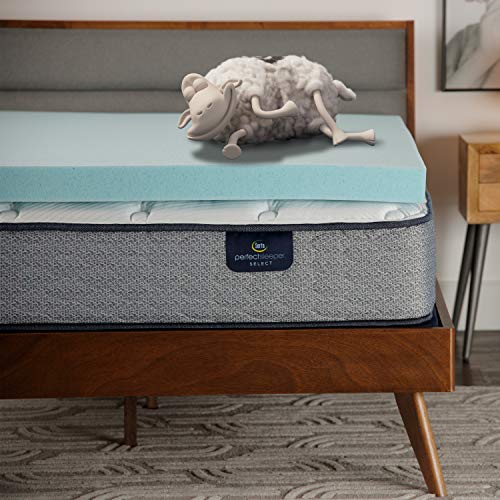
- BREATHABLE GEL-INFUSED FOAM: Engineered with ThermaGel-infused memory foam to...
- COOLING TECHNOLOGY: ThermaGel particles help create a refreshing sleep surface...
- CONTOURING SUPPORT: Adapts and conforms to your body’s natural shape for...
Sweetcrispy Memory Foam Mattress Topper – Best Value for Durability
This topper offers a high-density foam core at an accessible price point. It provides reliable support and pressure relief with a breathable, removable cover for easy maintenance, representing a solid long-term investment for budget-conscious shoppers.
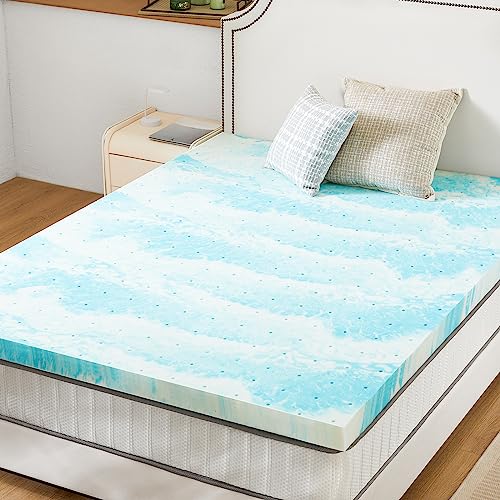
- ENHANCED COMFORT - With this memory foam mattress topper, say goodbye to...
- IMPROVED AIRFLOW - The gel infusion in this mattress pad helps to dissipate heat...
- VERSATILE USE - Whether you use it on your bed, sofa, or even in your RV, this...
Conclusion
Choosing a mattress topper for longevity is a strategic decision that impacts your sleep quality and budget for years. It requires looking beyond initial comfort to the core factors of material density, construction, and proper care.
By prioritizing high-density materials, implementing a simple maintenance routine, and selecting a topper matched to your sleep needs, you can ensure lasting support and comfort. This investment protects your mattress and enhances your nightly rest for the long term.
Frequently Asked Questions about How To Choose A Topper For Longevity
What is the most important factor for a long-lasting mattress topper?
The single most critical factor is material density, especially for foam. Density, measured in pounds per cubic foot (PCF), indicates the amount of solid material. Higher density foam (4+ PCF) resists compression and sagging far better than low-density alternatives.
While thickness and softness are noticeable initially, they do not determine lifespan. A dense core provides the structural integrity needed to maintain support and shape over thousands of nights of use, making it the foundation of durability.
How often should I rotate my mattress topper?
You should rotate your mattress topper 180 degrees (head to foot) every three to six months. This simple practice distributes wear evenly across the entire surface, preventing permanent body impressions from forming in the same spots.
Regular rotation is a proactive maintenance step that combats the natural tendency for materials to compress where you sleep. It is one of the most effective ways to extend the functional life of your topper without any cost.
Can a mattress topper fix a sagging mattress permanently?
No, a topper cannot permanently fix a structurally sagging or broken-down mattress. It can temporarily improve comfort by adding a cushioning layer on top, masking the feel of dips and valleys for a short period.
However, placing a topper on a failed foundation will accelerate the topper’s own wear, as it will conform to the uneven surface. For long-term comfort and support, a severely sagging mattress typically requires replacement.
Does a higher price always mean a more durable topper?
Not always, but there is a strong correlation. A higher price often reflects better-quality materials like high-density foam or natural latex, superior construction techniques, and longer, more Complete warranties.
It’s essential to evaluate the specifications rather than just the price. A mid-priced topper with verified high-density foam can be more durable than an expensive one using low-density materials marketed primarily for plushness.
What is the expected lifespan of a good quality mattress topper?
With proper care, a high-quality mattress topper should last between 5 to 8 years. Premium materials like natural latex can often last 8 to 12 years due to their exceptional resilience and bounce-back properties.
Lifespan is heavily influenced by maintenance. Using a protector, rotating regularly, and following cleaning instructions are crucial to reaching the upper end of this expected durability range.
How does a mattress protector extend a topper’s life?
A mattress protector acts as a vital barrier against moisture, body oils, sweat, and dust mites. These elements can break down the foam cells or fibers inside a topper, leading to premature degradation, odors, and material breakdown.
By keeping the core materials clean and dry, the protector prevents the primary causes of hygienic and structural failure. This simple layer is a non-negotiable investment for maximizing the longevity of your topper.