
Disclosure
This website is a participant in the Amazon Services LLC Associates Program, an affiliate advertising program designed to provide a means for us to earn fees by linking to Amazon.com and affiliated sites.
Choosing the right mattress topper for hip pain is crucial for restful sleep and joint relief. The wrong choice can worsen discomfort, making selection a vital health decision.
A topper’s material and firmness level directly impact pressure point alignment. Your sleeping position is the key to unlocking proper spinal support and pain-free mornings.
Are You Tired of Waking Up With Aching Hips, Dreading Another Night of Discomfort?
Choosing the wrong mattress topper can worsen hip pain, leaving you sore and unrested. The BEDLORE Queen Mattress Topper directly addresses this with targeted pressure relief. Its supportive memory foam and ergonomic design cradle your hips to align your spine, transforming your existing mattress into a pain-relieving sleep surface for deeper, more comfortable rest.
For consistent pressure relief and support, we suggest the: BEDLORE Queen Mattress Topper
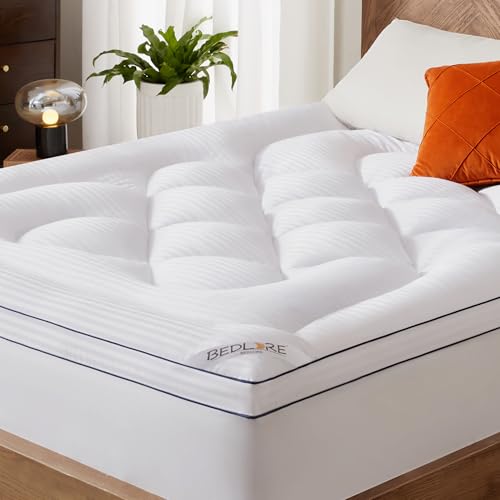
- Improve Sleep Quality: Use polyester fabric and extra thick filler, improve...
- Ultra Soft Improves Comfort: Conforms to the curves and shapes of the body...
- Deep Pocket Design: Elastic deep pockets can accommodate mattresses 6-18 inches...
Your Sleeping Position for Hip Pain Relief
Your primary sleep posture is the most critical factor in selecting a mattress topper for hip pain. Different positions place unique pressure on your joints, requiring specific support. Choosing incorrectly can misalign your spine and increase discomfort.
Best Topper for Side Sleepers with Hip Pain
Side sleepers need a topper that cushions the hip and shoulder while keeping the spine neutral. A too-firm surface creates pressure points, while one that is too soft allows the hip to sink too far. The goal is even support from shoulders to hips.
- Recommended Material: Memory foam or latex, typically 3 to 4 inches thick, to allow for contouring.
- Key Feature: Look for pressure-relieving properties that cradle the hip joint without bottoming out.
- Practical Tip: Place a pillow between your knees to maintain better pelvic alignment throughout the night.
Choosing a Topper for Back and Stomach Sleepers
Back and stomach sleepers generally require a firmer, more supportive surface to prevent the hips from sagging. Excessive sinkage can strain the lower back and pull on the hip flexors. Support is more important than deep cushioning here.
- Recommended Material: A firmer latex or a supportive high-density foam topper, often 2 to 3 inches thick.
- Key Feature: Prioritize spinal alignment and even support across the entire body.
- Practical Tip: Stomach sleepers may benefit most from a very thin, firm topper or none at all, paired with a flat pillow.
Comparing Mattress Topper Materials for Hip Support
Material choice directly impacts pressure relief, support, and temperature regulation. Each type offers distinct benefits for managing hip pain. these differences is essential for a risk-free purchase.
Memory Foam Toppers for Pressure Relief
Memory foam is renowned for its superior contouring and pressure point relief. It molds closely to the body, evenly distributing weight around the hips. This can significantly reduce pain points for side sleepers.
- Primary Benefit: Excellent pressure redistribution to alleviate stress on the hip joint.
- Consideration: Can retain heat; look for gel-infused or open-cell foam for better cooling.
- Best For: Side sleepers and those whose primary need is cushioning for bony prominences.
Latex Topper Benefits for Spinal Alignment
Latex provides a unique combination of responsive support and gentle cushioning. It pushes back against the body, promoting proper spinal alignment without the deep sink of memory foam. This buoyant support is ideal for keeping hips elevated.
- Primary Benefit: Offers resilient support and is naturally cooler and more breathable than traditional memory foam.
- Consideration: Comes in Talalay (softer) and Dunlop (firmer) varieties; Dunlop often provides firmer support for hip pain.
- Best For: Back sleepers, combination sleepers, and those who want contouring without feeling “stuck.”
| Material | Best for Hip Pain When… | Key Consideration |
|---|---|---|
| Memory Foam | You need maximum pressure relief and sleep primarily on your side. | Heat retention can be an issue; seek cooling technologies. |
| Latex | You need buoyant support for alignment and tend to sleep hot. | Higher initial cost, but often more durable and responsive. |
| High-Density Foam | You need a firm, affordable surface to reinforce a sagging mattress. | Less contouring; may not relieve pressure points as effectively. |
How to Test and Select Your Topper Safely
Making the final choice requires a strategic approach to avoid costly mistakes. Relying on product descriptions alone is risky for sensitive hips. A methodical selection process ensures you find the right support without guesswork.
Evaluating Firmness and Thickness for Hip Support
Firmness and thickness work together to determine how your hips are supported. A good rule is that thicker toppers offer more cushioning, while firmness controls how much you sink. The ideal combination prevents your hips from pressing into a hard mattress.
- Assess Your Current Mattress: Is it too hard or too soft? A hard mattress needs a thicker, softer topper (3-4″). A soft mattress needs a thinner, firmer topper (2-3″) for reinforcement.
- Match Thickness to Sleep Position: Side sleepers often need 3-4 inches for adequate hip cushioning. Back and stomach sleepers usually need 2-3 inches of firmer material.
- Check the ILD Rating: For foam, look for the Indentation Load Deflection rating. A medium (15-20 ILD) is often best for hip pain, providing a balance of softness and support.
Utilizing Risk-Free Trial Periods and Warranties
A generous sleep trial is your most important tool for a risk-free purchase. It allows you to test the topper in your own home, in your actual sleep position. Never buy a topper for hip pain without this safety net.
- Minimum Trial Length: Look for a trial of at least 30 nights, as it takes time for your body to adjust and for pain relief to become apparent.
- Understand the Return Process: Check if returns are free, and if the company requires you to keep the original packaging. This avoids unexpected costs.
- Review the Warranty: A 3 to 5-year warranty against defects in materials and workmanship protects your investment. It indicates manufacturer confidence in durability.
Additional Features and Setup for Optimal Results
The right features can enhance pain relief, while proper setup ensures you get the full benefit. Small details in design and placement make a significant difference in comfort and support for your hips. Do not overlook these final, crucial steps.
Important Topper Features for Pain Management
Beyond core material, specific engineering features target pain relief and sleep quality. These technologies address common complaints like heat and pressure buildup. Selecting a topper with these attributes provides a more Complete solution.
- Zoned Support: Look for models with firmer foam in the hip and shoulder zones to provide targeted lumbar support and maintain spinal alignment.
- Cooling Technology: Gel infusions, graphite, or phase-change material covers help regulate temperature, which is vital for comfort and reducing inflammation.
- Hypoallergenic Covers: A removable, breathable cover that is dust-mite resistant improves sleep hygiene and is easy to clean, contributing to overall wellness.
Step-by-Step Guide for Proper Topper Installation
Incorrect installation can create lumps, slips, or uneven support that negates the topper’s benefits. A secure, flat setup is non-negotiable for consistent hip support. Follow these steps to ensure a perfect fit.
- Prepare Your Mattress: Strip your bed completely and ensure the mattress surface is clean, dry, and free of debris. This prevents shifting.
- Use a Fitted Sheet or Strap: Place the topper evenly on the mattress. Secure it using a deep-pocket fitted sheet designed for toppers, or use non-slip mattress straps on the corners.
- Allow for Full Expansion: If your topper is vacuum-sealed, unroll it on the mattress and give it 24-48 hours to fully expand and air out before sleeping on it.
| Feature | Why It Matters for Hip Pain | What to Look For |
|---|---|---|
| Zoned Support | Provides targeted firmness under hips to prevent sinkage and misalignment. | Firmer sections in the middle third of the topper. |
| Breathable Cover | Improves airflow to keep you cool; heat can exacerbate joint pain and inflammation. | Removable cover made of cotton, bamboo, or Tencel. |
| Non-Slip Bottom | Prevents the topper from sliding, which can create uneven support and dangerous wrinkles. | Gripper dots, silicone strips, or a quilted underside. |
Common Mistakes to Avoid When Buying a Topper
Even with good information, simple errors can lead to disappointment and continued pain. Being aware of these pitfalls helps you navigate the selection process more confidently. Avoiding these mistakes is key to a truly risk-free purchase for your hips.
Ignoring Your Existing Mattress Condition
A topper is a supplement, not a replacement for a failed mattress. Placing a high-quality topper on a severely sagging or broken-down mattress will not solve alignment issues. The foundation must be fundamentally sound.
- The Pitfall: Expecting a soft topper to fix a mattress that is too soft, which often worsens sinkage and hip misalignment.
- The Solution: Use a topper primarily to adjust firmness (hard to soft, or soft to firm) on a mattress that is still structurally intact.
- Check First: Place a straight edge on your mattress. If it sags more than 1.5 inches, you likely need a new mattress, not just a topper.
Overlooking the Break-In Period and Adjustment
Your body needs time to adapt to new sleeping support, and the product itself may need to fully expand. Judging a topper’s effectiveness on the first night is a common error that leads to premature returns.
- The Pitfall: Expecting immediate, miraculous pain relief and returning the topper before the recommended trial period (often 30 nights) is over.
- The Solution: Commit to sleeping on the topper exclusively for at least two weeks to allow your muscles and joints to adjust to the new support.
- Be Patient: Some initial stiffness is normal as your body relearns a more aligned position. Focus on how your hips feel in the morning after the first few weeks.
Final Checklist Before You Make Your Purchase
Use this practical checklist to confidently finalize your decision. It consolidates all critical factors into one simple verification step. This ensures no key element for hip pain relief is overlooked before you buy.
Your Pre-Purchase Verification List
Go through each item systematically to confirm your chosen topper meets all necessary criteria. This turns complex research into a straightforward yes-or-no process. It is your final defense against a risky purchase.
- Sleep Position Match: Does the topper’s recommended firmness and thickness align with my primary sleeping position (side, back, stomach)?
- Material Suitability: Have I chosen the material (memory foam, latex, etc.) based on my need for pressure relief versus supportive alignment?
- Feature Check: Does it include beneficial features like cooling technology, a non-slip bottom, or a removable, breathable cover?
- Trial & Warranty: Is there a sleep trial of at least 30 nights and a reasonable warranty (3+ years) in place?
- Mattress Foundation: Is my current mattress still structurally sound, providing a stable base for the topper?
Where to Buy for the Best Value and Service
Your choice of retailer impacts price, service, and the ease of potential returns. Buying directly from reputable manufacturers often provides the best customer experience for sleep products. Always prioritize service over the lowest price.
- Direct-to-Consumer Brands: Companies like Saatva, Brooklyn Bedding, and others specialize in online sales with generous home trials, free shipping, and hassle-free returns.
- Specialty Sleep Retailers: These stores often have knowledgeable staff and may allow in-store testing, though their return policies can be more restrictive than online trials.
- Major Online Marketplaces: While convenient, carefully vet third-party sellers for authentic products and clear return policies. Manufacturer warranties may not always be honored.
Integrating Your New Topper into a Overall Pain Relief Routine
A mattress topper is a powerful tool, but it works best as part of a Complete approach to hip health. Combining proper sleep support with daily habits can significantly amplify your pain relief results. This Overall strategy addresses the root causes of discomfort, not just the symptoms at night.
Complementary Sleep Habits for Hip Pain Sufferers
Your bedtime routine and sleep environment play a crucial supporting role. Small adjustments can help your body relax and maintain the alignment your new topper provides. Consistency in these habits is key to unlocking lasting improvement.
- Strategic Pillow Use: For side sleepers, a firm pillow between the knees keeps hips stacked. For back sleepers, a pillow under the knees can reduce lower back and hip strain.
- Pre-Sleep Stretching: Gentle stretches for the hip flexors, piriformis, and glutes can release tension and make it easier to find a comfortable position.
- Sleep Surface Maintenance: Rotate your topper and mattress according to manufacturer instructions to prevent uneven wear and maintain consistent support.
When to Consult a Healthcare Professional
While a topper can alleviate pressure-related pain, it is not a cure for underlying medical conditions. Persistent or severe hip pain requires proper medical evaluation. Use these guidelines to know when to seek expert advice.
- Persistent Pain: If your hip pain continues or worsens after several weeks of using a properly selected topper and improved sleep habits.
- Specific Symptoms: You experience sharp, shooting pain, numbness, tingling down the leg, or significant swelling and stiffness in the joint.
- Impact on Mobility: The pain limits your daily activities, such as walking, climbing stairs, or standing up from a seated position.
| Time of Day | Action for Hip Health | Benefit for Sleep |
|---|---|---|
| Morning | Perform light, dynamic stretches to lubricate the joints. | Reduces stiffness that can carry into the night. |
| Daytime | Avoid prolonged sitting; take short walks and use supportive chairs. | Prevents hip flexor tightening that causes nighttime pain. |
| Evening | Practice a wind-down routine with gentle yoga poses like figure-four stretch. | Prepares muscles and joints for rest and proper alignment on your topper. |
Recommended Mattress Toppers for Hip Pain Relief
Based on the criteria outlined , these three toppers are excellent options that balance support, pressure relief, and value. Each is selected for a specific sleep need to help you make a confident, risk-free choice for your hip pain.
Zalmureta 4 Inch Dual Layer Memory Foam Mattress Topper – Best Overall Pressure Relief
This topper excels with its dual-layer construction, combining a soft top layer for comfort with a firmer base for support. The 4-inch thickness and breathable bamboo cover provide deep contouring ideal for side sleepers needing significant hip cushioning without overheating.
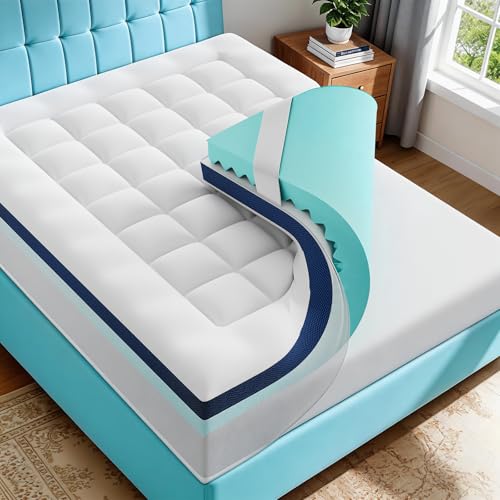
- 【4-Inch Dual-Layer Design】Our mattress topper features a 2-inch cooling...
- 【Breathable Design】This mattress topper is designed with Cold Gel Memory...
- 【Effective Body Support】Our mattress topper are ergonomically designed with...
NicePlus Dual Layer 4 Inch Memory Foam Mattress Topper – Best for Firm Support
Featuring a certified foam and a non-slip bottom, this model offers a slightly firmer feel for those who need reinforced support. Its dual-layer design and machine-washable cover make it a durable, stable option for back sleepers or those with a soft, sagging mattress.
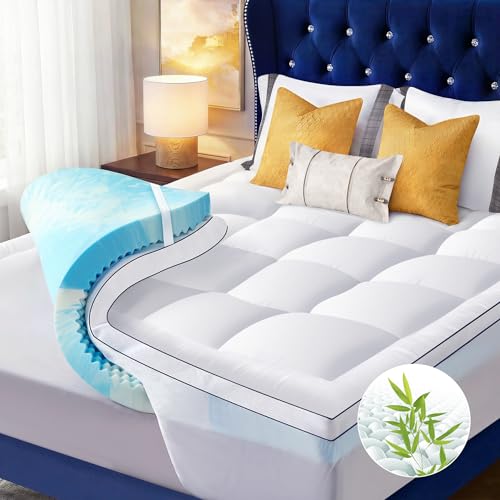
- 2-in-1 Double-Layer Mattress Topper: Featuring a dual-layer structure, designed...
- Relieves Pain & Supports Restful Sleep: The soft mattress topper bottom features...
- Cooling & Breathable: The 4 inch mattress topper fabric contains 40% Viscose...
DOWNCOOL 3 Inch Queen Mattress Topper – Best Cooling Option
This 3-inch gel-infused memory foam topper prioritizes temperature regulation with a cooling bamboo cover. The medium profile provides balanced cushioning and support, making it the ideal choice for hot sleepers or combination sleepers who need versatile hip pain relief.
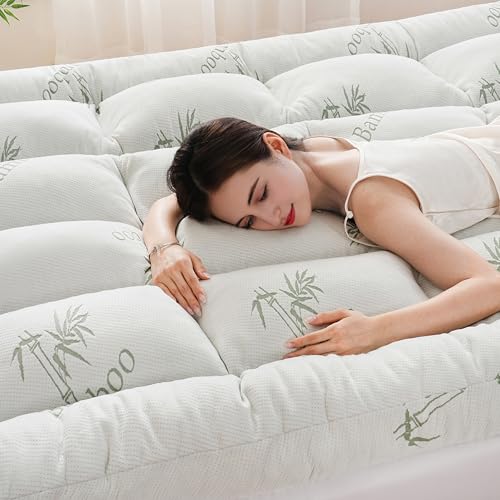
- Cooling Bamboo Viscose Top with 3D Air Layer: Made of 39% bamboo viscose and...
- Plush Pillow Top for Pressure Relief: Made with a thin gel memory foam layer and...
- Secure Deep Pocket Design: The elastic deep pocket skirt wraps around the...
Conclusion
Choosing the right mattress topper for hip pain is a strategic process that eliminates guesswork and risk. By carefully matching your sleep position, material preference, and specific needs, you can transform your sleep surface into a tool for relief.
The key to success is utilizing extended sleep trials from reputable brands. This allows you to test the support and comfort in your own home, ensuring your final choice delivers pain-free mornings and restful nights.
Frequently Asked Questions about How To Choose A Topper For Hip Pain Without The Risk
What is the best mattress topper material for hip pain?
Memory foam is often best for direct pressure relief, as it contours closely to cushion the hip joint. Latex provides excellent supportive bounce, ideal for maintaining spinal alignment. The choice depends on whether you need cushioning or firm support.
Consider your sleep position: side sleepers often prefer memory foam, while back sleepers may favor latex. Always prioritize a material with cooling features to prevent heat retention, which can worsen inflammation.
How thick should a mattress topper be for hip pain?
For significant cushioning, a 3 to 4 inch topper is generally recommended, especially for side sleepers. This thickness allows enough material to prevent the hip from pressing into the firm mattress below, effectively redistributing pressure.
If you need to add slight softness or primarily require firmer support for alignment, a 2 to 3 inch topper may suffice. The thickness should complement, not overwhelm, the existing support of your mattress.
Can a mattress topper fix a sagging mattress for someone with hip pain?
A topper can temporarily improve the feel of a slightly sagging mattress by adding a new, even surface. However, it cannot correct the underlying structural failure or deep sag that causes misalignment.
If your mattress has pronounced body impressions or is over 7-8 years old, a topper is a short-term solution. For chronic hip pain, investing in a new supportive mattress is often the more effective long-term choice.
How long does it take for a new mattress topper to relieve hip pain?
Allow a break-in period of at least two to three weeks for your body to adjust to the new support. Some initial stiffness is normal as your muscles and joints adapt to a more aligned sleeping position.
This is why a 30-night sleep trial is crucial. Judge the topper’s effectiveness based on how you feel after this adjustment period, not on the first night, to give it a fair chance to work.
Is a firm or soft mattress topper better for hip pain?
This depends entirely on your sleep position. Side sleepers usually need a medium-soft topper to allow the hip to sink just enough for spinal alignment. Back and stomach sleepers typically need a medium-firm topper to prevent the hips from sinking too far.
The goal is neutral spine alignment. A topper that is too soft will create hammocking, while one that is too firm will create pressure points on the hip bone.
What features are most important in a topper for hip pain?
Prioritize pressure relief, proper thickness for your sleep position, and temperature regulation. Features like zoned support, cooling gel infusions, and a breathable, removable cover significantly enhance comfort and pain management.
Equally important are the purchase terms: a generous sleep trial and a clear return policy. These features ensure you can test the topper risk-free and return it if it does not alleviate your specific hip pain.