Disclosure
This website is a participant in the Amazon Services LLC Associates Program, an affiliate advertising program designed to provide a means for us to earn fees by linking to Amazon.com and affiliated sites.
Choosing the right mattress topper is crucial for managing back pain and improving sleep quality. The wrong support can worsen discomfort, while the correct one provides relief.
Back pain sufferers often need targeted spinal alignment, which a standard mattress may lack. A specialized topper can fill this gap, offering customized comfort and pressure relief.
Waking Up Stiffer Than When You Went to Bed?
If your mattress offers no support, your spine never gets the alignment it needs for true rest. The BEDLORE Queen Mattress Topper solves this with targeted pressure relief and a supportive memory foam layer, cradling your body to ease tension and promote a neutral spinal position for less morning pain.
For the relief you deserve, choose the: BEDLORE Queen Mattress Topper
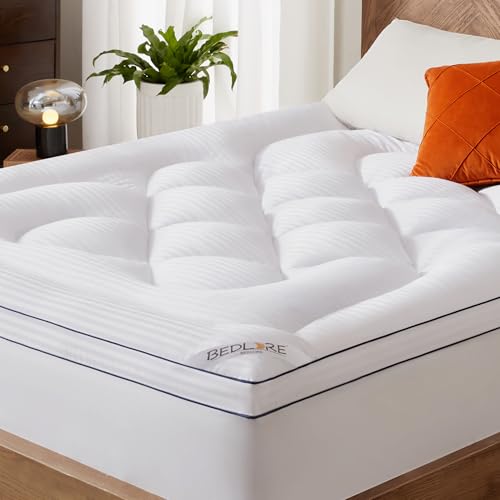
- Improve Sleep Quality: Use polyester fabric and extra thick filler, improve...
- Ultra Soft Improves Comfort: Conforms to the curves and shapes of the body...
- Deep Pocket Design: Elastic deep pockets can accommodate mattresses 6-18 inches...
Your Back Pain for the Best Mattress Topper
Selecting the ideal mattress topper for back pain relief starts with identifying your specific discomfort. Different types of pain require different support solutions. A targeted approach ensures you address the root cause of your sleep issues.
Identifying Common Types of Back Pain
Lower back pain, often from poor spinal alignment, typically benefits from firmer support. Upper back and shoulder pain may indicate pressure point issues needing cushioning. This distinction guides your material choice.
- Pressure Point Pain: This pain, often in shoulders and hips, occurs when areas bear too much weight. A soft, conforming topper like memory foam can distribute pressure evenly.
- Alignment-Related Pain: This stems from the spine curving unnaturally during sleep. A supportive topper, such as latex or a firm foam, helps maintain a neutral spine position.
- General Stiffness: Waking up achy often points to a mattress that is too hard. A plush, cushioning topper adds a comfort layer without sacrificing necessary support.
How Sleep Position Affects Your Choice
Your preferred sleeping position dramatically impacts the pressure on your spine. The right topper will complement your posture to keep your back in a healthy alignment all night.
- Side Sleepers: Need a thicker, softer topper (3-4 inches) to cushion hips and shoulders and keep the spine straight. Memory foam or soft latex are excellent choices.
- Back Sleepers: Require medium-firm support (2-3 inches) to maintain the natural lumbar curve. A firmer latex or hybrid topper often works best.
- Stomach Sleepers: Should opt for a thin, firm topper (1-2 inches) to prevent the lower back from sagging. A firm foam is usually recommended to avoid strain.
Comparing Mattress Topper Materials for Back Support
The core material of your topper determines its feel and therapeutic benefits. Each type offers a unique balance of pressure relief, support, and temperature regulation. Matching the material to your pain profile is essential for success.
| Material | Best For Pain Type | Key Consideration |
|---|---|---|
| Memory Foam | Pressure point relief, contouring | Can retain heat; look for gel-infused or open-cell options. |
| Latex (Natural or Synthetic) | Spinal alignment, responsive support | More buoyant and cooler than memory foam; offers firmer push-back. |
| Feather/Down | Plush softness, minimal support | Not ideal for alignment; best for adding softness to a very firm mattress. |
| Wool or Fiberfill | Cushioning, temperature regulation | Provides gentle cushioning but may compress quickly, losing support. |
Choosing Between Memory Foam and Latex Toppers
Memory foam and latex are the top contenders for therapeutic back support. Memory foam excels at contouring and pressure relief, molding closely to your body’s shape. Latex provides more resilient, buoyant support that helps with proper spinal alignment.
- Memory Foam Advantage: Excellent motion isolation and deep contouring for aching joints. Ideal for side sleepers with shoulder or hip pain.
- Latex Advantage: Naturally cooler and more responsive, making it easier to change positions. Often preferred by back and combination sleepers.
Key Features for Enhanced Comfort and Support
Beyond core material, specific design features can target back pain more effectively. Look for toppers with zoned support or advanced cooling technology to address common sleep disruptions.
- Zoned Support: Features firmer foam in the lumbar and hip areas to promote neutral spine alignment, a major benefit for lower back pain.
- Cooling Gel or Graphite Infusion: Counters heat retention in memory foam, ensuring a comfortable sleep temperature throughout the night.
- Density and Thickness: Higher density foams (4 lbs/ft³ or more) offer better, longer-lasting support. Thickness (2-4 inches) should match your sleep position and pain needs.
Practical Steps to Test and Select Your Topper
Knowing your pain type and preferred materials is only half the battle. The final selection requires a practical, hands-on approach to ensure real-world comfort. Following a clear process helps you avoid costly mistakes and find lasting relief.
How to Evaluate a Topper Before You Buy
Smart shopping involves more than just reading online reviews. You must assess key specifications and policies that directly impact your sleep health and investment.
- Check the Trial Period and Warranty: Look for a sleep trial of at least 30 nights and a warranty covering 3-5 years. This protects you if the topper doesn’t alleviate your pain.
- Understand the Return Policy: Confirm if returns are free and whether the company requires you to keep original packaging. Complicated returns are a major red flag.
- Measure Your Mattress Depth: Ensure the topper’s thickness, combined with your mattress, won’t make your sheets too tight. Standard deep-pocket sheets fit up to about 15 inches total.
Setting Up Your New Topper for Success
Proper setup is crucial for your topper to perform as intended. A simple break-in period allows the materials to fully expand and adapt.
- Allow Full Expansion: Unpack your topper immediately and give it 24-48 hours to air out and reach its full size and shape, especially for memory foam.
- Use a Secure Mattress Pad: Place a fitted, non-slip mattress pad over the topper. This prevents it from sliding and keeps it clean, extending its lifespan.
- Commit to an Adjustment Period: Your body may need 2-3 weeks to adapt to the new support level. Minor initial stiffness is normal as your muscles realign.
Maintaining Your Mattress Topper for Long-Term Back Health
Proper care extends the life of your topper and preserves its therapeutic benefits. A well-maintained topper continues to provide consistent support, which is vital for ongoing back pain management. Neglect can lead to premature sagging and loss of pressure relief.
Essential Cleaning and Care Routine
Regular maintenance prevents the buildup of allergens and maintains the material’s integrity. Most toppers cannot be machine-washed, so a proactive cleaning strategy is key.
- Use a Protective Cover: A waterproof, breathable, and washable mattress protector is your first line of defense. It shields against spills, stains, dust mites, and sweat.
- Spot Clean Spills Immediately: Blot liquids with a clean cloth and use a mild detergent solution for stains. Avoid soaking the foam or latex core, as it can damage the material.
- Air It Out Regularly: Every few months, remove bedding and let the topper air for several hours. This
Addressing Common Topper Problems and Solutions
Even a well-chosen topper can present issues that affect comfort and support. Recognizing these common problems helps you troubleshoot effectively or make a better initial choice. Proactive solutions can restore your sleep surface and back pain relief.
Common Problem Likely Cause Practical Solution Topper Sliding Off Mattress Lack of grip or a fitted sheet that is too tight Use a non-slip mattress pad underneath or a sheet with deep, full elastic corners. Sleeping Too Hot Dense memory foam trapping body heat Add a breathable, moisture-wicking mattress protector and use cooling bamboo or cotton sheets. New Topper Feels Too Firm Materials need a break-in period; body adjusting Walk gently on the surface to soften it and allow the full 3-4 week adjustment period. Persistent Morning Back Pain Topper is the wrong firmness or thickness for your sleep position Re-evaluate your sleep posture and material choice; consider a zoned support topper. When to Replace Your Mattress Topper
A topper loses its supportive properties over time, which can silently worsen back pain. Knowing the signs of wear ensures you get consistent therapeutic benefits.
- Visible Sagging or Body Impressions: Permanent dips of 1.5 inches or more mean the material can no longer support proper spinal alignment.
- Lumps or Uneven Surfaces: Internal breakdown creates uncomfortable pressure points that defeat the topper’s purpose of providing even support.
- Loss of Resilience: If the foam or latex does not spring back, it has lost its density and can no longer offer adequate push-back for your spine.
Can a mattress topper really fix back pain?
A quality topper can alleviate back pain by improving spinal alignment and pressure distribution. It is most effective when your existing mattress has a good foundation but lacks adequate comfort or contouring. However, it cannot compensate for a severely sagging or broken-down mattress core.
How thick should a topper be for back support?
The ideal thickness depends primarily on your sleep position and material. For therapeutic support, consider these general guidelines:
- 2 to 3 inches: This is the standard range for most sleepers, providing a balance of cushioning and support without drastically changing mattress feel.
- 3 to 4 inches: Recommended for side sleepers or those with significant pressure point pain, as it allows for deeper contouring around hips and shoulders.
- 1 to 2 inches: Suitable for stomach sleepers or adding minimal plushness, as too much thickness can cause the spine to sink out of alignment.
Is a firm or soft topper better for back pain?
Neither is universally better; the correct firmness depends on your pain type and sleep posture. A firmer topper aids spinal alignment for back and stomach sleepers. A softer, contouring topper relieves pressure points for side sleepers. The goal is a topper that keeps your spine neutrally aligned, regardless of the softness level.
Integrating Your Topper with Other Sleep Solutions
A mattress topper is a powerful tool, but it works best as part of a Overall approach to back health. Combining it with supportive sleep habits and products can amplify pain relief and improve overall sleep quality. This integrated strategy addresses back pain from multiple angles.
Pairing Your Topper with the Right Pillow
Neck and upper back pain are often linked to poor pillow support. Your pillow and topper must work together to maintain a straight line from your neck down your spine.
- For Side Sleepers: Use a thicker, firmer pillow to fill the space between your ear and shoulder, aligning your neck with the cushioned support of your topper.
- For Back Sleepers: A medium-loft pillow supports the natural curve of your cervical spine, complementing the lumbar support from your topper.
- For Stomach Sleepers: A very thin, almost flat pillow—or none at all—is best to avoid neck strain, pairing with your thin, firm topper.
Supportive Sleep Positions and Habits
How you use your sleep surface is as important as the surface itself. Small adjustments to your routine can protect your back throughout the night.
- Practice Getting In and Out of Bed: Log roll onto your side and use your arms to push up, rather than sitting straight up from your back, to minimize spinal twisting.
- Use a Knee Pillow for Side Sleeping: Placing a small pillow between your knees keeps your hips, pelvis, and spine aligned, reducing lower back strain.
- Consider Adjustable Bases: If you have acid reflux or breathing issues, a slight incline from an adjustable base can reduce back pressure. Ensure your topper is flexible enough to bend without damage.
Overall Tip: Your sleep system includes your topper, pillow, sheets, and habits. Optimizing all these elements creates a synergistic environment for healing and rest, making your investment in a topper even more effective.Best Recommended Mattress Toppers for Back Pain
Based on material, support, and user feedback, these three toppers are excellent options for addressing different back pain needs. Each offers a unique combination of features designed to improve spinal alignment and sleep comfort.
BEDLORE King Mattress Topper – Best for Pressure Relief
This memory foam topper provides excellent contouring to cushion pressure points in shoulders and hips. Its gel-infused design helps regulate temperature, while the 3-inch thickness offers deep comfort for side sleepers seeking relief from aches.
 BEDLORE King Mattress Topper Viscose Derived from Bamboo, Thick...
- 【Premium Quality】Experience ultimate comfort with our pillow top mattress...
- 【Breathable Design】 Stay cool and cozy all night with the king bed mattress...
- 【Enhanced Comfort】 Upgrade your sleep with this luxurious and durable king...
SINWEEK Mattress Topper Twin XL – Best for Firm Support
Ideal for back and stomach sleepers, this topper adds a supportive, responsive layer without excessive softness. Its bamboo cover enhances breathability, making it a great option for maintaining spinal alignment and staying cool throughout the night.
SINWEEK Mattress Topper Twin XL, 2 Inch Gel Memory Foam Mattress...- GEL MEMORY FOAM MATERIAL: Our memory foam mattress topper readily conforms to...
- MORE COMFORTABLE SLEEP: The gel memory foam material used in our mattresses...
- SOFT BUT NOT FOLDABLE: our mattress is soft, do not roll up and store too long...
DOWNCOOL 3 Inch Queen Mattress Topper – Best for Plush Cushioning
This hybrid topper combines a down-alternative fill with a cooling fiber layer for a soft, cloud-like feel. It is an ideal choice for those who find memory foam too firm, adding gentle cushioning to relieve general stiffness and improve comfort.
DOWNCOOL 3 Inch Queen Mattress Topper – Cooling Memory Foam...- Cooling Bamboo Viscose Top with 3D Air Layer: Made of 39% bamboo viscose and...
- Plush Pillow Top for Pressure Relief: Made with a thin gel memory foam layer and...
- Secure Deep Pocket Design: The elastic deep pocket skirt wraps around the...
Conclusion
Choosing the right mattress topper for back pain is a strategic process that combines Your pain type, sleep position, and material benefits. From memory foam contouring to latex support, the correct choice can transform your sleep quality.
The main point is to prioritize targeted support over temporary softness. Investing in a topper with the proper thickness, firmness, and a reliable sleep trial offers a practical, cost-effective path to lasting back pain relief and more restorative sleep.
Frequently Asked Questions about How To Choose A Topper For Back Pain
How long does it take for a new mattress topper to help with back pain?
Most people need an adjustment period of 2 to 4 weeks to experience full benefits. Your body requires time to adapt to the new support and for muscles to realign properly.
Minor initial stiffness is common. If pain persists or worsens after this period, the topper’s firmness or thickness may not be suitable for your specific sleep posture and pain type.
Can I use a mattress topper on an adjustable bed?
Yes, but you must select a flexible material that can bend without cracking or creasing. Memory foam and latex toppers are generally compatible with adjustable bases.
Check the product specifications for “adjustable bed friendly” labeling. Avoid toppers with rigid borders or non-flexible fiberfill, as they can be damaged when the base is raised.
What is the difference between a mattress pad and a mattress topper for back pain?
A mattress pad is a thin, quilted layer primarily for protection and slight softness. It offers minimal structural support or pressure relief for an aching back.
A mattress topper is thicker (1-4 inches) and made from supportive materials like foam or latex. It is designed to actively change the feel and support level of your mattress to improve spinal alignment.
Is a cooling topper necessary if I sleep hot with back pain?
Temperature regulation is crucial for uninterrupted sleep, which aids muscle recovery. Sleeping hot can cause discomfort and frequent waking, negating the topper’s supportive benefits.
If you tend to sleep warm, prioritize materials like gel-infused memory foam, latex, or those with breathable bamboo covers. A cooler sleep environment helps maintain comfort throughout the night.
How often should I replace my mattress topper for optimal back support?
A quality topper typically lasts 3 to 5 years with proper care. Signs of replacement include visible sagging, permanent body impressions, and a noticeable loss of support or resilience.
When the material no longer springs back, it fails to provide the consistent support needed for spinal alignment. Replacing it on time is key to ongoing pain management.
Will a topper make my mattress too soft and worsen my back pain?
It can, if you choose the wrong type. A very soft, plush topper on an already soft mattress may cause your spine to sag. The goal is to correct your mattress’s feel, not overwhelm it.
If your mattress is too soft, select a firm or medium-firm topper to add supportive structure. Always consider the combined feel of your existing mattress and the new topper layer.