
Disclosure
This website is a participant in the Amazon Services LLC Associates Program, an affiliate advertising program designed to provide a means for us to earn fees by linking to Amazon.com and affiliated sites.
Choosing the right mattress topper is crucial for allergy sufferers seeking relief. It can create a barrier against dust mites and allergens, improving sleep quality and health.
Hypoallergenic materials like latex or specialized memory foam resist common triggers. A properly chosen topper minimizes exposure, turning your bed into a safer, more comfortable sanctuary.
Waking Up Stuffy and Sneezing Despite a “Clean” Bed?
Allergens like dust mites thrive in your mattress, causing nighttime congestion and poor sleep. This topper features a breathable, hypoallergenic cover and CertiPUR-US® certified memory foam that resists allergens, creating a protective, comfortable barrier between you and your mattress for clearer breathing and more restful nights.
For a deeply comfortable, hypoallergenic barrier, we recommend: Lucid 4 Inch Memory Foam Mattress Topper
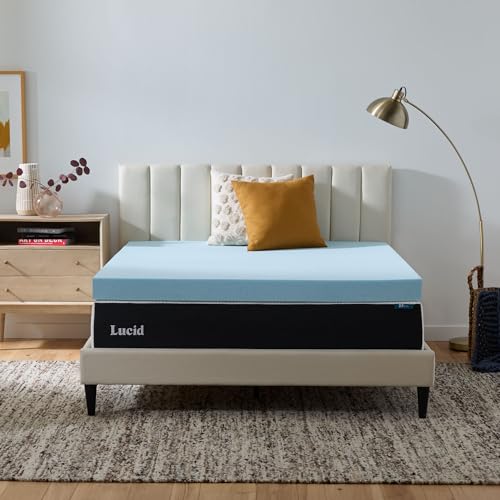
- ULTRA PLUSH FEEL – Lucid memory foam mattress toppers are designed to enhance...
- COOLER SLEEP: Cooling gel is infused in the memory foam to help regulate your...
- CHOOSE YOUR SIZE: 2-inch profile adds a soft layer of support to any mattress...
Hypoallergenic Materials for Your Mattress Topper
Selecting the right material is the most critical step for an allergy-friendly bed. Different fabrics and foams offer varying levels of protection against common allergens. Your choice directly impacts your sleep environment and symptom management.
Natural Latex: A Top Choice for Dust Mite Resistance
Natural latex is derived from rubber tree sap and is naturally resistant to dust mites and mold. Its open-cell structure allows for excellent airflow, preventing moisture buildup where allergens thrive. This makes it a durable and effective long-term investment for allergy relief.
- Dust Mite Barrier: The material’s inherent properties create an inhospitable environment for dust mites, a primary trigger for many.
- Mold and Mildew Resistance: Its breathability reduces condensation, significantly lowering the risk of mold growth within the topper.
- Certifications to Look For: Always check for certifications like GOLS (Global Organic Latex Standard) to ensure purity and avoid synthetic blends that may off-gas.
Specialized Memory Foam and Synthetic Options
Not all memory foam is created equal for allergy sufferers. Look for brands that infuse their foam with antimicrobial treatments or use plant-based materials. These toppers often come with removable, washable covers for added protection.
Here is a comparison of common hypoallergenic topper materials:
| Material | Allergy Benefits | Considerations |
|---|---|---|
| Natural Latex | Naturally resistant to dust mites, mold, and mildew. | Higher cost; can have a distinct smell; check for organic certification. |
| Certified Memory Foam | Often treated with antimicrobial agents; conforms closely to limit air pockets. | Ensure it is CertiPUR-US® certified for low VOC emissions. |
| Wool | Naturally wicks moisture, deterring dust mites; temperature regulating. | Must be organic to avoid chemical treatments; some may be sensitive to lanolin. |
The Essential Role of a Removable, Washable Cover
A high-quality protective cover is your first line of defense. It acts as a physical barrier, preventing allergens from penetrating the topper core. For maximum benefit, follow a strict washing routine.
- Barrier Fabric: Choose a cover made of tightly woven, hypoallergenic fabric with a pore size small enough to block allergens.
- Washing Frequency: Wash the cover in hot water (at least 130°F) every one to two weeks to kill dust mites and remove accumulated dander.
- Zipper Protection: Ensure the cover has a secure, allergen-blocking zipper guard to prevent pests from entering through the closure.
Essential Topper Features for Allergy Prevention
Specific design elements work together to create a hostile environment for allergens. These features provide multiple layers of protection for Complete relief. Here are the most important ones to prioritize.
- Check for a Moisture-Blocking Layer: Some toppers include a waterproof membrane that blocks fluids and prevents mold growth in the core.
- Evaluate Edge Support and Seams: Tight, secure seams prevent allergen accumulation in the topper’s crevices, which are hard to clean.
- Assess Breathability and Heat Dissipation: A cool, dry sleep surface is less inviting to dust mites, which thrive in warm, humid conditions.
Maintenance Routine for Lasting Allergy Protection
Even the best topper requires proper care to remain effective. A simple, consistent maintenance routine is non-negotiable for ongoing allergy control. Follow these steps to keep your sleep sanctuary clean.
First, vacuum the topper surface weekly using an upholstery attachment. Second, wash the protective cover bi-weekly in hot water. Finally, air out the topper monthly in direct sunlight, which naturally kills dust mites.
How to Shop for and Maintain Your Hypoallergenic Topper
Finding the right topper involves smart shopping and a commitment to upkeep. This final stage ensures your investment provides lasting relief from nighttime allergies. A strategic approach combines research, in-person evaluation, and a solid care plan.
Step-by-Step Buying Guide for Allergy Sufferers
Navigate the purchasing process with confidence by following a clear, methodical plan. This checklist helps you avoid common pitfalls and select a topper that meets all your needs. Focus on verification and personal comfort.
- Research and Verify Claims: Start online by reading detailed product specifications and looking for the certifications discussed earlier. Do not rely solely on the word “hypoallergenic” in marketing.
- Test for Comfort and Support: If possible, visit a store to feel the materials. Lie down on a demo model to assess pressure relief and ensure it doesn’t aggravate any sensitivities on contact.
- Review Return Policies and Warranties: Confirm the company offers a sleep trial or a generous return window. A good warranty protects against material defects that could compromise the allergen barrier.
Creating an Integrated Allergy-Safe Sleep Environment
Your topper is part of a larger sleep ecosystem. For maximum effectiveness, pair it with other hypoallergenic bedding components. This integrated approach tackles allergens from every angle.
- Use Allergy-Proof Encasements: Place a dust mite-proof encasement on your mattress under the topper. This creates a sealed barrier for your entire sleep surface.
- Choose Complementary Bedding: Select pillows, comforters, and sheets made from similar hypoallergenic materials. Wash all bedding regularly in hot water to maintain a unified defense.
- Control Room Humidity: Use a dehumidifier to keep bedroom humidity below 50%. This critical step inhibits dust mite proliferation and mold growth throughout your sleep space.
Long-Term Care and When to Replace Your Topper
Proper maintenance extends the life and efficacy of your topper. Recognize the signs of wear that indicate it’s no longer providing adequate protection. Proactive replacement is key to sustained allergy management.
Establish a quarterly deep-cleaning routine by spot-cleaning with a mild detergent. Inspect for permanent stains, lingering odors, or visible indentations, as these can harbor allergens. Most high-quality toppers should be replaced every 3 to 5 years to ensure optimal performance and hygiene.
Comparing Top Hypoallergenic Topper Types and Brands
With numerous options available, a direct comparison clarifies which topper best suits your specific allergy profile and sleep style. This analysis focuses on performance, care, and value to guide your final decision. these differences prevents buyer’s remorse.
Detailed Material Comparison for Allergy Relief
Each material offers a unique combination of benefits and considerations for sensitive sleepers. The right balance depends on your primary triggers and personal comfort preferences. Use this table to weigh the key factors side-by-side.
| Topper Type | Best For Preventing | Maintenance Level | Average Cost |
|---|---|---|---|
| Natural Latex | Dust mites, mold, mildew | Low (spot clean, air out) | High |
| Certified Memory Foam | Dust mites (with cover), off-gassing | Medium (requires washable cover) | Medium-High |
| Organic Wool | Dust mites (moisture wicking), temperature swings | Medium (professional cleaning recommended) | High |
| Hypoallergenic Down Alternative | Feather/down allergies, dust mites (if synthetic) | High (machine washable often) | Low-Medium |
Evaluating Brand Reputation and Customer Insights
Trustworthy brands are transparent about their materials and manufacturing processes. Customer reviews from fellow allergy sufferers provide invaluable real-world data on a product’s performance over time.
- Scrutinize Material Transparency: Leading brands provide detailed material breakdowns and openly share certification documents. Be wary of companies that use vague terms like “eco-friendly” without proof.
- Analyze Allergy-Specific Reviews: Filter reviews for keywords like “dust mites,” “asthma,” or “sneezing.” Look for patterns in feedback regarding symptom relief or any initial chemical smell.
- Assess Customer Service for Sensitive Sleepers: Prioritize brands known for responsive support and clear return policies, which are crucial if you have an unexpected reaction to the product.
Budgeting for an Allergy-Friendly Topper Investment
While cost is a factor, view your topper as a long-term health investment. Higher-quality, certified materials often provide better protection and durability, offering greater value over time. Consider these financial aspects.
First, determine your maximum budget but be prepared to invest more for verified hypoallergenic features. Second, factor in the cost of necessary accessories, like a high-quality mattress encasement. Finally, calculate cost-per-year based on the expected lifespan to assess true value, not just upfront price.
Managing Chemical Sensitivities and VOC Off-Gassing
For those sensitive to chemicals, the manufacturing process is as important as the material itself. Off-gassing from volatile organic compounds (VOCs) can irritate the respiratory system. Prevention starts with verified low-emission products.
- Prioritize Natural and Organic Materials: Organic latex, wool, and cotton have minimal synthetic processing. They are less likely to contain residual pesticides, flame retardants, or adhesives.
- Require Third-Party Certifications: Look for GREENGUARD Gold or CertiPUR-US® certifications, which set strict limits for VOC emissions and chemical content.
- Plan for an Off-Gassing Period: Unpack the topper in a well-ventilated room for 24-72 hours before use, even if certified. This allows any minimal odors to dissipate safely.
Topper Considerations for Asthma and Respiratory Allergies
Asthma can be triggered by both allergens and poor air quality. A topper must minimize airborne irritants while promoting easy breathing throughout the night. Focus on breathability and active protection.
Select a topper with an open-cell structure, like latex, for maximum airflow. Avoid dense, non-breathable materials that can trap heat and moisture. Furthermore, consider toppers with built-in, non-toxic antimicrobial treatments to inhibit mold and bacterial growth, common respiratory irritants.
Final Checklist and Common Mistakes to Avoid
Before making your purchase, use this final checklist to ensure no critical detail is overlooked. Simultaneously, common pitfalls helps you steer clear of choices that could undermine your allergy relief goals. This proactive step safeguards your investment and your health.
The Ultimate Pre-Purchase Checklist for Allergy Sufferers
Work through this list methodically to confirm your chosen topper meets every essential criterion. A “yes” to all items indicates a well-researched, safe selection for sensitive sleepers.
- Material Verification: Is the core material naturally resistant (e.g., latex) or certified hypoallergenic (e.g., treated foam)?
- Cover Specification: Does it include a removable, washable cover with a tight weave and a full zipper?
- Certification Confirmation: Can you find valid CertiPUR-US®, OEKO-TEX®, or GOLS/GOTS labels for relevant components?
- Return Policy Review: Does the company offer a risk-free trial period of at least 30 nights?
- Care Instructions: Are the cleaning guidelines feasible and compatible with your routine (e.g., machine washable)?
Top 5 Mistakes When Choosing an Allergy Topper
Even well-intentioned shoppers can make errors that reduce a topper’s effectiveness. Awareness of these frequent missteps is your best defense against a disappointing purchase.
- Prioritizing Price Over Protection: Choosing the cheapest option often means sacrificing verified materials and a quality barrier cover, leading to ongoing symptoms.
- Ignoring the Cover’s Role: Assuming the topper material alone is enough, and neglecting to secure a dedicated, high-quality hypoallergenic encasement.
- Overlooking Ventilation and Breathability: Selecting a topper that traps heat and moisture, creating an ideal environment for dust mites and mold to flourish.
- Confusing “Hypoallergenic” with “Anti-Allergen”: Taking marketing claims at face value without verifying specific features like pore size, antimicrobial treatment, or independent certifications.
- Neglecting the Full Sleep System: Failing to pair the new topper with allergy-proof pillow and mattress encasements, leaving gaps in your defensive strategy.
Implementing Your Choice for Immediate Relief
Once your topper arrives, proper setup is crucial. Start by placing a clean, allergen-proof mattress encasement on your bed first. Then, unpackage and position your new topper, allowing it to air out and fully expand as directed.
Immediately cover it with the included protective barrier. Finally, make your bed with freshly washed, hypoallergenic sheets and bedding to complete your new sleep sanctuary. Consistency in this setup and subsequent washing routines is the key to unlocking lasting relief.
Expert Tips and Long-Term Management Strategies
Beyond the initial purchase, expert insights and ongoing habits ensure your hypoallergenic topper delivers sustained benefits. This section provides advanced strategies for optimizing your sleep environment and adapting to changing needs over time. Proactive management is the cornerstone of long-term allergy control.
Professional Advice on Enhancing Your Sleep Sanctuary
Allergists and sleep specialists emphasize a Overall approach to the bedroom environment. Your topper is a central component, but its effectiveness is multiplied when combined with other best practices. Implement these professional recommendations for Complete results.
- Minimize Fabric in the Bedroom: Reduce dust-catching items like upholstered furniture, heavy curtains, and plush carpets. Opt for easy-to-clean surfaces like wood or laminate flooring.
- Implement a “No Pets in Bed” Rule: Pet dander is a potent allergen. Consistently keeping pets off the sleep surface dramatically reduces allergen load on your topper and bedding.
- Use a HEPA Filter Air Purifier: Run a true HEPA air purifier in the bedroom continuously. This device captures airborne allergens like pollen, dust, and pet dander that settle on your bedding.
Seasonal Adjustments and Allergy Flare-Up Protocols
Allergy seasons and environmental changes require adaptable routines. Having a plan for high-pollen days or increased humidity prevents symptom escalation and protects your sleep quality.
| Situation | Immediate Action for Your Topper | Supporting Bedroom Action |
|---|---|---|
| High Pollen Season | Wash the topper cover weekly. Shower before bed to remove pollen from hair and skin. | Keep windows closed. Wipe down surfaces with a damp cloth daily. |
| High Humidity Periods | Ensure the topper is breathable. Check for any moisture buildup. | Use a dehumidifier to maintain humidity below 50%. Increase bedroom ventilation. |
| Unexpected Allergy Flare-Up | Perform an extra wash of all bedding, including the topper cover, in hot water. | Vacuum the mattress and bedroom floor thoroughly with a HEPA-filter vacuum. |
When to Re-Evaluate and Upgrade Your Topper
Even the best toppers have a functional lifespan. Recognizing the signs of diminished performance ensures you maintain an effective barrier against allergens. Plan for periodic reassessment.
Monitor your topper for visible sagging, persistent odors that survive washing, or a return of allergy symptoms despite proper care. Technological advancements also bring new materials to market; researching every few years can reveal improved options that offer better protection or comfort for your specific needs.
Best Recommended Toppers for Allergy Sufferers
Based on the criteria outlined , here are three highly-rated toppers that align with key features for allergy relief. Each recommendation highlights a specific use case to help you match a product to your needs.
DOWNCOOL 3 Inch Queen Mattress Topper – Best for Cooling and Dust Mite Resistance
This topper features a hypoallergenic down alternative fill and a 100% cotton cover that is machine washable. Its breathable design promotes airflow to reduce heat and moisture, creating a less hospitable environment for dust mites. Ideal for hot sleepers seeking a plush, washable layer.
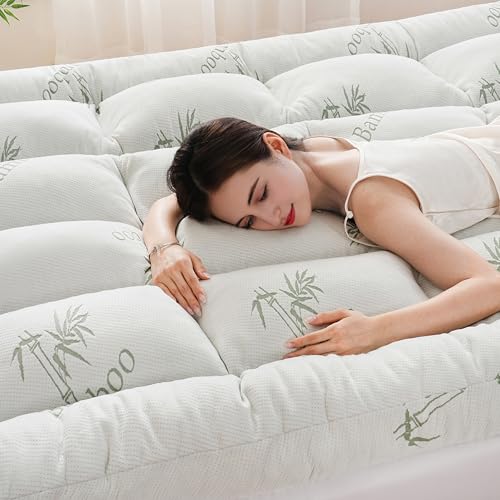
- Cooling Bamboo Viscose Top with 3D Air Layer: Made of 39% bamboo viscose and...
- Plush Pillow Top for Pressure Relief: Made with a thin gel memory foam layer and...
- Secure Deep Pocket Design: The elastic deep pocket skirt wraps around the...
BedStory Firm Mattress Topper 3 Inch – Best Firm Support with a Washable Barrier
Constructed with CertiPUR-US certified foam, this firm topper offers support while ensuring low VOC emissions. It includes a removable, bamboo-derived cover that is naturally antimicrobial and machine washable, providing a critical, cleanable barrier against allergens.
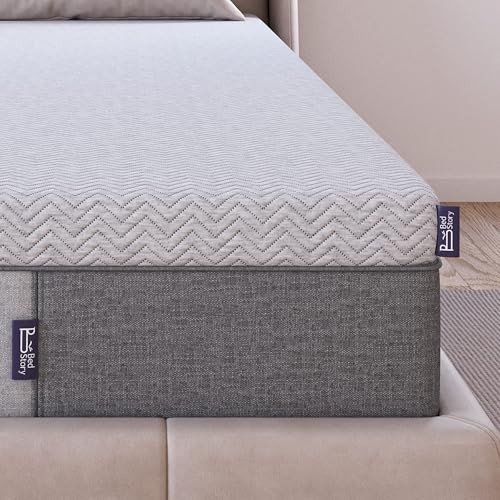
- RELIEVE PAIN & PROTECT THE SPINE - 2-layer pressure-relieving firm memory foam...
- 2-LAYER DESIGN & OPTIONAL FIRMNESS - Featuring double-layer foam design, the top...
- REMOVE MOISTURE & ALLEVIATE FATIGUE - Fusion memory foam contains bamboo...
SHOUREN 5 Inch Memory Foam Mattress Topper – Best for Deep Pressure Relief and Encasement
This thick, 5-inch memory foam topper is designed for maximum comfort and comes with a full zippered mattress encasement. The encasement acts as a complete allergen barrier, while the foam conforms to minimize air pockets where dust can accumulate.
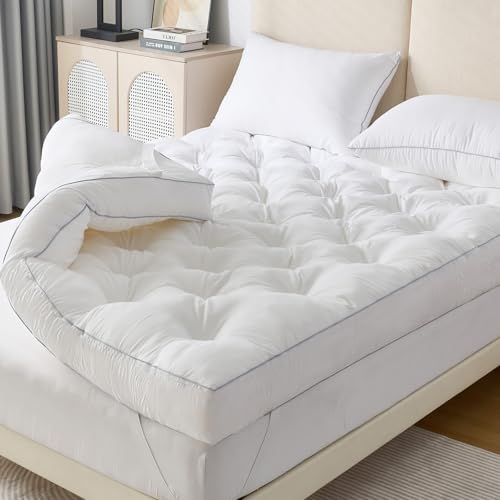
- 【5-Inch Extra Thick Comfort & Support】 SHOUREN mattress topper features a...
- 【Ergonomic Body-Contour Design】 Engineered to naturally fit your body...
- 【Upgraded 4-Way Elastic Anchor Straps】 Equipped with strong elastic straps...
Conclusion
Choosing the right mattress topper is a powerful step toward achieving restful, symptom-free sleep for allergy sufferers. By prioritizing verified hypoallergenic materials, essential features like washable covers, and consistent maintenance, you can transform your bed.
The main point is to view your topper as part of a Complete sleep sanctuary. A strategic investment in quality, combined with diligent care, creates a lasting barrier against allergens and significantly improves your nightly comfort and health.
Frequently Asked Questions about How To Choose A Topper For Allergy Sufferers
What is the best mattress topper material for dust mite allergies?
Natural latex is often considered the best due to its inherent resistance to dust mites and mold. Its structure doesn’t provide a favorable environment for mites to thrive, offering a durable, long-term solution.
Alternatively, high-density memory foam with a certified, tightly woven allergen-blocking cover can be equally effective. The critical factor is combining the core material with an impermeable, washable barrier cover.
Can a mattress topper completely eliminate my allergy symptoms?
A high-quality hypoallergenic topper can significantly reduce exposure to bedroom allergens, leading to major symptom relief. It acts as a crucial barrier between you and the triggers in your mattress.
However, for complete management, it must be part of a Overall approach. This includes using pillow encasements, washing bedding in hot water weekly, and controlling bedroom humidity with a dehumidifier.
How often should I wash my hypoallergenic mattress topper cover?
You should wash the removable cover every one to two weeks in hot water (at least 130°F or 54°C). This high temperature is necessary to kill dust mites and remove accumulated allergens effectively.
Between washes, vacuum the cover surface weekly with an upholstery attachment. Always ensure the cover is completely dry before putting it back on the topper to prevent mold growth.
Are “hypoallergenic” labels on toppers trustworthy?
The term “hypoallergenic” is a marketing claim not regulated by strict standards. It indicates a product is less likely to cause an allergic reaction but does not guarantee it is allergen-proof.
Always look for supporting third-party certifications like CertiPUR-US® for foam or OEKO-TEX® for fabrics. These provide verified evidence of low chemical emissions and material safety.
What should I do if I react to a new mattress topper?
First, allow for a 48-72 hour off-gassing period in a well-ventilated room, as some odors are normal initially. If symptoms persist, check if you’ve removed all plastic packaging and are using the intended cover.
If reactions continue, review the material specifications and certifications. Contact the manufacturer, as you may have a sensitivity to a specific material, and utilize the product’s sleep trial or return policy.
Is a more expensive topper always better for allergies?
Not always, but price often reflects material quality, durability, and certification rigor. Natural, certified organic materials like latex or wool typically cost more but offer proven inherent resistant properties.
Focus on value by assessing key features: a quality barrier cover, relevant certifications, and a good warranty. A mid-priced, well-certified option with a washable cover can be more effective than a costly one without these features.