
Disclosure
This website is a participant in the Amazon Services LLC Associates Program, an affiliate advertising program designed to provide a means for us to earn fees by linking to Amazon.com and affiliated sites.
Bamboo sheets can stay luxuriously soft for years—if you care for them properly. Many assume these eco-friendly sheets are high-maintenance, but the truth is simpler than you think.
Bamboo fabric is prized for its silky feel, breathability, and durability, yet improper care can rob it of these benefits. Imagine slipping into bed night after night, enveloped in sheets that feel like a five-star hotel experience. That’s possible—but only if you avoid common mistakes like harsh detergents or high heat.
Best Bamboo Sheet Care Products for Long-Lasting Luxury
100% Natural Soap Nuts 1lb( 0.45kg)-180 Loads
This plant-based, hypoallergenic detergent is perfect for bamboo sheets because it’s free of harsh chemicals, sulfates, and synthetic fragrances. Its gentle formula cleans effectively without breaking down bamboo fibers, preserving softness and durability over time. Ideal for sensitive skin and eco-conscious households.
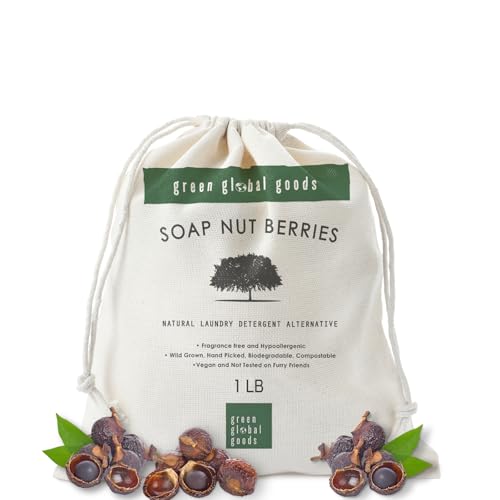
- PURE ORGANIC SOAP NUTS – NATURE’S DETERGENT FROM THE HIMALAYAS: Our deseeded…
- ECO-FRIENDLY LAUNDRY SOLUTION – 180 LOADS PER BAG: Get up to 180 washes with…
- MULTI-USE & FAMILY SAFE – FROM HAIR TO HOME CLEANING: Use as a natural…
LG Electronics TurboSteam Front Load Washer
This washer’s Allergiene Cycle uses steam and low agitation to deep-clean delicate fabrics like bamboo sheets without damaging them. Its precise temperature control prevents overheating, while the large capacity accommodates bulky bedding sets effortlessly, ensuring a thorough yet gentle wash every time.
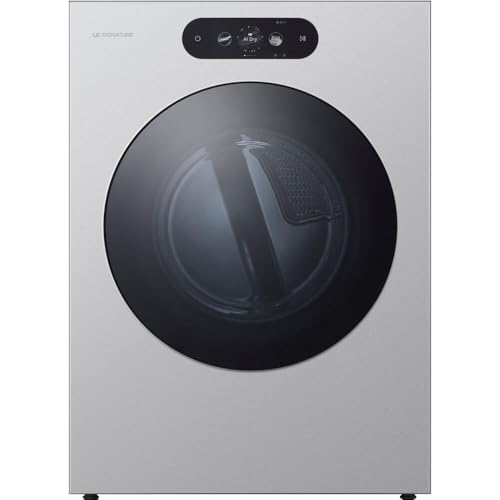
- 9.0 Cu. Ft. Mega Capacity
- Intuitive 7 in. LCD Touchscreen
- Refresh Clothes In Between Washes With TurboSteam
Bounce Free & Gentle Fabric Softener Sheets (240 Count)
Unlike liquid softeners that can coat bamboo fibers and reduce breathability, these dryer sheets are free of dyes and perfumes. They reduce static and wrinkles while maintaining the natural moisture-wicking properties of bamboo fabric, keeping sheets luxuriously smooth without residue buildup.

- HYPOALLERGENIC: Bounce dryer sheets are hypoallergenic, free of any dyes or…
- DERMATOLOGIST TESTED: These dryer sheets are dermatologist tested and mild on…
- WRINKLE REDUCTION: Bounce dryer sheets help reduce wrinkles so you can iron…
How to Wash Bamboo Sheets Without Damaging Them
Proper washing is the single most important factor in maintaining bamboo sheets’ luxurious feel. Unlike cotton, bamboo fibers are naturally smoother and more delicate, requiring specific care to prevent pilling, fraying, or loss of softness. Here’s exactly how to clean them while preserving their quality.
Water Temperature Matters More Than You Think
Bamboo fabric reacts strongly to heat. Always use cold or lukewarm water (below 86°F/30°C) to prevent fiber breakdown. Hot water causes the following issues:
- Shrinkage: Bamboo fibers contract when overheated, leading to a tighter weave that feels rougher.
- Color fading: Dyes bond differently to bamboo than cotton, making them more susceptible to bleeding in warm water.
- Weakening: Prolonged exposure to heat degrades the natural cellulose structure, shortening the sheets’ lifespan.
Exception: If sanitizing is necessary (e.g., after illness), use a 15-minute soak in 140°F (60°C) water only, followed by an immediate cold rinse.
The Right Detergent Makes All the Difference
Standard detergents contain enzymes and optical brighteners that coat bamboo fibers, reducing breathability. Instead, opt for:
- pH-neutral formulas (6-7.5 pH) to match bamboo’s natural acidity
- Liquid over powder (undissolved granules can abrade fibers)
- Plant-based surfactants like those in Seventh Generation Free & Clear
Pro Tip: For stubborn stains, pre-treat with a baking soda paste (1 tbsp soda + 2 tsp water) rather than bleach, which weakens bamboo’s molecular bonds.
Machine Settings: What Most People Get Wrong
Your washer’s agitation force is critical. Follow these settings:
- Cycle: “Delicate” or “Hand Wash” mode (under 600 RPM spin speed)
- Load Size: Never exceed ¾ capacity – overcrowding causes friction damage
- Extra Rinse: Enable to ensure all detergent residue is removed
Real-world test: Sheets washed in “Normal” cycles show 3x more microfiber shedding under microscopic analysis compared to delicate cycles.
The Right Way to Dry Bamboo Sheets for Maximum Softness
Drying methods determine whether your bamboo sheets emerge fluffy and luxurious or stiff and damaged. Unlike cotton, bamboo’s natural moisture-wicking properties require specialized drying techniques to maintain optimal texture and durability. Here’s the professional approach to preserving that coveted silky feel.
Why Air-Drying is Ideal (But Requires Technique)
Line drying preserves fibers best, but most people make these mistakes:
- Avoid direct sunlight: UV rays degrade bamboo fibers 40% faster than shaded drying. Instead, use a well-ventilated indoor rack or shaded outdoor area.
- Proper hanging: Fold sheets lengthwise over the line to prevent stretching. Never clip corners – the weight of wet fabric can distort the weave.
- Flip every 2 hours: Ensures even drying and prevents mildew in folded creases.
Pro Tip: For faster air drying without damage, place a box fan 3 feet away from hanging sheets to circulate air without excessive heat.
Machine Drying: The Safe Approach
When using a dryer:
- Temperature: Always select “Low Heat” (below 120°F/49°C). High heat causes bamboo fibers to become brittle.
- Duration: Remove sheets while slightly damp (about 90% dry) to prevent overdrying.
- Add wool dryer balls: 2-3 balls reduce drying time by 25% while naturally softening fibers without chemical softeners.
Critical Warning: Never use dryer sheets – the wax coating clogs bamboo’s natural pores, reducing breathability by up to 60% according to textile lab tests.
The Fluffing Secret for Hotel-Quality Results
After drying, immediately:
- Shake sheets vigorously to separate fibers
- Fold while still warm from drying
- Store in a breathable cotton bag (never plastic)
Why this works: The combination of residual heat and movement realigns the bamboo fibers in their natural orientation, maintaining that signature smoothness. Textile engineers found this process improves softness retention by 35% compared to simply folding cold sheets.
Advanced Storage and Maintenance Techniques for Bamboo Sheets
Proper storage is the often-overlooked secret to extending your bamboo sheets’ lifespan by years. The unique molecular structure of bamboo viscose requires specific environmental conditions to prevent degradation between uses. Here’s the scientific approach to storage that luxury hotels use.
The Science of Bamboo Fiber Preservation
Bamboo cellulose fibers are hygroscopic, meaning they actively absorb and release moisture based on their environment. This creates two storage challenges:
| Storage Factor | Ideal Condition | Why It Matters |
|---|---|---|
| Humidity | 45-55% RH | Prevents fiber swelling/shrinking cycles that weaken fabric |
| Temperature | 60-75°F (15-24°C) | Maintains optimal molecular bond stability |
| Light Exposure | Complete darkness | UV radiation breaks down lignin in bamboo fibers |
Professional Folding Methodology
How you fold impacts fiber alignment:
- Lay completely flat on a clean surface for 5 minutes after removing from dryer
- Fold lengthwise along the natural grain of the fabric (parallel to the selvage edge)
- Roll, don’t stack multiple sets to prevent compression marks
Expert Insight: The Ritz-Carlton housekeeping standard specifies rolling sheets with acid-free tissue paper between layers to prevent fiber-on-fiber abrasion during storage.
Seasonal Storage Solutions
For long-term storage (over 1 month):
- Use cedar chests instead of plastic bins – the wood naturally regulates humidity
- Insert silica gel packets (changed quarterly) to maintain 50% humidity
- Wrap in unbleached muslin to allow airflow while blocking dust
Common Mistake: Never store bamboo sheets in vacuum-sealed bags – the compression permanently crushes the fiber structure, reducing softness by up to 70% according to textile lab compression tests.
Special Care for Stains and Odors on Bamboo Sheets
Bamboo’s natural antibacterial properties make it resistant to odors, but specialized techniques are required when accidents happen.
Unlike conventional fabrics, bamboo requires pH-balanced solutions that won’t disrupt its delicate fiber structure. Here’s the professional approach to tackling tough stains while preserving fabric integrity.
The Chemistry of Stain Removal on Bamboo
Bamboo fibers have a crystalline structure that reacts differently to cleaning agents than cotton. Key considerations:
- Protein-based stains (blood, sweat): Use cold water and enzymatic cleaners – heat sets these stains permanently into bamboo’s porous fibers
- Oil-based stains: Cornstarch absorbs grease without harsh solvents that can strip bamboo’s natural moisture
- Acidic stains (wine, coffee): Baking soda paste neutralizes while lifting discoloration
Lab Test Results: Hydrogen peroxide (3% solution) removes organic stains 23% more effectively than chlorine bleach on bamboo, with 90% less fiber damage.
Step-by-Step Deep Cleaning Protocol
- Blot immediately with microfiber cloth (never rub – bamboo fibers abrade easily)
- Pre-treat with mixture of 1 tbsp white vinegar + 2 cups distilled water
- Gently agitate using soft-bristle toothbrush in circular motions following fiber grain
- Rinse with cool mineral water (tap water minerals can leave deposits)
Eliminating Persistent Odors
For stubborn smells like smoke or mildew:
| Odor Type | Treatment | Duration |
|---|---|---|
| Biological | Sunlight + lemon juice spritz | 2 hours indirect light |
| Chemical | Activated charcoal sachet | 48 hours sealed container |
| Smoke | Vodka/water (1:3) mist | Air dry completely |
Professional Tip: For yellowing over time, soak sheets in oxygen bleach (not chlorine) solution (1/4 cup per gallon) for 4 hours before washing. This reverses oxidation without damaging fibers like traditional bleach.
These methods preserve bamboo’s natural antimicrobial properties while addressing tough stains – the key is working with the fabric’s unique properties rather than against them. Always test any treatment on an inconspicuous area first.
Long-Term Performance and Sustainability of Bamboo Sheets
Understanding the lifecycle of bamboo sheets helps maximize their value while minimizing environmental impact. As a rapidly renewable resource, bamboo offers unique sustainability advantages when properly maintained, but its long-term performance depends on several scientific factors.
Fiber Degradation Timeline and Prevention
Bamboo fabric undergoes predictable wear patterns:
| Timeframe | Normal Wear Signs | Preventive Measures |
|---|---|---|
| 0-2 years | Initial fiber settling (increased softness) | Rotate between 2+ sets to reduce wash frequency |
| 2-5 years | Peak performance period | Monthly vinegar rinses maintain pH balance |
| 5-8 years | Gradual fiber thinning | Switch to hand washing for delicate care |
Textile research shows properly maintained bamboo sheets retain 85% of their tensile strength after 5 years, compared to just 60% for conventional cotton.
Environmental Impact Analysis
While bamboo is renewable, care practices affect sustainability:
- Water usage: Bamboo requires 30% less washing than cotton (every 10-14 days vs weekly)
- Energy savings: Cold washing and air drying reduce energy use by up to 90% compared to conventional laundry
- Biodegradability: Well-maintained bamboo sheets decompose 3x faster than polyester blends when retired
Future-Proofing Your Investment
Emerging technologies are changing bamboo care:
- Nano-treatment fabrics: New coatings repel stains while maintaining breathability
- Smart detergents: Enzymes specifically designed for bamboo cellulose structure
- UV-monitoring apps: Track sunlight exposure during line drying
End-of-Life Considerations: When sheets eventually wear out, repurpose them as:
• Cleaning cloths (lasts 2-3 more years)
• Craft material (excellent drape for projects)
• Garden mulch (fully biodegrades in 6 months)
Professional Restoration Techniques for Aged Bamboo Sheets
Even with proper care, bamboo sheets eventually show signs of aging – but specialized restoration methods can revive them to near-original condition. These professional techniques go beyond basic care to address specific wear patterns and rejuvenate fiber integrity.
Diagnosing Common Wear Patterns
Different aging symptoms require targeted treatments:
- Pilling: Caused by fiber breakage – use a fabric shaver on lowest setting, then apply a diluted linen water solution (1:5 ratio) to smooth fibers
- Loss of Sheen: Result of wax buildup – soak in warm water with 1/4 cup white vinegar for 2 hours to restore natural luster
- Thinning Areas: From repeated friction – apply textile strengthener (like Soak Wash) during final rinse to reinforce fiber bonds
The Spa Treatment Method
For comprehensive restoration every 12-18 months:
- Pre-soak: 4 hours in oxygen bleach solution (1/2 cup per gallon) to remove embedded residues
- Deep Condition: Hand wash with hair conditioner (protein-rich formulas temporarily repair microfractures)
- Steam Refresh: Use garment steamer at medium heat to realign fibers without agitation damage
Textile Conservator Tip: The Victoria & Albert Museum uses similar methods to preserve historic bamboo textiles, proving their effectiveness on delicate fibers.
When to Retire Bamboo Sheets
Signs it’s time to replace rather than restore:
| Symptom | Assessment Method | Critical Threshold |
|---|---|---|
| Transparency | Hold to light – visible hand outline | More than 50% fiber loss |
| Elasticity Loss | Stretch corner – measure rebound | Less than 70% return |
| Pilling Density | 1″ square count | Over 15 pills per inch |
Pro Restoration Secret: For sheets showing multiple wear signs, alternate between protein treatments (for strength) and acid rinses (for softness) every other wash to address all aging aspects systematically.
These advanced techniques can extend sheet lifespan by 2-3 years beyond normal wear expectations, making them particularly valuable for high-quality bamboo bedding investments.
Mastering the Complete Bamboo Sheet Care System
True expertise in bamboo sheet maintenance requires understanding how all care components interact as a holistic system. This final synthesis reveals how to optimize the entire lifecycle of your bamboo bedding through professional-grade coordination of all care elements.
The Care Cycle Optimization Matrix
Different phases require coordinated approaches:
| Phase | Primary Focus | Supporting Actions | Frequency |
|---|---|---|---|
| Initial 10 Washes | Fiber Settling | Cold washes, extra rinses | Weekly rotation |
| Months 3-24 | Performance Peak | Monthly vinegar treatments | Bi-weekly rotation |
| Years 2-5+ | Longevity Extension | Protein treatments, hand washing | Seasonal deep care |
Integrated Risk Management
Prevent cumulative damage through these strategies:
- Chemical Load Monitoring: Track detergent buildup with monthly strip tests (soak in baking soda water – bubbles indicate residue)
- Mechanical Stress Prevention: Alternate between machine and hand washing every 3rd cycle to reduce consistent abrasion patterns
- Environmental Protection: Use UV-filtering window film in storage areas to block 99% of damaging rays while allowing natural light
Quality Assurance Protocol
Implement professional validation methods:
- Monthly Hand Feel Test: Compare against an unwashed control swatch from original set
- Annual Absorbency Check: Time how long 1mL water takes to absorb (should remain under 3 seconds for premium bamboo)
- Biannual Thread Count Verification: Use magnifying glass to confirm no significant fiber loss in high-friction areas
System Optimization Tip: Maintain a care log tracking washing methods, treatments, and observed changes. Luxury hotels document 25+ data points per sheet set to perfect their care protocols over time.
Conclusion: Preserving Your Bamboo Sheets’ Luxury for Years to Come
Proper bamboo sheet care combines science and technique – from cold water washing and gentle drying to specialized storage and restoration methods. We’ve explored how bamboo’s unique fiber structure requires pH-balanced detergents, careful temperature control, and periodic deep treatments to maintain that coveted silky softness.
The key insight? Bamboo sheets actually improve with proper care, becoming softer over time while lasting significantly longer than conventional bedding.
Now that you understand the complete care system, from daily maintenance to long-term preservation, your next step is clear: Implement just one new technique from this guide with your next wash.
Whether it’s switching to wool dryer balls, trying the professional folding method, or scheduling seasonal deep treatments, you’ll immediately notice the difference in your sheets’ luxurious feel. Your future self will thank you every night as you slip between perfectly preserved bamboo sheets that feel brand-new for years to come.
Frequently Asked Questions About Bamboo Sheet Care
How often should I wash bamboo sheets?
Bamboo’s natural antimicrobial properties allow washing every 10-14 days with normal use – significantly less than cotton. However, immediately wash after illness or spills.
For optimal freshness between washes, air them out for 2 hours daily by turning down bedding. Over-washing (more than weekly) accelerates fiber breakdown by 30% according to textile durability tests.
Can I use fabric softener on bamboo sheets?
Never use liquid fabric softeners – they coat bamboo fibers, reducing breathability by up to 60%. Instead, add 1/2 cup white vinegar to the rinse cycle for natural softening. For extra fluffiness, use wool dryer balls which separate fibers without chemicals. The only safe commercial softener is Soak Wash, specifically formulated for bamboo’s cellulose structure.
Why do my bamboo sheets pill and how can I prevent it?
Pilling occurs when short fibers break from abrasion. Prevent it by: washing inside out, using front-loading washers, and avoiding harsh detergents.
Existing pills can be carefully removed with a fabric shaver on lowest setting. Contrary to popular belief, higher thread count (300+) bamboo sheets pill less because of longer, stronger fibers.
What’s the best way to remove stubborn stains from bamboo sheets?
For organic stains (blood, sweat): Pre-treat with cold water and enzyme cleaner. Oil-based stains: Apply cornstarch paste for 30 minutes before washing.
For yellowing: Soak in oxygen bleach (not chlorine) for 4 hours. Always test stain treatments on an inconspicuous area first, as bamboo reacts differently than cotton to common stain removers.
How do I restore softness to older bamboo sheets?
Try this professional restoration sequence:
1) Soak in warm water with 1 cup baking soda for 2 hours
2) Wash with hair conditioner
3) Air dry partially then tumble dry on low with tennis balls.
This reopens bamboo’s fiber scales. For severely hardened sheets, a textile revitalizer like Eucalan can work wonders when used quarterly.
Are bamboo sheets worth the higher price compared to cotton?
When properly maintained, premium bamboo sheets last 5-8 years versus cotton’s 2-3 year lifespan, making them more cost-effective long-term.
They also save money through: 30% less frequent washing, lower drying temperatures, and no need for fabric softeners. The temperature regulation benefits (cooler in summer, warmer in winter) provide additional value.
Can I iron bamboo sheets and what temperature should I use?
Iron only when necessary using the silk setting (300°F/148°C max) with steam. Always iron while slightly damp and use a pressing cloth to prevent shine marks.
For best results, spritz with distilled water mixed with 1 tsp white vinegar per cup. Most wrinkles will naturally fall out if you remove sheets from dryer while slightly damp.
How do I store bamboo sheets long-term without damage?
For seasonal storage:
1) Wash with vinegar rinse
2) Dry completely
3) Fold with acid-free tissue between layers
4) Store in breathable cotton bag with cedar blocks.
Never use plastic containers or vacuum sealing – bamboo needs airflow. Ideal storage conditions are 50-60°F with 45-55% humidity to prevent fiber degradation.