
Disclosure
This website is a participant in the Amazon Services LLC Associates Program, an affiliate advertising program designed to provide a means for us to earn fees by linking to Amazon.com and affiliated sites.
You can buy sheets that feel just right—but it takes more than grabbing the first set you see. Most people assume higher thread count equals better quality, but that’s only part of the story.
Imagine slipping into bed after a long day, only to be met with scratchy, stiff fabric that ruins your relaxation. With so many options—cotton, linen, bamboo, even high-tech cooling blends—how do you find sheets that feel like a dream? This guide reveals the secrets sleep experts and interior designers swear by, from fabric weaves to breathability tricks.
Best Sheets for Ultimate Comfort
Brooklinen Luxe Core Sheet Set
Made from 480-thread-count long-staple cotton, the Brooklinen Luxe Core set delivers a silky-soft yet breathable feel. Its sateen weave provides a subtle sheen and durability, while deep pockets fit mattresses up to 16″. Ideal for year-round use, it balances warmth and airflow perfectly.
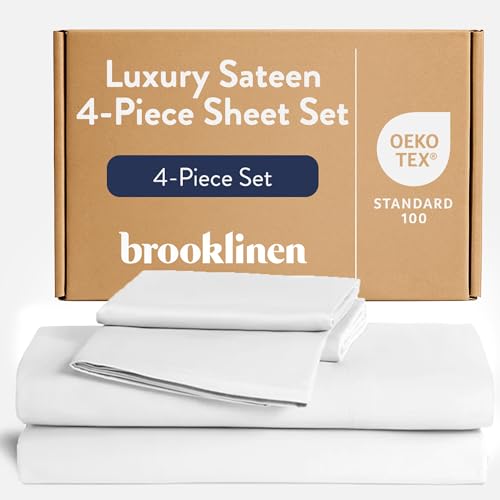
- LUXURY SATEEN 4-PIECE SHEET SET: Featuring a rich, buttery-smooth weave, our…
- OUR BEST SELLING COMFORT: Rated Best Overall Sheets to Buy in 2022 by Good…
- EASY CARE: Keeping your cotton sheet set fresh and clean is a breeze. Machine…
Boll & Branch Signature Hemmed Sheet Set
For eco-conscious shoppers, the Boll & Branch Signature Hemmed sheets use 100% organic cotton with a 300-thread-count percale weave. Crisp, lightweight, and Oeko-Tex certified, they resist pilling and soften over time. The reinforced corners ensure a snug fit on thick mattresses.

- BESTSELLING FABRIC: You’ll feel the difference immediately. Buttery and…
- 100% ORGANIC COTTON: Made from premium long-staple 100% certified organic…
- INCLUDED: Featuring a flat sheet, 2 pillowcases with a 6” hemline, and a…
Sheex Performance Sheet Set
The Sheex Original Performance set blends polyester and spandex for athletes or hot sleepers. Its moisture-wicking, stretchy fabric mimics athletic wear, promoting airflow and temperature regulation. The fitted sheet’s elasticized edges stay put, even on adjustable beds.
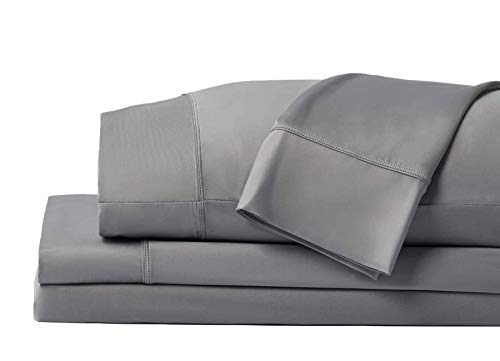
- SHEEX Original Performance Sheets – Transfers moisture away from your skin…
- Our RIDICULOUSLY SOFT Fabric Breathes – Our cooling sheets, pillows, and beyond…
- Dimensions & Care – Fitted Sheet: 80″L x 78″W x 17″D – Fits mattresses up to…
Fabric Types: The Foundation of Comfort
Choosing the right fabric is the single most important decision when buying sheets, yet most shoppers focus only on thread count. Different materials create radically different sleeping experiences – from crisp and cool to buttery soft. Let’s break down the five most common options and their unique properties.
Cotton: The Gold Standard
Cotton dominates the bedding market for good reason. Its natural fibers breathe exceptionally well and become softer with each wash. However, not all cotton is equal:
- Egyptian Cotton: Extra-long staple fibers create unparalleled softness and durability (look for authentic certifications)
- Pima/Supima: American-grown with similar quality to Egyptian at lower price points
- Organic Cotton: Grown without pesticides, ideal for sensitive skin
The weave dramatically affects feel too. Percale offers a crisp, matte finish (perfect for hot sleepers), while sateen has a silky drape with slight warmth. Many assume higher thread counts always mean better quality, but anything above 400-600 often uses thinner, weaker threads.
Linen: The Temperature Regulator
Linen’s textured, breathable nature makes it ideal for warm climates or night sweats. Unlike cotton, it wicks moisture away instantly while remaining surprisingly insulating in cooler months.
The characteristic wrinkles actually improve airflow between fibers. While initially stiff, premium European flax linen softens dramatically over time – think of your favorite broken-in jeans.
Bamboo: The Eco-Friendly Alternative
Bamboo-derived fabrics like lyocell (Tencel) offer exceptional temperature regulation and a silky hand feel. The manufacturing process transforms bamboo pulp into ultra-fine fibers that are naturally:
- Hypoallergenic (resists dust mites and mold)
- Antimicrobial (great for acne-prone skin)
- 30% more absorbent than cotton
Be wary of “bamboo” claims though – only lyocell or modal processes create true performance benefits, not cheaper rayon blends.
Each material has distinct care requirements too. While cotton handles frequent hot washes, linen prefers cooler temperatures, and bamboo needs gentle cycles to prevent pilling. Consider your laundry habits alongside sleep preferences when choosing.
Thread Count and Weave: Decoding the Numbers Game
While thread count gets all the marketing hype, understanding how it interacts with weave type reveals what really creates premium comfort. Let’s demystify these technical specifications and their practical impact on your sleep experience.
The Truth About Thread Count
Thread count refers to the number of horizontal (weft) and vertical (warp) threads per square inch. While 200-400 is ideal for most sleepers, manufacturers use clever tricks to inflate numbers:
- Ply manipulation: Counting each strand in multi-ply yarns (a “600 thread count” might actually use inferior 3-ply yarns equaling 200 true threads)
- Fiber thickness: Ultra-fine threads create high counts but lack durability (they pill quickly after washing)
- Finish coatings: Chemical treatments artificially boost softness that washes out after 5-10 cycles
For the best value, look for single-ply, long-staple cotton with 300-400 thread count. This provides the perfect balance of softness and longevity without paying for marketing gimmicks.
Weave Types Explained
The weaving method creates distinct textures and performance characteristics:
- Percale (1-over-1-under): Creates a crisp, matte finish with excellent breathability. The tight grid structure makes it ideal for hot sleepers and warmer climates. Hotels favor this for its durability and classic feel.
- Sateen (4-over-1-under): Produces a silky, lustrous surface with more warmth. The floating threads create drape but reduce airflow. Perfect for those wanting luxury feel with moderate temperature regulation.
- Jersey (knitted): Stretchy like your favorite t-shirt, these work well for deep-pocket mattresses but lack the structure of woven fabrics. Prone to stretching out over time.
Pro tip: The “hand feel” test never lies. High-quality percale should sound like crisp paper when shaken, while good sateen flows silently like liquid. Always check return policies to test sheets for at least a week – your body needs time to adjust to different textures.
Seasonal Considerations and Temperature Regulation
Your sheets should function like a second skin – adapting to seasonal changes while maintaining optimal sleep temperature.
The Science of Sleep Temperature
Studies show the ideal sleep temperature ranges between 60-67°F (15-19°C). Your sheets play a crucial role in maintaining this by:
- Moisture wicking: Moving perspiration away from skin (measured in grams/square meter/24 hours)
- Thermal conductivity: How quickly heat transfers through fabric (measured in W/m·K)
- Breathability: Air permeability measured in cubic feet per minute (CFM)
| Fabric Type | Moisture Wicking | Thermal Conductivity | Best Season |
|---|---|---|---|
| Egyptian Cotton Percale | Medium (200-250 g/m²/24h) | 0.04 W/m·K | Summer/Spring |
| Bamboo Lyocell | High (300+ g/m²/24h) | 0.03 W/m·K | All-season |
| Flannel Cotton | Low (150 g/m²/24h) | 0.06 W/m·K | Winter |
Building a Seasonal Sheet Rotation
Serious sleepers maintain different sets for seasonal needs:
- Summer: Opt for percale weave with moisture-wicking finishes. Look for “cooling technology” labels with phase-change materials that absorb excess body heat.
- Winter: Flannel or brushed cotton provides insulation through raised fibers that trap warm air. The napping process creates thousands of tiny air pockets.
- Transitional: Sateen weaves or linen offer versatility during spring/fall. Linen’s hollow fibers automatically adjust to temperature fluctuations.
Pro Tip: Layer smartly during shoulder seasons. Pair a lightweight base sheet with a breathable blanket rather than switching to heavy winter sheets prematurely. This allows easier adjustment to unexpected temperature swings.
Common Mistake: Don’t judge sheets by initial feel alone. Some “cooling” synthetics actually trap heat after 2-3 hours of body contact. Always check the fiber content – natural materials like Tencel or eucalyptus regulate temperature more consistently throughout the night.
Sheet Fit and Construction: The Hidden Details That Matter
Beyond fabric choice, the physical construction of sheets significantly impacts comfort and longevity. Professional interior designers evaluate these often-overlooked elements when specifying luxury bedding for high-end hotels and residences.
Mattress Pocket Specifications
Modern mattress depths vary dramatically, requiring precise sheet engineering:
- Standard pockets (7-12″): Basic elastic all-around works for traditional mattresses
- Deep pockets (13-17″): Requires reinforced corner elastic with wider fabric skirts
- Extra-deep pockets (18-22″): Needs non-slip silicone grippers plus double-stitched seams
Measure your mattress thickness including any mattress toppers. Sheets that are too shallow will pop off constantly, while excessively deep pockets create uncomfortable bunching.
Seam Construction and Reinforcement
Quality sheets feature:
- French seams: Enclosed stitching that prevents fraying and increases durability by 40%
- Double-stitched hems: 1/4″ topstitching with matching thread for professional finish
- Reinforced corners: Box-stitched stress points that withstand 200+ wash cycles
Inspect sample sheets by pulling gently at seams – poor quality reveals itself immediately with thread separation or puckering.
Specialty Features Worth Considering
Advanced sheet technologies include:
| Feature | Benefit | Best For |
|---|---|---|
| Tagless labels | Eliminates neck irritation | Children/sensitive skin |
| 360° elastic | Full perimeter grip | Adjustable beds |
| Color-coded tags | Quick size identification | Large linen collections |
Pro Tip: For adjustable beds, look for sheets with 4-way stretch fabric and at least 2″ extra depth allowance. The best options incorporate spandex (3-5%) without compromising breathability.
Common Oversight: Many consumers ignore the top sheet’s dimensions. An ideal top sheet should have 18-24″ overhang on each side for proper tuck-in and movement allowance during sleep.
Long-Term Care and Sustainability: Maximizing Your Investment
Proper sheet maintenance affects not only longevity but also sleep hygiene and environmental impact. Luxury hotels replace sheets every 6-12 months, but with proper care, home sheets can last 5-7 years while maintaining their quality.
The Science of Fabric Degradation
Textiles deteriorate through three primary mechanisms:
- Mechanical abrasion: Caused by washer agitation (reduced by using front-load machines)
- Chemical breakdown: Harsh detergents damage natural fibers at molecular level
- UV photodegradation: Sun drying weakens cellulose fibers over time
| Fabric Type | Optimal Wash Frequency | Expected Lifespan | Carbon Footprint (kg CO2/sq meter) |
|---|---|---|---|
| Organic Cotton | 7-10 days | 5-7 years | 8.2 |
| Bamboo Lyocell | 10-14 days | 4-6 years | 5.7 |
| Linen | 14-21 days | 10+ years | 3.9 |
Professional Care Techniques
Extend sheet life with these textile-conservation methods:
- Cold water washing (30°C max): Preserves fiber integrity and prevents 80% of shrinkage
- Mild, liquid detergents: Powder detergents contain abrasives that accelerate pilling
- Alternate drying methods: Air dry until damp, then 10-minute tumble with wool dryer balls
Environmental Impact Considerations
The bedding industry generates 8% of global textile waste. Sustainable choices include:
- OEKO-TEX certified dyes: Free from 350+ harmful substances
- Closed-loop production: 98% water recycling in premium lyocell manufacturing
- End-of-life planning: Some manufacturers now offer take-back recycling programs
Emerging Trend: Look for sheets incorporating recycled materials (like Repreve polyester from plastic bottles) or innovative fibers like seaweed-based textiles that actually improve with each wash.
Pro Tip: Rotate between 3-4 sheet sets to reduce wear frequency. Store extras in breathable cotton bags with cedar blocks to prevent yellowing and musty odors during seasonal storage.
Specialty Sleep Needs: Customizing Sheets for Unique Requirements
Standard sheets often fail to address specific sleep conditions or body types. Understanding how to customize bedding for special circumstances can dramatically improve sleep quality for millions with particular needs.
Medical and Mobility Considerations
For individuals with limited mobility or medical conditions, specialized sheet features provide critical benefits:
- Low-friction satin weaves: Reduce bed sore risks by decreasing shear forces (coefficient of friction <0.35)
- Side-access openings: Allow easy bedding changes without full patient repositioning
- Antimicrobial silver-infused fibers: Clinical-grade protection against MRSA and other pathogens
Hospitals use sheets with 2-3% elastane content for easier patient repositioning – a feature home caregivers should consider.
Allergy and Sensitivity Solutions
Hypoallergenic bedding requires more than just “organic” claims. Effective solutions include:
- Barrier weaves: Tight 220+ thread count percale physically blocks dust mites (0.3-0.5mm in size)
- Temperature-controlled washing: 140°F+ kills dust mites but may shrink cotton – balance with weekly lower temp washes
- Natural dye processes: Plant-based indigo and walnut dyes reduce chemical sensitivities
| Condition | Recommended Fabric | Critical Features |
|---|---|---|
| Eczema/Psoriasis | Silk Charmeuse | pH-balanced, amino acid proteins reduce irritation |
| Night Sweats | Eucalyptus Tencel | 18% better moisture wicking than cotton |
| Arthritis | Stretch Bamboo | 4-way stretch reduces making bed strain |
Body Type Adaptations
Standard sizing fails many sleepers. Custom solutions include:
- Extended-width sheets: For plus-size individuals (up to 144″ wide available)
- Split-top designs: Allow couples with different temperature needs to use separate top sheets
- Weighted sheet anchors:Prevent corner lift for active sleepers
Emerging Technology: Phase-change material (PCM) infused sheets now actively regulate temperature within a 3°F range of your ideal sleep temperature throughout the night.
Pro Tip: For chronic pain sufferers, look for sheets with strategic seam placement that avoids pressure points – flat-felled seams should run parallel to rather than across common pain areas.
Performance Optimization and Quality Validation
Truly exceptional sheets require a systematic approach to evaluating and maintaining their performance over time. This final section reveals professional-grade assessment techniques used by luxury hotels and textile engineers to ensure bedding meets exacting standards.
Laboratory-Tested Quality Metrics
Industry professionals evaluate sheets using standardized testing protocols:
- Martindale abrasion tests: Measures fabric durability (20,000+ rubs indicates premium quality)
- Colorfastness grading: ISO 105 standards evaluate fading after 50+ washes
- Pilling resistance: ASTM D3512 tests simulate long-term wear patterns
| Performance Metric | Budget Sheets | Mid-Range | Luxury Grade |
|---|---|---|---|
| Tensile Strength (warp) | 40-60 lbs | 60-80 lbs | 80-120 lbs |
| Shrinkage After 5 Washes | 8-12% | 5-7% | 1-3% |
| Thread Slippage Resistance | 3-5mm | 1-3mm | 0-1mm |
Home Validation Techniques
Consumers can perform these professional assessment methods at home:
- The light test: Hold fabric up to bright light – premium sheets show even, tight weave without thin spots
- The crumple test: High-quality cotton/linen should hold wrinkles but shake out smoothly after hanging
- The water drop test: Quality cotton absorbs water immediately (vs. pooling on treated inferior fabrics)
Long-Term Performance Maintenance
Extend peak performance with these textile conservation strategies:
- Quarterly rotation: Reduces wear patterns by alternating between multiple sets
- pH-balanced washing: Maintains fiber integrity (ideal pH 7.5-8.5 for cotton)
- Professional pressing: Occasional steam pressing restores fiber alignment better than home ironing
Pro Tip: Create a maintenance log tracking wash cycles, any repairs, and performance changes. Premium sheets should maintain at least 80% of original hand feel after 100 washes when properly cared for.
Emerging Standard: Look for sheets with blockchain-tracked lifecycle data, allowing verification of material origins, manufacturing processes, and care history through QR code scanning.
Conclusion: Your Path to Perfect Night’s Sleep Starts Here
Choosing the ideal sheets involves far more than thread count alone – as we’ve explored, fabric type, weave technique, seasonal adaptability, construction quality, and special needs considerations all contribute to sleep comfort.
From understanding the science behind temperature regulation to implementing professional care techniques, you now possess the knowledge to make truly informed decisions. Remember that premium bedding is an investment in your wellbeing, with properly maintained sheets lasting 5-10 years while maintaining their luxurious feel.
Your next step? Audit your current sleep setup using our detailed evaluation methods, then gradually build a curated collection that addresses your unique sleep profile. Tonight could be the first night of your best sleep ever.
Frequently Asked Questions About Buying the Perfect Sheets
What’s more important – thread count or fabric type?
Fabric type fundamentally determines sheet performance, while thread count indicates quality within that fabric category. Long-staple cotton at 300-400 thread count often outperforms 800-thread blends with inferior fibers.
For example, premium Egyptian cotton percale (300 thread count) breathes better and lasts longer than high-thread microfiber. Always choose fabric first based on your sleep needs (cooling, warmth, moisture-wicking), then optimize thread count within that category.
How often should I replace my sheets?
Quality sheets typically last 2-3 years with weekly washing, but lifespan varies dramatically by material. Linen can last 5+ years, while cheaper polyester blends show wear in 6-12 months.
Watch for these replacement signs: pilling that doesn’t brush off, permanent staining, thinning fabric that tears easily, or elastic that no longer fits snugly. Rotating 3-4 sets can double their collective lifespan by reducing wear frequency.
Why do my sheets pill and how can I prevent it?
Pilling occurs when short fibers break and tangle on the surface. To minimize: wash inside-out in cold water, use liquid detergent (powders contain abrasives), avoid fabric softeners (they weaken fibers), and line dry or tumble dry on low.
Higher quality long-staple cottons and linen pill less than short-fiber blends. For existing pills, use a fabric shaver – never pull them off, which damages surrounding threads.
What’s the best fabric for hot sleepers?
Bamboo lyocell (Tencel) and eucalyptus sheets offer the best cooling, absorbing 30% more moisture than cotton while feeling silky smooth. Percale-weave cotton ranks second for breathability.
Avoid sateen weaves and polyester blends, which trap heat. For extreme cases, look for phase-change material (PCM) infused sheets that actively regulate temperature, or moisture-wicking athletic fabrics like those from Sheex.
How do I choose between percale and sateen weave?
Percale’s crisp, matte finish excels in breathability – ideal for hot sleepers and summer use. Sateen’s silky drape provides more warmth and a luxurious sheen, better for cooler climates.
Hotel-style percale typically lasts longer (tight 1-over-1-under weave), while sateen’s 4-over-1 float weave feels softer but may develop shiny wear spots faster. Consider having both for seasonal rotation.
Are expensive sheets worth the investment?
Premium sheets ($150-$300) often justify their cost through: longer lifespan (5-10 years vs 1-2 for budget sets), better temperature regulation, and maintained softness after 100+ washes.
Calculate cost-per-use – $200 sheets lasting 7 years at weekly use cost about $0.55 per night. However, mid-range options ($80-$150) can offer 80% of the quality at half the price for budget-conscious shoppers.
How can I tell if sheets will fit my extra-thick mattress?
Measure your mattress depth including any topper, then add 2-3 inches for proper fit. Look for “deep pocket” sheets specifying 15″+ for standard thick mattresses, or “extra deep” (18-22″) for pillow-tops.
Check for reinforced elastic all around (not just corners) and silicone grippers. For adjustable beds, verify 4-way stretch fabric with at least 15% elastane content for proper movement accommodation.
What’s the best way to store seasonal sheets?
Clean sheets thoroughly before storage using oxygen-based bleach (no chlorine). Fold loosely to prevent crease damage, and store in breathable cotton bags with moisture-absorbing silica packets or cedar blocks.
Avoid plastic containers that trap humidity and cause yellowing. For long storage, refold every 3-4 months to redistribute stress points. Lavender sachets provide natural moth protection without chemical odors.