
Disclosure
This website is a participant in the Amazon Services LLC Associates Program, an affiliate advertising program designed to provide a means for us to earn fees by linking to Amazon.com and affiliated sites.
Choosing the right mattress topper can transform your sleep and relieve persistent body aches. It’s a crucial investment for comfort and long-term health, directly impacting your daily well-being.
The key is matching the topper’s material and firmness to your specific pain points and sleeping position. A supportive topper corrects pressure points and aligns your spine, offering targeted relief where you need it most.
Waking Up Stiffer Than When You Went to Bed?
If your mattress is robbing you of restorative sleep, leaving you achy and unrested, the right topper can be transformative. The BedStory Firm Mattress Topper adds crucial support, aligning your spine and cushioning pressure points to relieve pain directly at the source, so you can finally wake up feeling refreshed.
For targeted relief from body aches, we recommend: BedStory Firm Mattress Topper 3 Inch
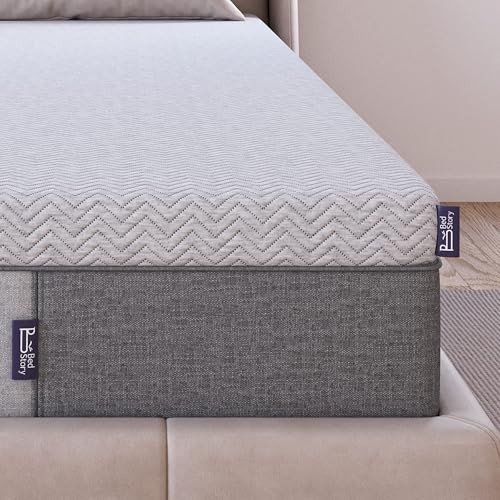
- RELIEVE PAIN & PROTECT THE SPINE - 2-layer pressure-relieving firm memory foam...
- 2-LAYER DESIGN & OPTIONAL FIRMNESS - Featuring double-layer foam design, the top...
- REMOVE MOISTURE & ALLEVIATE FATIGUE - Fusion memory foam contains bamboo...
Choosing the Best Mattress Topper for Back Pain and Body Aches
Selecting the ideal topper for pain relief requires How different materials interact with your body. The right choice can provide pressure relief and improve spinal alignment, directly targeting discomfort. This section breaks down the key factors to consider for a pain-free sleep.
Identify Your Primary Sleep Position
Your sleeping posture dictates the type of support your body needs. Different positions create unique pressure points that require targeted cushioning. Choosing incorrectly can worsen existing aches.
- Side Sleepers: Need a softer, conforming topper to cushion shoulders and hips. Memory foam or soft latex are excellent for pressure point relief in this position.
- Back Sleepers: Require medium-firm support to maintain the natural curve of the spine. A medium-density memory foam or latex topper prevents lower back sagging.
- Stomach Sleepers: Should opt for a thin, firm topper to keep hips from sinking too deeply. A firm latex or supportive fiberfill topper helps prevent neck and back strain.
Evaluate Topper Materials for Pain Relief
Each material offers distinct benefits for alleviating body aches. The density and construction determine how well it contours to your body and provides support. Consider these popular options.
| Material | Best For | Consideration |
|---|---|---|
| Memory Foam | Pressure point relief, contouring support | Can retain heat; look for gel-infused or open-cell versions. |
| Latex (Natural or Synthetic) | Responsive support, cooling, durability | Firmer feel; excellent for back and stomach sleepers needing bounce. |
| Feather/Down or Fiberfill | Plush softness, lightweight cushioning | Offers minimal support; best for adding softness over a very firm mattress. |
For instance, a side sleeper with hip pain would benefit most from a 3-inch memory foam topper. It contours closely to cushion the joint without creating a hammock effect that misaligns the spine.
How to Select the Correct Topper Thickness and Firmness Level
Thickness and firmness are critical specifications that determine a topper’s therapeutic effect. Getting these details wrong can negate the benefits of even the best material. This guide helps you decode product specifications for maximum comfort.
Topper Thickness for Support
Topper depth directly influences how much it can contour to your body and alter your mattress’s feel. The right thickness targets pain without creating an unstable sleep surface. Consider your mattress’s current state first.
- 2 Inches or Less: Ideal for minor softening or adding a touch of plushness. It offers slight contouring and is good for stomach sleepers or very dense mattresses.
- 3 to 4 Inches: The sweet spot for significant pain relief. This depth provides ample material for proper contouring and pressure relief, especially for side and back sleepers.
- Over 4 Inches: Acts almost as a new mattress layer. Best for very old, sagging, or extremely firm mattresses that need a complete surface overhaul.
Matching Firmness to Your Body Weight and Pain Type
Firmness, often indicated by density in foam toppers, dictates the level of support. Your body weight significantly impacts how a topper feels; a medium-firm topper feels much softer to a lighter person.
Follow this simple process to match firmness to your needs. First, assess your primary pain area. Next, consider your weight category. Finally, cross-reference these with the topper descriptions.
- For Shoulder/Hip Pain (Side Sleepers): Choose a softer topper to allow shoulders and hips to sink in slightly, keeping the spine aligned.
- For Lower Back Pain (Back Sleepers): Select a medium-firm topper that prevents the hips from sinking too deeply, supporting the lumbar region.
- For Overall Pressure Relief: Opt for a medium-soft topper with good contouring properties, like memory foam, to evenly distribute weight.
For example, a 200-pound back sleeper with lower back pain should look for a 3-inch, medium-firm memory foam topper with a density of at least 4 pounds per cubic foot. This combination provides the deep, supportive contouring needed.
Key Features and Shopping Tips for Pain-Relief Toppers
Beyond material and thickness, specific product features enhance a topper’s ability to alleviate discomfort. Knowing what to look for ensures you get a durable, effective product that meets your needs. Smart shopping involves checking details that impact comfort and longevity.
Essential Comfort and Support Features
Modern toppers include technologies designed to solve common sleep issues. These features can make a significant difference in sleep quality and pain management. Focus on benefits that align with your specific complaints.
- Cooling Technology: Gel infusions, copper fibers, or open-cell structures dissipate heat. This is crucial for memory foam toppers to prevent sleeping hot.
- Zoned Support: Some toppers have firmer sections in the lumbar and shoulder zones. This provides targeted support where your body needs it most for alignment.
- Motion Isolation: High-density memory foam excels at absorbing movement. This feature is vital if you share a bed and are disturbed by a partner’s tossing and turning.
Practical Shopping and Trial Advice
Making the final purchase requires attention to practical details. A great topper is useless if it doesn’t fit your bed or is impossible to clean. Follow these steps to ensure a smooth buying experience.
Start by accurately measuring your mattress’s dimensions, including depth. Next, research the brand’s trial period and return policy thoroughly. Finally, read customer reviews focusing on pain relief experiences similar to yours.
| Consideration | Why It Matters | What to Look For |
|---|---|---|
| Cover & Care | Hygiene and durability | A removable, machine-washable cover is essential for easy cleaning and allergen control. |
| Non-Slip Bottom | Safety and stability | A fitted skirt or gripper strips prevent the topper from sliding off the mattress. |
| Break-In Period | Realistic expectations | Most foam toppers require 24-72 hours to fully expand and may have a slight initial odor. |
Addressing Specific Body Aches with Targeted Topper Solutions
Different types of pain require tailored approaches when selecting a mattress topper. A one-size-fits-all solution often fails to provide the necessary relief. This section provides targeted recommendations for common pain points to guide your choice.
Solutions for Upper Body and Joint Pain
Pain in the shoulders, neck, and hips is often caused by pressure points created during sleep. The goal is to cushion these areas without allowing them to sink too deeply. This prevents misalignment and reduces morning stiffness.
- Shoulder and Neck Pain: Side sleepers need a softer, conforming topper like memory foam. It should be thick enough (3-4 inches) to allow the shoulder to sink in, keeping the neck and spine in a straight line.
- Hip Pain: A medium-soft to medium-firm topper works best. It must cushion the hip bone while providing enough support to prevent the pelvis from tilting. Latex or zoned memory foam are excellent options.
- Arthritis Pain: Prioritize pressure relief and temperature regulation. A gel-infused memory foam or breathable latex topper cushions tender joints without retaining excess heat that can increase discomfort.
Strategies for Spinal and Lower Back Discomfort
Lower back pain frequently stems from poor spinal alignment during sleep. The right topper fills the gap between your body and the mattress, supporting the natural curve of your spine. Support is more critical than softness here.
Use this decision guide based on your sleep position. First, identify if your current mattress is too soft or too firm. Then, select a topper that corrects this issue by adding the opposite quality.
- If Your Mattress is Too Soft: Add a firm latex or high-density foam topper. This provides a supportive, stable surface that prevents your hips from sinking and straining your lower back.
- If Your Mattress is Too Firm: Add a 3-inch memory foam topper. It will cushion the lumbar area and hips, allowing for better contouring and reducing pressure on the spine.
- For General Back Support: A medium-firm topper with zoned support offers the best of both worlds. It provides cushioning for pressure points while reinforcing support in the lumbar region.
For chronic lower back pain, a 3-inch medium-firm memory foam topper on a too-firm mattress is often the most effective combination. It allows for contouring at the hips and shoulders while supporting the lumbar spine.
Maintaining Your Mattress Topper for Lasting Pain Relief
Proper care extends the lifespan and effectiveness of your pain-relief topper. A well-maintained topper continues to provide consistent support and hygiene. Implementing a simple routine protects your investment and ensures ongoing comfort.
Daily and Weekly Care Routines
Small, consistent habits prevent premature wear and maintain a clean sleep surface. The goal is to protect the topper from direct damage and evenly distribute wear over time. Start with a high-quality protective cover.
- Use a Mattress Protector: Always place a waterproof, breathable protector over your topper. This barrier shields against spills, stains, dust mites, and allergens, keeping the core material clean.
- Rotate Regularly: Rotate your topper 180 degrees every 2-3 months. This prevents body impressions from forming in the same spots, ensuring even support and prolonging its useful life.
- Air It Out: When changing sheets, allow the topper to breathe for 30 minutes. This helps dissipate moisture and maintains a fresh sleeping environment, which is especially important for foam materials.
Cleaning and Long-Term Preservation
Different topper materials require specific cleaning methods to avoid damage. Never saturate a foam or latex core with water or liquid cleaners. Always refer to the care label first.
Follow these steps for safe and effective cleaning. First, remove and wash the removable cover according to its instructions. Next, address any spots on the topper itself immediately with a gentle, targeted approach.
| Material Type | Cleaning Method | Key Precautions |
|---|---|---|
| Memory Foam & Latex | Spot clean only with mild soap and damp cloth. Blot, don’t rub. | Never soak or machine wash. Avoid heat and direct sunlight when drying. |
| Feather, Down, or Fiberfill | Check label; some are machine washable on gentle cycle. | Use a large-capacity machine and dry thoroughly with tennis balls to fluff. |
| Wool or Cotton | Professional cleaning is often recommended. | Home washing may cause shrinkage or matting of the natural fibers. |
Effectiveness and Suitability Questions
Shoppers often wonder if a topper is the right solution for their specific situation. its purpose and limitations is crucial for setting realistic expectations. Here are answers to fundamental questions.
- Can a mattress topper help with back pain? Yes, if the pain is due to pressure points or minor support issues. A topper adds cushioning and can improve alignment, but it cannot correct a severely sagging or broken mattress core.
- How long does it take for a topper to relieve pain? You may feel immediate cushioning, but allow a 2-3 week adjustment period for your body to adapt to the new support. The topper also needs time to fully break in.
- Is a topper or a new mattress better for pain? A topper is a cost-effective solution for a mattress that is too firm or slightly worn. If your mattress is over 8 years old or has deep sagging, a replacement is likely necessary.
Practical Usage and Troubleshooting
After purchase, questions often arise about setup and performance. Proper installation and a short break-in period are normal parts of the process. Follow these guidelines for best results.
If your new topper isn’t providing the expected relief, troubleshoot with this checklist. First, ensure you’ve allowed the full break-in period. Next, verify the topper’s firmness matches your sleep position and weight. Finally, check that it is properly centered and secured.
- Why does my new memory foam topper smell? A slight odor, often called “off-gassing,” is normal for newly unpackaged foam. It is non-toxic and dissipates within 24-72 hours in a well-ventilated room.
- Can I use a topper on an adjustable bed? Yes, but you must choose a flexible, low-profile model (often 3 inches or less) specifically designed for adjustable bases to prevent bending or damage.
- My topper is too hot. What can I do? Add a breathable, moisture-wicking mattress protector and use cooling bamboo or cotton sheets. Ensure your bedroom is cool and consider a fan for air circulation.
Comparing Top Topper Materials for Ache and Pain Relief
Directly comparing materials highlights their unique strengths for combating discomfort. This detailed analysis helps you weigh the pros and cons based on your priority: pressure relief, support, or cooling. these differences is the final step in making an optimal choice.
Memory Foam vs. Latex: A Detailed Breakdown
These two materials are the top contenders for therapeutic support but function very differently. Your choice depends on whether you prefer a “hugging” contour or a more resilient, lifting feel. Consider your sensitivity to heat and need for responsiveness.
| Feature | Memory Foam | Latex (Dunlop or Talalay) |
|---|---|---|
| Pressure Relief | Excellent; deeply contours to every curve. | Very Good; provides cushioned support with more bounce. |
| Support & Alignment | Good; can cause a “stuck” feeling if too soft. | Excellent; naturally buoyant, promotes spinal alignment. |
| Temperature Regulation | Poor (Traditional); Improved (Gel-Infused). | Excellent; naturally breathable and cool. |
| Best For | Side sleepers, arthritis, pressure points. | Back/stomach sleepers, hot sleepers, eco-conscious buyers. |
Alternative Materials and Hybrid Options
Other materials serve specific niches in pain management. They may be ideal for certain sleepers or used in combination with foam or latex in hybrid designs. Don’t overlook these effective alternatives.
- Wool Toppers: Naturally temperature-regulating and moisture-wicking. They provide a soft, cushioning layer that is excellent for adding gentle comfort and slight loft over a firm mattress.
- Feather & Down: Offer luxurious, moldable softness. They are best for sleepers who want a plush “sinking in” feel but provide minimal support for aching joints or the spine.
- Hybrid Toppers: Combine materials, like a layer of memory foam over a base of supportive latex. This targets both deep contouring and foundational support, offering a balanced solution for combination sleepers.
For example, a hybrid topper with 2 inches of gel memory foam over 2 inches of responsive latex can provide the perfect blend: cooling pressure relief on top with supportive, aligning lift underneath.
Best Recommended Mattress Toppers for Body Ache Relief
Based on material, thickness, and supportive features, these three memory foam toppers are top choices for alleviating pain. Each is ideal for a specific sleep need, from deep cushioning to cooling support. Consider your primary pain point and sleeping position when selecting.
SHOUREN 5 Inch Memory Foam Mattress Topper – Best for Deep Pressure Relief
This 5-inch thick topper provides maximum contouring for severe pressure points. Its high-density foam offers deep, supportive cushioning ideal for side sleepers with hip and shoulder pain. The plush feel transforms an overly firm mattress.
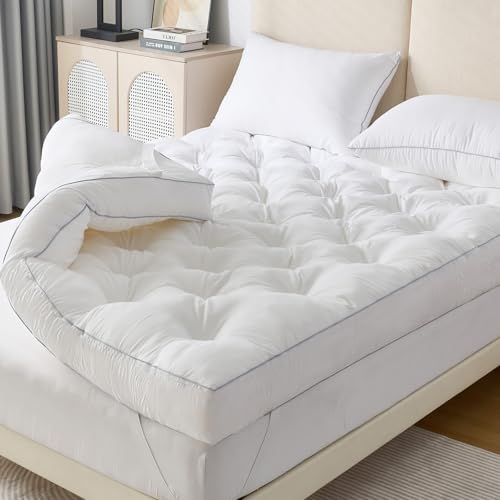
- 【5-Inch Extra Thick Comfort & Support】 SHOUREN mattress topper features a...
- 【Ergonomic Body-Contour Design】 Engineered to naturally fit your body...
- 【Upgraded 4-Way Elastic Anchor Straps】 Equipped with strong elastic straps...
ChiXpace Dual Layer 4 Inch Memory Foam Mattress Topper – Best for Cooling and Support
Featuring a gel-infused top layer and a supportive base layer, this 4-inch option combats heat retention. It provides balanced comfort and is ideal for hot sleepers or back sleepers needing both cooling and lumbar support for back pain.
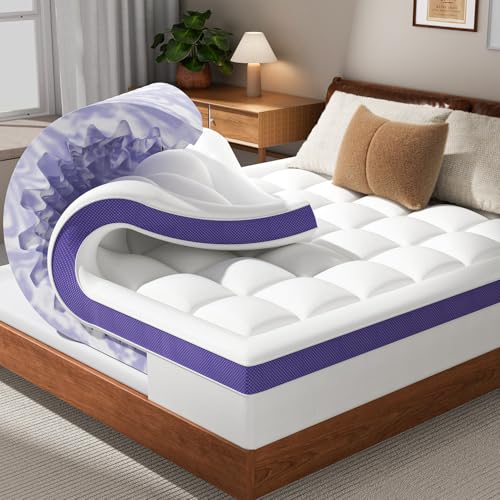
- Dual-Layer Design: This is Queen (60" x 80") size mattress topper. Our mattress...
- Comfortable Support: The memory foam with an egg-crate pattern provides...
- Cooling & Breathable: The ultra-soft fabric and premium gel-infused memory foam...
Sweetcrispy Memory Foam Mattress Topper – Best Value for General Comfort
An excellent budget-friendly choice for adding plush comfort. This 3-inch ventilated memory foam topper improves a firm mattress with good pressure relief. It’s a solid option for general body aches and comes with a breathable cover.
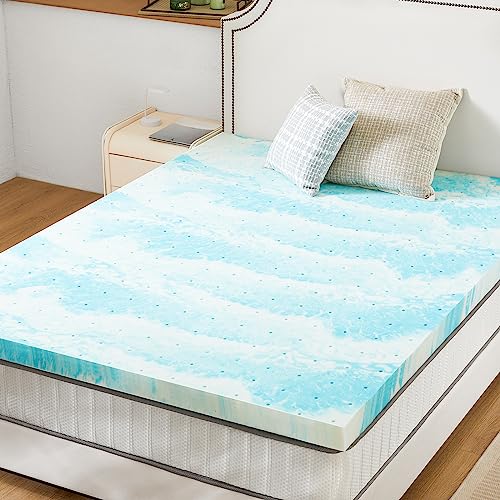
- ENHANCED COMFORT - With this memory foam mattress topper, say goodbye to...
- IMPROVED AIRFLOW - The gel infusion in this mattress pad helps to dissipate heat...
- VERSATILE USE - Whether you use it on your bed, sofa, or even in your RV, this...
Conclusion
Selecting the right mattress topper for body aches involves careful consideration of your sleep position, pain points, and the topper’s material and thickness. By matching these factors, you can find a solution that offers genuine pressure relief and improved spinal alignment.
The main point is to prioritize support and contouring over simple softness. Investing in a quality topper designed for your specific needs is a proactive step toward more restful sleep and lasting comfort, turning your existing mattress into a personalized haven for pain relief.
Frequently Asked Questions about How To Buy A Topper For Body Aches
How do I know if I need a topper or a new mattress?
A topper is ideal if your mattress is structurally sound but too firm or slightly uncomfortable. It adds a corrective comfort layer for pressure points and minor alignment issues. This is a cost-effective solution for newer beds.
If your mattress is over 8 years old, has significant sagging, or causes pain regardless of added padding, a replacement is necessary. A topper cannot fix a broken or severely worn-out support core.
What is the best thickness for a topper to relieve back pain?
For most back pain relief, a 3 to 4-inch topper is optimal. This thickness provides enough material to cushion the lumbar spine and hips while still offering supportive contouring. It significantly alters mattress feel without creating instability.
Thinner toppers (1-2 inches) offer minimal contouring, while very thick ones (5+ inches) may feel too plush and lack support. The goal is to fill the gap between your body and a firm mattress to maintain alignment.
Can a mattress topper help with arthritis pain?
Yes, a suitable topper can greatly alleviate arthritis discomfort by reducing pressure on sensitive joints. Materials like memory foam or soft latex conform to the body, distributing weight evenly and minimizing painful pressure points during the night.
Look for features like temperature regulation, as some arthritis symptoms worsen with heat. A gel-infused memory foam or breathable latex topper can provide cooling comfort alongside the necessary cushioning.
How often should I replace my mattress topper?
A high-quality mattress topper typically lasts 3 to 5 years with proper care. Signs of replacement include visible sagging, permanent body impressions, loss of support, or a lumpy feel that no longer provides even comfort.
Regular rotation and using a protective cover can extend its lifespan. When the topper no longer relieves your aches and you wake up with renewed stiffness, it’s time for a new one.
Is memory foam or latex better for side sleepers with hip pain?
Memory foam is often recommended for side sleepers with hip pain due to its superior pressure relief. It allows the hip and shoulder to sink in just enough to keep the spine aligned, cushioning the bony prominences effectively.
However, some side sleepers prefer latex for its responsive, buoyant support that prevents a “stuck” feeling. A medium-soft latex can also work well, especially for those who sleep hot, as it is more breathable than traditional memory foam.
Do I need a special bed frame or foundation for a thick topper?
Generally, no special foundation is needed for a standard mattress topper. It simply lays on top of your existing mattress. Ensure your bed frame provides adequate central support to prevent the combined mattress and topper from sagging.
For adjustable beds, you must choose a flexible, low-profile topper specifically designed to bend without damaging the foam. Always check the manufacturer’s guidelines for compatibility with adjustable bases.