
Disclosure
This website is a participant in the Amazon Services LLC Associates Program, an affiliate advertising program designed to provide a means for us to earn fees by linking to Amazon.com and affiliated sites.
Choosing the right mattress topper can transform your sleep quality and comfort. It’s a simple upgrade that addresses common issues like pressure points and temperature regulation.
A quality topper can extend the life of your current mattress, making it a cost-effective solution. The key is matching the topper’s material and firmness to your specific sleep needs and preferences.
Is Your Old Mattress Stealing Your Sleep and Leaving You Aching Each Morning?
That familiar morning stiffness and restless night are signs your mattress support is gone. The OLANLY topper solves this with a 4-inch dual-layer design. The responsive memory foam contours to relieve pressure points, while the firmer base layer adds crucial support, transforming your worn-out bed into a cloud-like surface for deep, pain-free sleep.
For truly restorative rest, we suggest the: OLANLY Dual-Layer 4 Inch Memory Foam Mattress Topper

- Dual-Layer Luxury for Supreme Comfort: Designed with a 2-inch gel-infused memory...
- Enhanced Pressure Relief & Body Alignment: Wake up refreshed and ache-free with...
- Snug Fit with Deep Pocket Skirt: The 360° elastic deep-pocket skirt hugs your...
How to Choose the Best Mattress Topper for Your Sleep Style
Selecting the ideal sleep topper requires Your primary sleep goals. Are you seeking pressure relief, cooling, or simply a softer feel? This decision directly impacts your nightly comfort and rest quality.
Identify Your Primary Sleep Position and Needs
Your sleeping posture determines the type of support you require. A topper that complements your position can alleviate aches and improve spinal alignment. This is the first step in narrowing your options.
- Side Sleepers: Need a softer, pressure-relieving topper for hips and shoulders. Memory foam or soft latex are excellent choices to cushion these areas.
- Back and Stomach Sleepers: Require a firmer, supportive topper to maintain neutral spine alignment. A medium-firm latex or supportive foam layer prevents sinking.
- Combination Sleepers: Benefit from a balanced, responsive material like latex or a hybrid topper that allows for easy movement throughout the night.
Compare Different Mattress Topper Materials
Each topper material offers distinct benefits for sleep enhancement. The core material defines the feel, durability, and temperature regulation of the product. Here is a comparison of the most common types:
| Material | Best For | Considerations |
|---|---|---|
| Memory Foam | Pressure relief, contouring, motion isolation | Can retain heat; look for gel-infused or open-cell options. |
| Latex | Support, responsiveness, cooling, durability | Firmer feel; natural latex is hypoallergenic but often more expensive. |
| Feather/Down | Plush, luxurious softness | Requires fluffing; not ideal for support or allergy sufferers. |
| Wool or Cotton | Temperature regulation, natural fiber preference | Provides cushioning but minimal support; excellent for adding breathability. |
Now that you understand materials, the next step is to consider thickness and firmness. These factors work with the material to create your final sleep surface feel.
Selecting the Right Thickness and Firmness Level for Comfort
The thickness and firmness of your bed topper are crucial for achieving better sleep. These specifications determine how much the topper will alter your mattress’s feel. Getting this right ensures proper support and comfort alignment.
Guide to Mattress Topper Thickness and Density
Topper thickness is measured in inches and directly influences its effect. A thicker pad provides more cushioning and can significantly soften a firm mattress. Density, often measured in pounds per cubic foot for foam, indicates durability and support.
- 1-2 Inches: Ideal for a slight softening or adding a protective layer. It won’t dramatically change mattress feel but can add plushness.
- 2-3 Inches: The most popular range for a noticeable upgrade. This thickness provides substantial contouring and pressure relief without compromising support.
- 3-4+ Inches: Best for dramatically transforming a very firm or old mattress. It acts almost like a new mattress surface but ensure your sheets can accommodate the depth.
How to Determine Your Ideal Firmness Scale
Firmness is a personal preference but guided by your weight and sleep position. A scale from 1 (very soft) to 10 (very firm) helps standardize choices. Most sleepers find a medium-firm topper, around a 5-7 on the scale, offers the best balance.
Follow this simple process to find your firmness level:
- Assess Your Current Mattress: Is it too hard or too soft? Your topper should correct this issue, not amplify it.
- Consider Your Weight: Heavier individuals may need a firmer, denser topper for adequate support and to prevent bottoming out.
- Apply the Sleep Position Rule: Side sleepers generally need softer (3-6), back sleepers need medium (5-7), and stomach sleepers need firmer (6-8) toppers.
With thickness and firmness selected, your final consideration should be practical features. These details ensure the topper integrates Easily into your sleep routine.
Key Features and Practical Considerations Before You Buy
Beyond material and feel, several practical factors ensure your topper purchase is successful. Features like temperature regulation and ease of care directly impact long-term satisfaction. Addressing these details prevents common buyer’s remorse.
Essential Features for Temperature Regulation and Hygiene
Overheating is a major sleep disruptor that the right topper can help solve. Modern materials incorporate technologies designed to draw heat away from the body. A hygienic sleep surface is equally important for allergy prevention and cleanliness.
- Cooling Technologies: Look for gel-infused memory foam, copper infusion, or phase-change material covers. These actively work to dissipate body heat throughout the night.
- Breathable Materials: Natural latex, wool, and certain open-cell foams promote air circulation. A breathable design prevents heat from becoming trapped.
- Removable & Washable Cover: A zip-off cover made from moisture-wicking fabric (like bamboo or Tencel) is non-negotiable. It allows for easy cleaning and protects the topper core from stains and dust mites.
Sizing, Return Policies, and Setup
Accurate sizing and a fair trial period are your safety nets. A topper that doesn’t fit properly or can’t be returned is a wasted investment. Proper setup is also crucial for performance and longevity.
Follow this checklist before completing your purchase:
- Measure Your Mattress: Note the exact dimensions (width, length, depth). Standard sizes like Queen vary slightly between brands. Depth affects fitted sheet fit.
- Review the Sleep Trial & Warranty: A minimum 30-night trial is recommended to adjust. Understand the return process, including who pays for shipping. Warranties often cover defects for 3-5 years.
- Plan for Setup & Care: Most foam toppers need 24-48 hours to fully expand. Use a mattress protector underneath for stability. Follow manufacturer instructions for spot cleaning only.
By evaluating these final features, you can buy with confidence. Your new topper will be a tailored solution designed for lasting comfort and better sleep.
Where to Buy a Quality Mattress Topper and Final Checklist
Knowing where to shop and what to look for streamlines your buying process. Different retailers offer unique benefits, from expert advice to generous trial periods. A final checklist ensures you have considered every important detail before purchasing.
Comparing Retailers: Online vs. In-Store Shopping
Your shopping venue impacts price, selection, and the ability to test the product. Each option has distinct advantages depending on your buying preferences and need for hands-on evaluation.
| Retailer Type | Pros | Cons |
|---|---|---|
| Online Brands (e.g., Sleep Number, Tempur-Pedic) | Longer risk-free trials (100+ nights), direct pricing, extensive reviews. | Cannot physically test before buying; must wait for shipping. |
| Big-Box Retailers (e.g., Target, Walmart) | Immediate pickup, lower price points, easy returns to store. | Limited premium brand selection; shorter or no sleep trials. |
| Mattress Specialty Stores | Can test feel and firmness; expert sales advice on site. | Often higher markup; trial periods may be shorter than online. |
Your Final Pre-Purchase Topper Checklist
Use this practical list to confirm your selected topper is the right choice. This step verifies you have matched the product to your specific sleep profile and practical requirements.
- Sleep Profile Match: Does the material and firmness align with your primary sleep position and any pain points (e.g., back, shoulder)?
- Feature Verification: Does it have necessary features like cooling technology, a removable cover, and the correct thickness (2-3 inches standard)?
- Logistics Confirmed: Is the size exact? Have you read the return policy and warranty? Are you prepared for the 24-48 hour off-gassing/expansion period?
Completing this checklist gives you confidence in your decision. You are now ready to make an informed purchase that will lead to genuinely better sleep.
Maximizing Your Investment: Care and Maintenance Tips
Proper care extends the life and performance of your new mattress topper. A well-maintained topper provides consistent comfort and hygiene for years. These simple practices protect your investment and ensure ongoing sleep quality.
Daily and Monthly Maintenance for Longevity
Incorporate small habits into your routine to keep your sleep surface fresh. Consistent maintenance prevents premature wear and maintains the material’s supportive properties. This proactive approach is far easier than dealing with deep-set stains or odors.
- Use a Mattress Protector: Place a waterproof, breathable protector between your sheet and the topper. This barrier guards against spills, sweat, and dust mites, which are the primary causes of damage.
- Rotate Regularly: Every 3-6 months, rotate your topper 180 degrees (head to foot). This prevents body impressions from forming in the same spots and ensures even wear.
- Air It Out: When changing sheets, allow the topper to breathe for 30 minutes. This helps dissipate moisture and keeps the materials fresh, especially important for memory foam.
How to Clean Different Types of Mattress Toppers
Accidents happen, but cleaning methods vary drastically by material. Using the wrong technique can void warranties or damage the topper’s core structure. Always check the manufacturer’s care label first for specific guidance.
Follow this material-specific cleaning guide for common issues:
- Memory Foam & Latex: Never saturate these materials. For stains, use a mild detergent with cold water and blot gently. Allow to air dry completely, away from direct heat, which can break down the foam.
- Feather/Down & Fiberfill: Most are machine washable on a gentle cycle with mild detergent. Use tennis balls in the dryer on low heat to fluff and prevent clumping. Ensure they are completely dry to prevent mildew.
- Wool or Cotton: Spot clean only with a damp cloth and mild soap. Professional cleaning is often recommended for larger issues, as home washing can cause significant shrinkage or matting.
With proper care, your topper will remain a comfortable and hygienic part of your sleep environment. This diligence ensures you continue to reap the benefits of better sleep night after night.
Answering Common Questions About Mattress Toppers
Even after thorough research, specific questions often arise before making a final decision. Addressing these common concerns provides clarity and confidence. This section tackles practical queries about topper use, compatibility, and value.
Will a Topper Fix an Old or Sagging Mattress?
A topper can mask minor sagging and surface imperfections by adding a new comfort layer. It provides cushioning over firm springs or worn areas, offering temporary relief. However, it cannot correct major structural failures or deep, permanent body impressions.
- For Minor Wear: A 3-inch firm topper can effectively bridge small dips and provide a more even sleeping surface, extending mattress life by 1-2 years.
- For Major Sagging: If the sag is deeper than 1.5 inches or you feel underlying springs, the mattress support system is compromised. A topper will conform to the sag, not fix it, and replacement is advised.
- Best Use Case: Use a topper to refresh a mattress that is too firm or slightly worn, not to rescue one that is broken or severely sagging in the middle.
Topper Compatibility and Cost-Effectiveness
How a topper interacts with your existing setup is crucial. Most toppers are designed to be universally compatible, but a few considerations ensure optimal performance and value for your investment.
Consider these factors for compatibility and cost analysis:
- Mattress Type Compatibility: Toppers work well on innerspring, memory foam, and hybrid mattresses. Ensure a non-slip bottom or use a fitted mattress cover to prevent sliding, especially on slick foam surfaces.
- Adjustable Bed Use: Most memory foam and latex toppers are flexible enough for adjustable bases. Confirm with the manufacturer, as very thick or rigid toppers may resist bending or crack.
- Cost vs. Replacement: A quality topper ($100-$300) is a fraction of a new mattress cost. It is a highly cost-effective solution to improve comfort, but if your mattress is over 8 years old and failing, direct replacement may offer better long-term value.
By resolving these final questions, you can proceed with a clear of what a topper can and cannot do for your sleep.
Special Considerations for Allergies and Sleep Partners
Choosing a topper involves more than personal comfort; it must address health and shared sleep needs. For allergy sufferers or couples, specific features become non-negotiable. Selecting the right product can create a healthier and more harmonious sleep environment.
Choosing Hypoallergenic and Bed Bug Resistant Options
Allergens like dust mites, mold, and pet dander can accumulate in bedding. A topper can either harbor these irritants or help create a barrier against them. Look for certifications and construction designed for a healthier sleep surface.
- Certified Materials: Seek out toppers made with CertiPUR-US® certified foam (free of harmful chemicals) or GOLS certified organic latex. These are naturally resistant to dust mites and mold.
- Barrier Protection: A tightly woven, allergen-impermeable cover is essential. Some toppers come with integrated barriers, or you can add a separate allergen-proof mattress encasement.
- Easy-Clean Design: The ability to frequently wash the cover in hot water is critical for killing dust mites. Avoid materials like down or feather, which can trigger allergies and are difficult to clean thoroughly.
Solutions for Couples with Different Sleep Preferences
Divergent needs for firmness and temperature are common challenges for couples. The right topper can provide a customized feel on each side of the bed, reducing sleep disturbances and compromise.
| Challenge | Topper Solution | Product Example |
|---|---|---|
| Different Firmness Needs | Split king toppers or dual-layer designs. | Two twin XL toppers on a king bed; layered toppers with removable sections. |
| Motion Transfer | High-density memory foam. | Viscoelastic foam that absorbs movement, preventing it from crossing the bed. |
| Temperature Disparity | Zoned materials or cooling covers. | Gel-infused foam on one side, breathable latex on the other; moisture-wicking fabric covers. |
Addressing these special needs ensures your topper investment benefits everyone sharing the bed. It transforms the sleep surface into a personalized zone for each sleeper.
Best Recommended Mattress Toppers for Better Sleep
Based on common sleep needs and the criteria discussed, here are three highly-rated toppers. Each excels in a specific area, from cooling to value, to help you achieve more restful sleep. These selections represent strong options for different priorities and budgets.
DOWNCOOL 3 Inch Queen Mattress Topper – Best for Hot Sleepers
This topper is engineered for superior temperature regulation. It features a cooling gel-infused memory foam core and a breathable bamboo cover to dissipate heat. The 3-inch profile provides deep pressure relief, making it ideal for side sleepers who tend to overheat.
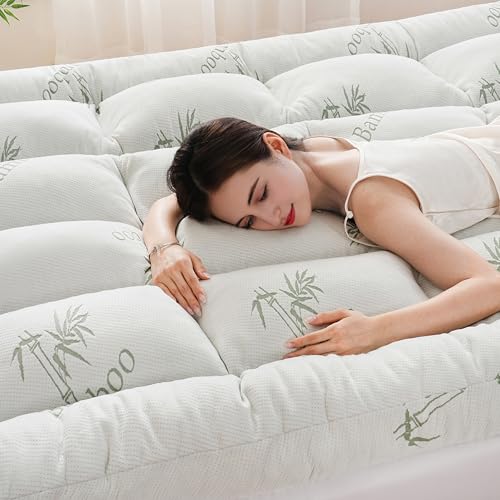
- Cooling Bamboo Viscose Top with 3D Air Layer: Made of 39% bamboo viscose and...
- Plush Pillow Top for Pressure Relief: Made with a thin gel memory foam layer and...
- Secure Deep Pocket Design: The elastic deep pocket skirt wraps around the...
Linenspa Memory Foam Mattress Topper – Best Budget-Friendly Option
An excellent value choice for softening a firm mattress. It offers 2 inches of responsive memory foam that contours to the body. This topper is a simple, effective upgrade with a removable, machine-washable cover for easy maintenance and hygiene.

- PRESSURE RELIEVING MEMORY FOAM: Plush gel infused memory foam conforms to your...
- COOLING GEL INFUSIONS: This topper is infused with a cooling gel that helps...
- MULTIPLE PROFILE OPTIONS: Choose your own level of comfort with a plush 2-inch...
SINWEEK Mattress Topper Twin XL – Best for Adjustable Beds & Dorms
Designed for flexibility and specific bed sizes. Its 2-inch ventilated foam is highly flexible for adjustable bases and provides good airflow. The Twin XL size is perfect for college dorms, daybeds, or creating a split king setup for couples.

- GEL MEMORY FOAM MATERIAL: Our memory foam mattress topper readily conforms to...
- MORE COMFORTABLE SLEEP: The gel memory foam material used in our mattresses...
- SOFT BUT NOT FOLDABLE: our mattress is soft, do not roll up and store too long...
Conclusion
Choosing the right mattress topper is a strategic investment in your sleep health and comfort. By carefully considering your sleep position, desired material, and specific needs like cooling or support, you can find a perfect match.
The main point is that a well-chosen topper can transform your existing mattress, offering a cost-effective path to better rest. Use the guidelines and checklist provided to make a confident, informed purchase for lasting sleep improvement.
Frequently Asked Questions about How To Buy A Topper For Better Sleep
How long does a mattress topper typically last?
A quality mattress topper usually lasts between 2 to 5 years with proper care. Durability depends heavily on the material density and frequency of use. Higher-density foams and natural latex tend to offer the longest lifespan.
You can extend its life by using a mattress protector and rotating it every few months. Signs it needs replacing include permanent sagging, loss of support, or visible wear and tear that affects comfort.
Can I use a mattress topper on an adjustable bed?
Yes, many mattress toppers are compatible with adjustable beds. Flexible materials like memory foam and latex are ideal as they bend without cracking. Always check the product specifications for adjustable base compatibility before purchasing.
Ensure the topper is securely attached with straps or a non-slip bottom to prevent sliding when the bed is in motion. Very thick or rigid toppers may not be suitable for frequent adjustment.
What is the difference between a mattress pad and a mattress topper?
A mattress pad is a thin, quilted layer primarily for protection and slight softness, often under 2 inches thick. A mattress topper is thicker, usually 2-4 inches, and is designed to significantly alter the feel and support of your mattress.
Toppers are the solution for changing firmness or adding pressure relief, while pads are for hygiene and minor comfort. For a major comfort upgrade, a topper is the more effective choice.
How do I stop my mattress topper from sliding around?
Many toppers come with elastic straps or a fitted skirt that tucks under the mattress corners. These are the most effective solutions for keeping the topper securely in place throughout the night.
If your topper lacks straps, use a non-slip mattress pad or a fitted, deep-pocket mattress cover over both the mattress and topper. This creates a unified layer that prevents shifting.
Is a firm or soft topper better for back pain?
For back pain, a medium-firm topper is generally recommended. It provides a balance of support to maintain spinal alignment and cushioning to relieve pressure points. The goal is to keep your spine in a neutral position.
A topper that is too soft can cause your hips to sink, misaligning the spine. A topper that is too firm may not relieve pressure adequately. Consider your sleep position and weight when choosing firmness.
Do I need special sheets for a mattress topper?
You may need deep-pocket sheets if adding a topper significantly increases your mattress height. Standard pocket depths are 7-14 inches; a thick topper can require pockets of 15 inches or more.
Measure the total height of your mattress plus the topper before buying new sheets. Using sheets that are too shallow will cause them to pop off the corners, disrupting your sleep.