
Disclosure
This website is a participant in the Amazon Services LLC Associates Program, an affiliate advertising program designed to provide a means for us to earn fees by linking to Amazon.com and affiliated sites.
A sagging mattress can ruin sleep and cause back pain, but a quality topper offers an affordable fix. Knowing how to shop smart prevents overspending on a temporary solution.
Many toppers fail to address the root cause of sagging, leading to repeated purchases. The key is selecting the right material and thickness to properly support your body and extend your mattress’s life.
Are You Tired of Waking Up Achy Because Your Bed Sags in the Middle?
That frustrating dip ruins sleep and strains your back. The Tempur-Pedic TEMPUR-Adapt + Cooling Topper directly targets this pain. Its 3-inch layer of proprietary TEMPUR material conforms to your body to fill the sag, creating a supportive, level surface that cradles pressure points for relief and cooler, deeper rest.
For transforming a sagging mattress into a supportive sleep surface, we recommend: Tempur-Pedic TEMPUR-Adapt + Cooling 3-Inch Twin XL Mattress Topper

- COOLING 3-INCH TWIN XL TOPPER: TEMPUR-Adapt + Cooling topper is ideal for...
- SOFTEST TEMPUR MATERIAL: 3-inches of exclusive TEMPUR-ES Material precisely...
- WASHABLE COOLING COVER: Premium knit cooling cover provides cool-to-the-touch...
How to Diagnose Your Sagging Bed Before Buying a Mattress Topper
Before you invest in a bed topper, you must accurately assess your mattress’s condition. A proper diagnosis ensures you buy the right support layer and avoid wasting money. This step is crucial for long-term comfort and spinal alignment.
Identifying the Type and Severity of Sagging
Not all mattress dips are the same. Use a straight edge, like a broom handle, to check for uneven surfaces. Measure the depth of any depressions; a sag over 1.5 inches often means the mattress core is failing.
Pay special attention to where you sleep most. Body impressions are common, but a center sag that creates a hammock effect indicates structural failure. This assessment directly informs the density and thickness of topper you need.
Testing Your Current Mattress Foundation
A weak foundation can mimic mattress sagging. Check your box spring, slats, or platform bed for damage. Slats should be no more than 3 inches apart to provide adequate support.
- Box Spring Check: Look for broken springs or a bowed center. An old box spring loses its supportive ability.
- Slatted Base Inspection: Ensure all slats are present, sturdy, and evenly spaced. Weak slats will flex under weight.
- Center Support Leg: For queen and king beds, a center support leg on the frame is non-negotiable for preventing mid-bed sag.
Fixing foundation issues first can sometimes improve support without a topper, saving you significant money.
Matching the Topper Solution to Your Problem
Once diagnosed, match the topper to your specific sagging issue. For minor body impressions, a 2-3 inch topper may suffice. For a deep structural sag, a thicker, firmer option is required to bridge the gap.
Consider these practical examples:
- For a slight dip at the hips: A 3-inch memory foam topper can contour and fill the impression.
- For a widespread, gentle sag: A firm latex or high-density foam topper adds a uniform support layer.
- For a severe center collapse: A 4-inch extra-firm foam topper is a temporary bridge, but mattress replacement is likely imminent.
This targeted approach ensures you purchase a topper that effectively addresses your pain points without overpaying for unnecessary features.
Choosing the Best Mattress Topper Material for Sagging Support
Selecting the correct material is the most critical step in buying a bed topper for support. Each material offers different benefits for pressure relief and durability. Your choice directly impacts cost, comfort, and how long the solution lasts.
Memory Foam vs. Latex for Sagging Beds
Memory foam and latex are top contenders for addressing sagging. Memory foam excels at contouring to fill body impressions and relieving pressure points. However, cheaper memory foam can sleep hot and lose its shape quickly.
Natural latex provides a more resilient, buoyant support that prevents you from sinking too deeply into a sag. It is more durable and sleeps cooler but comes at a higher initial cost. For a deep sag, a high-density memory foam or a firm latex topper is often the most effective.
The Role of Density and Thickness in Support
Within each material, density and thickness determine real-world performance. Density refers to weight per cubic foot and indicates durability and support. Thickness determines how much of a gap the topper can bridge.
- Density Guide: For memory foam, choose a density of at least 3 pounds per cubic foot (PCF) for support. For latex, look for an ILD (firmness rating) of 28-32 for medium-firm support.
- Thickness Guide: A 2-inch topper refreshes surface feel. A 3-inch topper addresses moderate sagging. For severe dips, a 4-inch topper is the minimum for adequate bridging.
- Combination Approach: Some toppers use a support core of high-density foam with a comfort top layer, offering both filling and cushioning.
Budget-Friendly Alternatives: Fiberfill and Egg Crate
Polyester fiberfill and egg crate foam toppers are low-cost options. They add minimal cushioning but provide almost no structural support for a sagging mattress. These are best for very minor surface softening.
Consider them a short-term, stop-gap solution. They compress quickly and will not bridge a dip, often leading to increased discomfort. Investing slightly more in a supportive foam or latex topper saves money by avoiding repeated purchases.
Smart Shopping Strategies to Avoid Overpaying for a Bed Topper
Finding a quality topper at a fair price requires strategic shopping. Retail markups can be high, but informed buyers know where to look. These tactics help you secure the best value without sacrificing necessary support.
Where to Find Discounts and Compare Prices
Never pay full retail price for a mattress topper. Major holidays like Memorial Day, Labor Day, and Black Friday offer deep discounts. Online marketplaces and factory-direct brands often have lower overhead costs.
Use price comparison tools and browser extensions to track prices across retailers. Sign up for email newsletters from reputable bedding companies to receive exclusive promo codes. Always check for open-box or clearance items, which can offer significant savings on high-quality products.
Evaluating Value: Warranty, Trial Periods, and Return Policies
The true cost includes the risk of a bad purchase. A strong warranty and sleep trial are your financial safety nets. They indicate the manufacturer’s confidence in the product’s durability.
- Warranty: Look for a minimum 3-year warranty. This protects against premature sagging and material defects in your new topper.
- Sleep Trial: A 30 to 100-night trial period is essential. It allows you to test the topper’s support for your sagging mattress risk-free.
- Return Policy: Understand who pays for return shipping. A hassle-free, prepaid return policy is a sign of a customer-focused company.
A slightly more expensive topper with a great warranty often provides better long-term value than a cheap one with no protection.
Red Flags and Common Upsells to Avoid
Be wary of marketing hype that inflates price without adding real benefit. Avoid toppers with vague descriptions like “luxury feel” that don’t list material density or firmness metrics. Gel-infused memory foam often carries a premium with minimal cooling effect.
Skip expensive “non-slip” mattress pads sold as add-ons; a well-fitted sheet will secure most toppers. Most importantly, recognize when a topper is a temporary fix. If your mattress has a severe structural sag, overpaying for a topper delays the inevitable replacement.
Step-by-Step Installation and Maintenance for Longevity
Proper setup and care maximize your topper’s performance and lifespan. Incorrect installation can lead to shifting, discomfort, and premature wear. Following these steps ensures you get the full value from your purchase.
How to Correctly Place Your New Mattress Topper
Start by fully unboxing your topper and allowing it to expand for 24-48 hours in a warm room. This is crucial for memory foam to reach its intended size and firmness. Place the topper directly on your clean, bare mattress.
Ensure it is centered and aligned with all edges. For a secure fit, use a deep-pocket fitted sheet designed for mattresses with toppers. Some toppers come with elastic straps; attach these securely to the mattress corners to prevent sliding.
Routine Care to Prevent Premature Sagging
Regular maintenance protects your investment and maintains support. Simple habits can significantly extend the functional life of your topper, delaying the need for a replacement.
- Rotate Regularly: Rotate your topper head-to-foot every 1-2 months. This ensures even wear and prevents new body impressions from forming.
- Use a Protector: A waterproof, breathable mattress protector is essential. It shields the topper from spills, stains, and body oils that break down materials.
- Air it Out: When changing sheets, let the topper air out for 30 minutes. This reduces moisture buildup and helps maintain freshness and resilience.
Avoid sitting on the same edge of the bed repeatedly, as this can create permanent compression in one spot.
When to Know It’s Time for a Replacement
Even the best topper has a finite lifespan. Monitor for signs of permanent compression where you sleep, indicating the support core has broken down. If you wake up with renewed aches or can feel the original mattress sag through the topper, its effectiveness is gone.
Compare its condition to your initial diagnosis. If the new dips resemble the old problem, the topper has served its purpose. Continuing to use a worn-out topper is counterproductive and can worsen sleep quality and spinal alignment.
Can a Mattress Topper Fix a Sagging Bed?
A topper can temporarily improve comfort and bridge minor to moderate body impressions. It adds a new, level surface on top of a worn-out mattress. However, it cannot repair a broken internal support system or a severe structural collapse.
Think of a topper as a short-to-medium term solution that extends your mattress’s usable life. For a deep, central sag, the underlying support is compromised, and a topper will eventually conform to the dip. In such cases, mattress replacement is the only permanent fix.
How Thick Should a Topper Be for a Sagging Mattress?
The required thickness depends directly on the depth of the sag. Use this simple guide based on your earlier diagnosis:
- For minor dips (less than 1.5 inches): A 2 to 3-inch topper is typically sufficient to fill the impression and add cushioning.
- For moderate sagging (1.5 to 2.5 inches): A minimum 3-inch, high-density topper is necessary to adequately bridge the gap.
- For severe sagging (over 2.5 inches): A 4-inch extra-firm topper may help, but it is a temporary measure. The mattress likely needs replacing.
Remember, density is more important than pure thickness. A thick, low-density topper will compress quickly and fail to provide lasting support.
What is the Most Cost-Effective Topper Material?
For balancing initial cost and durable support, high-density polyurethane foam often offers the best value. It provides firm, consistent support at a lower price point than natural latex or premium memory foam.
While fiberfill is cheapest, it lacks support. A mid-range, 3-inch high-density foam topper with a good warranty typically provides the longest-lasting relief per dollar spent. This prevents the cycle of buying a new cheap topper every year, which is more expensive long-term.
Advanced Tips: Combining Toppers and Knowing When to Replace the Mattress
For complex sleep issues or severe sagging, advanced strategies can optimize comfort. Sometimes, the most cost-effective decision is to stop investing in a failing mattress. These insights help you make the final, financially sound choice.
Using a Mattress Topper with an Adjustable Base
An adjustable bed frame can significantly enhance a topper’s effectiveness for a sagging bed. By elevating the head or feet, you change pressure distribution, which can alleviate discomfort from old body impressions. This combination can extend the useful life of your current sleep setup.
Ensure your chosen topper material is flexible enough for an adjustable base. Memory foam and latex work well, while very thick, rigid foams may crack or hinder movement. This setup is ideal for addressing minor sagging while adding therapeutic benefits like zero-gravity positioning.
The Layering Strategy: Combining Topper Types
For targeted support, some sleepers layer two different toppers. This approach allows you to customize feel and address specific pressure points created by a sagging mattress.
- Common Combination: Place a firm, high-density foam topper (2-3 inches) directly on the mattress to bridge the sag. Then, add a thinner, softer memory foam or latex topper (1-2 inches) on top for pressure relief and comfort.
- Key Consideration: Ensure the total height works with your sheets and that the layers do not shift. Use a mattress encasement or a deep-fitted sheet to secure them.
- Cost Warning: This can become expensive. The combined cost may approach that of a new budget mattress, so evaluate the value carefully.
This method is for DIY sleep enthusiasts looking to fine-tune their surface after addressing the primary support gap.
Calculating the True Cost: Topper vs. New Mattress
This is the most critical financial calculation. Add the cost of a quality topper, a protector, and potential future replacements. Compare this to the price of a new mid-range mattress with a 10-year warranty.
If your mattress is over 7-8 years old and has a significant sag, a topper is a short-term rental. Continually buying toppers for a dead mattress means you are overpaying for temporary fixes. Investing in a new supportive bed often provides better long-term value and sleep quality.
Final Checklist Before You Buy a Topper for Support
Use this practical checklist to ensure you make a confident, informed purchase. Rushing this decision leads to buyer’s remorse and wasted money. Review each point before clicking “buy” or visiting a store.
Pre-Purchase Verification List
Complete these steps to confirm a topper is the right solution and you’ve chosen the correct product. This prevents the hassle and cost of returns.
- Diagnosis Complete: You have measured the sag and inspected your bed frame for foundational issues.
- Material Selected: You’ve chosen a material (e.g., high-density foam, latex) based on support needs, not just price.
- Density & Thickness Confirmed: You’ve verified the product specs match your sag depth (e.g., 3-inch, 4+ PCF foam).
- Size is Accurate: You are buying the exact size (Twin, Queen, King) to match your mattress, not your bed frame.
This verification ensures the topper will physically and functionally address your specific problem.
Retailer and Policy Checklist
Protect your purchase by vetting the seller and their terms. A great product is undermined by poor customer service.
- Sleep Trial: The retailer offers a minimum 30-night trial with a clear, prepaid return process.
- Warranty: The topper has a warranty of at least 3 years covering defects and premature sagging.
- Total Price: You have calculated the final cost including taxes, shipping, and any potential return fees.
- Reviews Checked: You’ve read verified customer reviews focusing on long-term support for sagging mattresses, not just initial comfort.
Buying from a reputable source with strong policies is a form of insurance for your investment.
Post-Purchase Action Plan
Your responsibility begins once the topper arrives. Plan to unbox it immediately and allow full expansion time as per instructions. Schedule time to properly install it with a deep-pocket sheet or securing straps.
Mark your calendar to rotate the topper in 6-8 weeks. Immediately use a mattress protector to safeguard your investment from stains and moisture. This proactive care maximizes the lifespan and performance of your purchase.
Best Recommended Toppers for a Sagging Bed
Based on criteria for support, value, and durability, these three toppers are top contenders. Each addresses sagging with specific features while offering good value to prevent overpaying. Consider your diagnosed sag depth and material preference when choosing.
OLANLY Dual-Layer 4 Inch Memory Foam Mattress Topper – Best for Deep Sagging
This 4-inch topper is ideal for bridging significant dips. Its dual-layer construction combines a supportive base with a contouring top. The 4-inch thickness and ventilated design provide the depth needed for severe body impressions while promoting airflow.

- Dual-Layer Luxury for Supreme Comfort: Designed with a 2-inch gel-infused memory...
- Enhanced Pressure Relief & Body Alignment: Wake up refreshed and ache-free with...
- Snug Fit with Deep Pocket Skirt: The 360° elastic deep-pocket skirt hugs your...
BEDLORE King Mattress Topper – Best Budget-Friendly Firm Support
Offering a balance of cost and structure, this topper provides firm, even support. It is a solid choice for moderate sagging where you need to level the surface without a high price tag. Its design focuses on foundational correction over plush comfort.

- 【Premium Quality】Experience ultimate comfort with our pillow top mattress...
- 【Breathable Design】 Stay cool and cozy all night with the king bed mattress...
- 【Enhanced Comfort】 Upgrade your sleep with this luxurious and durable king...
NicePlus Dual Layer 4 Inch Memory Foam Mattress Topper – Best for Pressure Relief & Support
This option excels for sleepers with joint pain from a sagging bed. The dual-layer memory foam cradles pressure points while the substantial thickness fills dips. It targets both support and comfort, making it a versatile solution for extended relief.
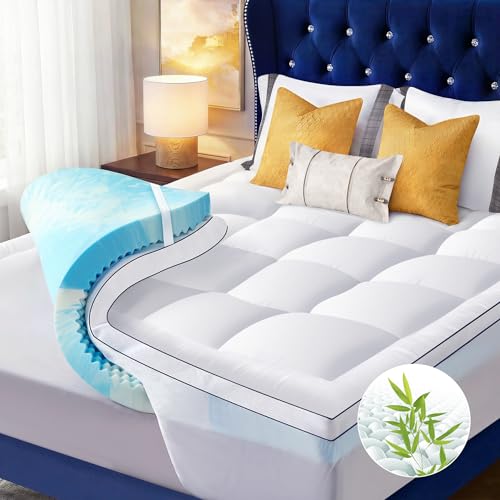
- 2-in-1 Double-Layer Mattress Topper: Featuring a dual-layer structure, designed...
- Relieves Pain & Supports Restful Sleep: The soft mattress topper bottom features...
- Cooling & Breathable: The 4 inch mattress topper fabric contains 40% Viscose...
Conclusion
Buying a topper for a sagging bed is a strategic purchase that requires careful diagnosis and material selection. By Your mattress’s condition and prioritizing density and support, you can find an effective solution.
The key to not overpaying is viewing a topper as a temporary bridge, not a permanent fix. Invest in quality from a reputable retailer with a strong trial period, and know when the smarter financial decision is to replace the mattress entirely.
Frequently Asked Questions about How To Buy A Topper For A Sagging Bed Without Overpaying
How long will a mattress topper last on a sagging bed?
The lifespan depends on material quality and the severity of the sag. A high-density foam or latex topper can last 2-5 years with proper care. Regular rotation and a protector are essential for longevity.
If the underlying mattress has a severe structural sag, the topper will compress more quickly as it works to bridge the gap. This accelerated wear is a sign the mattress itself is failing.
Is a firm or soft topper better for a sagging mattress?
A firm topper is almost always better for addressing sagging. It provides the necessary support to bridge dips and create a level sleeping surface. Soft toppers will conform to the existing sag, offering little improvement.
Look for terms like “supportive,” “high-density,” or “extra-firm” in the product description. The goal is to add a stable, resilient layer that resists conforming to the old mattress’s shape.
Can I use a mattress topper on both sides of a sagging mattress?
Yes, flipping a double-sided mattress and adding a topper can provide a fresh, supportive surface. This effectively gives you two new sleeping surfaces, significantly extending the bed’s usable life.
Ensure the topper is placed on the firmest, least-worn side of the mattress. This strategy works best for mattresses with even, all-over wear rather than one deep, localized sag.
What is the biggest mistake people make when buying a topper for sagging?
The biggest mistake is choosing based on low price and plush comfort alone. Buying a cheap, low-density topper leads to quick compression and a return of the sagging feeling, wasting money.
Another critical error is skipping the diagnosis. Not checking the bed frame or measuring the sag depth often means the topper is trying to fix an unfixable problem or the wrong issue entirely.
Do I need a special bed frame or foundation for a mattress topper?
You need a solid, supportive foundation, but not a special one. The topper sits on your existing mattress, which requires proper support from below. A broken box spring or widely spaced slats will undermine any topper.
Ensure your bed frame is intact and provides even support. A center support leg is crucial for king and queen sizes to prevent the mattress and topper from sagging in the middle again.
How can I tell if my mattress is too far gone for a topper?
If the sag is deeper than 2.5 inches or forms a pronounced “hammock” or “V” shape, a topper is a very temporary fix. If you can feel broken coils or significant lumps, the internal structure has failed.
When the cost of a quality topper, protector, and potential replacement approaches 50% of a new mattress price, replacement is the smarter long-term investment for your sleep and budget.