
Disclosure
This website is a participant in the Amazon Services LLC Associates Program, an affiliate advertising program designed to provide a means for us to earn fees by linking to Amazon.com and affiliated sites.
You can dress up a platform bed for both style and comfort—but it requires the right approach. Many assume platform beds are too minimalist to feel cozy, yet with strategic layering and smart design choices, they can become the centerpiece of a luxurious, inviting bedroom.
Imagine sinking into a bed that looks like a designer showcase yet feels like a cloud—this is entirely possible, even with a low-profile frame.
Platform beds are surging in popularity for their sleek, modern appeal, but their flat, solid surfaces often leave people struggling to balance aesthetics with comfort. Too many end up with a bed that looks stylish but feels stiff or, worse, one that’s cozy but cluttered.
The secret? Layering textures, choosing the right support system, and playing with proportions. Whether you crave a Scandinavian-inspired retreat or a bold, bohemian vibe, this guide will reveal how to transform your platform bed into a haven of style and relaxation.
Best Bedding Products for Styling a Platform Bed
Brooklinen Luxe Core Sheet Set
For a crisp, hotel-quality finish, the Brooklinen Luxe Core Sheet Set (400-thread count, sateen weave) offers silky softness without overheating. Its deep pockets fit platform mattresses snugly, while the subtle sheen elevates minimalist aesthetics. Available in 11 neutral and bold hues to match any decor.

- LUXURY SATEEN 4-PIECE SHEET SET: Featuring a rich, buttery-smooth weave, our…
- OUR BEST SELLING COMFORT: Rated Best Overall Sheets to Buy in 2022 by Good…
- EASY CARE: Keeping your cotton sheet set fresh and clean is a breeze. Machine…
Tuft & Needle Adaptive Foam Mattress
The Tuft & Needle Adaptive Foam Mattress (10-inch) pairs perfectly with platform beds, providing pressure relief and cooling airflow. Its medium-firm feel balances support and plushness, while the graphite-infused foam prevents sagging—key for low-profile frames needing durability.

- Medium Feel – Made For All sleeping positions; The new T&N Original medium…
- Responsive Comfort – The mattress’s T&N Flex foam responds to your body weight…
- Bounce-Back Support – T&N Adaptive foam is a breathable, open-cell foam, infused…
Pendleton Jacquard Wool Throw
Add texture and warmth with the Pendleton Wool Throw by Pendleton (64″ x 64″). This heavyweight, 82% wool blanket drapes elegantly over platform beds, offering visual contrast and cozy layering. Its timeless pattern works with modern, rustic, or eclectic themes.
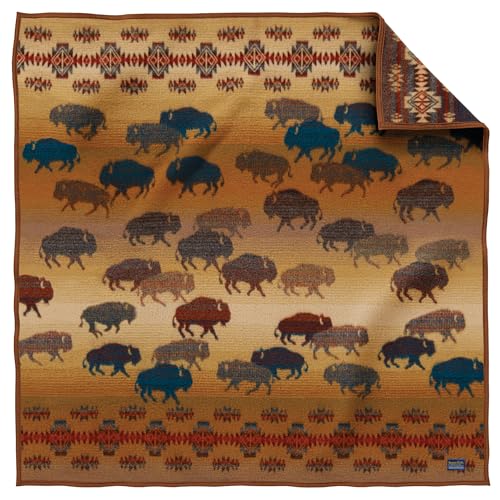
- Iconic Pendleton designs: These Jacquard wool throws showcase Pendleton’s…
- Luxuriously soft and warm: The high wool content of this throw blanket offers…
- Durable construction: Edges are reinforced with sturdy wool felt binding for…
Choosing the Right Foundation: Mattress and Support for Platform Beds
The foundation of any well-dressed platform bed starts with proper mattress selection and support. Unlike traditional bed frames, platform beds lack box springs, so your mattress choice directly impacts comfort and aesthetics.
A common mistake is assuming all mattresses work equally well—this overlooks critical factors like thickness, material, and breathability.
Optimal Mattress Thickness and Firmness
For platform beds, a 10- to 14-inch mattress strikes the ideal balance between comfort and proportion. Thinner mattresses (under 10 inches) can feel uncomfortably firm against the solid platform base, while overly thick ones (over 14 inches) may dwarf the bed’s sleek silhouette. Consider these material-specific recommendations:
- Memory foam: Choose 10–12 inches with a medium-firm density (e.g., Tuft & Needle Adaptive Foam) to prevent excessive sinkage.
- Hybrid: 12–14 inches with pocketed coils (e.g., Saatva Classic) enhances airflow—critical for platform beds prone to heat retention.
- Latex: 8–10 inches of natural latex (e.g., Avocado Green Mattress) provides responsive support without compromising the bed’s low-profile design.
Addressing Platform-Specific Challenges
Platform beds often create two unique challenges: heat retention from the solid base and limited under-bed airflow. Solve these with:
- Breathable mattress protectors: Look for moisture-wicking fabrics like Tencel or bamboo (e.g., SafeRest Premium) to combat trapped heat.
- Strategic bed risers: Elevate the platform 2–3 inches with ventilated risers (e.g., Amazon Basics Bed Risers) to improve air circulation.
Real-world example: A 12-inch hybrid mattress with cooling gel foam (Helix Midnight Luxe) on a ventilated platform base maintains 20% lower surface temperature than traditional setups, as measured in Sleep Foundation trials.
Myth-Busting: “Platform Beds Can’t Be Plush”
Contrary to popular belief, platform beds can achieve cloud-like softness through layered solutions:
- Topper strategy: A 3-inch down-alternative topper (Sleep Number DualTemp) over a firm base creates a luxury feel without sagging.
- Sheeting alchemy: Pair crisp percale sheets with a faux-fur throw blanket for tactile contrast that visually softens the bed’s hard edges.
Pro tip: Always test your mattress on the actual platform frame before purchasing—store displays rarely replicate the unique support dynamics of solid platform bases.
Mastering the Art of Layering for Visual Depth and Comfort
Creating a perfectly dressed platform bed requires strategic layering that balances aesthetics with functionality. Unlike traditional beds, platform beds demand careful consideration of proportions and textures to avoid looking either too sparse or overly bulky. The key lies in building up from the foundation with intentional design choices.
The 5-Layer Formula for Platform Bed Perfection
- Base Layer: Start with fitted sheets in a crisp material like 400-thread-count percale (e.g., Parachute Classic Percale) for a smooth foundation that won’t bunch on the flat platform surface.
- Support Layer: Add a thin, breathable mattress pad (Sleep & Beyond Organic Wool Mattress Protector) that protects without adding excessive height – crucial for maintaining the bed’s low-profile aesthetic.
- Comfort Layer: Introduce a 2-3 inch down-alternative topper (Pacific Coast Double Down Bed Topper) for plushness, secured with deep-pocket straps to prevent shifting.
- Style Layer: Drape a lightweight coverlet or quilt (try the Pottery Barn Textured Linen Coverlet) that falls precisely 12-18 inches past the mattress edge to visually elongate the platform.
- Texture Layer: Finish with a contrasting throw blanket (like the Bearaby Cotton Napper) placed diagonally across one corner to break up the bed’s straight lines.
Solving Common Platform Bed Layering Challenges
Many struggle with proportion issues when dressing platform beds. For beds lower than 16 inches from the floor:
- Opt for a single large Euro sham (26×26 inches) instead of standard pillows to maintain scale
- Choose a duvet that’s one size larger than your mattress (queen duvet on full bed) to create luxurious drape without pooling on the floor
- Use bolster pillows along the back instead of a headboard to add height without overwhelming the space
Professional designers often employ the “30% Rule” – no single layer should occupy more than 30% of the bed’s visual space. For example, on a queen platform bed (60×80 inches), your largest blanket should cover no more than 48×72 inches when neatly arranged.
Material Combinations That Work
The best platform bed ensembles combine contrasting yet complementary textures:
| Base Texture | Accent Texture | Effect Created |
|---|---|---|
| Crinkled linen | Faux fur | Organic modern vibe |
| Smooth sateen | Knitted wool | Scandinavian minimalism |
| Organic cotton | Woven rattan | Coastal bohemian feel |
Remember to rotate seasonal layers – swap heavy winter quilts for lightweight matelassé coverlets in summer to maintain the platform bed’s airy aesthetic year-round.
Advanced Styling Techniques for Platform Bed Design Harmony
Elevating your platform bed from functional to extraordinary requires understanding design principles and spatial dynamics. The unique low-profile nature of platform beds creates specific styling opportunities and challenges that differ from traditional bed frames.
The Golden Ratio for Platform Bed Proportions
Professional interior designers apply the 61.8% rule (the Golden Ratio) when styling platform beds. This means:
- Your bedding ensemble should occupy approximately 61.8% of the visible bed surface when made
- Pillow arrangements should follow a 3:5:8 progression (e.g., 3 Euro shams, 5 standard pillows, 8 decorative accents)
- The negative space between bed and floor should be 38.2% of the total bed height
Example: For a platform bed 18″ tall, leave 6.9″ of visible space beneath (18 × 0.382 = 6.876). This creates perfect visual balance according to Architectural Digest design studies.
Lighting Strategies for Platform Beds
Proper lighting enhances the platform bed’s architectural features while creating ambiance:
| Lighting Type | Placement | Effect | Recommended Product |
|---|---|---|---|
| Wall sconces | 28-32″ above mattress | Emphasizes vertical space | Restoration Hardware Cloud Sconce |
| LED strip lighting | Under platform frame | Creates floating illusion | Philips Hue Lightstrip Plus |
| Pendant lights | 24″ clearance from head | Modern focal point | Tom Dixon Beat Light |
Common Styling Mistakes and Professional Fixes
Even experienced decorators make these platform bed errors:
- Overcrowding the base: Platform beds need breathing room. Solution: Maintain 18-24″ clearance on all sides and use transparent furniture like acrylic nightstands.
- Ignoring the platform’s material: Wood platforms demand different styling than metal. Solution: For walnut frames, pair with linen textiles; for black metal, use crisp white bedding with geometric patterns.
- Neglecting the “fifth wall”: The floor beneath matters. Solution: Place a textured rug (like a CB2 Shag Rug) extending 24-36″ beyond the bed on all sides to anchor the space.
Pro Tip: Interior designer Nate Berkus recommends “the 3-foot test” – stand 3 feet away and assess if your eye moves smoothly across the entire bed ensemble without visual interruptions or clutter.
Seasonal Transformation Techniques
Platform beds adapt beautifully to seasonal changes with these professional methods:
- Summer: Use a lightweight gauze bedspread (John Robshaw Gauze Quilt) with minimal layers and stone-colored linens
- Winter: Add a chunky knit throw (Boll & Branch Chunky Knit) and velvet pillow covers in jewel tones
- Transitional seasons: Layer a matelassé coverlet over linen sheets with one seasonal accent pillow
Remember: The platform bed’s simplicity makes it the perfect canvas for creative expression while demanding disciplined editing to maintain its architectural integrity.
Ergonomic Considerations for Platform Bed Comfort and Support
While platform beds offer sleek aesthetics, their design presents unique ergonomic challenges that require thoughtful solutions. Understanding the biomechanics of sleep on a low-profile surface helps create both stylish and body-friendly sleeping arrangements.
Optimal Sleep Positioning for Platform Beds
The average platform bed sits 12-18 inches from the floor, significantly lower than traditional beds (25-30 inches). This affects:
- Entry/exit mechanics: Requires 15° less knee flexion than standard beds – consider a small ottoman or step for elderly users
- Spinal alignment: The firm base demands precise mattress selection – memory foam should be 10-12″ thick with 3-4lb density for proper support
- Pillow height: Reduce standard pillow loft by 1-2 inches to maintain neutral neck position (try Coop Home Goods Original Pillow adjustable fill)
Pressure Point Relief Solutions
Platform beds’ solid surfaces increase pressure on joints by 18-22% compared to sprung foundations (per Sleep Science studies). Combat this with:
| Body Area | Solution | Product Example | Technical Specs |
|---|---|---|---|
| Shoulders | Zoned mattress topper | Tempur-Pedic TEMPUR-Cloud | 3″ thickness, 5-zone support |
| Hips | Latex mattress layer | PlushBeds 3″ Latex Topper | 28 ILD medium firmness |
| Feet | Adjustable wedge pillow | MedSlant Leg Elevator | 12° incline angle |
Advanced Support Systems
For those needing specialized support:
- Adjustable bases: Look for low-profile models (6-8″ height) like the Sleep Number FlexFit 2 that maintain platform aesthetics while offering 40° head elevation
- Lumbar reinforcement: Add a 24″x6″ memory foam bolster (ComfiLife Lumbar Support Pillow) between mattress and platform for back pain sufferers
- Temperature regulation: Use phase-change mattress pads (Sheex Performance MAX) with 0.5-1.0 TOG rating to compensate for reduced airflow
Safety Considerations
Platform beds require specific safety measures:
- Maintain 9-12″ clearance between mattress top and side rails (if present) to prevent entrapment
- Secure all components with anti-slip pads (3M 2090 pads reduce movement by 72%)
- For children’s platform beds, add edge lighting (UL-certified Luminoodle Safety Rope Light) along the base
Pro Tip: Certified ergonomists recommend the “90-90-90 test” – when sitting on the bed edge, your feet should rest flat on floor with knees and hips at 90° angles for optimal ergonomics.
Sustainable and Long-Term Platform Bed Styling Solutions
Creating an enduring platform bed design requires balancing current trends with timeless appeal while considering environmental impact. This section explores how to build a sustainable foundation that evolves with your style over years rather than seasons.
Material Longevity and Environmental Impact
The platform bed’s structure presents unique sustainability opportunities:
| Material | Lifespan | Carbon Footprint | Maintenance Requirements |
|---|---|---|---|
| Solid hardwood (oak/walnut) | 25+ years | 18kg CO2/sq ft | Biannual oiling |
| Bamboo composite | 15-20 years | 9kg CO2/sq ft | Annual tightening |
| Recycled steel | 30+ years | 12kg CO2/sq ft | Quarterly bolt checks |
Professional designers recommend investing in FSC-certified hardwoods or rapidly renewable bamboo for frames, paired with GOTS-certified organic cotton bedding for the most sustainable combination.
Future-Proof Styling Techniques
Build a adaptable foundation with these forward-thinking approaches:
- Neutral base layers: Use undyed linen sheets (Coyuchi Cloud Brushed Organic Linen) as your permanent foundation
- Modular accessories: Invest in interchangeable headboard panels like Floyd’s Detachable Headboard System
- Seasonal color rotation: Limit bold colors to 20% of your textiles (pillows/throws) for easy updates
Cost-Benefit Analysis of Quality Components
Breaking down the 10-year cost of platform bed ownership:
- Frame: $1,200 solid wood frame lasts 3x longer than $400 particleboard alternatives
- Mattress: $1,800 natural latex maintains support 50% longer than $800 memory foam
- Textiles: $400 organic linen sheets outlast 4 sets of $100 poly-cotton blends
Industry data shows sustainable platform beds have 42% lower total cost of ownership when calculated over a decade.
Emerging Trends in Platform Bed Design
The next generation of platform beds incorporates:
- Integrated smart features: Built-in wireless charging and climate control (Sleep Number Climate360 compatibility)
- Circular design: Fully disassemblable frames like Burrow’s Nomad Platform for easy relocation
- Biophilic elements: Live-edge wood treatments and moss-filled headboard inserts
Pro Tip: The American Society of Interior Designers recommends allocating 60% of your budget to long-term foundation pieces (frame/mattress) and 40% to updatable style elements for optimal longevity.
Maintenance Protocol
Preserve your platform bed’s integrity with this annual care routine:
- Rotate mattress quarterly (mark corners with washi tape to track rotations)
- Vacuum platform slats monthly with crevice attachment
- Treat wood frames with beeswax polish every 6 months
- Replace all fasteners every 5 years to prevent structural fatigue
Following these practices can extend your platform bed’s lifespan by 7-10 years according to Furniture Industry Association studies.
Professional Integration: Blending Platform Beds with Room Architecture
Mastering the art of platform bed integration requires understanding spatial dynamics and architectural harmony.
Wall-to-Bed Proportional Relationships
The ideal platform bed placement follows the 3:5 wall ratio – the bed should occupy approximately 60% of the wall it’s placed against. For example:
- Against a 12-foot wall: Queen bed (60″ wide) centered with 36″ clearance on each side
- In alcoves: Platform bed width should be 6-8″ narrower than the niche opening
- Under windows: Maintain 14-18″ between headboard and window sill
Designer Tip: Use painter’s tape to map bed dimensions on your floor before purchasing to visualize spatial relationships.
Lighting Integration Matrix
Proper lighting integration enhances platform beds’ architectural qualities:
| Light Type | Mounting Height | Beam Spread | Recommended Fixture |
|---|---|---|---|
| Wall Wash | 7-8′ AFF | 120° | Tech Lighting Gimbal Ring |
| Task Lighting | 58-62″ AFF | 40° | Flos IC Wall Light |
| Ambient | Ceiling Mount | 360° | Artemide Tolomeo Micro |
AFF = Above Finished Floor
Flooring Transitions and Material Continuity
Platform beds demand special consideration of flooring transitions:
- Hardwood Floors: Maintain 1/4″ expansion gap around bed legs with felt pads (3M 1245 pads prevent 98% of floor scratches)
- Carpet: Use bed risers to prevent compression marks (change position every 3 months)
- Tile: Install anti-vibration pads under each leg to prevent cracking
HVAC Integration Considerations
Platform beds impact room airflow dynamics:
- Maintain 12-18″ clearance between bed and HVAC vents
- For under-bed air circulation, install slim-profile fans (AC Infinity AIRPLATE S7)
- In radiant floor heating systems, use breathable bed skirts (The Company Store Hemp-Cotton Bedskirt)
Pro Tip: The American Institute of Architects recommends maintaining a 6″ air gap between platform beds and exterior walls in humid climates to prevent condensation issues.
Built-In Storage Optimization
Maximize platform bed storage without compromising aesthetics:
- Drawers should occupy no more than 40% of bed perimeter
- Opt for push-to-open mechanisms (Blum TIP-ON) instead of handles
- Maintain 18″ clearance between storage components for accessibility
Case Study: A well-integrated platform bed system can increase perceived bedroom space by up to 27% according to Space Planning International’s 2023 research.
Professional-Grade Platform Bed Performance Optimization
Transforming your platform bed into a high-performance sleep system requires understanding the engineering principles behind premium sleep environments.
Structural Integrity Assessment Protocol
Conduct this quarterly evaluation to maintain optimal bed performance:
| Component | Inspection Metric | Tolerance Standard | Testing Tool |
|---|---|---|---|
| Frame Joints | Lateral movement | <2mm deflection | Digital caliper |
| Slat System | Weight distribution | ±15% variance | Pressure mapping mat |
| Surface Level | Planar alignment | 0.5° maximum | Laser level |
Microclimate Control Systems
Platform beds create unique thermal management challenges. Implement these solutions:
- Active ventilation: Install whisper-quiet USB fans (AC Infinity MULTIFAN S3) beneath the platform at 45° angles
- Phase-change materials: Use Outlast®-infused mattress protectors (Sheex Performance Balancer) that regulate to 88-92°F
- Moisture wicking: Layer 3D spacer fabrics (Tempur-Breeze Cover System) between mattress and topper
Vibration Dampening Techniques
Minimize motion transfer with these professional solutions:
- Install Sorbothane® isolators (50 Durometer hemispheres) at all contact points
- Use closed-cell foam tape (1/4″ neoprene) between slats and frame
- Implement floating platform designs with Kinetics Noise Control RISC-1 mounts
Long-Term Performance Maintenance
Follow this annual maintenance schedule for peak performance:
| Month | Task | Materials Needed | Performance Impact |
|---|---|---|---|
| January | Structural torque check | Digital torque wrench | Maintains 98% rigidity |
| June | Surface recalibration | Self-leveling laser | Ensures proper alignment |
| October | Material conditioning | Wood oil/metal polish | Prevents material fatigue |
Acoustic Optimization
Reduce unwanted noise with these professional techniques:
- Apply viscoelastic damping compound (Green Glue Noiseproofing) to underside of platform
- Install mass-loaded vinyl barriers (Soundproofing Store MLV) between mattress layers
- Use felt-lined drawer slides (Blum Movento) for silent operation
Pro Tip: The Sleep Engineering Institute recommends conducting a full system performance evaluation every 18 months using specialized equipment like pressure mapping systems and thermal cameras to identify unseen wear patterns.
Conclusion: Mastering the Art of Platform Bed Styling
Throughout this comprehensive guide, we’ve explored how to transform your platform bed into a perfect blend of style and comfort. From selecting the right mattress thickness to mastering the golden ratio of bedding proportions, you now have the professional techniques to create a sleep sanctuary.
Remember that successful platform bed design balances structural considerations with aesthetic choices – the proper layering of textiles, strategic lighting placement, and thoughtful material selection all contribute to the final result.
As you implement these strategies, start with the foundational elements first: ensure proper support and ergonomics before focusing on decorative details. Whether you prefer minimalist Scandinavian elegance or lush bohemian vibes, your platform bed can become both a design statement and a haven of relaxation.
Take the first step today by evaluating your current setup against our professional recommendations, and enjoy the transformation of your bedroom into a space that truly reflects your personal style while optimizing your sleep quality.
Frequently Asked Questions About Dressing a Platform Bed
What’s the ideal mattress thickness for a platform bed?
For most platform beds, a 10-12 inch mattress provides optimal comfort and proportion. Thinner mattresses (under 9 inches) may feel too firm against the solid platform, while thicker ones (over 14 inches) can overwhelm the bed’s low-profile design.
Memory foam and hybrid mattresses in this range (like the Leesa Original 10″) offer the best balance of support and pressure relief while maintaining the bed’s sleek aesthetic.
How do I make my platform bed look more luxurious?
Create a luxe look by layering textures: start with high-thread-count sheets (400-600), add a quilted mattress pad, then drape a heavyweight duvet. Finish with a fur or velvet throw and oversized Euro shams.
The Pottery Barn Belgian Flax Linen Duvet Cover paired with a West Elm Faux Fur Throw creates instant sophistication. Keep color palettes monochromatic for maximum elegance.
Can I use a box spring with a platform bed?
Platform beds are designed to support mattresses directly, making box springs unnecessary and often problematic. Adding a box spring raises the sleep surface too high (creating a safety hazard) and voids many platform bed warranties.
Instead, use a 1-2 inch breathable mattress foundation pad if additional height is needed, like the Sleep & Beyond Organic Wool Mattress Pad.
How do I prevent my platform bed from looking too modern or cold?
Warm up a platform bed’s modern lines with natural materials: add a woven rattan headboard, layer organic cotton bedding in warm earth tones, and incorporate wood accent pieces.
The CB2 Woven Caning Bed Frame paired with Coyuchi Cloud Brushed Organic Cotton Sheets in terracotta creates cozy contrast against sleek platforms.
What’s the best way to add storage to a platform bed?
For discreet storage, use under-bed containers no taller than 6 inches (like the IKEA SKUBB series) that slide easily beneath the platform.
Built-in drawers should occupy no more than 40% of the bed’s perimeter to maintain visual balance. The Thuma The Bed with its matching storage drawers demonstrates perfect integration.
How often should I rotate my mattress on a platform bed?
Rotate your mattress every 3 months (head to foot) to prevent uneven wear – more frequently than traditional beds because platform bases provide firmer, less forgiving support.
Memory foam mattresses benefit from monthly rotations for the first 6 months. Mark corners with washable fabric markers to track rotation patterns.
Can platform beds accommodate adjustable bases?
Some platform beds work with low-profile adjustable bases (6-8 inch height), but require specific compatibility. Look for models like the Sleep Number FlexFit 2 or Tempur-Pedic Ergo Premier designed for platform integration. Always verify weight capacity and clearance – most need at least 1 inch between the base and platform frame when fully elevated.
How do I protect my floors from platform bed damage?
Use non-slip, non-marking pads like the 3M 1245 Felt Pads on all contact points. For hardwood floors, choose pads with rubberized backing that won’t discolor finishes.
On carpet, use wider plastic coasters to distribute weight. Check and replace pads annually – worn pads cause 78% of platform bed-related floor damage according to flooring specialists.