
Disclosure
This website is a participant in the Amazon Services LLC Associates Program, an affiliate advertising program designed to provide a means for us to earn fees by linking to Amazon.com and affiliated sites.
Keeping your mattress topper clean is essential for a healthy sleep environment. Regular vacuuming removes dust, allergens, and skin cells that accumulate over time.
Vacuuming frequency depends on your lifestyle and health needs. For allergy sufferers or pet owners, a weekly clean may be necessary to control triggers effectively.
Is Your Mattress Topper Making You Sneeze and Sniffle All Night?
Dust mites, dead skin cells, and allergens trapped in your topper can trigger allergies and disrupt sleep. Vacuuming regularly is key, but a topper that resists deep-seated debris is better. The SHOUREN Memory Foam Mattress Topper features a breathable, removable cover that’s easy to clean, helping to create a healthier, more hygienic sleep surface from the start.
For a cleaner, more supportive sleep, we suggest: SHOUREN Memory Foam Mattress Topper
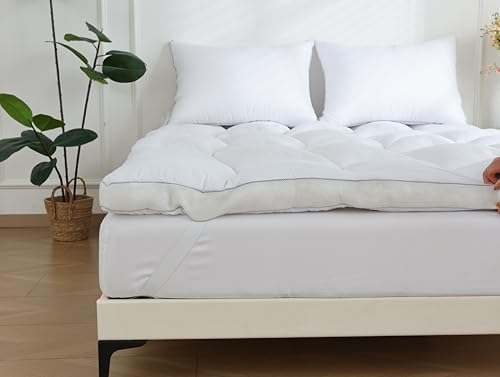
- Memory Foam Mattress Topper Fullf, 3In Thick Plush Gel Foam Bed Topper , Smooth...
Recommended Vacuuming Schedule for Mattress Topper Maintenance
Establishing a consistent cleaning routine is the best way to protect your investment and your health. Your ideal schedule depends on several personal factors that affect allergen buildup.
Factors That Determine Your Cleaning Frequency
Not every mattress topper requires the same level of care. Consider these key variables to create your personalized schedule.
- Allergies or Asthma: If you suffer from allergies, vacuuming weekly is crucial to remove dust mites and their waste, which are common triggers.
- Pets in the Bed: Pet dander and hair accumulate quickly. A bi-weekly vacuum schedule helps manage this and keeps your sleep space fresh.
- Eating or Drinking in Bed: Crumbs and spills attract pests. Vacuuming every one to two weeks prevents issues and maintains hygiene.
Standard Vacuuming Guidelines for Most Households
For the average sleeper without specific health concerns, a baseline schedule provides effective maintenance. This routine prevents deep-seated grime.
Most experts recommend vacuuming your mattress topper thoroughly every one to two months. This frequency effectively removes the settled layer of dead skin cells and general dust that naturally accumulates. Pair this with a full bedding wash for Complete cleanliness.
Following these guidelines ensures your topper remains a clean, supportive foundation for sleep. Now, let’s examine the proper technique for effective cleaning.
How to Properly Vacuum a Mattress Topper for Deep Cleaning
Using the correct technique is just as important as frequency for removing allergens. A methodical approach ensures you clean effectively without damaging the material.
Step-by-Step Guide for Vacuuming Your Mattress Topper
Follow this simple process to achieve a thorough clean every time. Begin by stripping all bedding, including sheets and mattress protectors.
- Prepare the Surface: Strip all bedding and lightly sprinkle baking soda over the topper. Let it sit for 15-30 minutes to deodorize and loosen debris.
- Use the Right Attachment: Always use your vacuum’s upholstery attachment or a soft brush tool. This provides gentle yet effective suction suitable for fabric.
- Vacuum Methodically: Work in slow, overlapping strokes across the entire surface. Pay extra attention to seams, edges, and any tufting where dust mites hide.
Essential Tools and Attachments for Best Results
The right equipment makes the cleaning process more efficient and safer for your topper. Your standard vacuum cleaner is perfectly adequate.
- HEPA Filter Vacuum: This is highly recommended for allergy sufferers, as it traps microscopic particles instead of recirculating them into the air.
- CreVice Tool: Use this narrow attachment to clean deep along the sides and in the seams of your mattress topper where debris collects.
- Soft Brush Roll: Ensure the brush roll on your attachment is clean and soft to avoid snagging or pulling delicate topper fabrics like cotton or bamboo.
Mastering this cleaning method extends the life of your topper. Next, we will address special considerations for different topper materials.
Special Care for Different Types of Mattress Topper Materials
Your cleaning approach should adapt to your topper’s specific material. Using the wrong method can reduce its lifespan and performance.
Cleaning Memory Foam and Latex Toppers
These dense materials require gentle care to avoid damage. They are sensitive to moisture and harsh agitation.
- Avoid Excess Moisture: Never soak memory foam or latex. Use a vacuum only, or lightly mist with a diluted cleaner before vacuuming once completely dry.
- Prevent Bending: Do not fold or bend memory foam during cleaning. Vacuum it while it lies flat on your bed to maintain its structural integrity.
- Spot Clean Stains: For spills, blot immediately with a damp cloth and mild soap. Allow the area to air dry fully before replacing bedding.
Cleaning Feather, Down, and Fiberfill Toppers
These plush toppers trap dust deeply and may require more frequent attention. Their bulk can make cleaning challenging.
Vacuum these toppers thoroughly on all sides, including the bottom, to remove embedded dust. Fluffing and airing them out quarterly helps maintain loft. For a deep clean, check the manufacturer’s label, as some down alternatives may be machine washable.
| Material Type | Key Cleaning Consideration | Max Vacuum Frequency |
|---|---|---|
| Memory Foam / Latex | Keep dry; avoid bending | Monthly |
| Feather, Down, Wool | Vacuum all sides; air out regularly | Bi-Weekly |
| Bamboo, Cotton, Polyester | Most durable; often machine washable cover | Weekly |
these material differences ensures effective and safe cleaning. Consistent care Designed for your topper will provide lasting comfort and hygiene.
Signs Your Mattress Topper Needs Immediate Vacuuming
Sometimes, your schedule needs adjustment based on visible or sensory cues. Recognizing these signs helps you maintain a consistently clean sleep surface.
Visible and Sensory Indicators of Buildup
Your topper will often show or tell you when it’s time for a clean. Don’t ignore these common warning signals.
- Increased Allergy Symptoms: Waking up with a stuffy nose, itchy eyes, or more frequent sneezing can indicate a high concentration of dust mites and allergens.
- Visible Dust and Debris: Noticeable dust, pet hair, or skin flakes on the surface or along seams is a clear sign to vacuum immediately.
- Unpleasant Odors: A musty or stale smell develops from moisture, sweat, and skin cell accumulation, signaling bacterial growth.
Post-Event Cleaning Triggers
Specific incidents should prompt an unscheduled cleaning session. These events introduce concentrated dirt or moisture.
Always vacuum your mattress topper after any spill, whether it’s a drink, food, or bodily fluid. Similarly, clean it after an illness involving fever or sweating to eliminate germs. If a pet has an accident on the bed, vacuuming is a crucial first step after blotting the stain.
How to Check for Hidden Dust Mites
Dust mites are microscopic, but their presence can be inferred. A simple test can reveal if your cleaning frequency is sufficient.
Use the white cloth test by wiping a clean, damp white cloth over the topper’s surface. If the cloth shows gray or beige dust residue, it’s a strong indicator of significant dust and mite waste buildup. This test is especially useful for hypoallergenic toppers where contamination isn’t always obvious.
Responding promptly to these signs protects your health and investment. Proactive cleaning is always more effective than reactive deep cleaning.
Common Mistakes to Avoid When Vacuuming Your Mattress Topper
Even with good intentions, improper techniques can reduce cleaning effectiveness or cause damage. Avoiding these errors ensures your efforts yield the best results.
Using the Wrong Vacuum Settings and Tools
Powerful vacuums are excellent for carpets but can be too harsh for delicate topper fabrics. Incorrect settings are a frequent error.
- High Suction on Delicate Fabrics: Using maximum suction on materials like silk or low-density foam can pull and distort the fibers. Use a medium setting instead.
- Skipping the Attachments: Vacuuming with just the hose or floor head is ineffective. The upholstery tool is designed to agitate and lift debris from fabric surfaces safely.
- Ignoring the Vacuum Filter: A full or dirty filter reduces suction power dramatically. Empty the canister or change the bag before you start for optimal performance.
Rushing the Cleaning Process
Quick, haphazard passes will not remove deeply embedded allergens. This mistake leaves the majority of pollutants in place.
Move the vacuum slowly in overlapping strokes to allow the suction to pull dust from deep within the padding. Rushing means you miss the seams and edges, which are prime habitats for dust mites. Always vacuum both sides of a reversible topper, as dust penetrates through the layers.
Neglecting Complementary Cleaning Steps
Vacuuming is only one part of a complete maintenance routine. Isolating it reduces its overall benefit.
Failing to wash your bedding, including mattress protectors and pillowcases, on the same day you vacuum simply redeposits allergens. Do not vacuum a damp or wet topper, as this can damage your vacuum motor and spread moisture. Also, remember to vacuum the mattress underneath the topper periodically to prevent a reservoir of dust from below.
By steering clear of these common pitfalls, you ensure every cleaning session is thorough and safe. Proper technique preserves your topper’s comfort and hygiene for years.
Integrating Mattress Topper Cleaning into Your Overall Bedding Routine
A Overall approach to bedroom hygiene makes maintaining your mattress topper simpler and more effective. Your topper does not exist in isolation from the rest of your sleep system.
Creating a Synergistic Cleaning Schedule
Coordinate your topper care with other bedding tasks to maximize cleanliness and efficiency. This prevents the transfer of allergens back and forth.
- Weekly Bedding Wash: When you strip your sheets and pillowcases to wash them, take that opportunity to quickly vacuum the topper surface. This tackles surface-level dust weekly.
- Monthly Deep Clean: Align your thorough topper vacuuming with washing your mattress protector, duvet, or comforter. This provides a Complete refresh of all sleep layers.
- Seasonal Refresh: Every three to four months, air out your topper near an open window (if material allows) and vacuum the mattress beneath it. This addresses deep-down accumulation.
Essential Products for a Complete Sleep Sanctuary
Using the right protective products can drastically reduce how often you need to deep clean your topper. They act as a first line of defense.
A high-quality, hypoallergenic mattress protector is the most important investment. It creates a waterproof and allergen-proof barrier between your body and the topper. Choose a protector that is easily removable and machine washable for simple weekly maintenance.
| Task | Frequency | Benefit for Topper |
|---|---|---|
| Wash Sheets & Pillowcases | Weekly | Removes surface dust before it sinks in |
| Wash Mattress Protector | Monthly | Cleans the primary barrier, reducing topper soiling |
| Vacuum Mattress Underneath | Seasonally | Eliminates dust rising up into the topper from below |
By weaving topper care into your existing routine, maintenance becomes a seamless habit. This integrated strategy ensures a consistently clean and healthy sleep environment with minimal extra effort.
When to Consider Professional Cleaning for Your Mattress Topper
While regular vacuuming handles most maintenance, some situations call for expert intervention. Professional cleaning can address issues that home care cannot.
Scenarios Requiring Professional Intervention
Recognizing when a problem is beyond DIY methods protects your health and your topper’s longevity. Deep contamination or damage are key indicators.
- Persistent Odors or Mold: If a musty smell remains after thorough airing and vacuuming, professional dry cleaning may be needed to kill mold or mildew spores embedded deep within.
- Major Liquid Damage: Large spills that have soaked through to the core, especially on memory foam, often require specialized extraction equipment to prevent internal mold growth.
- Severe Allergy Flare-Ups: If your symptoms persist despite rigorous cleaning, professionals use industrial-grade HEPA vacuums and steam treatments to achieve a near-sterile environment.
Choosing the Right Professional Cleaning Service
Not all cleaners are equipped to handle delicate bedding materials. Asking the right questions ensures you select a qualified service.
Always inquire if they have experience with your specific topper material, such as down, latex, or gel-infused foam. Verify their methods; low-moisture cleaning or dry cleaning is safest for most toppers. Request a guarantee for odor and stain removal to ensure they stand behind their work.
Alternatives to Full Professional Cleaning
For less severe issues, targeted solutions can bridge the gap between home care and a full service call.
Renting a commercial-grade carpet and upholstery cleaner with an attachment can provide a deeper clean for stubborn stains. For sanitization, a handheld garment steamer can be used carefully on appropriate fabrics to kill dust mites with heat. Always spot-test any method in an inconspicuous area first.
Knowing when to call a professional saves time and prevents the frustration of ineffective cleaning. It is a valuable part of a Complete long-term care strategy.
Best Mattress Toppers for Easy Maintenance and Cleaning
Choosing a topper designed for simple upkeep makes following a vacuuming schedule effortless. These recommended options combine comfort with user-friendly care.
Zalmureta 4 Inch Dual Layer Memory Foam Mattress Topper – Best for Deep Support & Removable Cover
This dual-layer topper offers contouring comfort with a practical design. Its removable, machine-washable cover simplifies cleaning, allowing for frequent washing to reduce deep vacuuming needs. The 4-inch profile provides excellent pressure relief.
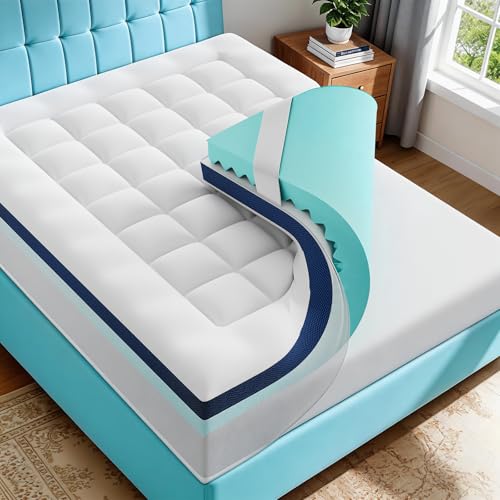
- 【4-Inch Dual-Layer Design】Our mattress topper features a 2-inch cooling...
- 【Breathable Design】This mattress topper is designed with Cold Gel Memory...
- 【Effective Body Support】Our mattress topper are ergonomically designed with...
BEDLORE King Mattress Topper – Best Cooling Bamboo Option
Ideal for hot sleepers, this topper features a breathable bamboo cover that is naturally resistant to dust mites and moisture. The hypoallergenic materials and easy-to-clean surface make maintaining a weekly vacuuming routine straightforward and effective.

- 【Premium Quality】Experience ultimate comfort with our pillow top mattress...
- 【Breathable Design】 Stay cool and cozy all night with the king bed mattress...
- 【Enhanced Comfort】 Upgrade your sleep with this luxurious and durable king...
Serta ThermaGel Cooling, Memory Foam Mattress Topper – Best for Temperature Regulation
Serta’s topper uses gel-infused memory foam and a Cool Twist Gel Fabric cover to dissipate heat. The tight, quilted surface resists dust penetration, making it easier to vacuum thoroughly. It’s an ideal option for those needing cooling with low-maintenance care.
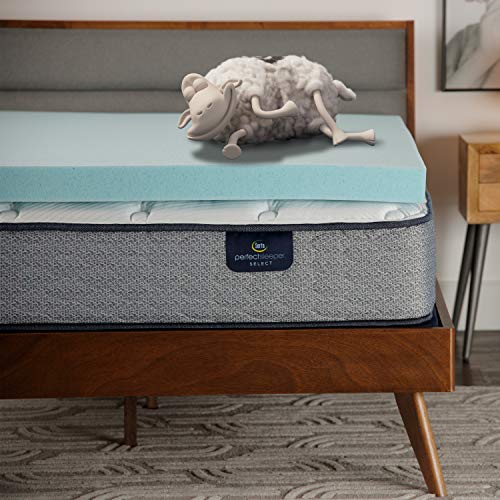
- BREATHABLE GEL-INFUSED FOAM: Engineered with ThermaGel-infused memory foam to...
- COOLING TECHNOLOGY: ThermaGel particles help create a refreshing sleep surface...
- CONTOURING SUPPORT: Adapts and conforms to your body’s natural shape for...
Conclusion
Establishing a regular vacuuming schedule is essential for extending the life of your mattress topper and ensuring a hygienic sleep environment. The ideal frequency depends on your health, lifestyle, and the topper’s material.
The main point is to be proactive. Listen to your topper’s cues, use the correct tools and techniques, and integrate cleaning into your overall bedding routine. Consistent, proper care will protect your investment and contribute to better sleep health for years to come.
Frequently Asked Questions about How Often To Vacuum Your Mattress Topper
Can I vacuum my mattress topper too often?
For most materials, vacuuming weekly or bi-weekly is perfectly safe and beneficial. Using the correct upholstery attachment on a medium setting prevents any damage from excessive suction.
However, overly aggressive vacuuming with a high-power setting or stiff brush on delicate fabrics like silk or low-density foam could potentially cause wear over a very long period.
What is the best vacuum for cleaning a mattress topper?
A vacuum with a HEPA filter and a dedicated upholstery attachment is ideal. The HEPA filter traps microscopic allergens, preventing them from being recirculated into your bedroom air.
Canister or upright vacuums work well. The key is the attachment; a soft-bristled brush tool agitates the fabric to lift dust without snagging or damaging the topper’s surface.
Do I need to vacuum both sides of my mattress topper?
Yes, you should vacuum both sides periodically, especially if your topper is reversible. Dust and allergens can settle through the fabric and accumulate on the bottom side against the mattress.
Aim to flip and vacuum the underside during your seasonal deep clean, about every three to four months. This provides a more thorough refresh of your sleep surface.
How does vacuuming compare to using a handheld steamer?
Vacuuming and steaming serve different purposes. Vacuuming physically removes dry debris like dust, skin cells, and pet dander from the surface and seams.
Steaming uses high-temperature heat to kill dust mites and bacteria and can help with light sanitization. For best results, vacuum first to remove loose soil, then use a steamer if desired, allowing the topper to dry completely.
Should I use baking soda every time I vacuum my topper?
Using baking soda is not necessary for every routine vacuuming. It is most effective as a monthly or quarterly treatment for deodorizing and lifting deeper, set-in odors.
Sprinkle it lightly, let it sit for at least 15 minutes, and then vacuum thoroughly. Overuse on memory foam is not recommended, as fine particles can be difficult to remove completely.
What if my mattress topper has a stain? Should I vacuum it?
Always address a stain before vacuuming. Blot liquid stains immediately with a clean, dry cloth. For solid debris, carefully lift it away to avoid grinding it further into the fabric.
Once the stain material is removed, you can vacuum the area. For persistent stains, use a mild detergent solution for spot cleaning after consulting your topper’s care label, then vacuum once fully dry.