
Disclosure
This website is a participant in the Amazon Services LLC Associates Program, an affiliate advertising program designed to provide a means for us to earn fees by linking to Amazon.com and affiliated sites.
Rotating your mattress topper is a simple yet crucial maintenance step. It prevents uneven wear and sagging, directly extending the life of your sleep surface.
Unlike flipping, rotation is often the only option for one-sided toppers. A consistent schedule ensures body impressions don’t become permanent, preserving comfort and support.
Is Your Mattress Topper Developing Uncomfortable Lumps and Sags?
Even with regular rotation, many toppers lose support and develop body impressions, leading to restless nights and morning aches. The COONP King Mattress Topper is engineered with high-density foam that resists permanent sagging, maintaining its supportive contour for lasting comfort and extending the life of your sleep surface.
For consistent, pressure-relieving support, we recommend: COONP King Mattress Topper

- 1.Extra Thick and Luxury Comfort: Drift into a sounder, deeper sleep on this...
- 2.Cool and Breathable: The top surface features good ventilation and distributes...
- 3.Elastic Deep Pocket: Elastic deep pocket will wrap mattress(8-21") tightly. It...
Recommended Mattress Topper Rotation Schedule for Longevity
Establishing a regular rotation routine is the most effective way to maintain your topper. The ideal frequency depends primarily on the material type and your usage patterns. Consistency is more important than perfect timing.
Rotation Frequency by Topper Material Type
Different materials compress and recover at varying rates. Your topper’s composition is the primary factor in determining your maintenance schedule. Follow these material-specific guidelines for best results.
- Memory Foam Toppers: Rotate every 3 months. This dense material is prone to permanent body impressions, so regular rotation is essential to distribute weight evenly and prevent sagging.
- Latex Topper Rotation: Rotate every 3 to 4 months. Natural and synthetic latex are resilient but still benefit from rotation to combat soft spots and ensure consistent support over time.
- Featherbed or Fiberfill: Rotate every 6 months. These softer, less dense fillings shift and clump, so rotation helps redistribute the filling and restore loft.
Signs Your Mattress Topper Needs Immediate Rotation
Sometimes, your topper will tell you it’s time for maintenance before the calendar does. Pay attention to physical cues and changes in your sleep quality. Addressing these signs promptly can reverse early wear.
You should rotate your topper immediately if you notice a visible body impression or dip where you sleep. Another clear signal is a feeling of uneven support or a noticeable slope when you lie down. Increased discomfort or back pain upon waking can also indicate that pressure points have formed.
| Situation | Recommended Action |
|---|---|
| New Topper (First 6 Months) | Rotate every 2 months to set a good wear pattern. |
| Two People Sharing Bed | Rotate every 2-3 months due to doubled weight and movement. |
| Single Sleeper or Guest Bed | Can follow the standard 6-month schedule. |
How to Properly Rotate Your Mattress Topper Step-by-Step
Correct rotation technique ensures you get the full benefit of your maintenance effort. Simply turning it the wrong way won’t distribute wear effectively. Follow this clear process for the best outcome.
Step-by-Step Guide for Rotating a Mattress Topper
This process minimizes strain and ensures your topper is positioned correctly. Always strip the bed completely before beginning. Having a partner helps with larger or heavier toppers.
- Remove all bedding: Strip the mattress protector, sheets, and any other layers to expose the topper fully. This gives you a clear workspace.
- Identify the foot and head: Note which end of the topper currently aligns with the head of your bed. Most toppers have a slight contour or tag on one side.
- Rotate 180 degrees: Grab the corners at the head and foot. Turn the entire topper so the old foot end is now at the head of the bed.
- Smooth and reposition: Center the topper on the mattress, ensuring it lies flat with no wrinkles or folds. Replace your mattress protector and bedding.
Common Rotation Mistakes to Avoid
Many people reduce their topper’s lifespan through simple errors. Awareness of these pitfalls helps you maintain your investment properly. Avoid these frequent missteps.
- Flipping Instead of Rotating: Most modern mattress toppers are not designed to be flipped. Flipping a one-sided topper places you on the non-supportive bottom fabric.
- Forgetting the Mattress: Your mattress also needs rotation. For optimal support, rotate your mattress first, then place the rotated topper on top of it.
- Ignoring Care Labels: Always check the manufacturer’s instructions. Some specialty toppers may have specific rotation or non-rotation guidelines.
Benefits of Regular Mattress Topper Rotation and Maintenance
Consistent rotation is a small task with significant long-term rewards. It directly impacts your sleep quality, comfort, and wallet. these benefits provides motivation to stick to your schedule.
Extending the Lifespan of Your Sleep Investment
Rotation combats the primary causes of topper breakdown: uneven compression and material fatigue. This preventative measure is the most effective way to delay replacement. A well-maintained topper can last years longer.
- Prevents Permanent Body Impressions: Regularly shifting your body’s pressure points stops deep dips from forming in memory foam or latex, which are otherwise irreversible.
- Promotes Even Wear: It ensures all areas of the topper share the load equally, preventing one side from breaking down prematurely while the other remains unused.
- Maximizes Material Resilience: It allows recovery time for compressed foam or latex cells, helping them bounce back and maintain their original supportive properties.
Improving Sleep Quality and Hygiene
The advantages go beyond just longevity, directly affecting your nightly rest. A flat, even sleep surface supports proper spinal alignment and reduces pressure points. This leads to fewer aches and more restful sleep.
Rotation also contributes to a cleaner sleep environment. It prevents moisture and dust from settling permanently in one area. Flipping and rotating your mattress protector and pad during this process further enhances hygiene.
| Without Rotation | With Regular Rotation |
|---|---|
| Uneven support causing discomfort | Consistent comfort and pressure relief |
| Early sagging and material breakdown | Extended product lifespan and value |
| Localized wear leading to replacement | Even wear maximizing use of entire surface |
Special Considerations for Different Topper Types and Sizes
Not all mattress toppers are created equal, and some require unique handling. Your rotation strategy should adapt to the specific design and size of your product. This ensures your maintenance is effective, not counterproductive.
Handling Zoned Support and Pillow-Top Toppers
Toppers with built-in ergonomic features need careful attention. Incorrect rotation can misalign these support zones with your body, defeating their purpose. Always check the manufacturer’s guidance first.
- Zoned Support Toppers: These have firmer areas for hips/shoulders and softer zones for lumbar/legs. They are typically designed for head-to-foot rotation only to maintain proper zone alignment.
- Pillow-Top or Attached Toppers: Many cannot be rotated separately from the mattress. In these cases, focus on rotating the entire mattress unit according to its specific instructions.
- Dual-Sided Toppers: Some luxury models are flippable (cool side/warm side). For these, use a combined flip and rotate pattern seasonally to utilize both surfaces evenly.
Rotation Tips for King, Split King, and Adjustable Bases
Large or specialized bed setups introduce unique challenges. The standard 180-degree rotation may not be feasible or correct. Adapting your approach prevents damage and maintains functionality.
For a standard King-size topper, the 180-degree rotation still applies, but it is heavier. Enlist help to avoid straining the material. For a Split King (two separate Twin XL toppers), rotate each individual topper independently, as they experience separate wear patterns.
If using an adjustable bed base, ensure your topper is flexible enough to bend without damage. Rotate it while the base is flat. Always check that the topper’s fitted skirt or anchor straps are still properly secured after rotation.
Integrating Topper Rotation with Overall Mattress Care
Your mattress topper does not exist in isolation; it is part of a complete sleep system. A Overall care routine maximizes the lifespan and performance of every layer. This integrated approach ensures optimal sleep hygiene and comfort.
Creating a Combined Maintenance Schedule
Syncing your topper care with mattress and bedding maintenance saves time and boosts effectiveness. Treating all components as a system prevents neglect and creates a powerful routine. Follow this coordinated timeline for best results.
- Monthly: Wash your sheets and pillowcases. Vacuum the top of your mattress topper to remove dust and allergens, especially if you don’t use a protector.
- Every 3-6 Months (Topper Rotation): This is your primary maintenance event. Rotate your topper 180 degrees. Also, wash your mattress protector and any bed pads.
- Every 6-12 Months: Rotate your mattress (if applicable) 180 degrees. Perform a deeper clean on your topper according to its care label, such as spot cleaning.
The Role of Mattress Protectors and Pads
A high-quality mattress protector is your topper’s first line of defense. It shields against spills, stains, dust mites, and body oils that can degrade materials. This protective layer is essential for maintaining a clean, hygienic foundation.
Always use a breathable, waterproof protector that fits snugly over your topper. Rotate and wash the protector according to its instructions, typically every 1-2 months. A clean protector prevents contaminants from reaching the topper, which can break down foams and fibers from the inside.
| Care Task | Frequency | Key Benefit |
|---|---|---|
| Topper Rotation | 3-6 Months | Prevents uneven wear & sagging |
| Wash Mattress Protector | 1-2 Months | Removes allergens, protects topper |
| Vacuum Sleep Surface | Monthly | Reduces dust mites, maintains hygiene |
Can You Flip a Mattress Topper Instead of Rotating It?
This is a critical distinction for proper care. Most modern mattress toppers are not designed to be flipped. They have a single sleeping surface with a supportive core and a bottom fabric layer.
- One-Sided Toppers: Flipping these places you on the non-supportive bottom fabric, which lacks the comfort layers. This can feel uncomfortable and may damage the topper’s structure.
- Dual-Sided Toppers: Only flip if the manufacturer explicitly states it is a two-sided model. These are less common and usually feature different firmness levels on each side.
- General Rule: Always default to a 180-degree rotation unless your care tag specifies “flippable.” When in doubt, rotate, don’t flip.
What If My Mattress Topper Has Handles or Straps?
Handles and anchor straps are designed for positioning, not for lifting the full weight during rotation. Misusing them can tear the fabric and void warranties. Use the handles only for final alignment after the bulk of the movement is complete.
For toppers with elastic anchor straps, ensure they are unfastened from the mattress corners before you begin to rotate. After rotating the topper, re-secure the straps to the corresponding corners of the mattress to keep the topper firmly in place and prevent shifting.
How Does Rotation Differ for a Mattress Pad vs. A Topper?
While the principle is similar, pads and toppers have different purposes and constructions. A mattress pad is a thinner, quilted layer primarily for protection and slight softness. A topper is thicker and adds significant cushioning and support.
| Feature | Mattress Pad | Mattress Topper |
|---|---|---|
| Primary Function | Protection, slight comfort | Alter feel, add support/pressure relief |
| Rotation Need | Low; can be rotated with washing (6 months) | High; essential for longevity (3-6 months) |
| Key Concern | Even staining/wear | Preventing permanent body impressions |
Troubleshooting Common Mattress Topper Rotation Problems
Even with the best intentions, you may encounter issues when rotating your topper. Knowing how to solve these problems ensures your maintenance routine remains effective and doesn’t cause accidental damage. Here are solutions for frequent challenges.
Dealing with a Heavy or Bulky Mattress Topper
High-density memory foam and thick latex toppers can be difficult to maneuver alone. Forcing it can strain your back or tear the topper fabric. A strategic approach makes the task manageable and safe.
- Enlist a Partner: This is the simplest solution. Have one person on each side of the bed to lift and turn the topper in unison, keeping it level.
- Use the “Roll and Slide” Method: If alone, carefully roll one side of the topper toward the center. Slide the rolled portion across the bed, then unroll it into the new position.
- Invest in Handles: For a permanent fix, a tailor can sew sturdy fabric handles onto the sides of the topper’s cover. Use these only for guiding, not full lifting.
What to Do If Your Topper Has Developed a Permanent Sag
If a deep body impression remains even after rotation, the material may be permanently compressed. While you cannot fully reverse this, you can take steps to mitigate it and prevent further worsening.
- Increase Rotation Frequency: Immediately switch to a more aggressive schedule, rotating every 2 months to stop the sag from deepening.
- Try a Sun and Fluff Treatment: On a dry, sunny day, place the topper sag-side-up in direct sunlight for a few hours. The warmth can help the foam or fibers temporarily expand. Gently knead the area afterward.
- Consider a Supportive Base: Ensure your mattress underneath is still firm and supportive. A sagging mattress will accelerate topper breakdown, making rotation less effective.
When to Stop Rotating and Replace Your Topper
Rotation extends life, but all toppers eventually wear out. Recognize the signs that maintenance is no longer sufficient. Persistent discomfort is a clear signal the topper’s supportive capabilities are gone.
If deep sagging or body impressions return within weeks of rotation, the core material has lost its resilience. Visible lumps, permanent folds, or a musty odor that won’t clean are also indicators. When the cost of discomfort outweighs the cost of replacement, it’s time for a new topper.
Best Mattress Toppers for Easy Rotation and Longevity
Choosing a well-constructed topper makes regular maintenance simpler and more effective. These recommended options are designed for durability and even wear, supporting the rotation practices outlined .
DOWNCOOL 3 Inch Queen Mattress Topper – Best Cooling & Breathable Option
This topper features a cooling gel memory foam and a breathable bamboo cover to prevent overheating. Its medium-firm support and even construction resist sagging, making it ideal for consistent rotation every 3-4 months.
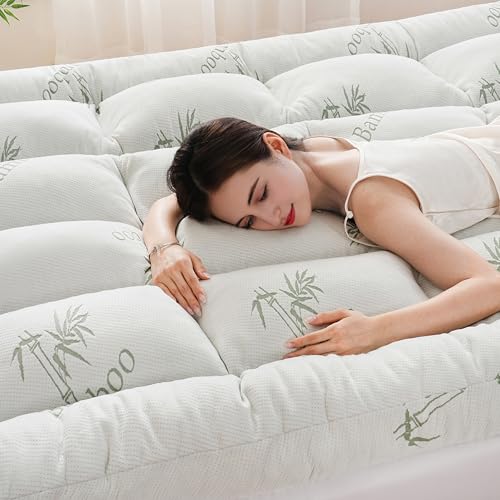
- Cooling Bamboo Viscose Top with 3D Air Layer: Made of 39% bamboo viscose and...
- Plush Pillow Top for Pressure Relief: Made with a thin gel memory foam layer and...
- Secure Deep Pocket Design: The elastic deep pocket skirt wraps around the...
Biteany Dual Layer Memory Foam Mattress Topper – Best for Pressure Relief
With a 2-inch responsive foam base and 2-inch gel memory foam top layer, this topper provides contouring comfort. The dual-layer design promotes even weight distribution, which is key for an effective rotation schedule to maintain its shape.

- GET 2X SUPPORT FROM MATERIAL REVOLUTION! Biteany queen mattress topper combines...
- PAIN-FREE SLEEP, CUSTOMIZES COMFORT! Our queen size mattress topper can...
- STAY COOL & SLEEP SAFE! The cooling mattress topper features a 3D air mesh...
SHOUREN Memory Foam Mattress Topper – Best Value & Hypoallergenic
This affordable 3-inch ventilated memory foam topper includes a removable, machine-washable cover. Its simple, one-sided design is perfectly suited for the standard 180-degree rotation, helping extend its lifespan significantly.
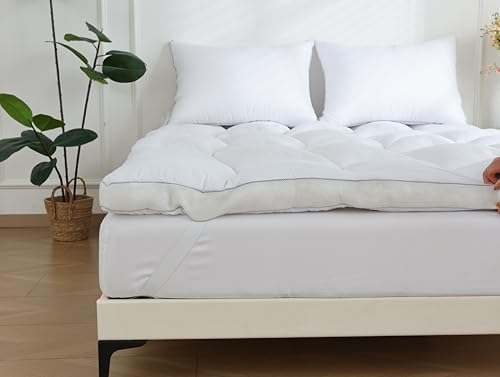
- Memory Foam Mattress Topper Fullf, 3In Thick Plush Gel Foam Bed Topper , Smooth...
Conclusion
Establishing a regular rotation schedule is the most effective way to protect your mattress topper investment. By following material-specific guidelines and proper technique, you combat uneven wear and sagging.
The main point is simple: consistency matters more than perfection. Rotating your topper every 3 to 6 months, as part of a Overall bed care routine, will significantly extend its comfort, support, and overall lifespan.
Frequently Asked Questions about How Often To Rotate Your Mattress Topper
How often should I rotate a new mattress topper?
For a new topper, start with more frequent rotations during the first six months. This initial period is when materials settle and initial body impressions can form. A bi-monthly schedule helps establish an even wear pattern from the start.
After the break-in period, you can transition to the standard rotation schedule based on the material type. This proactive approach prevents premature sagging and maximizes the topper’s long-term performance and comfort.
Can I rotate my mattress topper if it has a quilted top or patterns?
Yes, you can typically rotate most quilted toppers, but you should only turn them 180 degrees head-to-foot. This maintains the pattern’s orientation relative to your body while still distributing wear. Avoid flipping it over unless specified by the manufacturer.
Always check the care label first. Some toppers with intricate quilting or specific zone support are designed to stay in one fixed position. If unsure, a head-to-foot rotation is almost always the safe and correct method.
Does rotating a mattress topper help with back pain?
Yes, regular rotation can indirectly help alleviate back pain caused by an uneven sleep surface. It prevents the formation of deep body impressions and sagging spots that misalign your spine. A consistently flat surface provides better overall support.
However, rotation is a maintenance practice, not a cure. If your back pain is severe or persistent, the issue may be with the topper’s support level or your mattress. Consult a healthcare professional for chronic pain concerns.
What is the difference between rotating and flipping a mattress topper?
Rotating means turning the topper 180 degrees so the head becomes the foot. This distributes wear from body weight across the entire surface area. Flipping means turning it over so the bottom becomes the top.
Most modern toppers are one-sided and should only be rotated, not flipped. Flipping a one-sided model places you on the non-supportive bottom fabric. Always default to rotation unless your product is specifically designed as two-sided.
Should I also rotate my mattress if I have a topper?
Yes, you should rotate both your mattress and your topper, but on separate schedules. Your mattress provides the foundational support and also experiences wear. Rotating the mattress first, then placing the rotated topper on top, ensures even support throughout the entire sleep system.
A good practice is to rotate your mattress every 6 to 12 months and your topper every 3 to 6 months. This layered approach maximizes the lifespan and comfort of both components, protecting your overall investment.
My topper slides around after rotation. How do I fix this?
A sliding topper is often caused by a smooth bottom fabric. Use a non-slip mattress pad or gripper sheet between the mattress and the topper. These inexpensive pads have a rubberized surface that holds the topper firmly in place.
Many toppers also come with elastic anchor straps. Ensure these are securely fastened to the corners of your mattress after every rotation. A properly secured topper won’t shift, ensuring you benefit fully from the even wear distribution.