
Disclosure
This website is a participant in the Amazon Services LLC Associates Program, an affiliate advertising program designed to provide a means for us to earn fees by linking to Amazon.com and affiliated sites.
Knowing when to replace your mattress topper is key for sleep quality and hygiene. A worn-out topper can undermine comfort and support, affecting your rest.
Unlike a mattress, a topper has a shorter lifespan and shows clear wear signs. Replacing it at the right time protects your mattress investment and ensures continued comfort.
Is Your Mattress Topper Making Your Back Pain Worse Instead of Better?
If your old topper has lost its support, creating uncomfortable dips and pressure points, it’s actively sabotaging your sleep. The BedStory Firm Mattress Topper 3 Inch directly solves this with a dense, supportive foam layer that reinforces your mattress, providing the even, firm surface your body needs for proper spinal alignment and pain-free rest.
For restoring proper support, we suggest the: BedStory Firm Mattress Topper 3 Inch
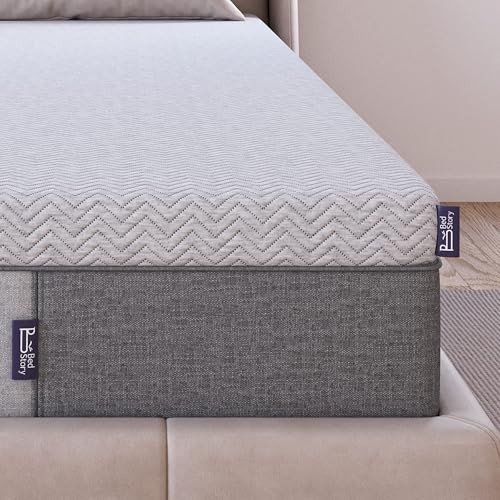
- RELIEVE PAIN & PROTECT THE SPINE - 2-layer pressure-relieving firm memory foam...
- 2-LAYER DESIGN & OPTIONAL FIRMNESS - Featuring double-layer foam design, the top...
- REMOVE MOISTURE & ALLEVIATE FATIGUE - Fusion memory foam contains bamboo...
Standard Replacement Timeline for Your Mattress Topper
The general lifespan of a mattress topper is 3 to 5 years. This timeline depends heavily on material quality and usage patterns. Regular wear inevitably reduces its supportive and hygienic benefits.
Key Factors That Shorten Topper Lifespan
Several factors can accelerate the need for a new mattress topper. High usage and certain sleeping habits create more stress on the materials. Environmental conditions also play a significant role.
- Material Type: Memory foam may last 3-4 years, while high-density latex can reach 5+ years. Feather or fiberfill toppers often compress within 1-2 years.
- Sleeping Habits: Body weight and sleeping position affect wear. Heavier individuals or those who sleep in one spot may notice faster breakdown.
- Care & Maintenance: Infrequent cleaning allows allergens and dust mites to accumulate. Lack of a protective cover exposes the topper to stains and moisture damage.
Signs Your Mattress Topper Needs Replacing
Visible and physical cues are clear indicators it’s time for a change. These signs mean the topper is no longer providing its intended function. Ignoring them can lead to poor sleep and discomfort.
- Loss of Support: You wake up with new aches or feel springs from the mattress beneath. The topper has permanent body impressions or sagging areas.
- Comfort Decline: The surface feels lumpy, uneven, or no longer conforms to your body. It fails to relieve pressure points as it once did.
- Hygiene Issues: Persistent odors remain after cleaning, or you experience increased allergy symptoms. Stains and discoloration are widespread.
Extending the Life of Your Mattress Topper
Proper care can significantly prolong your mattress topper’s useful life. Implementing a consistent maintenance routine protects your investment. This approach delays the replacement timeline and maintains sleep quality.
Essential Maintenance and Cleaning Routine
A simple, regular care schedule is the best defense against premature wear. Focus on protection and gentle cleaning to preserve the materials. This prevents the buildup of allergens and maintains structural integrity.
- Use a Protector: Always use a waterproof, breathable mattress protector. This barrier shields against spills, dust mites, and body oils, which are primary causes of degradation.
- Regular Vacuuming: Vacuum the topper surface monthly using an upholstery attachment. This removes dust, dead skin cells, and other allergens that can break down fibers.
- Spot Cleaning: Address spills immediately with a mild detergent and damp cloth. Always blot, never rub, and ensure the area is completely dry before remaking the bed.
Best Practices for Topper Rotation and Airflow
Physical maintenance prevents uneven wear and moisture buildup. These habits help the topper retain its shape and freshness over time. They are especially important for memory foam and latex models.
Rotate your topper 180 degrees every three to six months. This distributes wear evenly if you tend to sleep in the same spot. Flipping it is also recommended if it is double-sided.
Improve airflow by stripping the bed regularly. Allow the topper to breathe for a few hours each week. This prevents moisture retention that can lead to mildew and odor.
Choosing the Right Replacement Mattress Topper
Selecting a new topper involves matching material to your specific sleep needs. This decision impacts comfort, support, and the product’s longevity. The options ensures you make a worthwhile investment.
Comparing Mattress Topper Materials and Durability
Different materials offer varying lifespans and benefits. Your choice should balance initial comfort with long-term performance. Consider this comparison for common topper types.
| Material | Average Lifespan | Best For | Key Consideration |
|---|---|---|---|
| Memory Foam | 3-4 years | Pressure relief, motion isolation | Can retain heat; look for gel-infused options. |
| Latex (Natural) | 5+ years | Durability, cooling, eco-friendly support | Higher initial cost but excellent longevity. |
| Feather/Down | 1-3 years | Plush, cloud-like softness | Requires frequent fluffing; compresses quickly. |
| Wool or Cotton | 2-4 years | Temperature regulation, natural fiber fans | Needs careful cleaning to maintain loft. |
How to Assess Your Needs Before Buying
Ask targeted questions to identify the perfect topper for your situation. This prevents buying a product that fails to solve your core sleep issue. Focus on your primary goal for the upgrade.
- Goal: Are you seeking pressure relief for joints, temperature cooling, or to firm up a soft mattress? Memory foam targets pressure, while latex excels at cooling.
- Feel: Do you prefer a conforming hug or a buoyant, responsive lift? Memory foam conforms; latex provides resilient support.
- Budget & Lifespan: Calculate cost per year of use. A more durable latex topper may offer better long-term value than a cheaper, shorter-lived option.
Can I Wash My Mattress Topper to Extend Its Life?
Cleaning methods depend entirely on the topper’s material and construction. Improper washing can cause irreversible damage like clumping or mold. Always check the manufacturer’s care label first.
- Memory Foam & Latex: These are typically not machine washable. Surface clean only with a mild detergent and damp cloth, ensuring thorough drying.
- Feather/Down or Fiberfill: Some may be machine washed on a gentle cycle with a mild detergent. Use a large, commercial machine and dry completely with tennis balls to restore loft.
- Wool or Cotton: Professional cleaning is often recommended. Home washing can cause significant shrinkage or matting of the natural fibers.
How Do I Know If It’s the Topper or the Mattress?
Diagnosing the source of discomfort is a crucial step. A simple test can isolate the problem, saving you from replacing the wrong item. This prevents unnecessary expense.
First, remove the topper and sleep directly on the mattress for a night or two. If discomfort persists, the issue is likely with the mattress itself. If comfort improves significantly, your topper is the culprit.
Inspect the mattress surface for sagging or springs poking through. A good mattress should feel supportive even without a topper. The topper’s role is to enhance, not fix, a failed mattress.
What Should I Do With My Old Mattress Topper?
Responsible disposal is important. Most mattress toppers are not easily recyclable through standard municipal programs. Consider these eco-friendlier alternatives to sending it to a landfill.
- Repurpose: Cut it into pet bed padding, knee pads for gardening, or packing material for fragile items.
- Donate: If it’s still clean and in decent shape, animal shelters often accept them for bedding.
- Recycle: Check with specialized textile or foam recycling facilities in your area. Some mattress retailers offer take-back programs.
Special Considerations for Different Sleepers
Your personal circumstances can drastically alter the ideal replacement schedule. Standard timelines are a guideline, but individual factors demand adjustments. Tailoring care and replacement to your situation ensures optimal sleep health.
Replacement Guidelines for Allergy Sufferers
For those with allergies or asthma, hygiene is the primary driver for replacement. Allergens like dust mites accumulate deeply over time, even with cleaning. A stricter replacement schedule is often necessary.
- Shorter Lifespan: Consider replacing every 2-3 years, regardless of visible wear. This proactively reduces allergen load in your sleep environment.
- Material Choice: Opt for hypoallergenic materials like natural latex or tightly woven wool. These are naturally resistant to dust mites and mold.
- Non-Negotiable Protection: Use a high-quality, allergen-proof encasement over the topper, not just a standard protector. This creates a critical barrier.
Impact of Body Weight and Shared Beds
Heavier body weight applies more pressure, accelerating material breakdown and compression. Similarly, two sleepers create twice the wear on a topper. These factors require a proactive maintenance approach.
Individuals over 230 pounds should expect a shorter functional lifespan, potentially 2-3 years for foam products. Look for high-density (4-5 lbs/cubic foot) memory foam or durable latex for better longevity.
For couples, rotate and flip the topper more frequently—every 1-2 months. This counters the tendency to form two distinct body impressions. A split king topper allows each sleeper to choose their firmness and replaces only one side if needed.
Cost Analysis and Budgeting for Replacement
Replacing a mattress topper is an investment in sleep quality. The cost spectrum and value helps you budget effectively. A strategic purchase balances upfront price with long-term performance and comfort.
Price Ranges and Value Across Materials
Topper prices vary widely based on material, size, and brand. Higher cost often correlates with greater durability and specialized features. Consider this breakdown to align price with expected lifespan.
- Budget Tier ($50-$150): Typically includes basic fiberfill, egg crate foam, or lower-density memory foam. Expect a shorter lifespan of 1-3 years, best for temporary solutions.
- Mid-Range ($150-$300): Encompasses quality memory foam (3-4 lb density), blended latex, and wool toppers. This tier offers the best balance of comfort and durability for 3-5 years of use.
- Premium ($300+): Features high-density memory foam, natural Talalay or Dunlop latex, and organic materials. These offer superior longevity (5+ years), cooling tech, and often come with lengthy warranties.
When to Repair vs. Replace Your Topper
Minor issues can sometimes be addressed, delaying a full replacement. Evaluate the problem’s scope and cost of repair versus a new purchase. This decision impacts both your budget and sleep quality.
Consider a repair for small, localized damage like a seam split or a minor stain. Re-stitching a seam or using an upholstery patch kit can be a cost-effective fix. However, widespread sagging, permanent odors, or loss of support indicate it’s time for a full replacement.
Weigh the cost of a professional cleaning service against a new topper. For a mid-range topper older than 3 years, replacement usually provides better value and guaranteed results than an expensive clean.
Environmental Impact and Sustainable Disposal
Mattress topper disposal contributes to landfill waste, making eco-conscious choices important. Selecting sustainable materials and responsible end-of-life options reduces your environmental footprint. This approach benefits both your sleep and the planet.
Eco-Friendly Topper Materials and Certifications
When shopping for a replacement, look for materials with lower environmental impact. Certifications provide verified standards for sustainability and health. These options often offer excellent durability alongside green credentials.
- Natural Latex: Sourced from rubber trees, it is biodegradable and highly durable. Look for GOLS (Global Organic Latex Standard) certification for organic sourcing.
- Organic Wool or Cotton: Renewable, biodegradable fibers that regulate temperature. Seek GOTS (Global Organic Textile Standard) certification to ensure organic farming and processing.
- Certified Foams: Some memory foams use plant-based oils and carry certifications like CertiPUR-US® for low VOC emissions, though they are not typically biodegradable.
Responsible Disposal and Recycling Options
Landfill should be your last resort for topper disposal. Many components can be diverted through specialized channels. Research local resources to find the best solution for your old topper.
Start by contacting your local waste management authority for bulk item or textile recycling guidelines. Some municipalities offer special collection days for bulky bedding items. This is more effective than standard curbside trash.
Explore retailer take-back programs; some companies recycle old bedding when you purchase a new one. For foam or latex toppers, search for a dedicated foam recycling facility, as these materials can be shredded for use in carpet padding or insulation.
Best Mattress Topper Recommendations for Replacement
When it’s time to replace your topper, selecting a quality product ensures long-lasting comfort. These recommended options cater to different sleep needs and budgets. Each is chosen for its durability and positive user feedback.
Sleep On Latex Pure Green Natural Latex Mattress Topper – Best for Durability & Cooling
This topper is ideal for those seeking a long-term investment. Made from 100% natural Dunlop latex, it offers resilient support and excellent breathability. Its exceptional durability aligns with a longer replacement cycle, making it a top eco-friendly choice.
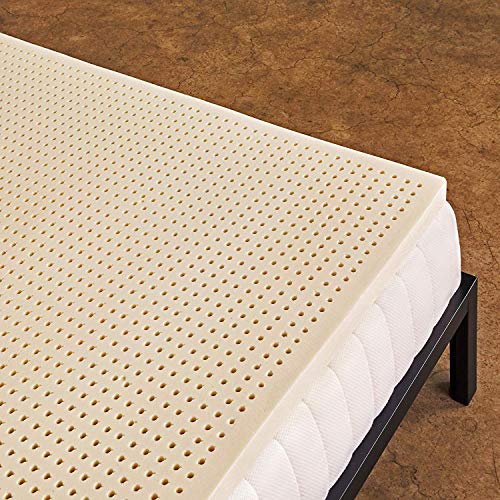
- Soft - Great for Adding Softness to the Surface of a Mattress
- Adjusts to Your Body Instantly - Latex Foam Naturally Stays Cool
- Made of Natural Latex Harvested from Organically Grown Rubber Trees
ChiXpace Dual Layer 4 Inch Memory Foam Mattress Topper – Best for Pressure Relief
This dual-layer design combines gel-infused memory foam with a supportive base foam. It effectively contours to the body to relieve aches and isolates motion. The 4-inch profile is a substantial upgrade for a worn-out mattress surface.
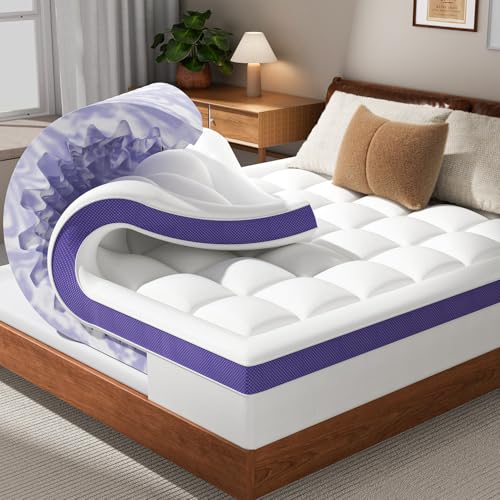
- Dual-Layer Design: This is Queen (60" x 80") size mattress topper. Our mattress...
- Comfortable Support: The memory foam with an egg-crate pattern provides...
- Cooling & Breathable: The ultra-soft fabric and premium gel-infused memory foam...
Sweetcrispy Memory Foam Mattress Topper – Best Budget-Friendly Option
An excellent value pick that delivers core memory foam benefits. It features certified foam for safe materials and provides reliable contouring comfort. This is a smart, cost-effective solution for extending mattress life without a major investment.
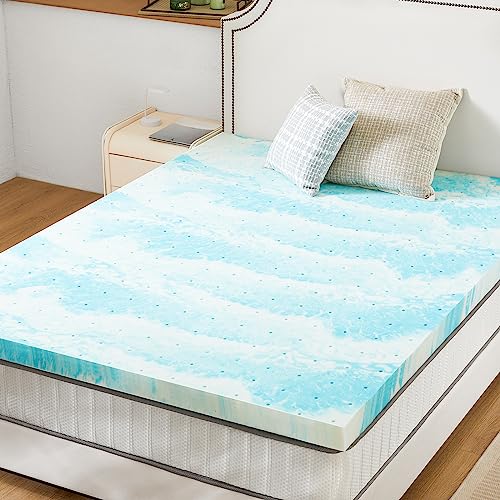
- ENHANCED COMFORT - With this memory foam mattress topper, say goodbye to...
- IMPROVED AIRFLOW - The gel infusion in this mattress pad helps to dissipate heat...
- VERSATILE USE - Whether you use it on your bed, sofa, or even in your RV, this...
Conclusion
Replacing your mattress topper every 3 to 5 years is a general guideline, but your specific situation dictates the true timeline. Pay close attention to signs of wear, loss of support, and hygiene concerns.
The main point is proactive maintenance. Using a protector, rotating regularly, and choosing a durable material suited to your needs will maximize comfort and value, ensuring your topper supports restful sleep for years.
Frequently Asked Questions about How Often To Replace Your Mattress Topper
Can I just flip my mattress topper over instead of replacing it?
Flipping can help if your topper is double-sided and designed for it. This redistributes wear evenly across both surfaces, potentially extending its useful life. It is a good maintenance practice between rotations.
However, flipping is not a permanent solution for a topper that is sagging, stained, or losing support. If both sides show significant wear or the core materials are breaking down, replacement is necessary for proper sleep support.
Does a mattress topper warranty indicate its lifespan?
A warranty primarily covers manufacturing defects, not normal wear and tear. It sets a minimum expectation for product durability from the company. A longer warranty often suggests the manufacturer has confidence in the material’s longevity.
Do not rely solely on the warranty period as your replacement schedule. Most toppers will show functional wear before a warranty expires. Your personal experience with comfort and support is the most reliable indicator.
How does a mattress topper affect my mattress warranty?
Using a topper correctly should not void your mattress warranty. In fact, a protective topper can help prevent stains and body impressions on the mattress itself. This may help you maintain the mattress warranty’s validity.
Always check your mattress warranty’s specific terms. Some require the use of a specific type of foundation or cover. Using a topper is generally seen as a protective measure, not a harmful modification.
Is it worth buying an expensive, high-end mattress topper?
Investing in a high-quality topper can be worthwhile for its longer lifespan and superior materials. Dense memory foam or natural latex often provides better support and durability, leading to a lower cost per year of use.
Consider your budget and how long you plan to use it. If you need a long-term solution or have specific health needs, the premium investment pays off. For a temporary fix, a budget option may suffice.
What are the first signs I need a new mattress topper?
The earliest signs are often a noticeable decline in comfort. You might wake up with new aches or feel that the surface is no longer evenly supportive. Visible sagging or permanent body impressions are clear visual cues.
Increased allergy symptoms or persistent odors that survive cleaning are also strong indicators. The topper’s materials may be breaking down and harboring allergens, impacting sleep hygiene and air quality.
Can a mattress topper fix a bad mattress?
A topper can temporarily improve the feel of a slightly too-firm or mildly uncomfortable mattress. It adds a cushioning layer for pressure relief and can mask minor surface imperfections. This can extend the usable life of an aging mattress.
However, a topper cannot correct structural failures like deep sagging, broken springs, or a severely compromised support core. If the underlying mattress is failed, adding a topper is merely a short-term patch, not a solution.