
Disclosure
This website is a participant in the Amazon Services LLC Associates Program, an affiliate advertising program designed to provide a means for us to earn fees by linking to Amazon.com and affiliated sites.
Maintaining a fresh mattress topper is crucial for sleep quality and hygiene. Deodorizing removes odors from sweat, spills, and allergens that accumulate over time.
Unlike washing, deodorizing targets smells without heavy moisture, preserving your topper’s materials. The ideal frequency depends directly on your sleep environment and personal habits.
Does Your Mattress Topper Trap Odors and Ruin Your Sleep Sanctuary?
That lingering smell from spills, sweat, or pets can make your bed feel unclean and disrupt your rest. The DUMOS Dual Layer 3 Inch Mattress Topper features a breathable, hypoallergenic cover that resists odor absorption and is easily removable for frequent washing, keeping your sleep surface fresh and inviting night after night.
For a reliably fresh foundation, choose: DUMOS Dual Layer 3 Inch Mattress Topper
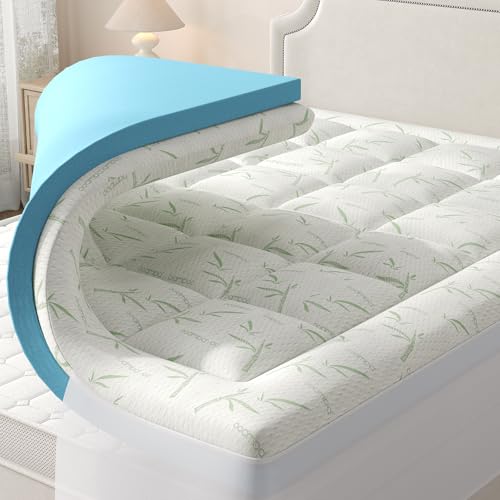
- 【Upgrade 2 In 1 Dual Layer Design】Combines a 2 inch cooling gel-infused...
- 【Relieve Pain & Contouring Support】This topper softens firm mattresses and...
- 【Ultra Cooling & Breathable】The innovative fiber pillowtop cover uses...
Key Factors That Determine Your Topper Deodorizing Schedule
There is no universal rule for how often to deodorize a mattress topper. Your schedule depends on several personal and environmental factors. these will help you create a perfect maintenance routine.
Personal Habits and Sleep Environment
Your daily routine directly impacts odor buildup. Hot sleepers or those with night sweats introduce more moisture. A humid bedroom climate accelerates this process significantly.
- Sleeping with Pets: Pet dander and oils transfer quickly, requiring more frequent odor control, potentially every 2-4 weeks.
- Eating or Drinking in Bed: Spills and crumbs create organic matter that decomposes and causes smells, necessitating prompt spot treatment.
- Allergy Sufferers: Regular deodorizing, paired with vacuuming, helps minimize dust mites and allergens for better respiratory health.
Material Composition of Your Topper
Different topper materials have unique care needs. Natural fibers breathe better but may absorb odors differently than synthetics. Always check the manufacturer’s label first.
Here is a comparison of common materials:
| Topper Material | Odor Retention | Recommended Deodorizing Frequency |
|---|---|---|
| Memory Foam | High (traps smells) | Every 1-2 months |
| Latex | Low (naturally resistant) | Every 3-4 months |
| Down Feather | Medium | Every 2-3 months |
| Wool | Low (moisture-wicking) | Every 4-6 months |
For instance, a memory foam topper in a humid room may need attention monthly. A wool topper in a cool, dry climate can often go much longer between treatments.
Effective Methods and Products for Deodorizing a Mattress Topper
Choosing the right deodorizing method protects your investment and ensures effectiveness. The best approach combines regular maintenance with deep cleaning techniques. Always test any product in a small, inconspicuous area first.
Step-by-Step Guide for Baking Soda Deodorizing
Baking soda is a safe, natural, and highly effective odor absorber. This method works well for most topper materials, including memory foam. Follow these steps for a thorough refresh.
- Strip the Bed: Remove all bedding and wash your sheets and mattress protector separately.
- Vacuum Thoroughly: Use an upholstery attachment to remove surface dust, hair, and debris from the topper.
- Apply Baking Soda: Sprinkle a generous, even layer of baking soda over the entire surface of the topper.
- Let it Sit: Allow the baking soda to work for at least several hours, or ideally overnight, to absorb odors.
- Vacuum Again: Completely vacuum up all the baking soda until no residue remains.
Choosing Commercial Deodorizers and Sprays
For persistent odors or convenience, commercial products can be a great solution. Look for formulas designed for upholstery or bedding. Avoid overly wet sprays that can soak into the core.
- Enzyme Cleaners: These break down organic odor sources like sweat or urine at a molecular level. They are excellent for accident-related smells.
- Fabric Refresher Sprays: Use light, misting sprays for quick freshening between deep cleans. Ensure the product is fully dry before remaking the bed.
- Essential Oil Mists: Create a DIY spray with water and a few drops of tea tree or lavender oil. This adds a fresh scent and offers mild antimicrobial properties.
For a quick summary, here are the main point for this section:
- Baking soda is a universal, safe choice for a deep deodorizing treatment.
- Always vacuum before and after any powder-based application.
- Select commercial sprays that are lightly applied and quick-drying to prevent moisture damage.
Warning Signs and Proactive Topper Maintenance Tips
Your mattress topper will often tell you when it needs attention. Recognizing these signs prevents odors from becoming deeply embedded. Proactive care extends the lifespan and freshness of your topper significantly.
Signs Your Mattress Topper Needs Immediate Deodorizing
Don’t wait for a set schedule if you notice these warning signals. Addressing odors quickly is easier than removing established smells. Persistent odors can also indicate a need for a full wash or replacement.
- A Noticeable Musty Smell: This often signals moisture buildup or mildew, requiring immediate treatment and improved air circulation in the room.
- New Allergies or Sneezing: Increased morning allergies can be a reaction to dust mite waste and allergens trapped in the topper.
- Visible Stains or Spills: Any organic spill, like coffee or food, will create odor as it breaks down. Spot clean and deodorize the area promptly.
Daily Habits to Reduce Odor Buildup
Simple daily practices can drastically reduce how often you need to deep deodorize. The goal is to manage moisture and create a barrier. Consistency with these habits makes a major difference.
Implement these routines to keep your topper fresher longer:
- Use a Mattress Protector: A high-quality, waterproof protector is your first line of defense. It creates a washable barrier against sweat, spills, and dust mites.
- Air it Out Daily: Pull back your blankets and sheets for 20-30 minutes each morning. This allows body moisture to evaporate instead of being absorbed.
- Wash Bedding Weekly: Always wash your sheets, pillowcases, and mattress protector in hot water weekly to remove oils and skin cells.
For a quick reference, here is a comparison of reactive versus proactive care:
| Reactive Approach | Proactive Approach |
|---|---|
| Deodorize only when smells appear | Deodorize on a preventive schedule |
| Risk of permanent odor setting in | Consistently fresh sleeping surface |
| May require harsh cleaners | Often managed with gentle methods like baking soda |
Special Considerations for Different Topper Types and Scenarios
Specific situations require tailored deodorizing strategies. A one-size-fits-all approach can damage sensitive materials or be ineffective. Adjust your methods based on these special use cases and topper varieties.
Deodorizing Memory Foam Versus Natural Fiber Toppers
Memory foam and natural materials like wool or latex have distinct care needs. The primary concern for foam is avoiding excess moisture that can lead to mold inside the dense cells. Natural fibers often require gentler, drier methods to maintain their integrity.
- Memory Foam: Never saturate. Use a light mist of a water-vinegar solution or a dry baking soda treatment. Ensure complete drying in a well-ventilated area, which may take 24-48 hours.
- Wool or Latex: These materials are naturally resistant to dust mites and odors. Sunlight and airing are highly effective. For deodorizing, use a light sprinkle of baking soda or cornstarch, then vacuum.
- Down or Feather: These can hold odors tightly. Use a commercial powder deodorizer made for down, as liquids can clump the feathers. Tumble dry on low with tennis balls to fluff after treatment.
Addressing Severe Odors and Accident Cleanup
For pet accidents, heavy sweat, or smoke smells, a standard refresh is insufficient. These scenarios require a targeted, multi-step approach to break down odor molecules completely. Speed is critical to prevent permanent damage.
Follow this process for severe odor removal:
- Blot and Absorb: For liquid accidents, immediately blot with towels. Cover the area with a thick layer of baking soda or an absorbent powder to pull moisture from the core.
- Apply an Enzyme Cleaner: This is essential for biological odors from urine or vomit. Enzymes digest the odor-causing proteins. Follow the product’s instructions for dwell time carefully.
- Sun and Air Dry: If possible, place the topper in direct sunlight for several hours. UV light is a powerful natural disinfectant and deodorizer that helps eliminate stubborn smells.
Remember this main point: severe odors often require a combination of absorption, enzymatic action, and thorough drying. For expensive or antique toppers, consulting a professional upholstery cleaner is a wise investment.
Creating Your Personalized Topper Deodorizing Schedule
Now that you understand the factors and methods, you can build a custom schedule. A personalized plan is more effective and sustainable than a generic recommendation. This final section helps you synthesize all the information into a clear action plan.
Sample Schedules Based on Common Lifestyles
Use these examples as a starting template, then adjust based on your specific observations. Your ideal frequency may fall between these examples. The key is consistency and adapting to seasonal changes.
| Lifestyle Profile | Recommended Core Deodorizing | Additional Maintenance |
|---|---|---|
| Single adult, cool climate, no pets | Every 3-4 months | Air out topper weekly; wash protector bi-weekly |
| Couple, hot sleepers, with a pet on bed | Every 4-6 weeks | Use a mattress protector; vacuum topper weekly; spot clean accidents immediately |
| Family with young children, allergy sufferers | Every 6-8 weeks | Use a waterproof encasement; wash all bedding in hot water weekly; consider allergen-reducing sprays |
How to Track and Adjust Your Routine
Your initial schedule is a hypothesis. Refine it by monitoring your topper’s condition and your sleep quality. Keep a simple log for the first few months to identify patterns.
- Mark Your Calendar: Set a recurring reminder for your chosen core deodorizing frequency (e.g., every 8 weeks). This ensures you don’t forget.
- Perform the Sniff Test: When changing sheets each week, take a moment to check for any emerging odors. This early detection allows for a quick spot treatment.
- Note Seasonal Changes: Increase frequency during hot, humid summer months. You may decrease it during dry winter periods when windows are closed.
Ultimately, the best schedule is the one you will consistently follow. It should keep your sleeping surface fresh without feeling like a burden. Listen to your topper and adjust your habits for a cleaner, more hygienic sleep environment.
Common Deodorizing Mistakes and How to Avoid Them
Even with good intentions, certain cleaning errors can damage your topper or worsen odors. these pitfalls helps you protect your investment and achieve better results. Avoiding moisture damage is the single most important rule.
Using Too Much Moisture or Harsh Chemicals
Over-wetting is the leading cause of topper damage, especially for memory foam. Soaked foam can develop internal mold that is impossible to remove. Harsh chemicals can also break down delicate fibers and void warranties.
- Soaking the Surface: Never pour liquid cleaners directly onto the topper. Always use a lightly damp cloth or a fine mist spray bottle held at a distance.
- Using Bleach or Ammonia: These can discolor fabrics and degrade foam and latex. They also leave behind strong chemical fumes. Opt for enzyme-based or oxygen cleaners instead.
- Insufficient Drying Time: Putting bedding back on a damp topper traps moisture. Always allow the topper to dry completely, which may require a fan or a sunny, well-ventilated spot for 24 hours.
Neglecting the Foundation and Bedding
Deodorizing only the topper is an incomplete solution. Odors can migrate from the mattress below or from unwashed bedding. A Overall approach ensures lasting freshness throughout your sleep system.
Follow this integrated checklist for Complete odor control:
- Deodorize the Mattress: Every time you deodorize the topper, lift it and treat the mattress surface underneath with baking soda or a light spray.
- Wash All Layers: This includes the mattress protector, bed skirt, pillow covers, and any blankets that directly contact the topper. Use the hottest water the fabrics allow.
- Clean the Bed Frame: Dust and vacuum the bed frame, slats, and headboard periodically, as dust accumulation contributes to overall bedroom air quality.
By avoiding these common errors, you ensure your deodorizing efforts are effective and safe. The goal is to refresh your topper without compromising its structure or comfort. Proper technique will keep your sleep surface clean and extend its usable life for years.
When to Replace Your Mattress Topper Instead of Deodorizing
Deodorizing has its limits, and sometimes replacement is the only solution for hygiene and comfort. Recognizing the signs of a topper beyond saving protects your health and sleep quality. A topper is a consumable product with a finite lifespan.
Signs of Irreversible Damage and Wear
Persistent odors despite thorough cleaning often indicate deep-seated problems. Physical degradation also reduces support and can cause discomfort. Evaluate your topper against these clear replacement indicators.
- Persistent Musty or Moldy Smell: If a deep clean and sunlight treatment cannot eliminate a damp, earthy odor, mold or mildew is likely growing inside the core material. This poses a health risk.
- Visible Sagging or Lumps: When the topper no longer provides even support and has permanent body impressions, its structural integrity is compromised. Deodorizing will not restore its shape.
- Allergy Symptoms Worsen: If you experience increased sneezing, itching, or congestion despite regular cleaning, the topper may be saturated with dust mites and allergens that cannot be removed.
Cost-Benefit Analysis: Cleaning vs. Replacement
Consider the age, original cost, and effort required. Investing in professional cleaning or numerous products for an old topper may not be economical. A simple comparison can guide your decision.
| Scenario | Recommendation | Reasoning |
|---|---|---|
| Topper is over 5-7 years old | Replace | Materials degrade over time; support and hygiene diminish regardless of cleaning. |
| Minor odor, topper is under 2 years old | Deodorize | Odor is likely surface-level; a deep clean can restore freshness effectively. |
| Major stain or pet accident on a mid-life topper | Evaluate Cost | If professional cleaning costs 50%+ of a new topper, replacement is often better. |
As a general rule, most mattress toppers have a functional lifespan of 3 to 5 years with proper care. Beyond this point, replacement often provides better value and a guaranteed fresh, supportive sleep surface.
Best Mattress Toppers for Easy Maintenance and Deodorizing
Choosing a topper designed for easy care simplifies your deodorizing routine. These recommended options feature materials and covers that resist odor buildup and are simple to clean. Investing in a quality topper from the start makes long-term maintenance effortless.
Sweetcrispy Memory Foam Mattress Topper – Best for Breathability
This topper features open-cell memory foam and a removable, machine-washable cover. The breathable design helps dissipate heat and moisture, reducing the conditions that cause odors. Its easy-care nature makes regular freshening simple.
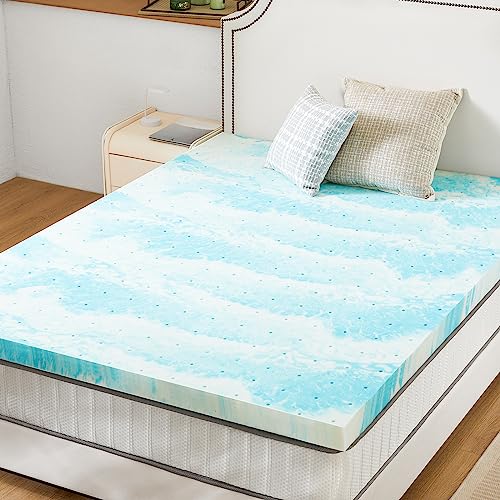
- ENHANCED COMFORT - With this memory foam mattress topper, say goodbye to...
- IMPROVED AIRFLOW - The gel infusion in this mattress pad helps to dissipate heat...
- VERSATILE USE - Whether you use it on your bed, sofa, or even in your RV, this...
Niagara Sleep Solution Ultra Soft Mattress Topper – Best for Allergy Sufferers
Ideal for sensitive sleepers, this topper is made with CertiPUR-US certified foam and has a hypoallergenic bamboo cover. The natural bamboo is resistant to dust mites and bacteria, minimizing allergen-related odors and simplifying your deodorizing schedule.

- ULTRA SOFT: Niagara Queen Mattress Topper is made from viscose made from bamboo...
- CLOUD-LIKE SLEEP: This queen mattress topper adds an extra cushion to...
- EASY TO USE: The cooling bed pad has a deep pocket, is easy to put on, and has...
Linenspa Memory Foam Mattress Topper – Best Budget-Friendly Option
This affordable 2-inch topper provides great value with certified foam and a knit polyester cover. While the cover is not removable, its tight weave protects the foam, making surface deodorizing with baking soda or a light spray highly effective.

- PRESSURE RELIEVING MEMORY FOAM: Plush gel infused memory foam conforms to your...
- COOLING GEL INFUSIONS: This topper is infused with a cooling gel that helps...
- MULTIPLE PROFILE OPTIONS: Choose your own level of comfort with a plush 2-inch...
Conclusion
Determining how often to deodorize your mattress topper is a personalized process. It depends on your sleep habits, environment, and the topper’s material. A consistent routine is more important than a rigid schedule.
The main point is to listen to your topper and your nose. Proactive maintenance with simple methods like baking soda and proper bedding care will ensure a fresh, hygienic sleep surface for years to come.
Frequently Asked Questions about How Often To Deodorize Your Topper
Can I use Febreze or other fabric sprays on my mattress topper?
Yes, but use them sparingly and as a quick freshener only. Lightly mist the surface and allow it to dry completely before remaking the bed. Avoid saturating the material, especially with memory foam.
These sprays mask odors but do not eliminate the source. For a deep clean, you must use an absorbent powder like baking soda or an enzyme cleaner to neutralize odors at their origin.
How does a mattress protector change my deodorizing schedule?
A high-quality, waterproof mattress protector significantly reduces how often you need to deodorize the topper itself. It acts as a primary, washable barrier against sweat, spills, and allergens.
With a protector, you can extend the time between deep deodorizing sessions. Focus on washing the protector weekly, and deodorize the topper underneath every 3-4 months as preventative maintenance.
What is the fastest way to deodorize a topper in a pinch?
The fastest method is to sprinkle baking soda generously over the surface, let it sit for at least 30 minutes, and then vacuum it thoroughly. This quickly absorbs surface odors.
For an immediate fresh scent, you can follow with a very light mist of a DIY spray made from water and a few drops of essential oil. Ensure the topper is completely dry before use.
Why does my new mattress topper have a chemical smell?
This is called off-gassing, a normal process where volatile organic compounds (VOCs) are released from new foam. It is common with memory foam and latex toppers and is not a hygiene issue.
To speed up the process, unpackage the topper in a well-ventilated room and let it air out for 24-72 hours. Using a fan can help. The smell should dissipate completely within a week.
Can I put my mattress topper in the washing machine?
Most mattress toppers, especially those containing foam or fiberfill, are not machine washable. The agitation can destroy their internal structure. Always check the manufacturer’s care label first.
For cleaning, spot treat stains and rely on dry deodorizing methods. Only toppers specifically marketed as “machine washable,” typically certain thin, quilted models, should be washed according to instructions.
Is sunlight an effective deodorizer for mattress toppers?
Yes, direct sunlight is a powerful, natural deodorizer and disinfectant. The UV rays help kill odor-causing bacteria and dust mites, while the heat dries out moisture.
Place your topper in the sun for 2-4 hours, flipping it halfway. This is highly effective for freshening natural materials like wool or latex. Limit sun exposure for memory foam to prevent potential material degradation.