
Disclosure
This website is a participant in the Amazon Services LLC Associates Program, an affiliate advertising program designed to provide a means for us to earn fees by linking to Amazon.com and affiliated sites.
Regularly checking your mattress topper for mold is crucial for a healthy sleep environment. Mold can cause allergies and respiratory issues, impacting your well-being.
Mold thrives in dark, damp conditions, making mattress toppers particularly vulnerable. Frequent checks are essential after spills, in humid climates, or if you notice a musty odor.
Is Your Sleep Being Ruined by Hidden Mold in Your Mattress Topper?
Discovering mold can be alarming and unhealthy, forcing you to constantly worry and check. The Lucid 4 Inch Memory Foam Topper is crafted with a breathable, removable cover and CertiPUR-US® certified foam, designed to resist moisture buildup and promote airflow, making it easier to maintain and giving you peace of mind for cleaner sleep.
For lasting comfort and easier care, we recommend: Lucid 4 Inch Memory Foam Mattress Topper

- ULTRA PLUSH FEEL – Lucid memory foam mattress toppers are designed to enhance...
- COOLER SLEEP: Cooling gel is infused in the memory foam to help regulate your...
- CHOOSE YOUR SIZE: 2-inch profile adds a soft layer of support to any mattress...
How Often Should You Inspect Your Mattress Topper for Mold Growth?
Establishing a consistent inspection schedule is key to preventing mold on your mattress topper. The ideal frequency depends on your specific environment and habits. A proactive approach stops small issues from becoming major health hazards.
Standard Inspection Frequency for Most Households
For average conditions, a thorough check every four weeks is recommended. This routine helps you catch early signs before they spread. Combine this with your regular bedding laundry schedule for consistency.
- Monthly Visual Scan: Strip your bed and look closely at the topper surface and sides under bright light. Search for any discolored spots or fuzzy patches.
- Monthly Smell Test: Before putting on fresh sheets, take a moment to smell the topper. A persistent musty or earthy odor is often the first sign of hidden mold.
- Seasonal Deep Check: At the change of seasons, make a more involved inspection. Pay extra attention during the transition to humid summer months.
High-Risk Scenarios Requiring Immediate Checks
Certain situations demand an immediate inspection outside your regular schedule. Ignoring these triggers can lead to rapid mold colonization. Your health and the longevity of your topper depend on prompt action.
You must check your mattress topper right after any of these events:
- A spilled drink, nighttime sweating accident, or pet urine.
- Waking up with new allergy symptoms like a stuffy nose or itchy eyes.
- Noticing increased indoor humidity or a general damp feeling in your bedroom.
| Situation | Recommended Action |
|---|---|
| Spill or Moisture Exposure | Inspect within 24 hours. Clean and dry thoroughly. |
| High Humidity Season | Increase checks to every two weeks. Use a dehumidifier. |
| Person with Allergies or Asthma | Stick to a strict weekly inspection routine. |
What To Look For During Your Mattress Topper Mold Inspection
Knowing the specific signs of mold is essential for an effective check. Mold is not always obvious and can hide in plain sight. A systematic inspection covers visual cues, odors, and physical symptoms.
Identifying Visible Signs of Mold and Mildew
Conduct your inspection in a well-lit room, preferably with natural light or a bright flashlight. Look beyond the surface and examine the sides and bottom of the topper. Focus on areas that receive the most moisture and body heat.
- Discolored Patches: Look for irregular spots in shades of black, green, white, or even pink. These may appear fuzzy, slimy, or powdery.
- Water Stains: Yellowish or brownish rings can indicate past moisture where mold may be growing underneath the surface.
- Deteriorating Material: Check for any crumbling, thinning, or unusual texture changes in the topper’s fabric or foam.
Recognizing Hidden Mold by Smell and Feel
Your nose is a powerful detection tool for hidden mold problems. A musty, earthy smell that persists after airing out the room is a major red flag. Additionally, pay attention to how the topper feels during your check.
Follow this simple process to test for hidden moisture and mold:
- Press your hand firmly on the topper surface for 30 seconds.
- Lift your hand and immediately feel the area for any dampness or coolness.
- Note if a musty odor is released from the material during the pressure test.
Connecting Health Symptoms to Mold Exposure
Sometimes, your body signals a mold problem before you see it. New or worsening health issues upon waking can be directly linked to your sleep surface. This is especially true for individuals with pre-existing sensitivities.
Consider a mold inspection if you experience these morning symptoms:
- Unexplained congestion, sneezing, or a sore throat.
- Itchy, watery eyes or skin irritation like rashes.
- Increased asthma attacks or general difficulty breathing.
Effective Steps To Prevent Mold on Your Bed Topper
Prevention is the most effective strategy for maintaining a mold-free mattress topper. Consistent care creates an environment where mold cannot easily take hold. Implementing a few key habits will significantly extend your topper’s life and protect your health.
Essential Daily and Weekly Maintenance Routines
Simple daily habits make a dramatic difference in moisture accumulation. These routines require minimal time but offer maximum protection against mold growth. Consistency is far more important than intensity.
- Morning Air-Out: Pull back your blankets and sheets every morning for at least 30 minutes. This allows body moisture and heat to dissipate from the topper.
- Use a Protective Cover: Always employ a waterproof, breathable mattress protector between your sheet and topper. This barrier absorbs spills and sweat.
- Weekly Bedding Wash: Wash all sheets, pillowcases, and the mattress protector in hot water weekly to eliminate moisture and organic material mold feeds on.
Optimizing Your Bedroom Environment for Prevention
Your room’s climate plays a critical role in mold development. Managing humidity and ensuring good ventilation are non-negotiable for long-term prevention. These environmental controls work continuously, even while you sleep.
| Tool | Prevention Benefit |
|---|---|
| Dehumidifier | Maintains indoor humidity below 50%, making conditions inhospitable for mold. |
| Air Conditioner / Fan | Promotes constant air circulation, preventing stagnant, damp air around the bed. |
| Moisture-Absorbing Products | Desiccant bags or silica gel packs under the bed can absorb excess ambient moisture. |
Proper Cleaning and Drying After Accidents
Immediate action is crucial when your topper gets wet. The goal is to dry it completely within 24 hours to prevent spore germination. Never let moisture sit trapped within the material.
- Blot up any liquid immediately with clean, absorbent towels. Press firmly—do not rub.
- Sprinkle baking soda over the damp area to absorb moisture and odors, then vacuum it up after several hours.
- Use fans, a hairdryer on a cool setting, or sunlight to ensure the topper and its core are completely dry before remaking the bed.
What To Do If You Find Mold on Your Mattress Topper
Discovering mold requires immediate and decisive action to protect your health. The correct response depends on the extent of the contamination and the topper’s material. Safety should always be your first priority during cleanup.
Assessing the Severity of Mold Contamination
First, determine if the mold growth is surface-level or deeply embedded. This assessment will dictate whether you can attempt cleaning or must dispose of the topper. Small, isolated spots may be treatable, while widespread growth often is not.
- Surface Mold (Salvageable): Confined to a small area (less than a square foot), appears only on the fabric cover, and the topper feels dry and structurally sound underneath.
- Deep Mold (Replace): Growth covers a large area, has penetrated into the inner foam or fiberfill, or is accompanied by a strong, pervasive odor and material breakdown.
- High-Risk Scenarios: Immediate replacement is advised for those with respiratory conditions, compromised immune systems, or if the mold is toxic black mold (Stachybotrys).
Step-by-Step Guide for Cleaning Minor Mold
Only attempt cleaning on non-porous covers or very minor surface mold. Porous materials like memory foam often cannot be fully sanitized. This process focuses on killing surface spores and removing stains.
- Take the topper outside to prevent spreading spores indoors. Brush off loose mold spores outdoors.
- Create a cleaning solution of one part white vinegar to one part water. Lightly spray the affected area—do not soak.
- After 15 minutes, scrub gently with a soft brush. Wipe with a damp cloth and then dry completely in direct sunlight, which is a natural disinfectant.
Knowing When To Replace Your Mattress Topper
Replacement is often the safest and most effective solution. A compromised topper can continue to harbor allergens and microbes even after cleaning. Investing in a new one protects your long-term sleep health.
You should replace your mattress topper if you observe any of the following:
- Mold regrowth appears after a thorough cleaning attempt.
- The musty smell returns once the topper is back on the bed.
- The internal material feels damp, clumpy, or has visibly deteriorated.
Choosing a Mold-Resistant Mattress Topper Material
Your choice of material significantly impacts a topper’s susceptibility to mold growth. Some materials naturally resist moisture and microbial growth better than others. Selecting the right type is a powerful long-term prevention strategy.
Comparing Mold Resistance Across Common Materials
Each topper material has unique properties affecting airflow and moisture retention. these differences helps you make an informed purchase based on your climate and needs. Breathability is the key factor in mold resistance.
| Material | Mold Resistance Level | Key Consideration |
|---|---|---|
| Natural Latex | High | Naturally antimicrobial, very breathable, and resistant to dust mites. |
| Wool | High | Wicks moisture away from the body and regulates temperature effectively. |
| Memory Foam | Low to Medium | Dense and can retain heat and moisture; requires an antimicrobial cover. |
| Bamboo or Cotton | Medium | Breathable covers but can absorb moisture; depend on frequent washing. |
Key Features To Look For When Purchasing
Beyond material, specific product features enhance mold resistance. These design elements are worth seeking out, especially if you live in a humid area or are prone to night sweats. They add an extra layer of protection.
- Removable, Washable Cover: A must-have feature. Ensure the cover is machine washable in hot water to kill microbes regularly.
- Open-Cell Structure: Look for this in foam toppers; it promotes airflow through the material instead of trapping heat and moisture.
- Certifications: Seek out certifications like CertiPUR-US® for foams, which often includes tests for low volatile organic compound (VOC) emissions and microbial resistance.
Maintenance Tips Specific to Material Type
Proper care varies by material to maximize its lifespan and mold resistance. Follow the manufacturer’s instructions closely, as improper cleaning can void warranties and damage the topper.
Adopt these material-specific habits:
- For latex and wool: Air out frequently and spot clean only. Avoid soaking, which can damage natural fibers.
- For memory foam: Never get it wet. Use a waterproof protector and rely on gentle vacuuming for dust.
- For all types: Rotate your topper head-to-foot every three months to ensure even wear and prevent moisture buildup in one spot.
Common Concerns About Mold Prevention and Health
The risks and realities of mold exposure is crucial for maintaining a healthy bedroom. These answers address the direct impact on your sleep and well-being.
- Can mold on my topper make me sick? Yes. Exposure can cause allergic reactions, asthma attacks, and respiratory irritation, especially with prolonged contact during sleep.
- Is it safe to sleep on a topper after cleaning mold? Only if the mold was minor, surface-level, and the topper is completely, thoroughly dry. For deep mold, replacement is safer.
- Does a waterproof protector cause mold? No, a breathable waterproof protector prevents moisture from reaching the topper. Non-breathable plastic sheets can trap sweat and should be avoided.
Practical Solutions for Specific Mold Scenarios
Real-life situations often require tailored advice beyond general guidelines. These solutions address common, frustrating problems faced by topper owners.
| Scenario | Recommended Solution |
|---|---|
| Mold under the topper on the mattress | Clean both surfaces. Going forward, lift the topper weekly to air out the mattress surface. |
| Living in a very humid climate | Use a dehumidifier in the bedroom daily. Choose a natural latex or wool topper for best breathability. |
| Dealing with frequent night sweats | Use moisture-wicking bedding and a fan. Consider a topper with a cool, breathable cover like bamboo. |
Addressing Myths and Misconceptions
Incorrect information can lead to ineffective prevention or unnecessary worry. Clarifying these myths ensures your efforts are focused and productive.
- Myth: Bleach is the best cleaner for mold on fabric.
Fact: Vinegar or specialized enzyme cleaners are often safer and more effective on porous materials; bleach can damage fibers and leave toxic residue. - Myth: If you can’t see mold, it isn’t there.
Fact: Mold can grow inside the topper core. A persistent musty smell is a reliable indicator of hidden growth. - Myth: All “hypoallergenic” toppers are mold-proof.
Fact: Hypoallergenic means resistant to allergens like dust mites, not mold. Mold prevention still requires proper moisture control.
Long-Term Care Schedule for Your Mattress Topper
Consistent, scheduled maintenance is the best defense against mold over the life of your topper. A proactive calendar prevents neglect and ensures minor issues are caught early. This routine care preserves your investment and your health.
Daily and Weekly Upkeep Tasks
These small, effortless actions have a cumulative positive effect. Integrating them into your existing routine makes them easy to sustain. They focus primarily on moisture management and airflow.
- Daily: Pull back bedding for 30+ minutes of airing. This releases trapped body heat and moisture from the topper’s surface.
- Weekly: Wash all sheets and the mattress protector in hot water. Perform a quick visual and smell check of the topper before remaking the bed.
- Bi-Weekly: Vacuum the topper surface using an upholstery attachment to remove skin cells and dust that can feed mold.
Monthly and Seasonal Maintenance Checklist
These scheduled tasks address deeper cleaning and environmental adjustments. Seasonal changes in humidity and temperature require specific preventative actions.
| Frequency | Key Action | Purpose |
|---|---|---|
| Monthly | Full strip-down inspection with a flashlight. | Catch early signs of spotting or odor. |
| Seasonal (Every 3 Months) | Rotate topper 180 degrees and flip if double-sided. | Ensure even wear and prevent moisture pockets. |
| Start of Humid Season | Deploy dehumidifier; increase inspection frequency. | Proactively combat high ambient moisture. |
Annual Deep Cleaning and Assessment
Once a year, conduct a thorough evaluation of your topper’s condition. This is the time to decide if professional cleaning is needed or if replacement should be considered.
- Take the topper outside for several hours of direct sunlight, a natural disinfectant and deodorizer.
- Examine it closely for any sagging, permanent stains, odor, or material breakdown that indicates aging.
- Review the manufacturer’s care label for any specific annual cleaning recommendations, such as professional steam cleaning for certain materials.
Best Mattress Toppers for Mold Prevention and Comfort
Choosing the right topper can enhance comfort while supporting a mold-resistant sleep environment. These recommended options feature designs and materials that promote airflow and easy maintenance. Each is an excellent choice for different needs and budgets.
Linenspa Memory Foam Mattress Topper – Best Overall Value
This popular 2-inch topper offers a great balance of comfort and care. Its infused gel beads help regulate temperature, reducing sweat. The removable, machine-washable cover makes weekly cleaning simple for mold prevention.

- PRESSURE RELIEVING MEMORY FOAM: Plush gel infused memory foam conforms to your...
- COOLING GEL INFUSIONS: This topper is infused with a cooling gel that helps...
- MULTIPLE PROFILE OPTIONS: Choose your own level of comfort with a plush 2-inch...
NicePlus Dual Layer 4 Inch Memory Foam Mattress Topper – Best for Enhanced Support
Featuring a dual-layer design with a ventilated base, this 4-inch topper improves airflow to the mattress below. The breathable bamboo cover is removable and washable, a key feature for maintaining a dry, healthy sleep surface.
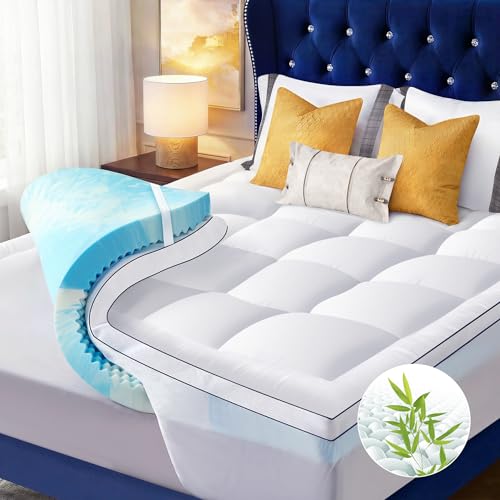
- 2-in-1 Double-Layer Mattress Topper: Featuring a dual-layer structure, designed...
- Relieves Pain & Supports Restful Sleep: The soft mattress topper bottom features...
- Cooling & Breathable: The 4 inch mattress topper fabric contains 40% Viscose...
SINWEEK Mattress Topper Twin XL – Best for Dorm Beds
Ideal for dorm rooms or guest beds, this topper is CertiPUR-US certified for durability and low emissions. The soft, quilted cover provides comfort and is easy to clean, helping manage moisture in shared living spaces.

- GEL MEMORY FOAM MATERIAL: Our memory foam mattress topper readily conforms to...
- MORE COMFORTABLE SLEEP: The gel memory foam material used in our mattresses...
- SOFT BUT NOT FOLDABLE: our mattress is soft, do not roll up and store too long...
Conclusion
Regularly checking your mattress topper for mold is a simple yet vital habit for a healthy sleep sanctuary. By The signs, establishing a prevention routine, and knowing how to respond, you protect both your investment and your well-being.
The main point is that consistent moisture control and proactive inspections are your most powerful tools. Implementing the schedules and tips outlined here will ensure you enjoy a clean, comfortable, and mold-free sleep surface for years to come.
Frequently Asked Questions about How Often To Check Your Topper For Mold
How can I tell the difference between a mold stain and a regular stain?
Mold stains are often irregularly shaped and may appear in colors like black, green, or pink with a fuzzy or slimy texture. They are typically accompanied by a distinct, persistent musty or earthy odor that does not fade.
Regular stains from food or drink lack this odor and often have defined edges. If you are unsure, perform a smell test; a moldy smell is the most reliable indicator of a biological growth problem.
Is it necessary to check a brand new mattress topper for mold?
Yes, it is a good practice. While rare, new toppers can develop mold if stored in a damp warehouse or during shipping. Inspecting upon arrival ensures you start with a clean, healthy product.
Unpack it immediately in a dry area and look for any signs of moisture, discoloration, or odor. This quick check can prevent issues from being trapped under your sheets from day one.
Can using a mattress pad instead of a protector increase mold risk?
Yes, a standard mattress pad (without a waterproof barrier) can absorb moisture and trap it against the topper. This creates the damp environment mold needs to thrive, especially if the pad is not washed frequently.
Always opt for a breathable, waterproof mattress protector as your primary barrier. It shields the topper from liquid while still allowing some vapor to escape, unlike a non-breathable plastic sheet.
What should I do if I’m allergic but find mold on my topper?
If you have allergies or asthma, do not attempt to clean the mold yourself. The disturbance can release a high concentration of spores, triggering a severe reaction. Isolate the topper immediately in a plastic bag.
For allergy sufferers, replacement is almost always the safest course of action. Consult with your doctor if symptoms persist, as residual spores in the room may need to be addressed.
Does the type of bed frame affect how often I should check for mold?
Absolutely. A solid platform bed or a bed with a storage drawer base restricts airflow underneath the mattress and topper. This lack of ventilation significantly increases moisture retention and mold risk.
If you have such a bed frame, increase your inspection frequency to every two weeks. Consider using a moisture-absorbing product underneath or ensuring the room is well-ventilated to compensate.
Are there any natural products that can help prevent mold between checks?
Yes, baking soda is an excellent natural desiccant and deodorizer. Lightly sprinkling it on your topper before vacuuming monthly can help absorb ambient moisture and neutralize odors that attract mold.
Additionally, silica gel packs placed under the bed can absorb excess humidity. Essential oils like tea tree oil have antimicrobial properties but should be diluted and tested on a small area first to avoid stains.