
Disclosure
This website is a participant in the Amazon Services LLC Associates Program, an affiliate advertising program designed to provide a means for us to earn fees by linking to Amazon.com and affiliated sites.
Regularly airing out your mattress topper is essential for maintaining a healthy sleep environment. It prevents moisture buildup, reduces allergens, and extends the product’s lifespan significantly.
Moisture from sweat and humidity can create an ideal breeding ground for dust mites and mold inside the topper. Airing it out disrupts this cycle, directly improving air quality and your comfort.
Does Your Mattress Topper Trap Heat and Make You Sweat All Night?
Waking up damp and uncomfortable because your mattress topper retains body heat is a common frustration. It can also lead to more frequent airing out to combat moisture and odors. The Serta ThermaGel Cooling Topper directly solves this with its gel-infused memory foam, designed to dissipate heat for a cooler, drier sleep.
For a consistently cooler night’s sleep, we recommend: Serta ThermaGel Cooling, Memory Foam Mattress Topper
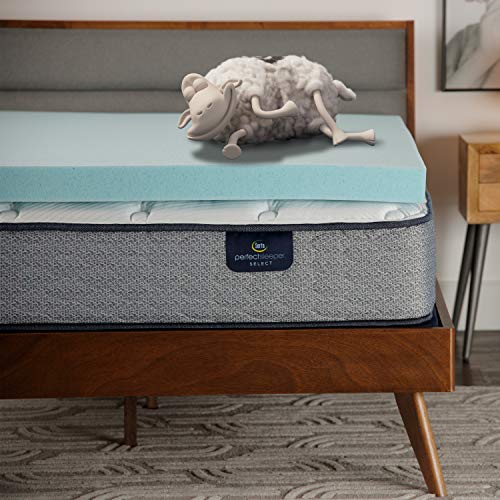
- BREATHABLE GEL-INFUSED FOAM: Engineered with ThermaGel-infused memory foam to...
- COOLING TECHNOLOGY: ThermaGel particles help create a refreshing sleep surface...
- CONTOURING SUPPORT: Adapts and conforms to your body’s natural shape for...
Optimal Frequency for Air Out Your Mattress Topper
Establishing a regular schedule for airing out your mattress topper is the cornerstone of proper care. This routine prevents deep-seated moisture and allergens from taking hold. Consistency is more effective than occasional, intensive cleaning sessions.
Recommended Air Out Schedule for Mattress Toppers
For most households, a bi-weekly airing routine strikes the perfect balance between effort and effectiveness. This frequency is sufficient to manage typical moisture and allergen accumulation. Increase this to weekly if you live in a humid climate or have allergies.
- Standard Maintenance: Air out your topper every two weeks for 2-4 hours.
- High-Use or Humid Conditions: Increase frequency to once per week to combat excess moisture.
- Seasonal Deep Refresh: Perform a longer, sun-exposed airing at the change of each season.
Key Factors Influencing Your Air Out Routine
Your personal schedule should adapt to specific environmental and usage factors. These variables determine how quickly moisture and contaminants build up inside the topper’s materials. Ignoring them can lead to premature wear and an unhealthy sleep surface.
Consider these critical factors when planning your routine:
- Sleeping Environment Humidity: High humidity levels require more frequent airing to prevent mold.
- Material Composition: Memory foam and latex need ventilation, while wool is naturally moisture-wicking.
- Allergen Sensitivity: Allergy sufferers benefit from weekly airing to reduce dust mites.
- Body Heat and Sweat: Hot sleepers or those who sweat at night should air out their topper more often.
Step-by-Step Guide to Properly Air Out a Mattress Topper
Knowing how often to air out your topper is only half the battle. The correct technique is equally important for effective results. Follow this process to ensure you remove moisture and refresh the materials thoroughly.
How to Air Out Your Mattress Topper Correctly
Proper airing requires more than just removing the sheets. You need to create optimal conditions for moisture evaporation and air circulation. This step-by-step method ensures a deep refresh.
- Strip the Bed: Remove all bedding, including the mattress protector, to expose the topper fully.
- Position for Airflow: Stand the topper on its side against a bed frame or chair. This exposes both sides to air.
- Choose the Right Location: Place it near an open window or in a well-ventilated room. Direct sunlight is ideal for killing microbes.
- Time It Right: Allow it to air for a minimum of 2-4 hours. For a deeper clean, leave it for a full day.
- Flip and Rotate: Halfway through, flip the topper to ensure both sides are aired evenly.
Best Conditions and Materials for Air Drying
The environment and your topper’s material greatly impact the airing effectiveness. Different materials have unique needs for optimal care. Tailoring your approach prevents damage and maximizes freshness.
Use this guide to match your method to the material:
- Memory Foam: Air in a shaded, dry area. Avoid direct sunlight, which can break down the foam cells over time.
- Latex: Can tolerate brief morning sun. Ensure good airflow to prevent a sticky surface.
- Feather/Down: Sunlight is excellent for fluffing and sanitizing. Gently shake and pat the topper periodically during airing.
- Wool or Cotton: These natural fibers benefit greatly from direct sunlight, which naturally deodorizes and freshens them.
Benefits of Regularly Airing Out Your Mattress Topper
Committing to a consistent airing schedule delivers tangible rewards for your health, comfort, and wallet. This simple habit is a powerful form of preventive maintenance for your sleep investment. The advantages extend far beyond just a fresher smell in your bedroom.
Health and Hygiene Advantages for Your Sleep
Airing out your topper directly combats the invisible allergens that accumulate nightly. Moisture from body sweat creates a prime habitat for microbes. Disrupting this environment is crucial for respiratory health and skin comfort.
- Reduces Allergens: Regular airing significantly lowers populations of dust mites and mold spores that trigger allergies and asthma.
- Eliminates Moisture: Prevents the dampness that leads to mildew growth, protecting you from musty odors and potential irritants.
- Improves Air Quality: Releases trapped odors and volatile organic compounds (VOCs), resulting in cleaner air you breathe for hours each night.
Extending the Lifespan and Performance of Your Topper
Proper ventilation is a key factor in material preservation. It helps maintain the structural integrity and functional properties you paid for. This care directly translates to better sleep support and long-term savings.
Compare the outcomes of regular maintenance versus neglect:
| With Regular Airing | Without Regular Airing |
|---|---|
| Materials stay resilient and supportive for years. | Foam can break down faster, leading to sagging. |
| Natural fills like wool retain loft and insulation. | Moisture clumps fills, reducing comfort and warmth. |
| Minimal odor absorption, maintaining a fresh feel. | Persistent body odors and mildew smells become embedded. |
| Delays the need for a costly replacement. | Premature wear necessitates an earlier new purchase. |
Common Mistakes to Avoid When Airing a Mattress Topper
Even with good intentions, improper techniques can damage your topper or undermine your efforts. Recognizing these pitfalls is essential for effective care. Avoiding these errors protects your investment and ensures the airing process is truly beneficial.
Damaging Practices That Can Ruin Your Topper
Certain common habits, often done for convenience, can cause irreversible harm to the materials. The goal is to refresh the topper, not degrade its core structure. Steer clear of these high-risk actions.
- Using Direct Heat Sources: Never place a topper near radiators, space heaters, or in a clothes dryer. Intense, dry heat can melt memory foam, shrink covers, and destroy natural fills.
- Overexposure to Harsh Sunlight: While morning sun is fine, prolonged midday UV rays can break down and discolor materials like latex and memory foam, making them brittle.
- Folding or Creasing Heavy Materials: Avoid sharply folding thick foam or latex toppers during airing. This can create permanent weak spots and compromise support.
- Getting It Soaked: Airing is for moisture evaporation, not washing. Never hose down or fully wet a mattress topper outdoors.
Signs Your Mattress Topper Needs Immediate Attention
Your topper will often show clear indicators that your current care routine is insufficient. Ignoring these warning signs can lead to permanent damage or health concerns. Prompt action can sometimes reverse early issues.
Be alert for these key signals:
- Persistent Musty Odors: A smell that remains after airing indicates deep-seated mildew or mold growth.
- Visible Stains or Discoloration: These are often signs of moisture penetration and microbial activity within the layers.
- Loss of Loft or Support: If the topper feels lumpy, flat, or fails to bounce back, moisture may have damaged the internal structure.
- Increased Allergy Symptoms: Waking up with a stuffy nose or itchy eyes suggests a high allergen load in your sleep surface.
Special Considerations for Different Mattress Topper Types
Not all mattress toppers require the same airing approach. Material composition dictates specific care needs for optimal results. Tailoring your routine prevents damage and maximizes the lifespan of each unique type.
Care Guide for Memory Foam and Latex Toppers
These popular synthetic materials are sensitive to heat and require gentle airing techniques. The goal is to ventilate without degrading the cellular structure. Improper care can permanently alter their comfort and support.
- Memory Foam Priority: Always air in a shaded, cool, and dry location. Direct sunlight and high heat can cause off-gassing and break down the foam’s viscoelastic properties.
- Latex Consideration: Natural or synthetic latex can tolerate brief, gentle sunlight for sanitizing but should not be baked. Ensure airflow to prevent a tacky surface feel.
- Universal Rule: Never fold or bend these dense materials sharply during the process. Stand them upright or lay them flat to avoid creasing.
Maintaining Natural Fill Toppers: Down, Wool, and Cotton
Natural fibers benefit greatly from fresh air and sunlight but have their own vulnerabilities. Their breathability is an asset, but they can hold moisture if not cared for correctly. The right technique restores loft and freshness.
Follow these material-specific tips:
- Down/Feather: Sunlight is excellent for fluffing and killing dust mites. Gently shake and pat the topper every hour during airing to redistribute the fill.
- Wool: This fiber is naturally moisture-wicking and antimicrobial. Air in direct sunlight to refresh; the sun helps lanolin reactivate for natural water resistance.
- Cotton: Very durable and can handle direct sunlight, which acts as a natural bleach and disinfectant. Ensure it is completely dry before remaking the bed to prevent mildew.
| Topper Type | Best Airing Condition | Key Precaution |
|---|---|---|
| Memory Foam | Cool Shade / Good Indoor Airflow | Avoid all direct heat and sunlight. |
| Latex | Gentle Morning Sun / Ventilated Room | Do not overexpose to intense UV rays. |
| Down/Feather | Dry, Sunny Day with Breeze | Shake regularly to prevent clumping. |
| Wool | Direct Sunlight | Ensure thorough dryness before use. |
Integrating Mattress Topper Care into Your Cleaning Routine
Airing your topper should be a seamless part of your overall bedroom maintenance, not a forgotten chore. Pairing it with other tasks creates an efficient and effective system. This Overall approach ensures a consistently clean and healthy sleep sanctuary.
Creating a Simple and Effective Maintenance Schedule
Link your topper care to existing weekly and seasonal cleaning habits. This method builds a reliable routine without requiring extra mental effort. Consistency is the key to long-term success and hygiene.
- Weekly Link: Every time you wash your sheets, strip the bed completely. This exposes the topper for a quick airing while laundry is running.
- Bi-Weekly Deep Air: On a designated day, perform the full 2-4 hour airing process outlined in the step-by-step guide.
- Seasonal Reset: Use the change of seasons as a reminder for a longer, sun-assisted airing and a thorough vacuum of the topper surface.
- Protective Layer: Always use a waterproof, breathable mattress protector. It shields the topper from spills and stains, reducing the need for intensive cleaning.
Tools and Products to Enhance the Airing Process
A few simple tools can significantly boost the effectiveness of your airing routine. These products help deodorize, sanitize, and maintain the materials between major cleanings. They are investments in prolonging your topper’s freshness.
Consider incorporating these helpful aids:
- Baking Soda: Lightly sprinkle on the topper before airing to absorb odors and moisture. Vacuum thoroughly after an hour.
- Upholstery Attachment: Use your vacuum’s upholstery tool monthly to remove surface dust, skin cells, and allergens from the topper fabric.
- Fabric Refresher Spray: Opt for a natural, allergen-reducing spray with essential oils like eucalyptus or tea tree. Lightly mist after airing for a fresh scent.
- Moisture Absorbers: In humid climates, place products like silica gel packs or a room dehumidifier in the bedroom to control ambient moisture.
Addressing Specific Scenarios and Problem Solving
Real-life situations often require adjustments to the standard airing guidelines. From spills to seasonal changes, being prepared with solutions is crucial. This section provides targeted advice for common challenges to keep your topper in top condition.
Handling Accidents: Spills and Stains on Your Topper
Immediate action is critical when liquids penetrate the surface. The goal is to extract moisture quickly to prevent it from reaching the core material. Airing is a vital secondary step after initial cleanup.
- Blot, Don’t Rub: Use a clean, absorbent towel to press down and soak up as much liquid as possible immediately.
- Spot Clean Gently: For stains, use a mild detergent mixed with cold water and a soft cloth. Avoid soaking the area.
- Accelerated Airing: Position a fan directly on the affected spot and air the entire topper in a well-ventilated area for at least 24 hours. Ensure it is completely dry before remaking the bed.
Seasonal Adjustments and Storage Solutions
Humidity and temperature shifts between seasons demand a modified care approach. Furthermore, proper storage is essential if you plan to remove the topper for an extended period. Incorrect storage can cause permanent damage.
Adapt your routine with these seasonal strategies:
- High-Humidity Summer: Increase airing frequency to weekly. Use a dehumidifier in the bedroom to combat muggy air that soaks into the topper.
- Dry Winter Months: Central heating dries the air. A bi-weekly airing is usually sufficient, but ensure good indoor airflow to prevent stale air pockets.
- Long-Term Storage: Always clean and ensure the topper is bone dry before storing. Place it in a breathable cotton storage bag, not plastic, and store in a cool, dry place. Never place heavy items on top.
| Scenario | Immediate Action | Extended Airing Protocol |
|---|---|---|
| Liquid Spill | Blot thoroughly, spot clean if needed. | 24-hour airing with fan assistance. |
| Musty Smell (No Mold) | Sprinkle baking soda liberally. | Air in direct sunlight for a full day, vacuum after. |
| Preparing for Seasonal Storage | Clean, ensure 100% dryness. | Store flat or rolled loosely in a breathable bag. |
Best Mattress Toppers for Easy Maintenance and Airing
Choosing a well-constructed topper can make your airing routine simpler and more effective. These recommended options feature breathable designs and durable materials that respond well to regular care. Investing in quality supports a healthier, longer-lasting sleep surface.
DOWNCOOL 3 Inch Queen Mattress Topper – Best for Breathable Cooling
This gel-infused memory foam topper is designed with ventilated airflow channels to prevent heat and moisture buildup. Its 3-inch thickness provides plush comfort while the breathable cover promotes easier airing. Ideal for hot sleepers needing a cooler, low-maintenance surface.
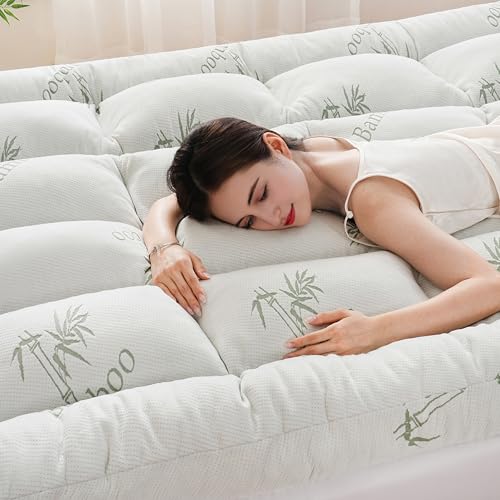
- Cooling Bamboo Viscose Top with 3D Air Layer: Made of 39% bamboo viscose and...
- Plush Pillow Top for Pressure Relief: Made with a thin gel memory foam layer and...
- Secure Deep Pocket Design: The elastic deep pocket skirt wraps around the...
SINWEEK Mattress Topper Twin XL – Best Budget-Friendly Option
Featuring a bamboo-derived cover that is naturally breathable and moisture-wicking, this topper is easy to air out regularly. The 2-inch ventilated foam construction balances support and airflow. A great value choice for dorm rooms or guest beds requiring simple upkeep.

- GEL MEMORY FOAM MATERIAL: Our memory foam mattress topper readily conforms to...
- MORE COMFORTABLE SLEEP: The gel memory foam material used in our mattresses...
- SOFT BUT NOT FOLDABLE: our mattress is soft, do not roll up and store too long...
BEDLORE Queen Mattress Topper – Best for Pressure Relief
This 4-inch thick memory foam topper includes an OEKO-TEX certified removable cover that is machine washable, simplifying deep cleaning. The high-density foam retains its shape well after airing. Perfect for those seeking enhanced support with easy-care features.
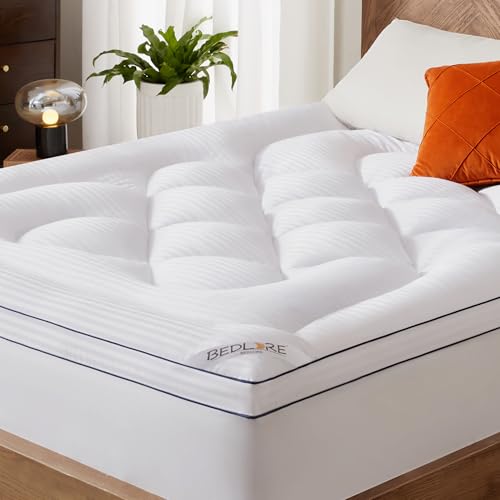
- Improve Sleep Quality: Use polyester fabric and extra thick filler, improve...
- Ultra Soft Improves Comfort: Conforms to the curves and shapes of the body...
- Deep Pocket Design: Elastic deep pockets can accommodate mattresses 6-18 inches...
Conclusion
Regularly airing out your mattress topper is a simple yet powerful habit for maintaining sleep hygiene and product longevity. By following a consistent schedule Designed for your environment and topper type, you can effectively manage moisture, allergens, and odors.
The main point is that preventive care through proper airing protects your investment and ensures a cleaner, more comfortable sleep surface for years to come. Integrating this practice into your routine is a small effort with significant health and financial rewards.
Frequently Asked Questions about How Often To Air Out Your Mattress Topper
Can I air out my mattress topper in direct sunlight?
It depends on the material. Natural fills like wool, down, and cotton benefit from direct sunlight for sanitizing and deodorizing. However, memory foam and latex can be damaged by prolonged UV exposure and intense heat.
For synthetic materials, opt for bright, indirect light or a shaded, well-ventilated area. Always check your manufacturer’s care instructions to avoid voiding warranties or causing premature breakdown of the foam cells.
What if I can’t air out my topper outside or near a window?
Indoor airing is still effective with the right technique. Stand the topper vertically against a wall or over a bed frame to maximize airflow around it. Use fans to circulate air in the room and accelerate drying.
For odor control, sprinkle baking soda on the surface, let it sit for an hour, then vacuum it off thoroughly. A dehumidifier in the bedroom can also help pull moisture from the topper and the air.
How do I know if my mattress topper has mold or mildew?
Visible black, green, or white speckled stains are a clear sign. A persistent, musty odor that remains even after thorough airing is another strong indicator of microbial growth deep within the layers.
If you suspect mold, it is often a health risk. For non-removable covers, replacement is usually the safest option. For washable covers, follow a strict sanitization protocol and ensure the core is completely dry.
Does using a mattress protector eliminate the need for airing?
No, a protector does not eliminate the need. While a quality, breathable protector is excellent for blocking spills and stains, moisture from body heat and sweat can still permeate and become trapped in the topper below.
Airing out the topper addresses this accumulated humidity and allows the materials to breathe fully. Think of the protector as a first line of defense, with regular airing being essential deep maintenance.
Can I speed up the airing process with a hairdryer or heater?
Absolutely not. Applying direct, concentrated heat from a hairdryer, space heater, or radiator is a damaging practice. It can melt memory foam, shrink fabric covers, and destroy the resilience of natural fills like down.
Patience is key. The goal is gentle evaporation through airflow, not baking. For a faster result, use multiple fans to create a cross-breeze or air the topper on a dry, breezy day.
How does airing frequency change with different climates?
In hot and humid climates, you should air your topper weekly to combat excessive moisture that encourages mold and dust mites. High humidity accelerates the need for ventilation to keep the core dry.
In dry or cold climates with indoor heating, bi-weekly airing is typically sufficient. However, ensure good indoor air circulation, as heated air can become stale and allow allergen buildup despite lower humidity levels.