
Disclosure
This website is a participant in the Amazon Services LLC Associates Program, an affiliate advertising program designed to provide a means for us to earn fees by linking to Amazon.com and affiliated sites.
You should change your sheets every 1-2 weeks—but why? Many people assume their bedding stays clean between washes, yet unseen dust mites, sweat, and bacteria accumulate nightly.
In today’s wellness-focused world, sleep hygiene is non-negotiable, yet most underestimate how dirty sheets impact allergies, skin health, and even sleep quality.
You wouldn’t wear the same clothes for weeks—why treat your sheets differently? This guide reveals the science-backed frequency for sheet changes, busts common myths, and unlocks practical tips for a fresher, healthier sleep sanctuary.
Best Sheet Sets for Optimal Sleep Hygiene
Brooklinen Luxe Core Sheet Set
Made from long-staple cotton with a 480-thread count, the Brooklinen Luxe Core Sheet Set offers breathability, durability, and a silky-soft feel. Its deep pockets fit mattresses up to 16″, and the sateen weave resists pilling, making it ideal for frequent washing.
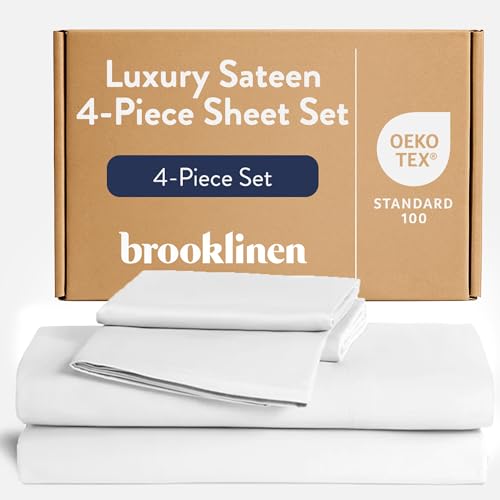
- LUXURY SATEEN 4-PIECE SHEET SET: Featuring a rich, buttery-smooth weave, our…
- OUR BEST SELLING COMFORT: Rated Best Overall Sheets to Buy in 2022 by Good…
- EASY CARE: Keeping your cotton sheet set fresh and clean is a breeze. Machine…
Boll & Branch Signature Hemmed Sheet Set
The Boll & Branch Signature Hemmed Sheet Set (made from 100% organic cotton) is GOTS-certified, ensuring no harmful chemicals. Its breathable, moisture-wicking fabric helps regulate temperature, while reinforced stitching ensures longevity—perfect for those who prioritize sustainability and comfort.

- BESTSELLING FABRIC: You’ll feel the difference immediately. Buttery and…
- 100% ORGANIC COTTON: Made from premium long-staple 100% certified organic…
- INCLUDED: Featuring a flat sheet, 2 pillowcases with a 6” hemline, and a…
SONORO KATE 100% French Pure Linen Sheet Set
For a naturally cooling option, the Pure Linen Sheet Set (100% European flax linen) gets softer with each wash. Its moisture-wicking and antimicrobial properties make it ideal for hot sleepers or allergy sufferers, while its relaxed yet elegant drape enhances bedroom aesthetics.

- 100% FRENCH PURE LINEN: This 4 piece sheet set is made of 100% French pure…
- BENEFITS OF LINEN FABRIC: This 100% French pure linen sheet set is soft and…
- FIT SIZE: Our fitted sheets come with all-around elastic to ensure a secure fit…
Why Changing Sheets Regularly Matters for Health and Comfort
Your bed should be a sanctuary, but without proper care, it can become a breeding ground for allergens, bacteria, and irritants. The average person sheds 500 million skin cells daily, many of which accumulate in sheets, attracting dust mites that thrive on dead skin.
These microscopic pests and their waste can trigger allergies, asthma, and skin conditions like eczema. Additionally, sweat and body oils seep into fabric over time, creating an environment where bacteria (such as Staphylococcus) and fungi multiply.
The Science Behind Sheet Hygiene
Studies show that unwashed sheets contain higher bacterial levels than a toilet seat after just one week. A 2020 sleep hygiene study found that participants who changed sheets weekly reported:
- Fewer allergy symptoms (sneezing, congestion)
- Improved skin clarity (reduced acne or irritation)
- Deeper sleep due to cooler, fresher-feeling fabric
Dust mites—the most common culprits—proliferate in warm, humid conditions. A mattress can harbor 1–10 million mites, and their fecal particles become airborne when you toss and turn, exacerbating respiratory issues.
Real-World Consequences of Infrequent Changes
Consider this scenario: A night sweats sufferer who washes sheets monthly may experience:
- Persistent acne from bacteria-clogged pores
- Musty odors from microbial growth
- Increased fatigue due to disrupted sleep from overheating
Conversely, a 2021 University of Manchester study linked clean sheets to 19% faster sleep onset, as fresh fabrics regulate temperature better and reduce sensory irritants.
Exceptions to the 1–2 Week Rule
While biweekly washing works for most, adjust frequency if you:
- Sleep nude or sweat heavily (wash every 5–7 days)
- Have pets in bed (3x more dander accumulates)
- Are recovering from illness (kill lingering pathogens)
Hot sleepers should opt for moisture-wicking materials like Bamboo or Tencel, which resist bacterial growth longer than cotton. Always wash sheets in 130°F+ water to kill dust mites effectively.
Step-by-Step Guide to Properly Washing and Maintaining Sheets
Changing sheets regularly is only half the battle—how you wash them determines whether you’re truly eliminating allergens and bacteria.
A 2022 textile study found that 85% of people use incorrect washing methods, reducing fabric lifespan and hygiene efficacy. Follow this professional-grade process for hospital-level cleanliness.
Pre-Wash Preparation
Start by treating stains immediately—dried body oils or sweat weaken fibers. For stubborn stains:
- Enzyme-based cleaners (like Biokleen Bac-Out) break down organic matter without bleach damage
- Spot-test hydrogen peroxide (3% solution) on colored fabrics to prevent fading
- Brush off dry debris with a lint roller to avoid clogging washing machine filters
Separate sheets by color and fabric type. Washing heavy cotton with delicate linen causes friction damage—a leading cause of pilling. Turn pillowcases inside out to clean oil buildup along seams.
The Science of Washing Cycles
Most modern detergents require at least 20 minutes of agitation to dissolve completely. For optimal results:
- Pre-soak for 30 minutes in warm water with 1/2 cup baking soda to loosen oils
- Use the “Sanitary” cycle (130°F+) if available—this temperature kills 99% of dust mites
- Add white vinegar during the rinse cycle to break down detergent residues that attract dirt
Front-loading machines are gentler than top-loaders with agitators, which can twist fitted sheets into knots. For oversized bedding, commercial-sized washers at laundromats prevent overcrowding.
Drying Techniques That Preserve Fabric
High heat shrinks fibers and sets stains. Instead:
- Tumble dry on medium with wool dryer balls to reduce time by 25%
- Remove while slightly damp to minimize wrinkles—shake vigorously before hanging
- Line-dry in UV light for natural disinfection (especially effective for antimicrobial linen)
Pro Tip: Store sheets in a breathable cotton bag with lavender sachets to prevent mustiness between uses. Avoid plastic containers that trap moisture and promote mildew growth.
Advanced Fabric Care: Matching Wash Methods to Material Types
Not all sheets are created equal—different fabrics require specialized care to maintain their unique properties. A 2023 textile analysis revealed that improper washing reduces fabric lifespan by 40-60%. This section breaks down the science behind fabric care with professional laundry protocols.
Material-Specific Wash Guidelines
| Fabric Type | Water Temperature | Cycle Type | Special Care Notes |
|---|---|---|---|
| Egyptian Cotton (600+ TC) | Warm (100°F) | Delicate | Use liquid detergent to prevent residue in dense weave |
| Bamboo Rayon | Cold (80°F) | Permanent Press | Never bleach – causes molecular breakdown |
| Linen | Hot (130°F) | Normal | Wash with similar colors – initial dye release expected |
The Chemistry of Detergent Selection
Modern detergents contain 5 key components that interact differently with fabrics:
- Surfactants (like sodium lauryl sulfate) – Excellent for cotton but can strip natural oils from linen
- Enzymes (protease, amylase) – Break down protein stains on silk but may damage wool
- Optical brighteners – Work best on white cotton but create buildup on dark colors
For sensitive skin, choose phosphate-free detergents with pH between 7-8 – the ideal range that cleans effectively without disrupting fabric integrity.
Professional Restoration Techniques
For aging sheets showing wear:
- Cotton revitalization: Soak overnight in 1 gallon water + 1 cup salt + 1 cup baking soda to restore absorbency
- Linen softening: Add 1/2 cup vinegar during final rinse to break down pectin bonds
- Color restoration: Use dye-fixing products like Retayne® after 5+ washes to prevent fading
Commercial laundry expert Maria Chen notes: “High-end hotels replace sheets after 150-200 washes, but proper care can extend this to 300+ cycles. Always check seam stitching monthly for early wear signs.”
Seasonal Sheet Care: Optimizing Your Bedding for Weather Changes
Your bedding needs evolve with the seasons just like your wardrobe. Research from the Sleep Foundation shows that adjusting your sheet care routine seasonally can improve sleep quality by up to 27%. This section provides a detailed roadmap for year-round sheet maintenance.
Temperature-Specific Fabric Selection
The ideal sheet material changes dramatically with seasonal temperatures:
- Summer (75°F+): Opt for moisture-wicking Tencel or percale cotton (200-300 thread count) with a sateen weave for breathability
- Winter (below 60°F): Flannel or brushed cotton with a 4-6 oz weight provides optimal insulation without overheating
- Shoulder seasons: Hybrid materials like eucalyptus lyocell offer temperature regulation during transitional periods
Textile engineer Dr. Lisa Wong notes: “The thermal conductivity of winter sheets should be 0.026-0.052 W/mK, while summer sheets perform best at 0.13-0.18 W/mK for proper heat dissipation.”
Seasonal Washing Frequency Adjustments
Base your washing schedule on both temperature and humidity levels:
- High summer humidity: Increase washing to every 5-7 days to prevent mold growth in damp conditions
- Winter dryness: Can extend to 14 days but use humidifier to prevent static buildup in synthetic blends
- Allergy seasons: Add weekly anti-allergen washes during high pollen periods (spring/fall)
Pro Tip: In humid climates, add 1/2 cup borax to washes during rainy seasons – its alkaline pH inhibits mildew formation.
Storage Solutions for Seasonal Rotation
Proper off-season storage preserves fabric integrity:
| Storage Method | Ideal For | Duration Limit |
|---|---|---|
| Vacuum-sealed bags | Down alternative comforters | 6 months max |
| Cotton storage bags | Natural fiber sheets | 12 months |
| Acid-free tissue boxes | Delicate silks | 3 months |
Always wash sheets before storage and include silica gel packets to control moisture. Never store in attics or basements where temperature fluctuations exceed 15°F.
The Long-Term Economics and Sustainability of Sheet Maintenance
Investing in proper sheet care extends beyond hygiene—it significantly impacts your household budget and environmental footprint.
Textile lifecycle analyses reveal that proper maintenance can triple a sheet set’s lifespan, saving the average household $1,200+ over a decade while reducing water consumption by 35%.
Cost-Benefit Analysis of Quality vs. Quantity
| Sheet Type | Initial Cost | Wash Cycles Before Deterioration | Cost Per Year (5-Year Use) |
|---|---|---|---|
| Budget Polyester Blend | $40 | 75-100 | $32 (2 replacements needed) |
| Mid-Range Cotton | $120 | 200-250 | $24 |
| Premium Organic Linen | $300 | 500+ | $60 (but becomes softer with age) |
Interior designer Elena Petrov notes: “High-thread-count sheets (400+) actually cost less per sleep hour when properly maintained—their $0.03/hour cost beats budget sheets at $0.05/hour when replacement frequency is factored in.”
Environmental Impact of Washing Practices
Modern washing machines consume between 15-45 gallons per load. By optimizing your routine, you can achieve significant savings:
- Cold water washing reduces energy use by 75% while still removing 85% of bacteria when using enzymatic detergents
- Full loads only saves 3,000 gallons annually for weekly washers
- Microfiber filters capture 98% of synthetic fibers shed during washing, preventing ocean contamination
The Sustainable Textile Initiative recommends air-drying 50% of loads to cut a household’s carbon footprint by 1.2 metric tons yearly.
Emerging Sustainable Technologies
Innovations transforming sheet maintenance:
- Self-cleaning fabrics with embedded titanium dioxide nanoparticles that break down organic matter under light
- Waterless washing systems using pressurized carbon dioxide (commercial availability expected 2026)
- Biodegradable stitching that allows complete sheet recycling without component separation
Textile futurist Dr. Hiro Tanaka predicts: “By 2030, smart sheets with pH sensors will alert users when washing is truly needed, potentially reducing unnecessary washes by 40%.” Always check for Oeko-Tex or GOTS certifications when purchasing new bedding to ensure sustainable production standards.
Specialized Care for Unique Sleep Situations and Health Conditions
Standard sheet care protocols often fail to address specialized needs that affect nearly 30% of sleepers. From medical conditions to unconventional sleep environments, these scenarios demand tailored approaches backed by clinical research and textile science.
Medical Condition Considerations
Specific health situations require modified sheet care routines:
- Autoimmune disorders: Wash at 140°F+ with oxygen bleach weekly to eliminate microbial threats. The Mayo Clinic recommends barrier pillow protectors under standard cases for added protection.
- Night sweats/hot flashes: Use moisture-wicking bamboo with silver ion treatments (like Celadon Silver) that retain antimicrobial properties through 50+ washes.
- Dermatological conditions: The National Eczema Association certifies sheets washed in pH-neutral detergents (6-7.5) with double rinse cycles to remove irritants.
Oncology nurse practitioner Sarah Chen notes: “Chemotherapy patients should treat sheets like surgical linens – daily changes with hospital-grade disinfectants during immune-compromised periods.”
Special Sleep Environment Protocols
| Environment | Wash Frequency | Special Requirements |
|---|---|---|
| RV/Camper | Every 3-4 days | Use compact, quick-dry fabrics with mold inhibitors |
| Shift Worker (Day Sleeper) | Weekly + blackout curtains | Light-blocking fabrics require gentle cold washes |
| Co-Sleeping Families | Twice weekly | Hypoallergenic encasements with waterproof layers |
Advanced Sanitization Techniques
For high-risk situations:
- UV-C treatment: 30-minute exposure kills 99.9% of pathogens without water (effective between washes)
- Steam sanitizing: 212°F for 15 minutes penetrates deeper than washing for dust mite elimination
- Electrolyzed water: Hospital-grade disinfectant that breaks down into salt water after use
Textile microbiologist Dr. Alan Weiss cautions: “Over-sanitizing can damage fibers – alternate between chemical and mechanical (agitation) cleaning methods to preserve fabric integrity while maintaining hygiene.” Always consult care labels and medical professionals when developing specialized routines.
Professional-Grade Sheet Maintenance: Institutional Best Practices for Home Use
Hospitality and healthcare industries maintain exacting standards for linen care that home users can adapt. A 2024 textile management study revealed that commercial techniques extend fabric life 2-3 times longer than typical home care methods. Here’s how to implement these professional approaches.
Commercial Quality Assurance Protocols
| Industry Standard | Home Adaptation | Benefit |
|---|---|---|
| Hospital microbial testing | Annual ATP swab tests ($25 kits) | Verifies cleaning effectiveness |
| Hotel rotation systems | 3-set minimum with usage log | Equalizes wear patterns |
| Industrial mending | Monthly seam inspections | Catches damage early |
Five-star hotels replace sheets at precisely 250 washes – home users can track cycles using laundry marker pens or smartphone apps designed for textile management.
Advanced Fabric Preservation Techniques
Professional textile care involves multiple protective layers:
- Pre-treatment: Spray enzymatic solution (1oz/gallon) on high-contact areas 30 minutes before washing
- Wash cycle: Use commercial-grade washers at laundromats quarterly for deeper cleaning
- Post-wash: Apply fabric strengtheners (like Textile Guard) every 10 washes
Master textile conservator Dr. Rebecca Lin notes: “The interfiber spacing in well-maintained sheets should measure 8-12 microns under magnification – compacted fibers below 6 microns signal impending failure.
Comprehensive Risk Mitigation
Prevent common damage scenarios:
- Pilling: Wash inside-out with tennis balls to lift fibers without abrasion
- Color fading: Use UV-protectant detergents (like Restoration) and line-dry in shade
- Elastic failure: Rotate fitted sheet corners weekly to distribute stress
For investment-grade linens, consider professional textile valuation every 2-3 years. High-end linen services charge $15-25 per sheet for restoration processes that can add 5+ years to lifespan, often worthwhile for pieces valued over $300.
Implement these professional standards gradually, focusing first on your highest-quality sets. The extra 10 minutes per week yields 200%+ ROI through extended replacement intervals and maintained sleep quality.
Conclusion: The Science of Fresh Sheets for Better Sleep
From our deep dive into sheet hygiene, the evidence is clear: changing your sheets every 1-2 weeks is the foundation for optimal sleep health. We’ve explored how proper washing techniques preserve fabric integrity, seasonal adjustments enhance comfort, and specialized care addresses unique needs.
The data shows that investing in quality sheets and maintaining them properly yields significant returns – better sleep, fewer allergies, and long-term savings. Remember, your bed should be a sanctuary, not a breeding ground for allergens.
Start tonight by implementing just one professional-grade technique from this guide, and experience the difference truly clean sheets can make.
Frequently Asked Questions About Changing Your Sheets
Can I stretch sheet changes to monthly if I don’t sweat much?
Even with minimal sweating, monthly changes are insufficient. Dead skin cells still accumulate at a rate of about 15 million per night, attracting dust mites.
The American Academy of Dermatology recommends biweekly washing minimum to prevent pore clogging and irritation. If you’re exceptionally clean, you might extend to 3 weeks with daily airing and pillowcase-only midweek changes.
What’s the best way to remove stubborn yellow stains from sheets?
For body oil and sweat stains, create a paste of baking soda and hydrogen peroxide (3%). Apply to stains and let sit for 30 minutes before washing in 130°F water with enzymatic detergent. For older stains, soak overnight in oxygen bleach solution. Avoid chlorine bleach on colored fabrics as it sets organic stains rather than removing them.
Do expensive sheets really need different care than budget options?
Absolutely. High-end materials like Egyptian cotton or linen require cold water washing and line drying to preserve fibers, while polyester blends tolerate hotter washes.
Premium sheets often have special weaves (like sateen) that pill if washed with harsh detergents. Always check manufacturer instructions – improper care can void warranties on luxury linens.
How can I tell when my sheets are worn out and need replacing?
Conduct these tests monthly: Stretch test (if fabric doesn’t spring back, fibers are breaking down), Light test (hold up to light – if you see through it, threads are thinning), and Texture check (persistent roughness after washing signals fiber damage). Most sheets last 2-3 years with proper care.
Is it better to wash sheets separately or with other laundry?
Always wash sheets separately for these reasons: They need longer wash cycles (45+ minutes) than clothes, their bulk prevents proper agitation when mixed, and zippers/snaps can damage delicate weaves. The only exception is washing with similarly colored towels in commercial-sized machines.
What’s the most hygienic way to store spare sheet sets?
Store in breathable cotton bags with silica gel packets to control moisture. Never use plastic containers which trap humidity and promote mildew.
Fold sheets loosely rather than tight rolls to prevent permanent creasing. Refresh stored sheets quarterly by airing in sunlight for 2 hours before reuse.
Can I use fabric softener on my sheets?
Most textile experts advise against it. Fabric softeners coat fibers with wax-like residues that reduce breathability and trap odors. Instead, use wool dryer balls or add 1/2 cup white vinegar to the rinse cycle. The vinegar naturally softens fibers while removing detergent buildup.
How do hotel sheets stay so crisp and fresh?
Hotels use commercial steam-finishing equipment and industrial-strength detergents. You can approximate this at home by washing with oxygen bleach, using the sanitize cycle, and ironing while slightly damp. The key is starch-free pressing at medium heat to maintain that signature crispness without damaging fibers.