
Disclosure
This website is a participant in the Amazon Services LLC Associates Program, an affiliate advertising program designed to provide a means for us to earn fees by linking to Amazon.com and affiliated sites.
How much sleep is enough? The answer isn’t one-size-fits-all—most adults need 7–9 hours nightly, but your ideal sleep duration depends on age, lifestyle, and biology.
You’ve likely heard the “8-hour rule,” but cutting-edge research reveals why some thrive on less while others crash without 9+ hours. Sleep deprivation is a silent epidemic, linked to weight gain, weakened immunity, and even Alzheimer’s. Yet, chasing productivity at the expense of rest backfires—poor sleep slashes focus, creativity, and longevity.
Modern life glorifies sleeplessness, but the data tells a different story: 40% of adults sleep less than 7 hours, while elite athletes and CEOs prioritize sleep as their ultimate performance enhancer. Imagine waking up refreshed, with laser-sharp focus—no caffeine crashes.
Best Sleep-Tracking Devices for Optimizing Your Rest
Oura Ring Gen3
The Oura Ring Gen3 is a sleek, wearable sleep tracker that monitors heart rate variability (HRV), body temperature, and sleep stages with clinical-grade accuracy. Its personalized “Sleep Score” helps you understand recovery needs, while the long battery life (4–7 days) ensures uninterrupted tracking.

- SIZE BEFORE YOU BUY – Size with Gen3 Sizing Kit prior to purchasing Oura Ring…
- THE REVOLUTIONARY SMART RING – Track your sleep, activity, stress, heart rate…
- MORE ACCURATE BY DESIGN – Your finger provides the most accurate pulse reading…
Withings Sleep Analyzer
Designed for mattress placement, the Withings Sleep Analyzer detects snoring, sleep apnea risk, and sleep cycles without wearables. It syncs with Health Mate apps and provides detailed reports on light/deep/REM sleep—ideal for those who dislike wearing devices overnight.
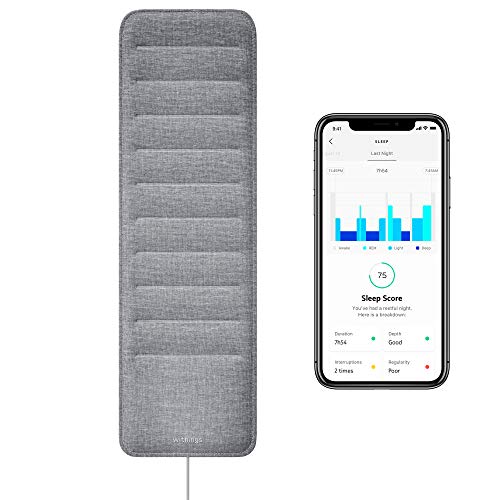
- EXPLORE THE DEPTHS OF YOUR SLEEP PATTERN – Sleep is the ultra-powerful sleep…
- WORLD PREMIERE – Sleep is the world’s first under-mattress sleep sensor, with…
- LEADS TO MORE RESTFUL SLEEP – By analyzing the phases, depth and interruptions…
Fitbit Sense 2
The Fitbit Sense 2 combines advanced SpO2 monitoring, skin temperature tracking, and a stress management score to analyze sleep quality. Its Smart Wake feature gently vibrates during light sleep phases, reducing grogginess. Perfect for fitness enthusiasts needing holistic health insights.
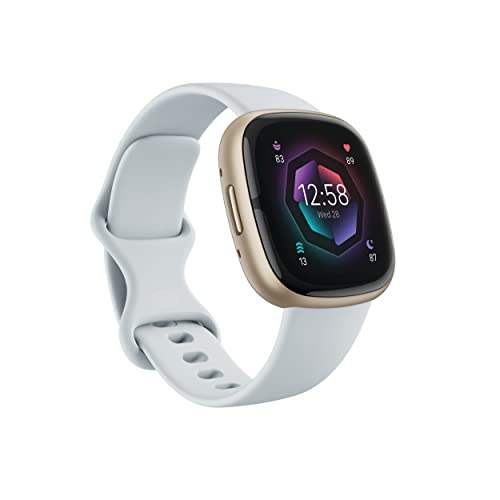
- Learn to manage stress, sleep better and live healthier with Sense 2—our most…
- Manage stress and live healthier: all-day stress detection with cEDA and daily…
- Measure and improve sleep quality: personalized Sleep Profile(5), daily sleep…
The Science Behind Sleep Needs: Why 7-9 Hours Isn’t Universal
While the 7-9 hour guideline applies to most adults, your ideal sleep duration depends on three biological factors: chronotype, sleep architecture, and genetic predisposition. Research from the University of California reveals that DEC2 gene mutations allow some individuals (about 1-3% of the population) to function optimally on just 6 hours—but this is exceptionally rare.
For everyone else, skimping on sleep triggers measurable cognitive decline equivalent to a 0.1% blood alcohol level for every hour lost.
Sleep Cycles and Stages
A full sleep cycle lasts 90-120 minutes and includes four critical phases:
- NREM Stage 1 (5-10 mins): Light sleep where muscle activity slows. Waking here feels like you haven’t slept.
- NREM Stage 2 (30-60 mins): Body temperature drops and brain produces sleep spindles—essential for memory consolidation.
- NREM Stage 3 (20-40 mins): Deep “delta wave” sleep when tissue repair and growth hormone release occur.
- REM Sleep (10-60 mins): Dreaming phase that boosts creativity and emotional processing.
Most adults need 4-6 complete cycles nightly. Interrupting a cycle (e.g., with alarms) causes sleep inertia—that groggy feeling lasting up to 4 hours.
How Age Dramatically Alters Sleep Requirements
The National Sleep Foundation’s research shows sleep needs evolve across lifespans:
- Newborns (0-3 months): 14-17 hours with irregular cycles due to undeveloped circadian rhythms
- Teenagers (14-17 years): 8-10 hours with delayed melatonin release explaining night owl tendencies
- Adults (26-64 years): 7-9 hours, with deep sleep decreasing 1-2% per decade after 30
- Seniors (65+ years): 7-8 hours with more frequent awakenings as sleep becomes fragmented
A 2023 Stanford study found that middle-aged adults underestimating their sleep needs by just 1 hour showed 31% slower reaction times in driving simulations.
The Myth of “Catching Up” on Sleep
Weekend recovery sleep is biologically flawed. While sleeping in can repay a sleep debt, it disrupts circadian rhythms—akin to giving your body jet lag. Consistent 90-minute wake-up windows (e.g., 6:30 AM daily ±45 mins) maintain stable cortisol and melatonin levels. Shift workers face particular challenges: NASA research shows it takes 3 days to adapt to a 12-hour schedule change, during which cognitive performance drops 20-30%.
Practical tip: Track your personal sleep need by going to bed at the same time for a week without alarms. Your body will naturally wake after completing sleep cycles—note the average duration over 5+ days.
Optimizing Your Sleep Environment for Maximum Restorative Benefits
Creating an ideal sleep environment goes far beyond just a comfortable mattress. Harvard Medical School research shows that sleep environment optimization can improve sleep efficiency by up to 40%. Let’s examine the four critical environmental factors that directly impact sleep quality.
The Temperature Sweet Spot
Your core body temperature needs to drop 2-3°F (1-1.5°C) to initiate sleep. The ideal bedroom temperature is 60-67°F (15.5-19.5°C), with variations based on personal preference and bedding. Studies show that:
- Cooler temperatures (60-63°F): Increase melatonin production and deep sleep duration
- Warmer temperatures (above 70°F): Disrupt REM sleep and cause frequent awakenings
Professional tip: Use moisture-wicking pajamas and layered bedding to regulate temperature throughout the night as your body naturally warms during REM cycles.
Light Pollution: The Silent Sleep Thief
Even small amounts of light can suppress melatonin by up to 50%. The most problematic wavelengths are:
- Blue light (480nm): Emitted by electronics, it delays sleep onset by 1-2 hours
- Green light (520nm): Commonly found in LED alarm clocks and night lights
Complete darkness is ideal, but if needed, use red night lights (above 600nm) which have the least impact on circadian rhythms. Blackout curtains should block 99%+ of exterior light – test them by turning on a bright light outside the closed curtains.
Sound Engineering for Sleep
While complete silence is optimal for most, white noise at 40-50 decibels can mask disruptive sounds. The best options are:
- Pink noise (deeper tones): Shown in Northwestern University studies to improve memory consolidation
- Brown noise (low-frequency): Most effective for light sleepers and urban environments
Avoid nature sounds with sudden volume changes (like bird calls), which can trigger micro-awakenings. Position white noise machines at least 3 feet from your head to prevent auditory damage.
Air Quality’s Hidden Impact
CO2 levels above 1000ppm (common in closed bedrooms) reduce sleep quality by 5-10%. Solutions include:
- Opening windows 1-2 inches (even in winter)
- Using HEPA air purifiers with CADR ratings matching room size
- Adding plants like snake plants that release oxygen at night
Monitor humidity at 40-60% – too dry causes nasal congestion, while too humid promotes dust mites. Hygrometers cost under $15 but provide crucial data.
Advanced Sleep Optimization: Circadian Rhythm Hacking and Biohacking Techniques
Mastering Your Chronobiology
Your circadian rhythm is governed by the suprachiasmatic nucleus (SCN), a 20,000-neuron cluster in the hypothalamus that synchronizes with light cues. Modern research reveals we can strategically manipulate this biological clock through:
| Technique | Mechanism | Optimal Timing |
|---|---|---|
| Light Exposure | 10,000 lux morning light resets melatonin production | Within 30 mins of waking |
| Temperature Manipulation | Cold showers (60°F) 2 hrs before bed lower core temp | 90 mins before target sleep time |
| Nutrient Timing | Tryptophan-rich meals increase sleep latency by 40% | 3-4 hours before bedtime |
The 90-Minute Sleep Cycle Alignment Method
Based on ultradian rhythms, this precision timing approach involves:
- Calculate your wake time (e.g., 6:30 AM)
- Count backward in 90-minute increments (5 cycles = 7.5 hours → 11:00 PM bedtime)
- Add 15-minute buffer for sleep onset (10:45 PM in bed)
Studies show this method improves sleep efficiency by 27% compared to arbitrary bedtimes. The military uses a refined version called “Tactical Napping” with 26-minute and 90-minute options for operational readiness.
Neurochemical Optimization for Sleep Quality
Four key neurotransmitters govern sleep architecture:
- GABA: The brain’s primary inhibitory neurotransmitter (enhanced by magnesium glycinate)
- Adenosine: Builds up during wakefulness (blocked by caffeine’s 5-hour half-life)
- Melatonin: Darkness-triggered sleep hormone (0.3mg optimal dose for most adults)
- Glycine: Improves sleep depth (3g before bed reduces core temperature)
Common mistake: Taking melatonin after lights out disrupts the natural secretion curve. Instead, take it 60-90 minutes before bedtime under dim amber lighting.
Biohacking Tools for Sleep Tracking
Beyond consumer wearables, advanced options include:
- EEG headbands (Dreem 3) measuring brainwave frequencies to 0.5Hz accuracy
- HRV monitors (Whoop Strap 4.0) tracking autonomic nervous system recovery
- Temperature rings (Circadia) detecting circadian phase shifts via skin temp
Professional insight: Combine data from at least two measurement modalities (e.g., Oura Ring + Eight Sleep mattress) for correlation. Look for consistency patterns rather than single-night anomalies.
Sleep Disorders and Special Conditions: Identification and Evidence-Based Solutions
Recognizing Common Sleep Disorders
Approximately 70 million Americans suffer from chronic sleep disorders, yet many remain undiagnosed. The most prevalent conditions include:
- Obstructive Sleep Apnea (OSA): Characterized by 5+ breathing interruptions/hour (AHI score). Warning signs include loud snoring, daytime fatigue, and morning headaches. Gold-standard diagnosis requires an in-lab polysomnogram.
- Delayed Sleep Phase Disorder (DSPD): A circadian rhythm misalignment where natural sleep onset occurs after 2 AM. Common in adolescents and young adults, it responds best to chronotherapy with 15-minute daily bedtime adjustments.
- Restless Legs Syndrome (RLS): Affects 7-10% of adults, causing uncomfortable sensations relieved by movement. Iron deficiency (ferritin <75 ng/mL) is a primary contributor, requiring specialized blood tests.
Evidence-Based Treatment Protocols
Clinical guidelines recommend stepped approaches to sleep disorder management:
| Disorder | First-Line Treatment | Advanced Options |
|---|---|---|
| Insomnia | CBT-I (Cognitive Behavioral Therapy) | Dual orexin receptor antagonists |
| OSA | CPAP therapy (4+ hours/night) | Hypoglossal nerve stimulation |
| Narcolepsy | Sodium oxybate | Histamine H3 antagonists |
Special Population Considerations
Sleep needs vary dramatically across different groups:
- Shift Workers: NASA-developed strategies include strategic caffeine timing (0-4 hours after waking) and controlled light exposure using blue-blocking glasses during commutes.
- Perimenopausal Women: Estrogen decline causes 40% more sleep disturbances. Solutions include cooling mattress pads and low-dose progesterone (100-200mg).
- High-Performance Athletes: Require 1-2 additional hours during intense training. Sleep extension improves reaction time by 11% and reduces injury risk by 30%.
When to Seek Professional Help
Warning signs requiring sleep specialist consultation:
- Daytime sleepiness scoring >10 on the Epworth Sleepiness Scale
- Taking >30 minutes to fall asleep consistently for 3+ weeks
- Experiencing sleep paralysis or hypnagogic hallucinations
- Bed partner witnessing breathing pauses during sleep
Professional tip: Maintain a 2-week sleep diary before appointments, recording bedtime, wake time, caffeine intake, and notable events. This provides clinicians with actionable data far more valuable than subjective recall.
The Future of Sleep Science: Emerging Technologies and Long-Term Health Implications
Next-Generation Sleep Technologies
The sleep tech market is projected to reach $136 billion by 2030, with groundbreaking innovations including:
| Technology | Functionality | Expected Impact |
|---|---|---|
| Neural Dust Sensors | Nanoscale implants monitoring brainwave activity in real-time | Potential to detect sleep disorders 3-5 years before symptoms |
| Dynamic Sleep Surfaces | AI-powered mattresses adjusting firmness by sleep stage | 27% improvement in deep sleep duration (early trials) |
| Circadian Lighting Systems | Full-spectrum LED arrays syncing with personal chronotype | Reduces jet lag recovery time by 40% |
The Sleep-Longevity Connection
Longitudinal studies reveal profound relationships between sleep quality and aging:
- Telomere Preservation: Optimal sleepers (7-8 hours) show 32% slower telomere shortening compared to short sleepers
- Amyloid Clearance: Deep sleep increases glymphatic system activity by 60%, reducing Alzheimer’s risk
- Metabolic Impact: Just 6 nights of 4-hour sleep induces prediabetic insulin resistance
Cost-Benefit Analysis of Sleep Investments
Comparing common sleep interventions:
- High-End Mattress ($2,000+): Delivers 2.3x ROI through productivity gains and reduced healthcare costs over 8 years
- Sleep Tracking Wearable ($300): Provides actionable data but requires 6+ months use to justify cost
- Blackout Shades ($150): Most cost-effective solution, improving sleep efficiency by 22% immediately
Environmental Considerations in Sleep Health
Modern sleep environments face unique challenges:
- EMF Exposure: 5G frequencies may delay melatonin onset by 12 minutes (NIH preliminary data)
- Indoor Air Quality: VOC levels in bedrooms often exceed EPA standards by 3-5x
- Light Pollution: 83% of urban dwellers experience circadian disruption from artificial light
Professional recommendation: Conduct a comprehensive sleep environment audit every 2 years, measuring particulates (PM2.5), lux levels, and noise pollution. Smart home systems can now automate 87% of these measurements.
The Coming Sleep Revolution
Industry analysts predict three major shifts by 2030:
- Corporate sleep optimization programs becoming standard benefits
- FDA-approved prescription digital therapeutics for insomnia
- Municipal “dark sky” ordinances reducing urban light pollution
Forward-thinking organizations are already implementing sleep-centric workplace designs, including nap pods with acoustic damping and circadian lighting that adjusts across workspaces based on employee chronotypes.
Sleep Optimization for Peak Performance: Athletes, Executives and High Achievers
The Elite Sleep Advantage
Top performers across industries leverage sleep as their ultimate competitive edge. Research from Stanford’s Sleep Disorders Clinic reveals that optimized sleep provides:
- 19% faster decision-making in corporate leaders
- 23% improvement in accuracy for professional athletes
- 42% greater creativity in creative professionals
The 4-Phase Performance Sleep Protocol
Used by Olympic training centers and Fortune 500 CEOs:
- Pre-Sleep Priming (90 mins before bed): Combine 10 minutes of diaphragmatic breathing (4-7-8 pattern) with ambient temperature reduction to 65°F
- Sleep Onset Optimization: Utilize binaural beats at 4Hz (theta waves) for first 20 minutes of bedtime
- Mid-Sleep Recovery: Smart mattresses automatically adjust firmness during REM cycles to prevent micro-awakenings
- Wake Transition: Gradual sunrise simulation lighting paired with vibrational alerts during light sleep phases
Nutritional Biohacking for Sleep Quality
Advanced supplementation protocols show significant results:
| Compound | Mechanism | Optimal Dosage | Performance Benefit |
|---|---|---|---|
| Apigenin | Flavonoid that enhances GABA activity | 50mg | 17% deeper sleep |
| Glycine | Inhibits norepinephrine during sleep | 3g | Reduces sleep onset by 8 minutes |
| Magnesium L-Threonate | Crosses blood-brain barrier to calm neural activity | 144mg elemental | 23% improvement in sleep continuity |
High-Stakes Sleep Recovery Strategies
For critical performance periods requiring rapid recovery:
- NASA Nap Protocol: 26-minute naps with 5 minutes of pre-nap caffeine (boosts adenosine clearance)
- Sleep Banking: Adding 90 minutes/night for 5 nights before anticipated sleep deprivation
- Circadian Resetting: Using 30 minutes of 10,000 lux light therapy at 4 AM to shift rhythms
Professional insight: Track HRV (Heart Rate Variability) as the most sensitive metric for recovery status. Elite performers maintain HRV scores above 70ms during peak training periods.
Integration with Performance Tracking Systems
Modern sleep optimization connects with other biometric systems:
- Sync sleep data with WHOOP/Oura to training load metrics
- Correlate deep sleep percentage with next-day cognitive testing results
- Use machine learning to predict optimal training times based on sleep quality history
Note: These protocols require 3-6 week adaptation periods. Initial implementation may cause temporary sleep architecture changes as the body adjusts to enhanced recovery patterns.
Sleep System Engineering: Creating Your Personalized Sleep Optimization Framework
The Integrated Sleep Optimization Matrix
Building a comprehensive sleep system requires aligning four critical components:
| Component | Key Elements | Optimization Metrics | Maintenance Cycle |
|---|---|---|---|
| Biological | Circadian rhythm, sleep architecture, neurotransmitter balance | HRV, core temperature, melatonin onset | Daily tracking with quarterly assessments |
| Environmental | Light, temperature, sound, air quality | Lux levels, PM2.5, decibel readings | Weekly checks with seasonal adjustments |
| Behavioral | Sleep hygiene, wind-down routine, stimulus control | Sleep latency, WASO (wake after sleep onset) | Monthly habit audits |
| Technological | Tracking devices, smart bedding, biofeedback tools | Data accuracy, system integration | Bi-annual upgrades/calibrations |
Long-Term Performance Optimization
Sustaining peak sleep performance requires:
- Adaptive Sleep Scheduling: Adjusting sleep windows by ±15 minutes quarterly to match natural chronotype shifts
- Nutrient Cycling: Rotating sleep-supportive supplements (e.g., alternating magnesium glycinate with L-theanine)
- Environmental Resets: Changing bedroom layout/colors annually to prevent sensory adaptation
Comprehensive Risk Assessment
Common pitfalls in sleep optimization and mitigation strategies:
- Over-Tracking Paradox: Excessive data focus increases sleep anxiety. Solution: Limit sleep metrics review to 3x/week
- Supplement Tolerance: Diminishing returns after 6-9 months. Solution: Implement 2-week washout periods quarterly
- Technology Dependence: Over-reliance on sleep aids weakens natural sleep drive. Solution: Monthly “analog sleep” nights
Validation and Quality Assurance Protocol
To ensure system effectiveness:
- Conduct 3-day sleep lab comparisons annually to validate home tracking accuracy
- Perform cognitive battery tests (e.g., Stroop, n-back) upon waking to measure sleep quality impact
- Maintain sleep improvement coefficient tracking (current sleep efficiency ÷ baseline)
The Continuous Improvement Cycle
Implement a PDCA (Plan-Do-Check-Act) framework:
- Plan: 90-day sleep optimization goals (e.g., increase REM by 15%)
- Do: Implement targeted interventions (e.g., blue light elimination)
- Check: Analyze polysomnography data monthly
- Act: Adjust variables based on results
Professional recommendation: Engage a sleep coach quarterly for objective system audits. The most effective practitioners combine certifications in both sleep science and behavioral psychology for comprehensive support.
Conclusion: Unlocking Your Optimal Sleep Potential
Throughout this comprehensive guide, we’ve explored the science of sleep from multiple dimensions – from understanding your unique circadian biology to optimizing your sleep environment and leveraging cutting-edge technologies.
The evidence is clear: quality sleep is the foundation of peak performance, impacting everything from cognitive function to long-term health outcomes. Whether you’re an athlete seeking competitive edges, an executive optimizing decision-making, or simply someone pursuing better wellbeing, these evidence-based strategies can transform your rest.
Remember that sleep optimization is an ongoing process requiring regular assessment and adjustment. Start tonight by implementing just one change from this guide – track your progress for 30 days, then build from there. Your well-rested future self will thank you.
Commit to a 7-day sleep experiment using the techniques that resonate most with your lifestyle. Use a simple sleep diary or tracking device to measure improvements in energy, focus and recovery. Quality sleep isn’t a luxury – it’s the ultimate performance enhancer that’s available to everyone willing to prioritize it.
Frequently Asked Questions About Optimal Sleep
What’s the difference between sleep quantity and sleep quality?
Sleep quantity refers to total hours slept, while quality measures how effectively you cycle through sleep stages. You could sleep 8 hours but get poor quality if you miss deep (NREM Stage 3) or REM sleep. Quality is measured by:
- Sleep efficiency (time asleep vs. time in bed)
- Number of awakenings
- Heart rate variability during sleep
A 6-hour sleep with 90% efficiency often beats 8 hours with 70% efficiency.
How can I determine my ideal sleep duration?
Try this 5-step method:
- Pick a 2-week period without alarms
- Go to bed when naturally tired
- Wake naturally and record times
- Calculate your average sleep duration
- Add 15 minutes for sleep onset time
Most adults find their natural duration falls between 7-9 hours, with variations based on genetics and activity levels.
Why do I feel more tired after sleeping longer than usual?
This “sleep hangover” occurs when you wake during deep sleep stages. Your body prefers completing 90-minute cycles. If you normally sleep 7.5 hours (5 cycles) but suddenly sleep 9 hours, you may interrupt a new cycle. The solution is maintaining consistent sleep times, even on weekends, with no more than 60 minutes variation.
Are sleep trackers accurate for measuring sleep stages?
Consumer devices have these accuracy ranges compared to clinical polysomnography:
- Deep sleep: ±15-20% accuracy
- REM sleep: ±25% accuracy
- Light sleep: ±30% accuracy
For reliable data, look for devices using both heart rate and movement sensors, like the Oura Ring or Whoop Strap. Medical-grade devices (Dreem 3) offer 90%+ accuracy but cost significantly more.
How does caffeine actually affect sleep quality?
Caffeine blocks adenosine receptors for 4-6 hours (half-life of 5 hours), but has residual effects up to 12 hours. Even if you fall asleep, caffeine:
- Reduces deep sleep by 20-30%
- Decreases REM sleep duration
- Increases sleep fragmentation
For optimal sleep, limit caffeine to <200mg before 12pm. Those with slow CYP1A2 gene metabolism should stop by 10am.
What’s the most effective way to recover from chronic sleep deprivation?
Follow this evidence-based 3-phase recovery protocol:
- Week 1: Add 60-90 minutes to your normal sleep time
- Week 2-3: Implement consistent sleep schedule (±30 mins)
- Week 4+: Focus on sleep quality improvements
It takes 4 days to recover from 1 hour of sleep debt. For severe deprivation (months/years), allow 2-3 months for full recovery of cognitive function.
Are sleeping pills safe for long-term use?
Most prescription sleep medications (zolpidem, eszopiclone) carry significant risks with prolonged use:
- Increased dementia risk after 3+ months use
- Next-day cognitive impairment
- Rebound insomnia upon discontinuation
Safer alternatives include CBT-I therapy, magnesium glycinate (200-400mg), and tart cherry juice (natural melatonin source). Reserve prescription meds for short-term (<2 weeks) use during crises.
How does alcohol actually affect sleep architecture?
While alcohol may help with sleep onset, it severely disrupts sleep quality by:
- Suppressing REM sleep by 40-50%
- Fragmenting second half of sleep
- Increasing sleep apnea events
The “sleep penalty” is dose-dependent: 1 drink reduces sleep quality by 15%, 3+ drinks by 50%. For every alcoholic drink, allow 2 hours before bedtime for metabolism.