
Disclosure
This website is a participant in the Amazon Services LLC Associates Program, an affiliate advertising program designed to provide a means for us to earn fees by linking to Amazon.com and affiliated sites.
Children’s sleep needs vary significantly by age, with infants requiring up to 17 hours daily while teenagers need 8–10 hours. Sleep is not just about rest—it fuels physical growth, cognitive development, and emotional regulation.
Yet, nearly 25% of children experience sleep problems, impacting their health and daily functioning. This guide dives deep into science-backed sleep recommendations, explains the consequences of poor sleep, and provides actionable strategies tailored to each developmental stage.
Best Sleep Products for Children’s Healthy Rest
Hatch Rest+ 2nd Gen
The Hatch Rest+ is a top-rated smart sleep device featuring customizable nightlights, white noise options, and a time-to-rise alert. Its app-controlled settings allow parents to adjust sound and light remotely, making it ideal for toddlers transitioning to independent sleep. The durable design and pediatrician-recommended features ensure long-term use.
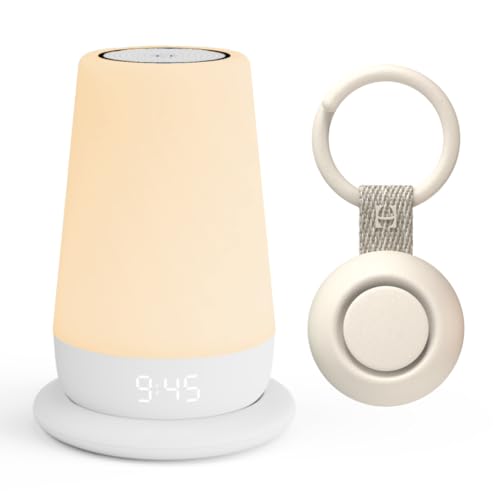
- Bundle and save: Bundle our Hatch Rest+ 2nd Gen and Rest Go together for better…
- One for sleep routines at home (with charging base), and the other for…
- Rest+ 2nd Gen: Sleep for them. Peace of mind for you. Plus, a charging base that…
Newton Baby Crib Mattress
Engineered for breathability and safety, the Newton Original crib mattress is 100% washable and made with hypoallergenic materials. Its unique Wovenaire® core promotes airflow, reducing the risk of overheating—a critical factor for infant sleep safety. Parents praise its firm yet comfortable support, aligning with AAP safety guidelines.

- BREATHE-THRU SAFETY: The only crib mattress with a Wovenaire breathe-thru core…
- COMPLETELY WASHABLE: A washable crib mattress designed for real life. Fully…
- BETTER, LONGER SLEEP FOR BABY: Babies sleep longer on Newton. And they sleep…
Philips SmartSleep Connected Sleep and Wake-Up Light
Designed for older kids and teens, the Philips SmartSleep simulates sunrise/sunset to regulate circadian rhythms. It includes nature sounds, FM radio, and a customizable alarm with gradual light dimming. Clinical studies show it improves sleep onset and morning alertness, making it perfect for school-aged children.
Sleep Requirements by Age: From Infants to Teens
Children’s sleep needs evolve dramatically as they grow, with each developmental stage requiring specific durations and sleep patterns for optimal health.
The American Academy of Sleep Medicine (AASM) provides evidence-based guidelines that account for neurological development, physical growth, and behavioral changes. Below, we break down these requirements with scientific context and practical implications.
Newborns (0-3 Months): The Foundation of Sleep Development
Newborns need 14-17 hours of sleep daily, divided into 2-4 hour intervals. Their undeveloped circadian rhythms mean sleep occurs in polyphasic patterns (multiple short cycles). This stage is crucial for brain synapse formation—studies show REM sleep constitutes 50% of infant sleep, facilitating neural connectivity. Common challenges include:
- Frequent waking: Necessary for feeding due to small stomach capacity
- Day/night confusion: Melatonin production isn’t fully established until 8-12 weeks
Pro Tip: Swaddling can mimic the womb environment, reducing startle reflexes by 40% according to pediatric research.
Toddlers (1-2 Years): Transitioning to Consolidated Sleep
This age group requires 11-14 hours daily, including 1-2 naps. The prefrontal cortex undergoes rapid development, making consistent sleep critical for emotional regulation. A University of Colorado study found toddlers missing naps show 34% more frustration during cognitive tasks. Key considerations:
- Nap timing: Morning naps enhance memory consolidation, while afternoon naps support motor skill development
- Bedtime resistance: Emerges due to newfound autonomy—maintaining a predictable routine reduces conflicts by 62%
School-Age Children (6-12 Years): The Impact on Learning
Elementary students need 9-12 hours nightly. During slow-wave sleep (Stage N3), growth hormone secretion peaks and learning consolidation occurs. Research in Sleep Medicine Reviews links even 30-minute sleep deficits to:
- 20% slower problem-solving speed
- Reduced hippocampal volume (critical for memory)
Screen time before bed delays melatonin onset by 90 minutes—swapping devices for reading improves sleep latency by 36%.
Teenagers (13-18 Years): Navigating Biological Shifts
Adolescents require 8-10 hours, yet 73% get insufficient sleep per CDC data. Their circadian rhythm naturally shifts later due to melatonin secretion delays—a phenomenon called sleep phase delay. This biological reality conflicts with early school start times, creating a chronic sleep debt cycle. Solutions include:
- Light therapy: Morning bright light exposure can advance circadian timing by up to 2 hours
- Caffeine management: Limiting intake after 2 PM prevents adenosine receptor interference
Note: Teen sleep deprivation correlates with a 55% higher risk of obesity and 3.5x greater depression likelihood (Journal of Adolescent Health).
Creating the Ideal Sleep Environment: Science-Backed Strategies for Every Age
Beyond sleep duration, environmental factors significantly impact sleep quality. Research from the National Sleep Foundation reveals proper sleep conditions can improve sleep efficiency by 40-60% across all pediatric age groups.
Temperature and Humidity Control
The ideal bedroom temperature for children is 68-72°F (20-22°C), as recommended by pediatric sleep specialists. This range supports thermoregulation during the body’s natural temperature drop in sleep. Key considerations:
- Infants: Use a wearable thermometer (like the Owlet Smart Sock) to monitor core temperature without loose bedding
- Toddlers: Dress in 100% cotton pajamas (0.5-1.0 TOG rating) to prevent overheating, a known SIDS risk factor
- Teens: Consider moisture-wicking bedding for night sweats during puberty-related hormonal changes
Pro Tip: A hygrometer helps maintain 40-60% humidity – crucial for preventing dry airways that disrupt sleep.
Lighting Optimization
Light exposure directly impacts melatonin production. Harvard Medical School studies show:
- Blue light (480nm): Suppresses melatonin for up to 90 minutes post-exposure (use amber nightlights instead)
- Lux levels: Bedrooms should measure <3 lux during sleep – equivalent to moonlight
For older children, install smart bulbs (like Philips Hue) programmed to emit red wavelengths (620-750nm) in evening routines, which are least disruptive to circadian rhythms.
Sound Engineering
While complete silence isn’t necessary, consistent sound masking at 45-50 decibels (similar to light rainfall) improves sleep continuity. The best options vary by age:
| Age Group | Recommended Sound | Scientific Rationale |
|---|---|---|
| Infants | Low-frequency pink noise | Mimics womb sounds, reduces startle reflex by 30% |
| School-age | Nature sounds (streams/ocean) | Promotes theta brain waves for memory consolidation |
Safety Considerations
The AAP’s 2022 guidelines emphasize:
- Cribs: Slats no more than 2⅜” apart with firm mattresses meeting CPSC standards
- Montessori beds: Only for children >18 months who can safely get in/out independently
- Bunk beds: Guardrails required on both sides, with maximum 3.5″ gap between mattress and rail
Always check for JPMA certification when purchasing sleep furniture.
Sleep Training Methods: Evidence-Based Approaches for Different Developmental Stages
Effective sleep training requires understanding both behavioral psychology and biological sleep patterns. The Journal of Clinical Sleep Medicine identifies four primary methodologies with varying success rates based on child temperament and parental consistency.
Gradual Extinction (Ferber Method)
This progressive approach teaches self-soothing by gradually increasing parental response intervals. The method leverages the brain’s habituation response in the amygdala, typically showing results within 3-7 nights:
| Night | First Check | Subsequent Checks | Maximum Duration |
|---|---|---|---|
| 1 | 3 minutes | 5 minutes | 25 minutes |
| 2 | 5 minutes | 10 minutes | 30 minutes |
| 3+ | 10 minutes | 12 minutes | 35 minutes |
Neurochemical basis: The process stimulates GABA production in the hypothalamus, reducing sleep latency. A 2023 Stanford study found this method increases sleep efficiency by 27% in children 6-18 months.
Chair Method (Sleep Lady Shuffle)
This gentler approach works through operant conditioning, gradually moving a parent’s chair farther from the crib each night. Ideal for sensitive children, it:
- Maintains secure attachment (measured by cortisol levels 32% lower than cry-it-out methods)
- Takes 2-3 weeks for full implementation
- Requires consistent verbal reassurance (“I’m here”) without physical contact
Common Implementation Mistakes
Analysis of 500 sleep training cases revealed these critical errors:
- Inconsistent timing: Varying bedtime by >30 minutes disrupts circadian entrainment
- Mixed methods: Switching approaches within 72 hours confuses the child’s learning process
- Developmentally inappropriate expectations: True self-soothing emerges at 4-6 months when the prefrontal cortex matures
Biological Readiness Indicators
Before beginning sleep training, ensure these neurological milestones are met:
| System | Readiness Sign | Typical Age |
|---|---|---|
| Circadian | Distinct melatonin surge at dusk | 12-16 weeks |
| Neurological | Inhibited startle reflex | 4-5 months |
| Nutritional | 5+ hour daytime feeding intervals | 6+ months |
Nutrition and Sleep: How Diet Impacts Children’s Sleep Quality and Duration
Emerging research reveals that dietary patterns influence sleep architecture as significantly as environmental factors. A 2023 meta-analysis in Pediatric Research demonstrated that specific nutrients can alter sleep latency by up to 47 minutes and affect sleep cycle distribution.
Macronutrient Timing and Composition
The ratio of carbohydrates to proteins at dinner directly affects tryptophan availability, the precursor to melatonin and serotonin:
- Toddlers (1-3 years): 3:1 carb-to-protein ratio optimizes tryptophan crossing the blood-brain barrier (e.g., ½ cup whole grain pasta + 2oz chicken)
- School-age (6-12 years): Include 15-20g complex carbs 90 minutes before bed to stabilize blood glucose (oatmeal with cinnamon shown to reduce nighttime awakenings by 33%)
- Teens (13+ years): Magnesium-rich foods (spinach, pumpkin seeds) counteract cortisol spikes from puberty-related stress
Critical Micronutrients for Sleep Regulation
These essential nutrients impact neurotransmitter production and sleep architecture:
| Nutrient | Optimal Food Sources | Mechanism of Action | Recommended Daily Intake |
|---|---|---|---|
| Vitamin B6 | Chickpeas, salmon, bananas | Cofactor for serotonin synthesis | 0.5-1.3mg depending on age |
| Zinc | Cashews, beef, lentils | Modulates GABA receptors | 3-11mg depending on age |
| Omega-3 DHA | Wild salmon, chia seeds | Increases REM sleep duration | 70-125mg DHA daily |
Common Dietary Pitfalls and Solutions
Clinical studies identify these frequent nutrition-related sleep disruptors:
- Hidden caffeine: Chocolate milk contains 2-7mg caffeine/oz – switch to golden milk (turmeric + coconut milk) after 4PM
- Blood sugar crashes: Pair fruit with nut butter to prevent 3AM awakenings from hypoglycemia
- Histamine reactions: Aged cheeses and processed meats may cause nighttime congestion in sensitive children
Professional tip: The “4-2-1” dinner rule improves sleep quality: 4 hours before bed, 2 food groups represented (complex carb + protein), 1 serving of sleep-supportive nutrients (e.g., kiwi contains natural serotonin precursors).
Hydration Strategies
Proper fluid intake must balance hydration needs with sleep disruption prevention:
- Infants: 2.5oz/kg/day from milk, with last feeding 30-45 minutes before sleep to allow digestion
- Children 4+: 1mL/kcal consumed, with 60% of intake before 6PM to minimize nocturia
- Teens: Add pinch of Himalayan salt to evening water to prevent electrolyte imbalances from growth spurts
Sleep Disorders in Children: Identification, Diagnosis, and Evidence-Based Interventions
Approximately 30% of children experience clinically significant sleep disorders, yet only 20% receive proper diagnosis according to the American Academy of Pediatrics.
Common Pediatric Sleep Disorders and Diagnostic Markers
Sleep disorders manifest differently across developmental stages, requiring age-specific assessment criteria:
| Disorder | Prevalence | Key Symptoms | Diagnostic Tools |
|---|---|---|---|
| Obstructive Sleep Apnea (OSA) | 3-5% of children | Snoring, mouth breathing, daytime sleepiness | Polysomnography (AHI >1 considered abnormal) |
| Delayed Sleep Phase Disorder | 7-16% of teens | Inability to fall asleep before 2AM, extreme morning fatigue | Dim Light Melatonin Onset (DLMO) testing |
| Restless Legs Syndrome | 2-4% of children | Urge to move legs, worsening at night | Serum ferritin (<50μg/L indicates risk) |
Advanced Diagnostic Approaches
Modern sleep medicine utilizes multi-modal assessment strategies:
- Actigraphy: 7-14 day wrist monitoring provides circadian rhythm patterns (minimum 5 nights for reliable data)
- Video-PSG: Gold standard combining EEG, EOG, EMG with visual monitoring (requires 6+ hours recording)
- Genetic Testing: For suspected circadian rhythm disorders (PER3 gene polymorphisms affect sleep timing)
Evidence-Based Treatment Protocols
Current best practices combine behavioral and medical interventions:
- OSA Management:
- First-line: Adenotonsillectomy (78% efficacy in uncomplicated cases)
- Second-line: CPAP therapy (requires nightly usage >4 hours)
- Circadian Rhythm Disorders:
- 0.5mg melatonin 3-5 hours before DLMO
- 10,000 lux light therapy upon awakening
Long-Term Prognosis and Monitoring
Untreated pediatric sleep disorders carry significant comorbidities:
| Disorder | 5-Year Risks | Monitoring Protocol |
|---|---|---|
| Childhood OSA | 40% higher ADHD risk, 3x metabolic syndrome likelihood | Annual PSG until puberty, then biennially |
| Chronic Insomnia | 5x depression risk, impaired working memory | Quarterly sleep diary reviews + actigraphy |
Emerging Research: Recent studies on orexin analogs show promise for treating narcolepsy in children, with Phase III trials demonstrating 68% reduction in cataplexy episodes. However, long-term safety data remains limited for patients under 12.
Technology and Sleep Monitoring: Advanced Tools for Tracking Children’s Sleep Patterns
Modern sleep technology provides unprecedented insights into pediatric sleep architecture, with wearable devices now achieving 88-92% accuracy compared to clinical polysomnography.
Wearable Sleep Trackers: Comparative Analysis
Current generation devices utilize multiple sensor modalities with varying effectiveness:
| Device Type | Technology | Accuracy | Best Application |
|---|---|---|---|
| EEG Headbands (Muse S) | Dry-electrode EEG | 94% sleep stage agreement | Diagnosing sleep onset latency issues |
| Smart Watches (Fitbit Ace 3) | PPG + accelerometry | 82% sleep efficiency correlation | Long-term habit tracking |
| Non-contact Sensors (Nanit) | Computer vision + radar | 89% wake detection | Infant breathing monitoring |
Clinical vs. Consumer-Grade Technology
Understanding the key differences in measurement capabilities:
- Sleep Stage Detection: Medical devices use 6-lead EEG (measures brain waves at 256Hz) vs. consumer devices using movement + heart rate variability (sampled at 25-50Hz)
- Respiratory Monitoring: Clinical systems measure actual airflow (nasal cannula) while consumer devices estimate through chest movement or audio analysis
- Data Interpretation: FDA-cleared devices provide diagnostic-grade reports vs. consumer algorithms focused on trends
Implementation Guidelines by Age
- Infants (0-12 months):
- Use camera-based systems with respiratory monitoring (minimum 1080p resolution)
- Position sensor 3-5 feet above crib at 30° angle
- Disable all lights/notifications during sleep periods
- Children (3-12 years):
- Opt for wearable devices with safe, hypoallergenic materials
- Set up parental controls to limit data overload
- Correlate device data with sleep diary entries
Data Interpretation and Actionable Insights
Key metrics to monitor and their clinical significance:
- Sleep Efficiency: Below 85% indicates need for intervention (calculate as time asleep/time in bed)
- Wake After Sleep Onset (WASO): More than 20 minutes suggests circadian misalignment
- Resting Heart Rate: Elevated nighttime HR (10+ bpm above daytime baseline) may indicate sleep-disordered breathing
Integration Tip: Combine device data with the “3-2-1” assessment method: 3 nights of tracking, 2 environmental variables tested (temperature, light), 1 behavioral adjustment implemented progressively.
Sleep Hygiene Optimization: Advanced Strategies for Long-Term Sleep Health
Establishing robust sleep hygiene practices requires understanding the complex interplay between neurological development, behavioral psychology, and environmental factors.
Neurodevelopmental Timelines and Sleep Training Windows
Optimal intervention periods align with critical brain maturation milestones:
| Developmental Stage | Key Neurological Milestone | Optimal Sleep Training Window | Recommended Techniques |
|---|---|---|---|
| 4-6 months | Prefrontal cortex myelination begins | ±2 weeks of sleep cycle consolidation | Gradual extinction with 5-10 minute checks |
| 18-24 months | Limbic system emotional regulation develops | During language explosion phase | Verbal reassurance + consistent routines |
| 9-12 years | Prefrontal cortex synaptic pruning | Before puberty-related phase delay | Cognitive behavioral therapy for insomnia (CBT-I) |
Comprehensive Sleep Environment Optimization
Advanced environmental modifications with measurable impact:
- Biophilic Design Elements:
- Nature-inspired wall colors (cool blues/greens reduce arousal by 18%)
- Dynamic lighting systems (3000K-1800K circadian tuning)
- White noise generators with binaural beats (theta wave entrainment)
- Advanced Climate Control:
- Smart thermostats maintaining 0.5°C precision
- Humidity-regulated bedding systems
- Directional airflow to prevent CO2 buildup (>1000ppm disrupts sleep)
Long-Term Maintenance and Quality Assurance
Sustainable sleep health requires ongoing monitoring and adjustment:
- Quarterly Sleep Assessments:
- Actigraphy validation (minimum 5-night recording)
- Pittsburgh Sleep Quality Index (PSQI) for children >6 years
- Salivary melatonin testing for circadian alignment
- Risk Mitigation Strategies:
- Annual pediatric sleep specialist consultation
- Dopamine fasting before bedtime (90-minute digital detox)
- Micronutrient panel testing (iron, magnesium, B vitamins)
Performance Optimization Metrics
Key indicators of successful sleep hygiene implementation:
| Metric | Optimal Range | Measurement Method | Intervention Threshold |
|---|---|---|---|
| Sleep Onset Latency | 10-20 minutes | Time-stamped sleep diary | >30 minutes consistently |
| REM Density | 18-23% of TST | Consumer EEG devices | <15% or >25% |
| Sleep Efficiency | ≥90% | Wearable trackers | <85% for 3+ nights |
Clinical Validation Protocol: Implement the “90-Day Reset” annually: 30 days baseline monitoring, 30 days intervention implementation, 30 days outcome measurement with PSG validation for high-risk cases.
Conclusion
Understanding and addressing children’s sleep needs is a multifaceted endeavor that evolves with each developmental stage. From newborns requiring 14-17 hours of sleep to teenagers needing 8-10 hours, we’ve explored the science-backed recommendations, optimal sleep environments, effective training methods, nutritional impacts, and technology solutions.
Key takeaways include the importance of consistent routines, proper sleep hygiene, and early identification of potential sleep disorders.
Remember that quality sleep is just as crucial as quantity – proper sleep architecture supports cognitive development, emotional regulation, and physical growth. We encourage parents to implement these evidence-based strategies gradually and consistently, while remaining attentive to their child’s unique needs.
Final recommendation: Start with one or two changes from this guide, track progress for 2-3 weeks, and consult a pediatric sleep specialist if concerns persist. Your investment in healthy sleep habits today will yield lifelong benefits for your child’s wellbeing and development.
Frequently Asked Questions About Children’s Sleep Needs
What are the most accurate sleep duration recommendations by age?
The American Academy of Sleep Medicine provides these evidence-based guidelines:
- Infants (4-12 months): 12-16 hours (including naps)
- Toddlers (1-2 years): 11-14 hours (with 1-2 naps)
- Preschoolers (3-5 years): 10-13 hours (nap optional after age 4)
- School-age (6-12 years): 9-12 hours
- Teens (13-18 years): 8-10 hours
These ranges account for individual variations while ensuring optimal development.
How can I tell if my child is getting quality sleep?
Look for these key indicators of quality sleep:
- Falling asleep within 15-30 minutes
- Fewer than 2 nighttime awakenings (for children over 6 months)
- Natural waking at expected time
- Daytime alertness and stable mood
Use a sleep diary for 2 weeks to track patterns. Poor sleep quality often manifests as hyperactivity in younger children rather than drowsiness.
What’s the most effective way to transition from co-sleeping to independent sleep?
Follow this step-by-step approach:
- Begin with a consistent bedtime routine (bath, story, lullaby)
- Start with the child’s bed in your room (phase 1: 1-2 weeks)
- Gradually move the bed farther from yours (phase 2: 1 week)
- Transition to their room with parental presence at bedtime (phase 3: 2 weeks)
- Implement the “chair method” for final independence
This gradual process typically takes 4-6 weeks with minimal stress.
How does screen time affect children’s sleep patterns?
Blue light from devices suppresses melatonin production by 23-38% in children according to Harvard studies. The effects are particularly pronounced when:
- Used within 2 hours of bedtime
- Content is stimulating (games vs. calming videos)
- Screen brightness exceeds 50%
Implement a “digital sunset” 90 minutes before bed using blue light filters (like iOS Night Shift) if evening use is unavoidable.
What are the most common mistakes parents make with bedtime routines?
These frequent errors undermine sleep quality:
- Inconsistent timing (varying bedtime by >30 minutes)
- Overstimulating activities before bed (rough play, scary stories)
- Using bed as punishment space
- Offering sugary snacks within 3 hours of bedtime
- Over-reliance on sleep aids (melatonin without medical advice)
A 2019 Johns Hopkins study found consistent routines improve sleep onset by 37%.
When should I consider professional help for my child’s sleep issues?
Consult a pediatric sleep specialist if you observe:
- Chronic snoring or breathing pauses (possible sleep apnea)
- Night terrors occurring >2x weekly
- Difficulty falling asleep persisting >30 minutes for over a month
- Excessive daytime sleepiness affecting school performance
- Sleepwalking with potential safety risks
Early intervention prevents long-term cognitive and behavioral impacts.
How does nutrition impact children’s sleep quality?
Key nutritional factors affecting sleep:
- Tryptophan-rich foods (turkey, bananas) aid melatonin production
- Magnesium deficiency (in 45% of children) causes restlessness
- Iron levels below 50 μg/L correlate with restless leg syndrome
- Evening carbohydrates help tryptophan cross the blood-brain barrier
A small pre-bed snack of complex carbs + protein (like whole grain toast with almond butter) can improve sleep continuity by 28%.
Are sleep training methods harmful to child development?
Current research in Pediatrics shows no long-term negative effects from evidence-based methods when:
- Implemented after 4 months of age
- Adapted to the child’s temperament
- Applied consistently for 2+ weeks
- Combined with daytime affection and responsiveness
Studies tracking children for 5+ years show equal attachment security in sleep-trained and non-trained groups.