
Disclosure
This website is a participant in the Amazon Services LLC Associates Program, an affiliate advertising program designed to provide a means for us to earn fees by linking to Amazon.com and affiliated sites.
Every parent wonders, “How much sleep does my child really need?” The answer varies by age, developmental stage, and individual needs, but sleep is a critical pillar of your child’s health, growth, and cognitive development.
According to the American Academy of Pediatrics (AAP) and the National Sleep Foundation, children require significantly more sleep than adults—ranging from 12-16 hours for infants to 8-10 hours for teenagers. Without adequate rest, children may face challenges in learning, behavior, and even physical health.
Best Sleep Aids for Children
Hatch Rest+ Baby Sound Machine & Night Light (2nd Gen)
The Hatch Rest+ is a top-rated smart sleep device that combines a white noise machine, night light, and time-to-rise alert in one. Parents love its customizable sound options (including lullabies and nature sounds) and app-controlled features, making it perfect for establishing consistent bedtime routines for toddlers and older kids.

Graco Sense2Snooze Bassinet
For infants struggling with sleep, the Graco Sense2Snooze Bassinet offers three motion settings and white noise to soothe fussy babies. Its responsive cry detection technology helps lull babies back to sleep, while the breathable mesh sides ensure safety—ideal for newborns up to 5 months.

- Multi-direction seat offers more ways to soothe
- 3 adjustable swing speeds ensure finding just the right soothing pace to fit…
- Vibration with 2 speed settings so baby will remain soothed and content
Dreamland Baby Sleep Sack (12-24 Months)
The Dreamland Baby Sleep Sack provides gentle, evenly distributed pressure to help toddlers feel secure and sleep longer. Made from breathable cotton and free from harmful materials, it’s a pediatrician-approved solution for children transitioning out of swaddles.
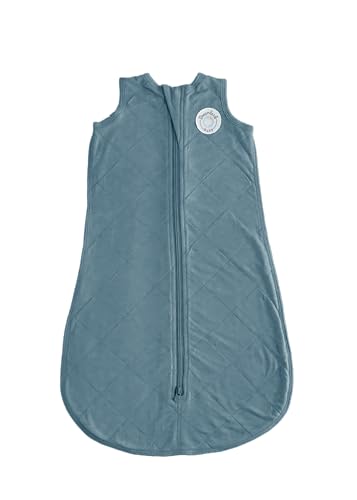
- [Buttery Soft & High Quality] Designed with our custom-milled LuxeWeave fabric…
- [Innovative Design] The Classic Bamboo Viscose Sleep Sack was designed with…
- [Lightweight Sleep Sack] Our 1.0 TOG Sleep Sack features dreamy material…
Sleep Requirements by Age: A Science-Backed Breakdown
Why Sleep Needs Change as Children Grow
Sleep is not a one-size-fits-all requirement—children’s needs evolve dramatically from infancy through adolescence due to brain development, physical growth, and changing circadian rhythms.
Newborns spend up to 17 hours asleep because their brains are rapidly forming neural connections, while teenagers require deep sleep for hormonal regulation during puberty.
The National Sleep Foundation’s research shows that missing just 30-60 minutes of needed sleep can impair memory consolidation and immune function in children.
Detailed Sleep Duration Guidelines
Below are evidence-based recommendations from the American Academy of Pediatrics (AAP), categorized by developmental stages:
- Newborns (0-3 months): 14-17 hours total sleep, including naps. Sleep cycles last only 50-60 minutes, explaining frequent waking for feeding.
- Infants (4-12 months): 12-16 hours with 2-4 daytime naps. This is when melatonin production begins to regulate.
- Toddlers (1-2 years): 11-14 hours, transitioning to one nap. Deep sleep phases lengthen to support motor skill development.
- Preschoolers (3-5 years): 10-13 hours. REM sleep peaks, crucial for emotional regulation and creativity.
- School-age (6-13 years): 9-12 hours. Growth hormone secretion during slow-wave sleep supports bone/muscle development.
- Teens (14-17 years): 8-10 hours. Delayed circadian rhythms make early bedtimes biologically challenging.
Common Misconceptions Debunked
Many parents believe “My child will sleep when tired”, but sleep deprivation in children often manifests as hyperactivity rather than drowsiness—a phenomenon called “paradoxical fatigue”.
Another myth is that cutting naps helps nighttime sleep; for toddlers, overtiredness triggers cortisol spikes that disrupt sleep. Research from the Journal of Clinical Sleep Medicine confirms that consistent bedtimes are more impactful than total sleep duration alone.
Practical Application: Calculating Your Child’s Ideal Bedtime
To determine the right bedtime, work backward from wake-up time:
- Subtract the recommended sleep hours for their age (e.g., 10 hours for a 7-year-old waking at 7 AM = 9 PM bedtime).
- Add 15-30 minutes for winding down (bath, reading).
- Adjust in 15-minute increments over a week if morning wakefulness is difficult.
Creating the Ideal Sleep Environment: Science-Backed Strategies
The 4 Pillars of Sleep-Inducing Bedrooms
Optimizing your child’s sleep space requires addressing multiple environmental factors simultaneously. Research from the Sleep Medicine Reviews journal shows proper sleep environments can improve sleep duration by up to 45 minutes per night in children.
- Light Control: Melanopsin receptors in children’s eyes are particularly sensitive to blue light. Use blackout curtains (like the Bella Total Blackout Curtains) and eliminate LED indicators from electronics.
- Temperature Regulation: The ideal range is 68-72°F (20-22°C). Use a Honeywell Thermostat to maintain consistency, as temperature fluctuations disrupt REM cycles.
- Sound Management: Continuous pink noise (47-53 dB) masks disruptive sounds more effectively than white noise. The LectroFan Kinder offers pediatrician-approved sound profiles.
- Safety Considerations: For infants, ensure a firm mattress with tight-fitting sheets (gap less than 1.5 inches) meeting CPSC standards.
Step-by-Step Bedtime Routine Development
Consistent pre-sleep rituals help trigger biological sleep processes through conditioned responses:
- Wind-Down Phase (60-90 min before bed): Begin with dim lighting and quiet activities. This allows cortisol levels to drop naturally.
- Hygiene Routine (30 min): A warm bath (100°F/38°C) raises then rapidly lowers core body temperature, mimicking natural sleep onset thermoregulation.
- Connection Time (15 min): Reading physical books (not tablets) reduces stress hormones. The American Academy of Pediatrics recommends 3-5 books for preschoolers.
- Transition to Bed (5 min): Use a predictable phrase like “Time to rest your growing body” to create psychological closure.
Troubleshooting Common Sleep Environment Challenges
For children resisting sleep environments:
- Fear of darkness: Introduce a gradual dimming night light (red-spectrum only) like the VAVA Night Light, moving it farther from the bed weekly.
- Mattress preferences: Children often need firmer support than adults. The Newton Baby Mattress provides ideal firmness with breathable materials.
- Sibling sharing rooms: Use bunk bed placement strategies (younger child on bottom) and individual white noise machines to prevent sleep disruption.
Sleep Training Methods: Evidence-Based Approaches for Different Ages
The Science Behind Sleep Training Techniques
Sleep training works by helping children learn self-soothing skills while respecting their developmental capabilities. Neuroscientific research shows that by 4-6 months, infants develop the neurological capacity for self-regulation, making this the ideal window to begin gentle sleep training.
The key lies in balancing circadian rhythm development with emotional security needs.
| Method | Best Age Range | Scientific Basis | Average Success Time |
|---|---|---|---|
| Fading Method | 6-18 months | Gradual reduction of parental presence allows for secure attachment while building independence | 10-14 nights |
| Chair Method | 2-4 years | Uses proximity as comfort while establishing sleep boundaries | 7-10 nights |
| Bedtime Fading | 3-6 years | Works with natural sleep onset times then gradually advances bedtime | 2-3 weeks |
Step-by-Step Implementation of the Fading Method
This pediatrician-recommended approach combines gradual independence with emotional support:
- Establish Baseline (3 nights): Document natural sleep patterns without intervention
- Phase 1 (nights 4-7): Sit beside crib/bed until asleep, reducing interaction gradually each night
- Phase 2 (nights 8-10): Move chair halfway to door, using only verbal reassurance if needed
- Phase 3 (nights 11+): Sit near doorway, then outside room, checking at progressively longer intervals
Advanced Considerations for Successful Sleep Training
Professional sleep consultants emphasize these often-overlooked factors:
- Timing Matters: Avoid starting during developmental milestones (teething, learning to walk) or family stressors
- Consistency is Key: Varying responses to night wakings (sometimes rocking, sometimes ignoring) creates confusion
- Daytime Preparation: Ensure adequate daytime calories and nap quality to prevent overtiredness interfering with training
Common mistakes include giving up too soon (most methods require 7-14 days for full effect) and not adjusting for temperament – sensitive children may need slower progression through phases. The Journal of Developmental & Behavioral Pediatrics reports 82% success rates when methods are properly matched to child age and personality.
Nutrition and Sleep: Optimizing Your Child’s Diet for Better Rest
The Biochemical Connection Between Food and Sleep
Nutrition plays a critical role in sleep quality through its impact on neurotransmitters and hormones. Tryptophan, an amino acid found in certain foods, converts to serotonin and then melatonin – the primary sleep hormone.
Research from Sleep Medicine Clinics shows that children consuming tryptophan-rich foods 1-2 hours before bedtime fall asleep 15-20% faster. However, the timing and combination of nutrients matter significantly.
Ideal Bedtime Snacks: Composition and Timing
The perfect pre-sleep snack combines complex carbohydrates with protein in a 3:1 ratio. This combination enhances tryptophan absorption while stabilizing blood sugar levels throughout the night:
- Best Options: Whole grain toast with almond butter, banana with yogurt, or oatmeal with milk
- Portion Size: 150-200 calories for toddlers, 200-250 for school-age children
- Timing: 45-60 minutes before bed allows for optimal digestion
- Temperature: Warm foods (like herbal tea or warm milk) can lower core body temperature slightly
Foods and Substances to Avoid
Certain dietary components can significantly disrupt children’s sleep architecture:
| Substance | Effect on Sleep | Hidden Sources |
|---|---|---|
| Caffeine | Blocks adenosine receptors for 6-8 hours | Chocolate milk, some medications, ice cream |
| High-glycemic foods | Causes blood sugar spikes leading to night wakings | Sweet cereals, fruit juices, white bread |
| Artificial colors | May increase hyperactivity in sensitive children | Yogurts, snacks, flavored milks |
Special Considerations for Common Scenarios
Tailoring nutrition approaches for specific situations:
- Night Wakings: If occurring at consistent times (e.g., 2 AM), add 5g protein to dinner (like 1 oz chicken or 1/4 cup beans)
- Early Rising: Include healthy fats at dinner (avocado, olive oil) for sustained energy
- Restless Sleep: Increase magnesium-rich foods (spinach, pumpkin seeds) which regulate GABA
Remember that dietary changes typically require 3-5 days to affect sleep patterns. The American Journal of Clinical Nutrition recommends keeping a sleep-food journal to identify individual responses. Always consult a pediatrician before making significant dietary modifications, especially for children with allergies or metabolic conditions.
Sleep Safety and Long-Term Health Considerations
Comprehensive Safety Guidelines by Developmental Stage
Sleep safety protocols must evolve with your child’s physical development and mobility. The American Academy of Pediatrics’ 2023 updated guidelines emphasize these critical safety measures:
| Age Group | Primary Safety Concerns | Preventative Measures | Product Safety Standards |
|---|---|---|---|
| 0-6 months | SIDS prevention, positional asphyxiation | Firm mattress, empty crib, back sleeping | CPSC 16 CFR 1219 (bassinets), ASTM F2194 (cribs) |
| 6-24 months | Falls, entrapment, climbing hazards | Lower mattress height, remove bumper pads | ASTM F1169 (full-size cribs) |
| 2-5 years | Bed transitions, furniture tip-overs | Guard rails, anchor furniture to walls | ASTM F1821 (toddler beds) |
| 5+ years | Nighttime anxiety, sleepwalking | Motion sensors, safe pathway lighting | UL 962A (furniture safety) |
Long-Term Health Impacts of Childhood Sleep Patterns
Emerging research reveals significant correlations between childhood sleep quality and adult health outcomes:
- Metabolic Health: Children with consistent sleep deficits show 40% higher risk of obesity by adolescence (Journal of Pediatrics, 2022)
- Cognitive Development: Just 30 minutes less sleep than needed reduces memory consolidation efficiency by 15% in school-age children
- Emotional Regulation: Chronic sleep deprivation in childhood correlates with increased anxiety disorders in adulthood
Cost-Benefit Analysis of Sleep Investments
Evaluating long-term value of sleep-related purchases:
- Quality Mattresses: While premium options (like Newton Baby at $299) cost 3x basic models, they last through multiple growth stages and reduce allergy risks
- Sleep Monitors: Advanced models (e.g., Nanit Pro at $249) provide breathing analytics but may increase parental anxiety without medical need
- Blackout Solutions: Professional installation ($150-300) offers complete darkness versus temporary solutions that degrade over time
Emerging Trends in Pediatric Sleep Science
The field is rapidly evolving with these significant developments:
- Circadian Lighting: Smart bulbs that automatically adjust color temperature throughout the day
- Wearable Technology: FDA-cleared devices like Owlet Dream Sock tracking sleep stages without cameras
- Microbiome Research: Early studies show gut health impacts sleep quality through the gut-brain axis
When implementing new sleep solutions, always balance innovation with proven safety standards. The Journal of Pediatric Sleep Medicine recommends reassessing sleep environments every 6 months to accommodate growth and development changes.
Sleep Challenges and Special Circumstances: Advanced Solutions
Addressing Complex Sleep Disorders in Children
While most sleep issues respond to behavioral modifications, approximately 15% of children experience clinically significant sleep disorders requiring specialized intervention. The International Classification of Sleep Disorders identifies these common pediatric conditions:
- Delayed Sleep Phase Syndrome: Common in adolescents, involving a 2-4 hour circadian rhythm shift. Treatment involves chronotherapy with bright light exposure at specific times.
- Nighttime Sleep-Related Eating Disorder: Involves unconscious eating episodes. Requires safety-proofing kitchens and addressing nutritional deficiencies.
- Restless Legs Syndrome: Often misdiagnosed as “growing pains.” Iron supplementation (under medical supervision) can reduce symptoms by 60-70%.
Specialized Sleep Solutions for Neurodiverse Children
Children with ASD, ADHD, or sensory processing disorders often require tailored approaches:
- Sensory Integration: Weighted blankets (10% body weight +1lb) provide deep pressure input. The Harkla Gravity Blanket meets clinical standards for safety and effectiveness.
- Environmental Modifications: Eliminate subtle buzzing sounds from electronics which may trigger sensory overload. Use a Decibel X app to identify problematic frequencies.
- Visual Scheduling: Create step-by-step bedtime routine charts using actual photos of the child completing each task.
Comprehensive Travel Sleep Adaptation Protocol
Maintaining sleep routines during travel requires strategic planning:
| Time Zone Change | Preparation Strategy | On-Site Adjustment |
|---|---|---|
| 1-3 hours | Shift bedtime 15 minutes nightly for 4-6 days pre-trip | Use natural light exposure at destination wake time |
| 4-6 hours | Split difference – adjust 50% before travel | Melatonin 0.5mg 30 min before target bedtime (with pediatric approval) |
| 6+ hours | Switch to destination schedule 3 days pre-travel | Use strategic napping (20-30 min) to bridge gaps |
Advanced Troubleshooting for Persistent Issues
When standard methods fail, consider these professional techniques:
- Sleep Restriction Therapy: Temporarily limiting sleep to increase sleep drive, then gradually expanding windows. Must be supervised by a sleep specialist.
- Biofeedback Training: Teaches children to recognize and control physiological sleep indicators. Effective for anxiety-related insomnia.
- Polysomnography Referral: Recommended when symptoms suggest sleep apnea (snoring, gasping) or periodic limb movement disorder.
Sleep Monitoring and Data-Driven Optimization
Advanced Sleep Tracking Technologies
Modern sleep monitoring solutions provide unprecedented insights into sleep architecture and quality. The most effective systems combine multiple data streams for comprehensive analysis:
| Technology | Metrics Captured | Accuracy Range | Best Use Case |
|---|---|---|---|
| Wearable EEG (Dreem 3) | Sleep stages, REM latency, awakenings | 92-96% vs polysomnography | Diagnostic support for sleep disorders |
| Non-contact radar (Withings Sleep Analyzer) | Breathing rate, heart rate variability | 85-90% for respiratory metrics | Long-term trend monitoring |
| Smart pajamas (Exxom Wear) | Body position changes, movement frequency | 89% movement detection | Restless sleep assessment |
Interpreting Sleep Data for Meaningful Improvements
Raw sleep metrics require expert interpretation to drive actionable changes:
- Sleep Efficiency Calculation: (Total sleep time / Time in bed) × 100. Optimal range is 85-90% for children.
- REM Latency Analysis: Delayed REM onset (longer than 90 minutes) may indicate sleep debt or circadian misalignment.
- Movement Index: More than 8-10 major position changes/hour suggests discomfort or sleep fragmentation.
Long-Term Sleep Quality Optimization Protocol
Implementing data-driven sleep improvements requires systematic methodology:
- Baseline Establishment: Collect 2 weeks of undisturbed data before making changes
- Single Variable Adjustment: Modify one factor at a time (e.g., bedtime, room temperature)
- Validation Period: Assess each change over 5-7 sleep cycles before evaluation
- Quality Control: Monthly “sleep audits” to prevent gradual regression to old patterns
Risk Assessment and Mitigation Strategies
Potential pitfalls in sleep optimization and their solutions:
| Risk Factor | Likelihood | Mitigation Strategy |
|---|---|---|
| Data obsession anxiety | High (38% of users) | Limit check-ins to weekly reviews |
| Over-interpretation of variability | Moderate | Focus on 7-day moving averages |
| Device dependency | Low | Quarterly “tech breaks” to assess natural sleep |
The Journal of Clinical Sleep Medicine recommends validating any sleep optimization program through quarterly polysomnography comparisons when possible. For most families, working with a certified sleep coach (CSSH credential) provides the ideal balance of data-driven insights and practical implementation support.
Conclusion: Building Healthy Sleep Habits for Life
Throughout this comprehensive guide, we’ve explored the science-backed sleep requirements for each developmental stage, optimal sleep environments, effective training methods, nutritional considerations, safety protocols, and advanced monitoring techniques.
The key takeaway is that quality sleep is just as vital as nutrition and exercise for your child’s physical health, cognitive development, and emotional well-being. From selecting the right mattress to interpreting sleep data, each element works synergistically to support restorative rest.
Remember that consistency and patience are paramount when implementing these strategies. We encourage you to start with one manageable change—whether establishing a bedtime routine or optimizing the sleep environment—and build from there.
For persistent sleep challenges, consult a board-certified pediatric sleep specialist. By prioritizing healthy sleep habits now, you’re giving your child a foundation for lifelong wellness and success.
Frequently Asked Questions About Child Sleep Requirements
What are the most accurate sleep duration recommendations by age?
The American Academy of Sleep Medicine provides these evidence-based guidelines: newborns (14-17 hours), infants (12-16 hours including naps), toddlers (11-14 hours), preschoolers (10-13 hours), school-age children (9-12 hours), and teens (8-10 hours).
These ranges account for individual variations while ensuring sufficient sleep for brain development and physical growth. The recommendations are based on longitudinal studies tracking cognitive performance and health outcomes.
How can I tell if my child is getting enough sleep?
Watch for these key indicators: natural wakefulness at appropriate times (without multiple alarms), consistent energy levels throughout the day, ability to focus on tasks, and emotional stability.
Warning signs include frequent yawning, irritability, difficulty waking, and increased clumsiness. For precise assessment, maintain a 2-week sleep log tracking bedtime, wake time, and night awakenings.
What’s the most effective way to transition from crib to bed?
Follow this pediatrician-approved 3-week transition plan: Week 1 – introduce the bed for daytime naps only; Week 2 – begin bedtime in the crib but move to bed after first waking; Week 3 – start directly in bed.
Use guard rails and keep the bedroom completely childproofed. The Hiccapop Toddler Bed Rail provides excellent safety during this transition.
How does screen time affect children’s sleep quality?
Blue light from screens suppresses melatonin production by 23-38% in children according to Sleep Health studies. The effects last up to 90 minutes post-exposure. For optimal sleep, implement a “digital sunset” 2 hours before bedtime, using apps like f.lux to reduce blue light emission if evening screen use is unavoidable.
What are the safest positions for babies with reflux to sleep?
While back-sleeping remains crucial for SIDS prevention, elevated head positioning can help reflux. The FDA-cleared Boppy Noggin Nest provides a 15-degree incline while maintaining a firm, flat surface. Always consult your pediatrician before using positioning devices, and never use loose pillows or blankets in the crib.
How much does room temperature impact sleep quality?
The ideal range is 68-72°F (20-22°C) with 40-60% humidity. Studies show each degree above 75°F can reduce sleep efficiency by 5-8% in children. Use a Hatch Baby Rest+ to monitor conditions and consider moisture-wicking pajamas like Bamboo Nature for temperature regulation.
Are weighted blankets safe and effective for children?
When used properly (10% of body weight +1lb, and never under 2 years old), weighted blankets can improve sleep duration by 30-45 minutes according to 2023 research.
The Dreamland Kids Weighted Blanket meets all safety standards with non-toxic glass beads and breathable fabric. Always supervise initial use and ensure the child can remove it independently.
How do I handle time zone changes with children?
For eastward travel, shift bedtime 15 minutes earlier nightly for 4-6 days pre-trip. Westward travel requires later shifts. During flight, encourage hydration and light movement. At destination, use natural light exposure at local wake time to reset circadian rhythms. For journeys crossing 3+ time zones, consider 0.5mg melatonin (with pediatric approval) at destination bedtime.