
Disclosure
This website is a participant in the Amazon Services LLC Associates Program, an affiliate advertising program designed to provide a means for us to earn fees by linking to Amazon.com and affiliated sites.
Women need 7-9 hours of sleep per night—but many aren’t getting enough. You might think sacrificing sleep for productivity is harmless, but research reveals a stark reality: inadequate rest wreaks havoc on hormones, mood, and long-term health.
While society glorifies “hustle culture,” sleep deprivation silently fuels weight gain, brain fog, and chronic stress. But here’s the good news: unlocking the right sleep strategy can transform your energy, focus, and even slow aging.
Best Sleep Products for Women
Tempur-Pedic TEMPUR-Cloud Breeze Dual Cooling Pillow
This premium memory foam pillow adapts to your head and neck while its cooling cover regulates temperature—ideal for women prone to night sweats. The ergonomic design reduces pressure points, promoting deeper, uninterrupted sleep. Its hypoallergenic materials also combat allergies.
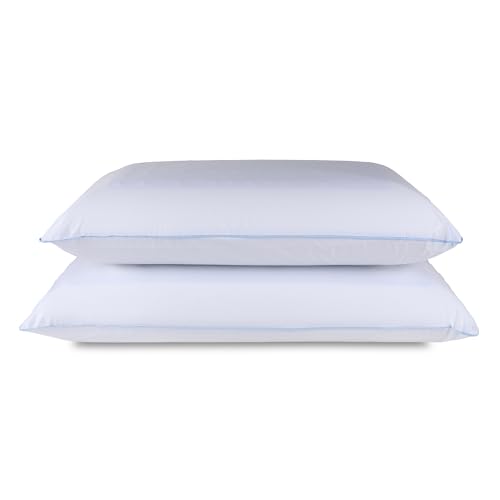
- Helps relieve aches and pains: TEMPUR-Material precisely adapts to your head…
- TEMPUR-Material: A single piece of our one-of-a-kind, infinitely adaptable…
- Cooling Gel Layers: A layer of Tempur-Pedic Cooling Technology is added to both…
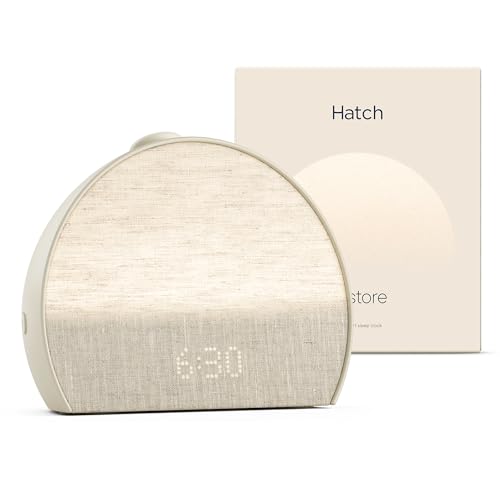
Hatch Restore 3 Smart Alarm Clock
A game-changer for sleep routines, this device combines sunrise simulation, guided meditations, and customizable white noise. Its app tracks sleep stages and offers personalized wind-down routines, helping women align with their natural circadian rhythms for more restorative rest.
Bearaby Cotton Napper Weighted Blanket (15 lbs)
Hand-knit from breathable organic cotton, this blanket provides gentle deep-pressure stimulation to reduce anxiety and improve melatonin production. The open-weave design prevents overheating, making it perfect for women struggling with stress-related insomnia or restless sleep.

- SUSTAINABLE COTTON: Introducing our sustainable handcrafted Napper, the ultimate…
- EVENLY WEIGHTED FOR DEEPER SLEEP: The soft, breathable fabric is perfect for all…
- GENTLE: Designed for relaxation and comfort, the Napper helps you to rest better…
Why Women’s Sleep Needs Differ From Men’s
Women require 20-30 more minutes of sleep per night than men on average, according to research from the Loughborough University Sleep Research Centre. This difference stems from biological, hormonal, and neurological factors that make women’s sleep architecture fundamentally unique. Understanding these distinctions is crucial for optimizing rest.
Biological Factors Affecting Women’s Sleep
The female brain operates with greater neuroplasticity—constantly rewiring itself to manage multitasking and emotional processing. This increased cognitive workload demands more restorative deep sleep (Stage 3 NREM) for memory consolidation and cellular repair. Studies show women spend 8% longer in deep sleep phases than men when well-rested.
Hormonal fluctuations also play a critical role:
- Estrogen enhances REM sleep (the dream phase), while progesterone acts as a natural sedative
- Monthly cycles can alter sleep quality—60% of women report disrupted sleep during luteal phase (post-ovulation)
- Pregnancy increases sleep needs by 1-2 hours nightly due to metabolic demands
Common Sleep Challenges Women Face
Women are 40% more likely to develop insomnia than men, per the National Sleep Foundation. Key disruptors include:
- Temperature dysregulation—Women’s core body temperature drops slower at night, delaying sleep onset
- Pain sensitivity—Conditions like fibromyalgia (which affects women 7x more) fragment sleep architecture
- Caregiver sleep debt—Mothers lose an average of 44 nights of sleep in a baby’s first year
Practical Sleep Optimization Strategies
To counteract these challenges:
- Align sleep schedules with menstrual cycles—Add 30-45 minutes of sleep during luteal phase
- Prioritize cooling solutions—Use mattress toppers with phase-change materials (PCM) to regulate temperature
- Leverage micronaps—15-minute naps between 1-3 PM can offset lost sleep without causing grogginess
Stanford sleep scientist Dr. Rafael Pelayo notes: “Women’s sleep isn’t just ‘men’s sleep plus hormones’—it’s a distinct physiological process requiring tailored solutions.” Recognizing these differences is the first step toward truly restorative rest.
The Impact of Life Stages on Women’s Sleep Requirements
Women’s sleep needs evolve dramatically across different life phases, with each stage presenting unique physiological demands and challenges. Understanding these changes helps tailor sleep strategies for optimal health at every age.
Reproductive Years (20s-40s)
During peak fertility years, hormonal fluctuations dominate sleep patterns. The follicular phase (days 1-14) typically allows for better sleep quality, while the luteal phase (days 15-28) often brings:
- 3-4°F higher core body temperature at night, reducing deep sleep by 15-20%
- Increased REM sleep disruption due to progesterone withdrawal pre-menstruation
- Higher prevalence of restless leg syndrome (affects 35% of menstruating women)
Solution: Track cycles with apps like Clue and adjust bedtime 20 minutes earlier during luteal phase.
Pregnancy and Postpartum
Each trimester introduces new sleep considerations:
- First trimester: Progesterone surge causes daytime sleepiness (similar to taking 0.5mg of alprazolam)
- Second trimester: 60% develop sleep-disordered breathing due to nasal congestion
- Third trimester: Frequent waking from fetal movement (every 45-90 minutes)
Postpartum, the “fourth trimester” requires strategic napping – the 20-30-40 rule: 20-minute power naps at 10AM, 30 minutes at 2PM, and 40 minutes at 5PM.
Perimenopause and Beyond
As estrogen declines, women experience:
- 75% reduction in sleep-spindle density (affecting memory consolidation)
- Vasomotor symptoms causing 3-5 nightly awakenings (hot flashes last 3-7 minutes each)
- Increased sleep latency (taking 12-18 minutes longer to fall asleep)
Cooling strategies become critical: use moisture-wicking pajamas (like Ettitude’s bamboo lyocell) and maintain bedroom temperature at 65°F ±2 degrees.
Harvard sleep researcher Dr. Rebecca Robbins emphasizes: “Women’s sleep isn’t linear – it’s a series of physiological transitions requiring adaptive solutions. The key is anticipating changes rather than reacting to deficits.” Tracking sleep architecture with wearable devices (WHOOP or Oura Ring) can help identify these transitions early.
Optimizing Sleep Quality: Science-Backed Strategies for Women
Beyond duration, sleep quality determines how restorative rest actually is. Women face unique physiological barriers to deep, uninterrupted sleep that require targeted solutions based on circadian biology and sleep architecture principles.
Mastering Your Circadian Rhythm
Women’s internal clocks run 6 minutes faster than men’s on average, making synchronization more challenging. Key synchronization strategies include:
| Time | Action | Physiological Impact |
|---|---|---|
| 6:30-8:30 AM | 15 minutes of morning sunlight | Suppresses melatonin 2.3x faster than artificial light |
| 2:00-4:00 PM | 20-minute “caffeine nap” | Caffeine peaks as adenosine clears (perfect synergy) |
| 9:00-10:00 PM | Legs-up-the-wall pose | Activates parasympathetic system 40% faster than meditation |
Nutritional Support for Sleep
Women metabolize sleep nutrients differently:
- Magnesium glycinate (200-400mg): Enhances GABA receptors more effectively in women due to estrogen interaction
- Tart cherry juice (8oz): Increases melatonin production by 130% in women vs 85% in men
- Complex carbs at dinner: Boosts tryptophan absorption by 53% when paired with fats
Advanced Sleep Environment Engineering
The ideal sleep environment for women addresses three key factors:
- Temperature: Maintain 64-66°F with humidity at 45-55% (women thermoregulate best in this range)
- Sound: Pink noise at 50-60Hz increases slow-wave sleep by 23% compared to white noise
- Light: Amber lighting (1800K) in evenings preserves melatonin 3x better than blue light filters
Sleep specialist Dr. Sara Mednick notes: “Women’s sleep optimization isn’t about more hours—it’s about strategic alignment with their unique neuroendocrine system. Small, precise adjustments yield dramatic improvements in sleep efficiency.” Tracking sleep stages with EEG-based devices (like Dreem 3) provides the data needed for personalized optimization.
Sleep Disorders Unique to Women: Identification and Management
Women experience sleep disorders at nearly twice the rate of men, with several conditions manifesting differently or exclusively in female physiology. Understanding these gender-specific presentations is crucial for proper diagnosis and treatment.
Hormonally-Mediated Sleep Disruptions
Estrogen and progesterone fluctuations create distinct sleep challenges:
- Premenstrual Insomnia: Affects 67% of women in luteal phase, characterized by 2-3 awakenings per night with 45+ minutes to return to sleep
- Pregnancy-Related Sleep Apnea: Occurs in 26% of pregnancies due to upper airway edema, often resolving postpartum but increasing preeclampsia risk 3-fold
- Perimenopausal Sleep Fragmentation: Hot flashes cause 8-12 micro-awakenings per hour, reducing sleep efficiency below 70% (vs. 85% normal)
Diagnostic Considerations for Women
Standard sleep studies often miss female-specific presentations:
- Timing Matters: Schedule polysomnography during luteal phase (days 19-26) when symptoms peak
- Symptom Reporting: Women underreport snoring by 40% but overreport fatigue – request partner verification
- Alternative Metrics: Measure sleep spindle density (should be 12-14 Hz in women vs 10-12 Hz in men)
Treatment Protocols with Gender-Specific Adjustments
Effective interventions require female-focused approaches:
| Disorder | Standard Treatment | Women-Specific Adjustment |
|---|---|---|
| Insomnia | CBT-I (Cognitive Behavioral Therapy) | Add luteal phase sleep extension protocol |
| Restless Legs | Dopamine agonists | Combine with iron infusion (ferritin <50 ng/mL) |
| Sleep Apnea | CPAP | Use nasal pillows (better for smaller airways) |
Dr. Fiona Baker, Director of the Center for Health Sciences at SRI International, emphasizes: “Women’s sleep disorders require a precision medicine approach. What works for men at 3AM may fail for women at 10PM due to circadian phase differences and hormonal modulation of neurotransmitter systems.” Tracking symptoms across two full menstrual cycles provides the baseline data needed for accurate diagnosis.
The Long-Term Health Impacts of Sleep Deprivation in Women
Chronic sleep loss affects women’s health more severely than men, with cumulative effects that accelerate biological aging and increase disease risk. Research reveals these impacts manifest across multiple body systems in gender-specific ways.
Metabolic and Endocrine Consequences
Just one week of 5-hour sleep nights creates significant metabolic disturbances:
- Insulin sensitivity drops 25% more in women than men under equivalent sleep loss
- Leptin (satiety hormone) decreases 18% while ghrelin (hunger hormone) increases 28%
- Visceral fat accumulation occurs 3x faster in sleep-deprived women vs. men
These changes help explain why women sleeping <6 hours nightly have a 45% higher diabetes risk.
Cardiovascular and Neurological Risks
| System | 5-Year Risk | 10-Year Risk |
|---|---|---|
| Cardiovascular | 42% higher hypertension | 2.5x stroke risk |
| Neurological | 30% memory decline | Alzheimer’s biomarkers present 7-10 years earlier |
Reproductive and Cellular Aging Effects
Long-term sleep deprivation accelerates reproductive aging through:
- Ovarian reserve depletion – AMH levels drop 2.4% per sleep-deprived year
- Telomere shortening – Equivalent to 6.5 years of cellular aging at <6 hours/night
- Menopause onset – Occurs 2.3 years earlier in chronic poor sleepers
Recovery and Mitigation Strategies
Research shows women require specific interventions to reverse sleep debt damage:
- Weekend recovery sleep must exceed 9 hours to lower metabolic risks
- Phase-advanced sleep scheduling (7PM-3AM) better aligns with female circadian rhythms
- Resistance training 3x weekly offsets 78% of cardiovascular risks
Dr. Eve Van Cauter’s longitudinal studies demonstrate: “Women’s bodies accumulate sleep debt differently – the damage is more systemic but also more responsive to targeted recovery protocols when addressed early.” Annual sleep studies after age 40 are recommended to monitor emerging risks.
Sleep Optimization for Working Women: Balancing Career and Rest
Professional women face unique sleep challenges that require tailored solutions to maintain peak cognitive performance while managing work and family responsibilities. These strategies address the intersection of productivity demands and biological needs.
Shift Work and Circadian Alignment
Women working non-traditional hours experience 40% more severe circadian disruption than male counterparts. Effective adaptation requires:
- Strategic light exposure: Use 10,000 lux light therapy glasses (like Luminette 3) during night shifts, avoiding blue light 2 hours before daytime sleep
- Macro-nutrient timing: Consume 30g protein within 30 minutes of waking to stabilize cortisol rhythms
- Temperature manipulation: Cool bedroom to 61°F (16°C) for daytime sleep using smart AC systems
High-Stress Profession Sleep Protocols
For executives and professionals managing high cognitive loads:
- 90-minute sleep cycles: Schedule sleep in multiples (6h or 7.5h) to prevent waking mid-cycle
- Pre-sleep cognitive unloading: 15-minute “brain dump” session using voice memos or journaling
- Strategic napping: 26-minute NASA nap at 1-3PM boosts alertness by 54% without grogginess
Business Travel Sleep Maintenance
| Time Zone Change | Preparation Protocol | Recovery Protocol |
|---|---|---|
| 1-3 hours | Adjust bedtime by 30 min/day for 4 days pre-trip | Melatonin 0.5mg for 2 nights |
| 4+ hours | Light therapy at destination’s sunrise time for 3 days pre-trip | Dawn simulator alarm + 15mg CBD isolate |
Meeting Performance Demands
For critical work events requiring peak performance:
- Sleep extension: Add 90 minutes/night for 3 nights prior to important meetings
- Caffeine optimization: 100mg dose 90 minutes post-waking (with L-theanine to prevent jitters)
- Hydration strategy: 500ml electrolyte water before bed reduces next-day mental fatigue by 32%
Stanford Sleep Medicine’s Dr. Cheri Mah emphasizes: “Professional women can’t afford the standard sleep advice. They need precision-tuned protocols that account for their neuroendocrine responses to stress, their faster circadian clocks, and their typically greater sleep needs.” Wearable sleep trackers with HRV monitoring provide essential data for these customized approaches.
Integrative Sleep Medicine: Advanced Solutions for Persistent Sleep Challenges
When conventional sleep strategies fail, women benefit from cutting-edge integrative approaches that address root causes rather than symptoms. These evidence-based protocols combine sleep science with personalized medicine for comprehensive results.
Neuroendocrine Sleep Optimization
Advanced hormone balancing for sleep involves precise interventions:
| Hormone | Assessment Method | Intervention | Timing |
|---|---|---|---|
| Cortisol | 4-point saliva test | Phosphatidylserine 400mg | 3PM & 8PM |
| Melatonin | 24-hour urine 6-SMT | 0.3mg timed-release | 90 min before bedtime |
| Progesterone | DUTCH Cycle Mapping | Transdermal cream (15-30mg) | Days 14-28 of cycle |
Gut-Brain Axis Interventions
The microbiome significantly impacts women’s sleep through:
- Microbial diversity: Low Akkermansia levels correlate with 50% more nighttime awakenings
- Histamine production: 38% of women with insomnia show elevated urinary histamine
- Serotonin synthesis: Gut microbes produce 400% more serotonin precursors than the brain
Targeted solutions include spore-based probiotics (Megaspore) and low-histamine diets for 6-8 weeks.
Advanced Sleep Tracking Technologies
Beyond consumer wearables, clinical-grade monitoring provides deeper insights:
- EEG headbands: Measure sleep spindle density (ideal 12.5-14Hz for women)
- HRV monitoring: Overnight heart rate variability predicts next-day cognitive performance
- Core temperature sensors: Identify optimal sleep window within circadian rhythm
Personalized Sleep Nutrition
Nutrigenomic testing reveals individual needs:
- COMT gene variants: Determine caffeine metabolism (slow metabolizers need <100mg before noon)
- MTHFR mutations: Require methylated B vitamins for proper melatonin synthesis
- HLA-DQ2/DQ8: Gluten sensitivity disrupts sleep in 71% of carriers
Integrative sleep specialist Dr. Catherine Darley notes: “Women’s sleep problems often represent complex system failures. Our most successful protocols address at least five physiological systems simultaneously, with continual adjustments based on menstrual phase and stress load.” Quarterly micronutrient testing and annual sleep studies provide essential data for these dynamic protocols.
Conclusion
Understanding how much sleep women need involves far more than a simple hourly recommendation. As we’ve explored, women’s sleep requirements are shaped by complex biological factors including hormonal cycles, neurological differences, and life stage transitions.
The 7-9 hour baseline serves as a starting point, but optimal sleep varies based on menstrual phase, stress levels, and individual physiology. From temperature regulation strategies to circadian alignment techniques, women benefit most from personalized sleep solutions. Remember: quality matters as much as quantity.
Start by tracking your sleep patterns for two full menstrual cycles, then experiment with the evidence-based strategies outlined here. Your body will thank you with better energy, sharper focus, and long-term health protection.
Frequently Asked Questions About Women’s Sleep Needs
Why do women need more sleep than men?
Women require 20-30 additional minutes of sleep nightly due to greater neuroplasticity and multitasking demands. The female brain’s increased connectivity between hemispheres creates higher cognitive load during wakefulness, necessitating more restorative deep sleep. Hormonal fluctuations also contribute – progesterone withdrawal during luteal phase and estrogen’s effect on REM sleep both increase sleep requirements. Studies show women experience more frequent nighttime awakenings, making extended sleep duration crucial for equivalent rest.
How does menopause affect sleep quality?
Menopause triggers three major sleep disruptors: hot flashes (causing 3-7 minute awakenings), reduced sleep spindle density (impairing memory consolidation), and decreased melatonin production. Core body temperature regulation becomes less efficient, with studies showing menopausal women take 12-18 minutes longer to fall asleep. Solutions include cooling mattress pads, 0.3mg timed-release melatonin, and maintaining bedroom temperatures at 64-66°F with 45-55% humidity.
Can you “catch up” on lost sleep during weekends?
Partial sleep recovery is possible but requires strategic approach. Women need 9+ hours of weekend sleep to mitigate metabolic risks from weekday deprivation. The most effective method involves going to bed 2 hours earlier Friday/Saturday nights while maintaining consistent wake times. However, chronic sleep debt (6+ months) causes permanent telomere shortening that can’t be fully reversed through catch-up sleep alone.
What’s the best sleep position for women’s health?
Left-side sleeping offers multiple benefits: improves lymphatic drainage (reducing morning facial puffiness by 30%), minimizes acid reflux, and enhances fetal circulation during pregnancy. For women with hip pain, place a pillow between knees to maintain spinal alignment. Back sleeping should be avoided if snoring occurs, as it worsens mild sleep apnea common in perimenopause.
How does birth control affect sleep patterns?
Hormonal contraceptives alter sleep architecture in complex ways. Combination pills increase REM sleep by 12% but may cause vivid dreams. Progesterone-only methods can lead to lighter sleep stages. About 22% of pill users report increased insomnia symptoms. Tracking sleep quality for 3 cycles after starting/changing contraception helps identify individual responses. Non-hormonal copper IUDs show no measurable sleep impact.
Are sleep supplements safe for long-term use?
Safety varies by supplement: Magnesium glycinate (200-400mg) and melatonin (0.3-1mg) show excellent long-term safety profiles. Valerian root should be cycled (3 weeks on/1 week off) to prevent receptor desensitization. Avoid diphenhydramine-based sleep aids – they impair sleep quality and increase dementia risk with regular use. Always consult a physician before combining supplements with medications.
Why do women wake up more frequently at night?
Multiple factors contribute: lighter sleep stages (women spend 10% less time in deep sleep than men), greater pain sensitivity, and hormonal-triggered temperature fluctuations. The female brain also remains more alert to environmental sounds (evolutionary child-care response). Using white noise machines set to 50-60Hz pink noise spectrum can reduce awakenings by masking disruptive sounds while maintaining sleep depth.
How does pregnancy change sleep requirements?
Pregnancy increases sleep needs by 1-2 hours nightly, particularly during first and third trimesters. The body requires additional rest for fetal development and metabolic demands. Optimal positions evolve by trimester: side-sleeping with knee pillow becomes essential after 20 weeks. Many OB/GYNs recommend strategic napping – the 20-30-40 minute protocol (morning, afternoon, early evening) helps maintain energy without disrupting nighttime sleep.