
Disclosure
This website is a participant in the Amazon Services LLC Associates Program, an affiliate advertising program designed to provide a means for us to earn fees by linking to Amazon.com and affiliated sites.
How much should a mattress really cost? The answer isn’t a simple number—it depends on materials, durability, and your sleep needs. Many believe a higher price guarantees better sleep, but that’s not always true. With prices ranging from $200 to $5,000+, it’s easy to feel overwhelmed. You deserve restful sleep without wasting money on marketing hype or flimsy bargains.
Right now, the mattress industry is booming with innovations like cooling gels, organic latex, and smart beds—but do these features justify the cost?
Cheap memory foam may sag in a year, while an overpriced luxury model might not suit your body type. The key is balancing quality, longevity, and personal comfort. Let’s break down what drives mattress pricing and how to invest wisely for your best sleep ever.
Best Mattresses for Every Budget and Sleep Style
Tempur-Pedic TEMPUR-Adapt (Medium Hybrid)
For pressure relief and motion isolation, the TEMPUR-Adapt Hybrid combines memory foam with responsive coils. Its proprietary TEMPUR material cradles shoulders and hips while the hybrid design prevents sagging. Ideal for side sleepers and couples, though it’s a premium investment (around $2,499 for Queen).
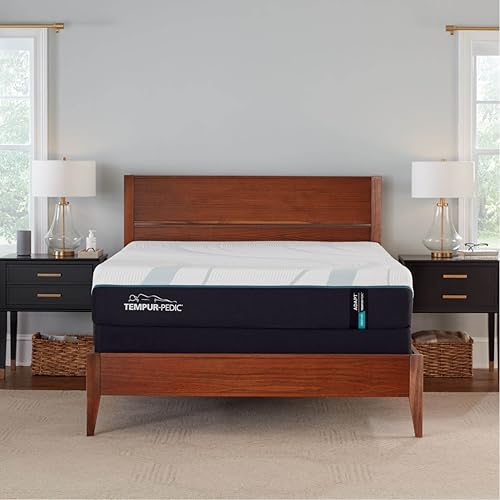
- Whole-body support: Exclusive TEMPUR-Material is designed to provide…
- Pressure relief for aches and pains: Designed to uniquely adapt to your body’s…
- Cool-to-the-touch comfort: The cover features a premium knit technology for a…
Helix Midnight Luxe
A standout for back and stomach sleepers, the Helix Midnight Luxe offers zoned lumbar support and cooling Tencel cover. Its dynamic foam layers adapt to spinal alignment, reducing lower back pain. Priced competitively at ~$1,399 (Queen), it’s a top mid-range pick with a 100-night trial.

- PERSONALIZED SUPPORT: 3 select foam layers provide tailored pressure relief and…
- BREATHABLE: TENCEL premium quilted pillow top for extra comfort designed to…
- ENHANCED COMFORT: Up to 1,000 individually wrapped steel coils with targeted…
Zinus Green Tea Memory Foam Mattress
Budget shoppers love this $369 (Queen) option infused with green tea extract to resist odors. The high-density foam provides firm support, ideal for hot sleepers needing breathability. While thinner than luxury models, it’s durable for the price and ships compressed in a box.

- FOR GREAT SLEEP AND A CLEAN PLANET – Featuring our patented zoned pressure…
- COMFORTABLE SUPPORT – Pressure-relieving memory foam conforms to the shape of…
- ALL NIGHT FRESHNESS – The all-natural green tea and purified charcoal infusions…
What Factors Truly Determine Mattress Pricing?
Mattress prices vary wildly because they’re engineered for different needs, materials, and manufacturing processes. Understanding these cost drivers helps you spot genuine value versus marketing gimmicks. Here’s what actually impacts the price tag:
1. Material Quality and Composition
High-density memory foam (4-5 lbs/cubic foot) costs more than cheap polyurethane foam (1-2 lbs/cubic foot) because it resists sagging and lasts 8-10 years. For example, Tempur-Pedic uses proprietary viscoelastic foam that molds precisely to your body, while budget brands often use layered filler foams that degrade faster. Natural materials like organic latex or wool increase prices further due to sourcing and certifications (e.g., GOLS for latex).
2. Support Systems and Layering
Innerspring mattresses range from basic Bonnell coils ($300-$800) to precision-pocketed coils with zoned support ($1,500+). Hybrid models combine coils with foam or latex layers, requiring advanced manufacturing—Helix’s Midnight Luxe uses individually wrapped coils with targeted lumbar foam, explaining its $1,399 price point. The more layers, the higher the labor and material costs.
3. Specialized Sleep Technologies
Cooling features like phase-change fabrics or graphite-infused gel add 15-30% to the cost. The Tempur-Breeze series, for instance, uses a $200+ premium for its climate-control cover. Motion isolation tech (important for couples) involves high-resilience foams that absorb movement rather than transmitting it—a key reason Purple’s Hyper-Elastic Polymer grid costs $1,599+.
- Durability: A $500 mattress might last 3-5 years, while a $1,500+ model with high-grade materials often lasts 10+ years, reducing long-term cost per night.
- Customization: Split-firmness options (like Saatva’s Solaire) or adjustable bases add $500-$2,000 but cater to couples with different sleep preferences.
- Certifications: OEKO-TEX or CertiPUR-US certifications ensure non-toxic materials but increase production costs by 10-20%.
Misconception Alert: A 2023 Consumer Reports study found that price doesn’t always correlate with comfort—some $800 mattresses outperformed $3,000 models in spine alignment tests. Focus on your body type (e.g., heavier sleepers need thicker support layers) rather than prestige pricing.
How to Determine Your Ideal Mattress Budget
Setting the right budget for your mattress requires balancing immediate costs with long-term value. This step-by-step guide helps you calculate what you should realistically spend based on your sleep needs and financial situation.
1. Assess Your Sleep Requirements
Start by identifying your specific needs. Side sleepers typically require thicker comfort layers (3-4 inches of memory foam or latex) to cushion shoulders and hips, which adds $300-$800 to the base price. Back sleepers can often use firmer, less expensive options like dense polyfoam or hybrid models. For example, a 180-pound stomach sleeper would benefit most from a medium-firm mattress with reinforced edge support, typically found in the $1,200-$1,800 range.
2. Calculate Cost Per Night
Divide the mattress price by its expected lifespan in nights. A $1,000 mattress lasting 7 years (2,555 nights) costs $0.39/night, while a $300 mattress lasting 3 years (1,095 nights) costs $0.27/night. However, when you factor in replacement costs and potential back pain, the pricier option often provides better long-term value. Consider that sleep quality impacts work performance – poor sleep can cost you 11.3 lost work days annually according to CDC data.
3. Budget Allocation Strategies
Financial experts recommend these approaches:
- 20/80 Rule: Allocate 20% of your bedroom furniture budget to the mattress (the most important piece)
- Income-Based: 1-2% of annual gross income for a mattress expected to last 7-10 years
- Replacement Cycle: Save $8-15/month in a dedicated fund for your next mattress purchase
Pro Tip: Many premium brands offer financing at 0% APR for 12-36 months. This lets you invest in better sleep immediately while spreading out payments. However, only choose this option if you can comfortably make payments – default rates can trigger high retroactive interest.
Common Mistake: Don’t sacrifice essential features to save money. If you have chronic back pain, spending an extra $500 for proper spinal support could save thousands in future chiropractor visits. Test mattresses in-store whenever possible, even if you plan to buy online later.
The Science of Mattress Materials: How Construction Affects Price and Performance
Understanding mattress engineering helps explain why certain materials command premium prices while others offer budget-friendly alternatives. This section breaks down the physics and chemistry behind mattress construction and how it impacts both cost and sleep quality.
1. Material Density and Durability
The density of foam materials directly correlates with longevity and support. High-quality memory foam has a density rating of 4-5 pounds per cubic foot (PCF), while budget options use 2-3 PCF foam that compresses faster. For example:
| Material Type | Density (PCF) | Expected Lifespan | Price Impact |
|---|---|---|---|
| Premium Memory Foam | 4.0-5.0 | 8-10 years | +$400-$800 |
| Standard Polyfoam | 1.8-2.5 | 3-5 years | Base Price |
2. Coil Systems and Support Technology
Innerspring mattresses vary significantly in coil count and design. Higher-end models use individually pocketed coils that move independently (1,000+ coils in a Queen), while budget options may have 400-600 interconnected coils. The gauge (thickness) of steel also matters:
- 12-14 gauge: Thicker, firmer support (+$300-$500)
- 15-17 gauge: More flexible, conforming feel (standard range)
- Zoned support: Varies coil tension in different areas (+$200-$400)
3. Advanced Sleep Technologies
Modern mattress innovations involve complex material science:
Phase-change materials (like Outlast®) absorb and release heat to regulate temperature, adding $150-$300 to the price. Hyper-elastic polymer grids (Purple’s Smart Comfort Grid) use food-grade polymer that withstands 400% more pressure than memory foam, justifying their $1,500+ price point.
Expert Insight: Dr. Rebecca Robbins, sleep scientist at Harvard Medical School, notes: “The ideal mattress should reduce pressure points by at least 30% compared to a hard surface. This requires either 3+ inches of high-density foam or a hybrid system with targeted support zones.”
Common Mistake: Assuming all “cooling” technologies work equally. Gel-infused foam only reduces surface temperature by 1-2°F, while copper-infused foam primarily offers antimicrobial benefits rather than significant cooling.
Smart Shopping Strategies: How to Get Premium Quality at the Best Price
Navigating mattress purchases requires strategic timing and negotiation skills to secure high-quality sleep systems without overpaying. This section reveals industry insider tactics for maximizing value at every price point.
1. Understanding Retail Markup Cycles
Mattress retailers typically operate on 40-60% gross margins, with predictable discount periods:
- January-February: Post-holiday clearance (30-50% off previous year’s models)
- Memorial Day/Labor Day: Seasonal promotions with bundled accessories (free pillows/bedding)
- New Model Releases (April/October): 20-30% discounts on outgoing inventory
Pro Tip: Ask sales associates about “floor models” – these demonstration units often sell for 60% off retail with full warranties, having only been lightly used for 2-3 months.
2. Negotiation Tactics That Work
Brick-and-mortar stores have 15-25% negotiation room on displayed prices. Effective strategies include:
- Get written quotes from 3 competitors
- Ask about price matching plus 10% discount
- Request free delivery/removal ($150-300 value)
- Bundle mattress protector ($100 value)
3. Online vs. In-Store Value Comparison
While online brands offer convenience, physical stores provide unique advantages:
| Factor | Online Retailers | Brick-and-Mortar |
|---|---|---|
| Price Transparency | Fixed pricing | Negotiable (+15% potential savings) |
| Try Before Buying | 100-night trials (return fees may apply) | Immediate testing |
| Delivery Speed | 3-7 business days | Same-day options |
Critical Mistake to Avoid: Don’t assume online “mattress in a box” brands always offer better value. Their lower overhead costs often go toward marketing budgets rather than higher-quality materials. Always compare material specifications (foam densities, coil counts) rather than just price points.
Industry Insight: According to Furniture Today’s 2023 market report, consumers who test mattresses in-store before purchasing online report 23% higher satisfaction rates than direct online buyers, emphasizing the value of physical testing.
Long-Term Value and Maintenance: Protecting Your Mattress Investment
A quality mattress represents a significant home investment that requires proper care to maximize its lifespan and sleep benefits. This section provides a detailed roadmap for maintaining your mattress’s performance and calculating its true cost-per-use over time.
1. Extended Durability Strategies
Proper maintenance can extend a mattress’s lifespan by 3-5 years. Follow this professional maintenance schedule:
| Maintenance Task | Frequency | Impact on Longevity | Cost Savings |
|---|---|---|---|
| Rotation (non-flip models) | Every 3 months | Prevents 60% of body impressions | Adds 2-3 years ($0.15/night savings) |
| Professional deep cleaning | Annual | Removes allergens and dust mites | Prevents $200+ allergy treatments |
| Quality protector replacement | Every 2 years | Blocks moisture and stains | Saves $500+ in premature replacement |
2. Environmental and Health Considerations
Modern mattresses incorporate various safety and sustainability factors that affect long-term value:
- CertiPUR-US certified foams: Reduce VOC emissions by 80% compared to standard foams
- Natural latex: Biodegradable and resistant to dust mites (adds $300-$500 but lasts 12+ years)
- Fire retardants: Look for silica-based barriers instead of chemical treatments
3. Future-Proofing Your Purchase
Emerging technologies are changing mattress longevity standards:
Smart fabrics with antimicrobial properties (like Celliant®) are becoming standard in premium models, potentially adding 2-3 years to mattress life. Modular designs allow replacement of individual comfort layers (saving 40-60% versus full replacement).
Expert Insight: “The average mattress gains 10% more weight each year from dead skin and dust mites,” notes Dr. Ellen Wermter, board-certified sleep specialist. “A $100 allergen-proof protector pays for itself in health benefits within 18 months.”
Cost-Benefit Analysis: Spending $1,800 on a mattress with 10-year lifespan ($0.49/night) often proves wiser than $600 on a 4-year mattress ($0.41/night) when factoring in replacement labor, disposal fees, and sleep-quality impacts on productivity.
Specialized Sleep Solutions: Optimizing Mattress Selection for Unique Needs
Beyond standard considerations, certain sleep scenarios require specialized mattress features that impact both performance and pricing. This section provides detailed guidance for addressing specific physiological and environmental factors.
1. Medical Considerations and Orthopedic Support
For sleepers with chronic pain or medical conditions, specific engineering features become critical:
- Fibromyalgia: Requires 4-5″ pressure-relieving comfort layer with medium-firm support (Tempur-Pedic ProAdapt Medium Hybrid, $2,799)
- Degenerative disc disease: Needs zoned lumbar support with 15-17 gauge pocketed coils (Saatva HD, $2,295)
- GERD/acid reflux: Benefits from 7-12° adjustable base compatibility (Sleep Number 360 p6 Smart Bed, $2,999)
2. Climate-Adaptive Sleep Systems
Temperature regulation technologies vary significantly in effectiveness and cost:
| Technology | Temperature Reduction | Cost Premium | Best For |
|---|---|---|---|
| Phase-change covers | 3-5°F | $200-$400 | Menopausal women |
| Copper-infused gel | 1-2°F | $150-$300 | Mild night sweats |
| Breathable latex | 4-6°F | $500-$800 | Hot climates |
3. Weight-Specific Engineering
Mattress requirements vary dramatically by body weight:
- Under 130 lbs: Softer foams (3-4 ILD rating) prevent excessive sinkage
- 130-230 lbs: Medium-firm hybrids with 2″ transition layers
- Over 230 lbs: Requires high-density foams (≥2.5 PCF) and reinforced edges
Professional Tip: The International Sleep Products Association recommends mattresses for heavier individuals should have at least 1.8x the standard coil count and 2″ additional comfort layer thickness to prevent premature sagging.
Integration Note: When pairing with adjustable bases, ensure the mattress has flexible support layers. Innerspring hybrids require individually wrapped coils, while all-foam models need high-elasticity foams that won’t crack when flexed repeatedly.
The Complete Mattress Ownership Lifecycle: From Purchase to Replacement
Understanding the full lifespan of a mattress investment enables smarter purchasing decisions and optimal performance throughout its usable years. This comprehensive guide covers all stages from initial setup to final replacement indicators.
1. Break-in Period and Performance Optimization
New mattresses require proper conditioning for optimal performance:
| Mattress Type | Break-in Period | Acceleration Techniques | Performance Peak |
|---|---|---|---|
| Memory Foam | 21-30 nights | Use mattress heater for 2 hours daily | Months 3-60 |
| Hybrid | 14-21 nights | Walk gently across surface daily | Months 2-84 |
| Latex | 7-14 nights | Rotate 180° every 3 days | Months 1-120 |
2. Long-Term Performance Monitoring
Conduct quarterly assessments using these professional evaluation criteria:
- Support integrity: Place a level across mattress – >1/2″ dip indicates wear
- Pressure mapping: Use a memory foam topper test – uneven compression signals breakdown
- Motion transfer: Place a glass of water on adjacent side – ripples should dissipate in ≤3 seconds
3. Replacement Decision Matrix
Consider these weighted factors when evaluating replacement needs:
- Visible sagging >1.5 inches (40% weight)
- Increased morning stiffness (25% weight)
- Allergy symptoms worsening (20% weight)
- Noise development in coils (15% weight)
Pro Tip: The Sleep Products Sustainability Program recommends a 7-year replacement cycle for standard mattresses, but high-quality latex or hybrid models may last 10-12 years with proper maintenance. Keep a sleep journal to track comfort changes objectively.
Environmental Note: Many states now mandate mattress recycling – factor in $20-$75 disposal fees when budgeting replacements. Some retailers offer free take-away with new purchases, providing additional savings.
Conclusion: Investing in Quality Sleep
Determining how much a mattress should cost involves balancing material quality, sleep needs, and long-term value. As we’ve explored, prices range from $300 for basic models to $5,000+ for luxury systems, with the sweet spot for most sleepers being $1,200-$2,500 for optimal durability and support.
Remember that your mattress is a long-term health investment – the difference between a $800 and $1,500 model often translates to years of better sleep and fewer aches.
Take action today: Use our detailed buying guide to assess your specific needs, then shop during seasonal sales for maximum value. Whether you choose a premium hybrid or quality budget option, prioritize materials that match your sleep style and body type. Your future well-rested self will thank you.
Frequently Asked Questions About Mattress Costs
What’s the difference between a $500 and $1,500 mattress?
The key differences lie in material quality and durability. A $500 mattress typically uses 2-3 lb density foam that may sag within 3-5 years, while a $1,500 model features 4-5 lb density foam with reinforced edge support lasting 8-10 years. Premium models also include advanced features like zoned support coils, cooling gel layers, and reinforced perimeters that prevent roll-off. For example, a Sealy Posturepedic at $1,500 uses high-resiliency foams that maintain shape 3x longer than budget options.
How often should I replace my mattress?
Most mattresses need replacement every 7-10 years, but this varies by material. Memory foam degrades faster than latex, which can last 12-15 years. Watch for these signs: visible sagging >1.5 inches, increased morning stiffness, or allergy symptoms worsening. Heavier individuals (200+ lbs) may need replacement every 5-7 years due to greater compression forces on materials.
Are expensive mattresses worth the investment?
High-end mattresses ($2,000+) offer tangible benefits for specific needs. The Tempur-Pedic Adapt ($2,499) provides exceptional pressure relief for arthritis sufferers, while the Saatva Solaire ($3,295) offers adjustable firmness that adapts as your body changes. However, mid-range models ($800-$1,800) often provide the best value for average sleepers when considering cost-per-year of use.
Can I negotiate mattress prices in stores?
Yes, most brick-and-mortar stores have 15-25% negotiation room. Bring competitor quotes, ask about floor models (often 40% off), and request free accessories like pillows or protectors. The best negotiation times are end-of-month when salespeople need to meet quotas, or during holiday weekends when stores run promotions.
What’s better: online or in-store mattress purchases?
Online brands offer convenience and generous trials (100+ nights), but physical stores allow testing and immediate negotiation. Key differences: online models compress for shipping (affecting long-term durability), while store models often have thicker comfort layers. Hybrid models like the Helix Midnight perform well in both environments.
How do I choose between foam, hybrid, or innerspring?
Foam (all-foam) suits side sleepers needing pressure relief, hybrids (foam+coils) benefit back sleepers wanting support, and innersprings work best for stomach sleepers needing firmness. The Bear Elite Hybrid ($1,495) demonstrates ideal hybrid engineering with zoned coils and responsive foam layers that adapt to multiple sleep positions.
What hidden costs should I consider?
Beyond the sticker price, factor in: delivery ($100-$300), foundation ($150-$500), protector ($50-$150), and disposal fees ($50-$100). Some premium brands include these services – for example, Saatva offers free white-glove delivery and old mattress removal with all orders.
Do cooling mattresses really work?
Quality cooling technologies like phase-change materials (PCM) or copper-infused gel can lower surface temperature by 3-7°F. The Tempur-Breeze series ($3,299) uses PCM that absorbs heat effectively, while budget “cooling” claims often refer only to breathable covers with minimal actual temperature reduction.