
Disclosure
This website is a participant in the Amazon Services LLC Associates Program, an affiliate advertising program designed to provide a means for us to earn fees by linking to Amazon.com and affiliated sites.
Mattress weight varies dramatically by type, size, and materials—but why does it matter? Whether you’re moving, rearranging your bedroom, or simply curious, knowing your mattress’s weight can save you from back strain, logistical headaches, or even a damaged frame.
You might assume all queen mattresses weigh the same, but a memory foam model could be half the weight of a hybrid. Modern mattresses defy old expectations, with innovations like gel-infused latex or pocketed coils changing the game.
Best Mattresses for Different Weight Needs
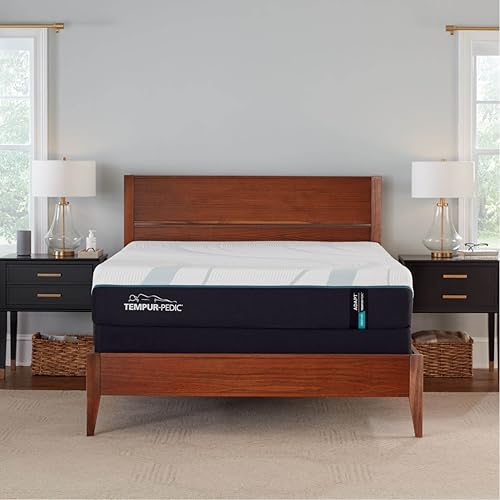
Tempur-Pedic TEMPUR-Adapt 11″ Medium Hybrid Mattress
Ideal for those who want a balanced weight, this hybrid mattress combines Tempur-Pedic’s proprietary memory foam with supportive coils, weighing around 85 lbs for a queen. It’s manageable for moving yet dense enough for durability, making it perfect for long-term comfort.
- Whole-body support: Exclusive TEMPUR-Material is designed to provide…
- Pressure relief for aches and pains: Designed to uniquely adapt to your body’s…
- Cool-to-the-touch comfort: The cover features a premium knit technology for a…
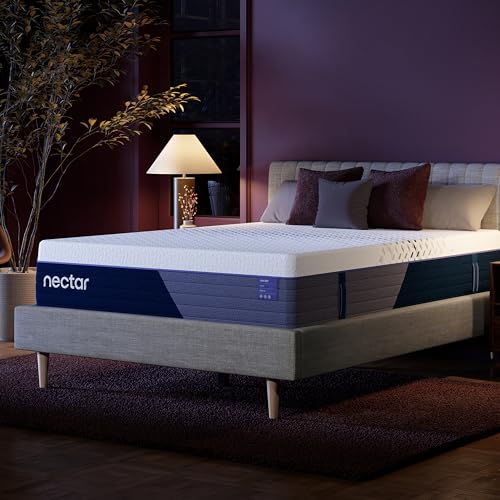
Nectar Luxe Hybrid Mattress
At approximately 120 lbs (queen size), this premium innerspring mattress is heavier due to its dual-coil system and organic cotton cover. It’s a top pick for those prioritizing support and longevity, though it may require professional movers for setup.
- SIMPLE TO SET UP – Just move the box to the room you want to use it in, unbox…
- 2X MORE COOLING – Step up from our Classic model with double the cooling fibers…
- 3X MORE PRESSURE RELIEF – With 2 additional inches of contouring memory foam…
Tuft & Needle Original 10″ All-Foam Mattress
Weighing just 60 lbs (queen), this lightweight, all-foam mattress is easy to maneuver and ideal for DIY setups. Its adaptive foam provides pressure relief without the bulk, making it a favorite for renters or frequent movers.

- Medium Feel – Made For All sleeping positions; The new T&N Original medium…
- Responsive Comfort – The mattress’s T&N Flex foam responds to your body weight…
- Bounce-Back Support – T&N Adaptive foam is a breathable, open-cell foam, infused…
How Mattress Materials Impact Weight
The weight of a mattress depends primarily on its construction materials, with each type offering distinct density and support characteristics. Understanding these differences helps you choose a mattress that balances comfort with practicality—whether you prioritize easy handling or long-term durability.
Memory Foam: Lightweight but Dense
Memory foam mattresses typically weigh between 50–90 lbs (queen size), depending on foam density (measured in pounds per cubic foot, or PCF). For example:
- Low-density (2.5–3.5 PCF): Lighter (50–65 lbs) and softer, but may sag over time—ideal for guest rooms.
- High-density (4–5.5 PCF): Heavier (70–90 lbs) with better support, like the Tempur-Pedic TEMPUR-Cloud (85 lbs), which uses 5.3 PCF foam for spinal alignment.
The viscoelastic foam contours to your body, but its weight increases with added layers (e.g., cooling gel or copper infusions).
Innerspring: Heavy Due to Steel Coils
Traditional innerspring mattresses range from 80–140 lbs (queen) because of their steel coil systems. The Saatva Classic (120 lbs) uses a dual-layer coil design:
- Base coils: Thicker 13-gauge steel for foundational support.
- Comfort coils: Lighter 14-gauge steel for responsiveness.
Pocketed coils (individually wrapped) add slightly more weight than Bonnell or offset coils but reduce motion transfer. The weight also spikes with pillow tops or euro tops, which add upholstery layers.
Latex: Naturally Heavy but Supportive
Natural latex mattresses (e.g., Avocado Green, 110 lbs) are denser than synthetic blends due to the rubber tree sap’s inherent structure. A 10″ all-latex mattress weighs ~20% more than memory foam of the same size but offers superior breathability and bounce. Dunlop latex (denser) is heavier than Talalay (lighter, airier), affecting both feel and portability.
Hybrids: The Weight Middle Ground
Hybrids like the Helix Midnight Luxe (95 lbs) combine foam and coils, landing between all-foam and innerspring weights. The exact heft depends on the coil-to-foam ratio—models with thicker foam layers (e.g., 4″ vs. 2″) will skew heavier but offer better pressure relief.
Pro Tip: Always check the manufacturer’s specs for exact weights, as brands use proprietary material blends. For example, Casper’s Wave Hybrid weighs 20 lbs more than their Essential model due to added zoned support foams.
How Mattress Size and Thickness Affect Weight
Beyond materials, a mattress’s dimensions play a critical role in its overall weight. Understanding how size and thickness interact with construction helps you anticipate practical challenges—like maneuvering a king-sized latex mattress up a staircase or storing a twin XL in a small space.
Standard Size Variations: From Twin to Alaskan King
Mattress weight scales predictably with size, but not uniformly across types. For example:
- Twin (38″ x 75″): Memory foam weighs ~30–40 lbs, while a hybrid like the Leesa Legend (45 lbs) adds coils.
- Queen (60″ x 80″): The most dramatic weight jump—a Saatva innerspring queen weighs 120 lbs vs. 90 lbs for a full.
- Alaskan King (108″ x 108″): Can exceed 200 lbs in latex, requiring reinforced bed frames and professional installation.
Note that split kings (two twin XLs) may be easier to transport individually (each ~50–60 lbs) but require alignment for seamless use.
Thickness: Why Every Inch Matters
A mattress’s height directly impacts weight due to added material layers:
- 8–10″ models: Budget-friendly options like Zinus Green Tea (10″, 60 lbs) use thinner foam layers, reducing weight but potentially sacrificing support.
- 12–14″ models: Premium hybrids (e.g., WinkBed Plus, 14″, 130 lbs) incorporate thicker comfort foams and taller coil systems for plusher feels.
- 16″+ models: Rare “ultra-plush” designs (like some custom latex builds) can hit 150+ lbs, often requiring specialized foundations.
Thicker mattresses also retain more heat—a key consideration for foam models where density compounds weight and temperature regulation issues.
Specialty Shapes and Weight Surprises
Non-rectangular mattresses (round, RV short queens) defy standard weight expectations. A 60″ round memory foam mattress weighs ~20% less than a standard queen due to reduced surface area, while an RV queen (60″ x 75″) may use lighter foams for easier RV installation. Always verify dimensions—some “California kings” are actually narrower but longer than standard kings, affecting weight distribution.
Pro Tip: Use this formula for quick estimates: Base weight (twin) x (new length x width) / (30 x 75). Example: A 40-lb twin memory foam mattress scales to ~93 lbs as a queen (60×80)/(30×75) = 2.13 multiplier.
Weight Considerations for Moving and Setup
Understanding mattress weight becomes critically important when planning moves or bedroom rearrangements. This section breaks down the practical implications of mattress weight and provides expert strategies for handling different types safely and efficiently.
Weight Thresholds for Safe Handling
Professional movers categorize mattress weights into three risk levels:
| Weight Range | Handling Requirements | Example Mattresses |
|---|---|---|
| Under 70 lbs | Manageable by one person with proper technique | Tuft & Needle Original (60 lbs), Casper Essential (64 lbs) |
| 70-120 lbs | Requires two-person lift or moving straps | Purple Hybrid Premier (101 lbs), Helix Midnight (95 lbs) |
| Over 120 lbs | Needs professional equipment/movers | Saatva HD (139 lbs), Big Fig (110 lbs) |
The bending stress on a queen mattress increases exponentially with weight – a 120-lb mattress exerts 40% more pressure on stair railings than an 85-lb model during moves.
Special Challenges by Material Type
Each mattress material presents unique handling concerns:
- Memory Foam: Floppy structure makes even lighter weights (50-70 lbs) difficult to maneuver around corners. Always use mattress handles (if present) and bend at the knees.
- Latex: Extreme density means a queen can weigh up to 130 lbs. The rigid structure requires wide staircases – some installers recommend removing door frames for large latex models.
- Hybrids: Combination of heavy coils and flexible foam makes them prone to “hinging” during moves. Always transport vertically with proper support straps.
Bed Frame Compatibility
Heavier mattresses demand specific foundation support:
- Platform Beds: Must have center support legs for mattresses over 90 lbs (check manufacturer specs – the Thuma bed supports up to 150 lbs)
- Adjustable Bases: Typically limit weight to 100-120 lbs. The Tempur-Ergo Smart Base (115 lb capacity) requires reinforcement for heavier hybrids.
- Slatted Foundations: Need ≤3″ spacing for memory foam, but wider gaps (≤4″) work for heavier innersprings to prevent sagging.
Always verify your bed frame’s weight capacity – a common mistake is assuming all queen frames can handle 120+ lbs.
Pro Tip: For moves, measure all doorways, stairwells, and elevators before purchasing. A 14″ thick mattress may fit through standard 30″ doors when compressed, but a rigid 12″ latex model might not.
Weight Implications for Mattress Performance and Longevity
The weight of your mattress directly impacts its sleep performance, durability, and maintenance requirements. This section explores how different weight characteristics affect your sleeping experience and the product’s lifespan.
Weight-to-Support Ratio: Finding the Sweet Spot
Mattress weight correlates with support quality, but heavier isn’t always better:
- Optimal Density: Memory foam needs 4-5 PCF (pounds per cubic foot) for proper support – the Tempur-Adapt (5.3 PCF) weighs 85 lbs (queen) and maintains shape for 10+ years.
- Over-Engineering Risks: Some budget brands add unnecessary weight with low-quality foams – a 100-lb mattress with 2.8 PCF foam will sag faster than a 70-lb mattress with 4.5 PCF foam.
- Hybrid Considerations: The ideal coil-to-foam weight ratio is 60:40 – the WinkBed (110 lbs) achieves this with 800+ individually wrapped coils and high-density foams.
Weight Distribution and Motion Transfer
Heavier mattresses generally isolate motion better, but material composition matters:
| Mattress Type | Average Weight (Queen) | Motion Transfer (1-10 scale) |
|---|---|---|
| All-Foam (Light) | 60-70 lbs | 3-4 (Moderate) |
| Hybrid (Medium) | 90-110 lbs | 2-3 (Good) |
| Latex (Heavy) | 120-140 lbs | 5-6 (Poor) |
Paradoxically, ultra-heavy latex models transmit more vibration due to their elastic rebound properties.
Maintenance Requirements by Weight Class
Heavier mattresses demand specific care:
- Rotation Frequency: 70-90 lb hybrids need quarterly rotation; 120+ lb models may require professional help for proper maintenance.
- Cleaning Challenges: Dense, heavy mattresses trap more dust mites – the 130-lb Saatva HD needs biannual deep cleaning versus annual for lighter models.
- Foundation Checks: Heavy mattresses accelerate wear on bed frames – inspect support slats monthly for 100+ lb models.
Pro Tip: Calculate your “weight efficiency” by dividing mattress weight by expected lifespan. A 90-lb mattress lasting 15 years (6 lbs/year) offers better value than a 60-lb mattress lasting 7 years (8.6 lbs/year).
Environmental and Safety Considerations of Mattress Weight
The weight of a mattress impacts more than just handling – it affects environmental sustainability, fire safety, and even health factors. Understanding these relationships helps consumers make informed choices that balance practicality with responsibility.
Material Density and Eco-Impact
Heavier mattresses typically have greater environmental footprints:
| Material Type | Avg. Weight (Queen) | CO2 Production | Recyclability |
|---|---|---|---|
| Traditional Innerspring | 110-140 lbs | 120-150 kg | 85% (steel recyclable) |
| Memory Foam | 60-90 lbs | 90-110 kg | 40% (difficult foam recycling) |
| Natural Latex | 100-130 lbs | 60-80 kg | 95% (biodegradable) |
The paradox: lighter synthetic foams are harder to recycle than heavier natural materials. New plant-based foams (like those in Avocado’s 112-lb mattress) combine moderate weight with 90% biodegradable materials.
Fire Safety Regulations and Weight
Heavier mattresses require different fire barriers:
- Under 75 lbs: Typically use fiberglass or silica sock barriers (potential health hazard if exposed)
- 75-120 lbs: Often incorporate wool or rayon/polyester blends (safer but heavier)
- Over 120 lbs: Require proprietary fire-resistant foams that add 5-10 lbs but eliminate fiberglass risks
California’s TB117-2013 standard adds approximately 3-7 lbs to mattress weight through mandatory fire-resistant materials.
Health Implications of Mattress Weight
Recent studies reveal surprising connections:
- Dust Accumulation: Heavy mattresses (120+ lbs) collect 40% more dust mites than medium-weight models due to deeper material penetration
- Off-Gassing: Lightweight memory foams (<70 lbs) release more VOCs initially, while heavier natural materials have longer but lower emissions
- Pressure Relief: Optimal weight for pressure relief is 70-100 lbs (queen) – enough density to support without excessive stiffness
Future Trend: Manufacturers are developing “smart weight” mattresses like the Sleep Number 360 c2 (adjustable 85-105 lbs), using air chambers to optimize weight for individual needs while maintaining eco-friendly profiles.
Specialized Weight Considerations for Unique Sleep Needs
Beyond standard mattress types, specialized sleep requirements demand careful weight evaluation. This section examines how mattress weight impacts specific health conditions, sleeping positions, and unique living situations with detailed technical considerations.
Medical and Orthopedic Considerations
Weight plays a critical role in therapeutic mattresses:
- Post-Surgical Recovery: Bariatric patients need 150+ lb capacity mattresses (like the Titan Plus at 140 lbs) with high-density foams that won’t bottom out under 500+ lbs of body weight
- Pressure Ulcer Prevention: Medical-grade alternating pressure mattresses weigh 80-120 lbs due to air chambers and specialized foam layers – the Joerns PrevaLeech weighs 95 lbs with 5-zone pressure redistribution
- Chronic Pain Management: Ideal weights vary by condition – fibromyalgia patients benefit from 70-90 lb hybrid mattresses, while arthritis sufferers need lighter 50-70 lb memory foam for easier repositioning
Sleep Position Optimization
Different sleeping positions require specific weight characteristics:
| Sleep Position | Ideal Mattress Weight | Key Features |
|---|---|---|
| Side Sleepers | 60-85 lbs (queen) | Medium-density foams (3-4 PCF) for shoulder/hip relief |
| Back Sleepers | 90-110 lbs | Heavier hybrid construction for lumbar support |
| Stomach Sleepers | 50-70 lbs | Lighter foams to prevent spinal overextension |
Combination sleepers should look for transitional-weight mattresses (75-95 lbs) with responsive materials like the Bear Elite Hybrid (87 lbs).
Unique Living Situations
Special environments demand weight-conscious choices:
- RV/Camper Mattresses: Must stay under 60 lbs (queen) while maintaining support – the DynastyMattress CoolBreeze (55 lbs) uses lightweight gel foams
- Adjustable Bed Compatibility: Maximum weight limits typically 100-120 lbs – the Reverie R450 base supports up to 115 lbs with articulating capability
- Small Space Living: Foldable mattresses like the Milliard Tri-Fold (42 lbs) provide full support while meeting strict weight limits for loft beds
Pro Tip: For medical needs, calculate the “support ratio” by dividing mattress weight by its thickness – optimal is 7-9 lbs per inch (e.g., a 12″ 96-lb mattress = 8 lbs/inch ratio). This ensures adequate density without excessive rigidity.
Advanced Weight Management Strategies for Mattress Owners
Mastering mattress weight dynamics requires ongoing attention and strategic planning. This final section provides comprehensive guidance for optimizing mattress performance, longevity, and safety through proper weight management techniques.
Long-Term Weight Distribution Analysis
Understanding how mattress weight changes over time is crucial for maintenance:
| Time Period | Weight Change Factor | Mitigation Strategy |
|---|---|---|
| 0-6 Months | +3-5% (material settling) | Monthly rotation to equalize compression |
| 1-3 Years | -2-4% (foam degradation) | Supplement with mattress topper (adds 5-8 lbs) |
| 5+ Years | +8-12% (moisture absorption) | Annual deep cleaning with moisture extraction |
High-quality mattresses maintain weight stability within ±5% over 7-10 years, while budget models may fluctuate up to ±15%.
Performance Optimization Techniques
Advanced methods to enhance weight-related performance:
- Zoned Support Enhancement: Add targeted latex toppers (2-3 lbs per zone) to reinforce sagging areas without full replacement
- Climate Control: Maintain 40-60% humidity to prevent moisture-related weight gain (up to 10 lbs in humid climates)
- Frame Reinforcement: For mattresses exceeding 100 lbs, install additional center supports (adds 5-7 lbs capacity per support)
Comprehensive Risk Assessment Matrix
Evaluate weight-related risks using this decision framework:
- Structural Risks: Bed frame fatigue (monitor for >2mm monthly deflection under mattress weight)
- Health Risks: Pressure point development (check for >10% weight distribution variance across sleep surface)
- Financial Risks: Premature replacement costs (calculate $/lb/year – optimal is <$4/lb/year for quality mattresses)
Quality Assurance Protocols
Professional-grade validation methods for home use:
- Density Testing: Use the “quarter test” – if a quarter sinks >50% into foam, density is below 3 PCF (inadequate for long-term support)
- Weight Distribution: Conduct the “water bottle test” – place a full 1L bottle at mattress edges to check for >15° tilt (indicates uneven support)
- Longevity Forecasting: Track annual weight changes – >5% increase suggests moisture retention issues, >5% decrease indicates material breakdown
Pro Tip: Create a “mattress weight log” tracking monthly measurements (use bathroom scale under each corner). Optimal performance maintains weight within ±3% of original specifications after break-in period.
Conclusion: Making Informed Mattress Weight Decisions
Throughout this comprehensive guide, we’ve explored how mattress weight impacts everything from comfort and durability to mobility and environmental impact. From memory foam’s lightweight versatility to latex’s substantial density, each material offers distinct weight characteristics that affect your sleep experience.
We’ve examined how size, thickness, and specialized needs influence your ideal mattress weight, along with practical considerations for moving, maintenance, and long-term performance. Armed with this knowledge, you’re now equipped to make the perfect mattress choice for your unique needs.
Remember: the best mattress isn’t necessarily the heaviest or lightest – it’s the one that balances support, comfort, and practicality for your lifestyle. Before purchasing, always verify exact weights and dimensions, and consider how they’ll work in your living space for years to come.
Frequently Asked Questions About Mattress Weight
What’s the average weight difference between memory foam and hybrid mattresses?
A queen memory foam mattress typically weighs 50-90 lbs, while hybrids range from 90-120 lbs. The difference comes from hybrid’s steel coils – a Bear Hybrid weighs 97 lbs with its 1,000+ pocketed coils, compared to 65 lbs for their all-foam model. However, high-density memory foam (5 PCF+) can approach hybrid weights, like Tempur-Pedic’s 85-lb TEMPUR-Adapt.
How can I safely move a heavy mattress by myself?
For mattresses under 70 lbs, use these professional techniques: First, fold the mattress in half (if all-foam) and secure with straps. Wear a back brace and lift with legs, not back. Use mattress handles if available. For stairs, slide the mattress on its side using moving blankets. Heavier mattresses (100+ lbs) absolutely require two people or professional movers to prevent injury.
Does mattress weight correlate with quality and durability?
Not always – it’s about material density, not just total weight. A 70-lb mattress with 4.5 PCF foam often outlasts a 100-lb mattress with 2.8 PCF foam. Look for these quality markers: memory foam ≥4 PCF, latex ≥5 PCF, and coils ≥13-gauge steel. The Saatva Classic (120 lbs) uses premium materials that justify its weight, while some heavy budget models use low-density fillers.
How much weight does a mattress topper add?
Toppers typically add 5-15 lbs depending on material:
- 2″ memory foam: 5-8 lbs
- 3″ latex: 10-12 lbs
- Wool/fiber blends: 7-9 lbs
The Tempur-Pedic TEMPUR-Topper adds 11 lbs (queen) but significantly increases the mattress’s pressure relief capabilities. Always check your bed frame’s weight capacity before adding toppers.
Why does my mattress feel heavier after several years?
Mattresses can gain 5-10% weight over time from:
- Moisture absorption (especially in humid climates)
- Dust and skin cell accumulation (up to 1 lb/year)
- Material breakdown causing density changes
A 10-year-old queen mattress that originally weighed 80 lbs might now weigh 85-88 lbs. Regular cleaning and using a mattress protector can minimize this weight gain.
Are heavier mattresses better for couples with different sleep preferences?
Medium-weight hybrids (90-110 lbs) often work best for couples. The WinkBed (110 lbs) combines zoned support coils (firmer in middle) with plush foam layers, accommodating different preferences. Ultra-light mattresses (<70 lbs) transfer more motion, while very heavy models (>120 lbs) may be too firm for side sleepers. Split king setups (two twin XLs) allow complete customization.
How does mattress weight affect adjustable bed performance?
Most adjustable bases support 100-120 lbs. Exceeding this can:
- Strain motors (reducing lifespan by 30-40%)
- Cause uneven articulation
- Void warranties
The Reverie R450 handles 115 lbs optimally. For heavier mattresses, consider reinforced bases like the Leggett & Platt Prodigy 2.0 (150 lb capacity) with dual motors.
What’s the lightest mattress option for frequent movers?
The Tuft & Needle Original (60 lbs queen) or Casper Element (64 lbs) are excellent lightweight options. For extreme portability, consider inflatable options like the SoundAsleep Dream Series (18 lbs) or foldable Milliard Tri-Fold (42 lbs). These use high-resilience foams that maintain support despite lower weight, though they typically last 3-5 years versus 7-10 for traditional mattresses.