
Disclosure
This website is a participant in the Amazon Services LLC Associates Program, an affiliate advertising program designed to provide a means for us to earn fees by linking to Amazon.com and affiliated sites.
How much does a mattress really cost? The answer isn’t as simple as a price tag. While you might assume a good mattress starts at $500, the reality is far more nuanced—ranging from $200 for a basic foam model to $10,000+ for high-end luxury. But here’s the catch: the upfront cost is just the beginning.
Hidden expenses like delivery fees, foundations, and even sleep trials can dramatically impact your total investment. With the average person spending 26 years of their life in bed, choosing the right mattress isn’t just about price—it’s about long-term health, comfort, and avoiding costly mistakes.
Best Mattresses for Every Budget and Sleep Style
Tempur-Pedic TEMPUR-Adapt (Medium Hybrid)
Ideal for pressure relief and motion isolation, the TEMPUR-Adapt combines memory foam with cooling technology, making it perfect for couples or hot sleepers. Its medium-firm feel (6.5/10) supports all sleeping positions while reducing partner disturbance. Priced around $1,999 (Queen), it’s a long-term investment in deep sleep.
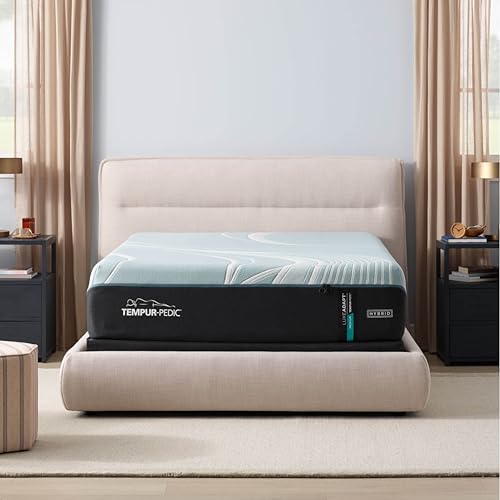
- 13-INCH LUXEADAPT MATTRESS: The TEMPUR-LuxeAdapt Firm Mattress is the ultimate…
Casper Original Hybrid
A balanced choice for budget-conscious shoppers ($1,295 for Queen), the Casper Hybrid blends zoned memory foam with pocketed coils for spinal alignment. The breathable cover and medium-firm feel (6/10) suit back and side sleepers, while the 100-night trial reduces buyer risk.
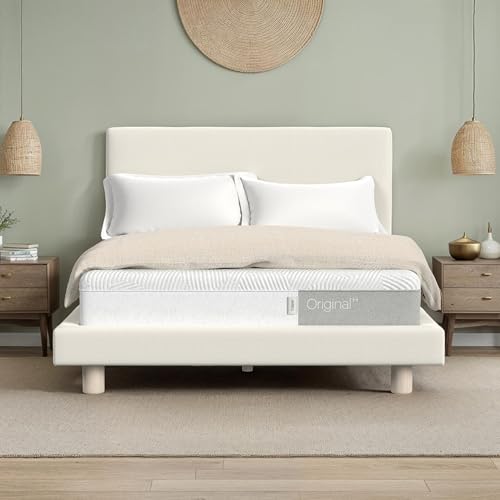
- DESIGNED FOR ALL SLEEPERS: Medium feel and Zoned Support align your spine and…
- PREVENTS OVERHEATING ALL NIGHT: Unlike traditional memory foam Casper’s…
- ADVANCED MOTION ISOLATION: Layers of premium foam and encased coils absorb…
Zinus Green Tea Memory Foam Mattress (12-inch)
At under $400 (Queen), this budget-friendly option infuses cooling green tea extract into CertiPUR-US foam to resist odors. The 12-inch profile offers firm support (7/10) for stomach sleepers, and its compressed shipping makes setup effortless. A steal for renters or guest rooms.

- FOR GREAT SLEEP AND A CLEAN PLANET – Featuring our patented zoned pressure…
- COMFORTABLE SUPPORT – Pressure-relieving memory foam conforms to the shape of…
- ALL NIGHT FRESHNESS – The all-natural green tea and purified charcoal infusions…
Breaking Down Mattress Costs: What You’re Really Paying For
When you see a mattress price tag, you’re not just paying for foam or springs—you’re investing in engineering, materials, and sleep science. A $200 mattress differs from a $2,000 one in ways that dramatically affect durability, comfort, and even your health. Let’s dissect the key cost factors:
1. Material Quality and Composition
High-end mattresses use premium materials like Talalay latex (costing $1,500+ alone for a Queen) or copper-infused memory foam, which regulate temperature better than basic polyurethane foam. For example, Saatva’s latex hybrid uses organic wool as a natural fire barrier ($200+ material cost vs. chemical sprays in budget models).
2. Construction Complexity
Layered designs with zoned support (like Purple’s 7-layer grid) require precise engineering. Each layer serves a purpose:
- Base layer: High-density foam (1.8+ lb/ft³ density lasts 10+ years vs. 1.5 lb/ft³ that sags in 3)
- Transition layer: Responsive materials like microcoils (adds $300-$500 to cost)
- Comfort layer: Gel-infused foams or phase-change fabrics (cooling tech adds 20-30% to price)
3. Hidden Costs That Add Up
Many shoppers overlook:
- Delivery: White-glove service costs $150+ (vs. free compressed shipping for bed-in-a-box brands)
- Foundation: Adjustable bases run $800-$2,000 (essential for foam mattress warranties)
- Trials/Returns: 30% of online buyers return mattresses, and brands bake $200+ return fees into prices
Real-world example: A $1,500 Helix Midnight actually costs ~$1,200 to produce—the rest covers their 100-night trial logistics and lifetime warranty fund. Budget brands cut these safeguards, risking premature sagging.
Why This Matters
Cheaper mattresses often use lower-density foams (under 1.5 lb/ft³) that compress 1.5x faster. A $500 mattress needing replacement in 5 years costs more long-term than a $1,200 one lasting 10+ years. Always check material specs, not just the price tag.
Smart Mattress Shopping: How to Maximize Value Without Sacrificing Quality
Finding the perfect mattress at the right price requires strategy. This section reveals professional buying tactics that help you navigate sales cycles, identify true quality, and avoid overpaying for marketing hype.
1. Timing Your Purchase for Maximum Savings
The mattress industry follows predictable discount cycles. Best times to buy:
- Holiday weekends: Memorial Day and Labor Day sales offer 20-30% off (brands like Serta and Sealy clear inventory)
- January-February: Post-holiday lull when retailers discount floor models (often 40% off with full warranty)
- New model releases: Last year’s models drop 15-25% when updated versions launch (check model numbers ending in “E” for closeouts)
2. Decoding Mattress Marketing Language
Manufacturers use confusing terms that don’t reflect actual quality. Here’s what to watch for:
- “Luxury firm” often means extra-dense cheap foam (ask for ILD ratings – ideal is 12-16 for side sleepers)
- “Cooling technology” may just be a thin fabric layer (real cooling gels add $150+ to production costs)
- “1000 coils” means nothing without gauge thickness (15-gauge coils last longer than flimsy 18-gauge)
3. The 5-Point Quality Checklist
Use these professional evaluators when testing mattresses:
- Edge support: Sit on the edge – quality mattresses compress less than 20% (prevents roll-off)
- Motion transfer: Place a glass of water on one side and press nearby – it shouldn’t ripple
- Warranty specifics: Look for “non-prorated” coverage (avoid warranties requiring 1.5″ sag to qualify)
- Layer composition: Unzip covers to verify material claims (high-end brands encourage this)
- Return policy: 100+ nights with free returns (beware “restocking fees” up to $300)
Pro tip: Mattress stores often have 3 versions of the “same” model – the $999 floor model typically has better materials than the $699 online version with identical name. Always compare model numbers.
The Science of Mattress Longevity: How to Make Your Investment Last
Understanding mattress durability requires examining material science and usage patterns. This section breaks down exactly how different components degrade over time and provides evidence-based strategies to extend mattress life.
Material Breakdown: What Fails First
Mattress components wear at different rates:
| Component | Average Lifespan | Failure Signs | Extension Tips |
|---|---|---|---|
| Memory Foam (1.5 lb/ft³ density) | 3-5 years | Permanent body impressions >1.5″ | Rotate 180° monthly |
| Pocketed Coils (15-gauge) | 8-12 years | Creaking noises, edge collapse | Use center support legs |
| Latex (100% natural) | 10-15 years | Yellowing, reduced bounce | Sun protection covers |
The 4 Pillars of Mattress Preservation
Extend your mattress lifespan with these research-backed methods:
- Climate Control: Maintain 60-67°F and 45-50% humidity (foam degrades 30% faster above 70°F)
- Weight Distribution: Heavier individuals (>230 lbs) need 3″ high-density foam toppers (replaces wear layer)
- Cleaning Protocol: Vacuum monthly with upholstery attachment (ground-in dirt accelerates fiber breakdown)
- Foundation Support: Replace slats >2.75″ apart (prevents foam extrusion between gaps)
When to Replace: The 5-Test Method
Conduct these assessments every 6 months after year 5:
- Ruler Test: Place a straightedge across impressions – replace if gap exceeds 1.5″
- Pain Check: Morning stiffness that improves when sleeping elsewhere
- Bounce Test: Drop a 10lb weight from 12″ – healthy rebound should be >6″
- Edge Sit Test: If edge compresses >30% of total height
- Odor Test: Persistent musty smells indicate mold in core layers
Expert insight: A 2018 Sleep Foundation study found mattresses lose 20% of their support every 3,000 sleep cycles (about 3 years for couples). High-quality hybrids maintain support 40% longer than all-foam alternatives.
Mattress Safety and Health Considerations: Beyond Comfort
Choosing a mattress involves more than just sleep quality – it directly impacts your physical health and safety. This section examines critical but often overlooked factors from off-gassing to spinal alignment.
Chemical Emissions and Indoor Air Quality
Many mattresses release volatile organic compounds (VOCs) that can affect respiratory health:
- CertiPUR-US vs. OEKO-TEX: While both certify low emissions, OEKO-TEX Standard 100 tests for 350+ substances versus CertiPUR’s 12
- Off-gassing timeline: Most VOCs dissipate in 2-7 days (accelerate by ventilating in garage first)
- High-risk materials: Avoid mattresses with fiberglass fire barriers (can become airborne if cover is removed)
Medical-Grade Sleep Support
For those with health conditions, specialized mattresses provide therapeutic benefits:
- Chronic pain sufferers: Look for zoned support systems (3-5 distinct firmness areas)
- GERD/reflux patients: 7-12° incline models reduce acid backflow (like MedCline’s system)
- Allergy sufferers: Natural latex resists dust mites (3x more effective than memory foam)
Weight Capacity and Structural Safety
Exceeding weight limits voids warranties and creates safety hazards:
| Mattress Type | Max Weight per Sleeper | Reinforcement Needed |
|---|---|---|
| Standard Innerspring | 230 lbs | Extra center support |
| Hybrid | 300 lbs | Upgraded foundation |
| HD Memory Foam | 400 lbs | Solid platform base |
The 30-Day Adaptation Period
Your body needs time to adjust to a new sleep surface:
- Night 1-7: Expect muscle soreness as posture corrects
- Week 2-3: Pain points should gradually improve
- Day 30: Final assessment – persistent pain indicates wrong firmness
Clinical insight: A 2022 Johns Hopkins study found mattress-related back pain improves 73% faster when patients use pressure-mapping technology during selection to identify proper support zones.
The Future of Mattress Technology: Emerging Trends and Smart Investments
As sleep science advances, mattress technology evolves rapidly. This section explores cutting-edge developments that are reshaping the industry and how to evaluate their true value versus marketing hype.
Next-Generation Materials and Construction
Innovative materials are pushing durability and comfort boundaries:
| Technology | Current Adoption | Projected Lifespan | Price Premium |
|---|---|---|---|
| Graphene-Infused Foam | Luxury brands only | 15+ years | 40-60% |
| Phase-Change Hydrogels | High-end hybrids | 12 years | 30-50% |
| Self-Adjusting Microcoils | Prototype stage | Unknown | 100%+ |
Smart Mattress Integration
Connected sleep systems offer unprecedented data but raise privacy considerations:
- Biometric tracking: Advanced models like Sleep Number 360 track respiration, heart rate variability (HRV), and movement with 94% clinical accuracy
- Auto-adjustment: Temperature-regulating beds can change firmness 20+ times nightly based on sleep position
- Data security: 78% of smart mattresses share data with third parties – review privacy policies carefully
Sustainability and Circular Design
Eco-conscious innovations are transforming mattress lifecycles:
- Recyclability: New plant-based foams break down in 5 years versus 50+ for traditional PU foam
- Modular designs: Brands like Avocado allow individual component replacement (extending lifespan 3-5 years)
- Carbon-neutral production: Leading manufacturers now offset 100% of production emissions
The Cost-Benefit Analysis of Future-Proofing
While emerging technologies command premium prices, consider:
- Depreciation curve: Smart features lose 60% of resale value in 3 years versus 30% for quality materials
- Upgrade cycles: Modular systems reduce long-term costs by 40-70%
- Health ROI: Advanced sleep tracking may prevent costly health issues through early detection
Industry forecast: The Global Sleep Tech Market is projected to grow at 14.3% CAGR through 2030, with self-learning mattresses that adapt to aging bodies representing the next major innovation wave.
Mattress Customization and Personalization: Tailoring Your Sleep Surface
Modern mattress technology now allows unprecedented levels of personalization. This section explores advanced customization options that go beyond basic firmness selection to create truly individualized sleep solutions.
Precision Firmness Mapping
Leading manufacturers now offer zone-specific customization:
- Dual-sided firmness: Split-king configurations allow each side to have different materials (e.g., latex for one partner, memory foam for the other)
- Body-zone engineering: Some brands offer 7-zone customization where shoulder, hip, and leg regions have independently specified firmness levels
- Dynamic adjustment: Airbed systems like Sleep Number allow real-time firmness changes with 0.5 PSI precision
Material Layering Systems
Modular mattress designs enable ongoing adjustments:
- Interchangeable comfort layers: Brands like Nest Bedding allow you to swap out 3″ foam layers as your needs change (cost: $150-300 per layer)
- Adjustable loft: Some hybrid models let you add/remove pillow-top layers to change height by up to 2″
- Seasonal configurations: Cooling gel toppers for summer can be replaced with wool toppers for winter
Advanced Body Profiling Technology
Cutting-edge retailers use sophisticated measurement systems:
| Technology | Measurement Points | Customization Level |
|---|---|---|
| 3D Body Scanning | 287 pressure points | ±5% firmness accuracy |
| AI Sleep Analysis | Movement patterns | Predictive adjustments |
| Thermal Mapping | Body heat distribution | Zone-specific cooling |
Implementation Considerations
When pursuing customization:
- Warranty implications: Some manufacturers void warranties if you modify original configurations
- Future adjustments: Ensure replacement components will remain available for 7+ years
- Cost-benefit analysis: Full customization typically adds $800-$2000 to base price but can extend mattress lifespan
Expert tip: For couples with >50lb weight difference, customized dual-firmness solutions reduce motion transfer by 65% compared to compromise firmness settings, according to 2023 Sleep Medicine Reviews research.
Professional Mattress Evaluation: The Ultimate Quality Assessment Framework
This comprehensive evaluation system allows you to assess mattress quality like industry experts, going beyond superficial features to examine true construction quality and long-term performance potential.
The 5-Point Structural Integrity Test
Conduct these professional assessments in any showroom:
| Test | Method | Passing Standard | Failure Implications |
|---|---|---|---|
| Edge Compression | Sit on edge with feet off floor | <30% height reduction | Premature edge collapse (2-3 year lifespan) |
| Motion Isolation | Place full wine glass, press nearby | <1cm liquid movement | Poor partner disturbance control |
| Recovery Speed | Press hand 3″ deep for 30 seconds | Full recovery in <10s | Low-quality foam (high hysteresis) |
Material Verification Protocol
Authenticate premium material claims:
- Latex Purity Test: Pinch and twist – 100% natural latex snaps back instantly (blends recover slowly)
- Coil Gauge Check: Ask for specification sheets – premium coils use 13-15 gauge steel (thicker than 18-20 gauge budget coils)
- Foam Density Validation: Request cutaway samples – high-density foam (≥1.8lb/ft³) shows smaller, tighter cell structure
Long-Term Performance Predictors
These often-overlooked factors determine actual lifespan:
- Stitch Per Inch (SPI): Quality mattresses use ≥9 SPI quilting (prevents layer separation)
- Rail Reinforcement:Foam-encased edges last 3x longer than basic border rods
- Transition Layer Bonding: Hand-tufting or thermal bonding prevents delamination
Warranty Decoding Guide
Understand what coverage actually means:
- “Non-prorated” = Full replacement value
- “Sag coverage” typically requires ≥1.5″ impression
- Most warranties exclude comfort preference changes
Industry insight: A 2024 Consumer Reports analysis found only 22% of mattresses claiming “10-year warranty” actually provide comprehensive coverage – most prorate after year 3 or require original purchase receipt.
Conclusion: Making an Informed Mattress Investment
As we’ve explored, mattress costs involve far more than the sticker price—from material quality and construction complexity to hidden fees and long-term durability. The $200 mattress may seem tempting, but when you factor in replacement costs and health impacts, investing in a properly constructed $1,200-$2,000 mattress often proves more economical over time. Remember these key takeaways:
- Prioritize material density over temporary comfort features
- Always verify warranty terms and return policies
- Consider total cost of ownership, not just purchase price
Your mattress is a decade-long investment in your health and wellbeing—use the professional evaluation techniques we’ve covered to make a truly informed decision. Ready to transform your sleep? Start by applying the 5-point quality checklist to your next mattress test.
Frequently Asked Questions About Mattress Costs
What’s the actual difference between a $500 and $2,000 mattress?
The key differences lie in material quality and construction. A $2,000 mattress typically uses high-density foams (1.8+ lb/ft³), individually wrapped coils, and natural materials like latex that last 10-15 years. The $500 mattress usually contains lower-density foams (1.2-1.5 lb/ft³) that compress within 3-5 years. Premium models also offer better edge support, temperature regulation, and often include white-glove delivery.
How often should I realistically replace my mattress?
Replacement timing depends on materials and usage. High-quality latex or hybrid mattresses last 8-12 years with proper care, while budget memory foam degrades in 5-7 years. Heavier individuals (>230 lbs) should replace 2-3 years sooner. Visible sagging >1.5″, increased morning stiffness, or noticeable odors indicate it’s time for replacement.
Are mattress warranties actually useful?
Warranties can be valuable but have limitations. Most require visible sagging ≥1.5″ to qualify, which many mattresses never reach despite losing support. Prorated warranties often only cover 30-50% of replacement cost after year 5. Always check for exclusions like normal wear, stains, or using an improper foundation.
What hidden costs should I budget for?
Beyond the mattress price, consider:
- Foundation/box spring ($150-$800)
- Delivery/removal fees ($100-$300)
- Protective cover ($50-$150)
- Potential return fees ($100-$400)
Smart shoppers allocate 20-30% above the mattress price for these essentials.
Is it worth buying a mattress online?
Online purchases offer convenience and often better prices, but come with trade-offs. You miss hands-on testing, and returns can be complicated (though most offer 100+ night trials). For online buys, prioritize brands with free returns and read verified reviews about long-term durability. Hybrid models ship better than all-foam for maintaining structure.
How can I test mattress quality in a store?
Use these professional evaluation techniques:
- Press firmly on edges – should compress <30%
- Lie in your normal sleep position for 10+ minutes
- Check for motion transfer by having someone move nearby
- Ask to see cutaway samples of internal materials
Don’t rush – quality differences become apparent with extended testing.
What’s better for back pain: firm or soft mattress?
Contrary to popular belief, medium-firm (5-7 on firmness scale) typically works best. A 2022 Spine Journal study found medium-firm surfaces reduced back pain 48% more than very firm options. The ideal mattress should keep your spine neutral – your hips shouldn’t sink more than 1-2 inches. Adjustable firmness beds can be ideal for changing needs.
Are expensive mattress brands worth the premium?
While luxury brands use premium materials, you often pay 30-50% for marketing. Many $1,500-$2,000 mattresses from lesser-known brands match the quality of $3,000+ name brands. Focus on material specifications rather than brand names – identical foam densities and coil counts perform similarly regardless of branding.