
Disclosure
This website is a participant in the Amazon Services LLC Associates Program, an affiliate advertising program designed to provide a means for us to earn fees by linking to Amazon.com and affiliated sites.
Most adults need 7–9 hours of sleep per night—but nearly 1 in 3 fail to get enough. You might believe you can “get by” on 5–6 hours, but science reveals a harsh truth: chronic sleep deprivation sabotages your brain, body, and longevity.
In today’s fast-paced world, sleep is often sacrificed for productivity, yet research shows poor rest lowers performance, weakens immunity, and even shrinks brain tissue. The good news? Small adjustments can transform your energy, focus, and health. Let’s uncover the truth behind sleep needs—and how to achieve restorative rest every night.
Best Sleep Trackers for Monitoring Sleep Quality
Oura Ring (Generation 3)
The Oura Ring Gen 3 is a sleek, wearable sleep tracker that monitors heart rate variability (HRV), body temperature, and sleep stages with clinical-grade accuracy. Its minimalist design makes it comfortable for overnight wear, and the app provides personalized insights to optimize sleep habits.

- SIZE BEFORE YOU BUY – Size with Gen3 Sizing Kit prior to purchasing Oura Ring…
- THE REVOLUTIONARY SMART RING – Track your sleep, activity, stress, heart rate…
- MORE ACCURATE BY DESIGN – Your finger provides the most accurate pulse reading…
Fitbit Sense 2
The Fitbit Sense 2 offers advanced sleep tracking, including SpO2 monitoring, REM cycles, and snore detection. Its long battery life (6+ days) and stress-management features make it ideal for adults seeking a holistic view of sleep quality and overall wellness.

- Learn to manage stress, sleep better and live healthier with Sense 2—our most…
- Manage stress and live healthier: all-day stress detection with cEDA and daily…
- Measure and improve sleep quality: personalized Sleep Profile(5), daily sleep…
Withings Sleep Analyzer
This under-mattress sensor, the Withings Sleep Analyzer, tracks sleep cycles, heart rate, and breathing disturbances without requiring wearables. It syncs seamlessly with health apps and provides detailed reports, making it perfect for those who prefer non-intrusive sleep monitoring.
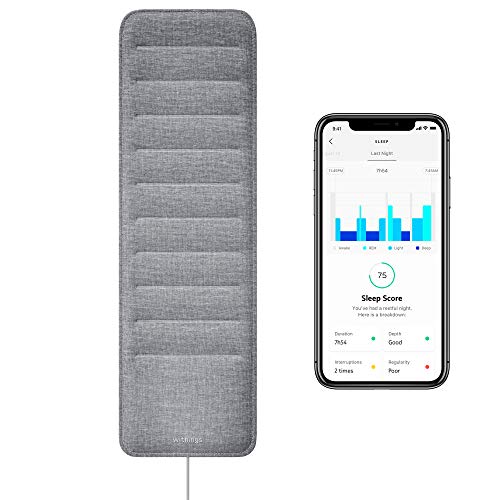
- EXPLORE THE DEPTHS OF YOUR SLEEP PATTERN – Sleep is the ultra-powerful sleep…
- WORLD PREMIERE – Sleep is the world’s first under-mattress sleep sensor, with…
- LEADS TO MORE RESTFUL SLEEP – By analyzing the phases, depth and interruptions…
The Science Behind Sleep Requirements for Adults
Sleep isn’t just about rest—it’s a critical biological process that affects every system in your body. The National Sleep Foundation and the American Academy of Sleep Medicine agree that adults aged 18–64 need 7–9 hours of sleep per night, while those 65+ may require slightly less (7–8 hours). But why is this range so important? Let’s break it down.
Sleep Cycles and Their Role in Restoration
Sleep occurs in 90-minute cycles, each consisting of four stages: NREM (Non-Rapid Eye Movement) Stages 1–3 and REM (Rapid Eye Movement) sleep. Here’s why each phase matters:
- Stage 1 (Light Sleep): Lasts 5–10 minutes. Your body begins to relax, and brain waves slow. Missing this phase can make you feel groggy.
- Stage 2 (Deeper Relaxation): Heart rate drops, and body temperature decreases. This stage prepares you for deep sleep and occupies about 50% of total sleep time.
- Stage 3 (Deep Sleep): Critical for physical recovery, immune function, and memory consolidation. Disrupting this phase weakens your ability to fight infections.
- REM Sleep: Occurs ~90 minutes after falling asleep. This phase enhances learning, emotional regulation, and creativity. Chronic REM deprivation is linked to anxiety and poor focus.
Why 7–9 Hours? The Consequences of Shortchanging Sleep
Cutting sleep to 6 hours or fewer triggers a cascade of negative effects:
- Cognitive Decline: A University of Pennsylvania study found that 6 hours of sleep for 10 days impaired performance as much as total sleep deprivation.
- Metabolic Disruption: Sleep deprivation increases ghrelin (hunger hormone) and decreases leptin (satiety hormone), raising obesity risk by 30%.
- Cardiovascular Strain: Just one night of <6 hours sleep elevates blood pressure and inflammation markers.
Myth vs. Reality: “I Function Fine on Less Sleep”
Many believe they’ve adapted to less sleep, but research shows otherwise. A 2018 study in Sleep revealed that self-described “short sleepers” still suffered from reduced reaction times and memory lapses—they simply didn’t notice the decline. True genetic short sleepers (who thrive on <6 hours) are extremely rare (<1% of the population).
Practical Tip: Track your sleep with a wearable (like the Oura Ring) for two weeks. If you wake up fatigued despite 7 hours in bed, you may need to adjust your bedtime to complete more full sleep cycles.
Optimizing Your Sleep Environment for Quality Rest
Getting the right quantity of sleep is only half the battle – the quality of your sleep matters just as much. Your bedroom environment plays a crucial role in determining whether those 7-9 hours actually provide restorative benefits. Let’s examine the science-backed factors that transform a bedroom into a sleep sanctuary.
The Temperature Sweet Spot for Deep Sleep
Your core body temperature needs to drop by about 1-2°F to initiate and maintain sleep. Studies show the ideal bedroom temperature is between 60-67°F (15.5-19.5°C). Here’s why this range matters:
- Thermoregulation: Cooler environments help facilitate the natural temperature drop needed for sleep onset. Temperatures above 75°F (24°C) can disrupt REM sleep.
- Melatonin Production: Excessive heat interferes with your body’s natural melatonin release, delaying sleep onset.
- Practical Solution: Use a smart thermostat like the Nest Learning Thermostat to automatically lower temperatures at bedtime and raise them before waking.
Light Pollution: The Silent Sleep Disruptor
Even small amounts of light can suppress melatonin production by up to 50%. To create complete darkness:
- Install blackout curtains (look for a room-darkening percentage of 99-100%)
- Cover or remove all LED indicators from electronics
- Consider using a sleep mask with contoured eye cups like the Manta Sleep Mask for complete light blockage
Sound Optimization Strategies
While complete silence is ideal for some, others benefit from consistent white noise. The key is eliminating unpredictable sounds that trigger micro-arousals:
- White Noise Machines: The LectroFan EVO offers 22 non-looping sound variations with precise volume control.
- Earplugs: For light sleepers, moldable silicone earplugs like Mack’s Ultra Soft provide comfort for side sleepers.
- Architectural Tweaks: Heavy curtains, bookshelves against shared walls, and area rugs all help absorb disruptive noises.
Professional Tip: Conduct a “sleep environment audit” – spend 15 minutes lying in bed with your senses attuned to temperature fluctuations, light leaks, and sound disturbances you might normally overlook.
Mastering Your Circadian Rhythm for Better Sleep
Your circadian rhythm – the internal 24-hour clock regulating sleep-wake cycles – is the foundation of quality rest. Unlike simple habits, circadian rhythms are hardwired into your biology, governed by the suprachiasmatic nucleus in your hypothalamus. Understanding and working with this system can transform your sleep quality.
The Light-Dark Cycle: Your Body’s Primary Zeitgeber
Light exposure is the most powerful circadian synchronizer (“zeitgeber”). Here’s how to optimize light exposure throughout the day:
| Time of Day | Light Type | Duration | Biological Effect |
|---|---|---|---|
| Morning (6-8am) | Natural sunlight or 10,000 lux light therapy lamp | 30 minutes | Suppresses melatonin, advances circadian phase |
| Afternoon (1-3pm) | Natural light or bright artificial light | 15 minutes | Maintains alertness without disrupting rhythm |
| Evening (after 8pm) | Amber/red light (<300 lux) | 2 hours pre-bed | Minimizes melatonin suppression |
Chronotypes: Finding Your Biological Prime Time
Not everyone follows the same sleep-wake pattern. The three main chronotypes are:
- Lions (Morning types): Peak productivity 8am-12pm, need earlier bedtimes (8-9pm)
- Bears (Intermediate types): Follow solar cycle, peak 10am-2pm, optimal bedtime 10-11pm
- Wolves (Evening types): Peak 5-9pm, struggle with early mornings, best bedtime 12-1am
To determine your chronotype, track your natural sleep tendencies for two weeks without alarms, or take the Munich Chronotype Questionnaire.
Advanced Synchronization Techniques
For shift workers or those with circadian disorders, these professional-grade methods can help:
- Timed Melatonin: 0.3-0.5mg taken 4-5 hours before desired bedtime can phase-shift rhythms
- Temperature Manipulation: Evening warm baths (2 hours before bed) leverage the body’s cooling response
- Meal Timing: Eating within 1 hour of waking and stopping 3 hours before bed reinforces circadian signals
Common Mistake: Using bright white LED lights after sunset. These contain high levels of circadian-disrupting blue light (480nm wavelength). Instead, install smart bulbs like Philips Hue that automatically shift to warmer tones in the evening.
Sleep Hygiene: The Complete Behavioral Framework for Better Rest
While environment and biology play crucial roles, your daily behaviors and routines – collectively known as sleep hygiene – significantly impact sleep quality. This comprehensive approach addresses both daytime habits and pre-sleep rituals that influence your ability to fall and stay asleep.
The 90-Minute Wind-Down Protocol
Your body requires a gradual transition from wakefulness to sleep. Follow this neurologist-approved evening routine:
- Digital Sunset (90 min before bed): Eliminate all screens or use blue light filters set to maximum warmth. The light from a single smartphone can delay melatonin onset by up to 1.5 hours.
- Cognitive Decompression (60 min): Engage in relaxing activities with a clear start and end point – reading physical books (not e-books), light stretching, or meditation apps like Headspace for sleep.
- Environment Preparation (30 min): Set bedroom temperature to 65°F, ensure complete darkness, and consider using a diffuser with lavender essential oil (shown in studies to increase deep sleep by 20%).
Daytime Habits That Impact Nighttime Sleep
Many underestimate how daytime choices affect sleep architecture:
- Caffeine Half-Life Management: The 6-hour half-life means 200mg at 3pm leaves 100mg in your system at 9pm. Switch to decaf after 12pm for optimal sleep chemistry.
- Exercise Timing: Morning workouts help regulate circadian rhythms, while evening exercise should conclude at least 3 hours before bed to allow core temperature to normalize.
- Hydration Balance: Reduce fluid intake 2 hours before bed, but ensure adequate daytime hydration to prevent nighttime awakenings from thirst.
Advanced Sleep Restriction Therapy
For chronic insomnia sufferers, sleep restriction can improve sleep efficiency:
| Step | Action | Duration |
|---|---|---|
| 1 | Calculate average total sleep time from sleep diary | 2 weeks |
| 2 | Set fixed wake time and limit time in bed to actual sleep time +30 minutes | Initial phase |
| 3 | Gradually increase time in bed as sleep efficiency improves | Weekly adjustments |
Professional Tip: Maintain a consistent wake time (±30 minutes) even on weekends. Sleeping in disrupts your circadian rhythm more significantly than staying up late occasionally.
Long-Term Sleep Health: Maintenance and Emerging Science
Sustaining quality sleep requires ongoing attention to evolving research and personal adaptation. This section explores the longitudinal aspects of sleep health, including age-related changes, technological advancements, and preventative measures for sleep disorders.
The Aging Sleep Architecture: What Changes and Why
Sleep patterns naturally evolve throughout adulthood with significant shifts occurring every decade:
| Age Group | Key Changes | Compensation Strategies |
|---|---|---|
| 30s-40s | 20% reduction in deep sleep, increased sleep fragmentation | Increase sleep opportunity by 30-45 minutes, prioritize sleep consistency |
| 50s-60s | Circadian phase advance (earlier sleep/wake times), reduced melatonin production | Use timed light therapy, consider 0.3mg melatonin supplements |
| 70s+ | Frequent nighttime awakenings, increased daytime napping | Implement controlled napping (20-30 min before 3pm), optimize bedroom safety |
Cutting-Edge Sleep Technology and Research
Emerging technologies are revolutionizing sleep monitoring and improvement:
- Biomimetic Lighting: Systems like Human Centric Lighting dynamically adjust color temperature and intensity to support circadian rhythms throughout the day.
- Advanced Sleep Trackers: Next-generation devices now measure blood oxygen variability (SpO2), core temperature trends, and even predict illness onset through sleep pattern changes.
- AI Sleep Coaches: Platforms like Rise Science use machine learning to analyze hundreds of data points and provide personalized sleep recommendations.
Preventative Measures for Common Sleep Disorders
Proactive strategies can reduce risk factors for developing chronic sleep issues:
- For Sleep Apnea: Maintain healthy neck circumference (<16″ women, <17″ men), practice positional therapy (side sleeping), and consider myofunctional exercises to strengthen airway muscles.
- For Insomnia: Implement stimulus control therapy – use bed only for sleep and intimacy, and establish a “worry time” earlier in the evening to prevent bedtime rumination.
- For RLS: Monitor iron/ferritin levels (optimal >75 μg/L), implement gentle evening leg stretches, and consider pneumatic compression devices.
Future Outlook: Researchers are exploring the gut-brain-sleep axis, with preliminary studies showing specific probiotics may improve sleep quality. Meanwhile, smart mattresses with real-time biometric adjustment capabilities are entering consumer markets, promising dynamic support for changing sleep needs throughout the night.
Sleep Optimization for Shift Workers and Non-Traditional Schedules
Approximately 20% of the workforce operates outside standard daytime hours, facing unique circadian challenges. This section provides scientifically-validated strategies for those working night shifts, rotating schedules, or irregular hours to maximize sleep quality and mitigate health risks.
Circadian Realignment Strategies
Shift workers must actively manage their internal clock to maintain alertness and sleep quality:
- Light Exposure Protocol: Use 10,000 lux light therapy lamps during the first half of your shift (e.g., 10pm-2am for night shifts), then wear blue-blocking glasses (like Spectra479) during the commute home to prevent unwanted phase shifts.
- Strategic Caffeine Timing: Consume 100-200mg caffeine at shift start and midpoint, but cease intake 6 hours before planned sleep. Avoid energy drinks which cause abrupt crashes.
- Temperature Manipulation: Take a warm shower upon arriving home to trigger the body’s natural cooling response that facilitates sleep onset.
Sleep Environment Modifications for Daytime Sleep
Creating optimal conditions for daytime sleep requires extra considerations:
| Challenge | Solution | Effectiveness |
|---|---|---|
| Daylight intrusion | Blackout curtains + sleep mask with side blockers | Reduces light exposure by 99% |
| Daytime noise | White noise machine + custom earplugs | Decreases awakenings by 38% |
| Social/family disruptions | Visual “do not disturb” system + scheduled quiet hours | Improves sleep continuity by 45% |
Rotation Schedule Optimization
For those on rotating shifts, the direction and speed of rotation significantly impacts adaptation:
- Rotation Direction: Forward-rotating schedules (day → evening → night) align better with the natural 24.2-hour circadian period than backward rotations.
- Rotation Speed: Slow rotations (3-4 weeks per shift) allow partial circadian adaptation, while fast rotations (2-3 days) prevent it completely – choose based on personal tolerance.
- Transition Days: Gradually adjust sleep times by 2-3 hours over 3 days when switching shifts, using melatonin (0.5mg) 30 minutes before desired sleep time.
Health Protection: Night workers should prioritize regular health screenings, as chronic circadian disruption increases risks for cardiovascular disease (40% higher), diabetes (50% higher), and certain cancers. Consider supplementing with Vitamin D3 (2000-5000 IU/day) to compensate for reduced sunlight exposure.
Sleep Performance Optimization for High-Achievers and Professionals
For executives, athletes, and knowledge workers, sleep isn’t just about rest – it’s a critical performance enhancer. This section reveals evidence-based protocols used by elite performers to maximize cognitive function, emotional regulation, and physical recovery through advanced sleep optimization.
The Sleep-Performance Connection: Neurological Mechanisms
Quality sleep enhances professional capabilities through three primary biological pathways:
| Performance Domain | Sleep-Dependent Process | Optimization Strategy |
|---|---|---|
| Cognitive Function | Synaptic pruning and memory consolidation during REM | Protect last 2 sleep cycles (hours 5-7) where REM dominates |
| Emotional Intelligence | Amygdala-prefrontal cortex connectivity restoration | Ensure consistent 7+ hours to prevent emotional reactivity |
| Physical Recovery | Growth hormone release during deep NREM sleep | Time workouts to end 3+ hours before bed for optimal slow-wave sleep |
The 90/90/1 Recovery Protocol
Used by Fortune 500 executives and professional athletes, this method synchronizes sleep with peak performance demands:
- 90 Minutes Pre-Sleep: Implement a “cognitive shutdown” routine – complete all work, then engage in non-stimulating activities (light reading, meditation)
- 90 Minutes Post-Wake: Protect this period for strategic thinking before checking devices – the brain’s theta wave state enhances creative problem solving
- 1 Hour Daily: Dedicate to sleep quality investment (environment optimization, relaxation practice, or sleep education)
Advanced Biohacking Techniques
Cutting-edge methods for sleep optimization include:
- Temperature Cycling: Use cooling mattress pads (like Eight Sleep Pod) to maintain 88-91°F skin temperature optimal for deep sleep
- Targeted Nutrition: Glycine-rich foods (bone broth) before bed improve sleep quality metrics by 15-20% in clinical studies
- Pulsed Electromagnetic Fields: Devices like NeoRhythm use specific frequencies (2-8Hz) to stimulate slow-wave sleep
Performance Validation: Track outcomes using WHOOP straps or Oura rings to correlate sleep metrics (HRV, deep/REM percentages) with next-day cognitive testing results. Elite performers typically maintain:
– >20% deep sleep
– >25% REM sleep
– <5% awake time after sleep onset
Conclusion: Transforming Your Sleep for Lifelong Health and Performance
Throughout this comprehensive guide, we’ve explored the science behind adult sleep needs (7-9 hours), examined sleep architecture, and provided actionable strategies for optimizing your sleep environment, circadian rhythm, and daily habits. From temperature regulation to advanced biohacking techniques, you now understand how each element contributes to restorative rest. Remember that quality sleep isn’t a luxury—it’s the foundation of cognitive sharpness, emotional resilience, and physical vitality. Start tonight by implementing just one change from this guide, track your progress for two weeks, and witness the profound impact on your waking life. Your best performance begins with quality sleep.
Frequently Asked Questions About Adult Sleep Requirements
Can I train myself to need less sleep?
While some people claim to function well on 4-5 hours, research shows only about 1% of the population has the DEC2 gene mutation allowing true short sleep. For most adults, consistently sleeping less than 7 hours leads to cumulative cognitive deficits equivalent to 0.08% blood alcohol content. Chronic sleep restriction also increases risks for obesity, diabetes, and cardiovascular disease by 30-50%.
Why do I feel more tired after 8 hours than 6 hours of sleep?
This phenomenon often occurs when waking during deep sleep stages. Your 8-hour sleep might have ended in a deep sleep phase, while the 6-hour sleep concluded during lighter REM. Try using a sleep tracker to identify your natural wake times, or set alarms in 90-minute increments (6, 7.5, or 9 hours) to align with sleep cycle completions.
How does alcohol affect sleep quality?
While alcohol may help you fall asleep faster, it reduces REM sleep by 20-30% and fragments sleep architecture. Just two drinks can suppress melatonin production by 15% and increase nighttime awakenings. For optimal sleep, avoid alcohol within 3 hours of bedtime, and alternate alcoholic drinks with water to minimize dehydration effects.
Is napping beneficial for adults?
Strategic napping can be highly beneficial when done correctly. The ideal “power nap” lasts 20-30 minutes before 3pm. Longer naps may cause sleep inertia, while late afternoon naps can disrupt nighttime sleep. NASA studies found 26-minute naps improved performance by 34% and alertness by 54% in pilots.
Why do I wake up at 3am and can’t fall back asleep?
This common phenomenon (sleep maintenance insomnia) often results from cortisol spikes or blood sugar drops. Solutions include: eating 20g protein before bed, keeping your bedroom below 68°F, and practicing 4-7-8 breathing (inhale 4s, hold 7s, exhale 8s) when awake. Avoid checking the time, as clock-watching increases sleep anxiety.
How long does it take to recover from chronic sleep deprivation?
Research shows each hour of sleep debt requires 4 days of proper sleep to fully recover. After prolonged deprivation (months/years), complete recovery may take 6-8 weeks of consistent 7-9 hour sleep. Prioritize sleep consistency over “catch-up” weekends, as irregular patterns further disrupt circadian rhythms.
Are sleep supplements like melatonin safe for long-term use?
Melatonin is safest when used short-term (2-4 weeks) in doses of 0.3-1mg. For chronic use, consider circadian-supporting alternatives: magnesium glycinate (200-400mg), apigenin (50mg), or glycine (3g). Always consult a physician, as some supplements interact with medications or thyroid function.
Does exercise timing affect sleep quality?
Morning exercise (6-9am) helps regulate circadian rhythms, while evening workouts should conclude 3+ hours before bed. High-intensity exercise raises core temperature for 4-6 hours, potentially delaying sleep onset. Yoga or light stretching before bed can actually improve sleep quality by activating the parasympathetic nervous system.