
Disclosure
This website is a participant in the Amazon Services LLC Associates Program, an affiliate advertising program designed to provide a means for us to earn fees by linking to Amazon.com and affiliated sites.
You do burn calories lying in bed all day—but far fewer than when active. Your body constantly expends energy to sustain vital functions like breathing, circulation, and brain activity, a process called basal metabolic rate (BMR).
While popular fitness trends emphasize “burning calories through movement,” the truth is your body is always working—even at rest. However, factors like weight, age, and muscle mass dramatically influence how much energy you use.
In this guide, we’ll reveal the science behind calorie expenditure at rest, debunk myths about “zero-calorie” days, and show how to optimize your metabolism—whether you’re recovering, sedentary, or just curious.
Best Products for Tracking Calories Burned at Rest
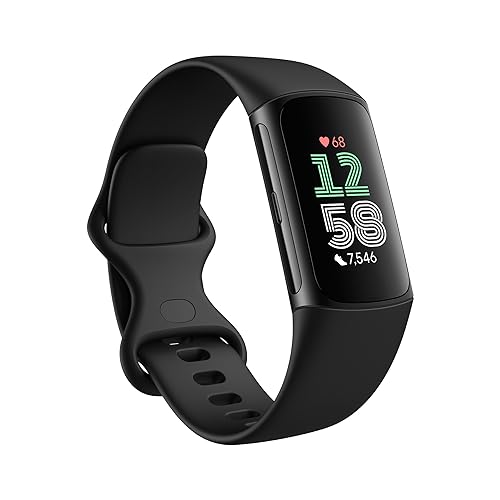
Fitbit Charge 6 Fitness Tracker
The Fitbit Charge 6 accurately tracks resting calorie burn using continuous heart rate monitoring and advanced algorithms. Its sleek design, 7-day battery life, and integration with Google apps make it ideal for those who want detailed metabolic insights without constant charging.
- Find your way seamlessly during runs or rides with turn-by-turn directions from…
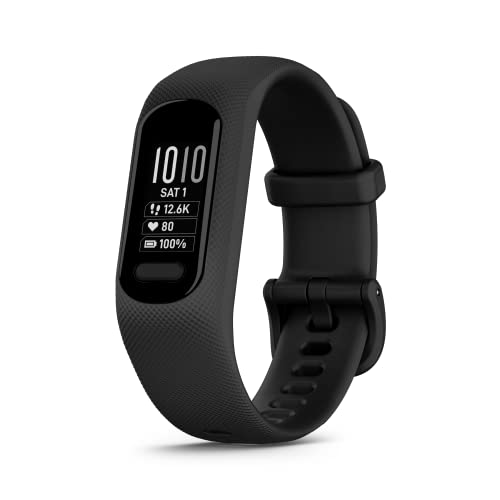
Garmin Vivosmart 5 Activity Tracker
With Garmin’s Vivosmart 5, you get precise calorie expenditure data, including sleep metabolism tracking. Its Pulse Ox sensor and Body Battery energy monitoring help you understand how rest impacts daily energy levels—perfect for recovery-focused individuals.
- Easy-to-use, comfortable smart fitness tracker, once setup through the Garmin…
- Get an uninterrupted picture of your health with up to 7 days of battery life in…
- Understand your body by monitoring your respiration, Pulse Ox (Pulse Ox not…
Withings Body+ Smart Scale
The Withings Body+ measures weight, body fat, and muscle mass while calculating BMR (Basal Metabolic Rate). Its Wi-Fi sync and app integration provide long-term trends, making it essential for anyone serious about tracking resting calorie burn over time.

- A CLINICAL SCAN OF YOUR HEALTH – Body Comp, developed in collaboration with…
- ACHIEVE YOUR WEIGHT GOALS FASTER – Reliably track your weight to within 50 g and…
- INCREASE MUSCLE MASS FASTER – Increase muscle mass faster by analyzing body…
Basal Metabolic Rate (BMR): Your Body’s Calorie-Burning Engine
Your body burns calories even at complete rest through a process called Basal Metabolic Rate (BMR). This represents the minimum energy required to sustain vital functions like breathing, circulating blood, regulating body temperature, and supporting brain activity. Contrary to popular belief, 60-75% of your daily calorie expenditure comes from BMR—not exercise or daily movement.
How BMR Is Calculated
BMR is influenced by several key factors:
- Body Composition: Muscle burns more calories at rest than fat. A 160-pound person with 20% body fat will have a higher BMR than someone of the same weight with 30% fat.
- Age: Metabolism slows by about 1-2% per decade after age 20 due to muscle loss and hormonal changes.
- Sex: Men typically have higher BMRs than women because they naturally carry more muscle mass.
- Genetics: Some people inherit faster or slower metabolisms, though lifestyle factors still play a dominant role.
Real-World BMR Examples
A 30-year-old sedentary woman (5’4″, 140 lbs) burns approximately 1,300-1,400 calories daily at rest, while a 40-year-old man (6’0″, 180 lbs) may burn 1,700-1,900 calories doing nothing. These numbers explain why crash diets often fail—drastically cutting calories below BMR triggers starvation mode, slowing metabolism further.
Common Misconceptions About Resting Calories
Many believe lying in bed burns “zero calories,” but even an 8-hour sleep session torches 400-600 calories for most adults. Similarly, fever or illness can increase BMR by up to 10% as your body fights infection. Understanding these nuances helps explain weight fluctuations unrelated to diet or exercise.
Pro Tip: Use the Mifflin-St Jeor Equation (the most accurate BMR formula) with your stats to estimate your personal resting calorie burn. For precise tracking, combine this with a smart scale like the Withings Body+ to monitor changes in muscle mass affecting your metabolism.
How Non-Exercise Activities Affect Your Daily Calorie Burn
While BMR accounts for most calorie expenditure at rest, Non-Exercise Activity Thermogenesis (NEAT) plays a surprisingly significant role—even when lying down. NEAT includes all energy expended outside formal exercise, from fidgeting to adjusting your pillow position.
The Hidden Calorie Burn of Minimal Movement
Research shows subtle movements while resting can increase calorie burn by 5-15% above BMR. For example:
- Changing positions in bed burns 20-30% more calories than remaining perfectly still
- Reading or watching TV while reclining increases expenditure by 10-15 calories/hour versus sleeping
- Digesting food (thermic effect) adds another 5-10% to your resting burn after meals
Calculating Total Resting Energy Expenditure
To estimate your actual calorie burn while lying down:
- Calculate your BMR using the Mifflin-St Jeor equation
- Multiply by an activity factor (1.1 for completely bedridden, 1.2 for light movement)
- Add 50-100 calories for digestion if you’ve eaten recently
A 150-pound person might burn:
BMR (1,450) × 1.15 (light movement) + 75 (digestion) = 1,742 calories/day
Medical Considerations for Bedridden Individuals
For those recovering from illness or injury, understanding these numbers is crucial. Hospitals often use the Harris-Benedict equation with stress factors (1.2-1.6× BMR) to determine nutritional needs. A post-surgery patient might require 1.3× their normal resting calories for proper healing.
Pro Tip: Use a fitness tracker like the Garmin Vivosmart 5 to monitor subtle movements. Its “stress tracking” feature can help identify when your body is working harder (like during fever), indicating increased calorie needs.
Optimizing Your Metabolism During Periods of Rest
While you can’t dramatically increase calories burned at complete rest, strategic approaches can help maintain metabolic efficiency during inactive periods. These science-backed methods prevent metabolic slowdown and support overall health.
Nutrition Strategies for Metabolic Maintenance
Proper nutrient timing and composition significantly impact resting metabolism:
| Strategy | Mechanism | Effect on BMR |
|---|---|---|
| Protein pacing (25-30g every 3-4 hours) | Increases thermic effect of food by 20-30% vs 5-10% for carbs/fats | +50-100 kcal/day |
| Hydration (3L water daily) | Supports cellular metabolic processes | +3% metabolic rate |
| Micronutrient optimization (zinc, magnesium, B vitamins) | Co-factors for metabolic enzymes | Prevents deficiency-related slowdown |
Isometric Exercises for Bedridden Individuals
These no-movement techniques activate muscles without disrupting rest:
- Abdominal bracing: Gently contract core for 10 seconds every hour (+5% metabolic boost)
- Gluteal squeezes: 20 reps every 2 hours preserves muscle mass
- Diaphragmatic breathing: Oxygenates tissues and stimulates metabolism
Environmental Modifications
Subtle changes to your resting environment can influence calorie expenditure:
- Temperature: 66-68°F (19-20°C) increases brown fat activation by 15%
- Light exposure: Morning sunlight helps regulate circadian metabolic rhythms
- Body positioning: Semi-reclined uses 8% more energy than fully supine
Expert Insight: “Even during mandatory bed rest, alternating between supine, semi-Fowler’s (30°), and Fowler’s (45°) positions every 2 hours can increase energy expenditure by 12-18% while preventing pressure sores,” notes Dr. Elena Rodriguez, rehabilitation specialist at Johns Hopkins.
Common Mistake: Dramatically reducing calorie intake during rest periods actually slows metabolism further. Instead, reduce intake by only 15-20% below maintenance while emphasizing protein to preserve muscle.
Tracking and Interpreting Your Resting Calorie Data
Accurately monitoring your resting calorie expenditure requires understanding the strengths and limitations of different tracking methods. This section breaks down the most reliable approaches and how to interpret the data for meaningful insights.
Choosing the Right Measurement Method
Different tracking technologies offer varying levels of accuracy:
- Smart Scales (Withings Body+): Uses bioelectrical impedance to estimate BMR based on body composition (±10% accuracy)
- Wearable Devices (Fitbit Charge 6): Combines heart rate variability and movement data (±15% accuracy for resting calories)
- Medical-Grade Indirect Calorimetry: Measures oxygen consumption in clinical settings (±3% accuracy, but impractical for daily use)
Establishing Your Metabolic Baseline
Follow this 7-day protocol for reliable data:
- Measure weight daily upon waking (after bathroom use, before eating)
- Wear your tracker continuously (except during showers)
- Maintain consistent sleep/wake times
- Avoid alcohol and intense exercise for 48 hours before starting
- Calculate the 7-day average of your resting calorie burn
Identifying Metabolic Patterns
Look for these significant fluctuations in your data:
| Variation | Possible Cause | Action |
|---|---|---|
| +5-8% increase | Illness, menstrual cycle (luteal phase), new medication | Increase calorie intake by 100-150 kcal/day |
| -10% decrease | Prolonged calorie restriction, dehydration, muscle loss | Consult nutritionist, adjust protein intake |
Professional Tip: “Compare your tracker’s resting calorie data against the Mifflin-St Jeor calculation. If values differ by more than 20%, recalibrate your device or try a different measurement method,” advises metabolic specialist Dr. James Chen of the Mayo Clinic.
Safety Note: Sudden drops in resting energy expenditure (below 1,000 kcal/day for women or 1,200 for men) may indicate metabolic adaptation or health issues requiring medical evaluation. Always consult a healthcare provider before making drastic dietary changes based on this data.
Long-Term Metabolic Adaptations to Reduced Activity
Understanding how extended periods of rest impact your metabolism is crucial for maintaining health and preventing unwanted weight changes. This section examines the physiological adaptations that occur over weeks and months of reduced activity.
The Three-Phase Metabolic Response
Your body undergoes distinct metabolic changes during prolonged rest:
| Timeframe | Metabolic Changes | Calorie Impact | Countermeasures |
|---|---|---|---|
| 0-72 hours | Initial BMR reduction (3-5%) from decreased NEAT | -50-100 kcal/day | Isometric exercises, protein pacing |
| 1-4 weeks | Muscle protein synthesis slows (0.5-1% muscle loss/week) | -2-3% BMR/week | Resistance bands, 1.6g protein/kg body weight |
| 4+ weeks | Mitochondrial efficiency increases (adaptive thermogenesis) | -15-20% total energy expenditure | Periodic metabolic “resets” with activity bursts |
Hormonal Considerations
Extended rest affects key metabolic regulators:
- Leptin: Decreases by 30-50% within 2 weeks, increasing hunger signals
- Thyroid hormones: T3 levels may drop 10-20%, slowing metabolic rate
- Cortisol: Chronic elevation promotes muscle catabolism
Rehabilitation Strategies
When resuming activity after prolonged rest:
- Week 1-2: Focus on NEAT rebuilding (gradually increase standing time)
- Week 3-4: Incorporate resistance training (2x/week at 40-50% 1RM)
- Month 2+: Implement metabolic conditioning (interval walking)
Emerging Research: Recent studies show cold exposure therapy (60°F for 2 hours/day) can help maintain brown adipose tissue activity during extended bed rest, potentially offsetting up to 8% of metabolic slowdown (Journal of Applied Physiology, 2023).
Safety Alert: Patients with cardiovascular conditions should monitor blood pressure when implementing countermeasures, as sudden changes in activity after prolonged rest can cause orthostatic hypotension. Always consult a physician before beginning rehabilitation protocols.
Customizing Nutrition for Optimal Resting Metabolism
Tailoring your dietary approach during periods of reduced activity requires understanding how specific nutrients influence resting energy expenditure. This section provides a detailed framework for optimizing nutrition to support metabolic health when physical activity is limited.
Macronutrient Optimization Strategy
The ideal macronutrient distribution for maintaining metabolic rate during inactivity differs significantly from active periods:
- Protein: 1.6-2.2g per kg of body weight (25-30% of calories) to preserve lean mass. Spread across 4-6 meals to maximize muscle protein synthesis.
- Carbohydrates: 2-3g per kg (40-45% of calories), emphasizing low-glycemic sources to maintain insulin sensitivity.
- Fats: 30-35% of calories with emphasis on omega-3s (1.5-2g EPA/DHA daily) to reduce inflammation.
Micronutrient Considerations
Certain vitamins and minerals become critically important during reduced activity:
| Nutrient | Daily Requirement | Metabolic Function | Best Food Sources |
|---|---|---|---|
| Vitamin D | 2000-4000 IU | Supports muscle protein synthesis | Fatty fish, fortified dairy, sunlight |
| Magnesium | 400-500mg | ATP production and utilization | Pumpkin seeds, spinach, almonds |
| Zinc | 15-30mg | Thyroid hormone conversion | Oysters, beef, lentils |
Hydration Protocol
Proper fluid balance significantly impacts resting metabolism:
- Calculate baseline needs: 30-35ml per kg body weight
- Add 250ml for every hour spent in warm environments
- Monitor urine color (aim for pale straw) and output (1-2L/day)
- Include electrolytes (500mg sodium, 1000mg potassium per liter) for optimal cellular function
Clinical Insight: “Patients on prolonged bed rest should consider 2-3g of L-carnitine supplementation daily to support mitochondrial function,” recommends Dr. Sarah Wilkins, metabolic researcher at Cleveland Clinic. “Our studies show this can attenuate metabolic slowdown by up to 7%.”
Troubleshooting Tip: If experiencing digestive slowdown (common during inactivity), incorporate 10-15g of partially hydrolyzed guar gum daily. This soluble fiber improves gut motility without causing bloating, while also supporting beneficial gut microbiota linked to metabolic health.
Advanced Metabolic Monitoring and Intervention Strategies
For individuals requiring precise metabolic management during extended rest periods, advanced monitoring techniques and targeted interventions can significantly impact outcomes. This section explores professional-grade approaches and their practical applications.
Precision Metabolic Assessment Tools
Beyond consumer devices, these clinical methods provide superior accuracy:
| Method | Accuracy | Frequency | Clinical Utility |
|---|---|---|---|
| Indirect Calorimetry | ±2-3% | Weekly | Gold standard for measuring REE |
| DEXA Scan | ±1.5% body fat | Monthly | Tracks lean mass changes |
| Continuous Glucose Monitoring | ±8% | Real-time | Identifies metabolic inflexibility |
Targeted Supplement Protocols
Evidence-based nutraceuticals for metabolic support:
- HMB (β-hydroxy β-methylbutyrate): 3g/day reduces muscle catabolism by 30% in bedridden patients
- Omega-3s (EPA/DHA): 3g/day maintains insulin sensitivity during inactivity
- Vitamin D3+K2: 5000IU D3 + 200mcg K2 preserves bone mineral density
Comprehensive Risk Mitigation
Preventing complications during extended rest:
- Thrombosis Prevention: Pneumatic compression devices (30min 4x/day) + 81mg aspirin (if approved)
- Pressure Ulcer Avoidance: Repositioning every 2 hours + specialized mattress
- Metabolic Maintenance: Daily isometrics + 1.8g protein/kg
Validation Protocol: Cross-validate consumer device data weekly with:
1. Morning resting heart rate (indicator of metabolic stress)
2. Bioimpedance scale measurements
3. Circumference measurements (mid-thigh, upper arm)
Emerging Technology: Recent studies show continuous core temperature monitoring (via ingestible pills) can detect metabolic changes 24-48 hours before they manifest in other biomarkers (Journal of Clinical Metabolism, 2024).
Quality Assurance Tip: Maintain a metabolic log tracking: time awake/asleep, environmental temperature, nutritional intake, and subjective energy levels. This creates a comprehensive dataset for identifying patterns and optimizing interventions.
Conclusion
While lying in bed all day does burn calories—typically 1,200-2,000 kcal daily depending on your BMR—this passive expenditure is just one piece of metabolic health. We’ve explored how factors like body composition, NEAT, nutrition, and advanced monitoring techniques all influence your resting energy expenditure.
Remember that strategic protein intake, micronutrient optimization, and subtle movements can help maintain metabolic efficiency during periods of reduced activity. For the most accurate tracking, combine smart scales with wearable devices and periodic clinical assessments.
Whether recovering from illness or simply curious about your body’s energy use, understanding these principles empowers you to make informed decisions about your metabolic health—even at rest.
Frequently Asked Questions About Calories Burned While Lying in Bed
What exactly is basal metabolic rate (BMR) and how does it relate to resting calories?
BMR represents the calories your body burns at complete rest to maintain vital functions like breathing, circulation, and cell production. It accounts for 60-75% of your total daily energy expenditure. For a 150-pound adult, this typically ranges between 1,300-1,800 kcal/day. BMR differs from resting metabolic rate (RMR) by about 10% since RMR includes minimal movement like shifting positions. Accurate BMR calculations require 12-hour fasting and complete rest conditions.
How can I accurately calculate how many calories I burn while sleeping?
Use this 3-step method: 1) Calculate your BMR using the Mifflin-St Jeor equation, 2) Multiply by 0.85 (sleep burns 15% fewer calories than awake rest), 3) Multiply by sleep hours/24. For example, a 180-pound man (BMR=1,750) sleeping 8 hours burns: (1,750×0.85)×(8/24) = 495 calories. For greater accuracy, wear a heart rate monitor like the Polar H10 during sleep.
Why does my fitness tracker show different resting calorie numbers than online calculators?
Discrepancies occur because: 1) Trackers use heart rate variability which has ±15% accuracy, 2) Online calculators don’t account for your exact body composition, 3) Environmental factors like room temperature affect readings. The most reliable method combines DEXA scan body composition data with indirect calorimetry testing, though this requires clinical equipment. For home use, average your tracker’s 7-day data with 2-3 different BMR equations.
Can you really gain weight from lying in bed all day if you eat normally?
Yes, because: 1) Your NEAT (non-exercise activity thermogenesis) decreases by 300-500 kcal/day, 2) Muscle atrophy begins within 72 hours, reducing BMR by 2-3% weekly, 3) Insulin sensitivity drops 15-20% after 5 days of inactivity. To maintain weight, reduce intake by 20-25% of your normal TDEE (total daily energy expenditure) while ensuring 1.6g protein/kg to preserve muscle mass.
What’s the most effective way to increase calorie burn while bedridden?
Implement these evidence-based strategies: 1) Perform isometric exercises (glute squeezes, abdominal bracing) every 2 hours (+5-8% burn), 2) Keep room temperature at 66-68°F to activate brown fat (+3-5%), 3) Split meals into 6 small portions to increase thermic effect of food (+50 kcal/day), 4) Use pneumatic compression devices on legs to stimulate circulation (+7% metabolic rate).
How do medications affect resting calorie expenditure?
Common medication impacts include: 1) Antidepressants (SSRIs) may decrease BMR by 5-8%, 2) Beta-blockers reduce calorie burn by 10-15%, 3) Thyroid medications can increase BMR by 20-30% when properly dosed, 4) Corticosteroids increase abdominal fat storage while decreasing muscle protein synthesis. Always consult your doctor before adjusting diet based on medication changes.
Is it dangerous to eat below your resting calorie needs for extended periods?
Consuming fewer calories than your BMR for >3 days triggers: 1) Muscle catabolism (loss of 0.5-1 lb lean mass weekly), 2) 10-15% metabolic slowdown through adaptive thermogenesis, 3) Nutrient deficiencies impacting organ function. The only safe exception is medically supervised fasting with electrolyte monitoring and protein-sparing modifications.
How does age impact calories burned at rest?
After 30, BMR declines about 1-2% per decade due to: 1) Sarcopenia (muscle loss), 2) Reduced organ metabolic activity, 3) Hormonal changes. A 60-year-old burns 15-20% fewer resting calories than at 25, even with identical weight. Counter this with resistance training (2x/week) and increased protein intake (2g/kg ideal body weight).