
Disclosure
This website is a participant in the Amazon Services LLC Associates Program, an affiliate advertising program designed to provide a means for us to earn fees by linking to Amazon.com and affiliated sites.
The break-in period for your mattress topper is crucial for comfort and value. This initial settling time directly impacts how the topper feels and performs for your sleep.
Most toppers require one to four weeks to fully conform to your body. The exact duration depends heavily on the material, with memory foam often taking the longest to soften and adapt.
Is Your New Mattress Topper Still Uncomfortable and Unforgiving After Weeks?
Waiting weeks for a topper to soften defeats its purpose. The Tempur-Pedic TEMPUR-Adapt + Cooling topper solves this with proprietary TEMPUR material that adapts to your body from night one, offering immediate pressure relief and a cooler sleep surface without a lengthy, uncomfortable break-in period.
For immediate comfort without the wait, choose the: Tempur-Pedic TEMPUR-Adapt + Cooling 3-Inch Twin XL Mattress Topper

- COOLING 3-INCH TWIN XL TOPPER: TEMPUR-Adapt + Cooling topper is ideal for...
- SOFTEST TEMPUR MATERIAL: 3-inches of exclusive TEMPUR-ES Material precisely...
- WASHABLE COOLING COVER: Premium knit cooling cover provides cool-to-the-touch...
What Determines Your Topper’s Break-In Time?
The settling period for a mattress topper is not a fixed number. Several key factors influence how long it takes for your new topper to feel just right. these elements helps set realistic expectations for your sleep comfort.
Material Type and Density
The topper’s construction is the primary driver of its break-in duration. Different materials have unique properties that affect how they soften and conform to your body shape over time.
- Memory Foam: Typically has the longest break-in period, often 2-4 weeks. Higher density foam may take longer to soften and lose its initial firmness.
- Latex: Usually breaks in faster, within 1-2 weeks. It is more responsive and bouncy from the start but still softens slightly.
- Feather/Down or Fiberfill: These toppers may have a very short break-in of a few days as the filling simply needs to fluff up and distribute evenly.
Usage and Environmental Factors
How you use the topper and your bedroom environment also play significant roles. Consistent pressure and warmth help materials like memory foam adapt more quickly.
For instance, a topper in a guest room used sporadically will take much longer to break in than one on your primary bed. Room temperature matters too; a warmer room can slightly accelerate the softening process for viscoelastic foams.
Breaking In Different Topper Types
Let’s compare the typical break-in timelines and characteristics for common topper materials. This table provides a clear, scannable reference.
| Topper Material | Typical Break-In Period | What to Expect During Break-In |
|---|---|---|
| Memory Foam | 2 to 4 weeks | Gradual softening, initial off-gassing smell, conforming to body contours. |
| Latex (Natural or Synthetic) | 1 to 2 weeks | Minor softening, maintains bounce, may feel perfect almost immediately for some. |
| Feather, Down, or Poly-Fiber | A few nights | Fluffing up, filling redistributes to eliminate flat spots. |
| Wool or Cotton | 1 week or less | Material compresses slightly, becoming more pliable and breathable. |
Transitioning from The timeline, you can actively influence this process. Simple steps can help speed up the break-in period for a more comfortable sleep sooner.
How to Speed Up Your Mattress Topper Break-In Process
You don’t have to wait passively for weeks. Proactive methods can help accelerate the break-in, making your new topper comfortable faster. These techniques are especially useful for dense memory foam toppers.
Active Methods for Faster Settling
Applying gentle, consistent pressure is the most effective way to soften the material. This mimics the effect of regular sleep but in a condensed timeframe.
- Walk on It: With clean socks or bare feet, gently walk, kneel, and apply pressure across the entire topper surface for a few minutes daily.
- Use Body Weight: Sit on the edge and different sections of the bed. You can even place heavy, flat objects like books evenly across it for several hours.
- Increase Room Temperature: Memory foam becomes more pliable when warm. Raising your bedroom temperature slightly can make the material more responsive to pressure.
What to Avoid During the Initial Period
Certain actions can hinder the break-in or even damage your new topper. Patience and proper care are essential during these first few weeks.
- Avoid Folding or Bending: Never fold a memory foam or latex topper sharply, as this can create permanent creases or damage the internal structure.
- Don’t Use Harsh Chemicals: Cleaning with strong solvents or soaps can break down the material. Spot clean only with mild detergent if necessary.
- Resist Immediate Returns: Give the topper the full recommended break-in period before deciding it’s not right. The initial firmness is often temporary.
Moving beyond the initial setup, knowing the signs of a properly broken-in topper is crucial. This helps you determine when the process is complete and your investment is paying off.
Signs Your Topper Is Fully Broken In
How do you know when the break-in period is successfully over? Look for these clear indicators of a settled topper.
- Consistent Comfort: The topper feels uniformly comfortable across its entire surface, with no unusually firm or stiff spots.
- Body Contouring: It conforms to your body’s shape when you lie down and returns to its original form shortly after you get up.
- Stable Feel: The material’s feel and support level remain the same night after night, indicating it has finished its initial settling phase.
Common Break-In Questions and Troubleshooting Issues
Even with the best information, problems can arise. This section addresses frequent concerns and provides clear solutions for a smoother experience with your new bedding.
Dealing with Persistent Firmness or Odors
If your topper remains uncomfortably firm or retains a smell beyond the expected timeframe, specific actions can help. These are common issues with simple fixes.
- For Lasting Firmness: Double-check the topper’s recommended break-in window. Increase your active breaking-in efforts, like walking on it for longer periods over several days.
- For Lingering Odors (Off-Gassing): Ensure continuous ventilation. Use a fan, open windows, and sprinkle baking soda on the topper, letting it sit for an hour before vacuuming it off thoroughly.
- For Uneven Softening: Rotate the topper 180 degrees. This ensures all areas receive equal pressure and exposure, promoting uniform settling.
When to Consider a Return or Exchange
Sometimes, a topper may not be the right fit regardless of the break-in period. Recognizing the legitimate reasons for a return protects your investment and sleep quality.
First, always confirm you have passed the manufacturer’s stated break-in period. If discomfort, alignment issues, or allergic reactions persist afterward, contact the retailer. Keep a brief log of your break-in attempts as documentation.
The nuances between break-in and a defective product is essential. This knowledge helps you advocate for yourself with customer service effectively.
Break-In Period vs. Product Defect
Distinguishing normal settling from a manufacturing flaw saves time and frustration. Look for these telltale signs of a potential defect.
| Symptom | Likely Break-In Issue | Possible Product Defect |
|---|---|---|
| Firmness | Uniformly firm, softening gradually over weeks. | One side or section is significantly softer/saggier than the rest. |
| Lumps or Bumps | Minor surface irregularities that flatten out. | Large, hard, or permanent internal lumps that cause discomfort. |
| Recovery Time | Slowly regains shape after use (normal for some foams). | Material stays deeply compressed, showing permanent body impressions. |
Maximizing Topper Longevity After the Break-In Period
Once your topper is comfortably settled, proper care ensures it maintains its support and comfort for years. A consistent maintenance routine protects your investment well beyond the initial phase.
Essential Care and Maintenance Routines
Regular, simple habits are the foundation of topper longevity. These steps prevent premature wear and keep the material in optimal condition.
- Use a Protective Cover: Always use a waterproof, breathable mattress protector. This shields the topper from spills, stains, dust mites, and body oils.
- Rotate Regularly: Every 3-6 months, rotate your topper 180 degrees. This ensures even wear and prevents permanent sagging in high-pressure areas.
- Air It Out: When changing sheets, strip the bed and let the topper air for a few hours. This reduces moisture buildup and helps maintain freshness.
Cleaning Guidelines for Different Materials
Accidents happen, but cleaning methods vary by topper type. Using the wrong technique can damage the material’s structure and comfort.
- Memory Foam & Latex: Never soak these materials. For spills, blot immediately. Spot clean only with a mild detergent diluted in water, then blot dry thoroughly.
- Feather/Down or Fiberfill: Most require professional cleaning. Check the care label. Regularly fluffing and airing them out is key for maintenance.
- Wool or Cotton: Some may be spot cleaned. For deeper cleaning, professional service is often recommended to preserve natural fibers.
Even with excellent care, all toppers have a finite lifespan. Recognizing the signs of wear helps you plan for a replacement before sleep quality suffers.
Signs It’s Time to Replace Your Topper
A worn-out topper loses its supportive benefits. Watch for these clear indicators that it’s no longer performing its job effectively.
- Visible Sagging or Impressions: Deep, permanent body indentations that do not recover, indicating the core support has broken down.
- Lumps and Uneven Surfaces: Internal materials shifting or clumping, creating uncomfortable pressure points during sleep.
- Loss of Support and Comfort: You wake up with new aches and pains, or the topper simply feels flat and unsupportive compared to its initial feel.
Choosing a Topper with the Right Break-In for You
Selecting a new topper involves considering how its initial feel aligns with your patience and sleep needs. Proactive shopping can lead to immediate comfort and long-term satisfaction.
Key Questions to Ask Before You Buy
Research and direct questions can clarify what to expect. This information is often found in product descriptions, reviews, or by contacting customer service directly.
- “What is the expected break-in time?” Reputable brands often provide a range, like “full comfort achieved in 2-3 weeks.”
- “Is there a sleep trial period?” Ensure the trial is long enough to cover the break-in period plus time for a real evaluation.
- “What is the return policy for comfort?” Understand if returns are allowed post-break-in and who covers return shipping costs.
Topper Recommendations Based on Patience Level
Your willingness to wait for a topper to soften should guide your material choice. This quick-reference table matches topper types with different user priorities.
| If You Want… | Consider This Topper Type | Typical Break-In Insight |
|---|---|---|
| Comfort Immediately | Feather/Down, High-Quality Latex, or Poly-Fiber | Minimal to no break-in. Comfort is largely instant from the first night. |
| Deep Pressure Relief & Contouring | Memory Foam (Medium Density) | Requires patience (2-4 weeks) but offers superior contouring once settled. |
| A Balance of Speed and Support | Natural Latex or Soft Wool | Short break-in (1-2 weeks) with consistent, resilient support throughout. |
Ultimately, managing your expectations from the start is the most powerful tool. A realistic outlook transforms the break-in period from a frustrating wait into a normal, manageable process.
Setting Realistic Expectations for New Topper Comfort
Accepting that most toppers evolve can prevent buyer’s remorse. Remember that initial firmness is often a sign of durable, supportive material, not a permanent state.
- Expect Initial Firmness: A high-quality, supportive topper often feels firmer at first. This is normal and not indicative of the final feel.
- Trust the Process: Follow the recommended break-in steps before making a final judgment. Your active participation can improve the outcome.
- Focus on the Goal: The break-in period is a short investment for potentially years of improved sleep comfort and spinal alignment.
Expert Tips for a Seamless Topper Break-In Experience
Integrating insights from sleep experts and seasoned users can streamline your break-in journey. These advanced strategies go beyond basic steps to optimize comfort and performance.
Optimizing Your Sleep Setup During Break-In
The foundation beneath your topper significantly impacts its settling and feel. A proper base ensures the material breaks in correctly and provides intended support.
- Check Your Mattress Foundation: Ensure your bed frame or foundation is solid, flat, and supportive. A sagging box spring can hinder the topper’s ability to settle evenly.
- Use the Right Sheets: Avoid overly tight, restrictive sheets during the first few weeks. They can limit the topper’s ability to expand and conform naturally.
- Monitor Room Humidity: Extremely dry or humid air can affect certain materials. Aim for a moderate bedroom environment to facilitate an ideal break-in.
Advanced Techniques for Stubborn Toppers
For a topper that seems resistant to softening, these targeted methods can provide the extra encouragement needed. Always use gentle pressure to avoid damage.
- Rolling Method: Gently roll a large, smooth bottle (like a foam roller or large water bottle) over the topper’s surface to apply deep, even pressure.
- Controlled Warmth: On a sunny day, place the topper near a sunny window for a short period. Never place it in direct, hot sunlight for extended time or use direct heat sources like hair dryers.
- Increased Usage Time: If possible, spend extra time in bed reading or relaxing. The extended, static body weight helps compress the material more effectively.
The relationship between material science and comfort helps explain why the break-in process is necessary and beneficial for long-term sleep health.
The Science Behind Why Toppers Need to Break In
This settling period is not a flaw but a feature of quality materials. It involves the physical adaptation of the product’s internal structure.
- Cell Structure Opening: For foams, initial use opens up compressed air cells within the material, allowing it to become more responsive and contouring.
- Fiber Alignment: In fiber or feather toppers, the filling simply needs to loft and distribute evenly after being compressed in packaging.
- Material Relaxation: Manufacturing processes can leave materials slightly tense. Regular use allows them to relax into their final, stable form.
Special Considerations for Different Sleepers and Toppers
Your body weight, sleep position, and the topper’s specific design can all influence the break-in experience. Tailoring your approach leads to better, faster results.
Break-In for Heavier vs. Lighter Sleepers
Body weight applies different pressure, which directly affects how quickly and thoroughly a topper settles. Expectations should be adjusted accordingly.
| Sleeper Profile | Break-In Dynamics | Practical Advice |
|---|---|---|
| Heavier Sleepers | May experience a faster initial softening but need a topper with adequate density to avoid bottoming out post-break-in. | Choose a higher density foam. The break-in may feel quick, but ensure support remains over the long term. |
| Lighter Sleepers | May find the break-in period feels longer, as their body applies less pressure to soften the material. | Be more proactive with walking/kneeling methods. Consider a medium or low-density topper for easier contouring. |
Break-In for Combination and Adjustable Beds
Non-standard sleep setups require specific attention. The way a topper bends and flexes can alter its settling pattern.
- Adjustable Beds: Frequently changing the bed’s position can slightly prolong break-in. Periodically return the bed to a flat position to allow the topper to settle evenly across its entire surface.
- Two-Topper Setups (Split King): If you and a partner use separate toppers, each will break in independently based on individual weight and sleep habits. This is normal.
- Pillow-Top or Integrated Toppers: These are often pre-compressed and may have a shorter break-in. However, they are not removable for airing out, so ensure good ventilation.
Beyond the physical product, your own perceptions and habits play a crucial role. The psychological aspect of adapting to new sleep surfaces is often overlooked.
The Psychological Adaptation Period
Your mind needs time to accept new sleep sensations. This adjustment happens in parallel with the topper’s physical break-in.
- Give It Time: Even if the topper feels physically broken in, your brain may need several more nights to fully accept the new support as “normal.”
- Avoid Constant Comparison: Try not to compare the new feel to your old mattress every night. Focus on how your body feels in the morning instead.
- Establish a Routine: Consistent sleep habits in your new bed help your body and mind associate the topper with rest, speeding up overall adaptation.
Best Mattress Toppers for a Manageable Break-In Period
Selecting a topper from a reputable brand can make the initial settling phase smoother. These recommended options are known for their quality construction and predictable break-in behavior.
ChiXpace Dual Layer 4 Inch Memory Foam Mattress Topper – Best for Targeted Pressure Relief
This dual-layer design combines a cooling gel-infused foam top with a supportive base foam. It offers deep contouring with a typical break-in period of 2-3 weeks. Ideal for side sleepers needing cushioning for hips and shoulders.
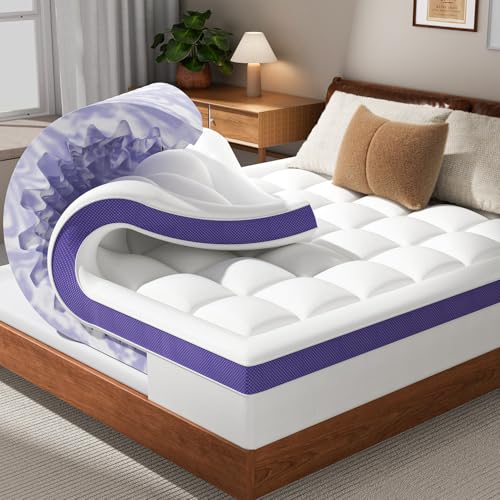
- Dual-Layer Design: This is Queen (60" x 80") size mattress topper. Our mattress...
- Comfortable Support: The memory foam with an egg-crate pattern provides...
- Cooling & Breathable: The ultra-soft fabric and premium gel-infused memory foam...
SHOUREN Memory Foam Mattress Topper – Best Value with Quicker Adaptation
Featuring ventilated, breathable memory foam, this topper promotes airflow to reduce heat. Users report a relatively comfortable feel from the start, with a full break-in often achieved within 10-14 days. A great budget-friendly option.
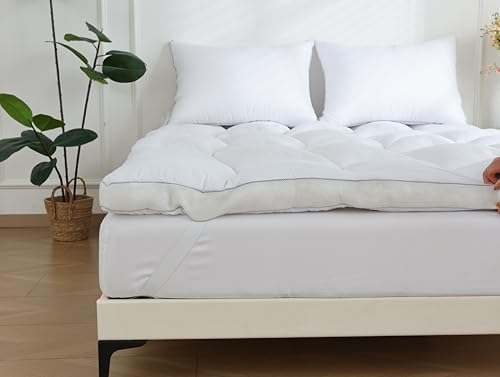
- Memory Foam Mattress Topper Fullf, 3In Thick Plush Gel Foam Bed Topper , Smooth...
Niagara Sleep Solution Ultra Soft Mattress Topper – Best for Instant Plush Comfort
This ultra-soft, fiberbed topper provides a cloud-like feel with minimal break-in time. It requires mainly fluffing and may be comfortable after just a night or two. Perfect for those seeking immediate plushness without a long settling phase.

- ULTRA SOFT: Niagara Queen Mattress Topper is made from viscose made from bamboo...
- CLOUD-LIKE SLEEP: This queen mattress topper adds an extra cushion to...
- EASY TO USE: The cooling bed pad has a deep pocket, is easy to put on, and has...
Conclusion
The break-in period for a mattress topper is a normal and necessary phase for most materials, especially memory foam. This settling time, which can range from a few nights to a month, allows the topper to soften and conform to your body for optimal comfort.
By The factors involved, using proactive techniques to speed it up, and practicing proper care, you can ensure your topper provides years of supportive, restful sleep. Patience during this initial phase is an investment in your long-term sleep quality.
Frequently Asked Questions about How Long Is The Break-In Period For Toppers
Can I sleep on my new mattress topper immediately?
Yes, you can sleep on it right away. Most manufacturers expect you to use the topper from day one. The pressure from your body weight is actually part of the natural break-in process.
However, for memory foam, allowing it to air out and expand for 24-48 hours before making your bed can improve initial comfort and reduce any new product smell.
What if my topper is still too firm after the break-in period?
If it remains uncomfortably firm past the stated timeframe, first ensure you’ve used active break-in methods. Try walking on it or applying even pressure for several more days to encourage softening.
If firmness persists, the topper’s density may simply be too high for your preference. Contact the retailer, as you may be eligible for a return or exchange under a comfort guarantee.
Does a longer break-in period mean a better quality topper?
Not necessarily. A longer break-in, common with high-density memory foam, often indicates durable, supportive material that will last. It is designed to soften gradually while retaining its supportive core.
Conversely, materials like latex or down may feel great quickly. Quality is determined by materials, density, and construction, not break-in length alone.
How can I tell the difference between break-in and a defective topper?
A normal break-in involves uniform, gradual softening. The entire topper feels consistently firmer at first and slowly becomes more comfortable over weeks of use.
A defect is often localized. Look for permanent deep sagging in one spot, large internal lumps, or a severe dip that wasn’t there initially. These are signs of a material failure.
Should I use a mattress pad or protector during the break-in?
Yes, using a breathable mattress protector is highly recommended from the start. It safeguards your investment from spills and stains without significantly hindering the break-in process.
Avoid overly thick, quilted pads that might restrict the topper’s initial expansion. A thin, fitted protector is ideal for this phase.
Do I need to break in a topper if I’m only using it for guest visits?
It will still require a break-in period, but it will take much longer due to infrequent use. The material needs consistent pressure and body heat to soften and conform properly.
To speed this up for guests, proactively walk on the topper or place weighted objects on it before their visit. This mimics the effect of regular sleep.