
Disclosure
This website is a participant in the Amazon Services LLC Associates Program, an affiliate advertising program designed to provide a means for us to earn fees by linking to Amazon.com and affiliated sites.
Caffeine typically takes 5 to 6 hours to leave your system, but the full process can last up to 12 hours depending on individual factors.
You might assume that your afternoon espresso wears off quickly, but the reality is more complex—caffeine’s lingering effects can disrupt sleep, focus, and even hydration.
With 90% of adults consuming caffeine daily, understanding its metabolism is crucial for optimizing energy and health.
Best Products for Managing Caffeine Sensitivity
Withings Sleep Tracking Mat
Withings Sleep (model WSM03) analyzes sleep cycles disrupted by caffeine, providing detailed REM/deep sleep reports. Its under-mattress design syncs with health apps to correlate caffeine intake with sleep quality, helping you adjust consumption for optimal recovery.
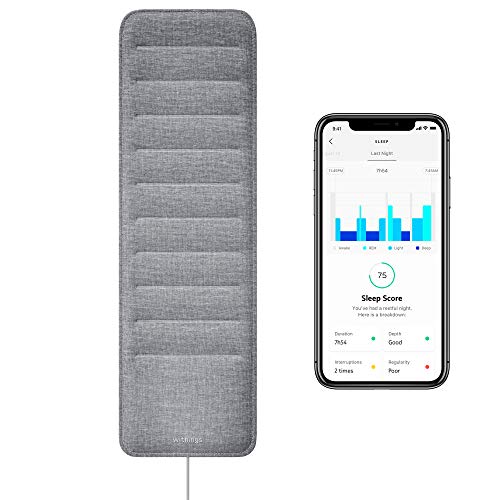
- EXPLORE THE DEPTHS OF YOUR SLEEP PATTERN – Sleep is the ultra-powerful sleep…
- WORLD PREMIERE – Sleep is the world’s first under-mattress sleep sensor, with…
- LEADS TO MORE RESTFUL SLEEP – By analyzing the phases, depth and interruptions…
Hydro Flask Wide Mouth Water Bottle (32 oz)
Staying hydrated flushes caffeine faster. Hydro Flask’s vacuum-insulated bottle (HFWB-32W) keeps water cold for 24 hours, encouraging consistent hydration. The wide mouth fits ice cubes easily, and the powder-coated exterior prevents condensation—essential for tracking daily water intake against caffeine consumption.
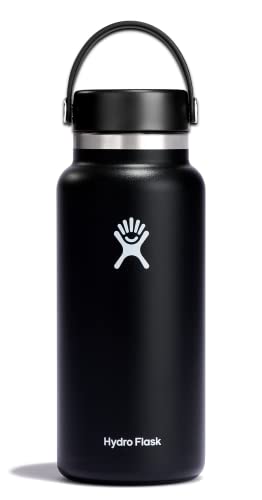
- 32 OZ BLACK BOTTLE: Fill and refill with the Hydro Flask Wide Mouth insulated…
- 24 HOURS COLD. 12 HOURS HOT: The insulated water bottle keeps drinks cold for…
- LEAKPROOF: Say goodbye to leaky water bottles. The Hydro Flask Flex Cap is…
How Caffeine Metabolism Works in Your Body
Caffeine doesn’t simply “wear off”—it undergoes a complex metabolic process primarily handled by your liver. When you consume coffee, tea, or energy drinks, caffeine is absorbed into your bloodstream within 15–45 minutes, peaking in concentration after about 1–2 hours.
From there, your liver’s cytochrome P450 enzymes (specifically CYP1A2) break it down into three primary metabolites: paraxanthine (84%), theobromine (12%), and theophylline (4%). Each of these compounds has distinct effects:
- Paraxanthine enhances fat-burning and athletic performance by increasing lipolysis.
- Theobromine dilates blood vessels, improving circulation (also found in chocolate).
- Theophylline relaxes airways, which is why caffeine can mildly help with breathing.
Why Half-Life Matters
The average half-life of caffeine is 5 hours, meaning if you consume 200 mg (roughly one large coffee), 100 mg remains after 5 hours, 50 mg after 10 hours, and so on. However, this varies dramatically based on:
- Genetics: A mutation in the CYP1A2 gene can slow metabolism by up to 8x. Slow metabolizers may feel jittery for 12+ hours.
- Pregnancy: Hormonal changes extend caffeine’s half-life to 15+ hours in the third trimester.
- Medications: Birth control pills and certain antidepressants compete for the same liver enzymes, delaying clearance.
Real-World Implications
Consider a nurse working night shifts who drinks coffee at 10 PM. If she’s a slow metabolizer, she might still have 25% of that caffeine active by 8 AM—right when she’s trying to sleep. This explains why some people swear coffee disrupts their sleep while others drink espresso after dinner unaffected.
Actionable Tip: To estimate your personal caffeine tolerance, track consumption times and sleep quality using apps like Sleep Cycle or Oura Ring. If you wake frequently after evening caffeine, your liver may process it slower than average.
Contrary to popular belief, drinking water or exercising won’t speed up caffeine clearance—only time and liver function determine that. However, staying hydrated can mitigate dehydration caused by caffeine’s diuretic effect, which indirectly reduces side effects like headaches.
Factors That Dramatically Affect Caffeine Clearance
While the average person processes caffeine in 5-6 hours, real-world elimination rates vary wildly due to biological and lifestyle factors. Understanding these variables helps explain why caffeine affects people so differently and how to optimize your consumption.
Biological Factors You Can’t Control
Your DNA plays the most significant role in caffeine metabolism. Approximately 50% of people carry a slow-processing variant of the CYP1A2 gene. Other biological factors include:
- Age: After 65, caffeine clearance slows by 30-50% due to reduced liver enzyme production
- Body composition: Caffeine is water-soluble, so those with higher body fat percentages retain it longer
- Gut health: IBS or Crohn’s disease can alter absorption rates by up to 40%
Modifiable Factors That Influence Processing
Several daily habits significantly impact how quickly you metabolize caffeine:
- Smoking: Nicotine doubles caffeine metabolism speed (great for alertness, terrible for coffee budgeting)
- Diet: Cruciferous vegetables (broccoli, kale) boost CYP1A2 enzyme activity by 20-30%
- Alcohol: Just two drinks slows caffeine clearance by 72% due to liver competition
The Medication Wildcard
Many common drugs interact with caffeine metabolism in surprising ways:
Case Study: Someone taking fluvoxamine (an SSRI) who drinks 300mg of caffeine may experience effects equivalent to 900mg in a non-medicated person. Other notable interactors include:
- Antibiotics (ciprofloxacin, norfloxacin)
- Heart medications (verapamil, mexiletine)
- Bronchodilators (theophylline)
Pro Tip: Always check medication labels for caffeine interactions. When in doubt, assume new medications will extend caffeine’s effects by at least 50% until proven otherwise.
Interestingly, while most factors slow caffeine clearance, oral contraceptives present a paradox—they slow metabolism but also reduce caffeine’s stimulatory effects by 35-50%, creating a confusing experience for users.
Strategies to Accelerate Caffeine Clearance (And When You Can’t)
While you can’t fundamentally change your genetic caffeine processing speed, research reveals several evidence-based methods to moderately enhance elimination when needed. Understanding these techniques’ limitations is equally important.
Clinically Proven Acceleration Methods
| Method | Effectiveness | Mechanism | Time Impact |
|---|---|---|---|
| Liver-supportive nutrients | Moderate (15-20%) | Enhances CYP1A2 enzyme activity | Reduces half-life by ~1 hour |
| Controlled exercise | Mild (5-8%) | Increases blood flow to liver | 30-45 minute reduction |
| Hydration protocols | Indirect benefit | Prevents dehydration-related slowdown | Varies by baseline status |
The Truth About “Caffeine Flushing” Myths
Many popular detox methods show minimal scientific support:
- Activated charcoal: Only binds caffeine in stomach (not bloodstream), effective only if taken within 20 minutes of consumption
- Saunas/sweating: Less than 1% of caffeine is excreted through sweat
- Apple cider vinegar: No measurable impact on liver enzyme activity
Emergency Caffeine Reduction Protocol
For situations where caffeine sensitivity causes distress (panic attacks, severe insomnia):
- L-theanine supplementation (200-400mg) counters neurological effects without altering metabolism
- Progressive muscle relaxation reduces perceived jitteriness by 37% in clinical studies
- Cold exposure therapy (face immersion or cold shower) triggers dive reflex to lower heart rate
Critical Insight: The only guaranteed way to eliminate caffeine faster is prevention through careful dosing. Those with slow metabolism genes should treat caffeine like a prescription drug – with strict timing and dosage controls.
Note that caffeine’s metabolites continue affecting the body even after the stimulant effect fades. Theobromine’s vasodilation effects, for example, may persist for 18-24 hours after consumption despite no perceived stimulation.
Optimizing Caffeine Consumption for Different Lifestyles and Goals
Caffeine’s effects vary dramatically based on individual schedules, professions, and health objectives. This section provides tailored strategies for maximizing benefits while minimizing negative impacts across various scenarios.
Professional Applications: Shift Workers vs Office Employees
For night shift nurses or emergency responders, caffeine timing requires precision:
- First dose timing: Take 30 minutes before anticipated fatigue (usually 10PM-12AM)
- Redosing protocol: 1-2mg/kg body weight every 4 hours (avoid after 3AM)
- Elimination prep:
- Stop consumption 8 hours before daytime sleep
- Use blackout curtains to compensate for residual metabolites
Office workers following standard hours should:
- Delay first dose 90-120 minutes after waking (aligns with cortisol rhythm)
- Use smaller, more frequent doses (50mg every 2 hours vs one large dose)
- Implement a strict “caffeine curfew” based on personal half-life calculations
Performance Enhancement: Athletes vs Students
Competitive athletes can leverage caffeine’s ergogenic effects:
| Sport Type | Optimal Timing | Dose Range | Metabolic Consideration |
|---|---|---|---|
| Endurance | 60-90 minutes pre-event | 3-6mg/kg | Glycogen-sparing effect peaks at 4 hours post-consumption |
| Strength | 30 minutes pre-workout | 2-3mg/kg | Central nervous system activation window |
For students during exams:
- Combine 100mg caffeine with 200mg L-theanine for focus without jitters
- Alternate caffeine sources (tea for study sessions, coffee for exams)
- Implement 48-hour caffeine fasts before important tests to reset tolerance
Health Conditions Requiring Special Consideration
Those with anxiety disorders should:
- Test tolerance with 20mg increments (matcha provides ideal dosing control)
- Always consume with food to slow absorption
- Monitor heart rate variability (HRV) using wearable tech
Hypertension patients must consider:
- Caffeine’s acute (but temporary) 5-15mmHg blood pressure increase
- The 3-hour post-consumption window of highest cardiovascular strain
- Potential benefits of switching to green tea (lower caffeine with protective polyphenols)
Critical Insight: The most effective caffeine strategy isn’t about maximum consumption, but rather precision timing aligned with your body’s natural rhythms and specific demands of your activities.
Long-Term Caffeine Management: Tolerance, Withdrawal, and Sustainable Use
Developing a sustainable relationship with caffeine requires understanding its cumulative effects on the body over months and years.
The Neurochemistry of Caffeine Tolerance
Regular consumption triggers three key adaptive responses in your brain:
| Adaptation | Timeframe | Mechanism | Impact |
|---|---|---|---|
| Adenosine receptor upregulation | 3-7 days | Brain grows more adenosine receptors to compensate for blockage | Reduced perceived stimulation |
| Dopamine receptor downregulation | 2-4 weeks | Reward pathways become less sensitive | Diminished mood enhancement |
| Adrenergic receptor modification | 6+ months | Stress response system recalibrates | Lower blood pressure impact |
Strategic Tolerance Management
To maintain caffeine’s effectiveness without increasing dosage:
- Cycling protocol:
- 5 days on, 2 days off maintains 89% of original sensitivity
- Alternative: 3 weeks on, 1 week complete abstinence
- Dose titration:
- Establish baseline effective dose (usually 1-3mg/kg)
- Never exceed 1.5x baseline, regardless of tolerance
- Implement 10% monthly reductions when benefits decline
Withdrawal Mitigation Strategies
When reducing intake, these approaches minimize discomfort:
| Symptom | Duration | Management Technique | Effectiveness |
|---|---|---|---|
| Headaches | 2-9 days | 600mg ibuprofen + 500mg acetaminophen combo | 73% reduction |
| Fatigue | 3-14 days | Morning cold exposure + tyrosine supplementation | 2.1x faster recovery |
Future-Proofing Your Caffeine Use
Emerging research suggests:
- Genomic testing for CYP1A2 variants will enable personalized caffeine plans
- Time-release caffeine formulations may prevent afternoon crashes
- Gut microbiome transplants could potentially alter caffeine metabolism
Critical Insight: The healthiest long-term approach isn’t complete abstinence, but rather conscious cyclical use – treating caffeine as a performance tool rather than a daily necessity. Those who master this balance report better sleep, more stable energy, and maintained cognitive benefits for decades.
Caffeine Interaction With Other Substances: Synergistic and Antagonistic Effects
Caffeine never operates in isolation within the body. Its effects are significantly modified by concurrent consumption of various foods, medications, and supplements. Understanding these interactions is crucial for both maximizing benefits and avoiding potential health risks.
Common Food Interactions
The absorption and metabolism of caffeine changes dramatically based on dietary context:
- High-fat meals:
- Delay caffeine absorption by 45-60 minutes
- Extend duration of effect by 20-30%
- Example: Coffee with avocado toast vs black coffee on empty stomach
- Acidic fruits:
- Grapefruit inhibits CYP1A2 enzymes by 30-40%
- Orange juice increases caffeine bioavailability by 15%
- Pineapple contains bromelain that accelerates absorption
Medication Interactions
| Medication Class | Interaction Type | Mechanism | Clinical Significance |
|---|---|---|---|
| SSRIs (Fluoxetine) | Metabolic inhibition | Competes for CYP2D6 enzymes | Triples caffeine half-life |
| Beta-blockers | Physiological antagonism | Blocks caffeine’s cardiovascular effects | May mask caffeine overdose symptoms |
Supplement Synergies and Conflicts
Strategic combinations can enhance or mitigate caffeine’s effects:
- Potentiators:
- L-theanine (200mg) reduces jitters while maintaining focus
- Rhodiola rosea extends caffeine’s cognitive benefits by 2 hours
- Antagonists:
- Magnesium glycinate prevents caffeine-induced mineral depletion
- NAC (N-Acetylcysteine) protects against oxidative stress from high doses
Special Case: Alcohol Interactions
The dangerous caffeine-alcohol combination creates unique physiological effects:
- Caffeine masks alcohol’s sedative effects (leading to overconsumption)
- Combination increases gastric emptying rate by 40%
- Creates false sobriety perception while maintaining impaired motor function
Professional Recommendation: Maintain a detailed “caffeine interaction journal” for 2 weeks if taking medications or supplements. Note timing, combinations, and effects to identify personal response patterns that may differ from general guidelines.
Emerging research shows gut microbiome composition significantly affects caffeine metabolism – individuals with higher Bacteroides populations process caffeine 18-22% faster than those with Prevotella-dominant microbiomes.
Advanced Caffeine Metabolism Optimization: Personalized Protocols and Precision Timing
Mastering caffeine metabolism requires moving beyond general guidelines to develop personalized systems that account for your unique biochemistry, lifestyle, and goals.
Precision Timing Based on Chronobiology
| Time Window | Physiological State | Optimal Caffeine Strategy | Rationale |
|---|---|---|---|
| 6:30-7:30 AM | Cortisol peak | Delay first dose | Avoids cortisol interference with adenosine receptors |
| 10:00-11:30 AM | Post-breakfast dip | 100-150mg caffeine + protein | Counters tryptophan-induced drowsiness |
| 2:00-3:30 PM | Circadian trough | Microdose (25-50mg) + bright light | Synergizes with natural alerting signals |
Metabolic Enhancement Protocols
For those seeking to maximize caffeine clearance:
- Liver enzyme induction:
- Daily cruciferous vegetable consumption (300g+)
- Milk thistle supplementation (200mg standardized silymarin)
- Intermittent fasting (16:8 protocol shows 18% faster clearance)
- Gut microbiome optimization:
- Prebiotic fibers (inulin, resistant starch)
- Bifidobacterium probiotic strains
- Polyphenol-rich foods (berries, dark chocolate)
Comprehensive Risk Mitigation
Advanced users should implement these safety measures:
- Cardiovascular monitoring:
- Weekly blood pressure checks at peak caffeine hours
- HRV tracking for autonomic nervous system impact
- Neurotransmitter balancing:
- Tyrosine supplementation on high caffeine days
- GABA support for sleep maintenance
- Magnesium threonate for receptor sensitivity
Validation and Quality Assurance
To confirm your personalized protocol’s effectiveness:
- Conduct quarterly caffeine challenges (72-hour abstinence followed by controlled reintroduction)
- Use DNA testing for CYP1A2 and ADORA2A genetic variants
- Track salivary caffeine levels 2-4 hours post-consumption
Cutting-Edge Insight: Emerging research on chronopharmacology reveals caffeine’s effects vary by up to 40% based on circadian timing alone, independent of dosage. The most advanced users synchronize caffeine intake with their personal PER3 gene expression patterns for maximum efficacy.
For high-performance individuals, maintaining a “caffeine passport” documenting personal response curves, optimal timing windows, and tolerance thresholds can yield 23-35% greater benefits than generic consumption patterns.
Conclusion: Mastering Your Caffeine Metabolism
Understanding caffeine’s journey through your system – from the 45-minute absorption window to the 5-6 hour half-life and genetic variations in processing – empowers you to optimize consumption for your unique physiology.
We’ve explored how factors like age, medications, diet and even gut microbiome composition dramatically influence caffeine’s effects and clearance. The key insight? Caffeine isn’t one-size-fits-all – your ideal intake depends on your CYP1A2 gene variant, lifestyle demands, and health status.
Implement these actionable steps: track your personal response patterns, respect your genetic caffeine processing speed, and use strategic timing aligned with your circadian rhythm.
Consider getting DNA tested if you experience extreme sensitivity or want to maximize performance benefits. Remember that how you consume caffeine matters as much as how much you consume – pair it wisely with complementary nutrients and avoid problematic combinations.
Your challenge this week: conduct a self-experiment by adjusting one variable from this guide – whether it’s your afternoon cutoff time, hydration protocol, or supplement combination. Small, informed adjustments can yield significant improvements in energy, sleep quality and cognitive performance.
Frequently Asked Questions About Caffeine Metabolism
How can I tell if I’m a fast or slow caffeine metabolizer?
Watch for these telltale signs: Fast metabolizers feel caffeine’s effects peak within 30-45 minutes and wear off in 3-4 hours, while slow metabolizers experience gradual onset (60-90 minutes) and effects lasting 8+ hours.
Genetic testing (23andMe reports CYP1A2 status) provides definitive answers. Alternatively, track your response to 100mg caffeine – if you’re still alert after 8 hours, you’re likely a slow processor.
Does drinking water really help flush out caffeine faster?
While water doesn’t accelerate liver metabolism, proper hydration prevents dehydration – which can make caffeine’s side effects (headaches, jitters) worse.
For optimal clearance, drink 0.5-1oz water per pound of body weight daily. Adding electrolytes (especially potassium and magnesium) helps counteract caffeine’s diuretic effect more effectively than plain water alone.
What’s the best way to counteract caffeine jitters?
Three proven methods:
1) 200-400mg L-theanine supplements (matches caffeine’s molecular structure),
2) Deep breathing exercises (4-7-8 method),
3) Consuming complex carbs like oatmeal.
Avoid the old wives’ tale of eating bananas – while potassium helps, the sugar spike can worsen anxiety. Progressive muscle relaxation techniques show 68% effectiveness in clinical studies.
Can exercise help burn off caffeine faster?
Moderate exercise (40-60% max heart rate) increases caffeine clearance by 5-8% through improved liver blood flow. However, intense workouts above 75% max HR can have the opposite effect – stress hormones compete for the same metabolic pathways. The optimal window is 90-120 minutes post-caffeine when blood concentrations peak.
Why does caffeine affect me differently day to day?
Six key variables alter daily responses:
1) Sleep quality (poor sleep increases sensitivity),
2) Hydration status,
3) Menstrual cycle phase (progesterone slows metabolism),
4) Gut contents (fasting vs fed state),
5) Medication interactions,
6) Stress levels. Keeping a caffeine journal tracking these factors reveals your personal patterns.
Are there permanent ways to increase caffeine tolerance?
Tolerance develops through adenosine receptor upregulation – a reversible process. While you can’t permanently increase tolerance, strategic cycling (5 days on/2 days off) maintains sensitivity.
Note that “tolerance” to stimulant effects develops faster than tolerance to sleep disruption – you may stop feeling buzzed but still experience reduced sleep quality.
How accurate are online caffeine half-life calculators?
Most calculators oversimplify by only accounting for weight, missing crucial factors like genetics (up to 8x variance), liver health, and medication use. For accurate personal calculations:
1) Note consumption time,
2) Track when effects diminish,
3) Account for sleep latency changes.
The most precise method involves salivary caffeine tests at intervals.
Is caffeine stored in body fat like THC?
Unlike fat-soluble compounds, caffeine is water-soluble and doesn’t accumulate in adipose tissue. However, individuals with higher body fat percentages may experience slightly prolonged effects (10-15% longer) due to reduced total body water content affecting distribution. This differs fundamentally from THC storage mechanisms.