
Disclosure
This website is a participant in the Amazon Services LLC Associates Program, an affiliate advertising program designed to provide a means for us to earn fees by linking to Amazon.com and affiliated sites.
The lifespan of a memory foam topper is crucial for maximizing your sleep investment and comfort. A durable topper can transform your mattress for years, making this knowledge essential.
While many factors influence longevity, the foam’s density is a primary determinant. Higher density foams typically resist sagging and maintain support far longer than lower-quality alternatives.
Is Your Mattress Feeling Hard and Unforgiving, Stealing Your Sleep Night After Night?
An old, worn-out mattress can cause constant aches and restless nights. The ChiXpace Dual Layer 4 Inch Memory Foam Topper directly solves this by adding plush, pressure-relieving comfort that renews your bed. Its durable, high-density foam provides lasting support, transforming a firm surface into a cloud-like retreat for years of better sleep.
For truly transformative comfort, we suggest: ChiXpace Dual Layer 4 Inch Memory Foam Mattress Topper
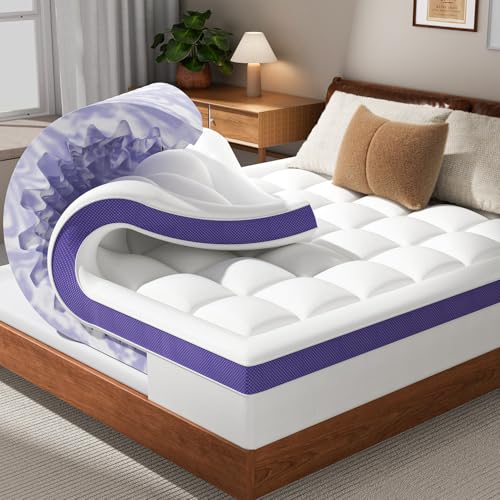
- Dual-Layer Design: This is Queen (60" x 80") size mattress topper. Our mattress...
- Comfortable Support: The memory foam with an egg-crate pattern provides...
- Cooling & Breathable: The ultra-soft fabric and premium gel-infused memory foam...
Key Factors That Determine Memory Foam Topper Lifespan
The durability of your mattress topper isn’t random. Several key elements directly impact how long it will provide optimal comfort and support. these can help you make a smarter purchase.
Material Density and Quality
Foam density, measured in pounds per cubic foot (PCF), is the most critical factor for longevity. Higher density foam has more material per volume, making it more durable. A topper with a density below 3 PCF will break down much faster.
- Low Density (1.5-2.5 PCF): These budget options may only last 1-2 years before losing shape and developing permanent body impressions.
- Medium Density (3-4 PCF): This is the sweet spot for most sleepers, offering a good balance of comfort and a lifespan of 3-5 years.
- High Density (5+ PCF): Premium toppers in this range are built to last, often providing excellent support for 5-7 years or more with proper care.
Usage Patterns and Care
How you use and maintain your topper dramatically affects its service life. Consistent pressure from body weight and movement causes gradual material breakdown. Proper care can slow this process significantly.
For example, a topper on a guest bed used occasionally will last far longer than one on a primary bed slept on nightly. Rotating the topper 180 degrees every three months helps distribute wear evenly. Always follow the manufacturer’s cleaning instructions to avoid damaging the foam’s cellular structure.
Environmental Conditions
Memory foam is sensitive to its surroundings. Heat, humidity, and sunlight can accelerate the degradation of the foam’s polymers. A cool, dry, and dark environment is ideal for preservation.
Placing a topper in direct sunlight can cause the material to become brittle. High humidity can promote mold growth within the foam layers. Using a mattress protector is one of the simplest and most effective ways to shield your topper from spills, dust mites, and moisture.
Signs It’s Time to Replace Your Memory Foam Topper
Even with excellent care, all mattress toppers eventually wear out. Recognizing the key indicators of failure helps you maintain proper sleep support. Replacing a worn-out topper is crucial for spinal health and comfort.
Visible Physical Deterioration
Inspect your topper regularly for clear signs of material breakdown. These physical changes mean the foam can no longer distribute pressure effectively. Permanent damage compromises both comfort and hygiene.
- Deep, Permanent Body Impressions: If indentations from your body do not bounce back, the foam’s cell structure has collapsed.
- Visible Sagging or Lumps: An uneven surface indicates inconsistent foam density and loss of structural integrity.
- Cracking or Flaking Foam: This is a sign of advanced material degradation, often from age, heat, or dryness.
Decline in Sleep Quality and Comfort
Your body often notices the decline before your eyes do. A topper that no longer provides proper support can lead to aches and poor sleep. This is a direct signal its functional life is over.
Waking up with new or increased back, hip, or shoulder pain is a common symptom. You may also find yourself tossing and turning more as your body searches for a comfortable, supported position. If you consistently sleep better in other beds, your home topper is likely the culprit.
| Symptom | What It Means | Action to Take |
|---|---|---|
| Morning stiffness/pain | Loss of pressure relief and support | Assess topper for sagging |
| Persistent odors | Bacteria/mold in foam; cannot be cleaned | Consider replacement for health |
| Feeling the mattress below | Topper is completely compressed | Time for a new topper |
Hygiene and Allergen Concerns
Over time, toppers accumulate dust mites, allergens, and moisture that cleaning cannot fully remove. If you notice an increase in allergy symptoms or persistent musty smells, the topper may be the source. A waterproof protector can delay this, but deep contamination often necessitates replacement for a healthy sleep environment.
Memory Foam Topper Lifespan Compared to Other Types
Choosing the right topper involves comparing durability across materials. Each type has a different expected lifespan and wear pattern. these differences helps you set realistic expectations for your purchase.
Durability Comparison Chart
This table outlines the average lifespan and key characteristics of popular mattress topper materials. Lifespans assume normal use on a primary bed with basic care.
| Topper Material | Average Lifespan | Key Wear Factors |
|---|---|---|
| Memory Foam (High-Density) | 5-7+ years | Heat sensitivity, permanent body impressions over time |
| Latex (Natural or Synthetic) | 8-12+ years | Highly resilient; resistant to sagging and indentations |
| Feather/Down | 3-5 years | Clumping, loss of loft, requires frequent fluffing |
| Polyester Fiberfill | 1-3 years | Rapid flattening and matting of fibers |
Why Memory Foam Lifespan Varies
As shown, memory foam sits in the middle of the durability spectrum. Its lifespan is highly dependent on foam quality, unlike more uniformly durable materials like latex. This variability is a crucial consideration for shoppers.
Low-density, budget memory foam can wear out as quickly as a basic fiberfill topper. In contrast, a high-density, gel-infused or copper-infused memory foam topper can approach the longevity of latex. The trade-off is often between initial cost and long-term value.
Making a Cost-Per-Year Assessment
To determine the best value, calculate the cost per year of use. A $150 topper that lasts two years costs $75 per year. A $300 high-density memory foam topper lasting six years costs $50 per year, offering better long-term value. Always factor in the material’s expected lifespan, not just the upfront price, when comparing topper options.
Choosing a Long-Lasting Memory Foam Topper
Selecting a durable topper starts with knowing what specifications to prioritize. Key product details on the label or website reveal the potential lifespan. Focus on these critical factors to ensure you get the most years of comfort.
Critical Specifications to Check Before Buying
Manufacturers provide data that indicates quality and durability. Ignoring these details often leads to premature topper failure. Always look for these three specifications.
- Foam Density: This is the most important number. For longevity, choose a density of at least 3 pounds per cubic foot (PCF). A 4-5 PCF rating is ideal for a primary bed.
- ILD/Firmness Rating: Indentation Load Deflection measures softness. A mid-range ILD (10-14) often provides the best balance of comfort and support without excessive sinking.
- Certifications: Look for CertiPUR-US® or OEKO-TEX® certification. This ensures the foam is made without harmful chemicals and meets durability, emissions, and content standards.
Construction Features That Enhance Durability
Beyond basic specs, certain design elements can extend a topper’s functional life. These features address common failure points like heat retention and edge support.
A gel-infused or charcoal-infused foam layer helps dissipate body heat, reducing the thermal breakdown of the material. A convoluted “egg crate” surface can improve airflow and reduce pressure points. A quilted cover with a non-slip bottom helps keep the topper securely in place, preventing bunching and uneven wear.
Brand Reputation and Warranty Clues
A strong warranty often reflects the manufacturer’s confidence in their product’s longevity. Look for a minimum 3-year limited warranty. Read the fine print to understand what constitutes a defect.
Research brands known for quality foam products. Customer reviews that mention “holding up well after several years” are more valuable than those focusing only on initial comfort. A reputable brand will also provide clear density and certification information upfront.
Maximizing Value: When to Repair, Replace, or Refresh
Not every issue with your memory foam topper requires immediate replacement. Strategic actions can sometimes extend its service life cost-effectively. This guide helps you decide the best course of action for common problems.
Step-by-Step: Troubleshooting Common Issues
Follow this logical sequence to diagnose and address problems before considering a new purchase. Many issues have simple solutions that restore comfort.
- Identify the Problem: Is it a sagging spot, an odor, a stain, or a loss of overall support? Pinpointing the exact issue is the first step.
- Check the Foundation: Ensure your mattress or bed base is firm, flat, and not sagging itself. A weak foundation will ruin any topper.
- Attempt a Clean and Refresh: For odors, sprinkle baking soda liberally, let it sit for 24 hours, and vacuum thoroughly. For minor sagging, try rotating it and allowing 48 hours to fully re-expand.
- Assess the Result: If the problem persists after these steps, the foam’s material integrity is likely compromised.
Scenarios for Repair vs. Replacement
Some damage can be managed, while other signs indicate it’s time to shop. Use this comparison to make an informed decision.
| Scenario | Possible Action | Reasoning |
|---|---|---|
| Small, localized stain or odor | Deep clean & deodorize | Surface-level issue; material is still intact. |
| Minor overall softening (after 3+ years) | Add a firm mattress pad on top | Can temporarily add a support layer. |
| Deep permanent body impressions, cracking foam, or pain | Replace the topper | Core material failure; cannot be repaired. |
Cost-Effective Refresh Strategies
If a full replacement isn’t yet needed, a few strategies can revive comfort. Using a low-profile, firm egg crate topper on top of a slightly sagging memory foam layer can add support. Simply flipping a single-sided topper is not recommended, as it is designed for one-side use and may damage the foam.
Can You Make a Memory Foam Topper Last Longer?
Yes, proactive care significantly extends its lifespan. The most effective strategy is a multi-layered approach focusing on protection and maintenance.
- Use a Protector: A waterproof, breathable mattress protector is non-negotiable. It shields against spills, moisture, and allergens.
- Rotate Regularly: Rotate the topper head-to-foot every 3-6 months to distribute wear evenly and prevent body impressions.
- Ensure Ventilation: Allow the topper to breathe by pulling back bedding for part of the day. Avoid direct heat sources and sunlight.
Does a Topper Warranty Indicate Lifespan?
A warranty reflects the manufacturer’s confidence in minimum durability, but it is not a guarantee of functional lifespan. Most warranties cover defects in materials and workmanship, not natural softening or comfort changes over time.
For example, a 5-year warranty typically means the foam should not physically crack or split under normal use within that period. However, it may lose significant support and develop impressions by year 3, which is often not covered. Always read the warranty’s terms and conditions to understand what is and isn’t included.
How Does Body Weight Affect Durability?
Heavier individuals exert more pressure on the foam, which can accelerate wear. For those over 230 pounds, selecting a topper designed for durability is critical.
Opt for a high-density foam (4.5 PCF or higher) with a medium-firm to firm feel. These specifications provide the deep, long-lasting support needed to resist premature sagging and compression. Reinforced edge support is also a beneficial feature for overall longevity.
Best Memory Foam Toppers for Longevity and Value
Based on factors like foam density, construction, and user reviews, these three toppers are recommended for their potential to deliver lasting comfort and support. Each is an ideal option for different sleep needs and budgets.
Sleepyhead Twin XL 3 Inch Gel Memory Foam Mattress Topper – Best for Cooling & Pressure Relief
This gel-infused topper is designed to combat heat retention, a key factor in foam breakdown. It offers excellent conforming pressure relief and comes with a removable, machine-washable cover for easy maintenance, directly extending its lifespan.

- COOLING TWIN XL MATTRESS TOPPER FOR DORM BEDS: Upgrade uncomfortable college...
- THE MUST-HAVE DORM ROOM ESSENTIAL: This mattress topper Twin XL measures 38" x...
- SECURE FIT WITH REMOVABLE COOLING COVER: Our Twin XL mattress topper includes...
NicePlus Dual Layer 4 Inch Memory Foam Mattress Topper – Best for Deep Comfort & Support
Featuring a dual-layer design with a supportive base and a plush top, this 4-inch option is ideal for adding significant cushioning. The thicker profile can help mask mattress imperfections and provide durable, long-lasting comfort for side sleepers.
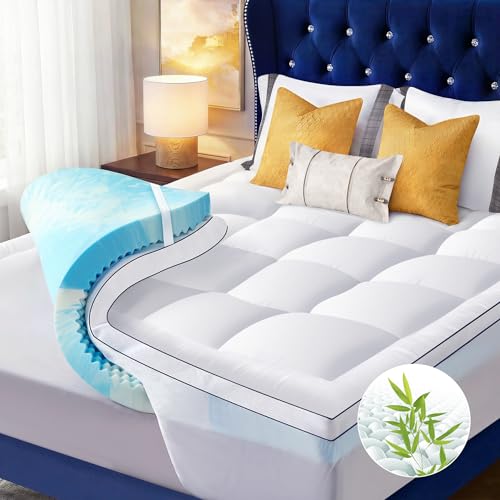
- 2-in-1 Double-Layer Mattress Topper: Featuring a dual-layer structure, designed...
- Relieves Pain & Supports Restful Sleep: The soft mattress topper bottom features...
- Cooling & Breathable: The 4 inch mattress topper fabric contains 40% Viscose...
BedStory Firm Mattress Topper 3 Inch – Best Firm Support for Back Pain
This firmer topper is crafted to provide enhanced spinal alignment and resist sagging. Its certified foam and firm feel make it a durable best option for back and stomach sleepers or those needing extra support to extend mattress life.
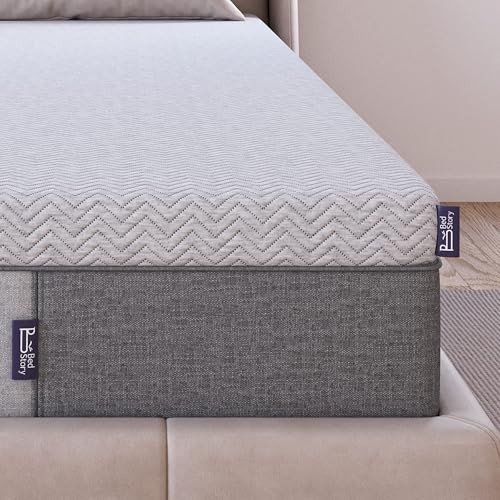
- RELIEVE PAIN & PROTECT THE SPINE - 2-layer pressure-relieving firm memory foam...
- 2-LAYER DESIGN & OPTIONAL FIRMNESS - Featuring double-layer foam design, the top...
- REMOVE MOISTURE & ALLEVIATE FATIGUE - Fusion memory foam contains bamboo...
Conclusion
The lifespan of a memory foam topper, typically 3-7 years, is not fixed. It is directly shaped by the quality of materials and the consistency of your care.
By investing in high-density foam, using a protective cover, and following a simple maintenance routine, you can maximize both the longevity of your topper and the quality of your sleep for years to come.
Frequently Asked Questions about How Long Does A Memory Foam Topper Last
What is the average lifespan of a good quality memory foam topper?
A high-quality memory foam topper with a density of at least 3 pounds per cubic foot (PCF) typically lasts between 3 to 5 years with regular use. Premium options with higher density or gel infusions can often provide excellent support for 5 to 7 years or more.
This lifespan assumes proper care, including the use of a mattress protector and regular rotation. Factors like body weight, sleep environment, and the underlying mattress support will cause this range to vary for each individual.
Can I flip my memory foam topper to make it last longer?
Most memory foam toppers are designed as single-sided and should not be flipped. Flipping a one-sided topper can damage the comfort layer and may void the warranty. The foam’s supportive base layer is not meant for direct contact.
Instead, you should rotate the topper 180 degrees (head to foot) every three to six months. This simple practice distributes wear more evenly from head and shoulder pressure, which is the most effective way to extend its life.
How does a mattress protector extend a topper’s life?
A waterproof, breathable mattress protector acts as a crucial barrier. It prevents spills, sweat, dust mites, and skin cells from penetrating and breaking down the foam’s internal structure. This protection is the single best investment for longevity.
By keeping the core material clean and dry, the protector prevents the moisture buildup and allergen accumulation that can cause odors, mold, and premature material degradation. Always choose a protector that does not trap excess heat.
Do memory foam toppers have a break-in period?
Yes, a new memory foam topper often requires a brief break-in period of 24 to 72 hours. During this time, it will fully expand to its advertised thickness and may initially feel firmer than expected as the cells activate.
Any slight odor, often called “off-gassing,” should dissipate in a well-ventilated room within this timeframe. The topper will then soften slightly to its intended feel, which is when you can accurately assess its comfort and support.
What are the first signs my memory foam topper is wearing out?
The earliest signs are often felt before they are seen. You may notice increased morning stiffness or a feeling that you are sinking into a permanent “hammock” spot. The topper may no longer bounce back to its original shape.
Visible signs include deep, lasting body impressions, visible sagging or lumps, and a general loss of loft. If you can easily feel the firm mattress beneath the topper, its supportive life is effectively over.
Is it worth repairing a sagging memory foam topper?
Memory foam cannot be physically repaired once its cell structure has collapsed and formed permanent body impressions. The material breakdown is internal, so flipping, fluffing, or patching will not restore its original support and comfort.
If the sagging is minor and recent, rotating it and ensuring a firm foundation may help temporarily. However, significant sagging that affects sleep quality indicates it is time for a replacement to protect your spinal health.