
Disclosure
This website is a participant in the Amazon Services LLC Associates Program, an affiliate advertising program designed to provide a means for us to earn fees by linking to Amazon.com and affiliated sites.
The lifespan of a cheap mattress topper is crucial for budget-conscious shoppers. It directly impacts your sleep quality and long-term value for money.
While a low price is appealing, the durability of inexpensive toppers often hinges on material quality and construction. Expect a typical range of one to three years before noticeable wear and tear appears.
Is Your Budget Mattress Topper Already Sagging and Uncomfortable?
Cheap mattress toppers often compress quickly, losing support and leaving you with aches. The Linenspa Memory Foam Topper provides durable, pressure-relieving comfort that lasts. Its quality foam resists sagging, transforming your old mattress into a supportive sleep surface for years, not just months.
For lasting comfort and value, we recommend: Linenspa Memory Foam Mattress Topper

- PRESSURE RELIEVING MEMORY FOAM: Plush gel infused memory foam conforms to your...
- COOLING GEL INFUSIONS: This topper is infused with a cooling gel that helps...
- MULTIPLE PROFILE OPTIONS: Choose your own level of comfort with a plush 2-inch...
Key Factors That Determine Topper Durability
The longevity of an affordable mattress topper isn’t just about luck. Several key factors work together to determine its usable lifespan. these can help you make a smarter purchase.
Material Quality and Construction
The core material is the most significant predictor of durability. Cheap toppers often use lower-density foams or thin fiberfill that break down quickly.
- Memory Foam Density: Look for a density of at least 2.5 pounds per cubic foot (PCF). Budget options often use 1.5 PCF foam, which loses support and develops permanent body impressions within a year.
- Fiberfill and Feather: These materials compress and flatten rapidly. A cheap feather topper may need fluffing daily and lose all loft in under 18 months.
- Cover Fabric: A thin, non-removable cover traps dirt and accelerates the breakdown of the inner material. A quilted, zippered cover greatly extends life.
Usage Patterns and Care
How you use and maintain your topper dramatically affects its lifespan. Proper care can stretch a budget topper’s life, while neglect shortens it.
For example, rotating the topper head-to-foot every month helps distribute wear evenly. Always use a mattress protector as a barrier against spills and sweat, which degrade foam and fill.
- Regular Rotation: Prevents permanent sagging in your usual sleep position.
- Proper Protection: A waterproof protector shields against moisture and stains.
- Gentle Cleaning: Spot clean only; machine washing can destroy the internal structure of cheap materials.
Comparing Common Budget Topper Materials
Not all inexpensive materials wear the same. This comparison shows typical lifespans under average use.
| Material Type | Average Lifespan | Primary Wear Signs |
|---|---|---|
| Low-Density Memory Foam (1.5-2.0 PCF) | 1 – 2 years | Permanent body impressions, loss of support, hardening or crumbling. |
| Standard Polyester Fiberfill | 6 months – 1.5 years | Complete compression, flat spots, lumpiness. |
| Egg Crate or Convoluted Foam | 1 – 3 years | Peaks flattening, tearing at the thin points. |
Extending the Life of Your Budget Mattress Topper
You can actively fight the short lifespan of an inexpensive topper. Strategic maintenance and smart usage habits are your best tools for maximizing its value. Follow these steps to get more comfortable nights for your money.
Essential Maintenance Routine
A simple, consistent care routine is the most effective way to prolong durability. This focuses on preventing the common causes of early failure.
- Use a Mattress Protector: This is non-negotiable. A quality protector shields the topper from sweat, spills, and dust mites that break down materials.
- Rotate and Flip Regularly: Rotate your topper 180 degrees every two weeks. If it’s double-sided, flip it over monthly to ensure even wear.
- Air It Out: Once a month, strip your bed and let the topper air for a few hours. This reduces moisture buildup and helps maintain loft.
Recognizing When to Replace It
Even with perfect care, a cheap topper will eventually wear out. Knowing the signs prevents you from sleeping on a product that no longer provides benefit.
Persistent morning aches and pains are a major red flag. This indicates the topper has lost its supportive properties and may be harming your sleep posture.
- Visible Sagging and Impressions: Deep, permanent body dents that don’t bounce back.
- Lumpiness and Shifting Fill: The internal material has clumped or moved, creating an uneven sleep surface.
- Loss of Comfort and Support: The topper feels completely flat or offers no pressure relief compared to your bare mattress.
Smart Buying Tips for Next Time
When your current topper reaches its end, use this experience to make a wiser choice. Focus on value engineering rather than just the lowest price tag.
Read reviews specifically mentioning long-term durability. Look for a removable, washable cover and check the material density in the product specifications.
- Prioritize a Removable Cover: This allows for easy cleaning and protects the core.
- Check Return Policies and Warranties: A one-year warranty is a good sign of manufacturer confidence.
- Consider Slightly Thicker Options: A 3-inch topper may last longer than a 2-inch one of the same material due to more material to compress.
Cost Analysis: Cheap vs. Mid-Range Topper Value
The initial price is only part of the story. A true cost analysis considers lifespan, performance, and replacement frequency. This reveals the real value of your purchase over time.
Calculating Long-Term Cost of Ownership
To understand true value, calculate the cost-per-year of use. A cheap topper’s low upfront cost can be misleading if it needs frequent replacement.
For example, a $50 topper lasting one year costs $50 per year. A $150 topper lasting five years costs $30 per year, offering better long-term value despite the higher initial price.
| Purchase Scenario | Upfront Cost | Estimated Lifespan | Annual Cost |
|---|---|---|---|
| Budget Topper (Replaced Twice) | $50 x 3 = $150 | 1 year each | $50 |
| Mid-Range Topper | $150 | 5 years | $30 |
When a Cheap Topper Makes Sense
There are legitimate scenarios where buying an inexpensive topper is a smart, practical choice. The key is aligning the purchase with specific, short-term needs.
- Temporary Situations: Ideal for a guest bed, college dorm, or short-term rental where long-term durability isn’t a priority.
- Testing a Feel: Useful to experiment with a new material type, like memory foam, before committing to a more expensive mattress.
- Protecting a New Mattress: Serves as a sacrificial layer during a warranty period, protecting the more valuable investment underneath.
Signs You Should Invest More Next Time
Your experience with a failing cheap topper provides clear signals. If you notice these issues, a higher-quality replacement is warranted.
Chronic discomfort that returns quickly after replacement indicates the product isn’t solving your problem. You may need better support or pressure relief.
- Replacing Too Frequently: Needing a new topper every 12-18 months becomes costly and inconvenient.
- Persistent Sleep Discomfort: You continue to wake up with aches even with a “new” low-end topper.
- Allergies or Sensitivity: Cheap materials can off-gas more or harbor allergens; a certified hypoallergenic option may be necessary.
User Experiences and Realistic Expectations
Real-world feedback provides the most honest picture of a cheap topper’s lifespan. Managing your expectations based on common user reports is crucial for satisfaction.
Common Feedback from Budget Topper Owners
Online reviews consistently highlight specific patterns of wear and performance. This feedback is invaluable for setting realistic timelines.
Many users report a “honeymoon period” of 3-6 months where comfort is good. After this, a gradual decline in support and the formation of body impressions becomes the primary complaint.
- Initial Comfort, Quick Breakdown: “It was great for the first few months, but now it’s flat where I sleep.”
- Material Shifting and Lumps: “The filling all moved to the sides, leaving the middle completely flat and unsupportive.”
- Heat Retention Issues: “The cheap memory foam slept very hot and started to feel sticky and degrade faster.”
Setting Accurate Lifespan Expectations
Based on aggregated user experiences, you can forecast a probable range. This helps in planning your next purchase before discomfort sets in.
For daily use on a primary bed, plan for a 1 to 2.5-year functional lifespan. For lighter, occasional use, you may reach the 3-year mark before replacement is urgent.
- Months 0-6: Peak performance. The topper provides its intended comfort and pressure relief.
- Months 6-18: Noticeable wear phase. Support softens, and slight permanent impressions form.
- Months 18-30+: Functional decline. The topper may feel flat, lumpy, or no better than the mattress alone.
Maximizing Satisfaction During Use
You can improve your daily experience by pairing the topper correctly. This involves addressing its inherent weaknesses with complementary products.
Since cheap toppers often lack support, ensure your base mattress is still in good condition. A topper cannot fix a severely sagging mattress.
- Pair with a Supportive Base: Place it on a firm, intact mattress. A failing base will accelerate the topper’s breakdown.
- Layer for Comfort: Use a plush mattress pad on top for added softness if the topper feels too thin or firm.
- Monitor for Wear: Check for sagging every few months by placing a straight edge across the surface. This helps you plan a replacement proactively.
Alternatives and Upgrades to Consider
When your cheap topper fails, it’s an opportunity to explore better solutions. Several alternatives offer improved durability and comfort without a massive price jump.
Mid-Range Toppers with Better Value
Stepping up to the $100-$200 price range often yields significantly better materials. These toppers strike a balance between cost and longevity.
Look for brands that specify foam density or use natural materials like latex blends. A mid-range 3-inch memory foam topper with a 3.0 PCF density can easily last 4+ years.
- Higher-Density Memory Foam: Provides better support and resists sagging far longer than budget foam.
- Serious Gel-Infused Options: These improve temperature regulation and often use more durable base foam.
- Natural Latex Blends: While more expensive, latex is exceptionally resilient and can last over a decade.
When to Skip the Topper Entirely
Sometimes, investing in a topper is not the right solution. If your mattress is old or severely damaged, a new sleep surface may be a wiser financial decision.
A topper is designed to refresh comfort, not add structural support. It cannot fix a broken-down innerspring or a deeply sagging mattress core.
- Assess Your Mattress: If it’s over 8 years old or has visible sagging exceeding 1.5 inches, it’s likely time for a replacement.
- Calculate Total Cost: Adding multiple cheap toppers over years can equal the cost of a new budget mattress.
- Consider a Mattress in a Box: Many affordable, high-quality bed-in-a-box options exist that may offer better long-term value than continually topping a bad bed.
Hybrid Solutions for Specific Needs
For targeted issues, a layered approach can be effective. Combining different affordable products can customize your sleep surface.
If you need pressure relief but find memory foam too hot, try a 2-inch gel foam topper with a breathable wool or cotton mattress pad on top. This improves airflow and comfort.
- Cooling Layer + Support Layer: Use a breathable bamboo pad over a firm foam topper for a cooler sleep.
- Zoned Support for Pain: Some affordable toppers have ergonomic zones; pair with a very flat, firm mattress for best effect.
- Adjustable Base Compatibility: Ensure any upgrade is flexible enough to work with an adjustable bed frame if you own one.
Making an Informed Decision on Your Next Purchase
Armed with knowledge about lifespan and value, you can make a smarter choice. This final decision framework helps you evaluate needs versus budget effectively.
A Step-by-Step Buyer’s Checklist
Follow this process to avoid common pitfalls when selecting a new mattress topper. It prioritizes durability and personal sleep needs.
- Define Your Primary Goal: Is it adding softness, fixing minor firmness, or providing cooling? This dictates material choice.
- Check Material Specifications: Never buy without looking for density (for foam) or fill power (for down alternative).
- Read Long-Term Durability Reviews: Filter reviews to see feedback from users who owned the product for 6+ months.
- Verify the Return Policy & Warranty: A 30-night trial and a 1-year limited warranty are good minimum standards.
Red Flags to Avoid in Product Listings
Marketing language can obscure poor quality. Be skeptical of vague claims and look for concrete, measurable information.
Phrases like “luxury feel” or “hotel quality” are meaningless without technical backing. A product listing should provide clear material details and dimensions.
- Vague Material Descriptions: “High-quality foam” is a red flag; “3-inch 2.5 lb density viscoelastic foam” is trustworthy.
- Missing Density Information: If foam density isn’t listed, assume it is very low and will break down quickly.
- Non-Removable Covers: This severely limits cleaning and shortens the topper’s hygienic lifespan.
Budget Allocation for Best Results
Think of your sleep setup as a system. Allocating funds wisely across the mattress, protector, and topper yields the best overall result.
If your budget is tight, spend more on the topper and use a basic mattress protector. The topper has a more direct impact on your nightly comfort than an expensive sheet set.
| Budget Level | Recommended Focus | Expected Outcome |
|---|---|---|
| Low ($50-$80) | Short-term solution or guest bed. Prioritize a removable cover. | 1-2 years of light to moderate use. |
| Medium ($100-$200) | Primary bed upgrade. Focus on material density and warranty. | 3-5+ years of comfortable, supportive sleep. |
How can I make my cheap mattress topper last longer?
Proactive care is your best tool for extending lifespan. The single most effective step is using a waterproof, breathable mattress protector.
- Use a Protector: This shields against moisture and stains, the primary causes of internal breakdown.
- Rotate Frequently: Rotate 180 degrees every two weeks to distribute wear evenly.
- Air it Out: Remove bedding periodically to allow moisture to evaporate and maintain loft.
What are the clear signs it’s time to replace my topper?
Replacement is needed when the topper no longer improves your sleep and shows physical degradation. Persistent morning back or joint pain is a major health signal.
- Visible Permanent Sagging: Deep body impressions that do not recover after 24 hours off the bed.
- Lumpiness and Shifting: The fill has migrated, creating an uneven, uncomfortable surface.
- Loss of Support: You feel the firmness of your base mattress as if the topper isn’t there.
Is a 2-inch or 3-inch topper more durable?
Generally, a 3-inch topper will last longer than a 2-inch version of the same material. Thickness provides more material to compress before support is lost.
However, thickness alone doesn’t guarantee durability. A high-density 2-inch topper can outlast a low-density 3-inch one. Always prioritize material quality over thickness.
| Comparison Factor | 2-Inch Topper | 3-Inch Topper |
|---|---|---|
| Pressure Relief | Good for slight softening. | Better for significant cushioning. |
| Durability Potential | Depends heavily on high density. | More material can delay wear-through. |
Best Recommended Toppers for Value and Durability
Based on material quality, user reviews, and lifespan potential, these three toppers offer excellent value. They represent smart upgrades from the cheapest options, providing better durability for your investment.
Sweetcrispy Memory Foam Mattress Topper – Best Overall Value
This topper balances cost with quality construction. It features a 3-inch thickness and a removable, machine-washable cover for easy maintenance. The responsive memory foam provides pressure relief without excessive heat retention, making it a durable daily-use option.
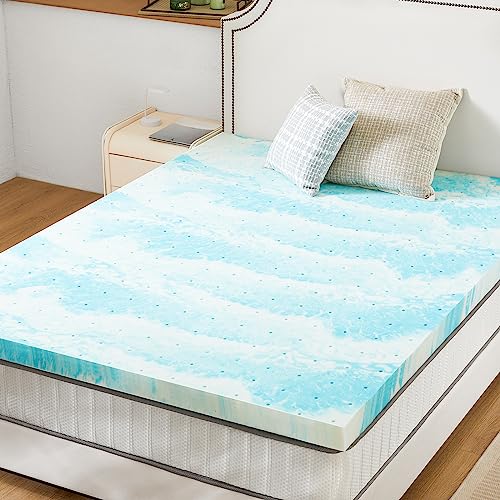
- ENHANCED COMFORT - With this memory foam mattress topper, say goodbye to...
- IMPROVED AIRFLOW - The gel infusion in this mattress pad helps to dissipate heat...
- VERSATILE USE - Whether you use it on your bed, sofa, or even in your RV, this...
Serta ThermaGel Cooling, Memory Foam Mattress Topper – Best for Hot Sleepers
Ideal for those who need cooling, this Serta topper uses gel-infused memory foam to regulate temperature. Its ventilated design enhances airflow, and the trusted brand name often indicates better material consistency. It’s a strong mid-range choice for extended comfort.
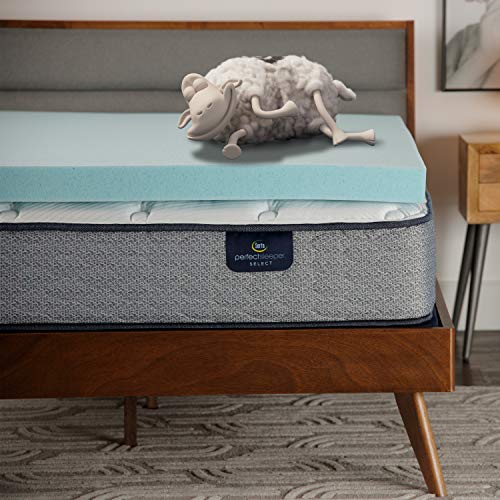
- BREATHABLE GEL-INFUSED FOAM: Engineered with ThermaGel-infused memory foam to...
- COOLING TECHNOLOGY: ThermaGel particles help create a refreshing sleep surface...
- CONTOURING SUPPORT: Adapts and conforms to your body’s natural shape for...
COONP King Mattress Topper – Best Budget-Friendly Upgrade
For shoppers wanting more than a basic topper without a high price, the COONP offers great features. It includes a soft bamboo cover and egg crate design for improved airflow. This design can help extend its functional life by reducing heat buildup in the foam.

- 1.Extra Thick and Luxury Comfort: Drift into a sounder, deeper sleep on this...
- 2.Cool and Breathable: The top surface features good ventilation and distributes...
- 3.Elastic Deep Pocket: Elastic deep pocket will wrap mattress(8-21") tightly. It...
Conclusion
The lifespan of a cheap mattress topper is typically one to three years, heavily influenced by material quality and care. While affordable, these toppers often sacrifice long-term durability for a low initial price.
For better value, consider investing in a mid-range topper with higher-density materials. This approach usually provides greater comfort and a lower cost per year of use, making it a smarter long-term investment for your sleep.
Frequently Asked Questions about How Long Does A Cheap Topper Last
Can a mattress topper fix a sagging mattress?
No, a topper cannot fix structural sagging. It is designed to add comfort and softness to a mattress that is still fundamentally supportive. Placing it over a severely sagging surface will not provide proper spinal alignment.
The topper itself will quickly conform to the existing dip, accelerating its own wear. For a sagging mattress, replacement is usually the only effective long-term solution for proper sleep support.
What is the most durable type of mattress topper material?
Natural latex is widely considered the most durable topper material, often lasting 5-10 years or more. It is highly resilient and resistant to permanent impressions and degradation over time.
For synthetic options, high-density memory foam (over 3.0 PCF) offers the best durability. While more expensive initially, its longevity often makes it more cost-effective than repeatedly replacing cheap toppers.
How often should I replace a cheap mattress topper?
Plan to replace a budget topper every 1 to 2.5 years with nightly use. Signs for replacement include visible sagging, loss of support, and the return of morning aches and pains.
If you use it only occasionally, such as on a guest bed, it may last closer to 3 years. Regular rotation and a protective cover can help you reach the upper end of its lifespan.
Does a higher price always mean a longer-lasting topper?
Not always, but there is a strong correlation. Higher-priced toppers typically use better-quality, higher-density materials and more durable covers. These components directly increase the product’s usable life.
However, some brands charge premiums for marketing. Always check the technical specifications, like foam density and cover material, rather than relying solely on price or brand name.
Is it worth buying a cheap topper for a guest room?
Yes, this is one of the best uses for an inexpensive topper. Since it will see infrequent use, its shorter lifespan is less of a concern. It provides instant comfort for visitors without a major investment.
Choose one with a removable, washable cover for easy cleaning between guests. Even a budget model should last several years in this low-use scenario.
Why does my new cheap topper already have a dip in it?
This usually indicates very low-density foam that lacks resilience. The foam may have compressed during shipping or may begin to form a body impression after just a few nights of use.
It is a sign of poor material quality and predicts a very short functional lifespan. If possible, consider returning it and looking for a product with a higher density specification.