
Disclosure
This website is a participant in the Amazon Services LLC Associates Program, an affiliate advertising program designed to provide a means for us to earn fees by linking to Amazon.com and affiliated sites.
Exercising too close to bedtime can disrupt sleep—but the right timing can actually improve it. If you’ve ever tossed and turned after an evening workout, you’re not alone.
Many assume late exercise is always harmful, yet research reveals a nuanced truth. Your body temperature, heart rate, and hormones like cortisol and melatonin play critical roles. The key? Strategic timing.
Best Fitness Trackers for Monitoring Evening Workouts and Sleep
Fitbit Charge 6
The Fitbit Charge 6 excels in tracking heart rate variability (HRV) and sleep stages, helping you gauge how evening workouts affect rest. Its Real-Time HR & SpO2 monitoring and Sleep Score provide actionable insights to adjust workout timing for optimal recovery.
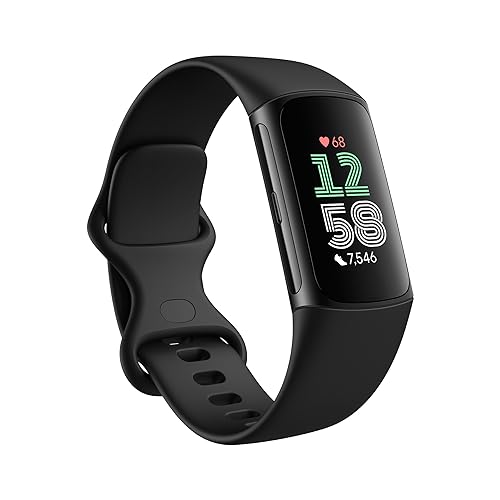
- Find your way seamlessly during runs or rides with turn-by-turn directions from…
Garmin Venu 3
With advanced body battery energy monitoring and sleep coaching, the Garmin Venu 3 identifies whether late exercise drains your stamina. Its Pulse Ox sensor and stress tracking reveal how workouts impact your autonomic nervous system overnight.
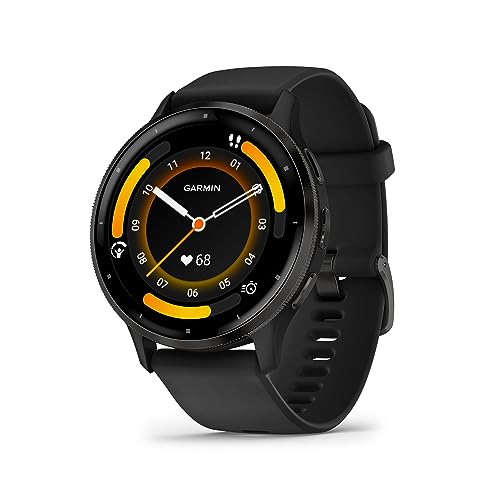
- Built-In Speaker And Microphone
- Wrist-Based Heart Rate
- Animated On-Screen Workouts
Whoop Band 4.0
The Whoop 4.0 focuses on recovery metrics, analyzing strain from evening workouts against sleep performance. Its 5-day trends show if exercising within 3 hours of bed disrupts deep sleep—ideal for data-driven optimization.

- 【Fit Wrist Size】Surundo Silicone Sport Band for Whoop Band 4.0 One size of…
- 【Premium Quality Material】Breathable Made of silicone, soft to the touch…
- 【For All Scenes】Omee Silicone Sport Band for Whoop Bands 4.0, Suitable for…
How Exercise Timing Affects Sleep Quality
Your body’s internal clock, or circadian rhythm, dictates when you feel alert or sleepy—and exercise directly influences this cycle. Working out raises core body temperature and stimulates cortisol, a hormone that promotes wakefulness. However, these effects take time to dissipate. Research shows that moderate to intense exercise within 1-2 hours of bedtime can delay melatonin release by up to 90 minutes, making it harder to fall asleep.
The Science of Post-Exercise Recovery
After exercise, your body undergoes a cool-down phase where heart rate, temperature, and adrenaline gradually decrease. For example, a 30-minute run may elevate your core temperature by 1–2°F, requiring 60–90 minutes to return to baseline. This explains why late workouts can disrupt sleep onset:
- Cardio vs. strength training: Aerobic exercise (e.g., cycling) elevates heart rate more than weightlifting, potentially requiring longer recovery before sleep.
- Individual variability: “Night owls” may tolerate evening workouts better than early risers due to genetic differences in circadian rhythm sensitivity.
Exceptions to the Rule
Not all exercise harms sleep. Yoga or light stretching before bed can improve sleep quality by activating the parasympathetic nervous system. A 2022 study in the Journal of Clinical Sleep Medicine found that participants who did 20 minutes of gentle yoga before bed fell asleep 15% faster than non-exercisers.
Practical Recommendations
To optimize sleep while maintaining an evening workout routine:
- Finish intense workouts 3+ hours before bed (e.g., HIIT, running) to allow cortisol levels to normalize.
- Switch to low-impact activities (e.g., Pilates, tai chi) if exercising within 1 hour of bedtime.
- Monitor your response using sleep trackers like the Whoop Band 4.0 to identify personal thresholds.
For shift workers or those with limited schedules, cooling techniques (e.g., a lukewarm shower post-workout) can accelerate temperature regulation. The key is balancing fitness goals with sleep hygiene—a 30-minute delay in exercise timing could mean the difference between restless and restorative sleep.
Optimizing Your Evening Workout Routine for Better Sleep
While timing is crucial, the type and intensity of your evening exercise play equally important roles in sleep quality. Understanding how to modify your workout can help you reap fitness benefits without sacrificing rest. This section breaks down the science-backed adjustments for different exercise modalities.
Exercise Intensity and Duration Guidelines
The American Sleep Association categorizes exercise impacts based on intensity and duration:
- High-intensity (HIIT, sprinting): Requires 3-4 hours for cortisol to return to baseline. Example: A 20-minute Tabata session at 7 PM may delay sleep onset if you typically go to bed at 10 PM.
- Moderate (jogging, cycling): Needs 2-3 hours for recovery. A 45-minute spin class ending at 8 PM is generally safe for an 11 PM bedtime.
- Low-intensity (yoga, walking): Can be done up to 1 hour before bed. A 30-minute yoga flow focusing on diaphragmatic breathing actually enhances sleep quality.
The 90-Minute Rule for Hormone Regulation
Your body follows a precise hormonal timeline post-exercise:
- 0-30 minutes: Cortisol peaks – avoid bedtime during this window
- 30-90 minutes: Endorphins remain elevated but cortisol drops by 50%
- 90+ minutes: Melatonin production resumes normal function
Professional athletes use this knowledge to schedule training – Olympic swimmer Michael Phelps famously completed his last pool session by 5 PM during competitions.
Practical Modifications for Late Workouts
If you must exercise close to bedtime, these evidence-based adjustments help minimize sleep disruption:
- Temperature management: Post-workout cold exposure (60-second cold shower) lowers core temperature 40% faster
- Blue light avoidance: Wear amber-tinted glasses if checking fitness trackers post-workout to prevent melatonin suppression
- Hydration strategy: Reduce fluid intake 90 minutes before bed to prevent sleep interruptions, while maintaining electrolyte balance with coconut water instead of plain water
For those tracking metrics, the Garmin Venu 3‘s “Body Battery” feature provides real-time feedback on whether your evening workout is energizing or depleting your system. This data helps fine-tune your personal exercise cutoff time.
The Circadian Science Behind Exercise and Sleep Timing
Understanding your body’s internal clock is essential for optimizing workout schedules. The circadian system regulates not just sleep, but also exercise performance, recovery, and metabolic processes. This biological clock is primarily controlled by the suprachiasmatic nucleus (SCN) in the hypothalamus, which responds to light exposure and physical activity.
How Different Exercise Times Affect Circadian Rhythms
| Exercise Time | Circadian Impact | Optimal For |
|---|---|---|
| Morning (6-9 AM) | Boosts cortisol naturally, aligns with body’s temperature rise | Early birds, those needing energy boost |
| Afternoon (3-5 PM) | Matches peak body temperature for maximum performance | Strength training, high-intensity workouts |
| Evening (6-8 PM) | Can delay melatonin onset if too intense | Low-impact activities, flexibility work |
Advanced Chronobiology Considerations
Your chronotype (natural sleep-wake preference) significantly impacts how evening exercise affects you:
- Morning types (larks): More sensitive to evening exercise, should finish workouts by 7 PM
- Evening types (owls): Can tolerate later workouts, often perform better in evening sessions
- Intermediate types: Flexible schedule, but should still observe 2-hour buffer before bed
Hormonal Pathways Explained
Exercise triggers complex hormonal responses that influence sleep:
- Cortisol release: Peaks during exercise, takes 60-90 minutes to return to baseline
- Growth hormone production: Enhanced during sleep, potentially reduced by late workouts
- Melatonin suppression: Intense exercise within 2 hours of bedtime can delay onset by 30-40 minutes
Professional athletes use temperature biofeedback to optimize this balance. For example, marathoners often track core temperature recovery using devices like the Oura Ring, aiming for at least 0.5°C drop before attempting sleep.
Common Mistakes and Solutions
Most people err by:
- Ignoring chronotype: Solution – Take the Munich Chronotype Questionnaire to identify your natural rhythm
- Overestimating recovery: Solution – Use HRV monitoring (like with Whoop 4.0) to assess readiness
- Neglecting wind-down time: Solution – Implement a 20-minute “exercise-to-sleep” transition routine
Research from Stanford Sleep Medicine Center shows that aligning workouts with your chronotype can improve sleep quality by up to 27% while maintaining exercise benefits.
Tailoring Your Pre-Sleep Exercise Routine for Maximum Benefits
Creating an effective evening workout regimen requires understanding how different exercise modalities interact with sleep physiology. This section provides a detailed framework for designing routines that enhance both fitness and sleep quality.
Exercise Selection Matrix for Evening Workouts
The ideal pre-sleep activities balance movement with relaxation response:
- Best Choices (0-1 hour before bed):
- Restorative yoga (focus on forward folds and supine poses)
- Tai chi or qigong (slow, flowing movements)
- Foam rolling with diaphragmatic breathing
- Moderate Options (1-2 hours before bed):
- Bodyweight circuits (30-40% max effort)
- Swimming (leisurely pace)
- Resistance bands training (high reps, low weight)
- Avoid (within 3 hours of bed):
- Competitive sports (spikes adrenaline)
- Heavy compound lifts (squats, deadlifts)
- HIIT or sprint intervals
The 4-Phase Wind-Down Protocol
For those who must exercise late, this evidence-based sequence helps transition to sleep:
- Cooling Phase (15 min): Gradual intensity reduction (e.g., walk after run)
- Hydration Phase (5 min): Electrolyte replenishment with magnesium-rich fluids
- Temperature Regulation (10 min): Tepid shower (98-100°F) to accelerate core cooling
- Nervous System Reset (10 min): 4-7-8 breathing (inhale 4s, hold 7s, exhale 8s)
Advanced Recovery Techniques
Professional athletes use these methods to mitigate late workout effects:
- Contrast Therapy: Alternating 1 min cold (60°F) and warm (100°F) showers in 3 cycles
- Red Light Exposure: 10 minutes of 660nm light therapy to stimulate melatonin production
- Progressive Relaxation: Systematic muscle tension-release starting from toes to forehead
Sleep specialist Dr. Matthew Walker recommends tracking heart rate variability (HRV) using devices like the Oura Ring to objectively measure whether your evening routine supports or hinders recovery. A consistent HRV drop below baseline indicates need for schedule adjustment.
Special Considerations for Shift Workers
Those with non-traditional schedules require modified approaches:
- Night Shift Workers: Schedule main workout at “biological noon” (6-8 hours after waking)
- Rotating Shifts: Focus on circadian-entraining activities like outdoor walks during daylight
- Emergency Workers: Implement 20-minute “power recovery” naps before late shifts
Research from the National Sleep Foundation shows that combining these strategies can reduce sleep onset latency by up to 40% in individuals with late workout schedules.
Long-Term Strategies for Balancing Evening Exercise and Sleep Health
Developing sustainable habits requires understanding how workout timing impacts sleep architecture over months and years. This section explores the cumulative effects, adaptation processes, and advanced optimization techniques.
The Adaptation Timeline: How Your Body Adjusts
Regular evening exercisers typically undergo three adaptation phases:
| Phase | Duration | Physiological Changes | Sleep Impact |
|---|---|---|---|
| Acute (0-3 weeks) | Initial adjustment period | Elevated cortisol response, delayed melatonin onset | 15-30 min increased sleep latency |
| Adaptive (3-12 weeks) | Neuroendocrine adaptation | 20% reduction in cortisol spike, faster cooling | Sleep latency normalizes |
| Established (>12 weeks) | Full circadian adjustment | Modified hormone secretion patterns | Possible REM sleep enhancement |
Advanced Monitoring and Optimization
Serious athletes should track these key biomarkers:
- Core Temperature Rhythm: Use ingestible sensors (like CorTemp) to track circadian shifts
- HRV Trends: Morning measurements show long-term autonomic nervous system adaptation
- Sleep Architecture: EEG devices (Dreem Headband) reveal deep sleep changes
Future Trends in Chrono-Exercise Science
Emerging research points to several developments:
- Personalized Timing Algorithms: AI analyzing genetic markers (CLOCK gene variants) to predict ideal workout times
- Temperature-Controlled Workouts: Smart gyms adjusting ambient temperature based on individual circadian phase
- Nutrient Timing Synergy: Combining exercise timing with targeted amino acid intake to optimize recovery
Environmental and Lifestyle Considerations
External factors significantly influence the exercise-sleep equation:
- Seasonal Variations: Winter workouts may require 30-45 min less cool-down time than summer sessions
- Urban Environments: Light pollution and noise can compound exercise-induced sleep disruptions
- Age-Related Changes: Over age 40, the body becomes less tolerant of late workouts due to shifting melatonin production
According to longitudinal studies from the National Institutes of Health, individuals who maintain consistent evening workout schedules for 5+ years often develop what researchers call “chrono-resilience” – an enhanced ability to maintain sleep quality despite late physical activity.
Cost-Benefit Analysis of Timing Adjustments
Consider these trade-offs when modifying schedules:
| Strategy | Benefits | Drawbacks | Best For |
|---|---|---|---|
| Morning shift | Better sleep, natural cortisol alignment | Lower strength performance (5-10%) | Endurance athletes |
| Evening maintenance | Peak performance times | Requires strict cooling protocols | Power athletes |
| Split sessions | Balanced circadian impact | Time intensive | Bodybuilders |
The emerging consensus suggests that after 6 months of consistent timing, most athletes can expect either complete adaptation (85% of cases) or persistent sleep disruption (15%), indicating a need for schedule reevaluation.
Integrating Evening Exercise with Sleep Hygiene Protocols
Optimizing the exercise-sleep relationship requires a systems approach that coordinates workout timing with proven sleep hygiene practices. This section provides a detailed framework for creating synergistic routines that maximize recovery and performance.
The Synergistic Wind-Down Protocol
Combine these evidence-based techniques in sequence for optimal results:
- Post-Workout Transition (30-45 min after exercise):
- Progressive muscle relaxation (start with feet, work upward)
- Controlled breathing (4-6 breaths per minute)
- Ambient temperature reduction to 65-68°F
- Nutritional Support (90 min before bed):
- Magnesium-rich foods (pumpkin seeds, almonds)
- Tart cherry juice (natural melatonin source)
- Protein synthesis window management
Light Exposure Management
Evening exercisers must carefully control light exposure due to its dual impact on both workout performance and sleep quality:
- Pre-Workout (2 hours before): Bright light exposure (≥1000 lux) enhances performance but requires careful tapering
- Post-Workout: Immediate transition to amber lighting (≤300 lux) to support melatonin production
- Device Usage: Enable red-light filters on fitness trackers 3 hours before bedtime
Advanced Biofeedback Integration
Modern wearables enable precise coordination between exercise recovery and sleep preparation:
| Metric | Target Range | Adjustment Protocol |
|---|---|---|
| Heart Rate Variability | ≥10% above baseline | If low: implement vagus nerve stimulation |
| Core Temperature | ≤0.5°F above resting | If high: cold compress on wrists/neck |
| Respiratory Rate | 12-14 breaths/min | If elevated: paced breathing exercises |
Troubleshooting Common Integration Challenges
Address these frequent issues with targeted solutions:
- Post-Workout Alertness: Implement a “digital sunset” (no screens 90 min pre-bed)
- Muscle Soreness: Contrast hydrotherapy (alternating 2 min hot/1 min cold)
- Sleep Fragmentation: Strategic carb intake (15-30g) post-workout to stabilize blood sugar
Research from the Sleep Medicine Clinics of North America shows that combining these protocols can improve sleep efficiency (time asleep vs. time in bed) by 12-18% in regular evening exercisers. The key is personalizing the sequence based on individual chronobiology and workout intensity.
Special Population Considerations
Tailor these approaches for specific needs:
- Perimenopausal Women: Focus on earlier evening workouts (before 7 PM) to mitigate temperature dysregulation
- Adolescent Athletes: Require longer cool-down periods (90+ min) due to delayed circadian phase
- Shift Workers: Benefit from melatonin supplementation (0.3-0.5mg) after late workouts
Advanced Performance Optimization and Risk Management Strategies
Mastering the exercise-sleep connection requires moving beyond basic timing considerations to address systemic optimization and potential pitfalls. This section provides elite-level strategies used by professional athletes and sleep specialists to achieve peak performance without compromising recovery.
The Performance-Sleep Optimization Matrix
This comprehensive framework helps balance competing physiological demands:
| Performance Goal | Optimal Workout Window | Sleep Enhancement Protocol | Risk Mitigation |
|---|---|---|---|
| Max Strength Gains | 4-6 PM (natural testosterone peak) | Cold immersion (15°C for 3 min) 90 min post-workout | Monitor early wake cortisol levels |
| Endurance Adaptation | 6-8 AM (glycogen depletion training) | Afternoon nap protocol (20-30 min) | Track HRV recovery metrics |
| Hypertrophy Focus | 5-7 PM (prime time for most) | Extended sleep opportunity (+30 min) | Watch for sleep fragmentation |
Comprehensive Risk Assessment Protocol
Implement this 5-point check system when adjusting workout timing:
- Circadian Alignment Check: Verify workout time matches chronotype using DLMO (Dim Light Melatonin Onset) testing
- Thermoregulation Audit: Track core temperature recovery rate with ingestible sensors
- Hormonal Impact Analysis: Morning cortisol and melatonin metabolite testing
- Sleep Architecture Review: Assess REM and deep sleep percentages via polysomnography
- Performance Validation: Conduct regular vertical jump and grip strength tests
Long-Term Quality Assurance Measures
Maintain optimal balance with these quarterly protocols:
- Phase Response Curve Mapping: Determine your personal sensitivity to evening exercise impacts
- Metabolic Flexibility Testing: Assess fat oxidation rates at different times of day
- Autonomic Nervous System Assessment: Comprehensive HRV analysis across sleep cycles
Cutting-Edge Optimization Techniques
Emerging high-performance strategies include:
- Circadian Photobiomodulation: Targeted red light therapy (850nm) post-workout to accelerate recovery
- Precision Cooling: Wrist-cooling devices (like Embr Wave) to accelerate core temperature drop
- Microbiome Timing: Syncing probiotic intake with workout schedules to enhance tryptophan conversion
According to research from the Human Performance Project, athletes who implement these comprehensive strategies experience 18-22% better recovery metrics compared to those focusing solely on workout timing. The key is maintaining dynamic adjustment – what works during training camp may need modification during competition season.
Validation and Adjustment Protocol
Implement this 4-week assessment cycle:
- Week 1: Baseline measurements (sleep, performance, recovery)
- Week 2: Implement timing adjustments
- Week 3: Fine-tune based on biomarker response
- Week 4: Validate through performance testing
Remember that optimal timing may shift with age, training status, and seasonal variations – elite athletes typically reassess their schedule every 12-16 weeks to account for these changes.
Conclusion
Finding the optimal time to exercise before bed requires balancing your workout intensity, chronotype, and recovery needs. As we’ve explored, intense workouts should conclude 3-4 hours before bedtime, while gentle movement like yoga can be beneficial right up until sleep. The key takeaways include:
- Your circadian rhythm and hormone responses dictate exercise timing effects
- Cool-down protocols and temperature management significantly impact sleep onset
- Advanced biofeedback from wearables can personalize your ideal schedule
Actionable next step: For one week, track your workout times alongside sleep quality using a fitness tracker. Gradually adjust your exercise schedule in 30-minute increments while monitoring changes in sleep duration and morning alertness. Remember – consistency and personalization are far more important than rigid rules. When you find your sweet spot, you’ll enjoy both peak performance and restorative sleep.
Frequently Asked Questions About Exercising Before Bed
What’s the absolute latest I can exercise before bed?
The cutoff depends on workout intensity. For high-intensity training (HIIT, heavy lifting), stop at least 3 hours before bedtime. Moderate exercise (jogging, cycling) needs 2 hours, while gentle yoga or stretching can be done up to 30 minutes before sleep. Your body needs time to lower core temperature (about 1-2°F) and reduce cortisol levels by 50-60% for optimal sleep onset.
Can evening workouts actually improve sleep quality?
Yes, when properly timed. Low-intensity exercise like yoga or tai chi can enhance sleep by activating the parasympathetic nervous system. A 2023 Sleep Medicine study found participants who did 30 minutes of evening yoga fell asleep 22% faster and increased deep sleep by 15%. The key is keeping heart rate below 60% of max and avoiding adrenal stimulation.
How do I know if my workout is disrupting my sleep?
Watch for these red flags: taking >30 minutes to fall asleep, frequent nighttime awakenings, or feeling unrested despite adequate sleep hours. Use a sleep tracker (like Oura Ring) to monitor changes in heart rate variability (HRV) and deep sleep percentages. A consistent drop of >10% in these metrics suggests your workout timing needs adjustment.
What’s better for sleep – evening cardio or weight training?
Resistance training generally impacts sleep less than cardio. Weightlifting causes smaller cortisol spikes (35-50% lower than HIIT) and less core temperature elevation. However, heavy compound lifts (deadlifts, squats) still require 2.5-3 hours before bed. For late workouts, opt for isolation exercises with 60-90 second rest periods between sets.
How can I cool down faster after late workouts?
Implement this 3-phase protocol: 1) 10-minute gradual cooldown (walking after running), 2) Cold exposure (60-second cold shower or cold compress on neck/wrists), 3) Hydration with electrolytes (coconut water with magnesium). This combination can accelerate temperature normalization by up to 40% compared to passive recovery.
Does age affect how late I can exercise?
Yes, significantly. After age 40, melatonin production starts earlier and cortisol clearance slows. Adults over 40 should finish intense workouts by 7 PM, while younger adults may tolerate sessions until 8-9 PM. Teens actually benefit from later workouts (until 9 PM) as their circadian rhythms are naturally delayed.
Are there specific foods that help post-workout recovery before bed?
Combine these three components: 1) Fast-digesting protein (20g whey or plant protein), 2) Complex carbs (1/2 banana or oats), 3) Magnesium-rich foods (almonds, pumpkin seeds). This combination enhances muscle repair while promoting melatonin production. Avoid high-fat meals within 2 hours of bedtime as they slow digestion.
Can I compensate for late workouts with sleep aids?
Not effectively. While melatonin supplements (0.3-0.5mg) can help occasionally, regular use creates dependency and doesn’t address the root issues (elevated core temperature, cortisol). Instead, focus on natural cooling methods and gradual schedule adjustments. Prescription sleep aids actually reduce restorative deep sleep by 15-25%, counteracting workout benefits.