
Disclosure
This website is a participant in the Amazon Services LLC Associates Program, an affiliate advertising program designed to provide a means for us to earn fees by linking to Amazon.com and affiliated sites.
A mattress topper’s lifespan directly impacts your sleep quality and investment. Knowing when it loses shape helps you plan for replacement and maintain comfort.
Factors like material quality, body weight, and care routine dramatically affect longevity. A high-density memory foam topper, for instance, typically resists sagging far longer than basic polyester fiberfill.
Is Your Mattress Topper Already Sagging and Losing Support?
Many mattress toppers quickly lose their shape, leading to uncomfortable pressure points and poor sleep. The Lucid 4 Inch Memory Foam Mattress Topper is designed with high-density foam that resists sagging, providing lasting contouring support to relieve aches and maintain its comforting shape for years, directly solving this common frustration.
For lasting comfort and support, we recommend: Lucid 4 Inch Memory Foam Mattress Topper
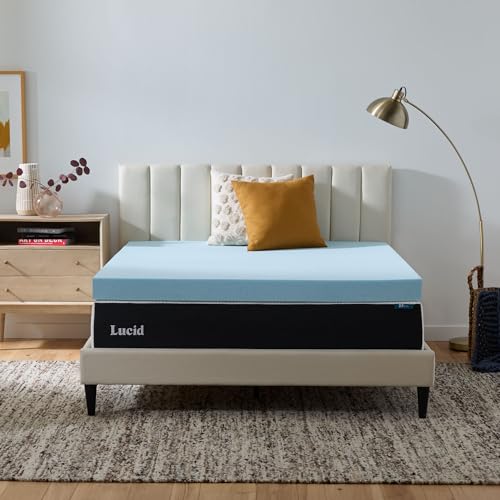
- ULTRA PLUSH FEEL – Lucid memory foam mattress toppers are designed to enhance...
- COOLER SLEEP: Cooling gel is infused in the memory foam to help regulate your...
- CHOOSE YOUR SIZE: 2-inch profile adds a soft layer of support to any mattress...
Key Factors That Determine When a Mattress Topper Loses Its Shape
The timeline for a topper losing its form is not fixed. It depends on several interacting factors that accelerate or delay material breakdown. these helps you make a better purchase and extend product life.
Material Composition and Density Impact
The topper’s material is the most critical factor for longevity. High-density foams and natural latex resist permanent indentation far better than low-cost alternatives. For example, a 4-pound density memory foam will maintain its supportive shape much longer than a 2.5-pound density version.
- Memory Foam: Durability hinges on density. High-density (4-5 lb/ft³) can last 5+ years, while low-density may sag in 2-3 years.
- Latex (Natural or Synthetic): Known for exceptional resilience, often retaining shape for 7-10 years with minimal body impressions.
- Polyester Fiberfill or Feather: These materials flatten and clump quickly, often needing fluffing daily and replacement within 1-2 years.
User Weight, Sleep Habits, and Care Routine
How you use and care for the topper directly impacts its structural integrity. Consistent pressure points and lack of maintenance will hasten the loss of support.
Heavier body weight applies more force, compressing the material faster. Side sleepers create deep pressure points at hips and shoulders, while back sleepers distribute weight more evenly. A simple, regular care routine can significantly prolong the topper’s useful life.
- Rotate the topper head-to-foot every 1-2 months to distribute wear evenly.
- Use a protective, waterproof mattress cover to shield against spills, dust mites, and body oils.
- Follow manufacturer cleaning instructions; most foam toppers should only be spot-cleaned, not soaked.
| Material Type | Typical Shape Lifespan | Key Factor for Longevity |
|---|---|---|
| High-Density Memory Foam | 5 – 7 years | Density (4 lb/ft³ or higher) |
| Natural Latex | 7 – 10+ years | Natural resilience and breathability |
| Egg Crate or Low-Density Foam | 1 – 3 years | Prone to permanent compression |
| Fiberfill (Polyester) | 1 – 2 years | Requires constant fluffing, flattens rapidly |
Warning Signs Your Mattress Topper is Losing Support
Recognizing the early symptoms of a failing topper prevents poor sleep and discomfort. The loss of shape is often gradual, but clear physical and sensory indicators signal it’s time for a change. Paying attention to these signs helps you act before the problem affects your health.
Physical and Visual Indicators of Wear
Conduct a simple visual and manual inspection every few months. Look for permanent body impressions or areas that feel noticeably thinner. A topper that fails the “rebound test” has lost its core resilience.
- Check for Permanent Indentations: Remove sheets and look for deep, lasting dips where you sleep. These are pressure points that no longer provide support.
- Perform the Rebound Test: Press your hand firmly into the topper for 10 seconds. A healthy topper springs back quickly; a worn one leaves a slow-fading dent.
- Measure Evenness: Place a straight edge across the surface. Significant gaps or dips in the middle or edges indicate advanced wear and compression.
How Your Body Tells You the Topper is Failing
Your physical comfort is the ultimate test. A topper losing its shape fails to properly align your spine, leading to muscular strain. This often manifests as morning pain that wasn’t present before.
- Morning Back or Hip Pain: Waking up with new stiffness or aches, especially in pressure points, suggests inadequate support.
- Feeling the Mattress Beneath: You can start to feel the firmness or springs of the mattress through the thinning topper.
- Increased Tossing and Turning: Your body subconsciously seeks a comfortable position because the topper’s surface is no longer uniformly supportive.
Addressing these signs promptly is crucial. Continuing to use a severely degraded topper can negate its benefits and potentially worsen sleep posture.
Proactive Steps to Extend Your Mattress Topper’s Lifespan
You can actively delay the day your topper loses its supportive shape. Proper care and smart usage habits significantly slow down material breakdown and compression. Implementing a consistent maintenance routine is the most effective strategy for protecting your investment.
Essential Care and Maintenance Routine
A disciplined care schedule prevents premature wear from spills, dust, and uneven pressure. The goal is to distribute weight evenly and keep the materials clean and dry.
- Use a High-Quality Mattress Protector: A waterproof, breathable barrier guards against sweat, spills, and dust mites, which can break down foam and fiberfill.
- Rotate and Flip (if applicable): Rotate the topper 180 degrees every 1-2 months. If it’s double-sided, flip it over as well to ensure even wear.
- Air It Out Regularly: When changing sheets, leave the topper uncovered for 30 minutes to allow moisture to evaporate and maintain material resilience.
Choosing a Durable Topper from the Start
Your purchasing decision sets the baseline for longevity. Investing in quality materials and construction pays off in extended comfort and delayed replacement costs. Always prioritize density and material type over initial price.
For memory foam, a density of at least 3 pounds per cubic foot is recommended for durability. Look for certifications like CertiPUR-US® for foam, which ensures low emissions and durability standards. Read reviews that specifically mention long-term shape retention, not just initial comfort.
| Material | Key Maintenance Action | Cleaning Method |
|---|---|---|
| Memory Foam | Rotate monthly; never fold or bend. | Spot clean only with mild detergent; never saturate. |
| Latex | Rotate and flip quarterly; ensure good airflow. | Can often be lightly damp-wiped; check manufacturer label. |
| Feather/Down | Fluff daily; use a duvet cover. | Professional cleaning is usually required. |
| Polyester Fiberfill | Fluff frequently and rotate to prevent flat spots. | Many are machine washable; always check the tag. |
When to Replace a Mattress Topper vs. Trying to Revive It
Knowing when to repair and when to replace saves both money and sleep quality. Some shape loss is temporary and fixable, while permanent compression signals the end of useful life. This decision hinges on the material type and the severity of the damage.
Methods to Temporarily Restore Shape and Comfort
For toppers that have flattened but not permanently failed, simple revival techniques can buy you some time. These methods are most effective on fiberfill, feather, and low-density foam toppers.
- Fluff and Redistribute Fill: For fiber or feather toppers, vigorously shake and knead the material to break up clumps and redistribute the filling evenly.
- Air Dry and Sun: Place the topper in a well-ventilated area or in mild sunlight. The airflow can help expand compressed materials and eliminate moisture.
- Use a Low-Heat Tumble Dry: Some machine-washable toppers can be revived on a no-heat or air-fluff dryer cycle with tennis balls to help plump the filling.
Clear Indicators That Replacement is Necessary
When a topper’s core structure is compromised, no amount of fluffing will help. Continued use can lead to poor spinal alignment and disrupted sleep. Recognize these definitive signs it’s time for a new one.
- Permanent, Deep Body Impressions: The surface remains visibly cratered after 24 hours without weight, failing the rebound test completely.
- Lumps, Shifting, or Unpleasant Odors: Internal breakdown causes uneven surfaces or smells that won’t air out, indicating material degradation.
- Persistent Pain Despite Maintenance: If you consistently wake up achy after attempting all revival techniques, the topper can no longer provide the support you need.
Investing in a replacement at this point restores proper sleep support. Trying to extend a topper’s life beyond its structural failure is counterproductive for your health and comfort.
Choosing Your Next Mattress Topper for Maximum Longevity
After deciding to replace a worn topper, your next choice determines future durability. Selecting a product designed for long-term shape retention prevents premature sagging. Focus on construction quality and material specifications over marketing claims about initial softness.
Key Specifications for a Long-Lasting Topper
Technical details on the product label are more reliable than general material names. These specifications directly correlate with how well the topper will resist compression over years of use.
- Foam Density: For memory foam or polyfoam, this is the critical number. Seek a density of at least 3 pounds per cubic foot (PCF), with 4-5 PCF being ideal for durability.
- ILD/Firmness Rating: The Indentation Load Deflection indicates feel, not longevity. A medium-firm topper (ILD 10-14) often provides the best balance of comfort and support for most sleepers.
- Warranty Coverage: A reputable manufacturer will offer a 3-5 year warranty that specifically covers defects like sagging beyond a certain depth (e.g., 1 inch).
Material Comparison for Durability and Support
Different materials have inherent strengths in resilience and lifespan. Your sleep style and priority—pressure relief versus bounce—will guide the best choice for sustained shape.
| Material | Expected Shape Life | Best For | Consideration |
|---|---|---|---|
| High-Density Memory Foam | 5-7+ years | Pressure relief, motion isolation | Can sleep warm; requires time to off-gas. |
| Natural Latex | 7-10+ years | Resilience, cooling, eco-friendly option | Higher initial cost; has a distinct bounce. |
| Gel-Infused or Copper Foam | 4-6 years | Cooler sleep surface with contouring | Ensure high base foam density; gel doesn’t prevent sag. |
| Advanced Fiberfill (e.g., Microfiber) | 2-4 years | Plush, affordable softness | Will require regular fluffing; compresses faster. |
Ultimately, pairing a high-quality, durable topper with the proactive care habits outlined earlier is the definitive strategy for maximizing the time before it loses its supportive shape.
Common Questions on Longevity and Maintenance
These questions focus on the practical timeline and care for a topper’s supportive shape.
- How often should I replace my mattress topper? There’s no fixed schedule, but plan for 3-5 years for average quality foam. Replace based on the physical signs of sagging and loss of comfort, not just age.
- Can I fix a sagging memory foam topper? No, permanent compression in foam or latex is irreversible. Fluffing and airing may help surface fibers temporarily, but the core support cannot be restored once it fails.
- Does flipping a topper help it last longer? Yes, if it is double-sided. Flipping it every 3-6 months, combined with regular rotation, distributes wear more evenly across all sleeping surfaces.
Specific User Scenarios and Solutions
These answers address particular situations that affect how quickly a topper might lose its form.
- My topper has lumps. Does this mean it’s ruined? Lumps in fiberfill or feather toppers can sometimes be redistributed by hand. Lumps in foam indicate internal breakdown and are a sign to replace.
- We are a heavier couple. What topper lasts longest for us? Prioritize high-density (4-5 PCF) memory foam or natural latex. These materials have the highest weight capacity and best resistance to deep, permanent indentations.
- Can a mattress topper damage my mattress? A quality topper will not. However, a severely degraded topper that traps moisture or creates an uneven surface could potentially lead to mildew or uneven mattress wear over a very long period.
When in doubt, refer to the manufacturer’s warranty for guidance on expected performance and defects related to shape loss.
Special Considerations for Different Topper Materials and Types
Each topper material has unique aging characteristics and care needs that influence its shape retention timeline. these nuances allows for tailored maintenance and realistic longevity expectations. A one-size-fits-all approach does not apply to topper durability.
Caring for Memory Foam and Latex Toppers
These high-performance materials offer great support but have specific vulnerabilities. Heat, moisture, and improper cleaning are their main enemies.
- Memory Foam & Heat: Avoid placing memory foam in direct sunlight or near heat sources. Excessive heat can break down the foam’s cell structure, leading to premature softening and loss of support.
- Latex & Airflow: Natural latex is durable but can dry out and become brittle. Ensure good bedroom ventilation and use a breathable mattress protector to prevent moisture buildup without restricting airflow.
- Cleaning Protocol: Never submerge these materials. For spills, blot immediately and clean only with a mild detergent damp cloth. Deep cleaning can damage the core structure.
Managing Fiber, Feather, and Wool Toppers
These natural and synthetic fill materials lose shape primarily through compaction and moisture. Their lifespan heavily depends on consistent, active upkeep.
Daily fluffing is non-negotiable for feather and fiberfill toppers to redistribute the filling. Wool toppers require special attention to moisture control to prevent matting. All benefit greatly from the use of a duvet cover or top pad as a protective barrier.
- Daily Fluffing: Shake and plump feather or synthetic fiber toppers every morning to restore loft and prevent permanent flat spots.
- Seasonal Air-Out: Take wool or feather toppers outside on a dry, breezy day several times a year to refresh the fibers and eliminate ambient moisture.
- Professional Cleaning: Check care labels. Most down and wool toppers require professional cleaning, while many synthetic fibers can be machine-washed on gentle cycles.
By matching your care routine to the material’s specific needs, you directly combat the primary causes of shape loss for that type.
Best Mattress Toppers for Long-Lasting Shape and Support
Selecting a topper built for durability is the best proactive step against premature sagging. These recommended options are chosen for their material quality and construction, which directly contribute to extended shape retention and lasting comfort.
Biteany Dual Layer Memory Foam Mattress Topper – Best for Pressure Relief & Durability
This topper combines a cooling gel-infused top layer with a high-density support base. The dual-layer design helps distribute weight evenly to prevent deep pressure points, a key factor in maintaining its shape over many years of use.

- GET 2X SUPPORT FROM MATERIAL REVOLUTION! Biteany queen mattress topper combines...
- PAIN-FREE SLEEP, CUSTOMIZES COMFORT! Our queen size mattress topper can...
- STAY COOL & SLEEP SAFE! The cooling mattress topper features a 3D air mesh...
SINWEEK Mattress Topper Twin XL – Best Budget-Friendly Option
An ideal choice for dorm beds or guest rooms, this topper features 3-inch ventilated memory foam. The airflow channels promote cooling and help the foam retain its resilience, offering reliable support and shape retention at an accessible price point.

- GEL MEMORY FOAM MATERIAL: Our memory foam mattress topper readily conforms to...
- MORE COMFORTABLE SLEEP: The gel memory foam material used in our mattresses...
- SOFT BUT NOT FOLDABLE: our mattress is soft, do not roll up and store too long...
DOWNCOOL 3 Inch Queen Mattress Topper – Best Plush, Cooling Feel
Designed for hot sleepers, this topper uses copper-infused memory foam to draw heat away from the body. The 3-inch profile provides substantial cushioning that resists bottoming out, helping it maintain a consistent, supportive loft.
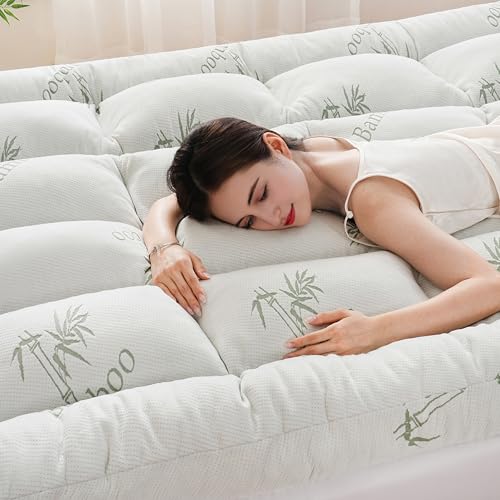
- Cooling Bamboo Viscose Top with 3D Air Layer: Made of 39% bamboo viscose and...
- Plush Pillow Top for Pressure Relief: Made with a thin gel memory foam layer and...
- Secure Deep Pocket Design: The elastic deep pocket skirt wraps around the...
Conclusion
A mattress topper loses its shape due to material quality, usage habits, and care routines. While lifespan varies, recognizing the warning signs of sagging and compression is crucial for maintaining sleep quality.
The main point is to invest in a high-density, durable topper from the start and commit to a simple maintenance schedule. This proactive approach is the most effective way to ensure your topper provides lasting comfort and support for years.
Frequently Asked Questions about How Long Before A Topper Loses Its Shape
What is the average lifespan of a mattress topper?
The average lifespan ranges from 2 to 7 years. High-density memory foam and natural latex toppers last the longest, often 5+ years. Basic fiberfill or low-quality foam may lose shape in under 2 years.
This wide range depends heavily on material density, user weight, and maintenance. A well-cared-for, premium topper can provide excellent support for many years beyond a budget option.
Can I fix a memory foam topper that has sagged?
You cannot permanently fix a memory foam topper that has permanently compressed. The material’s cell structure has collapsed, and this damage is irreversible. Fluffing or airing it out will not restore its core support.
You can temporarily improve comfort by rotating it to a less-worn area. However, once deep body impressions remain without weight, replacement is the only solution for proper spinal alignment.
How does my body weight affect topper longevity?
Heavier body weight applies more pressure, accelerating material compression and sagging. A topper will lose its supportive shape faster under greater, consistent force, especially in pressure points like hips and shoulders.
If you are a heavier individual, prioritize toppers with high-density foam (4-5 lb/ft³) or natural latex. These materials are specifically engineered to resist deep indentations and maintain their form under more weight.
Does using a mattress protector help a topper last longer?
Yes, a quality mattress protector is one of the best investments for longevity. It shields the topper from sweat, spills, dust mites, and body oils that can break down materials from the inside.
Choose a breathable, waterproof protector. This barrier prevents moisture accumulation, which can cause foam to degrade and fiberfill to clump, directly combating common causes of premature shape loss.
What’s the difference between softening and losing shape?
Softening is a normal break-in period where the material becomes more comfortable. Losing shape is a structural failure where the topper develops permanent dips and no longer provides even support.
A topper that has softened will still rebound to its original level surface. A topper that has lost shape will have visible, lasting indentations that affect your sleep posture and cause discomfort.
When should I absolutely replace my mattress topper?
Replace your topper when you wake up with new aches and pains, or when visible sagging doesn’t rebound. If you can feel the mattress beneath you, the topper’s supportive life is over.
Persistent discomfort despite proper care is a clear signal. Continuing to use a failed topper can lead to poor sleep quality and may even affect the mattress underneath over time.