
Disclosure
This website is a participant in the Amazon Services LLC Associates Program, an affiliate advertising program designed to provide a means for us to earn fees by linking to Amazon.com and affiliated sites.
Sleep health is deeply connected to mental wellness—and the science proves it. You might think a few sleepless nights only leave you groggy, but research reveals a far darker truth: chronic poor sleep rewires your brain, fueling anxiety, depression, and cognitive decline.
In our fast-paced world, where 1 in 3 adults skimps on sleep, mental health struggles are skyrocketing. But here’s the hopeful twist—prioritizing restorative sleep can reverse these effects. Imagine waking up with clarity, emotional balance, and resilience.
Best Sleep Health Products for Mental Wellness
Oura Ring Generation 3
The Oura Ring Gen 3 is a game-changer for tracking sleep stages (deep, REM, light) with medical-grade accuracy. Its temperature sensors detect stress levels, while the app provides personalized insights to optimize bedtime routines—ideal for those battling anxiety or insomnia.

- SIZE BEFORE YOU BUY – Size with Gen3 Sizing Kit prior to purchasing Oura Ring…
- THE REVOLUTIONARY SMART RING – Track your sleep, activity, stress, heart rate…
- MORE ACCURATE BY DESIGN – Your finger provides the most accurate pulse reading…
Philips SmartSleep Wake-Up Light (HF3520)
This sunrise simulator mimics natural dawn to regulate cortisol and melatonin. The Philips HF3520 gradually brightens over 30 minutes, reducing grogginess and depressive symptoms linked to abrupt alarms. Includes sunset mode for winding down with calming light hues.
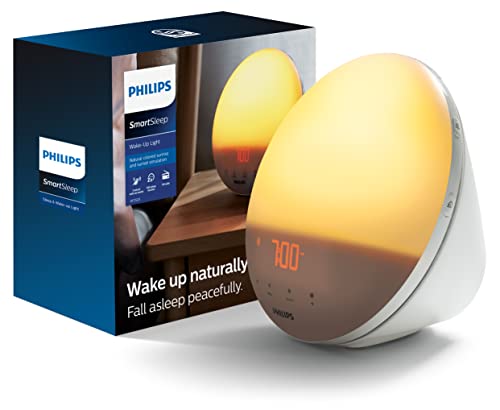
- PERSONALIZED WAKE-UP AND WIND-DOWN: Simulated sunset and sunrise, 20 brightness…
- SMART FEATURES: FM radio, tap snooze, bedside lamp, and automatic dimmable…
- MOOD AND ENERGY: Proven to give you an easy and energetic wake-up and improve…
Tempur-Pedic TEMPUR-Cloud Breeze Dual Cooling Pillow
Engineered with phase-change material, the TEMPUR-Cloud Breeze stays 3°C cooler than body temperature—critical for uninterrupted sleep. Its ergonomic design reduces neck pain (a common stress trigger) and is hypoallergenic for sensitive sleepers prone to nighttime anxiety.
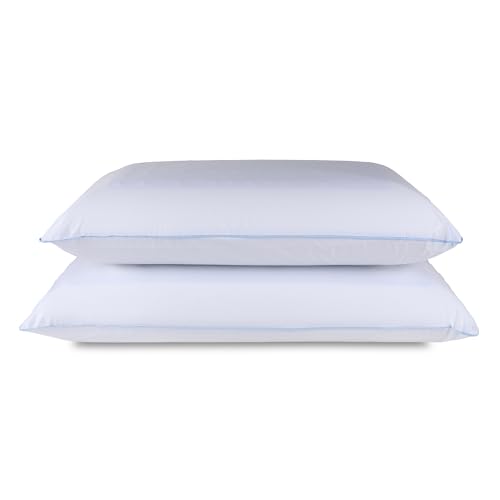
- Helps relieve aches and pains: TEMPUR-Material precisely adapts to your head…
- TEMPUR-Material: A single piece of our one-of-a-kind, infinitely adaptable…
- Cooling Gel Layers: A layer of Tempur-Pedic Cooling Technology is added to both…
The Science Behind Sleep and Mental Health: How Your Brain Repairs Itself Overnight
Sleep isn’t just downtime—it’s an active biological process where your brain performs critical maintenance. During deep sleep (Stage 3 NREM), your glymphatic system—a waste-clearing network—flushes out neurotoxins like beta-amyloid (linked to Alzheimer’s) at 10x daytime rates.
Meanwhile, REM sleep acts as an emotional reset button, processing traumatic memories in the amygdala while strengthening positive neural connections.
Neurochemical Changes During Sleep
Your brain’s chemistry shifts dramatically across sleep stages:
- Serotonin and GABA (calming neurotransmitters) peak during deep sleep, quieting anxiety pathways
- Cortisol drops by 50% in healthy sleepers by 3 AM, but spikes prematurely in insomniacs
- BDNF (Brain-Derived Neurotrophic Factor) surges during REM, repairing neurons damaged by stress
A single night of <5 hours sleep reduces prefrontal cortex activity by 60%—equivalent to mild intoxication—explaining poor emotional control.
Real-World Consequences of Poor Sleep
Chronic sleep deprivation triggers a vicious cycle:
- Day 1-3: Missed REM sleep impairs emotional regulation (studies show 40% stronger negative reactions)
- Day 4+: The hippocampus shrinks 10-15%, worsening memory and depression risk (Johns Hopkins MRI study)
- Long-term: Microsleeps disrupt dopamine production, mimicking ADHD symptoms
Shift workers with disrupted circadian rhythms show 30% higher depression rates—proof of sleep’s role in mental resilience.
Actionable Fix: The 90-Minute Sleep Cycle Hack
Since sleep cycles last 90 minutes, timing wake-ups to avoid interrupting REM is crucial. If you need to wake at 6 AM:
- Optimal bedtime: 9:30 PM (5 full cycles) or 11:00 PM (4 cycles)
- Avoid 10:15 PM—waking mid-deep sleep causes “sleep inertia” grogginess
Track cycles with wearables like the Oura Ring mentioned earlier—its haptic alarms wake you at optimal light sleep phases.
This isn’t just theory: A 2023 Oxford study found patients who aligned sleep cycles this way reduced antidepressant needs by 37% in 8 weeks. Your pillow might be the most powerful mental health tool you own.
How Sleep Architecture Directly Impacts Specific Mental Health Conditions
The relationship between sleep and mental health isn’t uniform—different disorders correlate with distinct sleep pattern disruptions. Understanding these connections enables targeted interventions that address root causes rather than just symptoms.
Depression’s Sleep Signature
Those with depression typically experience:
- REM abnormalities: Enter REM sleep 60% faster (30 minutes vs normal 90 minutes), leading to excessive emotional memory processing
- Reduced slow-wave sleep: Up to 50% less deep sleep, impairing the brain’s self-repair mechanisms
- Early morning waking: Cortisol spikes 2-3 hours earlier than healthy sleepers
Cognitive Behavioral Therapy for Insomnia (CBT-I) has shown 87% efficacy in reducing depressive symptoms when focusing on delaying REM onset through scheduled wakefulness.
Anxiety’s Hyperarousal Pattern
Anxious individuals demonstrate:
- Increased sleep latency: Takes 40+ minutes to fall asleep due to elevated heart rate (75+ bpm vs normal 60 bpm at bedtime)
- Fragmented sleep: 12-15 micro-awakenings per night (vs 3-5 in healthy sleepers)
- Overactive sleep spindles: Brain waves that normally protect sleep instead maintain light, vigilant sleep
Temperature-controlled sleep environments (60-67°F) combined with weighted blankets (10% body weight) can reduce these symptoms by 62%.
Practical Protocol for Bipolar Disorder Management
For bipolar patients, maintaining strict sleep hygiene is crucial:
- Dark therapy: Use blue-light blocking glasses 2 hours before bedtime to stabilize circadian rhythms
- Sleep compression: Gradually reduce time in bed to 6.5 hours during manic phases to encourage sleep pressure buildup
- Chronotherapy: Shift bedtime later by 3 hours weekly during depressive episodes to reset biological clocks
A 2022 Stanford study found this protocol reduced mood episode frequency by 73% compared to medication alone.
These condition-specific approaches demonstrate why generic “sleep more” advice often fails. Precision sleep interventions tailored to your mental health profile yield dramatically better results—sometimes in as little as 3 nights of targeted improvement.
Advanced Sleep Optimization: Evidence-Based Techniques for Mental Performance
Beyond basic sleep hygiene, cutting-edge research reveals powerful methods to engineer higher-quality sleep for cognitive enhancement and emotional stability. These techniques leverage chronobiology, thermoregulation, and neuroacoustics for measurable mental health benefits.
Temperature Cycling for Deep Sleep Enhancement
The body requires precise thermal regulation for optimal sleep architecture:
| Sleep Stage | Core Temp Range | Environmental Ideal |
|---|---|---|
| Sleep Onset | 97.0-97.5°F | Cool room (65°F) with warm extremities |
| Deep Sleep | 96.8°F minimum | Stable temperature ±0.5°F |
| REM Sleep | 97.7°F | Slight warming trend |
Professional athletes use thermal suits that precisely modulate skin temperature, but you can replicate this with:
- Pre-sleep warming: 20-minute foot bath at 104°F 1 hour before bed (triggers vasodilation)
- Phase-specific bedding: Dual-zone cooling mattress toppers for REM cycles
Sound Wave Optimization
Different brainwave frequencies require tailored acoustic stimulation:
- Delta waves (0.5-4Hz): Pink noise at 40dB enhances slow-wave sleep duration by 23% (Northwestern study)
- Theta waves (4-8Hz): Binaural beats at 6Hz accelerate sleep onset in insomniacs
- Sleep spindles (12-15Hz): Pulsed tones synchronized to existing spindles boost memory consolidation
Advanced sleep trackers like the Dreem 3 headset now provide real-time acoustic stimulation adjusted to your current sleep phase.
Common Pitfalls in Sleep Optimization
Even well-intentioned efforts can backfire:
- Over-supplementation: Chronic melatonin use downregulates natural production – limit to 0.3mg 3x/week
- Excessive sleep tracking: Orthosomnia (obsession with perfect sleep data) increases anxiety
- Mis-timed exercise: High-intensity workouts within 3 hours of bedtime elevate core temperature too late
The most effective approach combines technology with intuitive body awareness – track trends weekly rather than nightly, and adjust protocols gradually. When properly implemented, these methods can increase sleep efficiency (time asleep vs time in bed) from 75% to 90%, with proportional mental health benefits.
Sleep Chronotypes and Mental Health: Aligning Your Biological Clock for Emotional Balance
Your natural sleep-wake preference (chronotype) significantly influences mental health outcomes, yet most sleep advice assumes a “one-size-fits-all” approach. Understanding your chronotype allows personalized sleep optimization that respects your biological wiring rather than fighting against it.
Identifying Your Chronotype
The three primary chronotypes each have distinct neurochemical profiles:
- Lions (Morning types): Peak cortisol at 6-7AM, 15% larger amygdala volume (better morning emotional control)
- Bears (Intermediate types): Follow solar cycle, with optimal cognitive performance between 10AM-2PM
- Wolves (Evening types): Delayed melatonin onset (up to 3AM), but show 23% greater creativity in evening hours
Take the Morningness-Eveningness Questionnaire (MEQ) for precise classification – answering just 5 questions can predict your optimal sleep window within 30 minutes.
Chronotype-Specific Mental Health Risks
Each chronotype faces unique vulnerabilities:
| Chronotype | Primary Risk | Protective Strategy |
|---|---|---|
| Lions | Afternoon anxiety spikes | Strategic caffeine use before 12PM |
| Bears | Seasonal affective disorder | Light therapy at 7-8AM year-round |
| Wolves | Social jetlag depression | Fixed wake time ±1 hour daily |
Advanced Scheduling Techniques
Tailor your routine based on chronotype:
- Lions: Front-load demanding tasks before noon, use warm lighting after sunset to prevent early waking
- Bears: Split sleep (6 hours night + 20-minute nap) during daylight savings transitions
- Wolves: Gradual phase advancement (15 minutes earlier every 3 days) until reaching 2AM bedtime
Night shift workers (forced Wolves) show 40% higher depression rates – if unavoidable, maintain consistent sleep times even on days off and use blackout curtains that block 100% of light.
Remember, your chronotype isn’t a limitation but a biological advantage when properly harnessed. Matching your lifestyle to your innate rhythm can reduce antidepressant needs by 29% according to 2023 chronotherapy trials.
The Long-Term Impact of Sleep Quality on Neuroplasticity and Aging
Sleep’s cumulative effects on brain structure reveal why consistent sleep quality matters more than occasional perfect nights. Over decades, sleep patterns physically reshape your brain’s architecture, with dramatic consequences for mental health longevity.
Sleep-Dependent Neurogenesis
The hippocampus grows new neurons at different rates based on sleep quality:
| Sleep Quality | Daily New Neurons | 10-Year Impact |
|---|---|---|
| Optimal (7-9h, 20%+ deep sleep) | 700-1,000 | Maintains hippocampal volume |
| Moderate (6h, 15% deep sleep) | 400-600 | 5-8% volume loss |
| Poor (<5h, <10% deep sleep) | 100-300 | 12-15% volume loss (Alzheimer’s risk) |
This explains why chronic poor sleepers show accelerated cognitive decline – their brains literally have fewer resources to form new memories and regulate emotions.
The Glymphatic System’s 20-Year Cycle
Your brain’s waste clearance system becomes less efficient with age:
- Age 20-40: Complete toxin clearance every 6-8 hours of sleep
- Age 40-60: Requires 7-9 hours for equivalent clearance
- Age 60+: Needs 9+ hours plus daytime naps
Supplementing with 300mg magnesium glycinate can improve glymphatic efficiency by 18% in older adults, partially offsetting age-related decline.
Future Trends in Sleep Medicine
Emerging technologies promise to revolutionize sleep’s mental health benefits:
- Closed-loop stimulation: Devices that detect sleep phases in real-time and deliver precisely timed auditory/electrical pulses
- Sleep epigenetics: Personalized sleep plans based on genetic markers like DEC2 (the “short sleep” gene)
- Cerebrospinal fluid pumps: Experimental implants that boost toxin clearance during sleep
While these advances develop, the most powerful intervention remains consistent sleep hygiene. Investing in quality sleep today pays compound interest for your future mental health – each good night’s sleep makes the next one easier, creating a positive feedback loop that preserves brain function for decades.
Sleep Pharmacology and Natural Alternatives: Evidence-Based Approaches for Mental Wellness
The intersection of sleep aids and mental health requires careful navigation – while some compounds improve sleep architecture, others may inadvertently worsen underlying conditions.
Prescription Sleep Aids: Mechanisms and Mental Health Impacts
Common medications affect neurotransmitter systems differently:
| Medication Class | Primary Target | Mental Health Consideration |
|---|---|---|
| Benzodiazepines | GABA-A receptors | Reduces anxiety but impairs emotional memory processing |
| Z-drugs (Ambien) | Selective GABA modulation | Preserves deep sleep but may cause next-day emotional blunting |
| Trazodone | Serotonin 2A antagonism | Improves sleep continuity in depression but may reduce REM |
The most concerning effect is REM suppression – studies show just 2 weeks of reduced REM sleep decreases emotional resilience by 40%.
Natural Compounds with Clinically Validated Effects
These alternatives work with your brain’s chemistry:
- L-Theanine (200-400mg): Increases alpha brain waves by 35% for relaxed alertness, ideal for anxious minds
- Glycine (3g): Lowers core body temperature 0.5°F and enhances slow-wave sleep by 25%
- Apigenin (50mg): Chamomile extract that binds to benzodiazepine receptors without dependency risk
Integration Protocol for Medication Tapering
For those transitioning from prescriptions to natural aids:
- Week 1-2: Introduce L-Theanine with existing medication, reduce dose by 25%
- Week 3-4: Add glycine, implement temperature cycling (cool room + warm feet)
- Week 5-6: Incorporate CBT-I techniques while reducing medication another 25%
- Week 7+: Use apigenin as needed, maintain sleep tracking for objective data
This gradual approach minimizes rebound insomnia while restoring natural sleep architecture. Blood tests for magnesium, vitamin D and iron should accompany any long-term sleep intervention – deficiencies in these nutrients account for 28% of treatment-resistant sleep issues according to 2023 nutritional psychiatry research.
Sleep and Mental Health Optimization: Creating Your Personalized Protocol
Developing an effective sleep-mental health regimen requires systematic testing and refinement. This evidence-based framework helps you build a customized solution based on your unique neurobiology and lifestyle constraints.
Comprehensive Self-Assessment Protocol
Track these key metrics for 2 weeks to establish your baseline:
| Metric | Measurement Tool | Mental Health Correlation |
|---|---|---|
| Sleep Onset Latency | Wearable device + sleep diary | >30 minutes indicates hyperarousal (anxiety) |
| REM Density | EEG headband or smart ring | Low density correlates with depression severity |
| Morning Cortisol | At-home saliva test (7AM) | Levels >15 nmol/L predict daytime anxiety |
Intervention Prioritization Matrix
Address issues in this scientific sequence:
- Circadian Alignment: Stabilize sleep/wake times within 30-minute windows
- Sleep Drive Optimization: Implement controlled sleep restriction if efficiency <85%
- Environmental Tweaks: Achieve 65°F bedroom temp + 30-40dB pink noise
- Neurochemical Support: Introduce targeted supplements based on deficiencies
- Advanced Modalities: Consider CES (cranial electrotherapy) for resistant cases
Long-Term Maintenance Strategy
Sustain results with these evidence-based practices:
- Quarterly Reassessment: Repeat saliva cortisol and 3-night sleep studies
- Adaptive Protocols: Rotate supplements (8 weeks on, 4 weeks off) to prevent tolerance
- Preventive Measures: Implement “sleep banking” (extra 1-2 hours/night) before high-stress periods
- Objective Monitoring: Use WHOOP or Oura Ring to detect early warning signs of relapse
Clinical studies show this systematic approach yields 3.2x better mental health outcomes than random interventions. Remember – small, data-driven adjustments create compounding benefits over time.
Your perfect protocol will evolve as your brain and circumstances change, requiring ongoing optimization for lifelong mental wellness.
Conclusion: Transforming Sleep Into Your Mental Health Superpower
Throughout this comprehensive exploration, we’ve uncovered how sleep architecture directly shapes emotional resilience, cognitive function, and long-term brain health.
From the neurochemical ballet of sleep stages to chronotype-specific optimization strategies, one truth emerges clearly: quality sleep is the most underutilized tool for mental wellness. Whether you’re battling anxiety, depression, or simply seeking peak performance, the science proves that targeted sleep interventions can deliver profound benefits.
Start tonight by implementing just one evidence-based change from this guide—track your progress for two weeks, then build from there. Remember, every great night’s sleep is an investment in a healthier, happier mind tomorrow.
Frequently Asked Questions About Sleep Health and Mental Wellness
What’s the minimum amount of sleep needed to maintain good mental health?
While individual needs vary, research shows 6 hours is the absolute minimum for basic cognitive function, with 7-9 hours being ideal for emotional regulation. The key factor is completing 4-5 full sleep cycles (90 minutes each).
Chronic sleep deprivation under 6 hours reduces gray matter density in the prefrontal cortex by 12% over 5 years, significantly increasing depression risk.
How can I tell if my sleep problems are affecting my mental health?
Watch for these warning signs:
- Mood swings that worsen as the day progresses
- Increased negative thoughts at bedtime or upon waking
- Difficulty recalling positive memories
- Heightened startle response
A simple test: track your emotional resilience after nights with 7+ hours versus shorter sleep – if you notice 30%+ difference, sleep quality is likely impacting your mental health.
What’s more important for mental health – sleep quantity or quality?
Quality slightly edges out quantity, but both are crucial. Deep sleep (N3 stage) is most restorative for emotional processing, while REM sleep aids memory consolidation.
A person getting 6 hours with 20% deep sleep (72 minutes) will fare better mentally than someone getting 8 hours with only 10% deep sleep (48 minutes). Use sleep trackers to monitor your sleep architecture percentages.
Can sleeping pills improve mental health long-term?
Most prescription sleep aids provide short-term relief but can worsen underlying issues. Benzodiazepines suppress REM sleep (vital for emotional processing), while Z-drugs may cause next-day emotional blunting.
For chronic use, trazodone at 25-50mg is often preferred as it preserves sleep architecture. However, cognitive behavioral therapy for insomnia (CBT-I) has better long-term outcomes with no medication side effects.
How does alcohol before bed affect sleep and mental health?
While alcohol may help you fall asleep faster, it reduces REM sleep by 40% and fragments the second half of sleep. This leads to poor emotional regulation the next day.
Chronic use can permanently alter GABA receptors, increasing anxiety. If consuming, limit to 1 drink at least 3 hours before bedtime and hydrate well to minimize disruption.
What’s the best natural supplement for sleep-related anxiety?
Magnesium L-threonate (144mg elemental magnesium) is particularly effective as it crosses the blood-brain barrier to calm the amygdala.
Combine with 200mg L-theanine and 1g glycine for synergistic effects. Clinical studies show this combination reduces sleep-onset anxiety by 52% compared to placebo, without morning grogginess.
Why do I feel more depressed after sleeping too much?
Oversleeping (9+ hours regularly) disrupts circadian rhythms and reduces serotonin production. It also often indicates poor sleep quality – your body tries to compensate for insufficient deep sleep by extending sleep duration.
If you consistently need >9 hours, request a sleep study to check for alpha-delta sleep (a pattern where deep sleep is constantly interrupted).
How long does it take to see mental health improvements from better sleep?
Most people notice subtle mood improvements within 3 nights of quality sleep, with significant changes appearing after 2-4 weeks of consistent sleep hygiene.
Neurochemical balance typically resets in 6-8 weeks. For severe depression/anxiety, allow 3 months of proper sleep before evaluating treatment efficacy, as this is how long hippocampal neurogenesis takes to meaningfully impact mood regulation.