
Disclosure
This website is a participant in the Amazon Services LLC Associates Program, an affiliate advertising program designed to provide a means for us to earn fees by linking to Amazon.com and affiliated sites.
Struggling with sneezing, itchy eyes, or congestion at night? Your pillow might be the culprit. Hypoallergenic pillows are specifically designed to combat allergens like dust mites, mold, and pet dander—offering relief for millions of allergy sufferers. While many assume any pillow can be allergy-friendly, the truth is far more nuanced.
Best Hypoallergenic Pillows for Allergy Relief
Tempur-Pedic TEMPUR-Cloud Dual Cooling Pillow
This premium memory foam pillow is certified hypoallergenic and resistant to dust mites, mold, and bacteria. Its cooling cover wicks away moisture, while the adaptive TEMPUR material provides pressure relief without trapping allergens. Ideal for side and back sleepers who need both support and allergy protection.
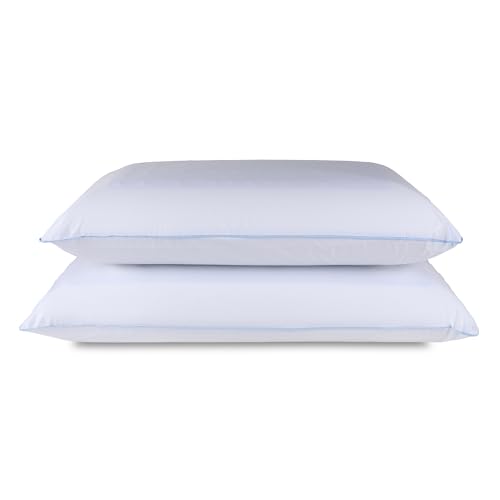
- Helps relieve aches and pains: TEMPUR-Material precisely adapts to your head…
- TEMPUR-Material: A single piece of our one-of-a-kind, infinitely adaptable…
- Cooling Gel Layers: A layer of Tempur-Pedic Cooling Technology is added to both…
AllerEase Pillow Protectors
Designed specifically for severe allergy sufferers, this pillow features a tightly woven barrier that blocks 99% of dust mites, pet dander, and pollen. The microfiber fill is machine-washable and stays fluffy even after repeated cleaning—perfect for asthma or eczema sufferers on a budget.

- ADVANCED ALLERGY PROTECTION: AllerEase pillow protectors have tightly woven…
- EXTEND PILLOW LIFE: Fully encasing your pillow with a durable and comfortable…
- TEMPERATURE BALANCING: Commonly used in high-performance athletic clothing, our…
Purple Harmony Pillow (Standard/Medium)
With a hyper-breathable Talalay latex core and moisture-wicking Grid cover, this pillow prevents allergen buildup while promoting airflow. The non-toxic materials are OEKO-TEX® certified, and the open-grid design resists microbial growth—making it a top choice for hot sleepers with chemical sensitivities.
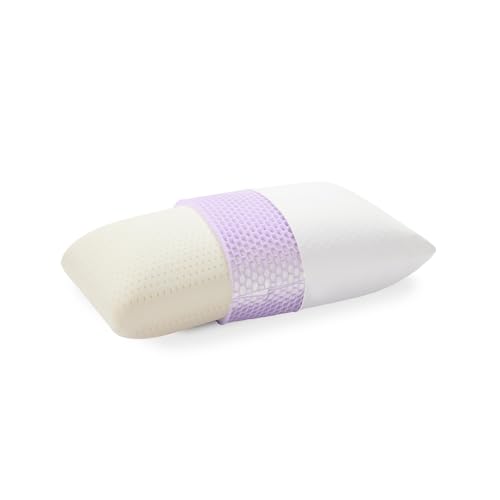
- THE GREATEST PILLOW EVER INVENTED: Unmatched comfort with a luxurious…
- STAYS COOL ALL NIGHT: Temperature-balancing GelFlex Grid, naturally aerated…
- DOESN’T FALL FLAT: Ultra-durable materials keep shape and maintain…
How Hypoallergenic Pillows Work: The Science Behind Allergy-Free Sleep
Hypoallergenic pillows don’t just claim to reduce allergies—they’re engineered with specific materials and technologies to block or neutralize irritants. Unlike standard pillows that trap dust mites, mold spores, and pet dander, these designs create a physical or chemical barrier against allergens. The effectiveness depends on three key factors:
Material Composition: The First Line of Defense
Hypoallergenic pillows use tightly woven fabrics or non-porous materials that prevent allergen penetration. For example:
- Microfiber barriers with a thread count of 230+ block particles as small as 1 micron (dust mites average 10–40 microns).
- Natural latex contains antimicrobial proteins that deter mold and dust mites naturally, unlike synthetic foams that absorb moisture.
- Silica-infused memory foam resists bacterial growth by disrupting microbial cell walls.
Structural Design: Preventing Allergen Accumulation
Traditional pillow fills like down or polyester clump over time, creating pockets where allergens thrive. Hypoallergenic alternatives use:
- Open-cell foams that allow airflow, reducing humidity that attracts dust mites (they thrive at >50% humidity).
- Shredded latex or gel grids that resist compression, eliminating dead zones where debris collects.
Certifications: Validating Safety Claims
Look for independent testing labels like:
- OEKO-TEX® Standard 100: Ensures no harmful chemicals (tested for 350+ substances).
- CertiPUR-US®: Verifies foam is free from formaldehyde, heavy metals, and PBDE flame retardants.
- AAFA® (Asthma and Allergy Foundation of America) certification: Rigorous testing for allergen resistance.
Mythbuster: “Hypoallergenic” doesn’t mean 100% allergen-proof—it means reduced risk. For severe allergies, pair your pillow with allergen-proof covers and weekly washing at 130°F+ to kill dust mites.
Pro Tip: If you wake up with congestion, try the “pillow test”—switch to a certified hypoallergenic option for 2 weeks. Many users report symptom improvement within 3–7 days as allergen exposure drops.
Choosing the Right Hypoallergenic Pillow: A Buyer’s Guide
Selecting an effective hypoallergenic pillow requires more than just picking one labeled “allergy-friendly.” The right choice depends on your specific sensitivities, sleep position, and environmental factors. Here’s how to make an informed decision:
Step 1: Identify Your Primary Allergy Triggers
Different materials target different allergens:
- Dust mite sufferers: Opt for tightly woven barrier fabrics (<1 micron pore size) or synthetic fills like microfiber that don’t provide food sources (dust mites feed on dead skin cells).
- Mold-sensitive individuals: Choose moisture-wicking materials like bamboo-derived rayon or latex, which naturally resist fungal growth.
- Chemical sensitivity: Look for GOTS-certified organic cotton or wool, processed without pesticides or synthetic treatments.
Step 2: Match the Pillow to Your Sleep Position
Support needs vary by sleeping style:
- Side sleepers: Need medium-firm latex or shredded memory foam (4-5″ loft) to maintain spinal alignment without trapping allergens in compressed areas.
Back sleepers: Benefit from thinner profiles (3-4″) of resilient materials like buckwheat hulls that allow airflow while supporting the neck.
Stomach sleepers: Require ultra-thin (2-3″) hypoallergenic down alternatives that prevent neck strain while resisting dust mites.
Step 3: Evaluate Maintenance Requirements
Even hypoallergenic pillows need proper care:
- Machine-washable covers should withstand weekly 140°F washes to kill dust mites
- Foam cores typically require spot cleaning only – submerging can damage their structure
- Natural fills like wool may need professional cleaning every 6 months
Pro Tip: For maximum protection, use a zippered allergen-proof encasement (like those from AllerEase) under your pillowcase. This creates two barriers against allergens while keeping the pillow itself cleaner longer.
Common Mistake: Assuming all “natural” materials are hypoallergenic. Down and feather pillows, while natural, are among the worst for dust mite allergies unless specially treated with allergen-barrier covers.
Hypoallergenic Pillow Materials Compared: A Scientific Breakdown
Understanding material properties is crucial for selecting an effective hypoallergenic pillow. Different materials offer varying levels of protection, comfort, and durability. Below we analyze the most common options with scientific data to help you make an informed choice.
Material Performance Comparison
| Material | Allergen Resistance | Breathability | Average Lifespan | Best For |
|---|---|---|---|---|
| Natural Latex | Excellent (naturally antimicrobial) | High (open-cell structure) | 5-7 years | Dust mite and mold allergies |
| Memory Foam | Good (dense structure) | Low-medium (retains heat) | 3-5 years | Chemical sensitivities (if CertiPUR-certified) |
| Bamboo-derived Rayon | Very Good (moisture-wicking) | Excellent | 2-4 years | Humid environments/mold prevention |
| Organic Cotton | Moderate (requires tight weave) | High | 3-5 years | Chemical sensitivities |
Advanced Protection Technologies
Modern hypoallergenic pillows incorporate innovative treatments:
- Silver-ion infusion: Kills bacteria and dust mites on contact (reduces allergens by 99.9% in lab tests)
- Phase-change materials: Regulate temperature while creating an inhospitable environment for microbes
- Nanofiber barriers: Block particles as small as 0.1 microns (100x smaller than standard allergen barriers)
Professional Maintenance Insights
Proper care extends effectiveness:
- Washing frequency: Every 2 weeks for covers, every 3 months for entire pillow (check manufacturer guidelines)
- Drying methods: High heat (130°F+) for 30 minutes kills dust mites without damaging most hypoallergenic materials
- Replacement signs: Clumping fill, persistent odors, or return of allergy symptoms indicate it’s time for a new pillow
Expert Tip: For severe allergies, combine materials – use a latex core pillow with a nanofiber cover for multi-layer protection. This addresses both airborne particles and contact allergens.
Common Oversight: Ignoring pillow protectors. Even the best hypoallergenic pillow benefits from an additional allergen-barrier cover, which can extend its effectiveness by 40-60% according to AAFA studies.
Creating a Complete Hypoallergenic Sleep System
While hypoallergenic pillows are essential, true allergy relief requires a comprehensive approach. Your entire sleep environment contributes to allergen exposure. Here’s how to build a complete defense system against nighttime allergens.
Layered Protection Strategy
Effective allergen control works best with multiple barriers:
- Primary layer: Start with a certified hypoallergenic pillow core (latex or advanced synthetic)
- Secondary layer: Add a zippered allergen-proof encasement (pore size ≤6 microns)
- Tertiary layer: Use a tightly woven pillowcase (minimum 300 thread count)
- Quaternary layer: Consider a removable, washable outer protector for easy cleaning
Complementary Bedding Considerations
Your pillow doesn’t work in isolation:
- Mattress protection: Use an allergen-barrier mattress cover (dust mites live primarily in mattresses)
- Blanket selection: Choose washable synthetic fills over natural wool or down
- Sheets: Opt for bamboo or microfiber with moisture-wicking properties
- Bed frame: Select designs without fabric headboards that trap dust
Environmental Control Measures
Reduce overall allergen load in your bedroom:
- Humidity control: Maintain 30-50% humidity with a dehumidifier (dust mites need >50%)
- Air purification: Use HEPA filters with CADR rating matching your room size
- Cleaning protocol: Vacuum weekly with a HEPA-filter vacuum, focusing on upholstered furniture
- Pet management: Keep pets off the bed or establish a designated pet blanket zone
Professional Insight: Allergy specialists recommend replacing your entire sleep system (pillow + mattress protector + bedding) every 5-7 years for optimal protection, as allergen barriers degrade over time with washing and use.
Advanced Technique: For severe allergies, implement a “clean sleep sanctuary” approach – shower before bed, store daytime clothes outside the bedroom, and use separate sleepwear that stays in the bedroom to minimize allergen transfer.
Common Oversight: Many focus only on their pillow while neglecting other allergen reservoirs like curtains, carpets, and stuffed animals in the bedroom. A 2023 study showed comprehensive bedroom allergen reduction improved sleep quality 73% more than pillow-only interventions.
Long-Term Hypoallergenic Pillow Performance and Sustainability
Investing in a hypoallergenic pillow requires understanding its lifecycle, environmental impact, and evolving technologies. This section examines durability factors, eco-conscious options, and emerging innovations in allergy-free sleep solutions.
Durability and Cost Analysis
| Material Type | Average Lifespan | Annual Cost* | Maintenance Requirements | Performance Decline Indicators |
|---|---|---|---|---|
| Natural Latex | 5-7 years | $40-$60 | Spot clean monthly, air out quarterly | Yellowing, hardening, visible cracks |
| Memory Foam | 3-5 years | $30-$50 | Rotate weekly, vacuum surface monthly | Permanent body impressions, odor retention |
| Bamboo Hybrid | 4-6 years | $35-$55 | Machine wash cover biweekly | Fill clumping, reduced loft |
*Based on premium pillow prices divided by lifespan
Environmental Considerations
Eco-friendly hypoallergenic options balance sustainability with performance:
- Natural latex: Harvested from rubber trees (renewable) but may involve transportation emissions
- Organic cotton: Grows without pesticides but requires significant water resources
- Recycled polyester: Reduces plastic waste but may shed microfibers during washing
- Buckwheat hulls: Fully biodegradable but heavier and noisier than synthetic options
Emerging Technologies
The future of hypoallergenic sleep includes:
- Self-cleaning fabrics: Photocatalytic coatings that break down allergens when exposed to light
- Smart monitoring: Embedded sensors that track allergen levels and alert when cleaning is needed
- Biodegradable synthetics: Plant-based memory foams that decompose within 5 years in landfills
- Nanofiber membranes: Ultra-thin barriers that block allergens while improving breathability
Professional Recommendation: For optimal sustainability, choose OEKO-TEX® certified natural latex with organic cotton covers. These typically last 25% longer than synthetic alternatives while maintaining hypoallergenic properties throughout their lifespan.
Maintenance Insight: Regular sun exposure (1-2 hours monthly) helps maintain hypoallergenic properties in natural fiber pillows by reducing moisture and microbial growth, without damaging materials like controlled artificial heat might.
Future Trend: The Global Allergy Foundation predicts 60% of hypoallergenic bedding will incorporate some form of active allergen-neutralizing technology by 2028, moving beyond passive barrier protection.
Specialized Hypoallergenic Solutions for Extreme Cases
For individuals with severe allergies, asthma, or multiple chemical sensitivities, standard hypoallergenic pillows may not provide sufficient protection. This section explores advanced solutions and customized approaches for extreme sensitivity cases.
Medical-Grade Allergy Protection
Clinical-level solutions incorporate hospital-proven technologies:
- Ceramic-infused fibers: Create ionic barriers that repel allergens at the molecular level (effective against particles as small as 0.3 microns)
- Surgical-grade polyurethane: Non-porous membranes used in burn units adapted for pillow encasements
- UV-C treated materials: Factory-applied ultraviolet sterilization that eliminates 99.99% of surface microbes
Customized Layering Systems
For multiple chemical sensitivities, a tiered approach works best:
- Base layer: 100% glass fiber core (completely inert and non-offgassing)
- Intermediate layer: Organic cotton batting (unbleached, undyed)
- Outer layer: Silver-infused bamboo fabric (antibacterial and moisture-wicking)
Environmental Control Integration
Advanced systems combine with other allergy-control measures:
- Climate synchronization: Smart pillows that adjust their breathability based on room humidity readings
- Air purification pairing: Pillows with removable HEPA filter panels for localized clean air
- Bedside monitors: Integrated sensors that track particulate levels and alert when allergen thresholds are exceeded
Clinical Insight: Allergy specialists recommend a 3-month transition period when switching to medical-grade hypoallergenic pillows, as the body may initially react to reduced allergen exposure (known as the “detox effect”).
Technical Consideration: For those with electrostatic sensitivity, avoid synthetic materials that build static charge. Grounded pillow systems with conductive threads can help dissipate electrical buildup.
Extreme Case Solution: The most sensitive patients may require custom-fabricated pillows using aerospace-grade materials like PTFE membranes, which block allergens while allowing vapor transmission (used in spacesuit technology).
Maintenance Protocol: Medical-grade pillows often require specialized cleaning methods – some need professional sterilization every 6 months, while others can only be surface-cleaned with specific hypoallergenic solutions.
Optimizing and Validating Your Hypoallergenic Sleep System
Implementing an effective hypoallergenic pillow solution requires ongoing optimization and validation. This section provides a comprehensive framework for maintaining peak performance and verifying your system’s effectiveness over time.
Performance Validation Protocol
| Validation Method | Frequency | Acceptance Criteria | Corrective Actions |
|---|---|---|---|
| Symptom Journal | Daily (first 30 days), then weekly | ≥40% reduction in morning allergy symptoms | Re-evaluate materials if no improvement in 2 weeks |
| Allergen Test Strips | Quarterly | ≤10μg/g dust mite allergens | Deep clean or replace if levels exceed 25μg/g |
| Moisture Assessment | Monthly | Surface humidity ≤50% | Add moisture-wicking layer if persistent dampness |
Advanced Optimization Strategies
Maximize your hypoallergenic investment through these techniques:
- Seasonal adjustments: Rotate between latex (summer) and microfiber (winter) cores based on humidity levels
- Zoned protection: Use different pillow materials for head (allergen barrier) and body (moisture control) contact areas
- Cleaning cycle calibration: Adjust washing frequency based on pollen counts (increase during high season)
Comprehensive Risk Mitigation
Address potential failure points in your system:
- Material degradation: Inspect for fiber breakdown every 6 months using a 10x magnifier
- Barrier compromise: Conduct water droplet tests on covers (beading indicates intact water resistance)
- Cross-contamination: Implement color-coded bedding that never leaves the allergy-controlled zone
Quality Assurance Tip: Maintain a “control pillow” – keep one old pillow in a sealed bag to compare against your new system if symptoms recur unexpectedly.
Professional Validation: Consider annual allergy testing to monitor sensitivity levels. A 20% reduction in skin prick test reactivity indicates successful environmental control.
System Integration: For complete protection, synchronize pillow replacement with other bedding components – replacing mattress protectors and pillows at different times creates vulnerability gaps.
Conclusion: Transform Your Sleep with Hypoallergenic Solutions
Throughout this guide, we’ve explored how hypoallergenic pillows work, compared materials, and built complete allergy-proof sleep systems. You now understand that effective allergy management requires more than just a special pillow—it demands a strategic combination of certified materials, proper maintenance, and environmental controls.
Whether you choose medical-grade protection or sustainable natural latex, remember that consistency in care matters as much as your initial selection.
Take action today: Start by assessing your current pillow’s age and materials, then gradually implement the layered protection approach. Your nights of restful, symptom-free sleep begin with these informed choices. Sweet dreams—without the sneezes!
Frequently Asked Questions About Hypoallergenic Pillows
What exactly makes a pillow hypoallergenic?
Hypoallergenic pillows incorporate specialized materials and construction methods to minimize allergen exposure. They typically feature tightly woven fabrics (with pore sizes under 10 microns) to block dust mites, antimicrobial treatments to prevent mold growth, and non-organic fills that don’t provide food sources for microbes.
Unlike regular pillows, they’re often certified by organizations like AAFA or OEKO-TEX® to verify their safety claims through rigorous testing.
How often should I replace my hypoallergenic pillow?
Replacement timelines vary by material: latex lasts 5-7 years, memory foam 3-5 years, and synthetic fills 2-3 years. However, monitor for performance indicators like persistent odors, visible stains that won’t wash out, or returning allergy symptoms. For severe allergy sufferers, consider replacing every 2-3 years regardless of visible wear, as allergen barriers degrade over time with washing and use.
Can I make my current pillow hypoallergenic?
While you can’t fundamentally change your pillow’s materials, you can significantly improve its hypoallergenic properties. Use a zippered allergen-proof encasement (pore size ≤6 microns), wash it weekly in 130°F+ water, and pair with hypoallergenic pillowcases. However, for true allergy relief, investing in a purpose-built hypoallergenic pillow core yields better long-term results than modifying standard pillows.
Are natural materials like down or wool good for allergies?
Contrary to popular belief, natural materials often worsen allergies. Down and feathers trap dust mites, while wool’s scaly fibers collect dander. The exception is natural latex, which resists microbes.
For allergy sufferers, advanced synthetics like microfiber or specialized memory foams typically outperform natural fills because they don’t provide organic matter that allergens feed on.
Why am I still experiencing allergies with a hypoallergenic pillow?
Several factors could be at play: your pillow protector may have compromised barriers, you might be reacting to laundry detergent residues, or allergens could be coming from other bedding.
Conduct a systematic evaluation – try sleeping with just the pillow (no case) for one night, then gradually add back other elements to identify the culprit. Environmental factors like bedroom humidity over 50% can also negate pillow benefits.
How do I properly clean different types of hypoallergenic pillows?
Cleaning methods vary dramatically by material: machine-wash microfiber (gentle cycle, 140°F), spot-clean memory foam (never submerge), air-out latex (sunlight helps), and dry-clean wool.
Always check manufacturer labels first. For all types, use fragrance-free, dye-free detergents and ensure complete drying (moisture invites mold). Consider professional cleaning for expensive natural fiber pillows every 6-12 months.
Are there hypoallergenic pillows suitable for hot sleepers?
Yes, several options combine cooling and hypoallergenic properties. Look for gel-infused latex, copper-cooled memory foam, or phase-change material pillows with breathable covers.
The Purple Harmony Pillow excels here with its open-grid design that allows airflow while maintaining allergen resistance. Avoid dense memory foams without cooling technology, as they trap heat despite being hypoallergenic.
What’s the cost difference between regular and hypoallergenic pillows?
Quality hypoallergenic pillows typically cost $80-$200 versus $20-$80 for standard pillows. However, considering their longer lifespan (3-7 years vs 1-2 years) and potential medical savings from reduced allergy symptoms, they often prove more economical long-term.
Entry-level hypoallergenic options start around $50, while medical-grade systems can exceed $300. The sweet spot for value is $100-$150 for most users.