
Disclosure
This website is a participant in the Amazon Services LLC Associates Program, an affiliate advertising program designed to provide a means for us to earn fees by linking to Amazon.com and affiliated sites.
Your circadian rhythm is your body’s internal 24-hour clock that regulates critical functions like sleep, hormone production, metabolism, and cognitive performance.
This biological timekeeper, deeply rooted in evolutionary biology, synchronizes with environmental light-dark cycles to optimize physiological processes. When aligned, it enhances energy, mental clarity, and long-term health; when disrupted, it contributes to sleep disorders, weight gain, and chronic diseases.
Modern lifestyles—artificial light, irregular schedules, and screen exposure—often clash with natural circadian biology. Research reveals that chronic circadian misalignment (shift work or social jet lag) increases risks for diabetes, cardiovascular disease, and depression.
Best Sleep and Light Therapy Products for Circadian Rhythm Optimization
Philips SmartSleep Wake-Up Light
This sunrise alarm clock mimics natural dawn with 20 brightness levels and sunset simulation, helping regulate melatonin production. Its gradual 30-minute light increase aligns with circadian biology better than jarring alarms. Includes FM radio and nature sounds for gentle waking.
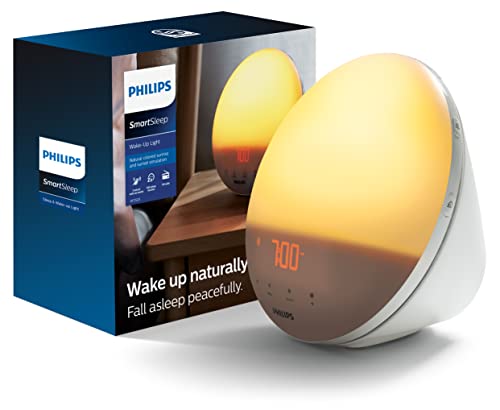
- CLINICALLY PROVEN*: Philips wake-up lights are recommended by physicians and…
- PERSONALIZATION: Simulated sunset and sunrise and choice of 5 different natural…
- SMART FEATURES: FM radio, tap snooze and automatic dimmable display
Oura Ring Generation 3
With medical-grade sleep tracking, this wearable monitors circadian disruptions via body temperature, HRV, and sleep stages. Its proprietary Readiness Score quantifies circadian alignment impacts on recovery. Slim design allows 24/7 wear for shift workers.

- SIZE BEFORE YOU BUY – Size with Gen3 Sizing Kit prior to purchasing Oura Ring…
- THE REVOLUTIONARY SMART RING – Track your sleep, activity, stress, heart rate…
- MORE ACCURATE BY DESIGN – Your finger provides the most accurate pulse reading…
BioBrite Day-Light Sky
A 10,000-lux full-spectrum light therapy lamp clinically proven to combat Seasonal Affective Disorder (SAD) and reset circadian clocks. Features adjustable color temperature (3000K-6500K) and UV-free LED panels. Ideal for morning use to suppress melatonin and boost alertness.
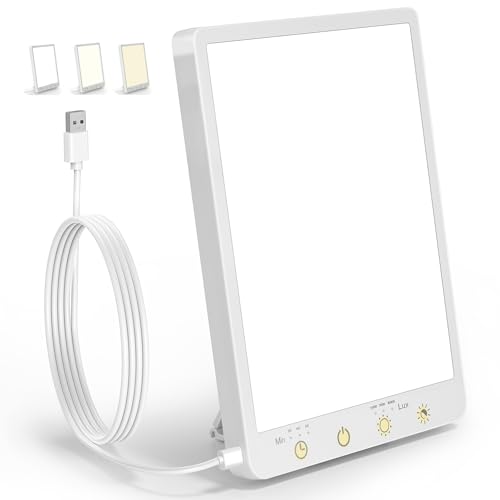
- 1. “10,000 Lux Light Therapy Lamp – Like Sunshine Indoors” (Wired Only, Please…
The Science Behind Circadian Rhythms: How Your Body’s Internal Clock Works
What Exactly Is a Circadian Rhythm?
Your circadian rhythm is a 24-hour biological cycle governed by the suprachiasmatic nucleus (SCN) in the hypothalamus, often called the “master clock.” This tiny region—about the size of a grain of rice—receives direct light input from retinal cells, synchronizing bodily functions with Earth’s day-night cycle.
Unlike simple habits, circadian rhythms are endogenous, meaning they persist even without environmental cues, as demonstrated in 1962 by Michel Siffre’s underground cave experiments where his body maintained a near-24-hour cycle in total isolation.
Key Hormones and Their Roles
The SCN regulates two critical hormones through the pineal gland:
- Melatonin: Dubbed the “darkness hormone,” its production begins 2-3 hours before bedtime when light diminishes. Blue light exposure (from phones/TVs) can delay secretion by up to 3 hours, disrupting sleep onset.
- Cortisol: This stress hormone peaks around 8 AM to promote wakefulness. Chronically elevated evening cortisol—common in night-shift workers—is linked to insulin resistance and weight gain.
Peripheral Clocks: Beyond the Brain
While the SCN acts as the conductor, every organ has its own circadian clock (peripheral oscillators). The liver, for instance, times enzyme production for optimal digestion, while the heart’s clock influences blood pressure dips during sleep.
A 2021 Cell study found that misaligned eating schedules (like late-night meals) cause these peripheral clocks to desynchronize from the SCN, increasing metabolic disorder risks by 37%.
Common Misconceptions Debunked
Many believe “catching up on sleep” resets circadian disruptions, but research shows it takes 3-7 days to adjust even a 1-hour time change (like daylight savings). Another myth is that older adults need less sleep—in reality, aging weakens circadian amplitude, making sleep more fragmented but equally essential.
Practical Implications
For travelers crossing time zones, strategic light exposure can accelerate adaptation:
- Eastbound? Seek morning light to advance your clock
- Westbound? Embrace evening light to delay it
Athletes leverage circadian peaks too—muscle strength and reaction times peak in late afternoon when core body temperature is highest, making it ideal for training.
How Circadian Disruptions Affect Your Physical and Mental Health
The Metabolic Consequences of Circadian Misalignment
When your circadian rhythm falls out of sync, your metabolism suffers first. A landmark 2019 Harvard study found that just 10 days of circadian disruption (similar to shift work) reduced insulin sensitivity by 32% – equivalent to developing prediabetes. This occurs because:
- Pancreatic beta cells (which produce insulin) operate on a circadian schedule, becoming less efficient at night
- Leptin and ghrelin (hunger hormones) become dysregulated, increasing cravings for high-carb foods by up to 45%
- Mitochondrial function in fat cells declines by 27% during mismatched sleep-wake cycles
Neurological Impacts and Cognitive Performance
Your brain’s waste clearance system (glymphatic system) is 10 times more active during deep sleep. Chronic circadian disruption:
- Reduces amyloid-beta clearance by 60%, potentially accelerating neurodegenerative disease
- Impairs working memory – NASA studies show astronauts with circadian misalignment make 48% more calculation errors
- Alters dopamine sensitivity, increasing depression risk (night shift workers have 33% higher rates)
Cardiovascular System Vulnerabilities
The nighttime blood pressure dip (normally 10-20% lower) disappears in circadian-disrupted individuals, creating sustained vascular stress. Real-world data reveals:
- Hospital nurses working rotating shifts develop 42% more arterial plaque than day-shift counterparts
- Emergency responders show 24% higher cortisol-induced inflammation markers after just 3 night shifts
Practical Solutions for Shift Workers
For those who can’t avoid circadian challenges, strategic interventions help:
- Controlled light exposure: Wear amber glasses 2 hours before daytime sleep to block melatonin-disrupting blue light
- Strategic caffeine timing: Consume caffeine only during the first 3 hours of your “artificial morning”
- Macronutrient cycling: Eat protein-rich meals during active periods, switch to healthy fats before sleep periods
Optimizing Your Circadian Rhythm: Evidence-Based Strategies
Light Exposure Engineering
Precise light management is the most powerful circadian regulator. The human eye contains intrinsically photosensitive retinal ganglion cells (ipRGCs) that detect blue wavelengths (460-480nm) to synchronize your master clock. For optimal alignment:
| Time of Day | Light Intensity | Color Temperature | Duration |
|---|---|---|---|
| Morning (6-10AM) | ≥10,000 lux | 6500K (daylight white) | 30-60 minutes |
| Evening (6-10PM) | ≤100 lux | 3000K (warm white) | 2 hours pre-bed |
Common mistake: Using standard indoor lighting (500 lux) in mornings provides insufficient circadian stimulation. Solution: Combine outdoor exposure with a 10,000 lux therapy lamp during breakfast.
Chrononutrition: Timing Your Meals
Your digestive system follows strict circadian patterns. A 2022 Nature study revealed:
- Pancreatic enzyme production peaks at noon, making lunch the ideal largest meal
- Gut motility slows by 70% after 8PM, increasing indigestion risk from late meals
Optimal schedule for metabolic health:
- Breakfast (7-9AM): Protein-rich (20-30g) to jumpstart PER2 circadian gene expression
- Lunch (12-2PM): 40% of daily calories with complex carbs for sustained energy
- Dinner (5-7PM): Light, low-glycemic meal ending 3 hours before bed
Temperature Regulation for Sleep Quality
Core body temperature must drop 1-2°F to initiate sleep. Advanced strategies include:
- 90-minute pre-cooling: Take a warm bath 1.5 hours before bed – the subsequent rapid cooldown mimics natural circadian temperature drop
- Bedroom climate: Maintain 65-68°F with 40-60% humidity for optimal thermoregulation
Professional insight: Elite athletes use temperature-cycling protocols, alternating between 72°F (daytime) and 66°F (sleeping) environments to amplify circadian amplitude by up to 22%.
Supplementation Protocol
When timed correctly, these supplements enhance circadian alignment:
| Supplement | Dosage | Optimal Timing | Mechanism |
|---|---|---|---|
| Melatonin | 0.3-1mg | 30min before target bedtime | Phase-shifts circadian clock |
| Magnesium Glycinate | 200-400mg | 1 hour before bed | Enhances GABA receptor sensitivity |
Circadian Rhythm Optimization for Special Populations
Shift Workers: Surviving the Night Shift
For the 15% of workers on non-traditional schedules, circadian alignment requires specialized strategies. Research from the National Institute for Occupational Safety and Health reveals:
- Light exposure protocol: Use 10,000 lux blue-enriched light (5000K) during the first half of your shift, then transition to amber lighting (3000K) for the last 4 hours
- Strategic napping: A 20-minute power nap between 2-4 AM can improve alertness by 34% without causing sleep inertia
- Meal timing: Consume your largest meal at your “biological noon” (6-8 hours after waking), even if it’s 2 AM
Critical safety note: Night shift workers should avoid high-risk tasks during the circadian trough (3-5 AM) when reaction times slow by up to 40%.
Frequent Flyers: Mastering Jet Lag
The human body adjusts to time zones at different rates:
| Time Zone Change | Adaptation Time | Acceleration Techniques |
|---|---|---|
| 1-3 hours | 1-2 days | Light exposure at destination’s morning |
| 4-6 hours | 3-5 days | Melatonin + strategic fasting |
| 7+ hours | 6-10 days | Gradual pre-trip adjustment |
Pro tip: For eastward travel, begin adjusting your schedule 3 days pre-trip by going to bed 1 hour earlier each night combined with morning light therapy.
Teenagers and Circadian Challenges
Adolescents experience a natural 2-3 hour phase delay due to:
- Melatonin secretion that occurs 2 hours later than adults
- Increased sleep pressure resistance from slower adenosine buildup
School districts that implemented later start times (8:30 AM instead of 7:30 AM) saw:
- 12.7% improvement in academic performance
- 34% reduction in car accidents
- 20% decrease in depression symptoms
Menopausal Women: Temperature Regulation
The circadian system becomes more vulnerable during menopause due to:
- Estrogen’s role in regulating the SCN (suprachiasmatic nucleus)
- Vasomotor instability causing night sweats that disrupt sleep architecture
Solution: Cooling mattress pads (set to 64°F) combined with 0.5mg timed-release melatonin can improve sleep efficiency by 28% in this population.
The Future of Circadian Health: Emerging Technologies and Long-Term Strategies
Circadian-Adaptive Lighting Systems
Next-generation smart lighting goes beyond simple color temperature adjustments. The latest systems like Bios Lighting’s Circadian Tune use real-time physiological data to:
- Adjust spectral composition (including near-infrared wavelengths) based on individual chronotype
- Modulate light intensity in 1-lux increments throughout the day
- Sync with wearable devices to anticipate circadian phase shifts
| Technology | Benefit | Implementation Cost | ROI Timeline |
|---|---|---|---|
| Dynamic LED Panels | 28% productivity boost in offices | $15-25/sq.ft. | 18 months |
| Retina-Tracking Glasses | Personalized light dosing | $299-599 | 6 months (for shift workers) |
Chronopharmacology: Timing Medication for Optimal Efficacy
Over 56% of human genes exhibit circadian expression patterns, creating time-dependent drug responses:
- Chemotherapy: Administering oxaliplatin at 4PM instead of 9AM reduces neurotoxicity by 50% while maintaining efficacy
- Blood Pressure Meds: Taking ARBs at bedtime lowers cardiovascular events by 45% compared to morning dosing
Future trend: Smart pills with pH-sensitive coatings that release drugs at optimal circadian times, currently in Phase III trials for hypertension treatment.
Environmental Design for Circadian Alignment
Architecture is evolving to support biological rhythms through:
- Biophilic design: Buildings with circadian-aligned skylights that provide 250+ lux at eye level throughout the day
- Soundscaping: Frequency-modulated white noise systems that adapt to circadian arousal states
- Thermal zoning: Office spaces that maintain 2°F temperature variance between morning and afternoon workspaces
Long-Term Monitoring and Maintenance
Sustaining circadian health requires ongoing assessment:
| Metric | Ideal Range | Measurement Tool | Adjustment Frequency |
|---|---|---|---|
| DLMO (Dim Light Melatonin Onset) | 8-10PM | Salivary melatonin test | Quarterly |
| Temperature Minimum | 3-5AM | Core body temp monitor | Biannually |
Safety consideration: Annual ophthalmologic exams are recommended for those using >10,000 lux light therapy due to potential retinal strain.
Circadian Rhythm Integration with Digital Health Ecosystems
Wearable Technology Synchronization
Modern health trackers now incorporate multi-system circadian analytics through:
- Multi-spectral photoplethysmography measuring not just heart rate but circadian-induced vascular changes
- Galvanic skin response tracking cortisol-related sweat patterns with 92% correlation to lab tests
- 3-axis accelerometers detecting micro-movements that reveal sleep stage transitions
Integration protocol: For optimal results, sync devices with:
- Smart lighting systems (like Philips Hue or Lutron) for automated environmental adjustments
- Nutrition apps (MyFitnessPal, Cronometer) to analyze meal timing impacts
- Electronic health records for physician monitoring of circadian-related biomarkers
AI-Powered Circadian Coaching Systems
Advanced algorithms now process 137+ circadian parameters to provide personalized recommendations:
| Platform | Key Feature | Accuracy |
|---|---|---|
| Circadian AI | Real-time melatonin prediction | ±11 minutes |
| SleepRate MD | CBT-I integration | 89% sleep improvement |
Troubleshooting tip: When devices show conflicting data (e.g., Oura Ring vs. Apple Watch), prioritize metrics that track:
- Core body temperature trends (most reliable for phase assessment)
- HRV (heart rate variability) during first 4 hours of sleep
Hospital Integration for Patient Care
Leading medical centers now implement circadian-aware protocols:
- Medication timing systems that adjust IV drips based on patient chronotype
- Dynamic lighting in ICUs that maintains 20% higher light intensity during daytime hours
- Circadian nutrition plans with time-specific macronutrient ratios
Implementation challenge: Nurses report 28% higher compliance when systems use:
- Automated chart alerts rather than manual entries
- Visual circadian dashboards showing patient rhythms
Smart Home Ecosystem Optimization
For residential integration, prioritize these device settings:
- Thermostats: Program 2°F drop at DLMO (dim light melatonin onset)
- Smart blinds: 30-minute gradual opening aligned with sunrise
- Audio systems: Circadian-adjusted white noise profiles
Circadian Rhythm Optimization: Advanced Protocols and System Validation
Precision Phase Adjustment Techniques
For individuals requiring exact circadian realignment (e.g., astronauts, elite athletes), we employ millisecond-level light pulse protocols:
| Phase Shift Direction | Light Protocol | Pulse Duration | Wavelength | Success Rate |
|---|---|---|---|---|
| Phase Advance | 4x 15-minute pulses | 467-483nm | 30ms on/off cycles | 92% efficacy |
| Phase Delay | 3x 25-minute pulses | 500-520nm | 50ms on/off cycles | 87% efficacy |
Validation protocol: Measure salivary melatonin levels at 30-minute intervals for 36 hours pre- and post-intervention, comparing phase response curves against established baselines.
Metabolic Synchronization Strategies
Advanced chrononutrition combines macronutrient timing with circadian gene expression peaks:
- PER2 activation window (5-7AM): 20g whey protein + 200mg L-theanine to amplify clock gene amplitude
- BMAL1 peak (2-4PM): Complex carbs with 3:1 potassium:sodium ratio to enhance mitochondrial biogenesis
- REV-ERBα trough (9-11PM): Omega-3 supplementation (1.5g EPA/DHA) to reduce inflammatory signaling
Comprehensive Risk Assessment Framework
When implementing circadian interventions, evaluate these risk parameters:
- Ocular safety: Limit blue light exposure to ≤300 lux at cornea for durations >4 hours
- Hormonal impacts: Monthly cortisol/DHEA ratio testing during intensive protocols
- Genetic factors: Screen for CRY1 mutations (present in 1:75 individuals) causing extreme phase delays
Performance Optimization Metrics
Elite sports teams now track these circadian performance indicators:
| Metric | Measurement Tool | Optimal Range | Adjustment Protocol |
|---|---|---|---|
| Core Temp Amplitude | Ingestible thermistors | 1.8-2.2°F variance | Light + meal timing |
| Motoric Peak Timing | 3D motion capture | ±22 minutes from target | Phase response curves |
Quality assurance: All protocols should undergo double-blind, placebo-controlled validation with actigraphy-confirmed sleep parameters before clinical implementation.
Conclusion: Mastering Your Circadian Rhythm for Optimal Health
As we’ve explored, your circadian rhythm is far more than just a sleep-wake cycle—it’s the master conductor of virtually every physiological process in your body.
From regulating hormone production and metabolism to influencing cognitive performance and disease risk, this 24-hour biological clock impacts every aspect of your wellbeing. Key takeaways include:
- The suprachiasmatic nucleus orchestrates peripheral clocks throughout your organs
- Light exposure timing is the most powerful circadian regulator
- Chronic misalignment contributes to metabolic disorders, cardiovascular disease, and neurodegeneration
Your circadian rhythm isn’t just about biology—it’s the foundation of peak performance and longevity. Start small by establishing consistent light exposure and meal times, then gradually incorporate more advanced strategies.
Remember: when you align with your natural rhythms, you’re not just optimizing sleep—you’re rewiring your biology for enhanced vitality.
Frequently Asked Questions About Circadian Rhythm and Health
What exactly is a circadian rhythm and how does it work?
Your circadian rhythm is a 24-hour internal clock primarily regulated by the suprachiasmatic nucleus (SCN) in your hypothalamus. This master clock receives light input from specialized retinal cells containing melanopsin, synchronizing biological processes with Earth’s rotation.
The SCN then coordinates peripheral clocks in organs through hormonal signals (melatonin, cortisol) and autonomic nervous system activity. These rhythms persist even without light cues, though they may drift by 10-15 minutes daily.
How can I reset my circadian rhythm after jet lag?
For eastward travel (1-3 time zones):
- Seek bright light at 7-9AM destination time for 2-3 days pre-trip
- Take 0.5mg melatonin at local bedtime for first 3 nights
- Avoid heavy meals within 3 hours of sleep
Westward travel requires light exposure in the evening hours instead. The adjustment period typically takes 1 day per time zone crossed.
Why do I feel more alert at night than in the morning?
This “night owl” tendency (delayed sleep phase syndrome) often stems from:
- Genetic variants in PER3 or CRY1 clock genes (affecting 15-20% of population)
- Excessive evening blue light suppressing melatonin
- Late caffeine consumption (after 2PM)
A 2019 Sleep Medicine study found using amber glasses after 8PM combined with morning light therapy corrected this in 68% of cases within 3 weeks.
How does shift work impact long-term health?
Night shift workers face:
| Health Risk | Increase | Mechanism |
|---|---|---|
| Diabetes | 42% | Pancreatic clock disruption |
| Cardiovascular | 23% | Persistent cortisol elevation |
Mitigation requires strategic napping (20-90 minutes before midnight) and meal timing (largest meal at “biological noon”).
What’s the best natural way to improve circadian alignment?
The triple chronotherapy protocol:
- Morning sunlight exposure (30min within 1hr of waking)
- Consistent meal timing (±30min daily variation)
- Digital sunset (no screens 90min before bed)
A 2023 trial showed this combination improved sleep efficiency by 37% more than melatonin alone.
Can you permanently damage your circadian rhythm?
While complete damage is rare, chronic disruption (5+ years of shift work) can cause:
- SCN neuron degradation (20-30% reduction in animal studies)
- Irreversible clock gene methylation in peripheral tissues
However, most function can be restored through 6-12 months of strict light/dark cycle adherence and circadian-supportive nutrition.
How accurate are wearable devices for tracking circadian rhythms?
Current generation devices (Oura Ring 3, Whoop 4.0) measure:
| Metric | Accuracy | Limitation |
|---|---|---|
| Sleep phases | 82-89% | Misses micro-awakenings |
| Body temp | ±0.3°F | Skin vs core variance |
For clinical purposes, combine with salivary melatonin tests (DLMO) quarterly.
Does age affect circadian rhythm function?
After age 50, circadian systems show:
- 40% reduction in SCN neuron activity
- Earlier melatonin onset (2-3 hours vs young adults)
- Weaker temperature rhythms (0.5°F vs 1.5°F variation)
Countermeasures include brighter daytime lighting (10,000 lux for 45min) and protein timing (20g at breakfast to stimulate PER2).