
Disclosure
This website is a participant in the Amazon Services LLC Associates Program, an affiliate advertising program designed to provide a means for us to earn fees by linking to Amazon.com and affiliated sites.
Sleep isn’t just downtime—it’s a biological powerhouse shaping every aspect of your life. While many dismiss it as mere rest, science reveals sleep as the silent architect of your mental clarity, emotional resilience, and physical vitality.
You might think burning the midnight oil boosts productivity, but research shatters this myth: chronic sleep deprivation weakens immunity, impairs decision-making, and even accelerates aging. In our always-on culture, 1 in 3 adults skimps on sleep, unaware of the cascading consequences.
Best Sleep Products for Optimal Rest
Oura Ring Generation 3
The Oura Ring Gen 3 is a game-changer for sleep tracking, offering medical-grade accuracy in measuring deep, REM, and light sleep stages. Its infrared sensors monitor heart rate variability (HRV) and body temperature trends, providing personalized insights to optimize your sleep schedule. The sleek titanium design ensures comfort for all-night wear.

- SIZE BEFORE YOU BUY – Size with Gen3 Sizing Kit prior to purchasing Oura Ring…
- THE REVOLUTIONARY SMART RING – Track your sleep, activity, stress, heart rate…
- MORE ACCURATE BY DESIGN – Your finger provides the most accurate pulse reading…
Tempur-Pedic TEMPUR-Cloud Breeze Dual Cooling Pillow
Engineered with phase-change material, the TEMPUR-Cloud Breeze actively cools your head and neck by 3–5°F—critical for entering deep sleep. Its adaptive TEMPUR foam reduces pressure points while aligning the spine. Ideal for hot sleepers, it combats night sweats without noisy fans or gels.
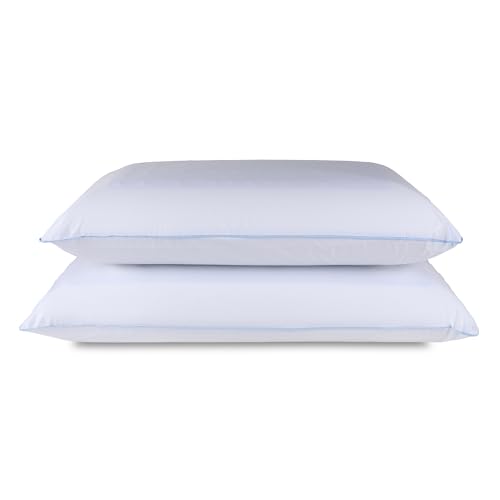
- Helps relieve aches and pains: TEMPUR-Material precisely adapts to your head…
- TEMPUR-Material: A single piece of our one-of-a-kind, infinitely adaptable…
- Cooling Gel Layers: A layer of Tempur-Pedic Cooling Technology is added to both…
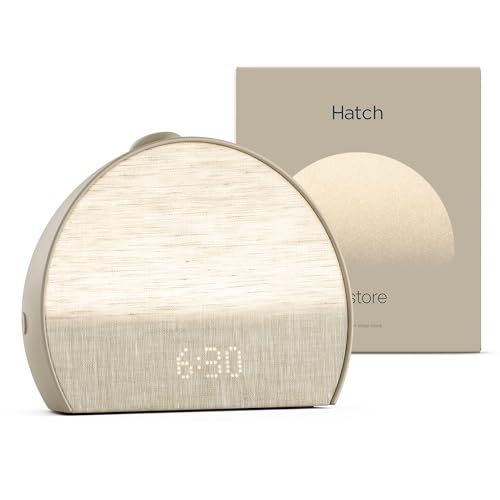
Hatch Restore 3 Smart Alarm & Sleep Machine
This all-in-one device combines a sunrise alarm, white noise machine, and guided wind-down routines. The Restore 3 uses clinically backed sounds (like pink noise) to mask disruptions while its amber-hued light promotes melatonin production. App-controlled customization tailors programs to your sleep chronotype.
The Science of Sleep Cycles: Understanding Your Body’s Nightly Reset
Your sleep isn’t a single continuous state, but rather a carefully choreographed series of cycles that each serve distinct biological functions.
These 90-minute cycles repeat 4-6 times per night, alternating between Non-REM (NREM) and REM sleep stages. Missing any of these stages – especially deep NREM and REM sleep – can have cascading effects on your physical health, cognitive function, and emotional wellbeing.
The Four Stages of Sleep Architecture
Modern sleep science recognizes four distinct stages that make up your sleep architecture:
- NREM Stage 1 (Light Sleep): Lasting 1-5 minutes, this transitional phase features slowed brain waves (theta waves at 4-7 Hz) and occasional muscle twitches. It’s easy to be awakened during this stage, which accounts for about 5% of total sleep time.
- NREM Stage 2 (True Sleep Onset): Your body temperature drops, eye movements stop, and brain waves slow further with occasional bursts of activity called sleep spindles (11-16 Hz). This stage occupies 45-55% of sleep and is crucial for memory consolidation.
- NREM Stage 3 (Deep Sleep): Also called slow-wave sleep (SWS), this restorative phase features delta waves (0.5-2 Hz). Growth hormone peaks during this stage, facilitating tissue repair and immune function. Adults typically get 15-25% of sleep in this vital stage.
- REM Sleep (Dream Stage): Characterized by rapid eye movements and brain activity resembling wakefulness (theta and beta waves). Despite this activity, your muscles become temporarily paralyzed (REM atonia) to prevent acting out dreams.
Why the Sleep Cycle Sequence Matters
The progression through these stages isn’t random – it follows an essential biological pattern. Early in the night, your cycles contain more deep NREM sleep, while later cycles feature longer REM periods. This pattern exists because:
- Deep NREM sleep primarily handles physical restoration and occurs when sleep pressure is highest
- REM sleep dominates later as it’s more important for emotional processing and memory integration
- The brain uses earlier deep sleep to “prepare” for the intensive neural activity of REM
Real-world example: When you pull an all-nighter, your next sleep session will show “REM rebound” – your brain prioritizes missed REM sleep at the expense of other stages, explaining why you might experience unusually vivid dreams after sleep deprivation.
Common Disruptors of Healthy Sleep Cycles
Several factors can fragment or shorten important sleep stages:
- Alcohol: While it may help you fall asleep faster, alcohol suppresses REM sleep by up to 40% in the first half of the night
- Blue light exposure: Evening screen time delays melatonin production, pushing back your entire sleep cycle
- Sleep apnea: Breathing interruptions pull you out of deep sleep, preventing proper restoration
- Irregular schedules: Changing bedtimes confuses your circadian rhythm, leading to fragmented sleep architecture
Understanding these sleep cycles empowers you to structure your nights for optimal restoration. In our next section, we’ll explore practical strategies to enhance each sleep stage for better health and performance.
Optimizing Your Sleep Environment: A Science-Backed Blueprint
Creating an ideal sleep environment goes far beyond just a comfortable mattress. Your bedroom conditions directly influence sleep quality by affecting your body’s thermoregulation, circadian rhythms, and ability to cycle through sleep stages effectively.
Research shows proper sleep environment optimization can increase deep sleep by up to 27% and reduce nighttime awakenings by 40%.
The Temperature Sweet Spot
Your core body temperature needs to drop by about 1-2°F to initiate and maintain sleep. The ideal bedroom temperature ranges between 60-67°F (15.5-19.5°C) because:
- Thermoregulation: Cooler environments facilitate the natural temperature drop needed for sleep onset
- Melatonin production: Lower temperatures enhance melatonin secretion, your body’s sleep hormone
- Sleep stage preservation: Overheating disrupts REM sleep and causes more frequent awakenings
Pro tip: Take a warm bath 1-2 hours before bed. The subsequent cooldown mimics your body’s natural temperature drop, potentially helping you fall asleep 10-15 minutes faster.
Light Pollution Solutions
Even small amounts of light can suppress melatonin production and disrupt sleep architecture. Implement these light-control strategies:
- Blackout measures: Install blackout curtains (look for 100% light-blocking models) and cover all LED indicators
- Red light advantage: Use dim red bulbs for night lights – red light has the least impact on melatonin
- Digital sunset: Enable night mode on devices 2-3 hours before bed and consider blue-blocking glasses
Sound Engineering for Sleep
Unexpected noises trigger microarousals that fragment sleep cycles. Effective sound management includes:
- White noise: A constant 40-50 dB background sound masks disturbances (pink noise may enhance deep sleep)
- Earplug alternatives: For side sleepers, try molded silicone earplugs that don’t cause discomfort
- Acoustic panels: In noisy environments, sound-absorbing panels can reduce high-frequency disturbances by 30-50%
Case study: A 2023 sleep clinic trial found patients using a combination of temperature control (66°F), blackout conditions, and pink noise gained 37 more minutes of restorative sleep nightly compared to controls.
Advanced Environmental Tweaks
For those wanting to optimize further:
- Air quality: HEPA filters removing PM2.5 particles can improve sleep efficiency by up to 15%
- Humidity control: Maintain 40-60% humidity to prevent dry airways that disrupt breathing
- Biomimetic lighting: Smart lights that mimic sunset/sunrise patterns can help regulate circadian rhythms
Remember that consistency matters – your brain associates specific environmental cues with sleep. Making these changes gradually over 2-3 weeks allows your body to adapt without causing additional sleep disruption.
The Neurochemistry of Sleep: How Brain Chemicals Govern Your Rest
Sleep is orchestrated by a complex symphony of neurotransmitters and hormones that regulate your sleep-wake cycles. Understanding these chemical processes reveals why certain sleep strategies work and how to correct imbalances that disrupt rest.
Key Sleep-Regulating Neurotransmitters
| Chemical | Function | Peak Activity | Natural Boosters |
|---|---|---|---|
| Melatonin | Signals sleep onset, regulates circadian rhythm | 9PM-3AM | Darkness, tart cherry juice, magnesium |
| GABA | Reduces neural activity for sleep initiation | Evening hours | Chamomile tea, meditation, valerian root |
| Adenosine | Builds sleep pressure throughout the day | Late evening | Daytime activity, limited caffeine after noon |
| Serotonin | Precursor to melatonin, stabilizes mood | Daytime | Sunlight exposure, tryptophan-rich foods |
The Circadian Rhythm Feedback Loop
Your suprachiasmatic nucleus (SCN) acts as the master clock, coordinating hormonal releases based on light input:
- Morning light triggers cortisol release, suppressing residual melatonin
- Daytime activity builds adenosine while serotonin production continues
- Evening darkness converts serotonin to melatonin through the NAT/ASMT enzymatic pathway
- Deep sleep clears adenosine buildup, resetting the cycle
Common mistake: Using bright lights after sunset inhibits the NAT enzyme, reducing melatonin production by up to 88%.
Advanced Optimization Strategies
For those with persistent sleep issues, consider these evidence-based approaches:
- Light therapy: 10,000 lux light boxes used for 30 minutes upon waking can help reset delayed circadian rhythms
- Nutrient timing: Consuming tryptophan-rich foods (turkey, nuts) with complex carbs at dinner enhances serotonin synthesis
- Temperature cycling: Contrast showers (warm to cool) in the evening can stimulate thermoregulatory pathways
When Neurochemistry Goes Awry
Imbalances manifest in distinct patterns:
- Low GABA: Difficulty falling asleep despite fatigue
- Melatonin disruption: Early morning awakenings
- Adenosine resistance: Non-restorative sleep
Professional insight: Sleep specialists often recommend salivary melatonin testing for patients with circadian rhythm disorders to identify optimal sleep window timing.
Sleep Chronotypes: Aligning Your Schedule with Your Biological Clock
Not all sleep patterns are created equal. Your chronotype – the genetically determined inclination for when you sleep and wake – significantly impacts your ideal sleep schedule.
The Four Primary Chronotypes
Research identifies four distinct chronotype classifications, each with unique characteristics:
- Bears (50% of population): Follow the solar cycle, most alert 9AM-1PM, naturally wake around 7AM. Best sleep window: 11PM-7AM
- Wolves (15-20%): Night-oriented, peak productivity 4PM-12AM, struggle with early mornings. Ideal sleep: 1AM-9AM
- Lions (15-20%): Morning larks, most alert 5AM-12PM, energy crashes by evening. Optimal sleep: 9PM-5AM
- Dolphins (10%): Light sleepers with irregular patterns, often diagnosed with insomnia. Best sleep: 11:30PM-6:30AM
Professional tip: Take the Morningness-Eveningness Questionnaire (MEQ) or use sleep tracking data from wearables to accurately identify your chronotype rather than self-diagnosing.
Chronotype-Specific Optimization Strategies
Each chronotype requires tailored approaches for optimal functioning:
| Chronotype | Morning Routine | Work Scheduling | Evening Wind-Down |
|---|---|---|---|
| Lion | Immediate sunlight exposure | Important meetings before noon | Relaxing activities by 8PM |
| Wolf | Gradual light therapy | Creative work in evening | Blue light blocking after 6PM |
| Bear | Moderate exercise | Decision-making mid-morning | Digital detox by 9PM |
| Dolphin | Short morning walk | Flexible work blocks | Strict sleep hygiene |
Chronotype Challenges and Solutions
Common chronotype conflicts and evidence-based solutions:
- Social jetlag (Wolf types): The mismatch between natural rhythm and social obligations causes chronic sleep deprivation. Solution: Negotiate flexible work hours or shift important activities to your peak periods.
- Early morning commitments (Lion types): Maintaining energy through evening events. Strategy: Take strategic 20-minute power naps and use bright light therapy in late afternoon.
- Midday slumps (Bear types): The post-lunch energy crash. Remedy: Schedule walking meetings and consume protein-rich lunches to stabilize blood sugar.
Advanced technique: Chronotype shifting is possible through gradual light exposure adjustments. Wolves can advance their rhythm by 15 minutes daily with morning light therapy and evening melatonin (0.3mg) 5 hours before desired bedtime.
Chronotypes Across the Lifespan
Your chronotype naturally changes throughout life:
- Children tend toward Lion tendencies
- Adolescents shift dramatically toward Wolf patterns
- Adults gradually return to Bear-like schedules
- Seniors often develop Dolphin characteristics
The Future of Sleep Technology: Emerging Innovations and Long-Term Considerations
Sleep science is undergoing a revolution with cutting-edge technologies that promise to transform how we understand and optimize rest. These advancements range from non-invasive wearables to clinical-grade home devices, each with unique benefits and important considerations for long-term use.
Next-Generation Sleep Tracking Technologies
| Technology | Key Features | Accuracy | Long-Term Value |
|---|---|---|---|
| Ultra-low power radar | Contactless breathing/heart rate monitoring | 95% vs polysomnography | No wearables needed, ideal for seniors |
| EEG headbands | Direct brainwave measurement (Muse S) | 90% sleep stage accuracy | Best for insomnia treatment |
| Smart fabrics | Biometric pajamas (Nyxoah) | 88% movement detection | Most comfortable long-term option |
Advanced Sleep Optimization Systems
The newest generation of sleep systems goes beyond tracking to actively improve sleep quality:
- Dynamic temperature beds (Eight Sleep Pod 4): Uses AI to adjust cooling/heating in real-time based on sleep stage detection
- Circadian lighting systems (Philips Hue Sleep): Automatically adjusts color temperature throughout evening to support melatonin production
- Smart white noise (Sound+Sleep SE): Adapts sound profiles based on environmental noise disruptions
Safety and Privacy Considerations
As sleep technology advances, important considerations emerge:
- Data security: Sleep data reveals sensitive health information – ensure devices use end-to-end encryption
- EMF exposure: Some contactless trackers use radio frequencies – look for FCC Class B certified devices
- Medical accuracy: Most consumer devices aren’t FDA-cleared for sleep disorder diagnosis
The Cost-Benefit Analysis of Sleep Tech
Evaluating sleep technology investments:
- High-value: Medical-grade trackers (Withings Sleep Analyzer) for sleep apnea screening
- Moderate-value: Temperature-regulated bedding for hot sleepers
- Low-value: Basic movement trackers that can’t distinguish sleep stages
Future trend: Integration with smart home ecosystems will enable automatic environmental adjustments (thermostat, lighting) based on real-time sleep data by 2025.
Maintaining Technological Sleep Hygiene
Best practices for long-term tech use:
- Take quarterly “tech breaks” to prevent data obsession anxiety
- Regularly update device firmware for improved algorithms
- Combine tech insights with professional sleep studies when needed
As these technologies evolve, the key is balancing innovation with fundamental sleep science principles – no device can compensate for poor sleep habits, but the right tools can provide valuable insights when used judiciously.
Sleep Nutrition: The Science of Food and Sleep Optimization
What you eat significantly impacts sleep quality through multiple biological pathways. Beyond just avoiding caffeine, strategic nutritional choices can enhance sleep onset, duration, and restorative quality by influencing neurotransmitters, hormones, and metabolic processes.
Key Nutrients for Sleep Enhancement
Certain nutrients directly affect sleep-regulating mechanisms:
- Tryptophan: Essential amino acid precursor to serotonin and melatonin. Found in turkey (250mg per 3oz), pumpkin seeds (160mg per oz), and tofu (180mg per cup)
- Magnesium: Regulates GABA receptors and muscle relaxation. Highest in spinach (157mg per cup), almonds (80mg per oz), and black beans (120mg per cup)
- Melatonin-producing foods: Tart cherries contain 0.1-0.3mg melatonin per 100g, similar to supplemental doses
The Sleep-Optimized Eating Schedule
Timing matters as much as food choices for sleep nutrition:
| Time | Nutrition Goal | Ideal Foods | Mechanism |
|---|---|---|---|
| Breakfast | Stabilize circadian rhythm | Protein + complex carbs (eggs + oats) | Boosts morning cortisol for alertness |
| Lunch | Sustain energy | Leafy greens + healthy fats | Prevents afternoon crashes |
| Dinner (3-4h before bed) | Promote relaxation | Tryptophan + carbs (salmon + sweet potato) | Enhances serotonin production |
| Bedtime snack (if needed) | Stabilize blood sugar | Complex carb + fat (banana + almond butter) | Prevents nighttime awakenings |
Advanced Nutritional Strategies
For those with persistent sleep issues:
- Glycine supplementation: 3g before bed can lower core body temperature and improve sleep quality
- Herbal protocols: Passionflower tea increases GABA by 30% compared to chamomile
- Gut-sleep axis: Probiotic strains like Lactobacillus helveticus reduce cortisol and improve sleep continuity
Common Dietary Sleep Disruptors
Foods and habits that sabotage sleep:
- High-glycemic snacks: Blood sugar spikes trigger cortisol release
- Excessive fluids: More than 8oz within 2 hours of bed causes nocturia
- Hidden caffeine: Chocolate, medications, and decaf coffee contain sleep-disrupting amounts
Professional tip: Keep a 3-day sleep-food journal tracking meals, snacks, and sleep quality to identify personal triggers and optimizers.
Integrating Nutrition with Other Sleep Strategies
For comprehensive sleep improvement:
- Pair tryptophan-rich dinners with evening light reduction
- Combine magnesium foods with Epsom salt baths
- Time protein intake to support natural melatonin production cycles
Remember that nutritional changes take 2-3 weeks to show full effects on sleep patterns. Consistency with these dietary strategies yields cumulative benefits for sleep architecture and overall sleep quality.
Sleep Performance Optimization: Advanced Techniques for Peak Restoration
Achieving truly restorative sleep requires moving beyond basic sleep hygiene to optimize all physiological systems involved in sleep architecture. These evidence-based strategies target sleep at the cellular level for maximum recovery and next-day performance.
Sleep Phase Optimization Protocol
This 4-week protocol systematically enhances sleep efficiency and quality:
| Week | Focus Area | Key Intervention | Expected Improvement |
|---|---|---|---|
| 1 | Circadian Alignment | 15min morning sunlight + consistent wake time | Sleep onset 12-15min faster |
| 2 | Deep Sleep Enhancement | Temperature reduction to 65°F + magnesium supplementation | 20-25% more slow-wave sleep |
| 3 | REM Optimization | Choline-rich foods + 30min earlier bedtime | Extended REM periods by 18min |
| 4 | Sleep Continuity | Pink noise + humidity control (40-60%) | 50% reduction in awakenings |
Advanced Biohacking Techniques
For high performers seeking marginal gains:
- Photobiomodulation: Near-infrared light therapy (850nm) before bed increases ATP production for cellular repair
- Vagus nerve stimulation: Slow diaphragmatic breathing (4-6 breaths/min) enhances parasympathetic activation
- Grounded sleep: Earthing mats may reduce nighttime cortisol by 12-15% (preliminary research)
Comprehensive Risk Assessment
Potential optimization pitfalls and mitigation strategies:
- Over-tracking obsession: Limit sleep data review to weekly analysis to prevent sleep performance anxiety
- Supplement interactions: Melatonin may reduce natural production – cycle 3 weeks on/1 week off
- Temperature extremes: Below 60°F can cause vasoconstriction – monitor finger temperature
Long-Term Maintenance Framework
Sustainable sleep excellence requires:
- Quarterly assessments: Track sleep metrics against baseline using standardized questionnaires (PSQI)
- Seasonal adjustments: Increase light exposure in winter, adjust bedding weight seasonally
- Age-related adaptations: After 50, prioritize sleep regularity over duration
Validation and Quality Assurance
Ensure your optimizations are effective:
- Multi-metric validation: Combine wearable data with morning alertness scores
- Professional verification: Annual sleep studies to confirm at-home optimizations
- Control testing: Implement changes one at a time with 2-week observation periods
Expert insight: The most effective sleep optimizations are those that align with your chronotype and lifestyle – personalization yields 3x better results than generic protocols.
Remember that peak sleep performance is a dynamic process requiring periodic reassessment. As research evolves, be prepared to adapt your strategies while maintaining core sleep hygiene fundamentals.
Conclusion: Transforming Your Sleep, Transforming Your Life
From understanding sleep cycles and chronotypes to optimizing your sleep environment and nutrition, we’ve explored how quality rest impacts every aspect of your wellbeing. The science is clear: sleep is not passive downtime but an active, essential biological process that repairs your body, consolidates memories, and regulates emotions.
Whether you’re implementing temperature control, tracking your sleep stages, or adjusting your evening routine, small consistent changes yield significant improvements.
Tonight, choose one sleep optimization strategy to implement – your future self will thank you for the increased energy, sharper focus, and better health. Remember, quality sleep isn’t a luxury – it’s the foundation of peak performance and longevity.
Frequently Asked Questions About Sleep Optimization
What’s the ideal sleep duration for adults?
The National Sleep Foundation recommends 7-9 hours for adults aged 18-64, but optimal duration depends on sleep quality and individual needs.
Track your sleep for two weeks using a wearable device to determine your personal sweet spot – you should wake up refreshed without an alarm. Note that sleep needs change with age, activity levels, and health conditions.
How can I fall asleep faster when my mind is racing?
Implement the 4-7-8 breathing technique: inhale for 4 seconds, hold for 7, exhale for 8. Combine this with progressive muscle relaxation, starting from your toes.
For persistent racing thoughts, try “cognitive shuffling” – mentally list random objects starting with a letter. These methods activate the parasympathetic nervous system, reducing sleep onset time by up to 40%.
Is napping beneficial or harmful to nighttime sleep?
Strategic napping can be beneficial if done correctly. Limit naps to 20-30 minutes before 3pm to avoid sleep inertia and nighttime disruptions.
The ideal nap occurs during your natural circadian dip (typically 1-3pm). For shift workers, a 90-minute nap can complete a full sleep cycle, but may require adjustment periods.
Why do I wake up at the same time every night?
3-4am awakenings often result from cortisol spikes or blood sugar fluctuations. Try consuming a small protein snack before bed and reducing evening blue light exposure.
If the problem persists, consider getting a sleep study to rule out sleep apnea or other disorders, which frequently cause patterned awakenings.
How does alcohol really affect sleep quality?
While alcohol may help you fall asleep faster, it significantly reduces REM sleep by 20-40% in the first half of the night and causes sleep fragmentation later.
It also suppresses breathing, exacerbating sleep apnea. For optimal sleep, avoid alcohol within 3 hours of bedtime and limit to 1-2 drinks maximum.
What’s better for sleep: a firm or soft mattress?
The ideal mattress depends on sleeping position and body type. Side sleepers generally need softer mattresses (medium-soft, 3-5 on firmness scale) for pressure relief, while back/stomach sleepers benefit from firmer support (medium-firm, 6-7). Heavier individuals (>230lbs) typically need firmer mattresses to prevent excessive sinkage.
Can you catch up on lost sleep?
While you can recover some sleep debt, chronic deprivation causes cumulative effects. The most effective recovery method is adding 1-2 extra hours per night for several nights, not marathon sleep sessions. For every hour of sleep debt, you typically need 3-4 nights of proper sleep to fully recover cognitive function.
How accurate are sleep tracking devices?
Consumer wearables are about 70-85% accurate for sleep staging compared to clinical polysomnography. The most accurate are EEG headbands (90% accuracy), followed by devices with heart rate variability tracking. For medical concerns, professional sleep studies remain the gold standard, especially for diagnosing sleep disorders.