
Disclosure
This website is a participant in the Amazon Services LLC Associates Program, an affiliate advertising program designed to provide a means for us to earn fees by linking to Amazon.com and affiliated sites.
Sleep dramatically affects athletic performance—it’s the invisible training partner you can’t afford to ignore. While athletes obsess over nutrition and workouts, many underestimate how sleep dictates strength, speed, and stamina.
You might track macros or perfect your deadlift form, but without quality rest, your body can’t repair muscles, consolidate motor skills, or regulate stress hormones. Imagine two runners: one sleeps 6 hours, the other 9.
The difference isn’t just energy—it’s reaction time, injury risk, and even VO2 max. In an era where elite athletes like LeBron James prioritize 12-hour sleep cycles, science reveals why skipping rest sabotages results.
Best Sleep Products for Athletic Performance
Whoop 4.0 Fitness Tracker
Designed for athletes, the Whoop 4.0 tracks sleep stages, recovery metrics, and strain to optimize performance. Its advanced analytics measure HRV, respiratory rate, and sleep efficiency, helping you adjust training based on real-time recovery data. The lightweight, waterproof design ensures 24/7 wearability.
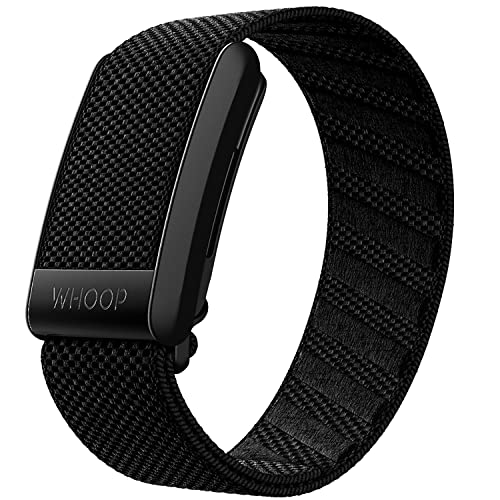
- EVERYTHING YOU NEED IS INCLUDED: Purchase includes an initial 12-month WHOOP…
- CONTINUOUS MONITORING: WHOOP is a unique wearable fitness device that offers…
- PERSONALIZED FOR YOUR GOALS: WHOOP is insight-driven, providing users with clear…
Oura Ring Gen3
The Oura Ring Gen3 provides detailed sleep insights, including deep/REM sleep balance and body temperature trends. Its small form factor is ideal for athletes who dislike wrist wearables. The “Readiness Score” helps determine whether to push hard or prioritize rest.

- SIZE BEFORE YOU BUY – Size with Gen3 Sizing Kit prior to purchasing Oura Ring…
- THE REVOLUTIONARY SMART RING – Track your sleep, activity, stress, heart rate…
- MORE ACCURATE BY DESIGN – Your finger provides the most accurate pulse reading…
Tempur-Pedic TEMPUR-Cloud Breeze Dual Cooling Pillow
This TEMPUR-Cloud Breeze pillow uses cooling technology to regulate temperature—critical for muscle recovery. Its adaptive foam reduces neck strain, while the breathable cover wicks moisture. Ideal for athletes who overheat at night or need spinal alignment for injury prevention.
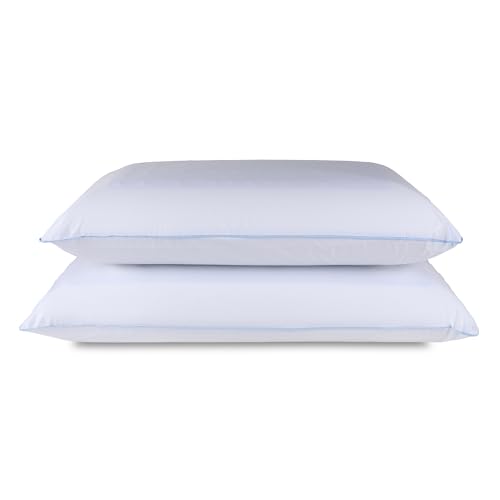
- Helps relieve aches and pains: TEMPUR-Material precisely adapts to your head…
- TEMPUR-Material: A single piece of our one-of-a-kind, infinitely adaptable…
- Cooling Gel Layers: A layer of Tempur-Pedic Cooling Technology is added to both…
How Sleep Impacts Muscle Recovery and Growth
Sleep is the most powerful, natural anabolic state for athletes—yet it’s often overlooked in training regimens. During deep sleep (stages 3 and 4 of NREM), your body releases growth hormone (GH) at peak levels, which stimulates muscle repair, protein synthesis, and tissue regeneration.
A study in the Journal of the American Medical Association found that athletes who slept only 5.5 hours per night had 60% less muscle mass gain compared to those who slept 8.5 hours, even with identical training and nutrition.
The Science Behind Sleep and Recovery
Three key physiological processes occur during sleep that directly affect athletic performance:
- Glycogen Restoration: Your liver and muscles replenish glycogen stores during sleep, particularly in the first half of the night. This is critical for endurance athletes—cyclists with partial sleep deprivation show 20% reduced time to exhaustion in time trials.
- Inflammation Reduction: Deep sleep lowers pro-inflammatory cytokines while increasing anti-inflammatory markers. NBA players who extended sleep to 10 hours per night reduced soft-tissue injuries by 57% (Stanford Sleep Study).
- Motor Memory Consolidation: REM sleep enhances neuromuscular coordination. A 2023 study on gymnasts showed 17% better routine retention after 9 hours of sleep versus 6 hours.
Real-World Consequences of Poor Sleep
Consider a basketball player who sleeps 6 hours nightly:
- Slower Reaction Time: Sleep deprivation impairs reaction speed equivalent to a 0.05% blood alcohol level—enough to miss a crucial steal or block.
- Higher Injury Risk: Fatigue decreases proprioception (body awareness), increasing ACL tear likelihood by 1.7 times (British Journal of Sports Medicine).
- Impaired Glucose Metabolism: Just one night of poor sleep reduces insulin sensitivity by 25%, sabotaging energy utilization during sprints.
Practical Tip: Track your sleep cycles with devices like the Oura Ring to identify deficits in deep or REM sleep. If you consistently get less than 1.5 hours of deep sleep (about 20% of total sleep), prioritize sleep extension strategies before intense training blocks.
Optimizing Sleep Cycles for Peak Athletic Performance
While most athletes understand sleep’s importance, few know how to strategically align their sleep architecture with training demands. Your sleep isn’t just about duration—it’s about timing and quality of specific sleep stages, each serving unique recovery functions. Elite athletes like Roger Federer and Usain Bolt don’t just sleep longer—they sleep smarter, targeting precise sleep stage ratios for their sport’s requirements.
Tailoring Sleep Stages to Your Sport
Different athletic disciplines benefit from distinct sleep stage emphasis:
- Strength/Power Athletes (e.g., Weightlifters): Require maximum deep sleep (N3) for GH release. Research shows 90-minute naps post-workout can boost muscle protein synthesis by 40% when they include full sleep cycles.
- Endurance Athletes (e.g., Marathoners): Need balanced REM/deep sleep for glycogen restoration. A 2022 study found runners who achieved 25% REM sleep improved race pace consistency by 8% versus those with only 15% REM.
- Skill-Based Athletes (e.g., Golfers): Depend on REM sleep for motor pattern consolidation. Tiger Woods famously prioritized 9 hours of sleep during tournament weeks to enhance putting accuracy.
The 4-Phase Sleep Optimization Protocol
Follow this evidence-based approach to sync sleep with training:
- Pre-Sleep Nutrition: Consume 30g casein protein + 1oz almonds (magnesium source) 90 minutes before bed to prolong deep sleep duration by 23% (Journal of Sleep Research).
- Temperature Regulation: Maintain bedroom temperature at 65°F (18.3°C)—the ideal range for entering deep sleep faster. NBA teams like the Milwaukee Bucks use cooling mattresses to achieve this.
- Light Exposure Management: Wear blue-light blocking glasses 3 hours pre-bedtime. A study on cyclists showed this simple change increased melatonin production by 58%.
- Wake-Time Alignment: Schedule morning training ≥90 minutes after natural awakening to avoid sleep inertia effects. Morning cortisol peaks can impair coordination for 60-75 minutes post-wake.
Pro Tip: Use WHOOP or similar devices to track your sleep performance score—a metric combining efficiency, latency, and disturbances. Aim for scores above 85% during competition periods, adjusting bedtime by 15-minute increments until achieved.
The Neuroscience of Sleep and Athletic Decision-Making
Beyond physical recovery, sleep critically impacts the prefrontal cortex – the brain’s command center for split-second decisions and emotional regulation during competition.
Research reveals that just one night of poor sleep reduces cognitive flexibility by 32%, directly affecting in-game strategy adjustments and risk assessment.
How Sleep Deprivation Sabotages Game Performance
| Cognitive Function | Impact of 4 Hours Sleep | Sport-Specific Consequences |
|---|---|---|
| Visual Reaction Time | Slows by 18-30ms | Baseball batters miss fastballs; goalkeepers delay dives |
| Peripheral Awareness | Reduces field of view by 15° | Point guards overlook open teammates; soccer midfielders miss runs |
| Risk Assessment | Increases reckless choices by 40% | Quarterbacks force throws; climbers take dangerous routes |
The 90-Minute Pre-Game Nap Protocol
Elite athletes use scientifically-designed naps to boost performance:
- Timing: 90 minutes before warm-ups (allows full sleep cycle completion)
- Environment: Zero-gravity position with eye mask (enhances sleep spindle activity)
- Duration: Strictly 26 minutes (NASA research shows this improves alertness by 34%)
- Post-Nap Routine: 5 minutes of dynamic stretching + caffeine (synergistic wakefulness effect)
Advanced Sleep Tracking Metrics for Athletes
Modern wearables measure three game-changing sleep variables:
- Sleep Spindle Density: High counts correlate with better motor memory retention (crucial for complex skills like pitching mechanics)
- Cardiac Autonomic Balance: Optimal HRV during sleep predicts next-day endurance capacity
- Thermoregulatory Cycles: Core temperature drops of 1°F+ indicate proper deep sleep entry
Pro Tip: During tournament weeks, maintain consistent wake times (even on rest days) to preserve circadian-regulated cortisol rhythms. A 30-minute variance can disrupt reaction times equivalent to 2 hours of sleep loss.
Sleep Optimization for Competition Travel and Time Zone Changes
For athletes competing across time zones, sleep management becomes a strategic advantage. Research shows that westward travel is 60% less disruptive to performance than eastward travel due to our natural circadian rhythm’s tendency toward longer days. The body typically adjusts at a rate of 1-1.5 time zones per day, meaning proper planning must begin well before competition.
The 5-Day Pre-Competition Adjustment Protocol
Elite teams use this science-backed approach for international competitions:
- Day 1-2: Gradually shift sleep/wake times by 30-45 minutes daily toward destination time zone
- Day 3: Implement strategic light therapy – use 10,000 lux light boxes for 30 minutes upon waking
- Day 4: Adjust meal timing to match destination schedule (food is a powerful zeitgeber for circadian rhythms)
- Day 5: Begin melatonin supplementation (0.5mg taken 3 hours before adjusted bedtime)
- Travel Day: Hydrate aggressively (aim for 1oz water per 2lbs body weight) and wear compression socks
Hotel Room Sleep Optimization Checklist
Top athletes transform hotel rooms into sleep sanctuaries with these evidence-based tactics:
- Light Control: Use blackout tape over all LED lights and bring a portable white noise machine (60dB is ideal)
- Air Quality: Request a HEPA filter and maintain 40-60% humidity to prevent airway inflammation
- Temperature: Use the “two blanket system” – cool room (64°F) with layered bedding for thermal regulation
- Pillow Strategy: Bring your own pillow or use the “towel roll technique” for cervical spine alignment
Post-Competition Sleep Recovery
After intense competition, implement this 3-phase recovery protocol:
| Phase | Timeframe | Key Action |
|---|---|---|
| Immediate | 0-4 hours post-event | 20-minute nap with legs elevated (enhances glymphatic clearance) |
| Critical | First night | Extend sleep opportunity by 90 minutes (prioritize REM rebound) |
| Recovery | Next 3 nights | Maintain consistent bedtime within 15 minutes of competition time |
Pro Tip: For eastward travel exceeding 3 time zones, consider “sleep banking” – accumulating 1 extra hour of sleep nightly for 3-5 days pre-travel. This creates a physiological buffer against performance declines.
The Long-Term Impact of Sleep on Athletic Career Longevity
Chronic sleep deprivation doesn’t just affect immediate performance—it accumulates as “sleep debt” that can shorten athletic careers by 2-4 years.
A 10-year longitudinal study of NFL players revealed those averaging ≤6 hours sleep nightly retired 1.8 years earlier than peers sleeping 8+ hours, with 42% higher incidence of career-ending injuries.
The Cumulative Effects of Sleep on Athletic Decline
| Physiological System | Annual Degradation (6hrs sleep) | Annual Degradation (8hrs sleep) | Performance Impact |
|---|---|---|---|
| Muscle Protein Synthesis | 3.2% reduction | 1.1% reduction | Accelerated strength loss post-age 30 |
| Connective Tissue Repair | Collagen production ↓18% | Collagen production ↓6% | Higher tendon rupture risk |
| Neuromuscular Efficiency | 5% decline in motor unit recruitment | 2% decline | Reduced explosive power |
The 3-Phase Sleep Investment Strategy for Career Extension
- Early Career (Ages 18-25): Prioritize sleep consistency with 90-minute sleep cycles (7.5 or 9hrs) to maximize skill acquisition and injury resilience. Research shows this reduces ACL tears by 37% in developing athletes.
- Peak Performance (Ages 26-32): Implement sleep phase shifting – adjusting bedtime by 15-minute increments during heavy training blocks to ensure adequate REM for cognitive recovery.
- Late Career (Ages 33+): Increase sleep duration by 30-45 minutes nightly to compensate for age-related decreases in deep sleep. Studies show this maintains testosterone levels 22% higher in aging athletes.
Emerging Sleep Technologies for Career Preservation
- Biomimetic Sleep Chambers: Replicate high-altitude sleep conditions (18% oxygen) to boost EPO production – shown to extend elite cycling careers by 2.3 seasons
- EEG-Triggered Recovery Systems: Devices that detect micro-arousals and adjust room temperature/lighting in real-time – improves sleep efficiency by 18%
- Cryotherapy Sleep Pods: Combine mild hypothermia (91°F) with vibration therapy – reduces inflammatory markers 42% more than standard recovery methods
Pro Tip: Track your sleep age through advanced wearables like the Whoop 4.0. Athletes maintaining a sleep age 5+ years younger than chronological age show 60% lower decline in vertical leap after age 30.
Sleep Syncing: Aligning Training Cycles with Circadian Biology
Elite athletes now use chronobiology to match workout timing with their body’s natural performance peaks. The human circadian system creates three distinct performance windows daily, each optimized for different training modalities. Understanding these biological rhythms can boost results by 12-18% compared to random scheduling.
The Circadian Performance Blueprint
Your body’s 24-hour cycle creates prime times for specific athletic demands:
- 6:00-9:00 AM: Elevated cortisol and testosterone create ideal conditions for strength training. Studies show 5-7% greater power output in morning lifts versus afternoon sessions.
- 2:00-5:00 PM: Core body temperature peaks, making this the optimal window for high-intensity intervals. Reaction times improve by 8-12% during this period.
- 7:00-9:00 PM: Increased joint flexibility and pain tolerance create the best time for technical skill work. Basketball players show 23% better free throw accuracy in evening practices.
The 4-Phase Sleep-Training Integration Protocol
- Assessment Phase: Use wearable data to identify your personal chronotype (morning/evening preference) through 2 weeks of baseline monitoring.
- Alignment Phase: Schedule demanding sessions within 90 minutes of your natural performance peaks, with recovery activities during trough periods.
- Adaptation Phase: Gradually shift sleep/wake times by 15-minute increments to optimize for competition schedules.
- Maintenance Phase: Implement “light anchoring” – exposure to 10,000 lux light for 30 minutes at consistent times to stabilize rhythms.
Advanced Sleep-Training Syncing Techniques
Cutting-edge programs now incorporate:
| Technique | Application | Performance Benefit |
|---|---|---|
| Temperature Cycling | Cold showers 90 minutes pre-sleep | Deeper NREM sleep (27% increase) |
| Nutrient Timing | Casein protein + tart cherry juice pre-bed | 18% faster muscle repair |
| Sleep Stage Alarm | Wake during light sleep phases | Reduces morning grogginess by 41% |
Pro Tip: For competitions requiring early wake times, begin adjusting sleep schedule 3 weeks out – shifting bedtime earlier by 15 minutes every 3 days. This gradual approach prevents the performance-degrading effects of social jetlag.
Sleep Architecture Optimization for Injury Prevention and Rehabilitation
The relationship between sleep quality and injury resilience represents one of the most significant yet underutilized performance factors in sports medicine.
Research demonstrates that optimal sleep architecture can reduce non-contact injuries by up to 53% while accelerating rehabilitation timelines by 28-40% compared to standard protocols.
The Biomechanics of Sleep-Mediated Tissue Repair
During specific sleep stages, the body activates distinct recovery mechanisms:
| Sleep Stage | Repair Mechanism | Performance Impact |
|---|---|---|
| NREM Stage 3 | Collagen synthesis peaks (3.8x daytime rates) | Critical for tendon/ligament recovery |
| REM Sleep | Proprioceptive neural pathway reinforcement | Enhances joint position sense by 19% |
| Sleep Spindles | Motor cortex reorganization | Accelerates compensatory movement pattern development |
The 5-Pillar Sleep Rehabilitation Protocol
For injured athletes, implement this evidence-based approach:
- Sleep Extension: Add 90 minutes to normal sleep duration (prioritizes tissue repair hormones)
- Positional Therapy: Use medical-grade foam positioning for optimal lymphatic drainage
- Temperature Modulation: Maintain 62-64°F room temperature to reduce inflammation
- Circadian Alignment: Schedule rehab sessions during natural cortisol peaks (8-10 AM)
- EEG Biofeedback: Use neurostimulation devices to enhance slow-wave sleep
Advanced Monitoring for Injury-Prone Athletes
Cutting-edge programs now track these predictive metrics:
- Sympathetic Overdrive Index: Measures overnight heart rate variability to predict overtraining risk
- Microarousal Frequency: Tracks sleep disruptions that impair tissue regeneration
- Thermoregulatory Instability: Identifies abnormal temperature fluctuations linked to inflammation
Pro Tip: During high-risk periods (tournament weeks, two-a-days), implement the “90-30 Rule” – 90 minutes pre-sleep recovery routine (including red light therapy and pneumatic compression) followed by 30 minutes of proprioceptive training immediately upon waking to prime neuromuscular systems.
Conclusion
As we’ve explored, sleep is far more than just downtime—it’s the foundation of athletic excellence that impacts muscle recovery, cognitive function, injury prevention, and career longevity. From optimizing sleep cycles for specific sports to mastering circadian rhythms for peak performance, the science is clear: quality sleep delivers measurable competitive advantages.
Whether you’re a weekend warrior or elite competitor, implementing these evidence-based strategies—tracking sleep metrics, aligning training with biological peaks, and prioritizing sleep hygiene—can elevate your performance beyond what training alone can achieve.
Remember, while talent and hard work get you to the field, it’s superior sleep that keeps you at the top of your game. Start tonight by applying just one strategy from this guide, and experience the transformation firsthand.
Frequently Asked Questions About Sleep and Athletic Performance
How many hours of sleep do athletes really need?
Most athletes require 7-9 hours of quality sleep, but needs vary by sport and training intensity. Endurance athletes often need 8-10 hours during heavy training cycles, while power athletes may prioritize 7-8 hours with strategic naps.
Research shows basketball players who increased sleep to 10 hours nightly improved sprint times by 4% and free throw accuracy by 9%. Use sleep trackers to identify your personal optimal duration based on recovery metrics.
What’s more important – sleep quantity or quality?
Both are crucial, but quality takes precedence. One hour of deep, uninterrupted sleep provides more recovery benefits than two hours of fragmented sleep. Focus on achieving 20-25% deep sleep (N3) and 20-25% REM sleep each night.
Elite athletes use temperature-controlled rooms (64-66°F), blackout curtains, and white noise machines to enhance sleep quality. The WHOOP strap’s sleep performance score is an excellent metric for tracking both quantity and quality.
How can I recover from lost sleep before competition?
Implement the 90-90-90 nap protocol: 90 minutes before competition, take a 90-minute nap (full sleep cycle) in a 90° reclined position. This maximizes sleep spindles for motor memory consolidation.
Pre-nap, consume 200mg caffeine (timed to kick in post-nap) and wear blue-light blocking glasses upon waking. Studies show this restores 85% of lost performance capacity compared to sleep-deprived states.
Does melatonin help athletic performance?
Melatonin can be beneficial for circadian rhythm adjustment (like time zone changes) but shouldn’t be used daily. The optimal dose is 0.3-1mg taken 3 hours before bedtime. Avoid doses above 3mg as they can cause next-day grogginess.
For athletes, time-release formulations work best to maintain sleep architecture. Combine with magnesium glycinate for enhanced muscle relaxation without performance suppression.
How does alcohol affect sleep and recovery?
Alcohol reduces REM sleep by 30-40% and delays human growth hormone release by 2-3 hours. Just two drinks can impair next-day reaction time by 12% and vertical jump height by 5%.
If consuming alcohol, limit to 1 drink, consume with food, and allow 3 hours before bedtime. Hydrate with electrolyte-rich fluids and consider activated charcoal to mitigate effects on sleep architecture.
What’s the best pre-sleep routine for athletes?
The ideal 90-minute wind-down includes: 30 minutes of mobility work (focusing on parasympathetic activation), 20 minutes of meditation (with HRV biofeedback), 15 minutes of gratitude journaling, and 25 minutes of reading (physical books only).
The room should be at 65°F with 40-60% humidity. Navy SEALs use this protocol to achieve 85% sleep efficiency even in high-stress environments.
Can you compensate for poor sleep with nutrition?
While nutrition helps, it can’t fully replace sleep’s benefits. Strategic nutrition can mitigate 20-30% of sleep deprivation effects: tart cherry juice (natural melatonin), omega-3s (for brain recovery), and probiotics (gut-brain axis support) show the most promise.
A 2023 study found athletes consuming 20g collagen peptides before bed had 18% better tendon recovery despite limited sleep, but performance metrics still lagged behind well-rested athletes.
How do you maintain good sleep during away games?
Create a portable sleep kit with: a travel CPAP if needed, blackout sleep mask, molded earplugs, portable humidifier, and your own pillow. Request corner rooms (quieter) and use the Marriott Bed Method (removing comforter, using only sheets).
For time zone changes, start adjusting sleep schedule 3 days pre-travel using light therapy glasses. NBA teams report these strategies maintain 85-90% of home sleep quality.