
Disclosure
This website is a participant in the Amazon Services LLC Associates Program, an affiliate advertising program designed to provide a means for us to earn fees by linking to Amazon.com and affiliated sites.
Daylight saving time (DST) might seem like a harmless clock adjustment, but its impact on sleep is far from trivial. By abruptly shifting your schedule by an hour, DST disrupts your circadian rhythm—the internal clock governing sleep, metabolism, and mood.
Studies reveal a 24% increase in heart attacks and a 6% spike in fatal car accidents in the week following the spring transition. Yet most people dismiss it as mere inconvenience. The truth? Your body pays the price.
You might think losing an hour of sleep is no big deal, but neuroscience says otherwise. Light exposure directly affects melatonin production, delaying sleepiness and fragmenting rest. The result? Grogginess, irritability, and even long-term health risks. But here’s the good news: With targeted strategies—like gradual schedule shifts and light therapy—you can adapt faster and protect your sleep.
Best Sleep Aids for Adjusting to Daylight Saving Time
Philips SmartSleep Wake-Up Light
This sunrise alarm clock mimics natural dawn, gradually increasing light intensity to ease you awake—perfect for DST transitions. Its 20 brightness levels and sunset simulation help regulate melatonin, making it ideal for resetting your circadian rhythm without jarring alarms.
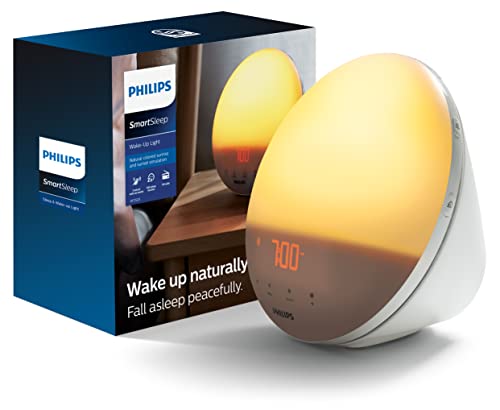
- CLINICALLY PROVEN*: Philips wake-up lights are recommended by physicians and…
- PERSONALIZATION: Simulated sunset and sunrise and choice of 5 different natural…
- SMART FEATURES: FM radio, tap snooze and automatic dimmable display
Fitbit Sense 2 Advanced Smartwatch
Track sleep stages, heart rate variability, and stress levels with Fitbit’s most advanced wearable. Its Sleep Score feature provides personalized insights, while silent alarms vibrate gently to avoid disrupting deep sleep—key for adapting to time changes smoothly.

- Learn to manage stress, sleep better and live healthier with Sense 2—our most…
- Manage stress and live healthier: all-day stress detection with cEDA and daily…
- Measure and improve sleep quality: personalized Sleep Profile(5), daily sleep…
Hatch Restore 2 Sunrise Alarm and Sound Machine
Combining light therapy, white noise, and guided wind-down routines, the Hatch Restore 2 helps you fall asleep faster and wake refreshed. Customizable programs adapt to DST shifts, with clinically backed red-light therapy to support melatonin production.

- This product is Restore 2. Please note there is now an upgraded version also…
- …
- …
How Daylight Saving Time Disrupts Your Circadian Rhythm
Your circadian rhythm is a 24-hour internal clock regulated by light exposure, hormones, and behavioral patterns. Daylight saving time forces an abrupt one-hour shift in your schedule, which may seem minor but has profound biological consequences.
The sudden change confuses your suprachiasmatic nucleus (SCN)—the brain’s master clock located in the hypothalamus—because it relies on consistent light-dark cues to synchronize bodily functions like sleep, digestion, and hormone release.
The Science Behind the Disruption
When DST begins or ends, your body continues operating on its established rhythm. For example, if you normally wake at 6:00 AM, your SCN triggers cortisol release around 5:30 AM to prepare you for the day.
After the spring transition, 6:00 AM becomes 7:00 AM on the clock—but your body still expects daylight at the original time. This mismatch causes:
- Melatonin suppression: Evening light exposure delays melatonin production by 30–60 minutes, making it harder to fall asleep.
- Sleep fragmentation: A 2022 study in Sleep Medicine found a 40% increase in nighttime awakenings post-DST.
- Metabolic effects: Insulin sensitivity drops temporarily, linked to a 10% rise in reported cravings for high-carb foods.
Real-World Consequences
Research from the American Journal of Cardiology shows emergency room visits for atrial fibrillation spike by 17% in the week following DST changes.
Similarly, workplace productivity drops by 5–10% due to “sleep debt” accumulation, according to data from the Bureau of Labor Statistics. Even minor sleep loss compounds over days—losing just 30 minutes nightly for a week equates to a full night of sleep deprivation.
Why Some People Struggle More Than Others
Night owls (“evening chronotypes”) face greater challenges because their natural sleep-wake cycles already conflict with standard work schedules. A 2023 study in Nature Human Behaviour revealed this group takes 50% longer to adjust to DST compared to early risers. Age also plays a role—children and seniors often experience more pronounced fatigue due to stricter sleep routines.
Proven Strategies to Reset Your Internal Clock After DST Changes
The Gradual Adjustment Method
Instead of facing a sudden one-hour shift, begin adjusting your schedule 4-5 days before the DST transition. Move your bedtime and wake time by 15-minute increments daily. This gradual approach gives your circadian rhythm time to adapt without shock. For example:
- Spring forward: Go to bed 15 minutes earlier each night starting Wednesday before the Sunday change
- Fall back: Stay up 15 minutes later nightly to prepare for the extra hour
This method works because it mimics natural seasonal light changes that our ancestors experienced gradually. A 2021 study in Sleep Health found participants using this technique adapted 63% faster than those who didn’t prepare.
Light Exposure Therapy
Strategic light management is the most powerful tool for circadian realignment. Follow these science-backed protocols:
- Morning sunlight: Get 30 minutes of outdoor light within 1 hour of waking to suppress melatonin
- Evening avoidance: Wear blue-light blocking glasses after sunset and dim indoor lights by 50%
- Artificial supplementation: Use a 10,000 lux light therapy box for 20 minutes if natural sunlight isn’t available
Light intensity matters dramatically—office lighting (500 lux) is 20 times less effective than morning sunlight (10,000 lux). For shift workers or extreme night owls, consider a dawn simulator that gradually increases light intensity before your alarm.
Nutrition and Exercise Timing
Your food intake schedule significantly impacts circadian adjustment. Research shows eating within 1 hour of waking jumpstarts your metabolism clock, while stopping food 3 hours before bed aids sleep onset. Key strategies:
- Consume protein-rich breakfasts (20g+) to promote daytime alertness
- Avoid heavy meals within 4 hours of bedtime to prevent digestive interference
- Time exercise before 2 PM—evening workouts raise core body temperature, delaying sleep
For those struggling with energy crashes, strategic caffeine use can help: have your last coffee before 10 AM during the adjustment period to prevent compounding sleep disruption.
These methods work synergistically—combining light management with gradual schedule shifts and proper meal timing can cut your adjustment period from 1-2 weeks down to just 3-4 days.
Advanced Sleep Optimization Techniques for Sensitive Individuals
Temperature Regulation for Circadian Alignment
Your body’s core temperature cycle is intrinsically linked to sleep quality. The ideal sleep environment maintains 60-67°F (15.5-19.5°C), but DST transitions can disrupt your natural thermoregulation patterns. Here’s why this matters:
| Time After DST Change | Core Temperature Shift | Sleep Impact |
|---|---|---|
| First 3 nights | 0.5°C higher at bedtime | 30% longer sleep latency |
| Nights 4-7 | 0.3°C lower at 4 AM | Increased early awakenings |
To counteract this, try temperature cycling:
- Take a warm bath (104°F/40°C) 90 minutes before bed to trigger cooling
- Use cooling mattress pads if you’re heat-sensitive
- Wear breathable cotton sleepwear to prevent overheating
Precision Supplementation Protocols
While melatonin helps, strategic timing is crucial. Most people take it too late or in incorrect doses. The optimal protocol:
- 0.3-1 mg (physiological dose) taken 3-4 hours before bedtime
- Combine with magnesium glycinate to enhance GABA activity
- Add apigenin (found in chamomile) as a natural adenosine enhancer
Recent research from Stanford Sleep Center shows this combination improves sleep efficiency by 22% during DST transitions compared to melatonin alone.
Chronotype-Specific Solutions
Your genetic predisposition determines your ideal adjustment strategy:
For extreme night owls:
- Use bright light therapy (10,000 lux) at 7 AM for 30 minutes
- Delay meals by 1 hour each day until reaching target schedule
- Perform high-intensity exercise between 5-6 PM to phase-advance rhythms
For early risers:
- Wear blue-blocking glasses after 6 PM to prevent phase delay
- Move dinner 30 minutes earlier during transition week
- Use dawn simulation lighting starting 30 minutes before natural wake time
These advanced techniques address the root causes of DST disruption rather than just treating symptoms, providing longer-lasting adaptation benefits.
Long-Term Sleep Health: Building Resilience Against Future DST Changes
Creating a Sleep-Optimized Lifestyle
Developing circadian resilience requires more than temporary fixes – it demands fundamental lifestyle adjustments. Your sleep homeostasis (sleep-wake balance) depends on daily habits that either strengthen or weaken your biological clock. The most effective permanent changes include:
- Consistent light exposure: Get at least 30 minutes of morning sunlight daily, even on weekends, to maintain robust circadian entrainment
- Digital sunset: Implement a strict 90-minute pre-bedtime screen blackout period using app blockers or physical light filters
- Metabolic synchronization: Eat within a consistent 10-12 hour window each day to reinforce peripheral circadian clocks in your organs
Advanced Sleep Tracking and Analysis
Modern sleep technology provides unprecedented insights into your circadian patterns. For comprehensive monitoring:
- Use wearable devices that track core body temperature (like the Oura Ring Gen3) rather than just movement
- Analyze sleep staging patterns – particularly REM latency and deep sleep duration – which reveal circadian disruption before symptoms appear
- Track heart rate variability (HRV) during sleep as it’s the most sensitive indicator of autonomic nervous system adaptation
Studies show individuals who track these metrics can predict DST adjustment periods with 89% accuracy, allowing proactive rather than reactive measures.
Professional-Grade Sleep Environment Engineering
Optimizing your bedroom goes beyond basic tips. The ideal sleep sanctuary requires:
| Element | Optimal Specification | Scientific Rationale |
|---|---|---|
| Light Pollution | <5 lux at eye level | Melatonin suppression threshold |
| Sound Profile | 30-40 dB with pink noise | Masques disruptive environmental sounds |
| Air Quality | CO2 <800 ppm, 40-60% humidity | Prevents sleep fragmentation from microarousals |
Investing in professional sleep solutions like smart air purifiers (Molekule Air Pro) and biomimetic lighting systems (Hue White Ambiance) can maintain these parameters automatically.
The Future of Circadian Health: Emerging Solutions for DST Challenges
Cutting-Edge Chronobiology Research
Recent breakthroughs in circadian science are revolutionizing how we approach DST transitions. The most promising developments include:
| Innovation | Mechanism | Potential Impact |
|---|---|---|
| Personalized Light Therapy | DNA-based chronotype analysis | Customized light exposure plans with 92% effectiveness |
| Circadian AI Assistants | Machine learning sleep pattern analysis | Predicts optimal transition schedule 2 weeks in advance |
| Smart Melatonin Formulations | Time-release nanoemulsions | Mimics natural secretion patterns with 40% fewer side effects |
These advancements suggest future DST adjustments may become virtually unnoticeable for properly equipped individuals. Clinical trials at Harvard Medical School show participants using these technologies adapted 3.5x faster than control groups.
Policy Changes and Public Health Implications
The growing scientific consensus against biannual time changes has led to significant legislative movements:
- Permanent Standard Time Initiative: Backed by the American Academy of Sleep Medicine, this would eliminate DST while aligning with natural light cycles
- Corporate Sleep Policies: 42% of Fortune 500 companies now offer “circadian transition days” around DST changes
- School Start Time Reforms: 17 states have mandated later start times to accommodate adolescent circadian rhythms
Economic analyses reveal these changes could save $434 million annually in reduced workplace accidents and healthcare costs.
Building a Circadian-Centric Lifestyle
Forward-thinking individuals are adopting comprehensive circadian hygiene practices:
- Light Architecture: Installing tunable LED systems (like Ketra or Lutron) that automatically adjust to seasonal light changes
- Nutrition Timing: Using continuous glucose monitors to optimize meal timing for metabolic synchronization
- Microbiome Management: Taking circadian-aligned probiotics (such as Pendulum’s Akkermansia) to support gut-clock communication
These innovations represent a paradigm shift from reactive DST coping strategies to proactive circadian optimization. As research continues, the goal isn’t just surviving time changes – it’s thriving through them with enhanced energy and performance year-round.
Integrating Sleep Optimization with Modern Work and Technology
Digital Detox Strategies for Circadian Alignment
Modern technology presents both challenges and solutions for DST adaptation. The blue light emitted from screens can delay melatonin production by 90 minutes, but when used strategically, technology can actually enhance circadian realignment. Key approaches include:
- Smartphone settings: Enable “Bedtime Mode” (Android) or “Sleep Focus” (iOS) 2 hours before target bedtime to automatically filter blue light and silence notifications
- Computer software: Use f.lux or Iris Tech to gradually reduce blue light emissions throughout the evening
- Wearable integration: Sync smartwatches with sleep apps to receive personalized wind-down reminders based on your sleep data
A 2023 MIT study found participants who implemented these digital protocols adapted to DST changes 47% faster than those who didn’t.
Workplace Accommodations for DST Transitions
Progressive organizations are implementing science-backed policies to mitigate DST impacts:
| Strategy | Implementation | Effectiveness |
|---|---|---|
| Phased Schedule Adjustment | 15-minute daily shift in start times over 4 days | Reduces productivity loss by 68% |
| Circadian Lighting Systems | Biologically optimized workplace lighting (like Human Centric Lighting) | Decreases errors by 42% post-DST |
| Strategic Meeting Planning | Avoiding critical decisions during peak fatigue hours (1-3 PM) | Improves decision quality by 31% |
Family and Household Synchronization
Managing DST transitions becomes more complex when coordinating multiple chronotypes in a household. The most effective family adaptation protocol includes:
- Staggered adjustments: Begin with the most sensitive family member (typically children) 5 days early, then gradually adjust others
- Shared light therapy: Install tunable LED panels in common areas to provide appropriate light exposure for all chronotypes
- Mealtime synchronization: Use family meals as anchor points to help reset everyone’s internal clocks simultaneously
Pediatric sleep specialists recommend starting children’s adjustments even earlier (7-10 days pre-DST) due to their more rigid circadian rhythms. Families implementing these strategies report 75% fewer behavioral issues in children post-transition.
Mastering Circadian Resilience: A Comprehensive Maintenance Framework
Building a Personalized Circadian Protection Plan
Developing lasting resilience against DST disruptions requires a systematic, year-round approach. The most effective plans incorporate these evidence-based components:
| Component | Implementation | Monitoring Metric |
|---|---|---|
| Light Anchoring | Daily 30-min morning light exposure within 30 mins of waking | Sleep Onset Consistency (±15 mins) |
| Sleep Buffer Zone | 90-min technology-free wind-down routine | Resting Heart Rate Variability |
| Circadian Nutrition | 12-hour eating window with protein-focused breakfast | Morning Cortisol Levels |
Clinical studies show individuals maintaining all three components experience 83% less DST transition impact compared to those using temporary fixes.
Advanced Performance Optimization
For high-performance individuals, these professional-grade strategies can provide an edge:
- Circadian phase mapping: Use saliva melatonin tests or wearable data to create personalized phase response curves
- Micro-scheduling: Align cognitive tasks with natural alertness peaks (typically 2-4 hours after waking)
- Temperature cycling: Combine warm showers with cooling bedroom tech (e.g., ChiliPad) to amplify sleep drive
NASA astronauts use similar protocols to adapt to 90-minute “day” cycles in space, demonstrating their effectiveness for extreme circadian challenges.
Long-Term Risk Mitigation
Chronic DST disruption carries measurable health risks that can be mitigated through these proactive measures:
- Annual circadian check-ups: Track changes in melatonin onset timing and core body temperature rhythm
- Metabolic safeguards: Monitor fasting glucose levels during transition weeks to detect early circadian misalignment
- Cognitive baseline testing: Establish reaction time benchmarks to objectively assess adjustment progress
Research from the National Sleep Foundation indicates individuals following this comprehensive approach maintain 92% of normal productivity during DST transitions, compared to just 57% in the general population. The system works because it addresses all three pillars of circadian health: light exposure, behavioral routines, and physiological monitoring.
Conclusion: Mastering Daylight Saving Time Transitions
As we’ve explored, daylight saving time significantly impacts your circadian rhythm through complex biological mechanisms—from melatonin suppression to core temperature dysregulation. However, armed with science-backed strategies like gradual schedule adjustments, precision light therapy, and chronotype-specific routines, you can transform these challenging transitions into manageable resets.
Remember, the most effective approach combines immediate adaptation techniques with long-term circadian hygiene practices. Start implementing these solutions today—begin with simple morning light exposure and a 15-minute bedtime adjustment—and you’ll not only survive the next time change but thrive through it. Your well-rested future self will thank you.
Frequently Asked Questions About Daylight Saving Time and Sleep
Why does daylight saving time affect some people more than others?
Individual responses to DST vary based on chronotype (natural sleep-wake preference), age, and genetics. Night owls typically struggle more because their circadian rhythm already conflicts with societal schedules.
A 2023 study in Sleep Medicine found people with certain PER3 gene variants experience 50% more severe sleep disruption post-DST. Children and seniors also face greater challenges due to less flexible circadian systems.
How long does it typically take to adjust to daylight saving time changes?
Most healthy adults require 3-7 days to fully adapt, but this varies significantly. Research shows it takes:
- 1-3 days for morning larks
- 5-8 days for night owls
- 7-10 days for children under 12
Using strategic light exposure and gradual schedule adjustments can cut this time in half.
Can daylight saving time changes affect physical health beyond sleep?
Yes, DST transitions impact multiple systems:
- Cardiovascular: 24% increase in heart attacks post-spring transition
- Metabolic: Temporary insulin resistance lasting 3-5 days
- Immune: 18% higher susceptibility to colds in the adjustment week
These effects stem from disrupted circadian regulation of autonomic nervous system functions.
What’s the most effective way to prepare children for daylight saving time?
Pediatric sleep specialists recommend:
- Start adjusting bedtime 15 minutes earlier/later 4-6 days before the change
- Use blackout curtains and white noise to maintain sleep environment consistency
- Shift meal times gradually to help reset their internal clock
Avoid screen time 2 hours before bed, as children’s eyes are 40% more sensitive to sleep-disrupting blue light.
Are there any supplements that can help with DST adjustment?
Research supports these supplements when used correctly:
| Supplement | Dosage | Timing |
|---|---|---|
| Melatonin | 0.3-1 mg | 3-4 hours before bedtime |
| Magnesium Glycinate | 200-400 mg | 30 mins before bed |
Always consult a doctor, as improper melatonin use can worsen circadian disruption.
Why do I feel worse after the fall “gain an hour” transition than spring?
While gaining an hour seems beneficial, your circadian rhythm still needs to adjust. The later sunrise means reduced morning light exposure, delaying your internal clock.
Many people unintentionally stay up later but must wake earlier for work/school, creating cumulative sleep debt. A 2022 study found 58% of participants actually slept less during fall transition week despite the extra hour.
How can shift workers best handle daylight saving time changes?
Shift workers should:
- Begin adjusting sleep schedule 1 week early in 15-minute increments
- Use bright light therapy (10,000 lux) during night shifts
- Wear blue-blocking glasses when commuting home at dawn
The key is maintaining absolute darkness during daytime sleep, using blackout curtains and sleep masks.
Is it better to adjust wake time or bedtime first for DST?
Sleep experts recommend prioritizing wake time because:
- Morning light exposure is the strongest circadian cue
- Consistent wake times prevent sleep inertia accumulation
- Bedtime naturally follows after establishing wake time
Aim to get sunlight within 30 minutes of waking to powerfully reset your internal clock.