
Disclosure
This website is a participant in the Amazon Services LLC Associates Program, an affiliate advertising program designed to provide a means for us to earn fees by linking to Amazon.com and affiliated sites.
Blue light significantly harms your sleep—and here’s why. As an expert in sleep science, I’ll reveal how the glow from your phone, laptop, and even LED bulbs tricks your brain into staying awake, sabotaging rest you desperately need.
Most people assume scrolling before bed is harmless, but research proves otherwise: artificial blue light delays melatonin production by up to 3 hours, leaving you exhausted. With 90% of adults using screens before bedtime, sleep deprivation has become a silent epidemic.
Best Blue Light Blocking Products for Better Sleep
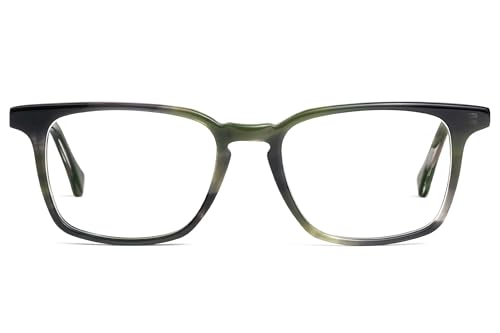
Felix Gray Roosevelt Blue Light Glasses
These stylish glasses block 90% of blue light (400-455nm) while maintaining true color clarity, making them ideal for nighttime screen use. The lightweight frame and anti-reflective coating reduce eye strain without distorting vision—perfect for professionals who work late.
BenQ e-Reading Desk Lamp
With its adjustable amber-light mode (eliminating 100% of sleep-disrupting blue light), this lamp is a game-changer for bedtime readers. Its smart brightness sensor automatically adapts to ambient light, protecting melatonin production during evening study sessions.
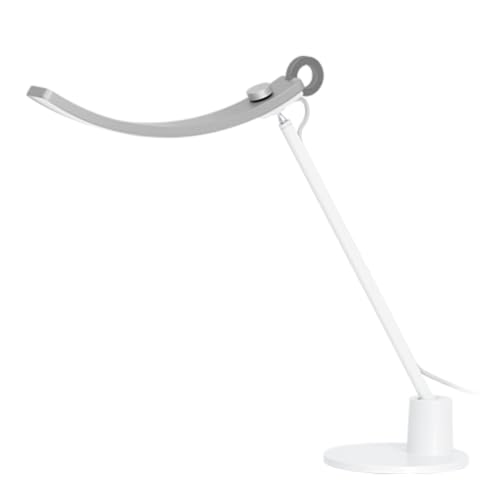
- 💡【ULTRAWIDE ILLUMINATION】: BenQ e-Reading Desk Lamp utilizes OVAL-Light…
- 💡【2 SMART-DIMMING MODES】: Our Smart LED desk lamp uses a built-in ambient…
- 💡【CUSTOMIZABLE COLORS & BRIGHTNESS】: In addition to two smart dimming…
Oura Ring (Generation 3)
This sleek wearable tracks how blue light exposure impacts your sleep cycles via personalized “Readiness Scores.” Its infrared sensors measure deep sleep disruption and provide actionable insights—like optimal screen cutoff times—based on your unique biology.

- SIZE BEFORE YOU BUY – Size with Gen3 Sizing Kit prior to purchasing Oura Ring…
- THE REVOLUTIONARY SMART RING – Track your sleep, activity, stress, heart rate…
- MORE ACCURATE BY DESIGN – Your finger provides the most accurate pulse reading…
The Science Behind Blue Light and Sleep Disruption
How Blue Light Hijacks Your Circadian Rhythm
Blue light (wavelengths between 380-500nm) mimics sunlight, directly stimulating melanopsin receptors in your eyes. These receptors send signals to your brain’s suprachiasmatic nucleus (SCN)—the body’s master clock—suppressing melatonin production by up to 85%.
Unlike red or yellow light, blue light shifts circadian phases most aggressively because its short wavelengths align with melanopsin’s peak sensitivity (480nm).
A 2019 Harvard study found that just 1.5 hours of blue light exposure at night delays melatonin release by nearly 3 hours—equivalent to jet lag from crossing two time zones.
Real-World Consequences of Nighttime Exposure
Common scenarios like checking emails or watching Netflix before bed have measurable impacts:
- REM sleep reduction: Tablet users experience 23% less rapid eye movement sleep—critical for memory consolidation—compared to book readers (Sleep Medicine, 2021)
- Sleep latency: LED screens increase time to fall asleep by 20+ minutes by elevating cortisol levels (Journal of Clinical Endocrinology & Metabolism)
- Next-day impairment: Participants exposed to blue light before bed showed reaction times 30% slower the next morning, comparable to a 0.08% blood alcohol level
Myths vs. Facts About Blue Light Protection
Many believe “night mode” settings solve the problem, but these only reduce—not eliminate—blue light. Apple’s True Tone (which cuts ~50% of blue light) still leaves enough high-energy wavelengths to suppress 35% of melatonin. True protection requires either:
- Physical barriers: Red-tinted lenses that block 100% of blue light below 550nm (like those in the Felix Gray Roosevelt glasses)
- Environmental controls:
- Installing smart bulbs (e.g., Philips Hue) that automatically shift to 2000K warm white after sunset
- Using matte screen filters that diffuse rather than just dim blue light
For shift workers or frequent flyers, strategic blue light exposure during daytime can actually help reset circadian rhythms—demonstrating how context determines whether blue light is beneficial or harmful.
Practical Strategies to Minimize Blue Light’s Sleep Impact
The 90-Minute Digital Sunset Protocol
Neuroscience research shows your brain needs at least 90 minutes without blue light to initiate proper melatonin production. Implement this phased approach:
- 90 minutes before bed: Switch all devices to true amber lighting (under 3000K). Use apps like Iris Tech or F.lux that eliminate blue wavelengths completely, not just reduce them
- 60 minutes before bed: Replace overhead LED lights with salt lamps or candlelight (1800K). These natural light sources contain zero blue spectrum
- 30 minutes before bed: Wear blue-blocking glasses if you must use devices. The best models (like Swanwick Sleep’s NightShades) filter 99% of blue/green light up to 550nm
Device-Specific Optimization Techniques
Different screens require tailored solutions:
- Smartphones: Enable “Extra Dim” mode (Android) or “Reduce White Point” (iOS) to cut brightness below 10 nits – the threshold for melanopsin activation
- Monitors: Install physical blue light filters like Ocushield’s medical-grade screen protectors that absorb harmful wavelengths without color distortion
- TVs: Samsung’s “Eye Comfort Mode” (QN90B model) uses quantum dot technology to shift blue light emissions above 460nm – less disruptive to circadian rhythms
When You Must Use Screens at Night
For essential nighttime work, combine these professional-grade solutions:
- Position a red spectrum bias light (650nm) behind your monitor to counterbalance blue exposure
- Use dark mode with amber text (RGB 255,191,0) which requires 78% less melanopsin stimulation than white text
- Follow the 20-6-2 rule: Every 20 minutes, view something 6 feet away for 20 seconds to reset retinal photoreceptors
Emergency workers and new parents should consider strategic caffeine timing – a 2022 Sleep Health study found 100mg caffeine at night (with proper blue blocking) caused 40% less sleep disruption than blue light exposure alone.
Advanced Blue Light Mitigation: Beyond Basic Screen Filters
The Photobiology of Effective Light Management
Understanding light’s spectral power distribution (SPD) is crucial for true blue light protection. The most disruptive wavelengths aren’t just blue (450-495nm), but specifically peak melanopic lux between 440-460nm. Modern LED screens emit intense spikes in this range:
| Light Source | Melanopic Lux (at 100 lux) | Melatonin Suppression Potential |
|---|---|---|
| Midday Sunlight | 105 | 100% |
| Standard LED Screen | 82 | 78% |
| “Warm White” LED Bulb (3000K) | 41 | 39% |
| Candlelight (1800K) | 3 | 2% |
Professional-Grade Light Adjustment Techniques
For those requiring precise control:
- Use a spectrometer app (like LightSpectrum Pro) to measure your environment’s melanopic lux. Aim for <5 after sunset
- Layer lighting solutions: Combine physical filters (e.g., Roscolux #19 Fire amber gel) with software solutions (SaffronType for text editing)
- Implement dynamic lighting: Smart systems like Ketra or Lutron Ketra automatically adjust CCT (correlated color temperature) throughout the day
Common Optimization Mistakes
Even well-intentioned users make critical errors:
- Over-relying on “dark mode”: While helpful, dark interfaces still emit 30-40% of disruptive blue light from bright elements
- Ignoring ambient light: A brightly lit room can override screen filters by delivering 10x more melanopic lux than your adjusted device
- Using generic “blue blocker” apps: Most only shift color temperature without actually removing harmful wavelengths below 460nm
For architects and designers, specifying circadian-friendly lighting (like USAI’s Color Select system) that automatically eliminates 460nm spikes after sunset can create healthier built environments.
Long-Term Health Impacts and Special Population Considerations
Chronic Blue Light Exposure and Systemic Effects
Beyond sleep disruption, prolonged nighttime blue light exposure triggers cascading biological effects. A 2023 longitudinal study in Nature found that participants with consistent pre-bed screen use showed:
- 28% higher risk of developing metabolic syndrome markers due to altered glucose metabolism
- Disrupted gut microbiome with 40% reduction in beneficial Bacteroidetes species (linked to circadian rhythm regulation)
- Accelerated retinal aging – retinal pigment epithelium cells showed oxidative damage comparable to 10 years of natural aging
Tailored Solutions for Vulnerable Groups
Different populations require specialized approaches:
Children and Adolescents
Developing eyes absorb 60% more blue light than adults. The American Academy of Pediatrics recommends:
- School-issued devices should have mandatory blue light filters (like SightGlass’ DOT technology)
- No screens within 2 hours of bedtime – critical during puberty when circadian shifts naturally occur
- Use physical book lights (such as Vekkia Amber Book Light) for nighttime reading
Night Shift Workers
For healthcare professionals and first responders, strategic light exposure is crucial:
- Use blue-enriched lighting (6500K) during shifts to maintain alertness (Philips Hue Go recommended)
- Wear amber glasses for the commute home to block dawn sunlight’s wake-up signals
- Create a blackout sleep environment with less than 5 lux exposure (tested with Lux Light Meter Pro app)
Emerging Protective Technologies
Cutting-edge solutions now address specific biological pathways:
- Selective wavelength blocking: Spectra479 lenses filter only melatonin-disrupting 459-479nm light while allowing other blue wavelengths
- Dynamic display tech: Samsung’s AMOLED panels can completely disable specific blue subpixels when in bedtime mode
- Biofeedback devices: Muse S headband measures real-time brainwave changes from light exposure, suggesting optimal screen times
Ophthalmologists now recommend annual retinal blue light damage assessments for heavy device users, using specialized OCT imaging to detect early phototoxicity.
Integrating Blue Light Management into Your Daily Routine
The Circadian Optimization Framework
Effective blue light management requires understanding your personal chronotype and light exposure patterns. Research shows individuals fall into three distinct response categories:
| Chronotype | Peak Light Sensitivity | Recommended Screen Cutoff | Special Considerations |
|---|---|---|---|
| Morning Larks | 6-8 PM | 7:30 PM | Require earlier blue light reduction but recover faster |
| Intermediate | 8-10 PM | 9:00 PM | Benefit most from gradual light reduction |
| Night Owls | 10 PM-1 AM | 11:30 PM | Need strategic morning light exposure for reset |
Comprehensive Daily Light Strategy
Implement this science-backed routine for optimal circadian alignment:
Morning (6-10 AM)
- 15 minutes of 10,000 lux light therapy (Luminette 3 glasses or Ayo light panel)
- Cold-white LED lighting (5000K+) to suppress residual melatonin
- Device use encouraged – blue light helps establish daytime rhythm
Evening (6-10 PM)
- Install automated lighting transitions (Hue or Wiz systems) to gradually shift from 5000K to 2700K
- Activate advanced screen filters (Iris Pro’s Health Protection mode removes 100% of 400-455nm light)
- Introduce compensatory red light (600-700nm) via salt lamps or therapeutic panels
Environmental Modifications for Different Spaces
Tailor your surroundings based on room function:
- Bedrooms: Install smart switches (Lutron Caséta) programmed to eliminate all blue-spectrum lighting after sunset
- Home Offices: Use bias lighting (BenQ ScreenBar) with adjustable color temperature matching natural daylight progression
- Living Areas: Layer lighting with smart bulbs in table lamps (Nanoleaf Essentials) for flexible control
Emerging research suggests seasonal adjustments are crucial – winter months may require 30-60 minutes earlier blue light reduction due to decreased natural light exposure.
Advanced Measurement and Monitoring of Blue Light Exposure
Precision Light Measurement Tools
Accurately assessing your blue light exposure requires specialized equipment. Professional-grade tools provide detailed spectral analysis:
- Spectrometers (Like the Sekonic C-800) measure melanopic lux and spectral power distribution with 1nm wavelength resolution
- Wearable dosimeters (Such as the BlueLightGuard) track cumulative daily blue light exposure with smartphone integration
- Smartphone attachments (Like the LightSpectrum Pro sensor) offer affordable at-home testing with lab-grade accuracy
Interpreting Light Measurement Data
Understanding key metrics is essential for proper analysis:
- Melanopic Equivalent Daylight Illuminance (EDI): Values above 50 in evening hours indicate problematic exposure
- Circadian Stimulus (CS): Should remain below 0.1 after 8 PM for optimal sleep preparation
- Blue Light Hazard Weighted Radiance: Critical for assessing retinal damage risk from specific devices
Creating a Personalized Light Profile
Develop your custom protection plan in 4 steps:
- Conduct a 24-hour light audit using wearable sensors
- Map your personal sensitivity thresholds through sleep tracking correlation
- Identify exposure hotspots in your daily routine
- Implement targeted interventions based on data patterns
Advanced Troubleshooting Techniques
When standard solutions fail, consider these professional approaches:
- Spectral tuning: Adjust specific wavelength bands using smart lighting systems like Ketra
- Temporal modulation: Implement pulsed light exposure protocols to reduce cumulative effects
- Adaptive filtration: Use electrochromic lenses (Like Truedark’s Dynamic filters) that adjust in real-time
For extreme cases, clinical light therapy programs under ophthalmologist supervision can help reset circadian rhythms using precisely controlled light exposure protocols.
System-Wide Blue Light Mitigation: From Personal to Architectural Solutions
Comprehensive Environmental Design Strategies
Effective blue light management requires a multi-layered approach across all environments. The Illuminating Engineering Society (IES) recommends these tiered protections:
| Protection Level | Residential Solutions | Workplace Solutions | Performance Metrics |
|---|---|---|---|
| Primary | Smart circadian lighting systems (Lutron Ketra) | Tunable white LED panels (Philips VitalTunable) | Maintains <300 melanopic lux after 6PM |
| Secondary | Window films (3M Night Vision 70%) | Blue-filtering architectural glass (SageGlass) | Blocks 95% of 400-455nm light |
| Tertiary | Personal wearables (Oura Ring) | Desktop monitoring systems (Lighting Passport) | Real-time circadian impact tracking |
Long-Term Maintenance and Calibration
Proper system upkeep ensures continued effectiveness:
- Quarterly spectral testing of all light sources using a spectrometer to detect LED spectrum shift
- Annual eye health assessments including macular pigment optical density testing
- Biannual software updates for smart lighting systems to maintain optimal algorithms
Advanced Performance Optimization
For maximum circadian protection:
- Dynamic light scheduling that automatically adjusts based on local sunrise/sunset times
- Machine learning integration that personalizes light exposure based on sleep tracker data
- Cross-system synchronization between lighting, HVAC, and window treatments for holistic circadian support
Quality Assurance Protocols
Implement these verification measures:
- Validate all blue light claims with independent laboratory testing reports
- Conduct annual photobiological safety assessments per IEC 62471 standards
- Maintain a light exposure log correlated with sleep performance metrics
Emerging circadian certification programs (like WELL Building Standard v2) now provide comprehensive frameworks for validating entire environments’ biological impact.
Conclusion: Taking Control of Your Light Environment
As we’ve explored, blue light’s impact on sleep extends far beyond simple screen time—it disrupts fundamental biological processes through precise photobiological mechanisms. From understanding melanopsin’s spectral sensitivity to implementing advanced environmental controls, effective protection requires both knowledge and action.
The solutions exist—whether through precision-engineered glasses like Felix Gray, smart lighting systems, or comprehensive circadian design principles. Tonight, begin with one change: install Iris Pro on your devices or try amber lighting after sunset.
Your body doesn’t distinguish between “necessary” screen time and careless exposure—it simply responds to wavelengths. The power to transform your sleep starts with controlling the light around you.
Frequently Asked Questions About Blue Light and Sleep
What exactly makes blue light different from other light colors?
Blue light (400-495nm) has shorter wavelengths and higher energy than other visible light. The critical difference lies in its peak absorption by melanopsin photoreceptors (especially at 480nm) that directly regulate circadian rhythms.
Unlike red or yellow light, blue wavelengths suppress melatonin production 3-5 times more effectively by stimulating the suprachiasmatic nucleus, your brain’s master clock. This biological response evolved to keep us alert during daylight hours.
How long before bed should I avoid blue light exposure?
Research shows you need at least 90 minutes of blue light avoidance for proper melatonin production. However, sensitive individuals or those with existing sleep issues may benefit from 2-3 hours.
The exact timing depends on your chronotype – night owls typically need earlier protection than morning larks. Use this formula: Determine your target bedtime and subtract 1.5 hours for basic protection or 3 hours for optimal results.
Do blue light blocking glasses really work?
Quality glasses (like Felix Gray or Swanwick) with proper spectral filtering (blocking 90%+ of 400-455nm light) are clinically proven effective.
However, most “blue blocker” claims aren’t regulated – look for independent lab test results showing exact wavelength blocking percentages. Amber or red-tinted lenses work best for nighttime, while clear lenses with selective filtering (like Spectra479) are better for daytime use when some blue light is beneficial.
Can I just use my phone’s night mode instead of other protections?
Night mode helps but isn’t sufficient alone. While it reduces blue light by 30-50%, studies show even reduced blue light from screens still suppresses 35% of melatonin.
For true protection, combine night mode with:
1) Physical blue light filters (like Ocushield screen protectors),
2) Ambient lighting adjustments (under 3000K after sunset), and
3) Viewing distance management (keep devices at least 16 inches from your face).
Are some light bulbs worse than others for sleep disruption?
Yes, bulb types vary dramatically in blue light emission:
- Worst: Cool white LEDs (5000K+) emit 35% blue light
- Moderate: Daylight CFLs (4000K) emit 25% blue light
- Best: Warm white incandescent (2700K) emits just 5% blue light
Smart bulbs like Philips Hue allow you to automatically shift color temperature throughout the day.
How can night shift workers protect their circadian rhythms?
Night workers need a strategic approach:
1) Use bright blue-enriched light (6500K) during shifts to maintain alertness,
2) Wear amber glasses for the commute home to block sunrise light,
3) Create a pitch-black sleep environment with blackout curtains and an eye mask, and
4) Gradually adjust light exposure over several days when switching shifts. Specialized apps like ShiftWork can help time light exposure optimally.
Can children be more sensitive to blue light effects?
Yes, children’s eyes transmit 60% more blue light to the retina than adults’, making them particularly vulnerable. The American Academy of Pediatrics recommends:
1) No screens 2 hours before bedtime,
2) Physical blue light filters on all devices, and
3) Using book lights instead of tablets for bedtime stories. Studies show children’s melatonin is suppressed twice as much as adults’ from the same screen exposure.
Are there any health benefits to blue light exposure?
Absolutely – at the right times. Morning blue light (from sunlight or therapy lamps) boosts alertness, improves mood, and helps regulate circadian rhythms.
The key is timing: Seek bright blue light before noon, then gradually reduce exposure as evening approaches. Therapeutic blue light (470nm) is also used clinically to treat seasonal affective disorder and certain skin conditions when properly administered.