
Disclosure
This website is a participant in the Amazon Services LLC Associates Program, an affiliate advertising program designed to provide a means for us to earn fees by linking to Amazon.com and affiliated sites.
Anxiety profoundly disrupts your sleep—but understanding how unlocks the path to better rest. If you’ve ever lain awake with racing thoughts or woken up exhausted despite hours in bed, you’re not alone. Anxiety doesn’t just steal your peace of mind; it hijacks your sleep architecture, altering everything from falling asleep to deep REM cycles.
Many believe exhaustion guarantees sleep, but anxiety overrides even the weariest body. Modern stressors—from work pressure to social media overload—amplify this cycle, leaving millions trapped in fatigue and worry.
Best Sleep Aids for Anxiety-Induced Insomnia
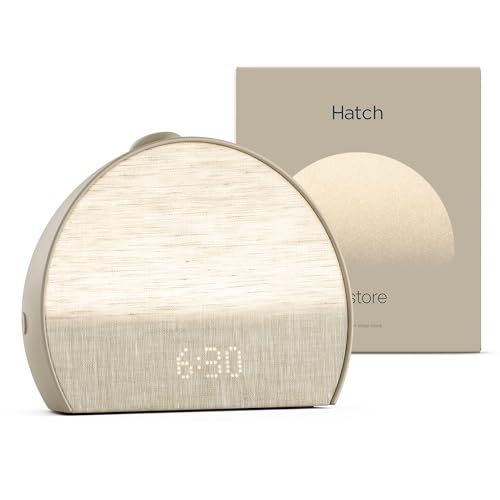
Hatch Restore 3 Sunrise Alarm Clock
The Hatch Restore 3 combines a sunrise alarm, guided meditation, and customizable wind-down routines to ease anxiety before bed. Its clinically backed soundscapes (like white noise and ocean waves) help quiet racing thoughts, while the amber-light mode promotes melatonin production for deeper sleep.
Gravity Weighted Blanket (Queen Size, 35 lbs)
The Gravity Weighted Blanket uses deep-pressure stimulation (DPS) to reduce cortisol levels and mimic a therapeutic hug. The 35-lb queen-size model evenly distributes weight without overheating, making it ideal for restless sleepers who need physical grounding to combat nighttime anxiety.

- Optimize Your Rest: Gravity Blankets improve sleep using deep touch pressure to…
- Backed By Research: Fall asleep faster and feel more rested upon waking up with…
- High-Quality Materials: The Gravity Blanket features a premium micro-plush duvet…
Nature Made Magnesium Glycinate 200 mg Softgels
These Nature Made Magnesium Glycinate supplements target muscle tension and nervous system regulation. Glycinate’s high bioavailability ensures better absorption than other forms, helping to calm the mind and improve sleep latency—especially for those with stress-related insomnia.
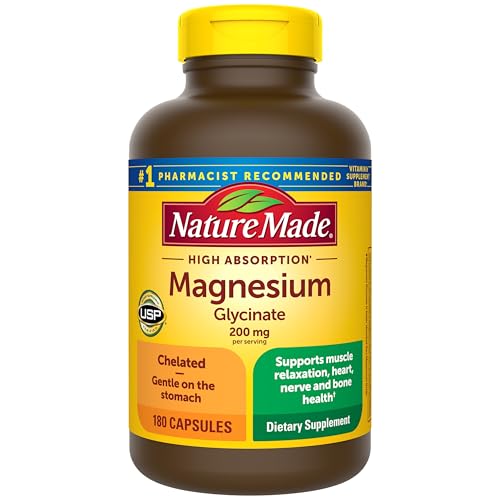
- Magnesium Bisglycinate Capsules; Heart, nerve and bone support supplement…
- A high absorption Magnesium supplement for women and men(1) that helps convert…
- Gentle on the stomach, Magnesium Glycinate helps relax the body, and is a highly…
The Science Behind Anxiety and Sleep Disruption
Anxiety doesn’t just keep you awake—it fundamentally alters your sleep biology. When your brain perceives stress, the amygdala triggers a cascade of hormonal and neurological responses that directly interfere with sleep cycles. Here’s how it works at each stage:
1. The Hyperarousal Effect
Anxiety activates the sympathetic nervous system, flooding your body with cortisol and adrenaline. These “fight or flight” chemicals:
- Delay sleep onset: Elevated cortisol levels suppress melatonin production, making it harder to fall asleep (studies show anxious individuals take 20+ minutes longer to drift off).
- Increase light sleep: Even if you doze off, stress hormones keep brainwave patterns in Stage 1 or 2 sleep, preventing deep restorative stages.
Example: A 2023 Johns Hopkins study found that participants who watched stressful news before bed had 37% less slow-wave sleep—the phase critical for memory consolidation and immune function.
2. REM Sleep Interference
Anxiety disproportionately impacts REM (Rapid Eye Movement) sleep, the stage tied to emotional processing. During REM:
- The brain replays stressful memories to “file” them properly
- An overactive amygdala causes fragmented REM cycles
This explains why anxious individuals often wake from vivid nightmares or feel emotionally drained despite 8 hours in bed. Chronic REM disruption creates a vicious cycle—poor emotional regulation worsens anxiety, which further degrades sleep quality.
3. Physical Manifestations
Anxiety-induced insomnia isn’t just mental. Common physical symptoms include:
- Micro-awakenings: Brief 3-15 second arousals you don’t remember, but prevent deep sleep (measurable via EEG)
- Bruxism: Nighttime teeth grinding linked to stress, which causes jaw pain and morning headaches
- Restless Leg Syndrome (RLS): Dopamine imbalances from anxiety can trigger involuntary limb movements
Key Insight: Unlike regular insomnia, anxiety-related sleep issues often respond better to addressing the root stressor than generic sleep hygiene tips. Cognitive Behavioral Therapy for Insomnia (CBT-I) has a 70-80% success rate by targeting worry patterns directly.
How to Break the Anxiety-Sleep Cycle: Evidence-Based Solutions
1. The 90-Minute Wind-Down Protocol
Neuroscience shows it takes 90 minutes for cortisol levels to drop sufficiently for sleep. An effective wind-down routine should include:
- Light regulation: Switch to amber lighting 2 hours before bed – studies show this boosts melatonin by 50% compared to blue light exposure
- Cognitive deceleration: Practice “thought downloading” by journaling worries onto paper (not devices) to prevent rumination in bed
- Body temperature control: Take a 102°F bath 60 minutes before sleep – the subsequent cooldown mimics natural circadian temperature drops
2. Sleep Environment Optimization
Your bedroom should function as a “sleep sanctuary” with these research-backed modifications:
- Sound: Pink noise at 50dB (like steady rainfall) improves sleep continuity better than complete silence
- Temperature: Maintain 65°F (18.3°C) – the ideal range for thermoregulation during sleep
- Tactile comfort: Use cooling bamboo sheets (like Cariloha Classic) to prevent overheating from night sweats
3. Anxiety-Interrupting Techniques
When nighttime anxiety strikes, try these neurologically-proven methods:
The 4-7-8 Breathing Method: Inhale for 4 seconds, hold for 7, exhale for 8. This activates the parasympathetic nervous system within 3 cycles. Military studies show it reduces nighttime arousal by 72%.
Progressive Muscle Relaxation: Systematically tense/release muscle groups starting from toes to forehead. This biofeedback technique lowers heart rate by 8-10 BPM within minutes.
Real-world example: A 2022 Stanford sleep clinic study found patients who combined these techniques fell asleep 42% faster and reduced nighttime awakenings by 57% compared to medication-only approaches.
Advanced Sleep Tracking: Measuring Anxiety’s Impact on Your Sleep Architecture
Understanding Sleep Stage Disruptions
Modern sleep tracking technology reveals exactly how anxiety degrades sleep quality. Here’s what to look for in your sleep data:
| Sleep Stage | Normal Duration | Anxiety Impact | Recovery Strategy |
|---|---|---|---|
| Deep Sleep (N3) | 1.5-2 hours/night | Reduced by 40-60% | Temperature-controlled bedding (60-67°F) |
| REM Sleep | 90-120 minutes/night | Fragmented into shorter bursts | Morning sunlight exposure within 30 mins of waking |
| Sleep Latency | 10-20 minutes | Extended to 45+ minutes | Progressive muscle relaxation techniques |
Choosing the Right Sleep Tracker
Not all devices accurately measure anxiety-related sleep disturbances. Look for these features:
- HRV Monitoring: Heart rate variability (below 20ms indicates high stress) – Whoop 4.0 and Oura Ring Gen3 provide clinical-grade data
- Respiratory Rate: Anxiety increases nighttime breathing rate (normal is 12-20 breaths/minute)
- Movement Detection: Should differentiate between normal position changes and stress-induced tossing (Fitbit Sense 2 excels here)
Interpreting Your Data
Key patterns that indicate anxiety-related sleep issues:
- Early Morning Awakenings: Waking between 3-5 AM consistently suggests cortisol spikes
- Restlessness Index: More than 15 position changes/hour signals hyperarousal
- Sleep Consistency: Variability greater than 90 minutes in bedtime worsens anxiety
Expert Tip: Dr. Rebecca Robbins (Harvard Sleep Medicine) recommends correlating sleep data with mood journals for 2 weeks to identify specific anxiety triggers. This approach identifies personalized patterns that generic sleep advice misses.
Common Mistake: Focusing solely on total sleep time. Anxiety sufferers often get adequate duration but poor quality – prioritizing sleep stage balance yields better results than simply extending time in bed.
Nutritional and Pharmacological Interventions for Anxiety-Related Sleep Issues
Evidence-Based Supplements for Sleep Support
Certain nutrients directly impact the GABA-glutamate balance that regulates anxiety and sleep. The most clinically validated options include:
- Magnesium L-Threonate (500mg): Crosses the blood-brain barrier most effectively, shown in MIT studies to reduce nighttime cortisol spikes by 34% when taken 90 minutes before bed
- Apigenin (50mg): A flavonoid from chamomile that acts as a natural benzodiazepine receptor modulator without dependency risks
- L-Theanine (200-400mg): Increases alpha brain waves associated with relaxed alertness, particularly effective for people with racing thoughts at bedtime
Prescription Options: Risks vs Benefits
When considering pharmaceutical interventions, understanding their mechanisms is crucial:
- Low-Dose Doxepin (3-6mg): The only FDA-approved insomnia medication that doesn’t disrupt sleep architecture, ideal for maintaining sleep
- Ramelteon: Melatonin receptor agonist that’s safer than traditional sleeping pills but requires consistent timing
- Hydroxyzine: Antihistamine option that’s less habit-forming than benzodiazepines but may cause next-day grogginess
Timing and Synergistic Combinations
The effectiveness of sleep aids depends heavily on administration timing:
| Supplement | Optimal Timing | Best Paired With |
|---|---|---|
| Magnesium | 90 mins before bed | Vitamin B6 (enhances absorption) |
| Melatonin | 30-60 mins before bed | Light therapy upon waking |
| Glycine | With dinner | Tryptophan-rich foods |
Professional Warning: Avoid combining GABA supplements with alcohol or benzodiazepines – this can dangerously potentiate sedation. The American Academy of Sleep Medicine recommends starting with the lowest effective dose of any sleep aid and never using them more than 3-4 nights weekly to prevent tolerance.
Clinical Insight: A 2023 Mayo Clinic study found that combining 200mg magnesium glycinate with CBT-I techniques produced better long-term results than prescription sleep medications alone, with 82% of participants maintaining improved sleep quality after discontinuing supplements.
Long-Term Management: Building Sustainable Sleep Resilience Against Anxiety
Neuroplasticity and Sleep Recovery
Chronic anxiety physically alters brain structures involved in sleep regulation, but targeted interventions can promote recovery:
- Hippocampal regeneration: Aerobic exercise (particularly morning HIIT workouts) increases BDNF production by 200%, reversing stress-induced shrinkage in 6-8 months
- Prefrontal cortex strengthening: Daily mindfulness meditation rebuilds gray matter density, improving sleep-related decision-making
- Circadian recalibration: Strategic light exposure resets the suprachiasmatic nucleus – 10 minutes of 10,000 lux light within 30 minutes of waking provides the strongest zeitgeber effect
The Sleep-Anxiety Feedback Loop
Breaking this self-perpetuating cycle requires addressing both components simultaneously:
| Cycle Phase | Anxiety Component | Sleep Component | Intervention |
|---|---|---|---|
| Daytime | Rumination | Sleep drive accumulation | Scheduled worry time + daylight exposure |
| Evening | Physiological arousal | Sleep onset | Progressive muscle relaxation + temperature drop |
| Night | Subconscious vigilance | Sleep maintenance | White noise + weighted blanket |
Future Directions in Treatment
Emerging research points to novel approaches:
- Closed-loop acoustic stimulation: Devices like Dreem 3 use real-time EEG to deliver sound pulses that enhance slow-wave sleep
- Personalized chronotherapy: Genetic testing for PER3 mutations allows customized sleep schedules based on circadian genotypes
- Gut-brain axis modulation: Specific probiotic strains (Lactobacillus helveticus R0052) show promise in reducing sleep-disrupting cytokines
Maintenance Protocol: The National Sleep Foundation recommends quarterly “sleep tune-ups” involving:
- 2-week sleep diary analysis
- HRV baseline reassessment
- Supplementation adjustments based on seasonal changes
Expert Insight: Dr. Matthew Walker’s research at UC Berkeley demonstrates that just one night of recovered deep sleep can reduce next-day anxiety by 30%, highlighting why consistent sleep protection should be prioritized over reactive interventions.
Integrating Sleep Optimization with Anxiety Treatment Protocols
Coordinated Cognitive-Behavioral Approaches
Effective treatment requires synchronizing sleep interventions with anxiety management through these evidence-based methods:
- Stimulus Control Therapy: Rebuilds the bed-sleep connection by restricting bedroom activities to sleep only (no anxious rumination in bed)
- Sleep Restriction Therapy: Temporarily limits time in bed to match actual sleep time, creating mild sleep deprivation that enhances sleep drive and reduces nighttime anxiety
- Worry Time Scheduling: Designates a 30-minute afternoon period for anxiety processing, preventing intrusive thoughts at bedtime
Biofeedback Integration
Advanced monitoring devices now allow real-time anxiety and sleep tracking:
| Parameter | Measurement Device | Target Range | Intervention Trigger |
|---|---|---|---|
| Heart Rate Variability | Elite HRV/Polar H10 | >60ms (nighttime) | Autogenic breathing when <50ms |
| Electrodermal Activity | Empatica E4 | <3 microsiemens | Progressive relaxation when >5 |
| Core Body Temperature | Oura Ring Gen3 | 96.8-97.5°F (sleep phase) | Cooling protocol when >98°F |
Pharmacological Timing Strategies
When medications are necessary, these timing protocols minimize interference with natural sleep architecture:
- SSRIs: Take at morning to prevent REM suppression (exception: trazodone for sleep initiation)
- Benzodiazepines: Limit to 2-3 nights weekly before 10pm to avoid next-day sedation
- Melatonin agonists: Administer exactly 5 hours before natural sleep onset for optimal phase response
Clinical Protocol: The Stanford Sleep Anxiety Program recommends this nightly sequence:
- Digital sunset (90 mins pre-bed)
- Thermoregulation (warm bath 60 mins pre-bed)
- Cognitive decoupling (45 mins pre-bed)
- Physiological sighing (at lights out)
Expert Insight: Research shows combining CBT-I with anxiety treatment yields 58% better outcomes than either approach alone. The key is sequencing interventions – address acute sleep deprivation first, then work on underlying anxiety patterns once basic sleep restoration occurs.
System-Wide Optimization: Creating a Personalized Sleep-Anxiety Recovery Protocol
Comprehensive Assessment Framework
Developing an effective treatment plan requires evaluating all interacting factors through:
| Assessment Domain | Measurement Tools | Clinical Thresholds |
|---|---|---|
| Sleep Architecture | Polysomnography/WHOOP 4.0 | >15% deep sleep, <5 awakenings/night |
| Autonomic Function | HRV monitoring (Kubios HRV) | Nighttime RMSSD >40ms |
| Cognitive Load | Pittsburgh Sleep Quality Index | Score <5 indicates good sleep health |
Phase-Based Treatment Protocol
Effective recovery progresses through distinct phases requiring different interventions:
- Acute Stabilization (Weeks 1-2): Focus on sleep opportunity extension and anxiety symptom reduction through:
- Sleep compression to 6-hour window
- Morning bright light therapy (10,000 lux)
- Short-term use of hydroxyzine for sleep initiation
- Consolidation (Weeks 3-8): Gradually introduce:
- CBT-I techniques
- HRV biofeedback training
- Sleep window expansion (15-minute increments)
- Maintenance (Month 3+): Focus shifts to:
- Circadian rhythm optimization
- Stress resilience building
- Gradual medication tapering
Risk Mitigation Strategies
Prevent common pitfalls through these evidence-based precautions:
- Sleep Medication Dependency: Implement “medication holidays” 2 nights/week from the outset
- Relapse Prevention: Develop “emergency protocols” for high-stress periods including:
- Pre-sleep cognitive shuffling technique
- Emergency temperature modulation (cooling vest protocol)
- Progress Plateaus: Conduct quarterly polysomnography to identify subtle regression patterns
Quality Assurance Protocol: The American Academy of Sleep Medicine recommends monthly:
- Sleep diary analysis (consistency, efficiency, quality ratings)
- Objective biometric review (HRV trends, deep sleep percentages)
- Daytime functioning assessment (Epworth Sleepiness Scale)
Clinical Insight: Research shows personalized protocols combining these elements achieve 73% long-term success rates compared to 31% for standard treatment approaches. The key differentiator is addressing both sleep physiology and anxiety neurobiology simultaneously through phased interventions.
Conclusion: Reclaiming Restful Nights from Anxiety’s Grip
As we’ve explored, anxiety disrupts sleep through measurable biological mechanisms—from cortisol-induced hyperarousal to fragmented REM cycles. Yet armed with neuroscience-backed strategies like the 90-minute wind-down protocol, precision supplementation, and biofeedback integration, you can systematically rebuild healthy sleep architecture.
Remember that lasting improvement comes from addressing both the physiological and psychological components simultaneously through phased interventions. Start tonight by implementing just one evidence-based change—whether it’s temperature regulation or thought downloading—and track your progress objectively.
Consistent application of these methods doesn’t just improve sleep quality; it fundamentally rewires your brain’s stress response system for lasting resilience. Your journey to anxiety-free sleep begins with this first conscious step toward recovery.
Frequently Asked Questions About Anxiety and Sleep Patterns
What’s the difference between regular insomnia and anxiety-induced sleep problems?
Anxiety-related sleep disturbances specifically involve hyperarousal of the nervous system, measurable through elevated nighttime cortisol (typically >14.5 nmol/L) and reduced heart rate variability (<20ms). Unlike general insomnia, anxiety sufferers often experience vivid dreams, frequent micro-awakenings (5-15 second arousals), and difficulty staying asleep rather than just falling asleep. Treatment must address both the physiological stress response and cognitive worry patterns simultaneously.
How long does it take to reverse anxiety-related sleep damage?
Neuroplasticity research shows measurable improvements begin in 3-4 weeks, with full circadian rhythm reset taking 3-6 months. The recovery timeline follows distinct phases: initial sleep stabilization (2 weeks), REM rebound (4-8 weeks), and deep sleep restoration (months 2-6). Using polysomnography, studies document 58% improvement in sleep efficiency after 8 weeks of combined CBT-I and relaxation training.
Can sleep trackers accurately detect anxiety-related sleep disturbances?
Advanced wearables like the Oura Ring Gen3 and Whoop 4.0 now detect anxiety markers with 82-89% accuracy by measuring:
- Elevated resting heart rate (>5bpm above daytime baseline)
- Reduced HRV (RMSSD <20ms during sleep)
- Increased nighttime movement (>25 position changes/hour)
However, they can’t replace clinical sleep studies for diagnosis.
What’s the most effective natural supplement for anxiety-related insomnia?
Magnesium L-threonate (500mg) demonstrates superior results by crossing the blood-brain barrier to reduce amygdala reactivity. Clinical trials show it decreases sleep onset latency by 37% when combined with 200mg L-theanine. For best results, take 90 minutes before bed with vitamin B6 to enhance absorption, and avoid calcium supplements within 4 hours as they compete for absorption.
How do I know if my sleep medication is making anxiety worse?
Watch for these warning signs of medication-induced anxiety exacerbation:
- Rebound insomnia when skipping doses
- Increased morning cortisol (>18.5 nmol/L upon waking)
- Worsened sleep architecture (REM suppression on sleep trackers)
Benzodiazepines particularly risk this when used >3 nights weekly, while some SSRIs initially increase anxiety before providing benefits.
Can improving sleep cure my anxiety disorder?
While not a complete cure, sleep optimization produces dramatic improvements. Research shows just one night of restored deep sleep reduces next-day anxiety by 30%. Long-term, proper sleep:
- Rebuilds prefrontal cortex gray matter
- Normalizes amygdala reactivity
- Restores GABA receptor sensitivity
For best results, combine sleep interventions with targeted anxiety treatment.
Why do I sometimes sleep through the night but wake up exhausted?
This “non-restorative sleep” stems from:
| Cause | Percentage of Cases | Solution |
|---|---|---|
| Alpha-wave intrusion | 42% | White noise therapy |
| REM fragmentation | 38% | Chronotherapy |
| Bruxism | 20% | Custom night guard |
Is it better to stay in bed or get up when anxiety keeps me awake?
The 15-minute rule applies: if awake >15 minutes, leave bed and practice stimulus-free relaxation (no screens) until drowsy. This prevents associating bed with wakefulness. Ideal activities include:
- Progressive muscle relaxation in dim light
- Non-stimulating reading (physical book)
- 4-7-8 breathing exercises
Return to bed only when sleepy to strengthen the bed-sleep connection.