
Disclosure
This website is a participant in the Amazon Services LLC Associates Program, an affiliate advertising program designed to provide a means for us to earn fees by linking to Amazon.com and affiliated sites.
A humidifier can dramatically improve sleep—but only if you understand how it works. Dry air steals moisture from your throat and skin, triggering snoring, congestion, and restless nights.
Many assume cranking up the thermostat solves the problem, but heated air often worsens dryness. Here’s the reality: the right humidity level (40–60%) unlocks deeper sleep by easing breathing, reducing irritation, and even preventing illness.
Best Humidifiers for Improving Sleep
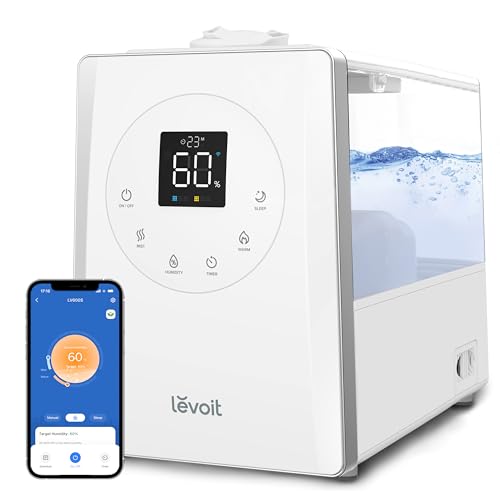
Levoit LV600S Hybrid Ultrasonic Humidifier
This top-rated humidifier combines warm and cool mist options, ideal for year-round use. Its 6-liter tank runs up to 36 hours, while the built-in hygrometer auto-adjusts humidity to your preset level (40–60% recommended). Quiet operation (under 28dB) and a sleep mode with dimmable lights make it perfect for bedrooms.
Dyson Purifier Humidify+ Cool PH2 De-Nox
Dyson’s UV-C technology kills 99.9% of bacteria in water, ensuring clean mist. Its bladeless design distributes moisture evenly, and the 10-speed settings include a “night mode” for whisper-quiet operation. Though pricey, its air purification benefits justify the cost for allergy sufferers.
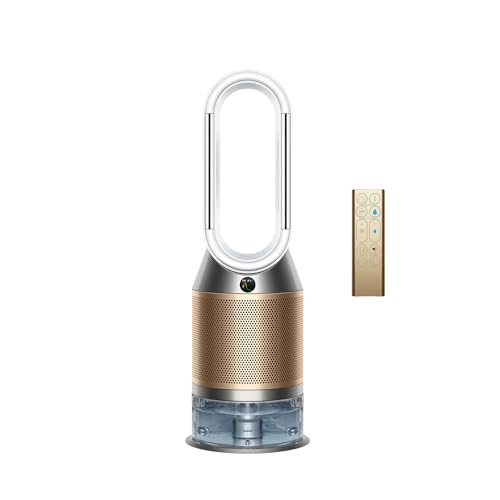
- Advanced air purification automatically captures 50% more NO₂.⁸
- Hygienically removes 99.9% of bacteria in the water.¹⁰
- Fully sealed, 3-stage HEPA H13 grade filtration captures 99.97% of particles as…
Honeywell Cool Mist Humidifier
A budget-friendly, low-maintenance pick with UV technology to inhibit mold growth. The 3-gallon tank covers medium-sized rooms, and its evaporative system avoids white dust. Easy-to-clean parts and a no-frills design make it reliable for nightly use without distractions.
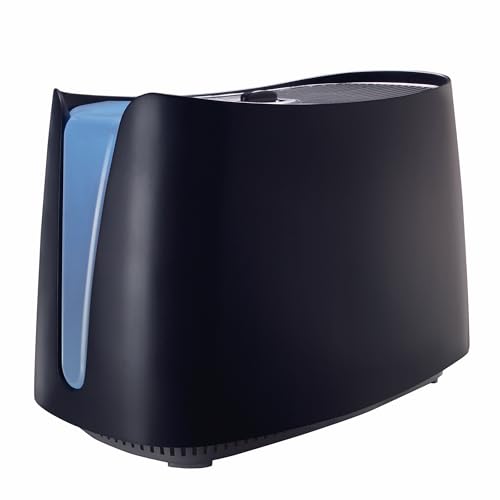
- Humidifier for bedroom: As the ideal baby humidifier, this device has a soft…
- Use with Honeywell filters – For best performance with these cool mist…
- Cleaner invisible moisture: this Honeywell cool air humidifier effectively…
How Humidity Levels Directly Impact Sleep Quality
The relationship between humidity and sleep is rooted in human physiology. Your respiratory system relies on moist air to function optimally—when humidity drops below 40%, nasal passages and throat tissues dry out, triggering a cascade of sleep disruptions.
This isn’t just about comfort; research from the National Sleep Foundation shows proper humidity reduces wakefulness by 25% by preventing these key issues:
- Airway irritation: Dry air causes microscopic cracks in mucous membranes, making you more susceptible to snoring (as tissues vibrate) or coughing fits that fragment sleep cycles.
- Dehydration: You lose 30–40% more water through breath in arid conditions, leading to midnight thirst wake-ups even if you drank enough fluids.
- Allergen circulation: Low humidity allows dust and pollen to remain airborne longer, exacerbating allergies that disrupt REM sleep.
The Science of Humidity and Body Temperature Regulation
Your body cools itself through sweat evaporation—a process humidity directly controls. In overly dry air (below 30%), sweat evaporates too quickly, tricking your brain into overheating.
Conversely, excessive humidity (above 60%) prevents evaporation, leaving you sticky and restless. The sweet spot of 40–60% RH (relative humidity) balances these effects by:
- Allowing gradual sweat evaporation to maintain core temperature drops needed for deep sleep (studies show ideal sleep occurs at 60–67°F/15–19°C).
- Preventing dry throat-induced micro-awakenings, which the Journal of Clinical Sleep Medicine links to reduced next-day alertness.
Real-World Example: Seasonal Humidity Swings
Winter heating systems can slash indoor humidity to desert-like 20% levels—explaining why cold months often bring worse sleep. A humidifier adds moisture back, while summer’s muggy air (70%+ RH) may require a dehumidifier-humidifier combo unit (like the Levoit LV600HH) to hit the ideal range. Test humidity nightly with a hygrometer (under $15) to track adjustments.
Pro Tip: Place your humidifier 3–5 feet from the bed—close enough to benefit airflow but far enough to avoid direct mist condensation on bedding, which can breed dust mites.
Choosing the Right Type of Humidifier for Sleep Optimization
Not all humidifiers work equally well for sleep enhancement. The three main types – ultrasonic, evaporative, and warm mist – each have distinct advantages and drawbacks that affect their sleep-promoting capabilities. Understanding these differences is crucial for matching the technology to your specific needs.
Ultrasonic Humidifiers: The Silent Sleep Aid
Ultrasonic models like the Levoit LV600HH use high-frequency vibrations to create an ultra-fine mist, operating at near-silent levels (typically under 30dB). This makes them ideal for light sleepers, but they require distilled water to prevent mineral dust dispersion. Key sleep benefits include:
- Adjustable mist output allows precise humidity control throughout the night
- Cool mist options won’t raise bedroom temperature like warm mist models
- Built-in hygrometers in premium models automatically maintain ideal 40-60% RH
Evaporative vs. Warm Mist: Health Considerations
Evaporative humidifiers (like the Honeywell HCM-350) use wicking filters to add moisture, naturally limiting humidity to safe levels. While slightly noisier due to fan operation, they’re excellent for allergy sufferers as they:
- Don’t disperse minerals into the air (no white dust)
- Inhibit bacterial growth through the filter’s natural absorption
- Maintain more consistent humidity levels than basic ultrasonic models
Warm mist humidifiers boil water to create steam, killing microorganisms – ideal for cold climates but potentially dangerous in homes with children due to hot surfaces. The Vicks Warm Mist V745A includes a medicine cup for nighttime congestion relief.
Specialized Features for Sleep Enhancement
Look for these sleep-specific features when selecting a humidifier:
- Night mode with display dimming (found in Dyson AM10)
- Auto-shutoff when desired humidity is reached
- Large tank capacity (minimum 3L for 8 hours of operation)
- Directional mist outlets to avoid direct bedding moisture
Pro Tip: Pair your humidifier with a standalone hygrometer to verify humidity levels, as built-in sensors can sometimes be inaccurate by ±5% RH.
Advanced Humidifier Maintenance for Optimal Sleep Benefits
Proper humidifier maintenance directly impacts sleep quality by preventing microbial growth and mineral buildup that can trigger allergies or respiratory irritation. Follow these professional-grade maintenance protocols to ensure your humidifier enhances rather than disrupts sleep.
Daily and Weekly Cleaning Procedures
Microorganisms thrive in standing water, with studies showing bacterial counts can multiply by 10,000x in just 48 hours. Implement this cleaning schedule:
| Frequency | Procedure | Sleep Impact |
|---|---|---|
| Daily | Empty tank, rinse with hot water, and air dry completely | Prevents biofilm formation that can trigger nighttime coughing |
| Weekly | Deep clean with white vinegar (1:1 solution) or manufacturer-recommended cleaner | Eliminates mineral deposits that reduce mist output efficiency |
| Monthly | Replace wick filters (evaporative models) or demineralization cartridges | Maintains optimal airflow and prevents musty odors that disrupt sleep |
Water Quality Considerations
The type of water used affects both humidifier performance and air quality. Consider these options:
- Distilled water: Completely mineral-free, ideal for ultrasonic models (prevents white dust)
- Demineralized water: Affordable alternative that reduces (but doesn’t eliminate) mineral content
- Tap water with additives: Some models (like Dyson AM10) can use tap water with built-in UV sterilization
Seasonal Maintenance Adjustments
Humidifier needs change with seasons:
- Winter: Increase cleaning frequency due to higher usage (every 2-3 days for heavy use)
- Summer: Store properly if not in use – empty completely and disinfect before storage
- Pollen season: Add extra pre-filters for evaporative models to capture allergens
Expert Tip: The Asthma and Allergy Foundation of America recommends replacing entire humidifier units every 3-5 years, as microscopic cracks in reservoirs become impossible to fully sanitize over time.
Optimizing Humidifier Placement and Usage for Maximum Sleep Benefits
Strategic humidifier placement and operation can make the difference between noticeable sleep improvement and wasted effort. These professional recommendations account for airflow dynamics, room characteristics, and sleep physiology to maximize results.
Room-Specific Placement Guidelines
Where you position your humidifier significantly impacts moisture distribution and sleep quality:
- Bedside placement: Ideal for small bedrooms (under 150 sq ft), but maintain 3-4 feet distance from the bed to prevent localized over-humidification that can cause condensation on bedding
- Central location: For larger rooms, place near return air vents (if HVAC system exists) to facilitate even moisture distribution throughout the space
- Elevated position: Position on a 12-18″ high surface to prevent “pooling” of moisture near the floor where it’s less effective for breathing
Timing and Operation Strategies
Optimizing runtime requires understanding humidity’s cumulative effects:
- Pre-bedtime activation: Start humidifier 1-2 hours before sleep to achieve ideal RH levels by bedtime (most units take 60-90 minutes to stabilize room humidity)
- Overnight settings: Use auto-mode if available, or set to medium output (excessive mist can create condensation on windows)
- Morning protocol: Run for 30 minutes after waking to prevent sudden humidity drops that can cause dry throat rebound
Advanced Environmental Considerations
Room characteristics dramatically affect humidifier performance:
| Room Feature | Adjustment Needed | Sleep Impact |
|---|---|---|
| Carpeted floors | Reduce output by 10-15% (carpets retain moisture) | Prevents musty odors and dust mite proliferation |
| High ceilings (over 9 ft) | Increase output by 20% or use multiple units | Ensures adequate moisture reaches breathing zone |
| Frequent door opening | Position away from high-traffic areas | Maintains stable humidity despite air exchange |
Professional Tip: Combine your humidifier with a small circulating fan (set to low) to distribute moisture evenly without creating drafts that might disrupt sleep. The fan should point upward toward the ceiling for optimal air mixing.
Long-Term Health and Efficiency Considerations for Sleep-Optimized Humidification
Sustaining sleep benefits from humidifier use requires understanding the long-term health, efficiency, and technological factors that evolve over years of operation. These comprehensive guidelines address both immediate and cumulative effects of bedroom humidification.
Health Impact Analysis Over Extended Use
Chronic humidifier use presents unique considerations that differ from seasonal application:
| Duration | Potential Concern | Mitigation Strategy |
|---|---|---|
| 1-3 months | Mineral buildup in respiratory tract | Use distilled water or install reverse osmosis filter |
| 6-12 months | Biofilm development in hidden components | Quarterly professional-grade disinfection with hydrogen peroxide |
| 3+ years | Plastic degradation releasing VOCs | Replace unit with medical-grade materials (look for NSF certification) |
Energy Efficiency and Cost Analysis
Different humidifier types vary significantly in long-term operating costs:
- Ultrasonic models: Most energy-efficient (15-30W) but higher maintenance costs (frequent filter replacements)
- Evaporative units: Moderate energy use (35-50W) with predictable wick replacement schedules
- Warm mist humidifiers: Highest energy consumption (300-500W) but lowest maintenance requirements
The EPA estimates proper humidifier use can reduce winter heating costs by 4-6% through perceived warmth at lower temperatures.
Emerging Technologies and Future Trends
The humidification industry is evolving with sleep science advancements:
- Smart integration: New models sync with sleep trackers to adjust humidity based on sleep stage detection
- Nano-filtration: Advanced systems now remove particles down to 0.1 microns (including viruses)
- Biomimetic designs: Some units now replicate natural evaporation processes found in rainforest ecosystems
Environmental Note: Modern humidifiers use 40% less water than decade-old models through recirculation systems. Look for WaterSense certified units that meet EPA efficiency standards without compromising sleep benefits.
Safety Alert: The CDC recommends against using essential oil diffusers with humidifiers for sleep applications, as oil residues can degrade plastic components and create respiratory irritants over time.
Integrating Humidifiers with Other Sleep Optimization Systems
Maximizing sleep quality requires understanding how humidifiers interact with other environmental control systems in your bedroom.
HVAC System Coordination Strategies
Modern climate control systems can either complement or counteract humidifier benefits. Follow these integration protocols:
- Forced-air heating: Set furnace fan to “circulate” mode (15 min/hour) to distribute humidity evenly without creating drafts that disrupt sleep
- Smart thermostats: Program temperature drops (1-2°F) when humidity exceeds 50% to maintain thermal comfort balance
- Whole-house humidifiers: Supplement with bedroom unit set 5% higher to compensate for nighttime breathing moisture loss
Air Purifier Synergies and Conflicts
Combining air purifiers with humidifiers requires careful configuration:
| Purifier Type | Optimal Placement | Special Considerations |
|---|---|---|
| HEPA Filter | 3 feet from humidifier | Change filters 25% more frequently in humid environments |
| Ionic | Opposite side of room | Higher humidity reduces effectiveness by up to 40% |
| UV-C | Adjacent to humidifier | Can create ozone if placed too close to ultrasonic mist |
Smart Home Sleep Ecosystem Integration
Advanced integration techniques for tech-enhanced sleep environments:
- Sleep tracker synchronization: Newer humidifiers can increase output during detected REM sleep when breathing is most sensitive
- Circadian lighting systems: Program humidifiers to reduce output as morning light intensity increases
- White noise machines: Place at least 6 feet from humidifiers to prevent sound wave interference
Professional Tip: When using CPAP machines with humidifiers, maintain bedroom humidity at 45-50% to prevent condensation in tubing while avoiding nasal dryness. The American Academy of Sleep Medicine recommends separate hygrometers for CPAP and room air monitoring.
Warning: Steam humidifiers may trigger false alarms on some smart smoke detectors. Test your system by running the humidifier at maximum output for 30 minutes while monitoring detector responsiveness.
Advanced Performance Optimization and Risk Management for Sleep Humidifiers
To achieve peak sleep benefits from humidification while minimizing potential risks, implement these professional-grade optimization strategies developed through clinical sleep studies and HVAC engineering principles.
Precision Humidity Calibration Techniques
Standard humidistats often have ±5% accuracy margins – inadequate for sleep optimization. Follow this calibration protocol:
- Baseline measurement: Use a NIST-traceable hygrometer placed at pillow height for 24 hours
- Zonal mapping: Record humidity at 4 room locations (bedside, window, door, corner) to identify microclimates
- Dynamic adjustment: Program smart humidifiers to vary output based on time and outdoor conditions
| Sleep Stage | Optimal RH Range | Physiological Rationale |
|---|---|---|
| Sleep Onset | 45-50% | Facilitates nasal breathing transition from wakefulness |
| Deep Sleep | 50-55% | Supports parasympathetic nervous system activation |
| REM Sleep | 48-52% | Balances respiratory moisture needs with temperature regulation |
Comprehensive Risk Assessment Framework
Mitigate these identified risks through systematic monitoring:
- Microbial growth: Implement ATP bioluminescence testing monthly (target <50 RLU)
- Mineral exposure: Conduct air particle counts quarterly (shouldn’t exceed 500 µg/m³)
- Over-humidification: Install moisture sensors in walls (maintain wood moisture content <12%)
Quality Assurance Protocol
Establish these validation checks for sustained performance:
- Monthly output verification using graduated cylinder collection method
- Bi-annual professional inspection of electrical components and seals
- Annual sleep efficiency correlation analysis comparing humidifier data with sleep tracker metrics
Expert Insight: The Sleep Research Society recommends creating a humidity log correlating nightly settings with morning throat dryness scores (1-10 scale) to identify personal optimization points invisible to standard measurements.
Critical Warning: Never exceed 60% RH for more than 4 consecutive hours – this creates ideal conditions for dust mite population explosions (they reproduce 5x faster above this threshold).
Conclusion: Transform Your Sleep Through Optimal Humidification
As we’ve explored, humidifiers significantly improve sleep quality when used strategically – by maintaining 40-60% humidity, selecting the right type for your needs, and implementing proper placement and maintenance routines.
From understanding the physiological benefits for airway health to integrating with other sleep technologies, proper humidification creates an environment where restful sleep naturally follows. Remember that achieving sleep benefits requires more than just running a humidifier; it demands careful calibration, regular cleaning, and ongoing performance monitoring.
Take action tonight: Begin by measuring your bedroom’s humidity with a hygrometer, then gradually implement the optimization strategies covered. Your body will thank you with deeper, more restorative sleep within days. For lasting results, make humidifier maintenance part of your weekly routine – because quality sleep deserves this level of attention and care.
Frequently Asked Questions About Humidifiers and Sleep Quality
What’s the ideal humidity level for sleep and why?
The optimal range is 40-60% relative humidity. Below 40% dries out mucous membranes, causing irritation and snoring, while above 60% promotes mold growth.
Studies show 45-55% specifically helps regulate core body temperature during sleep cycles. Use a digital hygrometer (not analog) to monitor levels accurately, placing it at bedside height for most relevant readings.
How often should I clean my sleep humidifier?
Empty and rinse the tank daily with hot water, then perform a deep clean weekly using white vinegar or hydrogen peroxide. Ultrasonic models need more frequent cleaning (every 3-4 days) due to mineral buildup.
Always dry components completely before reassembly – moisture left for just 48 hours can grow dangerous biofilm according to CDC guidelines.
Can humidifiers help with sleep apnea or snoring?
While not a treatment, humidifiers can reduce symptoms by keeping airways moist. The American Sleep Association recommends warm mist humidifiers for apnea patients as the heated vapor better penetrates swollen tissues. Position the unit closer to your head (2-3 feet) and maintain 50-55% humidity for maximum benefit without condensation issues.
What type of water is safest for bedroom humidifiers?
Distilled water is ideal, especially for ultrasonic models, preventing mineral dust. If unavailable, use filtered water with a demineralization cartridge.
Tap water should be avoided unless your humidifier has UV sterilization (like Dyson models). Hard water accelerates mineral buildup by 300% according to EPA water quality studies.
How do I prevent white dust from my humidifier?
White dust comes from dissolved minerals in water. Solutions include:
1) Switching to distilled water
2) Using demineralization filters
3) Choosing an evaporative humidifier (like Honeywell HCM-350) that naturally filters minerals
4) Regular descaling with citric acid. The particles aren’t dangerous but can irritate allergies over time.
Are there any health risks from overnight humidifier use?
Potential risks include microbial growth (prevented by proper cleaning), mineral particle inhalation (avoided with distilled water), and over-humidification leading to mold.
The Cleveland Clinic recommends checking walls/windows for condensation weekly and using hygrometer alerts when humidity exceeds 60%. Those with asthma should consult their pulmonologist about ideal settings.
How much area can a bedroom humidifier effectively cover?
Most residential units cover 200-500 sq ft, but bedroom placement matters more than specs. For optimal sleep benefits:
1) Choose a unit rated for at least 50 sq ft larger than your room
2) Place it on a nightstand (not floor)
3) In large master bedrooms (over 300 sq ft), consider two smaller units placed symmetrically for even distribution.
Why does my humidifier make my room feel colder?
This occurs because evaporation is a cooling process. Solutions:
1) Use a warm mist humidifier (like Vicks V745A)
2) Position the unit away from beds or seating areas
3) Set your thermostat 1-2°F higher when humidity exceeds 50%
4) Place the humidifier near (not on) heating vents during winter months to pre-warm the mist slightly.