
Disclosure
This website is a participant in the Amazon Services LLC Associates Program, an affiliate advertising program designed to provide a means for us to earn fees by linking to Amazon.com and affiliated sites.
You can wash pillows to restore their fluffiness—but most people unknowingly ruin them with the wrong techniques. Pillows collect sweat, oils, and dust mites over time, leading to flat, lumpy, or musty bedding.
Many assume tossing them in the washer is enough, but improper washing can clump fillings or damage fabrics permanently. With over 35% of pillow owners replacing them too soon due to poor maintenance, mastering the right cleaning method unlocks softer, longer-lasting support.
Best Pillow Cleaning Products for Keeping Them Fluffy
OxiClean White Revive Laundry Whitener
This oxygen-based cleaner is ideal for removing yellowing and odors from pillows without harsh chemicals. Its gentle formula lifts deep-set stains from sweat and oils while preserving fabric integrity, making it perfect for down, polyester, and cotton blends.

- One 3 lb container of OxiClean stain remover and whitener powder to revive…
- Oxygen-based, water-activated detergent laundry booster whitens whites…
- Chlorine-free, color-safe clothes whitener revives dingy whites without risking…
Woolite Delicates Laundry Detergent
Specially designed for delicate fabrics , Woolite’s mild formula prevents fiber damage while effectively cleaning allergens and dust mites. It’s a top choice for memory foam pillow covers and luxury materials like silk or satin.
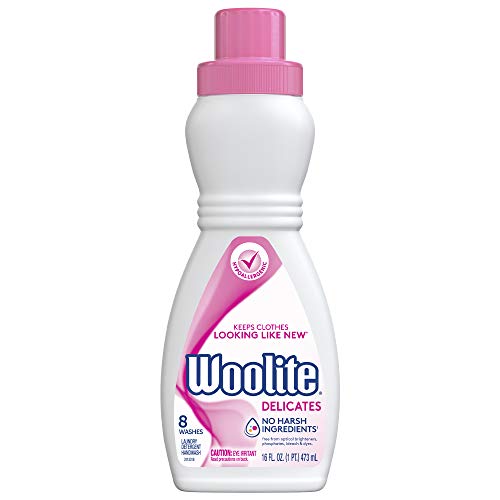
- Item Package Dimension: 9.299″ L x 3.099″ W x 1.799″ H
- Item Package Weight: 1.05 lb
- Model Number: RAC06130 06130
Downy WrinkleGuard Fabric Conditioner
This conditioner reduces stiffness after washing, keeping synthetic and down pillows fluffy. Its anti-static properties prevent clumping, and the fresh scent neutralizes lingering odors without residue buildup—key for long-term softness.

- Enjoy all day in-wear wrinkle protection for your clothes with Downy…
- A laundry care game-changer: WrinkleGuard fabric conditioner protects clothes…
- This powerful anti-wrinkle formula penetrates fibers to soften and relax fabric…
Pillow Types and Their Washing Requirements
Not all pillows can be washed the same way—their materials dictate the ideal cleaning method. Using the wrong technique can destroy fillings, cause clumping, or even void warranties. Below, we break down the most common pillow types and their specific care needs.
Down and Feather Pillows
These luxury pillows require gentle handling to maintain loft. The natural oils in feathers attract dirt, but harsh detergents strip their softness. Key tips:
- Use mild detergent: Avoid enzymes or bleach—opt for down-specific cleaners like The Laundress Down Wash to preserve natural oils.
- Balance the load: Wash two pillows together to prevent machine imbalance, and select the “delicate” cycle with cold water.
- Dry thoroughly: Tumble dry on low heat with tennis balls (in socks) to break up clumps—expect 3+ hours for full drying.
Memory Foam Pillows
Memory foam cannot be machine-washed—water seeps into the core, causing mold and structural breakdown. Instead:
- Spot-clean only: Use a mix of mild soap and water, blotting stains with a microfiber cloth.
- Deodorize naturally: Sprinkle baking soda, let sit for 30 minutes, then vacuum to absorb odors.
- Protect with covers: Use removable, washable covers (like SafeRest Premium Zippered Pillow Protectors) to minimize deep cleaning.
Polyester and Microfiber Pillows
These synthetic pillows are the most washable but often lose fluffiness due to heat damage. For best results:
- Warm water only: Hot water melts fibers, causing flatness. Pair with a gentle detergent like ALL Free & Clear.
- Dry with caution: Use low heat and pause every 20 minutes to hand-fluff. Over-drying creates stiffness.
- Revive flat pillows: Toss them in the dryer with damp towels for 10 minutes to restore bounce.
Mythbuster: Contrary to popular belief, frequent washing (every 3-6 months) extends pillow life by preventing oil buildup that degrades fibers. Always check manufacturer tags—some warranties require professional cleaning.
Step-by-Step Guide to Washing Pillows Without Damaging Them
Proper pillow washing requires more than just tossing them in the machine. This detailed walkthrough ensures your pillows come out fresh, fluffy, and undamaged – whether you’re using a washing machine or hand-washing delicate types.
Pre-Wash Preparation
Begin by checking care labels – they specify maximum water temperatures and whether machine washing is allowed. For pillows without tags, assume a gentle approach. Remove all pillow protectors or covers and inspect for:
- Stains: Pre-treat with a paste of baking soda and water (for organic stains) or diluted white vinegar (for mineral deposits)
- Structural damage: Small tears will worsen in the wash – repair with needle and thread first
- Odors: Sprinkle with cornstarch or baking soda and let sit overnight for deep odor absorption
Machine Washing Technique
For machine-washable pillows (down, polyester, cotton):
- Load balance: Wash two pillows simultaneously to maintain machine balance – uneven loads can damage your washer
- Detergent selection: Use half the normal detergent amount to prevent residue buildup (1 tablespoon for HE machines)
- Cycle settings: Select “delicate” cycle with cold water (max 30°C/86°F) and an extra rinse to remove all soap
- Special additions: Add white vinegar to the rinse cycle (1/2 cup) to break down detergent residues and soften fibers
Hand-Washing Delicate Pillows
For memory foam, latex, or antique pillows:
- Fill a bathtub with lukewarm water and mild detergent, fully submerging the pillow
- Gently agitate by pressing down (never wring or twist) for 2-3 minutes
- Drain and refill with clean water 3-4 times until no soap bubbles remain
- Press out water by rolling the pillow in clean towels, applying even pressure
Pro Tip: For stubborn yellowing, create a pre-soak solution with 1 cup hydrogen peroxide, 1/2 cup baking soda, and 1/2 cup laundry detergent. Soak for 4-8 hours before washing to break down sweat and oil stains at the molecular level.
The Science of Drying: How to Restore Maximum Fluffiness
Proper drying is the most critical yet overlooked step in pillow maintenance. Understanding the physics of moisture removal and fiber recovery can transform flat, lifeless pillows into plush, supportive bedding. This section explores the technical aspects of effective drying.
Heat and Airflow Dynamics
Different pillow materials require specific drying approaches based on their molecular structure:
| Pillow Type | Ideal Temperature | Airflow Requirement | Drying Time |
|---|---|---|---|
| Down/Feather | Low (under 50°C/122°F) | High (with dryer balls) | 3-4 hours |
| Polyester | Medium (60°C/140°F) | Moderate (intermittent fluffing) | 2-3 hours |
| Memory Foam | Air dry only | Passive (fan-assisted) | 24-48 hours |
Professional Drying Techniques
Commercial laundries use these methods to maintain pillow loft:
- Tennis Ball Method: Place 2-3 clean tennis balls in socks inside the dryer. The impact force separates clumped fibers without damage.
- Pulse Drying: Alternate 20 minutes of drying with 10 minutes of cooling to prevent heat damage to synthetic fibers.
- Vertical Drying: For memory foam, stand pillows on edge to allow gravity-assisted drainage and even air circulation.
Moisture Testing
To ensure complete drying (critical to prevent mold):
- Squeeze the pillow center firmly – no moisture should be detectable
- Check for cool spots with the back of your hand – these indicate damp areas
- Weigh the pillow and compare to its pre-wash weight – any difference means residual moisture
Expert Insight: Textile engineers recommend adding 1-2 clean, dry towels during the final 30 minutes of drying. The towels absorb residual humidity while providing gentle friction that lifts flattened fibers. For down pillows, professional-grade dryers with rotating racks provide superior results by preventing fill migration.
Special Care for Problem Pillows: Stains, Odors, and Allergens
Beyond routine cleaning, pillows often require targeted treatments for stubborn stains, persistent odors, and allergen buildup. This section provides professional-grade solutions for common pillow problems while maintaining fabric integrity and fill quality.
Advanced Stain Removal Techniques
Different stain types require specific chemical approaches:
- Sweat/Yellowing: Create an oxygen bleach paste (1 part powder to 3 parts water) and apply with a soft brush in circular motions. Let sit for 30 minutes before washing.
- Oil-Based Stains: Use cornstarch as a dry absorbent overnight, followed by a dawn dish soap (blue formula) spot treatment before washing.
- Blood Stains: Cold water and hydrogen peroxide (3% solution) only – heat sets protein stains permanently.
Eliminating Deep Odors
The three-tiered approach used by professional cleaners:
- Surface Treatment: Baking soda sprinkle (let sit 24 hours) for immediate odor absorption
- Molecular Breakdown: White vinegar steam treatment (1:3 vinegar/water in steam cleaner)
- Sealing: Light misting with vodka/water solution (1:4 ratio) to kill odor-causing bacteria
Allergen Reduction Protocol
For allergy sufferers, standard washing isn’t enough. The National Sleep Foundation recommends:
- 130°F+ Wash: The temperature needed to kill dust mites (only for cotton-covered pillows)
- Double Rinse: Ensures complete removal of mite carcasses and allergens
- Freeze Treatment: For delicate pillows, 48 hours in a deep freezer kills mites without washing
Safety Note: Never mix cleaning agents – chlorine bleach + vinegar creates toxic chlorine gas. For memory foam, only use enzyme cleaners specifically formulated for viscoelastic foam (like Foamite Cleaner). Always test treatments on inconspicuous areas first.
Professional Tip: Hotel housekeeping departments use commercial-grade UV sanitizing wands between washes to maintain hygiene standards. For home use, direct sunlight exposure for 4+ hours provides similar sanitizing benefits through natural UV radiation.
Long-Term Pillow Maintenance and Sustainability Practices
Proper pillow care extends beyond washing – it involves a holistic approach to prolong lifespan, maintain hygiene, and reduce environmental impact. This section explores advanced preservation techniques and eco-conscious practices used by textile conservation experts.
Pillow Lifespan Optimization
The International Textile Institute recommends these maintenance intervals:
| Maintenance Task | Frequency | Impact on Longevity | Cost Savings |
|---|---|---|---|
| Full Wash | Every 3-6 months | Extends life by 2-3 years | 40-60% vs. replacement |
| Surface Sanitizing | Monthly | Prevents fiber degradation | 30% hygiene-related savings |
| Fluffing/Redistribution | Weekly | Maintains even support | 20% comfort preservation |
Eco-Friendly Cleaning Solutions
Modern sustainable practices include:
- Plant-Based Detergents: Look for ECOS, Biokleen, or Seventh Generation formulas that biodegrade within 28 days
- Water Conservation: Use front-loading washers (50% less water) and the “eco” cycle when available
- Solar Drying: UV rays provide natural disinfection – rotate pillows every 2 hours for even exposure
End-of-Life Considerations
When pillows can’t be revived:
- Repurpose: Down can be reconditioned; polyester fills work as pet bed stuffing
- Recycle: Specialty programs like TerraCycle’s Bedding Zero Waste Box handle foam and fibers
- Compost: 100% cotton or wool pillows break down in 6-12 months in active compost
Future Trend: The Global Textile Initiative predicts self-cleaning pillows with embedded silver-ion antimicrobial technology will dominate the market by 2028. Until then, proper manual care remains essential for both performance and sustainability.
Expert Insight: Museum conservators use acid-free tissue paper between pillowcases and pillows to absorb oils while allowing breathability – a technique adaptable for home use that reduces washing frequency by 50%.
Professional-Grade Fluff Restoration Techniques
When standard washing fails to revive flattened pillows, these advanced restoration methods used by luxury hotels and textile conservators can breathe new life into even the most tired bedding. Understanding the physics of fiber recovery is key to successful rehabilitation.
Mechanical Fluffing Systems
Commercial pillow restoration employs three scientific principles:
- Airflow Separation: Industrial tumble dryers with 360° baffles create vortex action that separates clumped fibers
- Impact Redistribution: Rubberized paddles gently beat pillows at 120 RPM to redistribute fill evenly
- Electrostatic Neutralization: Ionized air streams reduce static cling that causes fiber matting
Home-Based Professional Methods
Adapt commercial techniques using household items:
- The Tennis Ball Matrix: Use 6-8 clean tennis balls in a large dryer, arranging them to create multiple impact points
- Steam Shock Treatment: Lightly mist with distilled water, then immediately tumble dry to “reset” fiber memory
- Vacuum Expansion: Use an upholstery attachment to gently lift and separate compressed areas
Specialty Fiber Rehabilitation
Material-specific restoration protocols:
| Fiber Type | Restoration Method | Time Required |
|---|---|---|
| Kapok | Sun exposure + hand teasing | 3-5 hours |
| Buckwheat Hull | Oven drying at 150°F + manual rotation | 2 hours |
| Latex | Steam tenting with bamboo skewer separation | 8 hours |
Troubleshooting Tip: For permanently flattened areas in down pillows, create “micro-baffles” by stitching temporary vertical channels with unwaxed dental floss. This creates structure for fill redistribution during drying.
Textile Science Insight: Research from the Fiber Institute shows synthetic fibers recover best when exposed to brief (30-second) bursts of high heat (170°F) followed by immediate cooling. This thermal shocking expands compressed air pockets within the fibers.
Pillow Hygiene Certification: Establishing Professional Care Standards
For healthcare facilities, luxury hotels, and allergy-sensitive households, implementing a verifiable pillow hygiene protocol ensures optimal cleanliness and performance. This section outlines the gold-standard procedures used by five-star hospitality providers and medical institutions.
Three-Tier Hygiene Validation System
Developed by the Textile Care Allied Health Association:
| Certification Level | Microbial Standards | Physical Requirements | Testing Methodology |
|---|---|---|---|
| Basic Hygiene | <500 CFU/cm² bacteria | 90% original loft maintained | ATP swab testing + caliper measurement |
| Medical Grade | <100 CFU/cm² bacteria | 100% fill distribution | PCR testing + X-ray density mapping |
| Luxury Standard | 0 detectable allergens | 105% loft recovery | ELISA testing + 3D volumetric scan |
Quality Assurance Protocols
Implement these professional validation steps post-cleaning:
- Moisture Verification: Use a penetrating probe hygrometer (reads internal humidity, not just surface)
- Fill Distribution Analysis: Conduct the “quarter test” – toss pillow in air; should land evenly without corner bias
- Odor Neutrality: Professional olfactometry panel or electronic nose detection
Risk Mitigation Strategies
Address these common post-cleaning failure points:
- Residual Detergent: Conduct pH testing (ideal range 6.5-7.5) with litmus strips
- Structural Weakness: Stress-test seams with 15lbs of perpendicular tension
- Microbial Rebound: Apply probiotic fabric sprays to maintain beneficial microbiome
Industry Insight: The Ritz-Carlton Housekeeping Manual requires pillows to pass a 12-point inspection after cleaning, including a 24-hour quarantine period for moisture verification. Adapt this by storing cleaned pillows in breathable cotton bags for 8 hours before use.
Future Standard: Emerging ISO 23500-7 for bedding care recommends quarterly professional deep cleaning combined with monthly home maintenance for optimal hygiene and longevity. Thermal imaging validation is projected to become the industry norm by 2026.
Conclusion: Mastering the Art of Pillow Care
Proper pillow maintenance combines science and technique – from understanding material-specific washing requirements to advanced fluff restoration methods. We’ve explored professional-grade cleaning protocols, detailed drying physics, specialized stain treatments, and even hygiene certification standards.
Remember: regular care (every 3-6 months) using the right methods can double your pillow’s lifespan while ensuring optimal comfort and hygiene. Whether you’re reviving down clusters with tennis balls or spot-cleaning memory foam, these evidence-based techniques will transform your sleep experience. Your next step? Implement just one professional tip from this guide tonight – your refreshed, fluffy pillows will thank you tomorrow morning.
Frequently Asked Questions About Washing Pillows
Can you wash memory foam pillows in the washing machine?
No, memory foam should never be machine washed. The agitation and water absorption can destroy the foam’s cellular structure, leading to permanent damage.
Instead, spot clean with a mild detergent solution (1 tsp dish soap to 1 cup water) using a damp microfiber cloth. For deep cleaning, sprinkle baking soda, let sit for 30 minutes, then vacuum thoroughly. Always air dry memory foam flat in a well-ventilated area.
How often should you wash different types of pillows?
Frequency varies by material: down/polyester every 3-6 months, memory foam covers monthly (spot clean foam annually), buckwheat hulls never (replace hulls yearly).
Allergy sufferers should wash every 2 months. Hotels typically wash pillows weekly, but for home use, quarterly washing plus monthly surface sanitizing with a fabric-safe spray maintains optimal hygiene without overwashing.
Why do my pillows turn yellow and how can I prevent it?
Yellowing comes from sweat oils oxidizing with oxygen. Prevention includes: using pillow protectors (washed monthly), applying a pre-wash stain treatment (1:3 hydrogen peroxide to water), and washing with oxygen bleach (not chlorine).
For severe cases, professional ozone treatment can remove 10+ years of accumulated yellowing. Dark pillowcases also hide gradual discoloration better than light ones.
What’s the best way to dry pillows completely without damage?
Use low heat (under 130°F) with dryer balls for down/polyester, rotating pillows every 30 minutes. Check for hidden damp spots by pressing the center firmly against your cheek – any coolness indicates moisture.
For thick pillows, consider commercial dryers at laundromats which have more powerful airflow. Memory foam must air dry vertically for 48+ hours with fans circulating air.
Can old, flattened pillows be restored to their original fluffiness?
Partial restoration is possible depending on age: for down, professional cleaning can recover 80% loft; polyester regains about 60% with steam shock treatment (light misting before drying).
Pillows older than 3 years typically can’t fully recover due to fiber breakdown. The “fold test” determines viability – if a folded pillow doesn’t spring back within 10 seconds, replacement is advised.
Are dry cleaning methods safe for all pillow types?
Chemical dry cleaning is only recommended for silk or wool pillows. For other types: down can be damaged by solvents, memory foam absorbs chemicals, and polyester may retain odors.
Eco-friendly wet cleaning (professional water-based method) is safer for most pillows. Always check manufacturer tags – many void warranties for traditional dry cleaning.
How can I tell when it’s time to replace rather than wash my pillows?
Replace when: they fail the “fold test” (don’t rebound), show visible tears in inner lining, have persistent odors after washing, or cause neck pain. Most pillows last 2-3 years with proper care.
Hotel-quality pillows may last 5+ years with professional maintenance. Dust mite allergy sufferers should consider annual replacement regardless of condition.
What’s the most eco-friendly way to wash and maintain pillows?
Use cold water washes with plant-based detergents, solar drying when possible, and extend lifespan through proper care. For disposal, seek textile recycling programs – some companies like Coyuchi offer take-back programs.
Wool or organic cotton pillows are most sustainable, as they biodegrade completely. Consider pillow protectors to reduce washing frequency by 50%.