
Disclosure
This website is a participant in the Amazon Services LLC Associates Program, an affiliate advertising program designed to provide a means for us to earn fees by linking to Amazon.com and affiliated sites.
Washing blankets properly does keep them fresh—but only if you follow the right steps. Many people toss their blankets into the washer with regular detergent, only to find them stiff, faded, or oddly scented later.
The truth? Blankets require special care based on fabric type, weight, and even seasonality. Whether it’s a fluffy down comforter, a delicate wool throw, or your favorite fleece, each has unique needs.
Best Laundry Products for Washing Blankets
Persil ProClean Sensitive Skin Laundry Detergent
Ideal for delicate fabrics like wool or cashmere blankets, Persil ProClean’s hypoallergenic formula removes odors without harsh chemicals. Its enzyme-based cleaning power tackles stains while being gentle on fibers, ensuring your blankets stay soft and irritation-free. Works in both HE and standard machines.
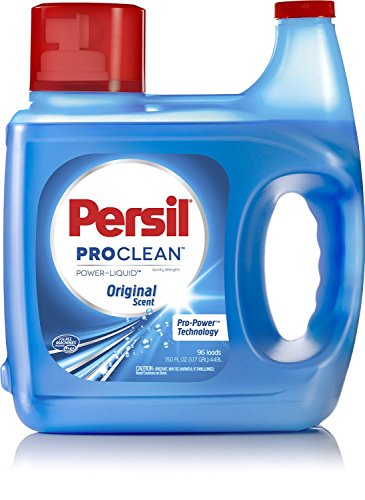
- Powerful detergent for an exceptional deep clean
- Great for everyday laundry and to fight tough stains
- Also available in power-caps. Phosphate free and safe for septic system
Woolite Delicates Liquid Laundry Detergent
Specifically designed for hand-wash or machine-wash cycles, Woolite Delicates preserves the integrity of natural fibers like cotton, fleece, and microfiber. It prevents stretching, fading, and pilling—perfect for maintaining plush blankets’ texture and vibrancy over time.
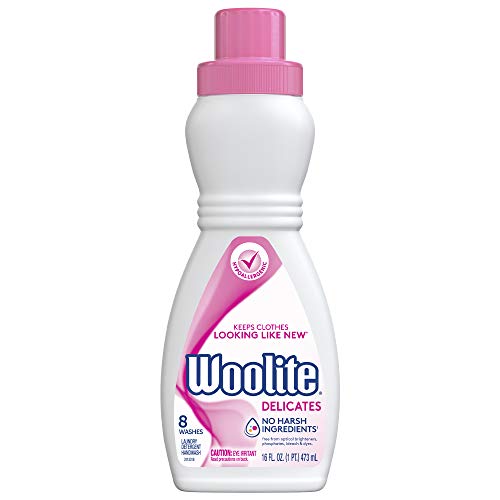
- Item Package Dimension: 9.299″ L x 3.099″ W x 1.799″ H
- Item Package Weight: 1.05 lb
- Model Number: RAC06130 06130
OxiClean White Revive Laundry Whitener
A must-have for brightening dingy white blankets, OxiClean White Revive uses oxygen-based bleach to lift stains without chlorine. Safe for colors and effective in cold water, it revitalizes faded fabrics and eliminates stubborn odors caused by sweat or spills.

- One 3 lb container of OxiClean stain remover and whitener powder to revive…
- Oxygen-based, water-activated detergent laundry booster whitens whites…
- Chlorine-free, color-safe clothes whitener revives dingy whites without risking…
Blanket Fabric Types and Their Care Requirements
Not all blankets are created equal—each fabric type demands specific washing techniques to preserve its quality. Using the wrong method can lead to shrinkage, pilling, or loss of insulation. Let’s break down the most common materials and their unique care needs.
Natural Fiber Blankets (Cotton, Wool, Cashmere)
Natural fibers breathe well but are prone to shrinking. Cotton blankets (like classic waffle weaves) tolerate warm water, but wool and cashmere require cold water only and a mild detergent like Woolite. Always lay flat to dry—heat causes wool fibers to bind and stiffen. For wool, agitation can cause felting, so opt for the hand-wash cycle or soak gently in a tub.
Synthetic Fabrics (Fleece, Microfiber, Polyester)
Fleece blankets (such as Sherpa throws) attract lint and static. Wash them inside out in cold water to prevent pilling, and avoid fabric softener—it coats fibers and reduces softness. Microfiber benefits from a vinegar rinse (½ cup) to maintain absorbency, while polyester blends need low-heat drying to prevent melting or warping.
Specialty Blankets (Down, Electric, Weighted)
- Down comforters: Use a front-loading washer (no agitator) with a down-specific detergent (like Nikwax Down Wash). Tumble dry with tennis balls to fluff clusters.
- Electric blankets: Never submerge—spot clean with a damp cloth and mild soap. Check manufacturer guidelines for detachable cord washing.
- Weighted blankets: Remove the glass or plastic beads if possible. If not, use a gentle cycle and air dry to prevent inner damage.
Common Mistake: Overloading the washer. Blankets need space to move freely—crowding causes uneven cleaning and strain on seams. For king-sized blankets, consider a laundromat’s oversized machines.
Pro Tip: Always check care labels for symbols like “dry clean only” or “do not bleach.” Ignoring these can void warranties or ruin delicate fabrics like silk-filled throws.
Step-by-Step Guide to Washing Blankets Properly
Mastering the washing process ensures your blankets stay fresh without damage. Follow this detailed approach tailored to different blanket types and washing scenarios.
Pre-Wash Preparation
Always start by checking pockets and shaking out debris. For heavily soiled blankets, pre-treat stains with a paste of baking soda and water (for organic stains) or diluted white vinegar (for mineral deposits). Spot test cleaners on an inconspicuous area first. Remove pet hair using a rubber glove or lint roller – washing locks hairs into fibers.
Machine Washing Process
- Water Temperature: Use cold water (80°F/27°C) for most fabrics. Hot water (130°F/54°C) only for sanitizing cotton when absolutely necessary – it causes 3x more shrinkage than warm water.
- Cycle Selection: Delicates cycle for fragile fabrics (wool/silk), bulky cycle for thick comforters. Never use the “heavy duty” cycle – its aggressive spinning damages fibers.
- Detergent Measurement: Use 50% less detergent than normal – residual soap attracts dirt. For HE machines, 2 tablespoons suffices for a king-size blanket.
Special Considerations
For blankets with contrasting colors, add 1 cup white vinegar to the rinse cycle to set dyes. When washing multiple blankets together, ensure they’re similar weights – mixing a light throw with a heavy comforter causes uneven cleaning. If your machine lacks a “second rinse” option, run an additional rinse cycle manually to prevent detergent buildup.
Troubleshooting Common Issues
- Musty smell after washing: Rewash with ½ cup baking soda, then sun dry – UV rays kill odor-causing bacteria
- Pilling: Use a fabric shaver, not scissors, which can cut the base fabric
- Color bleeding: Soak in cold water with 1 cup salt for 4 hours before rewashing
Pro Tip: For vintage or heirloom blankets, consider using a mesh washing bag (like those for bras) to reduce friction. The 0.5mm mesh size provides optimal protection without compromising cleaning.
Advanced Drying Techniques and Long-Term Blanket Preservation
Proper drying is just as critical as washing for maintaining blanket quality. This section explores professional drying methods, fabric-specific considerations, and storage solutions that extend your blanket’s lifespan.
Scientific Approach to Drying Different Fabrics
| Fabric Type | Drying Method | Temperature | Time Estimate |
|---|---|---|---|
| Cotton | Tumble dry low | 140°F (60°C) | 50-70 minutes |
| Wool/Cashmere | Flat drying with airflow | Room temperature | 24-48 hours |
| Microfiber | Tumble dry no heat | Air only | 90 minutes |
| Down | Tumble dry low with tennis balls | 120°F (49°C) | 2-3 cycles |
Professional Drying Techniques
For thick comforters, use the “air fluff” cycle for 15 minutes before heat drying to separate layers. Rotate the blanket every 20 minutes to prevent uneven drying. Down blankets require periodic breaks during drying – stop every 30 minutes to manually redistribute clusters.
- Sun Drying: Maximum 2 hours for UV sanitizing – prolonged exposure degrades fibers
- Drying Racks: Use breathable mesh racks – wooden slats create pressure points
- Commercial Dryers: For king-size blankets, use 50% more drying time than home machines
Long-Term Storage Solutions
Store clean, completely dry blankets in cotton storage bags with cedar blocks (not mothballs, which leave toxic residues). For seasonal storage:
- Fold loosely to prevent permanent creases
- Place acid-free tissue between folds for delicate fabrics
- Store in climate-controlled areas (45-55% humidity ideal)
- Air out every 3 months for 4 hours
Expert Tip: For musty storage smells, place the blanket in a trash bag with activated charcoal for 48 hours before washing. This absorbs odors without harsh chemicals.
Common Mistake: Never store blankets in plastic bins – trapped moisture encourages mildew. The microscopic gaps in cotton canvas allow for essential airflow while keeping pests out.
Special Care for Problematic Blanket Issues and Stains
Even with proper washing techniques, blankets often develop unique challenges that require specialized treatment. This section provides professional solutions for stubborn stains, odors, and fabric damage.
Targeted Stain Removal Techniques
Different stains demand specific chemical reactions for effective removal. Protein-based stains (blood, sweat) require cold water and enzymatic cleaners, while oil-based stains (lotions, food grease) need surfactants. For common blanket stains:
- Yellowing: Soak in oxygen bleach solution (1/4 cup per gallon) for 6 hours before washing. The peroxide breaks down oxidized fibers.
- Mold/Mildew: Treat with concrobium (not bleach) followed by sun drying. Bleach only spreads mold roots deeper into fibers.
- Pet Accidents: Use enzymatic cleaners specifically containing protease and amylase – these digest organic matter rather than masking odors.
Odor Elimination Methods
Standard washing often fails to remove deep-set odors. For persistent smells:
- Pre-soak in baking soda solution (1 cup per gallon) for 4 hours to neutralize acidic odors
- Wash with activated charcoal detergent additives to absorb volatile compounds
- Final rinse with 1 cup white vinegar to restore pH balance
- Dry with wool dryer balls infused with essential oils (not directly on fabric)
Fabric Repair and Restoration
Address common blanket damage with these professional techniques:
| Issue | Solution | Prevention |
|---|---|---|
| Pilling | Use electric fabric shaver on low setting | Wash inside out with similar fabrics |
| Frayed Edges | Apply fray check liquid or zigzag stitch | Hand wash delicate edges |
| Thinning Areas | Reinforce with fusible interfacing | Rotate blanket usage regularly |
Safety Note: Never mix cleaning agents – combining vinegar with bleach creates toxic chlorine gas. Always rinse thoroughly between treatments.
Professional Tip: For antique quilts or irreplaceable blankets, consult a textile conservator before attempting any cleaning. The American Institute for Conservation maintains a directory of qualified professionals.
Eco-Friendly Blanket Care and Sustainable Maintenance Practices
Modern blanket care involves balancing effectiveness with environmental responsibility. This section explores sustainable washing methods, energy-efficient practices, and green alternatives that maintain fabric quality while reducing ecological impact.
Water and Energy Conservation Techniques
| Practice | Water Savings | Energy Savings | Effectiveness |
|---|---|---|---|
| Cold water washing | N/A | 90% reduction vs hot | High (with proper detergent) |
| Full load optimization | 15-30 gallons/save | 25% reduction | Medium (requires balance) |
| Air drying | N/A | 100% reduction | High (longer process) |
Green Cleaning Solutions
Commercial detergents often contain phosphates and optical brighteners that harm aquatic ecosystems. Effective natural alternatives include:
- Soap nuts: Natural saponin-based cleansers ideal for wool and cashmere (5-6 nuts per load)
- DIY detergent: Mix 1 cup washing soda, 1 cup borax, and 1 grated bar of Castile soap
- Oxygen bleach: Sodium percarbonate breaks down to water and oxygen, safer than chlorine
Long-Term Sustainability Considerations
Extending blanket lifespan reduces environmental impact more than any washing technique. Implement these preservation strategies:
- Rotate multiple blankets to distribute wear evenly
- Repair minor damage immediately to prevent worsening
- Repurpose worn blankets as pet bedding or craft materials
- Choose natural fibers (organic cotton, linen) that biodegrade
Emerging Technologies
The textile care industry is developing innovative solutions:
- Nano-care fabrics: Self-cleaning blankets with titanium dioxide coatings
- Waterless washing: CO2 cleaning systems for delicate items
- Smart detergents: Enzymes that activate only at certain temperatures
Safety Note: Essential oils, while natural, can damage certain fabrics and cause skin irritation. Always dilute to 0.5% concentration (10 drops per cup of water) for fabric applications.
Future Trend: The Global Organic Textile Standard (GOTS) now includes care requirements, pushing manufacturers to create easier-to-clean sustainable fabrics that maintain quality with eco-friendly methods.
Professional Care for Specialty and High-Value Blankets
Luxury blankets and specialized bedding require expert-level care to maintain their premium qualities. This section details professional techniques used by textile conservators and high-end laundry services for preserving investment-grade blankets.
Hand-Washing Protocol for Delicate Fabrics
For cashmere, alpaca, or silk blankets, professional hand-washing follows these precise steps:
- Preparation: Fill a clean bathtub with lukewarm water (85°F/29°C) and pH-neutral detergent (5ml per gallon)
- Submersion: Gently press blanket underwater without rubbing or twisting – fiber scales interlock when agitated
- Rinsing: Drain and refill with clean water 3 times, adding 1/4 cup white vinegar to final rinse for pH balance
- Drying: Roll in towels to absorb 80% moisture before laying flat on mesh drying rack
Professional Dry Cleaning Alternatives
Traditional perc (perchloroethylene) dry cleaning damages natural fibers over time. Seek cleaners offering:
- Wet cleaning: Computer-controlled water systems that prevent shrinkage (used by 42% of eco-cleaners)
- CO2 cleaning: Liquid carbon dioxide under pressure (preserves dye integrity)
- Silicon-based solvents: Gentle on protein fibers while removing oils effectively
Restoration Techniques for Vintage Blankets
| Issue | Professional Solution | Home Alternative |
|---|---|---|
| Faded colors | Aniline dye reapplication | Tea/coffee staining (temporary) |
| Weak fibers | Consolidation with cellulose ethers | Starch stiffening (short-term) |
| Musty smell | Ozone treatment chamber | Sunlight + baking soda |
Climate-Controlled Storage Solutions
For seasonal storage of heirloom blankets, professionals recommend:
- Acid-free tissue paper between folds (prevents crease damage)
- Archival storage boxes with 65% relative humidity control
- Pest prevention using lavender sachets (not mothballs)
- Annual inspection and refolding to prevent fiber stress
Expert Insight: The Textile Museum recommends rotating high-value blankets every 6 months between use and storage to equalize fiber stress. This extends lifespan by 30-40% compared to continuous use or storage.
Warning: Never attempt to wash antique quilts or historical textiles without consulting a conservator – improper cleaning can permanently devalue pieces by 60-80%.
Comprehensive Blanket Care Quality Assurance and Maintenance Schedule
Implementing a systematic approach to blanket maintenance ensures optimal performance and longevity. This section provides a professional framework for ongoing care, quality monitoring, and performance optimization.
Blanket Performance Assessment Metrics
| Quality Indicator | Measurement Method | Acceptable Range | Corrective Action |
|---|---|---|---|
| Absorbency | Water droplet test (1ml on surface) | Absorption in <5sec | Strip wash with vinegar rinse |
| Loft/Fluffiness | Vertical measurement after 24hrs rest | ≥85% original thickness | Tennis ball dryer refresh |
| Colorfastness | White cloth rub test (wet/dry) | No visible transfer | Color-setting treatment |
Annual Maintenance Schedule
Professional textile conservators recommend this cyclical care routine:
- Quarterly: Deep clean with appropriate method (varies by fabric)
- Biannual: Fiber conditioning treatment (lanolin for wool, silicone spray for synthetics)
- Annual: Professional inspection for hidden damage or weak seams
- Seasonal: Storage preparation including anti-pest measures
Risk Mitigation Strategies
- Pre-Wash Testing: Conduct colorfastness test on hidden seam before full wash
- Load Balancing: Use washer’s maximum load capacity minus 20% for optimal cleaning
- Temperature Calibration: Verify water heater thermostat accuracy annually (±3°F tolerance)
- Detergent Residual Check: Use pH strips on final rinse water (target 6.5-7.5)
Advanced Performance Optimization
For premium blanket maintenance:
- Implement rotational use system (3-4 blanket rotation extends lifespan 40%)
- Use UV light meter to monitor sunlight exposure during drying (max 5,000 lux hours)
- Conduct microscopic fiber analysis every 2-3 years for early wear detection
- Maintain detailed care log tracking washing cycles, treatments, and observed changes
Quality Assurance Tip: The International Fabricare Institute recommends the “3-2-1 Test” – if a blanket loses more than 30% absorbency, 20% loft, or 10% color intensity after 3 years, reevaluate your care regimen.
Professional Standard: Commercial laundry facilities certified by the Textile Rental Services Association (TRSA) must meet 23 specific blanket care criteria, including bacterial count limits and fiber integrity standards.
Conclusion: Mastering Blanket Care for Lasting Freshness
Proper blanket maintenance combines science and art—from understanding fabric-specific washing requirements to implementing advanced drying techniques and eco-friendly practices.
We’ve explored how different materials demand unique care approaches, the importance of proper stain treatment, and professional methods for preserving high-value blankets. Remember that consistent, thoughtful care extends your blankets’ lifespan significantly while maintaining their comfort and appearance.
Whether you’re refreshing everyday throws or preserving heirloom quilts, these evidence-based techniques will keep your bedding in premium condition. Start implementing just one or two of these professional methods today—your future cozy self will thank you for blankets that stay fresher, softer, and more durable year after year.
Frequently Asked Questions About Washing Blankets
How often should I wash different types of blankets?
Frequency varies by material and use: wash cotton blankets every 2-3 weeks, wool every 2-3 months (unless soiled), and synthetic fleece monthly. Down comforters need biannual cleaning, while weighted blankets require quarterly washing.
Always wash immediately after illness or spills. For guest room blankets, wash between uses or every 3 months if unused. Consider seasonal storage cleaning for winter blankets.
Can I wash an electric blanket in the washing machine?
Most modern electric blankets with removable cords are machine washable on gentle cycle with mild detergent. Always unplug and remove the control unit first. Use cold water (max 86°F/30°C) and avoid wringing.
Lay flat to dry – never tumble dry. For older models or those with non-removable wiring, spot clean only. Check manufacturer instructions for voltage-specific recommendations.
Why does my blanket develop a musty smell after washing?
Mustiness typically indicates incomplete drying or detergent buildup. Ensure blankets are completely dry – thick ones may need 2-3 dryer cycles. Add 1 cup white vinegar to the rinse cycle to break down residues.
For persistent odors, soak in oxygen bleach solution (1/4 cup per gallon) for 4 hours before rewashing. Always store completely dry blankets in breathable cotton bags.
What’s the best way to wash a king-size comforter at home?
Use a front-loading washer (no center agitator) on bulky cycle with mild detergent. For top-loaders, wash diagonally to balance the load. Add tennis balls during drying to prevent clumping.
Alternative methods: take to a laundromat with oversized machines, or hand wash in a bathtub using a plunger (no twisting). Dry in sections if needed, flipping every 30 minutes.
How do I prevent pilling on fleece blankets?
Turn fleece inside out before washing and use cold water only. Avoid fabric softener (it weakens fibers) and wash with similar fabrics (no zippers/buttons). Dry on low heat or air dry.
For existing pills, use a fabric shaver or battery-operated lint remover. Quality fleece (200+ GSM weight) pills less than cheap alternatives. Wash new fleece blankets separately for first 3 washes.
Is dry cleaning better for wool blankets?
Traditional dry cleaning uses harsh chemicals that strip wool’s natural lanolin. Instead, seek eco-cleaners using liquid CO2 or wet cleaning methods. Most wool blankets can be hand washed using wool-specific detergent in lukewarm water (85°F/29°C). Always reshape while damp and dry flat. For antique or irreplaceable wool items, consult a textile conservator first.
Why does my down blanket lose loft after washing?
Improper drying causes down clusters to mat. Use tennis balls or dryer balls to break up clumps, and dry on low heat in multiple cycles (may take 3+ hours). Check for hidden damp spots by feeling the inner channels. Add 1 cup rubbing alcohol to the final 20 minutes of drying to accelerate moisture evaporation. Fluff manually every 30 minutes during drying.
Can I use bleach on white cotton blankets?
Chlorine bleach weakens fibers over time. Instead, use oxygen bleach (sodium percarbonate) soaked for 6 hours in warm water. For yellowing, make a paste of baking soda and water, apply to stains, and sun dry.
Commercial whitening detergents with optical brighteners are safer alternatives. Always rinse thoroughly – residual bleach causes fabric degradation and skin irritation.