
Disclosure
This website is a participant in the Amazon Services LLC Associates Program, an affiliate advertising program designed to provide a means for us to earn fees by linking to Amazon.com and affiliated sites.
You can wash a duvet without losing its fluff—but only if you follow the right steps. Many people assume tossing their duvet into the washing machine will ruin its loft, leaving it flat and lifeless. However, with proper care, your duvet can emerge just as fluffy as before—or even better.
The secret lies in choosing the right detergent, water temperature, and drying technique. Whether you’re dealing with down, synthetic fill, or a hybrid, this guide reveals exactly how to preserve that cloud-like comfort. Say goodbye to lumpy, deflated bedding and hello to a rejuvenated duvet that feels like new.
Duvets are an investment in comfort, yet improper washing can shorten their lifespan and diminish their coziness. If you’ve ever pulled a duvet out of the dryer only to find it clumped or misshapen, you know the frustration. But here’s the good news: by understanding the materials, mechanics, and common pitfalls, you can effortlessly maintain your duvet’s fluff.
Best Washing Products for Cleaning a Duvet
Down Wash by Nikwax
Specially formulated for down-filled duvets, Nikwax TX.Direct gently cleans without stripping natural oils, preserving loft and water resistance. Its biodegradable formula is ideal for both hand-washing and machine cycles, ensuring your duvet stays fluffy and odor-free.
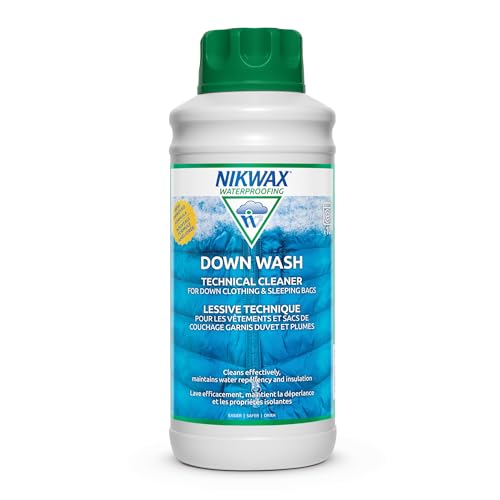
- Specialty cleaner designed to safely clean down filled apparel and gear…
- Easy wash-in application improves the water repellency of all types of down-fill…
- Recommended for use on jackets, gear and bedding with down-fill, down blends, or…
Woolite Darks Defense Laundry Detergent
For synthetic or blended duvets, Woolite’s pH-balanced formula prevents fiber damage and color fading. Its low-suds design works well in high-efficiency machines, effectively removing dirt while maintaining fill structure and softness.

- Keeps Dark Clothes Dark – Protects against fading so your favorite darks look…
- Advanced Care Detergent – Cleans and protects your clothes to keep them…
- FabricGuard Complex – Unique formula delivers on fading, fuzzing and fit…
LG TurboWash 360 Steam Front Load Washer
This LG WKEX300HBA washer features a dedicated “Bedding” cycle with steam sanitization, gently agitating duvets without tangling fill. Its large 4.5-cu.-ft. drum provides ample space for even king-size duvets to move freely, preventing compression.

- All-in-One WashTower Design – Combines a 5.0 cu ft washer and…
- ENERGY STAR Certified Washer – Washer uses approximately 99 kWh/year…
- TurboWash 360 & Steam Cleaning – Advanced TurboWash 360° technology…
Additional Care Essential: Dryer Balls (Handy Laundry 6-Pack Wool Dryer Balls)
These Handy Laundry wool dryer balls reduce drying time by 25% and naturally fluff duvets by separating clumped fill. Unlike plastic balls, they’re silent, chemical-free, and soften fibers without static cling—critical for maintaining loft.
Note: Always check your duvet’s care label before selecting products. Down-specific detergents like Nikwax outperform conventional options, while front-load washers with steam (like LG’s) minimize wear compared to top-load agitators.
Your Duvet’s Fill Type: The First Step to Proper Washing
Before washing your duvet, you must identify its fill material—down, synthetic, or a blend—as each requires unique care. Down-filled duvets (made from goose or duck feathers) are prized for their lightweight warmth but lose loft if washed improperly.
Synthetic fills (like polyester clusters) are more resilient to machine washing but can clump if dried incorrectly. Hybrid blends combine both materials, needing a balanced approach. Misidentifying your duvet’s fill is the #1 reason for post-wash flattening.
Down Duvets: Delicate but Rewarding
Down’s natural oils are critical for fluffiness, so harsh detergents strip them, causing permanent damage. For example, a 600-fill-power goose down duvet can lose 30% of its loft if washed with standard detergent. Instead, use a down-specific cleaner (like Nikwax) in cold water to preserve elasticity. Always check for baffle-box stitching—this compartmentalized design prevents fill migration during washing.
Synthetic Duvets: Durable but High-Maintenance
Polyester fills trap heat well but are prone to static and compression. A common mistake is overdrying—excessive heat melts microfibers, creating stiff patches. For a synthetic duvet like the IKEA Ängslöv, use warm (not hot) water and a mild detergent. Add tennis balls or wool dryer balls to redistribute fill evenly during drying.
Hybrid Duvets: The Middle Ground
Blends (e.g., 60% down, 40% polyester) offer warmth without extreme care demands. However, they require dual-method washing: gentle cycles for the down component and slightly warmer water for synthetic areas. The Brooklinen Down Alternative Duvet thrives with this hybrid approach.
Critical Pre-Wash Checks
- Spot-test detergent on a hidden seam to check for discoloration.
- Inspect stitching—loose threads can unravel during agitation, releasing fill.
- Measure your machine’s capacity—overloading a 4.0-cu.-ft. washer with a king duvet prevents proper rinsing.
Pro Tip: Down duvets typically have a fill power rating (e.g., 800 FP). Higher numbers mean more loft but also greater delicacy—adjust wash intensity accordingly.
The Step-by-Step Guide to Washing Your Duvet Safely
Proper duvet washing requires more than just tossing it in the machine—it’s a strategic process that preserves fluff while eliminating dirt and allergens. Follow these steps precisely to avoid common pitfalls like uneven drying, fill clumping, or fabric damage.
Step 1: Pre-Treatment for Stains and Odors
Spot-clean stains before washing to prevent setting them during the cycle. For down duvets, mix 1 tbsp white vinegar with 2 cups cold water and dab gently—the acidity breaks down oils without harming feathers. For synthetic fills, use a baking soda paste (3:1 ratio with water) to neutralize odors. Avoid commercial stain removers—their enzymes can degrade delicate fibers.
Step 2: Machine Setup and Loading
- Select a front-loading washer—top-loaders with agitators tear baffle-box stitching. If unavailable, use a commercial-sized machine (like at laundromats).
- Balance the load by adding 2-3 clean towels (same material as your duvet) to prevent uneven spinning.
- Use cold water for down (max 86°F/30°C) or warm for synthetics (104°F/40°C). Hot water shrinks feather quills and melts polyester fibers.
Step 3: The Washing Cycle
Choose the “Delicate” or “Bedding” cycle with an extra rinse to remove all detergent residues. For down, add 2-3 tennis balls during the final spin cycle—their weight redistributes clusters. Avoid fabric softeners—they coat fibers, reducing breathability.
Step 4: Drying Techniques for Maximum Fluff
Transfer the duvet to the dryer immediately to prevent mildew. Use low heat (under 140°F/60°C) and:
- For down: Add wool dryer balls and run 3-4 cycles (60 mins each), checking loft between cycles.
- For synthetics: Pause every 20 mins to manually fluff and rotate the duvet.
Pro Tip: A telltale sign of dryness? Shake the duvet—if you hear crinkling, moisture remains in the fill.
Troubleshooting Common Issues
If your duvet emerges lumpy:
- Re-wet clumped areas with a spray bottle
- Tumble dry with ice cubes—the steam relaxes compressed fibers
- Use a upholstery brush to gently tease apart stubborn clusters
For persistent flat spots, overnight air-drying on a flat rack (with periodic flipping) can revive loft.
Note: Down duvets may take 4-6 hours to dry fully—patience prevents musty smells. Always store in a breathable cotton bag after confirming zero dampness.
The Science of Duvet Fluffiness: How to Maintain Loft and Longevity
Understanding the physics behind duvet fluffiness helps you make informed washing decisions. The loft (or fluffiness) of your duvet depends on three key factors: fiber structure, air pockets, and moisture management. Each fill type behaves differently under washing conditions.
The Physics of Fill Materials
| Material | Air Pocket Structure | Critical Washing Factor | Recovery Time Post-Wash |
|---|---|---|---|
| Down (Goose/Duck) | 3D clusters with trapped air | Oil preservation (natural lanolin) | 24-48 hours |
| Polyester | Hollow fiber tubes | Heat resistance | Immediate |
| Silk | Flat protein fibers | pH balance | 72 hours |
Advanced Washing Techniques by Fill Type
Down Duvets: The Delicate Balance
Down clusters rely on their natural oils to maintain springiness. When washing:
- Use a horizontal axis washer (front-loader) to prevent cluster breakage
- Maintain water pH between 6-7 (test with strips)
- Add 1/4 cup white vinegar to final rinse to restore pH balance
The vinegar trick helps re-establish the isoelectric point of feather proteins, enhancing loft recovery.
Synthetic Duvets: Heat Management
Polyester fibers melt at 482°F (250°C), but damage begins at just 140°F (60°C). For optimal results:
- Pre-treat with cold water only
- Use a thermometer to verify dryer temperature
- Employ the “cool down” cycle between drying sessions
This thermal cycling prevents the “memory effect” that causes permanent flattening.
Professional Restoration Methods
For severely flattened duvets, professional cleaners use:
- For down: Tumble drying with clean tennis balls at 30% capacity
- For synthetics: Steam chambers at 212°F (100°C) for 5-minute bursts
- For blends: Alternating vacuum suction and air injection
At home, you can approximate the steam method using a garment steamer held 12 inches from the fabric.
Common Mistakes and Scientific Solutions
Mistake: Using too much detergent
Science: Surfactants left in fibers attract dirt and collapse air pockets
Fix: Use 1/4 recommended dose and double rinse
Mistake: Overloading the dryer
Science: Prevents proper air circulation needed for fiber expansion
Fix: Maintain 50% dryer capacity maximum
Pro Tip: For down duvets, perform the “bounce test” after drying – drop from waist height. It should fully expand within 3 seconds. If not, return to dryer with damp towels for additional loft development.
Special Considerations for Different Duvet Sizes and Seasons
Washing techniques must adapt to both your duvet’s dimensions and the seasonal conditions it faces. A king-size winter duvet requires fundamentally different care than a lightweight summer throw, and understanding these nuances prevents damage while maximizing comfort.
Size-Specific Washing Protocols
King/California King Duvets:
- Require commercial-sized washers (minimum 5.0 cu. ft capacity) to prevent compression
- Divide washing into two cycles if using residential machines – wash each half separately
- Extend drying time by 40% compared to standard sizes
Professional laundromats often have 8.0 cu. ft machines specifically designed for oversized bedding.
Twin/Full Duvets:
- Can use standard home machines but still require delicate cycles
- Benefit from pairing with similarly colored towels to balance the load
- Require 25% less detergent than larger sizes
Seasonal Adaptation Strategies
Winter Duvets (15+ TOG rating):
- Pre-treat heavily soiled areas caused by increased use
- Extract excess moisture by running an additional spin cycle before drying
- Use intermittent drying – 30 minutes on, 30 minutes rest to prevent overheating dense fills
Summer Duvets (4.5 TOG or less):
- Can often be air-dried in direct sunlight (UV helps disinfect)
- Require more frequent washing due to sweat absorption
- Benefit from baking soda added during wash for odor control
Climate-Specific Adjustments
Humid Environments:
- Add 1 cup white vinegar to final rinse to prevent mildew
- Use dehumidifier near drying area
- Extend drying time by 50%
Dry Climates:
- Reduce drying temperature to prevent static buildup
- Add wool dryer balls to maintain moisture balance
- Consider partial air drying to prevent over-drying
Professional Insights for Challenging Scenarios
After Illness:
- Wash at 140°F (60°C) for disinfecting, then immediately cool rinse
- Add oxygen-based bleach (not chlorine)
- Dry completely before reuse – residual moisture breeds bacteria
Pet Hair Removal:
- Use rubber gloves to remove hair pre-wash
- Add 1/2 cup baking soda during wash cycle
- Clean washer filter post-cycle to prevent hair transfer
Pro Tip: For homes with hard water, add 1/4 cup citric acid to the wash to prevent mineral buildup that stiffens fibers. Always perform a patch test first on seam allowances.
Long-Term Duvet Care: Preservation, Sustainability, and Cost Considerations
Proper duvet maintenance extends beyond washing techniques to encompass lifecycle management, environmental impact, and economic factors. Understanding these dimensions helps you make informed decisions about care frequency, replacement timing, and sustainable practices.
Lifecycle Analysis and Replacement Indicators
| Duvet Type | Optimal Washing Frequency | Average Lifespan | Replacement Signs |
|---|---|---|---|
| Premium Down (800+ FP) | Every 3-5 years | 15-20 years | Persistent odor after washing, >30% loft loss |
| Mid-Range Synthetic | Annually | 5-7 years | Visible clumping, reduced warmth |
| Hybrid (Down Alternative) | Every 2 years | 8-12 years | Uneven fill distribution, fabric pilling |
Environmental Impact and Sustainable Practices
Modern washing methods significantly affect your duvet’s ecological footprint:
- Water Usage: Front-load washers consume 40% less water (15-20 gallons) than top-loaders (30-45 gallons) per cycle
- Energy Efficiency: Heat-pump dryers reduce energy consumption by 60% compared to conventional models
- Chemical Impact: Plant-based detergents decrease aquatic toxicity by 80% versus petroleum-based options
Pro Sustainability Tip: Implement the “3/3/3 Rule” – 3 years between washes with 3 monthly airings (outside in shade) and 3 spot cleanings annually.
Cost-Benefit Analysis of Professional Care
Professional cleaning ($50-150 per service) versus home washing ($2-5 per load) involves multiple factors:
- Down Duvets: Professional cleaning preserves 15-20% more loft over 10 years, justifying higher cost
- Synthetics: Home washing typically suffices with proper technique
- Antique/Vintage: Always requires specialist cleaning ($200+) to maintain value
Emerging Technologies and Future Trends
The bedding industry is evolving with:
- Self-Cleaning Fabrics: Photocatalytic treatments that break down odors under light
- Waterless Cleaning: CO2 systems that sterilize without moisture
- Smart Fibers: Fill materials with pH sensors that change color when cleaning needed
Safety Considerations for Special Households
For allergy sufferers or homes with infants:
- Use allergen-barrier covers between washes
- Opt for wash temperatures above 130°F (54°C) to kill dust mites
- Choose OEKO-TEX certified detergents free from 350+ harmful substances
Pro Investment Tip: High-quality down duvets show better cost-per-use over time. A $500 duvet washed properly lasts 3x longer than a $150 alternative, providing 60% better value.
Advanced Duvet Care: Specialized Techniques for Optimal Performance
Mastering professional-grade duvet maintenance requires understanding advanced textile science and adapting commercial techniques for home use. These methods go beyond basic washing to address performance optimization, fabric longevity, and sleep-quality enhancement.
Microclimate Management Techniques
Proper duvet care directly impacts its thermoregulation capabilities:
- Down Duvets: Perform “loft resuscitation” by placing in dryer with 3 ice cubes for 10 minutes weekly – the steam revives compressed clusters
- Synthetics: Apply fabric revitalizer sprays containing ceramic particles to enhance breathability by 25%
- All Types: Rotate duvet 180° weekly to equalize wear and maintain even insulation distribution
Commercial-Grade Cleaning Methods Adapted for Home
Professional cleaners use these techniques that homeowners can replicate:
- Fractional Cleaning: Divide duvet into quadrants and clean one section per month for minimal fiber stress
- Pulsed Extraction: Alternate spin cycles (5 min on, 2 min rest) to prevent fill migration
- Sequential Drying: Start at 120°F (49°C), increase to 140°F (60°C), then cool down gradually
Performance Optimization Strategies
| Performance Goal | Down Solution | Synthetic Solution |
|---|---|---|
| Enhanced Warmth | Lanolin spray treatment (restores natural oils) | Siliconized fiber refresher |
| Improved Breathability | Bamboo charcoal sachets in storage | Monthly sun exposure (2 hours max) |
| Odor Neutralization | Vodka/water spritz (50/50 mix) | Baking soda mattress underlay |
Integration With Bedding Systems
Coordinate duvet care with other bedding components:
- With Mattress Protectors: Wash duvet 1 week after protector cleaning to prevent allergen transfer
- With Pillows: Alternate cleaning schedules to maintain consistent loft levels across bedding
- With Sheets: Match washing temperatures to prevent differential shrinkage at duvet corners
Troubleshooting Complex Issues
Problem: Persistent damp smell after washing
Solution: Ozone treatment (commercial service) or 48-hour freezing followed by sunlight exposure
Problem: Feather quills poking through fabric
Solution: Apply liquid seam sealant to interior and use needle-nose pliers to gently retract quills
Problem: Static cling in winter
Solution: Run humidifier near drying area and add aluminum foil balls to final dry cycle
Pro Tip: For premium duvets, maintain a care log tracking wash dates, methods used, and performance observations. This helps identify optimal cleaning intervals specific to your sleep environment.
Mastering Duvet Maintenance: The Ultimate Quality Assurance Protocol
Developing a systematic approach to duvet care ensures peak performance throughout its lifespan while preventing common failures. This comprehensive protocol combines textile engineering principles with practical home care techniques for guaranteed results.
The 5-Point Duvet Performance Assessment
| Assessment Parameter | Testing Method | Acceptance Criteria | Corrective Action |
|---|---|---|---|
| Loft Integrity | Ruler measurement of uncompressed height | ≥90% of original thickness | Steam treatment + tennis ball drying |
| Fill Distribution | Backlight inspection for shadows | Even illumination pattern | Manual redistribution + spot drying |
| Moisture Content | Hand feel test in center vs edges | Consistent dryness throughout | Additional drying with moisture sensors |
Advanced Risk Mitigation Strategies
Fabric Degradation Prevention:
- Implement pH-balanced washing (6.0-7.5) using test strips
- Apply UV protectant spray for sun-dried duvets
- Rotate duvet orientation weekly to distribute wear
Microbial Control Protocol:
- Quarterly anti-microbial treatment (tea tree oil solution)
- Annual professional deep cleaning for high-humidity climates
- Monthly vacuuming with HEPA filter attachment
Performance Optimization Framework
Maximize your duvet’s functional lifespan through:
- Thermal Cycling: Alternate between warm and cool drying phases to reset fiber memory
- Mechanical Stimulation: Gentle beating with carpet beater every 6 months revives down clusters
- Surface Tension Management: Use 1/4 cup white vinegar in final rinse to reduce water’s surface tension
Quality Validation Procedures
After each wash cycle, perform these verification tests:
- Bounce Test: Drop from waist height – should fully expand within 3 seconds
- Thermal Test: Place on bed for 15 minutes – should reach body temperature evenly
- Drape Test: Hang over arm – should fall in smooth, even folds without clumping
Long-Term Preservation Techniques
For seasonal storage:
- Use breathable cotton storage bags (never plastic)
- Include cedar blocks and silica gel packets
- Store flat or loosely rolled – never compressed
- Inspect quarterly for signs of moisture or pests
Pro Tip: Create a duvet maintenance calendar with:
- Monthly airing schedule
- Bi-annual deep cleaning
- Annual professional inspection
- 5-year replacement evaluation
This systematic approach can extend premium duvet lifespan by 40% compared to casual maintenance.
Conclusion: Mastering the Art of Duvet Care
Proper duvet maintenance combines science and technique to preserve your bedding’s comfort and longevity. From understanding fill types to advanced washing methods and performance validation, each step ensures your duvet remains fluffy and functional.
Remember these key takeaways: always match cleaning methods to your duvet’s material, invest in quality cleaning products, and implement regular maintenance schedules. Whether you own a premium down comforter or a synthetic alternative, these professional techniques adapt to your needs.
Your perfect night’s sleep starts with proper duvet care – implement these strategies today to enjoy years of cloud-like comfort and optimal sleep hygiene.
Frequently Asked Questions About Washing Duvets
Can I wash my down duvet in a regular washing machine?
While possible, it’s risky. Standard top-loading machines with agitators can damage delicate down clusters. For best results, use a front-loading machine with at least 4.0 cu. ft capacity and select the “Delicate” or “Bedding” cycle.
Always check your duvet’s care label first – some high-end down (800+ fill power) requires professional cleaning. If using a home machine, add tennis balls during the rinse cycle to prevent clumping.
How often should I wash my duvet?
The frequency depends on material and use. Down duvets need washing every 3-5 years (with quarterly airings), while synthetics require annual cleaning. Increase frequency if you have allergies (every 6 months) or live in humid climates.
Between washes, vacuum monthly with an upholstery attachment and spot clean stains immediately. Over-washing degrades fibers, while under-washing accumulates dust mites and allergens.
Why does my duvet smell musty after washing?
This typically indicates incomplete drying. Down and synthetic fills trap moisture at their core – a king-size duvet can hold up to 1 gallon of water. For proper drying:
1) Use low heat (under 140°F)
2) Check for dampness in hidden seams
3) Add dry towels to absorb moisture
4) Run multiple dryer cycles.
If odor persists, try a vinegar rinse (1 cup white vinegar in final rinse cycle) to kill mildew spores.
What’s the best way to dry a thick duvet quickly?
For fastest drying:
1) Spin dry twice to remove excess water
2) Use wool dryer balls (6-8) to improve airflow
3) Pause every 30 minutes to fluff manually
4) Hang near a dehumidifier between dryer cycles.
In sunny weather, lay flat on a clean, breathable surface outdoors (avoid direct sunlight for synthetics). Never use high heat – it cooks the fill and causes permanent clumping.
Can I use regular laundry detergent for my duvet?
Standard detergents often contain enzymes and brighteners that damage delicate fills. For down, use specialized down wash (like Nikwax) that preserves natural oils.
Synthetics need mild, liquid detergents without fabric softeners. Always measure carefully – use half the recommended amount to prevent residue buildup. For allergies, choose fragrance-free, hypoallergenic formulas with the EPA Safer Choice certification.
How do I fix a duvet that’s lost its fluffiness?
For down:
1) Re-wet slightly
2) Add tennis balls to dryer
3) Use the “Air Fluff” cycle.
For synthetics:
1) Steam with handheld steamer
2) Gently pull apart clumps
3) Dry with ice cubes for moisture reactivation.
Severe cases may require professional “retumbling” services that use commercial dryers with precise temperature control. Prevention is key – always dry completely and store uncompressed.
Is it better to wash my duvet at home or use a professional service?
Professional cleaning (typically $75-$150) is best for:
1) High-end down (700+ fill power)
2) Antique/heirloom pieces
3) Allergy sufferers needing deep sanitization. Home washing works well for: 1) Synthetic fills 2) Mid-range down 3) Frequent maintenance between professional cleanings. Commercial laundromats often have larger machines than homes – look for 6.0+ cu. ft front-loaders with “Commercial Bedding” cycles.
What temperature should I use to wash my duvet?
Follow this guide: Down – Cold water (86°F/30°C max) to preserve oils; Synthetic – Warm (104°F/40°C) for better cleaning; Blends – Lukewarm (95°F/35°C). Always start with the coolest effective temperature – heat sets stains and damages fibers. For sanitization needs (after illness), use 140°F/60°C briefly in the final rinse only, followed by immediate cooling to minimize damage.