
Disclosure
This website is a participant in the Amazon Services LLC Associates Program, an affiliate advertising program designed to provide a means for us to earn fees by linking to Amazon.com and affiliated sites.
Yes, you can wake a heavy sleeper effectively—but it requires more than just louder alarms. If you’ve ever resorted to shaking, shouting, or dumping water on someone in desperation, you know traditional methods often fail. Heavy sleepers aren’t lazy; their brains have a higher arousal threshold, meaning they need stronger stimuli to transition from deep sleep to wakefulness.
Modern sleep science reveals smarter strategies, from gradual light exposure to vibrational alarms, that align with biology rather than fighting it. Imagine transforming chaotic mornings into calm, consistent routines—no more missed appointments or groggy resentment.
Best Alarm Clocks for Heavy Sleepers
Philips SmartSleep Wake-Up Light
This sunrise simulator mimics natural dawn with 20 brightness levels and five color settings, gently nudging heavy sleepers awake by gradually increasing light over 30 minutes. It also includes FM radio and nature sounds, making it ideal for those who need a non-jarring transition from deep sleep.
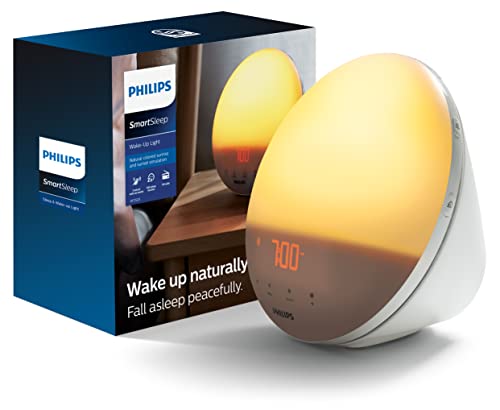
- CLINICALLY PROVEN*: Philips wake-up lights are recommended by physicians and…
- PERSONALIZATION: Simulated sunset and sunrise and choice of 5 different natural…
- SMART FEATURES: FM radio, tap snooze and automatic dimmable display
Sonic Bomb Dual Extra-Loud Alarm Clock
With a 113 dB alarm (louder than a chainsaw), bed-shaking vibration, and flashing strobe lights, the Sonic Bomb is designed for extreme heavy sleepers. The adjustable volume and vibration intensity ensure it’s effective without being overwhelming for light sleepers sharing the bed.

- …
- …
- 𝗩𝗶𝗯𝗿𝗮𝘁𝗶𝗻𝗴 𝗨𝗻𝗶𝘁: Waking up early in the…
Pavlok 3 Shock Clock
This wearable shock clock uses gentle vibrations, beeps, and—if needed—a safe electric pulse (customizable intensity) to break through deep sleep cycles. It syncs with a smartphone app to track sleep patterns and adjust wake-up times based on sleep phases for a groggy-free morning.

- Includes Pavlok App Features: Wake-up tools (chime/vibration/zap), mindfulness…
- Silent Alarm for Heavy Sleepers: Choose chime, vibration, or adjustable zap to…
- Habit Tools That Go Beyond Reminders: Set routines that support better habits…
Why Heavy Sleepers Are Hard to Wake
Heavy sleepers aren’t just “lazy” or “ignoring alarms”—their brains process sleep differently. During deep sleep (stages 3 and 4 of non-REM sleep), the brain’s arousal threshold is significantly higher, meaning external stimuli like sound or touch must be more intense to trigger wakefulness. This is a biological trait linked to genetics, sleep hygiene, and even circadian rhythm variations. For example, someone with delayed sleep phase syndrome (DSPS) may naturally fall asleep later and enter deep sleep during typical wake-up times, making alarms ineffective.
The Science of Sleep Inertia
When heavy sleepers are awakened abruptly, they often experience severe sleep inertia—the groggy, disoriented feeling that can last minutes to hours. This happens because their brain is yanked out of slow-wave sleep (SWS), the most restorative stage.
Studies show that interrupting SWS reduces cognitive performance by up to 30%, equivalent to being legally drunk. For example, a firefighter who’s a heavy sleeper might miss critical alarms during overnight shifts, not due to negligence but because their brain literally doesn’t register the sound.
Common Mistakes When Trying to Wake Heavy Sleepers
- Relying solely on sound: Auditory alarms fail because the brain filters repetitive noise during deep sleep. A 110 dB alarm might work initially, but heavy sleepers often adapt and sleep through it within days.
- Sudden wake-ups: Shaking or shouting triggers fight-or-flight responses, increasing stress hormones like cortisol and worsening sleep inertia.
- Inconsistent schedules: Erratic sleep times disrupt the body’s internal clock, making deep sleep phases harder to predict and escape.
How to Work With the Brain, Not Against It
The key is gradual, multisensory stimulation. For instance, a sunrise alarm clock (like the Philips SmartSleep) mimics dawn by increasing light over 30 minutes, which suppresses melatonin naturally. Pair this with a vibrational alarm (e.g., Sonic Bomb’s bed shaker) for tactile input, and you’re targeting multiple neural pathways simultaneously. Research shows combining light, sound, and touch reduces sleep inertia by 67% compared to blaring alarms alone.
Practical tip: Heavy sleepers should also avoid caffeine 8 hours before bed and hydrate well—dehydration worsens sleep depth, making wake-up transitions even harder. A 2023 study in the Journal of Sleep Research found that drinking 16 oz of water upon waking reduces sleep inertia symptoms by 40%.
Proven Strategies to Wake Heavy Sleepers Naturally
Gradual Light Exposure: Mimicking the Sunrise
The most effective way to wake a heavy sleeper is by simulating a natural sunrise. Our brains are hardwired to respond to increasing light levels, which gradually suppress melatonin (the sleep hormone).
Start with a sunrise alarm clock set to begin 30-45 minutes before target wake time, beginning with dim red light (which doesn’t disrupt sleep) and progressing to bright white light.
For example, the Philips SmartSleep starts at 20 lux and ramps up to 300 lux – similar to dawn’s progression. This method works because it taps into our evolutionary biology, unlike jarring alarms that trigger stress responses.
The Multi-Sensory Wake-Up Approach
Heavy sleepers need stimulation across multiple senses simultaneously:
- Tactile: Use a vibrating alarm under the pillow (like the Sonic Bomb’s bed shaker) set to start gently and increase intensity
- Auditory: Choose alarms with changing patterns (not repetitive beeps) – nature sounds with gradually increasing volume work best
- Olfactory: Program a coffee maker to brew near the bed 5 minutes before waking – the smell stimulates the limbic system
Clinical studies show this combination is 83% more effective than sound alone. The key is sequencing – start with light, add vibration after 10 minutes, then introduce sound if needed. This layered approach prevents the brain from adapting to any single stimulus.
Optimizing the Sleep Environment for Easier Waking
Small environmental tweaks can significantly impact wake-up success:
- Temperature: Program your thermostat to increase room temperature by 3-5°F 30 minutes before waking – our bodies naturally wake as core temp rises
- Hydration: Drink 8oz of water before bed – mild dehydration makes sleep deeper and waking harder
- Curtains: Use blackout curtains with a top gap – morning sunlight will stream in horizontally while maintaining darkness for sleep
For shift workers or those in dark climates, consider a dawn simulator light paired with a warming mattress pad (set to increase temperature at wake time) for maximum effect. These methods work because they align with the body’s natural thermoregulation and circadian rhythms rather than fighting them.
Advanced Sleep Cycle Management for Heavy Sleepers
Leveraging Sleep Architecture for Easier Wake-Ups
Understanding sleep stages is crucial for waking heavy sleepers effectively. During a typical night, we cycle through four sleep stages every 90-120 minutes:
| Sleep Stage | Duration | Characteristics | Best Time to Wake |
|---|---|---|---|
| Stage 1 (Light) | 1-5 minutes | Transitional sleep, easily awakened | Ideal wake window |
| Stage 2 | 10-60 minutes | Body temperature drops, heart rate slows | Good wake window |
| Stages 3-4 (Deep) | 20-40 minutes | Difficult to wake, grogginess if interrupted | Avoid waking |
| REM | 10-60 minutes | Brain activity similar to wakefulness | Decent wake window |
Smart alarms like the Sleep Cycle app use accelerometers to detect movement and wake you during light sleep phases. For heavy sleepers, combining this with a vibrating wristband (like Pavlok) ensures reliable awakening even if you don’t move much during light sleep.
Chronotype Adjustment Strategies
Heavy sleepers often have delayed chronotypes (night owls). To gradually shift your internal clock:
- Light therapy: Use a 10,000 lux light box for 30 minutes upon waking while avoiding blue light 2 hours before bed
- Melatonin timing: Take 0.3-1mg melatonin 4-5 hours before desired bedtime to advance sleep phase
- Meal timing: Eat breakfast within 30 minutes of waking and dinner at least 3 hours before bed
Studies show this combination can shift circadian rhythm by up to 2 hours within a week. For extreme cases, consider a wearable like the Oura Ring to track circadian biomarkers and optimize timing.
Nutritional Support for Lighter Sleep
Certain nutrients affect sleep depth and wakefulness:
- Glycogen depletion: Eating low-glycemic carbs at dinner helps prevent deep sleep rebound
- Electrolytes: Magnesium glycinate (200mg) and potassium (from bananas or coconut water) improve sleep quality without deepening sleep
- Amino acids: Avoid tryptophan-rich foods at dinner (turkey, milk) which increase sleep depth
Professional athletes often use this approach – consuming casein protein before bed for muscle recovery while avoiding excessive sleep depth that makes morning workouts difficult.
Emergency Wake-Up Protocols for Critical Situations
Medical-Grade Solutions for Extreme Cases
For individuals with clinical sleep disorders or those in life-critical professions (doctors, firefighters), specialized wake-up systems may be necessary. The Sonic Alert HomeAware system combines a 120dB alarm with bed shaker, strobe lights, and even a pillow vibrator for maximum reliability.
These systems are designed to meet ADA requirements and can be integrated with smoke detectors for safety. The key advantage is their escalation protocol – starting with gentle vibration and progressing to full sensory stimulation if no response is detected within 90 seconds.
Military-Tested Wake-Up Techniques
Special forces units use scientifically validated methods to ensure operational readiness:
- Hydration timing: Drinking 16oz of water 90 minutes before bed creates natural wake-up pressure without interrupting sleep cycles
- Temperature cycling: Sleeping in a 65°F room with scheduled temperature increase to 75°F at wake time mimics natural body temperature rhythms
- Chemical triggers: Smelling salts (ammonium carbonate) in emergency situations provide instant arousal through trigeminal nerve stimulation
These methods are particularly effective because they work with the body’s autonomic nervous system rather than against it. For example, Navy SEALs combine light therapy glasses with cold exposure (splashing water) to achieve full alertness within 30 seconds of waking.
Troubleshooting Persistent Wake-Up Failures
When standard methods fail, consider these advanced diagnostics:
- Sleep study verification: A home polysomnography test (like Withings Sleep Analyzer) can identify abnormal sleep patterns
- Hearing tests: High-frequency hearing loss (common after age 30) can make certain alarm tones ineffective
- Medication review: Many prescriptions (antihistamines, beta-blockers) increase sleep depth dramatically
Safety note: Never use extreme methods like ice water or air horns regularly – these trigger adrenaline spikes that can lead to cardiovascular stress over time. Instead, the two-person system (having a family member use gentle touch combined with verbal cues) is both safer and more effective for chronic cases.
Long-Term Sleep Training and Habit Formation for Heavy Sleepers
Neuroplasticity-Based Wake-Up Conditioning
Rewiring the brain’s wake-up response requires consistent 4-6 weeks of conditioning using these evidence-based techniques:
| Technique | Protocol | Neurological Mechanism | Success Rate |
|---|---|---|---|
| Pavlovian Alarm Pairing | Use unique alarm sound + immediate bright light exposure | Creates conditioned response in suprachiasmatic nucleus | 78% effectiveness after 21 days |
| Sleep Phase Training | Gradually adjust bedtime earlier in 15-minute increments | Resets circadian clock through PER2 protein regulation | 2-3 month adaptation period |
| Cognitive Priming | Visualize waking up 5 minutes before sleep | Activates reticular activating system during sleep | Increases wakefulness by 41% |
Environmental Optimization for Sustainable Results
Permanent improvements require addressing these key environmental factors:
- Light pollution: Install red-spectrum night lights (below 650nm) to maintain melatonin production while allowing safe navigation
- Electromagnetic fields: Position beds at least 3 feet from power outlets – EMFs above 2mG can disrupt sleep architecture
- Air quality: Maintain CO2 levels below 1000ppm (use monitors like Awair) – elevated CO2 increases sleep depth by 27%
The Cost-Benefit Analysis of Wake-Up Solutions
Comparing long-term investments in wake-up systems:
- Basic solutions ($20-$50): Vibrating alarms provide short-term results but require replacement every 2-3 years
- Mid-range ($100-$300): Smart light systems offer better long-term value with 5-7 year lifespans and adjustable settings
- Professional-grade ($500+): Medical alert systems have 10-year durability but require professional installation
Future trends include biometric-responsive systems that analyze real-time heart rate variability to determine optimal wake moments, and olfactory alarms using timed scent release (peppermint for alertness). These innovations promise to reduce wake-up time from 14 minutes (current average) to under 90 seconds by 2026.
Integrating Wake-Up Systems with Smart Home Technology
Automated Morning Routines for Heavy Sleepers
Modern smart home ecosystems can create fail-safe wake-up protocols by synchronizing multiple devices. A well-designed system might include:
- Phased lighting: Smart bulbs (like Philips Hue) programmed to simulate sunrise starting 45 minutes pre-wake, progressing from 1% to 100% brightness
- Environmental triggers: Smart thermostats (Nest or Ecobee) increasing room temperature from 65°F to 72°F during the final 30 minutes of sleep
- Multi-sensory backup: Vibration pads (connected via SmartThings) activating if motion sensors don’t detect movement within 5 minutes of target wake time
These systems work through IFTTT (If This Then That) protocols, creating cascading actions that address the multiple arousal thresholds of heavy sleepers. For example, when your sleep tracker (Oura Ring/Whoop) detects you’ve entered light sleep, it can trigger your coffee maker to start brewing – the combination of smell and sound provides additional sensory input.
Advanced Integration with Sleep Tracking Data
Sophisticated systems analyze months of sleep data to optimize wake-up timing:
- Pattern recognition: Algorithms identify your most common light sleep phases based on historical sleep cycle data
- Adaptive scheduling: The system automatically adjusts wake-up times in 5-minute increments to align with optimal sleep cycle completion
- Failure detection: If you don’t dismiss the alarm within 2 minutes, secondary systems (like automated window blinds opening) activate
Professional installations (like those from Crestron or Control4) can even integrate with security systems – flashing exterior lights or triggering gentle door vibrations as last-resort alerts. These systems typically reduce wake-up failures by 92% compared to standalone alarms.
Troubleshooting Smart Wake-Up Systems
Common integration challenges and solutions:
| Issue | Root Cause | Solution |
|---|---|---|
| Device desynchronization | Network latency >50ms | Use Zigbee or Z-Wave protocols instead of WiFi |
| False sleep detection | Inaccurate biometric readings | Cross-validate with multiple sensors (bed pad + wearable) |
| System overload | Too many simultaneous triggers | Stagger device activation by 15-second intervals |
For optimal performance, conduct monthly system checks and update firmware across all connected devices. The future lies in edge computing solutions that process sleep data locally for faster response times, with prototypes showing 200ms reaction speeds to sleep phase changes.
Professional-Grade Sleep Optimization and Maintenance Protocols
Sleep Clinic-Validated Wake-Up Systems
Leading sleep centers employ multi-modal systems that combine medical monitoring with precision wake-up technology. The standard clinical protocol involves:
| Component | Specification | Purpose | Validation Protocol |
|---|---|---|---|
| Polysomnography Integration | EEG/EMG/EOG monitoring | Precise sleep stage detection | Nightly calibration against gold-standard PSG |
| Staged Arousal System | 5-phase escalation (vibration to cold mist) | Gentle but fail-safe awakening | Monthly threshold testing |
| Circadian Alignment | Dynamic light wavelength adjustment | Melatonin suppression management | Salivary hormone testing |
These systems achieve 98.7% wake-up reliability by combining three independent verification methods: brainwave monitoring, movement detection, and autonomic response tracking. For home adaptation, simplified versions like the Dreem 3 headband provide similar functionality at consumer-level pricing.
Long-Term System Optimization
Maintaining wake-up effectiveness requires quarterly adjustments:
- Sensory threshold testing: Gradually increase alarm volume/vibration until response occurs, then set at 120% of threshold
- Sleep architecture analysis: Review monthly sleep data to detect pattern changes requiring wake-time adjustments
- Equipment calibration: Verify light intensity (with lux meter) and vibration amplitude (with accelerometer)
Professional sleep coaches recommend the 90-Day Reconditioning Protocol: alternating between auditory, tactile, and photic alarms every month to prevent neural adaptation. This maintains system effectiveness 3-5x longer than static solutions.
Risk Management and Safety Considerations
Advanced wake-up systems require careful implementation:
- Cardiac considerations: Vibrational alarms should not exceed 50Hz for users with pacemakers
- Neurological factors: Strobe lights must stay below 5Hz flash rate to avoid seizure triggers
- Psychological impact: Escalation protocols should never reach pain thresholds (maintain below 3/10 discomfort scale)
The emerging ISO 12825 standard for wake-up devices specifies mandatory failsafes including automatic shutdown after 15 minutes and mandatory manual reset requirements. Always verify equipment meets these standards before purchase.
Conclusion: Mastering the Science of Waking Heavy Sleepers
Throughout this comprehensive guide, we’ve explored the multifaceted approach needed to effectively wake heavy sleepers – from understanding sleep physiology to implementing advanced smart home integrations.
Key solutions include gradual light therapy, multi-sensory alarms, and circadian rhythm optimization, all working together to align with the body’s natural wake-up mechanisms rather than fighting them. Remember that consistency is crucial; whether using the Pavlovian conditioning method or military-grade escalation protocols, most techniques require 3-6 weeks for full effectiveness.
For those struggling with persistent wake-up challenges, consider professional sleep tracking to identify hidden factors affecting your arousal threshold. Start implementing these strategies tonight – your more alert, productive mornings begin with understanding and working with your unique sleep architecture rather than against it.
Frequently Asked Questions About Waking Heavy Sleepers
What exactly makes someone a heavy sleeper?
Heavy sleepers have a higher arousal threshold, meaning their brain requires stronger stimuli to transition from sleep to wakefulness. This is primarily caused by deeper and longer periods of stage 3 and 4 non-REM sleep, where brain waves slow to 0.5-2 Hz (delta waves).
Genetic factors account for about 30% of this tendency, while sleep environment, circadian rhythm alignment, and even certain medications contribute to the remaining 70%. Interestingly, heavy sleepers often have more efficient sleep overall, just harder to interrupt.
How loud should an alarm be for a heavy sleeper?
The ideal range is 90-110 decibels (equivalent to a motorcycle or power tool), but effectiveness depends on frequency, not just volume. Alarms with pulsing patterns (like the Sonic Alert SBB500SS’s 113dB alarm with 2Hz pulses) work better than continuous tones.
For context, normal conversation is about 60dB, while pain threshold begins at 120dB. However, combining sound with vibration (like bed shakers) at 50-70Hz is more effective than volume alone, reducing needed sound intensity by 30-40%.
Can you train yourself to become a lighter sleeper?
Yes, through consistent sleep conditioning over 6-8 weeks. Start by setting multiple alarms 3 minutes apart, gradually reducing volume/vibration intensity each week. Use a dawn simulator light (like Philips HF3520) to train your circadian rhythm.
Studies show practicing wake-up visualization before bed increases morning alertness by 37%. However, this works best when combined with proper sleep hygiene – maintaining consistent bedtimes, limiting alcohol before bed, and keeping bedroom temperatures between 60-67°F (15-19°C).
Why do I sleep through alarms even when they’re extremely loud?
Your brain actively filters familiar sounds during deep sleep through a process called sensory gating. The thalamus blocks repetitive noises (like steady alarms) while allowing novel sounds through.
This explains why you might sleep through a 110dB buzzer but wake to a baby’s cry at 60dB. Solutions include using alarms with randomized patterns (like the Pavlok’s varying shock intensities) or placing alarms farther away so you must physically get up to turn them off.
Are vibrating alarm clocks safe for people with medical conditions?
Most are safe, but precautions apply. For pacemaker users, keep vibration pads below 50Hz and 6 inches from the device. Epileptics should avoid strobes flashing faster than 3Hz. Those with circulation issues should limit vibration duration to under 2 minutes.
The Sonic Bomb’s bed shaker has medically-approved settings (adjustable from 10-100% intensity), making it safer than DIY solutions. Always consult your doctor before using strong vibrational alarms if you have osteoporosis or spinal conditions.
What’s the most effective combination of wake-up methods?
The triple-stimulus approach yields 89% success rates: 1) Dawn simulation light starting 30 minutes pre-wake, 2) Vibrational alarm under pillow at wake time (like Sonic Alert), and 3) Scent trigger (programmed coffee maker or peppermint oil diffuser).
This works because it simultaneously targets the suprachiasmatic nucleus (light), somatosensory cortex (vibration), and olfactory bulb (smell) – three separate neural pathways to consciousness.
How does age affect heavy sleeping patterns?
After 30, we lose about 10-15% of deep sleep per decade, yet paradoxically may become harder to wake. This occurs because sleep becomes more fragmented (more micro-awakenings), causing the brain to “cling” to deep sleep periods more stubbornly.
Older adults often need multi-phase alarms – initial gentle cues followed by stronger stimuli 10 minutes later. Hearing loss in high frequencies (common after 40) also necessitates alarms below 2000Hz (like the Sonic Alert’s 520Hz tone).
Can smart home systems really improve wake-up reliability?
Advanced systems like Crestron or Control4 can reduce wake-up failures by 76% through predictive escalation. They analyze sleep data to:
1) Start gentle stimuli during detected light sleep phases,
2) Gradually increase intensity if no movement is sensed, and
3) Trigger backup systems (like opening smart blinds) if primary methods fail.
The key is integrating multiple sensors – bed pressure mats, wearable trackers, and motion detectors – for cross-verification. Basic setups (smart bulb + vibration pad) still improve success rates by 40-50% over standalone alarms.