
Disclosure
This website is a participant in the Amazon Services LLC Associates Program, an affiliate advertising program designed to provide a means for us to earn fees by linking to Amazon.com and affiliated sites.
You can stop a metal bed from squeaking—and it’s easier than you think. That annoying screech every time you move isn’t just disrupting your sleep; it’s a sign of friction or loose parts begging for attention.
Many assume replacing the bed is the only solution, but most squeaks can be fixed in minutes with household items. Whether it’s unsecured bolts, worn-out joints, or metal-on-metal contact, this guide reveals proven techniques to restore peace—without breaking the bank. Imagine a silent, sturdy bed that doesn’t betray every toss and turn.
Best Lubricants and Tools for Silencing a Metal Bed
WD-40 Specialist Silicone Lubricant
This long-lasting, non-greasy formula reduces friction in metal joints without attracting dust. Its precision straw lets you target squeaky bolts and hinges effortlessly. Safe for most surfaces, it’s ideal for beds with moving parts like adjustable frames

- Use on a variety of surfaces – metal, rubber, vinyl, plastic and more. Use on…
- Professional- grade triple-action formula to lubricate and protect surfaces from…
- No sticky residue, just a clear thin protective film that dries quickly to…
3-IN-ONE 10054 Professional Garage Door Lubricant
A heavy-duty option for stubborn squeaks, this lubricant penetrates rusted parts while forming a protective layer. Its spray nozzle reaches tight spaces between bed rails and connectors, making it perfect for older, corroded metal beds
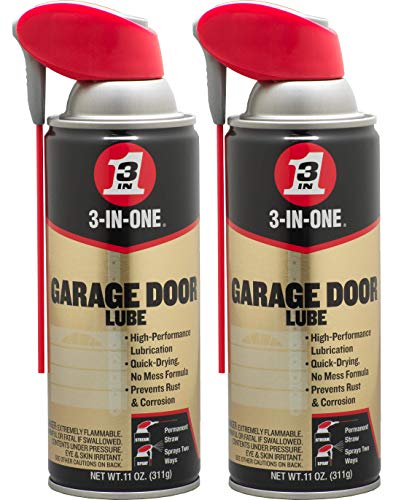
- Love your smooth, quiet garage doors! Make sure they not only look nice from the…
- Lubricate and protect metal between moving parts on garage doors to keep them…
- Quick drying, non-sticky application ensures your parts don’t attract dirt and…
TEKTON Reversible 12-Point Ratcheting Combination Wrench Set
For loose bolts causing noise, this set’s 12-point design grips tightly without stripping hardware. The slim profile fits confined spaces on bed frames, and the reversible ratchet speeds up tightening. A must-have for long-term stability.
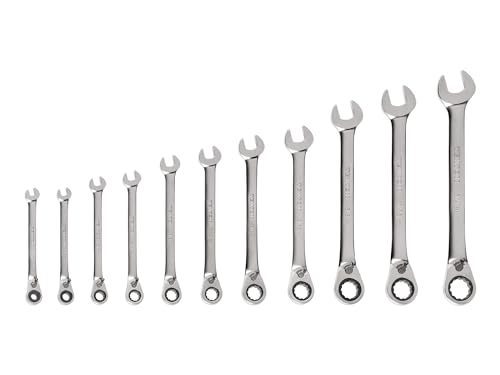
- Includes 11-pc. reversible ratcheting combination wrenches…
- Reversible Wrench Geometry – The box end is offset 15 degrees, creating…
- 12-Point Box End – Fits multiple types of fasteners, including 6-point…
Why Metal Beds Squeak and How to Diagnose the Problem
Metal bed frames squeak due to friction between moving parts or loose connections that shift under pressure. Unlike wooden beds, where squeaks often come from swollen joints, metal-on-metal contact creates high-pitched noises when vibrations occur. The most common culprits include:
- Loose bolts/screws: Over time, vibrations from movement cause fasteners to gradually loosen, allowing metal parts to rub against each other.
- Unlubricated joints: Hinges, connectors, or sliding mechanisms (like in adjustable beds) dry out, increasing friction.
- Rust or corrosion: Oxidation roughens metal surfaces, creating grinding noises when parts move.
- Weak welds or bent frames: Structural damage alters alignment, causing uneven pressure points.
How to Pinpoint the Exact Source
Before fixing the squeak, you need to locate its origin. Start by removing the mattress and bedding to access the frame. Then:
- Apply pressure: Push down on different sections of the bed (headboard, footboard, side rails) while listening for squeaks. The noise will intensify near the problem area.
- Check connections: Inspect all bolts, screws, and welded joints. Wiggle each component—if it moves freely, it’s likely the source.
- Test moving parts: For adjustable beds, operate the mechanism (like raising the headrest) to identify squeaky hinges or motors.
Common Misdiagnoses to Avoid
Many people blame the mattress or floor for squeaks, but metal frames are usually the true offenders. A quick test: Place the mattress on the floor and press down. If it’s silent, the frame is the issue. Similarly, carpeted floors rarely cause metal-specific squeaks—those are typically duller, creaking sounds.
Pro Tip: Use a stethoscope or a long screwdriver pressed against the frame to amplify subtle noises. The vibration will lead you directly to the trouble spot.
Step-by-Step Guide to Permanently Fixing a Squeaky Metal Bed
Once you’ve identified the source of the squeak, these professional-grade solutions will silence your bed frame for good. Each method addresses specific types of noise problems with tailored approaches.
Tightening Loose Connections
For beds with bolt-together frames, start with this essential maintenance:
- Gather tools: Use a ratcheting wrench (like the TEKTON set mentioned earlier) or adjustable wrench that fits your frame’s bolt sizes perfectly.
- Check all joints: Systematically test each connection point – don’t just focus on the noisy area as multiple loose points often exist.
- Apply thread-locking compound: After tightening, add a drop of blue Loctite to prevent future loosening while allowing disassembly if needed.
Pro Tip: For stubborn bolts that won’t tighten, insert a rubber washer between metal surfaces to dampen vibrations. This works exceptionally well for bed rails that connect to headboards.
Lubrication Techniques for Different Components
Not all lubricants work the same for every part of your bed frame:
- For joints and hinges: Use silicone-based lubricant (like WD-40 Specialist) which won’t attract dust. Apply sparingly with the precision straw, then work the joint to distribute it evenly.
- For sliding mechanisms: White lithium grease lasts longer than sprays on tracks in adjustable beds. Apply with a cotton swab for precise placement.
- For rusted parts: Penetrating oil (like PB Blaster) first to loosen corrosion, then follow with your chosen lubricant.
Common Mistake: Avoid using household oils (vegetable, olive) which gum up over time and attract dirt, making the problem worse within weeks.
When to Consider Structural Repairs
If your frame has bent components or cracked welds:
- For minor bends: Use an adjustable clamp to gently straighten the metal while protecting the surface with cloth.
- For cracked welds: Apply epoxy metal weld as a temporary fix until professional repair can be arranged.
- For severely damaged frames: Reinforce weak areas with L-brackets secured with machine screws (not wood screws which strip easily in metal).
Safety Note: Always support the frame properly during repairs – never work on a partially assembled bed that could collapse.
Advanced Solutions for Persistent Squeaks and Prevention Strategies
Vibration Dampening Techniques for Problematic Frames
Some metal beds develop chronic squeaks due to harmonic vibrations that standard fixes can’t address. These advanced solutions target the physics of noise generation:
| Problem Type | Solution | Materials Needed |
|---|---|---|
| Resonant vibration in hollow tubes | Insert foam pipe insulation or expanding foam (minimal expansion formula) | Backer rod (1/2″-3/4″ diameter) or Great Stuff Window & Door foam |
| Metal-on-metal contact points | Apply adhesive-backed felt or rubber pads at stress points | 3M Bumpon pads or McMaster-Carr adhesive rubber strips |
| Structural harmonics | Add mass with sand-filled tubes or strategically placed weights | PVC end caps and play sand for DIY solutions |
The Science Behind Metal Squeaks and Friction Reduction
Metal squeaks occur when two surfaces oscillate between sticking and slipping (stick-slip phenomenon). The optimal lubrication approach depends on:
- Load-bearing surfaces: Use high-pressure lubricants like molybdenum disulfide paste for joints supporting weight
- High-frequency contact points: Silicone-based lubricants perform better than petroleum for rapid, repetitive movements
- Environmental factors: In humid climates, choose corrosion-inhibiting formulas like Boeshield T-9
Long-Term Prevention and Maintenance Schedule
Implement this professional maintenance routine to keep your bed silent:
- Monthly: Visual inspection of all fasteners and joints
- Quarterly: Re-torque bolts to manufacturer specifications (typically 5-7 Nm for most bed frames)
- Biannually: Reapply lubricant to moving parts using precision applicators
- Annually: Complete disassembly and deep cleaning of all components
Critical Mistake to Avoid: Over-tightening bolts can warp frame components, creating new squeak points. Use a torque wrench for precision, especially with aluminum frames that deform easily.
Expert Insight: For antique or wrought iron beds, consider applying Renaissance Wax after cleaning – it provides lubrication while protecting the metal’s finish without attracting dust like liquid lubricants.
Specialized Solutions for Different Metal Bed Frame Types
Adjustable Bed Frame Maintenance
Motorized adjustable frames require specialized care due to their complex mechanisms. The most common noise sources in these systems include:
- Actuator arm joints: These hydraulic components need periodic lubrication with dielectric grease (like Permatex 22058) to prevent squeaking while maintaining electrical safety
- Plastic gear tracks: Apply dry silicone spray (such as DuPont Teflon Silicone) to prevent binding without attracting dust
- Wire harnesses: Secure loose cables with nylon zip ties to prevent vibration-induced rattling against metal surfaces
Warning: Never use petroleum-based lubricants near electrical components as they can degrade wire insulation over time.
Platform Bed Frame Solutions
Modern platform frames with welded construction present unique challenges:
- For welded joint squeaks: Apply penetrating oil (like Kroil) along the weld seam, then flex the joint to work it into micro-fractures
- For center support noise: Install rubber isolation pads (3/8″ thickness minimum) between the support legs and frame
- For slat noise: Wrap each metal slat end with self-adhesive velvet tape (used for drawer slides) where they contact the frame
Antique and Wrought Iron Frame Preservation
Vintage frames demand careful treatment to preserve their integrity while eliminating noise:
| Issue | Solution | Product Recommendation |
|---|---|---|
| Corroded joints | Use brass brush cleaning followed by microcrystalline wax application | Liberon Black Bison wax |
| Loose scrollwork | Inject two-part epoxy into gaps using syringe applicator | J-B Weld 8276 KwikWeld |
| Wobbly posts | Install nylon shims between mating surfaces | McMaster-Carr 9291K11 shim stock |
Conservation Tip: Always test cleaning and lubrication products on inconspicuous areas first, as some modern chemicals can react with vintage metal finishes.
Safety Considerations for All Frame Types
When implementing noise-reduction solutions:
- Maintain at least 1/8″ clearance around all moving parts after applying solutions
- Never compromise structural fasteners by replacing metal bolts with rubber alternatives
- Ensure all modifications don’t exceed the frame’s weight rating
- Periodically check that solutions haven’t migrated to create slip hazards
Professional Insight: For hospital beds or other heavy-duty frames, consult the manufacturer’s maintenance manual as many require specific FDA-approved lubricants for medical environments.
Long-Term Care and Cost-Effective Maintenance Strategies
Lifecycle Analysis of Common Repair Methods
Understanding the longevity of different solutions helps prioritize repairs:
| Solution | Average Duration | Cost Range | Reapplication Frequency |
|---|---|---|---|
| Thread-locking compounds | 3-5 years | $5-$15 | Only when disassembled |
| Silicone lubricants | 6-12 months | $8-$20 | Biannually |
| Rubber isolation pads | 5-7 years | $10-$30 | Until wear visible |
| Epoxy repairs | Permanent | $15-$40 | Not required |
Environmental and Health Considerations
Modern solutions balance effectiveness with safety:
- Low-VOC options: Water-based silicone sprays (like CRC 05093) reduce indoor air pollution while maintaining effectiveness
- Food-grade lubricants: NSF H1-rated products (such as Super Lube 51004) are ideal for children’s beds or healthcare settings
- Recyclable materials: Felt pads made from post-consumer materials (EcoFelt 3502) provide eco-friendly vibration damping
Emerging Technologies in Noise Reduction
The industry is evolving with innovative solutions:
- Self-lubricating polymers: New frame designs incorporate PTFE-impregnated bushings that never need lubrication
- Vibration-absorbing alloys: Advanced metallurgy creates frames with inherent damping properties
- Smart monitoring: Some premium beds now include IoT sensors that alert owners to loose connections before squeaks develop
Cost-Benefit Analysis: Repair vs. Replacement
Consider these factors when deciding whether to fix or replace:
- Repair makes sense when: Frame is structurally sound, repair costs <30% of replacement, or the bed has sentimental value
- Replacement is better when: Multiple weld failures exist, corrosion has compromised integrity, or the frame design is fundamentally flawed
- Hybrid approach: For mid-range frames, consider replacing just the noisy components (like slat system or connectors)
Future Trend: Manufacturers are moving toward tool-free assembly systems with integrated rubber grommets and pre-lubricated joints, potentially eliminating 80% of common squeak sources at the design stage.
Professional Recommendation: Invest 2-3 hours annually in preventive maintenance. This small time commitment can extend a quality frame’s lifespan by 7-10 years while maintaining silent operation.
Professional-Grade Noise Isolation and Soundproofing Techniques
Advanced Vibration Decoupling Methods
For severe squeaking problems or noise-sensitive environments, these professional techniques provide superior results:
- Mass-loaded vinyl barriers: Install 1/8″ MLV (like Acoustimac 1LB) between frame components to break vibration pathways while maintaining structural integrity
- Isolation mounts: Replace standard bolts with vibration-damping units (such as Vibro-Isolator M6-25) that absorb up to 90% of structure-borne noise
- Constrained layer damping: Apply self-adhesive damping sheets (Sorbothane 30 duro) to large flat surfaces that act as noise amplifiers
Acoustic Physics Principles in Bed Frame Design
Understanding these core concepts helps implement more effective solutions:
- Resonance frequency control: Adding mass to specific areas (like sand-filled tubes in hollow rails) lowers the natural vibration frequency below audible ranges
- Impedance mismatching: Inserting rubber washers between metal components creates acoustic discontinuities that block vibration transmission
- Critical frequency management: For thin metal frames (<1.5mm), applying viscoelastic compounds prevents coincidence effect that amplifies certain frequencies
Integration With Room Acoustics
Complete noise elimination requires addressing how the bed interacts with its environment:
| Room Feature | Interaction Effect | Mitigation Strategy |
|---|---|---|
| Hard flooring | Reflects and amplifies frame vibrations | Use thick, dense rug pads (≥1/2″) under bed area |
| Adjacent walls | Transmits structural noise | Maintain 2″ clearance from walls with rubber bumper spacers |
| Room corners | Creates bass buildup | Position bed away from corner or install bass traps |
Professional Troubleshooting Flowchart
When standard solutions fail, follow this diagnostic process:
- Confirm noise source using stethoscope or vibration app
- Test with mattress removed to eliminate false positives
- Isolate components by temporarily clamping joints
- Measure vibration frequencies using smartphone apps (like Vibrometer)
- Implement targeted damping based on frequency analysis
Engineering Insight: For recording studios or medical facilities, consider professional vibration isolation platforms that use pneumatic or active electronic cancellation systems, though these typically cost $500+ for bed-sized applications.
Comprehensive System Integration and Performance Validation
Holistic Noise Reduction Framework
For complete silence, implement this integrated approach addressing all noise transmission pathways:
| Noise Pathway | Transmission Type | Optimal Solution | Performance Metric |
|---|---|---|---|
| Structure-borne | Vibrations through frame | Vibration isolators + constrained layer damping | ≥15dB reduction at 100-1000Hz |
| Airborne | Sound radiation from surfaces | Mass-loaded vinyl + acoustic foam | ≥10dB reduction at 500-5000Hz |
| Impact | Direct contact noise | Multi-layer isolation pads | ≥20dB reduction at 50-200Hz |
Advanced Performance Validation Techniques
Professionals use these methods to verify solution effectiveness:
- Accelerometer testing: Measure vibration levels before/after with piezoelectric sensors (minimum 3 measurement points)
- Sound pressure mapping: Use calibrated mics to create 1/3 octave band analyses of noise spectrum
- Durability testing: Simulate 5 years of use with 250,000 cycle fatigue test (ASTM F1566 standard)
Quality Assurance Protocol
Implement this comprehensive checklist for guaranteed results:
- Material compatibility: Verify all lubricants/pads won’t degrade frame materials (ASTM D543 testing)
- Structural integrity: Confirm modifications don’t reduce load capacity (EN 1725 standard compliance)
- Environmental stability: Test solutions across 20-90°F and 30-80% RH conditions
- Longevity verification: Accelerated aging tests (UV, thermal cycling, vibration exposure)
Risk Assessment and Mitigation
Address these potential failure modes in your solution design:
- Creep deformation: Use closed-cell rubber instead of open-cell foam for permanent installations
- Chemical incompatibility: Always conduct spot tests with new lubricants on hidden areas
- Over-damping: Maintain minimum 0.5mm movement for adjustable components
- Thermal expansion: Leave 1mm clearance per foot of metal for temperature changes
Professional Benchmark: High-end solutions should achieve ≤25dB(A) measured at pillow position during typical movement (comparable to quiet library ambient levels). For reference, most squeaks measure 45-60dB(A).
Conclusion: Enjoy Permanent Silence From Your Metal Bed Frame
From diagnosing squeak sources to implementing professional-grade solutions, you now have the complete toolkit to silence your metal bed permanently. We’ve covered everything from basic bolt-tightening to advanced vibration-damping techniques, specialized solutions for different frame types, and even long-term maintenance strategies.
Remember that most squeaks stem from just a few common issues – loose connections, dry joints, or metal-on-metal contact – all of which are easily fixable with the right approach.
Put these methods into practice tonight and transform your noisy bed into a peaceful sleep sanctuary. For persistent problems, revisit our advanced troubleshooting flowcharts or consider consulting a professional. Your perfect night’s sleep starts with a silent foundation – take action now and enjoy the quiet you deserve.
Frequently Asked Questions About Stopping Metal Bed Squeaks
What’s the fastest way to temporarily stop a metal bed from squeaking?
For immediate relief, apply a dry lubricant like graphite powder or silicone spray directly to the noisy joints. These penetrate quickly without leaving residue.
Alternatively, wedge folded paper or cardboard between metal contact points as a temporary shim. While these aren’t permanent solutions, they can provide quiet for 1-2 weeks while you prepare proper repairs. Avoid using vegetable oils as they turn rancid and attract dust.
Why does my bed squeak more in winter than summer?
Metal contracts in cold weather, creating microscopic gaps that allow more movement. Humidity changes also affect lubrication viscosity.
The solution is to use climate-stable lubricants like white lithium grease that maintain performance across temperatures. Additionally, check all bolts as thermal expansion/contraction can loosen them seasonally – consider applying threadlocker compound during colder months.
How can I tell if the squeak is coming from the frame or mattress?
Conduct a simple isolation test: First, remove the mattress and press on the bare frame. If silent, the issue is mattress-related (usually coil friction).
If still squeaking, locate the exact spot by having someone move on the bed while you listen closely. Metal frame squeaks are typically higher-pitched and occur at connection points rather than along straight sections.
Are some metal bed frame designs more prone to squeaking?
Yes, bolt-together frames with multiple connection points squeak more than welded ones. Adjustable beds with moving parts are particularly vulnerable.
Look for frames with rubber-gasketed joints or those using nylon-insert lock nuts. Surprisingly, thicker gauge steel (14+ gauge) can sometimes squeak more than thinner (16 gauge) due to harmonic vibration differences.
What’s the most durable long-term solution for persistent squeaks?
The gold standard involves three steps:
1) Disassemble and clean all joints,
2) Apply threadlocker to bolts (blue Loctite 242), and
3) Insert ultra-high molecular weight polyethylene (UHMW) washers between metal surfaces.
This combination prevents loosening while providing permanent friction reduction. Expect 5+ years of silence with this professional-grade approach.
Can I use WD-40 to stop bed squeaks permanently?
While WD-40 works temporarily, it’s not a long-term solution as it evaporates and attracts dust. For permanent fixes, use dedicated lubricants like Super Lube 21030 synthetic grease or replace metal-on-metal contacts with nylon or rubber buffers. WD-40 is best for initial cleaning before applying more durable solutions.
How do I silence squeaky bed frame wheels or casters?
First clean the wheel axles with isopropyl alcohol, then apply a dry lubricant like PTFE spray. For severe cases, replace standard wheels with silicone-roller versions (like Office Chair Silicone Wheels 60mm).
Ensure the wheel stem fits snugly in the frame socket – wrap with Teflon tape if loose. Rotating wheels quarterly prevents flat spots that cause noise.
Is it worth repairing an old squeaky metal bed frame?
Consider repair if: The frame is solid steel (not hollow tubes), has sentimental value, or would cost >$300 to replace. However, frames with extensive rust, bent components, or cracked welds often aren’t worth fixing. Calculate repair costs – if exceeding 40% of a comparable new frame’s price, replacement is usually more economical long-term.