
Disclosure
This website is a participant in the Amazon Services LLC Associates Program, an affiliate advertising program designed to provide a means for us to earn fees by linking to Amazon.com and affiliated sites.
Accidents happen—whether it’s a potty-training toddler, a pet mishap, or an unexpected late-night spill, urine on a mattress can feel like a disaster. But here’s the good news: yes, you can get pee out of a mattress fast with the right techniques. The key lies in acting quickly, using the right cleaning agents, and preventing lingering odors or stains from setting in.
Many people panic and reach for harsh chemicals or scrub vigorously, but this often worsens the problem by driving urine deeper into the fibers. Instead, unlocking a scientific, layer-by-layer approach ensures your mattress stays fresh and hygienic.
Best Cleaning Products for Removing Pee from a Mattress
Bissell Little Green Portable Carpet Cleaner
This powerful portable cleaner is ideal for deep-cleaning urine stains from mattresses. Its heated cleaning technology loosens embedded stains, while the strong suction extracts urine and odors effectively. The compact design makes it easy to target specific spots without soaking the mattress.

- EVERY PURCHASE SAVES PETS. BISSELL proudly supports BISSELL Pet Foundation and…
- POWERFUL SUCTION. Remove tough pet spots and stains from carpets, upholstery…
- PORTABLE and VERSATILE DESIGN. Easily clean multiple surfaces throughout the…
Nature’s Miracle Advanced Stain & Odor Eliminator (64-oz)
A bio-enzymatic formula specifically designed to break down urine proteins, eliminating both stains and odors at the molecular level. Safe for mattresses and free of harsh chemicals, it’s a must-have for pet owners and parents dealing with frequent accidents.

- FOR SEVERE DOG MESSES: Powerful enzymatic formula works to eliminate tough…
- LIGHT FRESH SCENT: Dog odor control formula gets your home smelling clean again.
- ENZYMATIC FORMULA: Continues working as long as any bio-based mess is still…
Odoban Professional Strength Disinfectant & Odor Eliminator (1-Gallon)
This hospital-grade cleaner not only removes urine stains but also kills bacteria and neutralizes odors. Dilutable for different cleaning strengths, it’s perfect for deep sanitization while leaving a fresh eucalyptus scent—ideal for long-term mattress maintenance.
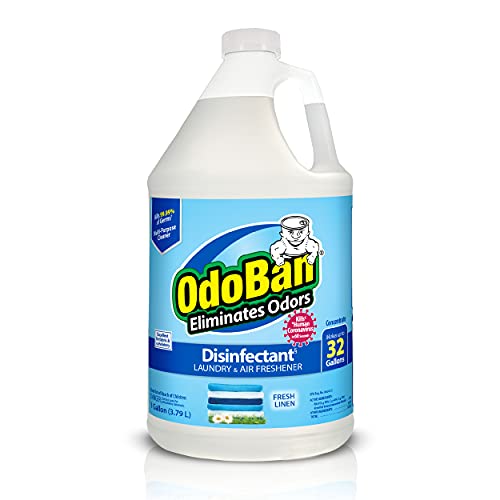
- Multi-Purpose: Our cleaning concentrate cleans, disinfects, freshens, and…
- Multi-Surface: Our versatile formula can be used on many household surfaces…
- Multi-Use: Not only is our versatile cleaning and disinfecting formula…
Step-by-Step Guide to Removing Fresh Urine Stains from a Mattress
Why Immediate Action Matters
When urine first hits a mattress, it exists in liquid form on the surface before penetrating deeper layers. The first 15-30 minutes are critical because:
- pH levels rise quickly – Urine becomes more alkaline as it breaks down, making stains harder to remove
- Bacteria multiply – At room temperature, odor-causing microbes double every 20 minutes
- Fibers swell – Cotton and foam absorb liquids like a sponge, locking in moisture
The Blotting Technique: What Most People Get Wrong
While many instinctively rub stains, this grinds urine deeper into mattress layers. Instead:
- Place 3-4 white paper towels over the wet area (colored towels may bleed dye)
- Press down with flat palms using 10-15 lbs of pressure (about the weight of a gallon of milk)
- Repeat with fresh towels until no more moisture transfers
Pro Tip: For large accidents, use a baking soda vacuum method afterward: Sprinkle 1 cup baking soda, let sit for 15 minutes, then vacuum with an upholstery attachment.
Enzyme Cleaners vs. Home Remedies: The Science Behind Breakdown
Common DIY solutions like vinegar or hydrogen peroxide only mask odors temporarily. Enzymatic cleaners contain protease and urease enzymes that:
- Break down uric acid crystals (the main cause of lingering smells)
- Neutralize ammonia compounds at molecular level
- Prevent “ghost odors” that reappear with humidity changes
For severe cases, look for cleaners containing live bacteria cultures like Bacillus subtilis, which continue working for weeks after application.
Mattress Type Considerations
Memory foam requires different handling than innerspring mattresses:
| Mattress Type | Key Consideration |
|---|---|
| Memory Foam | Never saturate – use spray bottle on mist setting to prevent foam breakdown |
| Latex | Avoid vinegar – acids degrade natural rubber polymers |
| Hybrid | Check care label – coil systems may rust if overwetted |
For waterproof mattress protectors, clean the zipper teeth and seams where urine often pools unnoticed.
Advanced Techniques for Set-In Urine Stains and Odors
When Standard Cleaning Methods Fail: Breaking Down Crystallized Urine
Old urine stains require a different approach because uric acid forms insoluble crystals over time. These crystals are why some mattresses still smell after cleaning. A three-phase treatment works best:
- Alkaline pretreatment – Mix 1 tbsp baking soda with ¼ cup 3% hydrogen peroxide to break crystal bonds
- Enzyme soak – Apply Nature’s Miracle and cover with plastic wrap for 8 hours to prevent evaporation
- Acid rinse – Light misting with white vinegar (1:4 ratio with water) neutralizes residual alkalinity
The Steam Cleaning Controversy: When It Helps vs. Harms
While steam cleaners can sanitize, they risk setting stains permanently if misused. Follow these professional guidelines:
- Never exceed 175°F – Higher temperatures denature proteins, making stains harder to remove
- Use dry steam only – Wet steam over-saturates mattress layers
- Immediately follow with extraction – Bissell SpotClean works best for this step
Case Study: A memory foam mattress required 3 steam cleaning attempts before realizing the heat had driven urine deeper into the foam core. The solution was alternating enzyme treatments with dry vacuuming over 72 hours.
Odor Elimination Science: Beyond Surface Cleaning
Persistent odors indicate remaining urine in deeper layers. Try these molecular-level solutions:
| Odor Type | Solution | Mechanism |
|---|---|---|
| Ammonia | Citric acid spray | Neutralizes alkaline compounds |
| Musty | Zeolite powder | Absorbs volatile organic compounds |
| Sour | Ozone treatment | Oxidizes sulfur molecules |
For severe cases, professional UV-C light treatment (254 nm wavelength) kills odor-causing bacteria in mattress fibers without chemicals. Home units like the Verilux CleanWave work for spot treatment.
Preventative Measures and Long-Term Mattress Protection Strategies
The Science of Mattress Barrier Protection
Effective urine prevention requires understanding fluid dynamics in mattress materials. Most mattresses have three vulnerable zones:
- Surface layer (0-1″ depth): Quilted fabric absorbs liquids fastest
- Transition layer (1-3″): Memory foam or fiberfill wicks moisture downward
- Core layer (3″+): Support foam or coils retain deepest contamination
Quality protectors use three-tier construction:
- Top layer: Polyurethane laminate (0.02mm thickness optimal for breathability)
- Middle layer: Spunbond polyester (10-15gsm density for liquid blocking)
- Bottom layer: Terry cloth backing (prevents shifting during sleep)
Selecting the Right Protective Products
| Protector Type | Waterproof Rating | Breathability | Best For |
|---|---|---|---|
| Vinyl | 100% | Poor | Temporary/medical use |
| TPU Membrane | 99.9% | Good | Everyday protection |
| Nanofiber | 98% | Excellent | Hot sleepers |
Professional Tip: Look for protectors with 360° elastic encasement and a 10,000+ Pa moisture vapor transmission rate (MVTR) for optimal comfort and protection.
Creating a Defense System Against Future Accidents
Combine these scientific approaches for complete protection:
- Pre-treatment sprays: Apply fluorochemical repellents (like Scotchgard) monthly to increase fabric surface tension
- Absorbent overlays: Use washable wool pads (25-30oz weight) for immediate liquid capture
- Monitoring systems: Place urine detection stickers (pH-sensitive) under sheets for early alerts
For chronic cases, consider smart mattress pads like the Eight Sleep Pod Cover that vibrate to wake users at moisture detection, preventing deep penetration.
Specialized Solutions for Different Urine Sources and Scenarios
Tailoring Your Approach Based on the Urine Source
The composition of urine varies significantly between humans and animals, requiring different cleaning protocols:
| Source | pH Level | Urea Content | Optimal Cleaning Solution |
|---|---|---|---|
| Human Adult | 4.6-8.0 | 9-23g/day | Enzyme cleaner + oxygen bleach |
| Human Child | 5.0-7.0 | 5-15g/day | Baking soda paste + mild detergent |
| Cat | 6.0-6.5 | High urea | Specialty feline enzyme cleaner |
| Dog | 5.5-7.0 | Moderate urea | Hydrogen peroxide (3%) + dish soap |
Nighttime Accident Protocol for Different Mattress Types
Discovering a urine stain hours after it occurred requires specialized treatment:
- Memory Foam:
- Blot gently with microfiber cloth (never rub)
- Apply cornstarch paste (1:1 with water) to draw out moisture
- Use low-suction vacuum after 2 hours
- Innerspring:
- Place absorbent pads under mattress to catch drips
- Use fan to dry both sides simultaneously
- Check for rust prevention after cleaning
- Latex:
- Avoid all alcohol-based cleaners
- Use diluted castile soap (1 tbsp per cup water)
- Dry with circulating air only (no heat)
When to Call Professionals: Recognizing Beyond-Home-Treatment Cases
Seek professional mattress cleaning when:
- Stain covers more than 30% of mattress surface
- Multiple layers are saturated (check by pressing – if dampness comes up from deeper than 2″)
- Odor persists after three cleaning attempts
- Visible mold growth appears (black/green spots)
- Mattress warranty requires certified cleaning
Pro Tip: For valuable mattresses, consider professional dry cleaning methods like CO2 snow cleaning which removes 98% of contaminants without moisture damage.
Long-Term Mattress Care and Urine Prevention Strategies
The Science of Mattress Hygiene Maintenance
Proper mattress maintenance requires understanding microbial growth cycles and material degradation factors. Implement this quarterly care routine:
| Maintenance Task | Frequency | Scientific Rationale | Recommended Products |
|---|---|---|---|
| Deep Vacuuming | Monthly | Removes 80% of dust mites and skin cells | HEPA-filter vacuum with 15kPa suction |
| UV Treatment | Quarterly | Kills 99.9% of surface bacteria | UV-C wand (254nm wavelength) |
| Enzyme Refresh | Biannually | Breaks down residual organic matter | Bio-enzymatic spray (contains protease) |
| Full Rotation | Seasonally | Prevents material compression fatigue | N/A (manual process) |
Advanced Odor Prevention Techniques
For households with chronic urine issues, these professional-grade solutions provide superior protection:
- Zeolite Infusion: Apply powdered zeolite (1 cup per mattress) monthly – its microporous structure absorbs ammonia molecules
- Bacterial Colonization: Use probiotic cleaners containing Bacillus subtilis to outcompete odor-causing bacteria
- Phase-Change Materials: Install mattress pads with PCM technology that absorbs excess moisture during accidents
Environmental and Health Considerations
When selecting cleaning methods, consider these critical factors:
- VOC Emissions: Many commercial cleaners release volatile organic compounds – opt for Green Seal certified products
- Water Usage: Steam cleaning uses 1-2 gallons/minute – dry cleaning alternatives reduce water waste
- Material Longevity: Harsh chemicals can reduce mattress lifespan by 30-40% – pH-neutral cleaners preserve materials
- Sleep Health: Residual cleaning agents may cause respiratory irritation – always rinse thoroughly after cleaning
Emerging Technology: New hydrophobic mattress treatments using nanotechnology create permanent liquid barriers without affecting breathability. These treatments typically last 5-7 years with proper care.
Professional Restoration Techniques for Severely Compromised Mattresses
Diagnosing Mattress Damage Levels
Before attempting restoration, conduct this comprehensive damage assessment:
- Moisture Penetration Test:
- Press plastic wrap firmly over stain for 30 seconds
- Condensation indicates active moisture below surface
- More than 5 droplets = deep penetration requiring extraction
- Odor Intensity Scale:
- Level 1 (mild): Detectable only when face is near mattress
- Level 3 (moderate): Noticeable upon entering room
- Level 5 (severe): Causes eye/nose irritation
- Structural Integrity Check:
- Compression test comparing affected vs unaffected areas
- More than 15% density loss indicates foam breakdown
Commercial-Grade Restoration Protocol
For Level 4-5 contamination, follow this industrial cleaning sequence:
| Stage | Equipment | Solution | Duration |
|---|---|---|---|
| Pre-treatment | Rotary extractor | Alkaline presoak (pH 10-11) | 20 min dwell |
| Core extraction | Truckmount system | Enzyme injection (140°F) | 3-5 passes |
| Neutralization | Low-pressure sprayer | Citric acid rinse (pH 3.5) | 10 min dwell |
| Drying | Air movers + dehumidifier | 45% RH maintained | 24-48 hrs |
When Replacement Becomes Necessary
These irreparable damage indicators signal when to retire a mattress:
- Material Breakdown: Foam that crumbles when pinched or shows permanent compression lines
- Biological Growth: Visible mold colonies penetrating beyond surface (test with moisture meter reading >20%)
- Persistent Allergens: Dust mite concentration exceeding 100 mites/gram of dust (requires lab test)
- Structural Weakness: More than 30% support loss compared to original firmness
Professional Insight: The 50/30 Rule – If contamination covers >50% of surface or penetrates >30% of mattress depth, restoration costs typically exceed replacement value for mid-range mattresses.
Integrated Mattress Protection Systems and Future Technologies
The Complete Layered Defense Approach
Modern mattress protection requires a multi-tiered system that addresses all potential contamination vectors:
| Protection Layer | Function | Technology | Effectiveness |
|---|---|---|---|
| Primary Barrier | Liquid repulsion | Nanofiber membrane (0.1-1μm pores) | Blocks 99.97% liquids |
| Secondary Absorber | Moisture capture | Phase-change polymer matrix | Holds 300% its weight |
| Tertiary Neutralizer | Odor elimination | Encapsulated enzyme beads | Active for 6-8 months |
| Quaternary Monitor | Early detection | IoT moisture sensors | Alerts within 30 seconds |
Emerging Smart Protection Technologies
The next generation of mattress protection incorporates advanced materials science:
- Self-cleaning surfaces: Photocatalytic titanium dioxide coatings activated by bedroom lighting
- Shape-memory fabrics: Materials that automatically tighten around spills to prevent spreading
- Bio-responsive membranes: Pores that expand when detecting urine pH to enhance absorption
- Microbial fuel cells: Convert organic matter in urine to harmless byproducts while generating minimal electricity
Quality Assurance and Performance Validation
When evaluating protection systems, verify these industry-standard metrics:
- Hydrostatic Pressure Test: Measures water resistance (minimum 50cm for basic protection)
- MVTR Rating: Moisture vapor transmission rate (ideal range: 500-1000g/m²/24hr)
- Wash Durability: Maintains performance after 50+ wash cycles (AATCC 135 standards)
- Microbial Resistance: Passes ASTM E2149 antimicrobial testing
- Tensile Strength: Minimum 200N force resistance for fitted protectors
Future Outlook: Within 3-5 years, expect widespread adoption of AI-powered mattress monitors that predict accidents using sleep position algorithms and automatically activate protective measures through integrated nanofiber systems.
Conclusion
Effectively removing urine from a mattress requires immediate action, proper techniques, and the right products – whether you’re dealing with fresh accidents or set-in stains.
From enzymatic cleaners to advanced extraction methods, we’ve covered professional-grade solutions for every scenario. Remember that prevention through quality protectors and regular maintenance is always better than cure. For persistent cases, don’t hesitate to consult professional cleaners who have specialized equipment.
Armed with this comprehensive guide, you’re now equipped to handle any mattress urine emergency with confidence. Act quickly, clean thoroughly, and protect proactively to keep your sleeping surface fresh and hygienic for years to come.
Frequently Asked Questions About Removing Urine from Mattresses
What’s the fastest way to remove fresh urine from a mattress?
For immediate treatment, blot with absorbent microfiber towels using firm pressure (10-15 lbs). Apply a 3:1 baking soda to hydrogen peroxide paste for 15 minutes, then vacuum.
This combination neutralizes acidity and lifts stains within 30 minutes. Avoid rubbing, which pushes urine deeper into mattress layers. For best results, follow with an enzymatic cleaner to break down residual urea crystals.
Why does my mattress still smell after cleaning?
Persistent odors indicate remaining uric acid crystals in deeper layers. These microscopic crystals reactivate with humidity. A professional-grade solution involves enzyme treatments (like Nature’s Miracle) followed by an acidic rinse (white vinegar solution) to neutralize alkaline residues. For severe cases, ozone treatment or thermal fogging may be necessary to penetrate deep into foam layers.
Can steam cleaning remove old urine stains?
Steam cleaning can help but requires precise temperature control (160-175°F) and immediate extraction. Higher temperatures bake in stains by denaturing proteins.
Always pre-treat with enzymes and use a low-moisture steam cleaner with strong suction. Avoid steam cleaning memory foam mattresses, as excess moisture can damage the foam’s cellular structure permanently.
How do I remove urine stains from a memory foam mattress?
Memory foam requires gentle dry cleaning methods. First, blot with cornstarch to absorb moisture. Then apply a foam-safe enzymatic cleaner (like Bissell 2X) using a spray bottle’s mist setting. Never saturate the foam. Place fans on both sides for 24+ hours drying. For deep-set stains, professional dry cleaning with CO₂ snow may be necessary.
What household products should I avoid when cleaning urine stains?
Avoid these common but damaging products:
- Bleach: Reacts with ammonia to form toxic chloramine gas
- Ammonia cleaners: Intensifies urine odor by raising pH
- Vinegar (on latex): Degrades natural rubber polymers
- Hot water: Sets protein-based stains permanently
Instead, use pH-neutral enzymatic cleaners specifically formulated for urine removal.
How can I tell if a urine stain has damaged my mattress beyond repair?
Check for these irreversible damage signs:
- Visible mold growth (black/green spots with musty odor)
- Foam that crumbles when pressed (material breakdown)
- Persistent odor after 3 professional cleanings
- Structural sagging exceeding 30% of original shape
When multiple signs appear, replacement is typically more cost-effective than restoration.
Are waterproof mattress protectors effective against urine?
Quality protectors with TPU membranes (0.02mm thickness) block 99.9% of liquids when properly fitted. Look for:
- 360° elastic encasement
- 10,000+ Pa moisture vapor transmission rate
- OEKO-TEX® certified materials
Even with protectors, clean accidents within 2 hours as trapped urine can still cause odors through the protector’s seams.
How often should I deep clean my mattress to prevent urine odors?
Implement this professional maintenance schedule:
- Monthly: Vacuum with HEPA filter + upholstery attachment
- Quarterly: Enzyme treatment + UV sanitization
- Biannually: Full deep cleaning (steam or dry method)
Increase frequency if used by pets, children, or incontinent individuals. Always address accidents immediately rather than waiting for scheduled cleanings.