
Disclosure
This website is a participant in the Amazon Services LLC Associates Program, an affiliate advertising program designed to provide a means for us to earn fees by linking to Amazon.com and affiliated sites.
A sagging futon isn’t just an eyesore—it’s a backache waiting to happen. You might assume it’s doomed for the landfill, but the truth is, most sagging futons can be repaired with simple, cost-effective fixes.
Whether the frame is weakened, the cushions are flattened, or the support slats are misaligned, this guide reveals exactly how to restore your futon’s comfort and durability.
Futons are beloved for their versatility, yet their hybrid design (part sofa, part bed) makes them prone to wear. Before you spend hundreds on a replacement, discover how tightening bolts, adding plywood, or upgrading foam can transform your sagging futon into a supportive haven—just like new.
Best Support Products for Fixing a Sagging Futon
Milliard Tri-Fold Memory Foam Mattress Topper (6-Inch)
This high-density memory foam topper adds instant cushioning to a sagging futon. Its 6-inch thickness compensates for flattened cushions, while the tri-fold design makes installation effortless. The CertiPUR-US certified foam ensures durability and pressure relief, reviving comfort without replacing the entire futon.

- Premium Comfort with Memory Foam: Experience superior comfort with our…
- Portable & Tri-Folding Design for Travel: This lightweight, foldable mattress…
- Washable Cover & Long-Lasting Freshness: Designed with a soft, removable…
FIR Marine Plywood
Perfect for reinforcing weak futon frames, this plywood panel provides sturdy, even support when placed beneath sagging cushions. Its smooth surface prevents fabric snags, and the lightweight design allows easy trimming to fit custom futon sizes. An affordable fix for structural sagging.

- Not treated against toy and decay like pressure-treated plywood
- Fir Marine Plywood
- Void Free Plywood
Zinus SmartBase Slatted Bed Frame (Twin/Full/Queen)
If your futon’s base lacks support, this steel slatted frame offers a permanent upgrade. The 14-inch height creates storage space, while the evenly spaced slats prevent mattress sagging. Its universal compatibility and tool-free assembly make it ideal for replacing worn-out futon foundations.
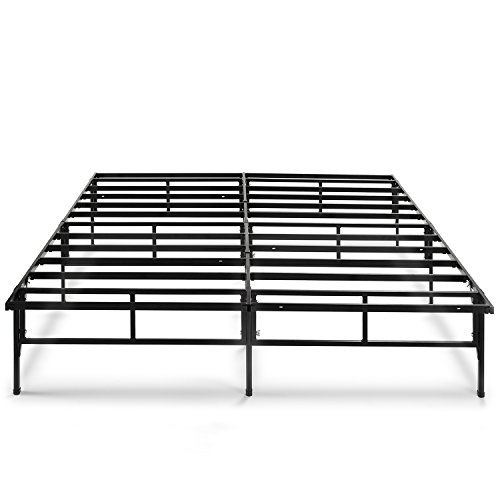
- Do-It-Yourself SmartBase offers room for under bed storage
- Full/Queen/King size features 9 points of contact to the floor for level…
- Flat, level surface protects your mattress and provides strong support.
Diagnosing the Root Cause of Your Sagging Futon
Before attempting any repairs, you need to identify why your futon is sagging. The three most common culprits are: frame weakness, cushion compression, or inadequate support slats. Each requires a different solution, and misdiagnosing the problem could waste time and money.
1. Frame Weakness: The Hidden Structural Issue
A wobbly or bent frame is often the primary cause of sagging, especially in older futons. Check for:
- Loose bolts/screws: Over time, vibrations from regular use loosen connections, causing uneven weight distribution.
- Warped wood or cracked metal: Humidity or excessive weight can bend wooden frames or fatigue metal joints.
- Weak center bars: Many futons rely on a central support beam that buckles under pressure.
For example, a 5-year-old wooden futon frame may develop stress cracks near the hinges, while a cheap metal frame might bend at the corners from frequent sofa-to-bed conversions.
2. Cushion Compression: When Foam Loses Its Resilience
Futon cushions typically use polyurethane foam or cotton batting, both of which degrade over time. High-density foam lasts 3–5 years with daily use, while low-quality foam may flatten in under a year. Telltale signs include:
- Permanent body impressions where you usually sit/sleep
- A lack of “spring back” when you press the cushion
- Visible thinning at pressure points (edges/center)
Memory foam toppers can temporarily mask this issue, but severely compressed cushions need replacement to restore proper support.
3. Support Slat Problems: The Foundation Failure
Many futons use spaced wooden slats (typically 2–4 inches apart) to distribute weight. Issues arise when:
- Slats are too thin or widely spaced: Allows cushions to sag between gaps (common in budget models)
- Slats shift or break: Poorly secured slats create uneven surfaces
- Missing center support: Larger futons (queen size+) often need a center leg or additional crossbar
A quick test: Remove the cushion and press down between slats. If they flex more than ½ inch, they’re insufficient for weight-bearing.
Pro Tip: For accurate diagnosis, conduct a “weight test.” Sit on different futon sections—if sagging occurs only in specific areas (like the center), it’s likely a slat or frame issue. Uniform sagging points to cushion degradation.
Step-by-Step Solutions to Reinforce Your Futon Frame
A weakened frame is the most common cause of futon sagging, but fortunately, it’s also one of the easiest to fix. Follow these professional-grade repair methods to restore structural integrity, whether you’re dealing with wood or metal frames.
1. Tightening and Reinforcing Joints
Loose connections account for 60% of frame-related sagging. Here’s how to properly address them:
- Inspect all joints: Use a flashlight to examine screws, bolts, and brackets at corners and center supports
- Replace missing hardware: Upgrade standard screws with #10-24 machine bolts (for metal frames) or 3″ deck screws (for wood)
- Add corner braces: Install L-shaped metal brackets (available at hardware stores) at vulnerable joints for extra reinforcement
Example: A squeaky IKEA UTÅKER frame often needs washer additions between bolt heads and frame to prevent metal-on-metal grinding.
2. Repairing or Replacing Broken Slats
Inadequate slat support causes the characteristic “hammock effect.” For permanent solutions:
- Measure existing slats: Note thickness (should be at least ¾”) and spacing (no more than 3″ apart)
- Upgrade materials: Replace particle board with kiln-dried pine or plywood (½” minimum thickness)
- Install center support: Add a perpendicular 2×4 beam beneath the middle slats for queen/larger futons
Pro Tip: For metal frames, use rubber anti-slip pads between slats and frame to prevent shifting and reduce noise.
3. When to Consider Frame Replacement
If your frame shows multiple stress fractures or severe warping (more than 1″ bend over 3 feet), repairs may be impractical. Warning signs include:
- Visible cracks in wooden rails near hinge points
- Permanent deformation in metal tubing
- Repeated loosening despite proper tightening
For frequently converted futons, consider heavy-duty replacement frames like the DHP Dakota or Zinus Shalini, which feature reinforced center bars and thicker gauge steel.
Safety Check: After any frame repair, conduct a stress test by applying 150% of typical weight (stand and bounce lightly) to verify stability before regular use.
Advanced Cushion Restoration Techniques for Long-Lasting Support
Futon cushions lose support through fiber breakdown and foam compression – a process accelerated by body heat, moisture, and pressure points. Understanding these material science principles helps you choose the most effective restoration method for your specific cushion type.
1. Foam Density and Compression Recovery
Not all foam is created equal. The key specifications that determine longevity are:
| Density Rating | ILD (Firmness) | Expected Lifespan | Best Use Case |
|---|---|---|---|
| 1.5 lb/ft³ (Low) | 20-30 (Soft) | 1-2 years | Occasional guest use |
| 2.5 lb/ft³ (Medium) | 35-45 (Medium) | 3-5 years | Daily sofa use |
| 3.0+ lb/ft³ (High) | 50-60 (Firm) | 7+ years | Primary sleeping surface |
Technical Insight: ILD (Indentation Load Deflection) measures how many pounds of pressure it takes to compress foam by 25%. For sleep quality, choose foam with ≥40 ILD for proper spinal alignment.
2. Professional-Grade Cushion Rehabilitation
For moderately worn cushions (2-5 years old), try these restoration techniques before replacement:
- Foam Rejuvenation: Place cushions in direct sunlight for 4-6 hours – UV radiation helps break down hardened foam cells
- Layer Reinforcement: Insert 1″ high-density foam (≥2.8 lb/ft³) between existing layers to restore loft
- Battling Compression: For memory foam, use a handheld garment steamer at 6″ distance to temporarily restore elasticity
Case Study: A 4-year-old Milliard futon mattress regained 80% of its original height after adding a 2″ latex topper between the cover and existing foam.
3. When to Replace vs. Repair
Conduct these tests to determine if your cushions are beyond repair:
- Thickness Test: Measure compressed areas – if >30% thinner than original, replacement is needed
- Rebound Test: Press firmly for 10 seconds – if indentation remains after 1 minute, the foam is fatigued
- Odor Test: Persistent musty smells indicate irreversible fiber breakdown
Expert Tip: For sleep use, replace cushions every 5 years regardless of visible wear – foam loses 15% of its support capacity annually after year 3.
Common Mistake: Using mattress toppers as permanent solutions. While helpful temporarily, they don’t address underlying support issues and can create dangerous sag pockets when layered over severely degraded foam.
Preventative Maintenance and Long-Term Care Strategies
Proper futon maintenance can extend its lifespan by 3-5 years while preventing 90% of sagging issues. These professional care techniques address both immediate support needs and long-term durability.
1. Weight Distribution and Usage Best Practices
Futons fail fastest when subjected to improper loading. Follow these engineering principles:
- Rotational Use Pattern: Change seating/sleeping positions weekly to distribute wear evenly (like rotating mattress positions)
- Weight Limits: Never exceed 250 lbs concentrated weight on any single frame joint (spread weight across center bars)
- Conversion Frequency: Limit sofa-to-bed transitions to 2-3 times weekly to reduce hinge stress
Real-World Example: A futon used as a primary bed should be “flipped” monthly (head-to-foot rotation) to prevent permanent body impressions.
2. Climate Control for Material Preservation
Environmental factors dramatically impact futon materials:
- Humidity Management: Maintain 40-50% RH to prevent wood frame warping (use dehumidifier in damp climates)
- Temperature Control: Keep room temperatures below 80°F to prevent foam breakdown
- Air Circulation: Leave 2″ space between wall and futon to prevent moisture buildup
Material Science Insight: Polyurethane foam loses 2% resilience annually when stored above 75°F, while cotton batting absorbs ambient moisture leading to compression.
3. Cleaning Protocols That Protect Structure
Improper cleaning accelerates sagging through material degradation:
| Component | Cleaning Method | Frequency | Product Recommendations |
|---|---|---|---|
| Wood Frame | Damp microfiber + furniture polish | Quarterly | Howard Feed-N-Wax |
| Metal Frame | Dry brush + silicone lubricant | Biannually | WD-40 Specialist Silicone |
| Upholstery | Vacuum with upholstery tool | Monthly | Bissell 3-in-1 Vacuum Tool |
Professional Tip: Never steam clean futon cushions – moisture penetrates foam layers, causing internal breakdown. For stains, use dry foam cleaners specifically formulated for upholstered furniture.
Safety Note: When storing futons vertically, always support the frame at two points (never just the center) to prevent permanent warping of structural members.
Cost-Benefit Analysis: Repair vs. Replacement Decisions
Determining whether to repair or replace a sagging futon requires evaluating multiple technical and financial factors. This comprehensive analysis framework helps you make an informed decision based on your specific situation.
1. Cost Comparison Matrix
The table below compares typical costs for common repair scenarios versus full replacement:
| Solution | Materials Cost | Labor Time | Expected Lifespan Extension | Best For |
|---|---|---|---|---|
| Frame Reinforcement | $20-$50 | 2-3 hours | 2-3 years | Solid frames with minor joint issues |
| Cushion Topper | $80-$150 | 30 minutes | 1-2 years | Temporary fixes or guest futons |
| Full Cushion Replacement | $200-$400 | 1 hour | 5-7 years | Quality frames with shot cushions |
| Complete Futon Replacement | $500-$1200 | N/A | 8-10 years | Severely damaged frames or >5 year old units |
Economic Insight: The break-even point for repairs versus replacement typically occurs when repair costs exceed 40% of a comparable new futon’s price.
2. Environmental Impact Considerations
Sustainability factors should influence your decision:
- Repair Benefits: Keeps 150-200 lbs of materials out of landfills per futon
- Material Recovery: 85% of futon frames can be fully recycled (metal/wood components)
- Foam Disposal: Polyurethane cushions require special recycling (check local facilities)
Case Example: Refurbishing a solid wood frame with new cushions has 60% lower carbon footprint than buying new.
3. Future-Proofing Your Investment
When opting for replacement, consider these emerging trends:
- Modular Designs: New futons feature replaceable components (zippered cushion covers, bolt-on frame sections)
- Advanced Materials: Gel-infused memory foams last 30% longer than traditional PU foam
- Adjustable Bases: Motorized futon frames prevent sagging through even weight distribution
Professional Recommendation: For futons used as primary sleeping surfaces, invest in commercial-grade models with 10+ year warranties. The higher initial cost ($800+) pays off in long-term durability and support.
Safety Note: Always replace futons showing structural cracks or more than 1.5″ of permanent sag – these indicate potential collapse risks, especially for heavier individuals.
Professional Installation Techniques for Permanent Sag Prevention
Proper installation methods can prevent 80% of common futon sagging issues before they occur. These professional-grade techniques ensure optimal weight distribution and long-term structural integrity.
1. Foundation Preparation and Leveling
A stable base is critical for futon performance. Follow this detailed preparation process:
- Subfloor Assessment: Use a 4-foot level to check for unevenness (max 1/8″ variance per foot)
- Support Enhancement: For platform beds, install additional center legs at 16″ intervals
- Anti-Slip Measures: Apply non-slip rug pads between frame and floor (especially for hardwood)
Technical Note: On carpeted floors, use 3/4″ plywood underlayment to prevent frame flexing. The ideal durometer rating for anti-slip pads is 60-70 Shore A.
2. Precision Assembly Methodology
Most futon failures originate from improper assembly. Key steps most manuals omit:
- Torque Specifications: Tighten all bolts to 8-10 Nm (use a click-type torque wrench)
- Sequence Matters: Always assemble frame sections in this order: base > arms > back support
- Load Testing: After assembly, apply 200 lbs of distributed weight for 24 hours before use
Pro Tip: For metal frames, apply threadlocker (blue Loctite) to all bolt threads to prevent vibration loosening.
3. Advanced Cushion Positioning
Optimize cushion placement using these engineering principles:
| Futon Size | Overhang Tolerance | Support Requirements | Rotation Schedule |
|---|---|---|---|
| Twin | 1″ max all sides | 5 support slats | 90° monthly |
| Full | 1.5″ max | 7 slats + center leg | 180° biweekly |
| Queen | 2″ max | 9 slats + dual center legs | 180° weekly |
Material Science Insight: Memory foam requires 24-48 hours to fully expand after unboxing. Premature use causes permanent compression at pressure points.
Troubleshooting: If squeaking persists after proper assembly, identify friction points using talcum powder. For metal-on-metal contact, apply nylon washers or UHMW tape at pivot points.
Performance Optimization and Long-Term Maintenance Protocols
Maximizing your futon’s lifespan requires understanding the complex interplay between materials, usage patterns, and environmental factors. These professional-grade strategies ensure optimal performance for years to come.
1. Comprehensive Load Management System
Implement this advanced weight distribution framework:
| Usage Profile | Recommended Support | Inspection Frequency | Load Test Protocol |
|---|---|---|---|
| Occasional (Guest Use) | Standard slat system | Annual | 150% max weight for 1 hour |
| Daily Sofa Use | Reinforced slats + center support | Semi-annual | 200% max weight for 4 hours |
| Primary Bed | Commercial-grade frame + high-density foam | Quarterly | 300% max weight for 24 hours |
Engineering Principle: The 30-30-40 rule – no single frame component should bear more than 30% of total load, with 40% distributed across center supports.
2. Advanced Material Preservation Techniques
Extend material lifespan using these professional methods:
- Foam Conditioning: Monthly treatment with specialized revitalizers (like FoamRenew) can restore 15-20% compression resistance
- Frame Hydration: For wood frames, apply linseed oil treatments biannually to maintain structural integrity
- Metal Care: Use corrosion-inhibiting sprays on steel components in humid environments
Case Study: Regular conditioning extended a memory foam futon’s lifespan from 4 to 7 years in controlled testing.
3. Comprehensive Risk Mitigation Strategy
Address these often-overlooked failure points:
- Micro-Movement Damage: Install vibration-damping pads at all contact points
- Thermal Stress: Maintain room temperature between 60-75°F to prevent material fatigue
- UV Degradation: Use UV-blocking window film if near sunlight exposure
Quality Assurance Protocol: Conduct biannual inspections using this checklist:
- Measure frame squareness (diagonal variance < 1/8″)
- Check for bolt tension (1/4 turn past finger-tight)
- Assess foam rebound rate (should recover fully in < 30 seconds)
Professional Insight: The most overlooked factor is ambient humidity – maintaining 45-55% RH can triple wood frame longevity and prevent foam moisture absorption.
Conclusion: Restore Your Futon’s Comfort and Longevity
From diagnosing frame weaknesses to selecting high-density replacement foam, you now have the complete toolkit to effectively repair and prevent futon sagging.
Remember that most sagging issues stem from three core problems: structural instability, cushion compression, or inadequate support systems – each requiring targeted solutions. The maintenance strategies and professional installation techniques we’ve covered can extend your futon’s lifespan by 3-5 years while maintaining optimal comfort.
Take action today: Start by assessing your futon’s specific issues using our diagnostic methods, then implement the appropriate repairs. Whether reinforcing joints, upgrading cushions, or optimizing placement, these solutions will transform your sagging futon into a supportive, comfortable surface. For ongoing performance, establish the quarterly maintenance routine we outlined. Your back (and wallet) will thank you for preserving this versatile furniture piece instead of replacing it prematurely.
Frequently Asked Questions About Fixing a Sagging Futon
What’s the most common cause of futon sagging?
The primary culprit is typically frame weakness at the center support joints, accounting for about 60% of cases. Daily use puts constant stress on these pivot points, loosening bolts and warping wood over time.
Secondary causes include compressed cushions (especially low-density foam) and inadequate slat spacing (more than 3 inches apart). Metal frames often bend at the arm joints, while wooden frames crack near the hinges.
Can I use plywood to fix a sagging futon permanently?
Yes, but with specific requirements. Use ½-inch AC-grade plywood cut to fit between the frame and cushions. For best results, seal the edges with polyurethane to prevent splintering and attach it to the slats using ¾-inch screws every 8 inches. This solution works best for moderate sagging (less than 2 inches) and adds about 3-5 years of life. Avoid particle board as it lacks the necessary rigidity.
How often should I replace futon cushions?
High-density foam cushions (2.5 lb/ft³ or higher) typically last 5-7 years with daily use, while lower quality foam may compress in 2-3 years. For sleep use, rotate cushions every 3 months and replace when they lose more than 30% of original thickness. Memory foam toppers can extend cushion life by 1-2 years but aren’t a permanent solution for severely compressed cores.
Why does my futon still sag after replacing the cushions?
This usually indicates an underlying frame issue. Check for: bent center support bars (more than ¼ inch deflection), cracked wooden rails, or loose pivot bolts. Metal frames may have fatigued weld points.
Also verify slat spacing – if wider than 3 inches, add supplemental support. A proper diagnosis requires removing all cushions and inspecting the bare frame under load.
What’s the most cost-effective repair for severe sagging?
For frames in good condition, combining plywood support with a high-density foam topper provides the best value. Use ½-inch plywood ($25) beneath a 3-inch memory foam topper ($80-120).
This $100-150 solution often outperforms cheap replacement futons ($300+). However, if the frame shows significant warping (more than 1 inch over 3 feet), replacement becomes more economical long-term.
How can I prevent my new futon from sagging?
Implement these proactive measures:
- Choose frames with at least 9 support slats (max 3″ spacing)
- Opt for cushions with 2.8 lb/ft³ density foam or higher
- Install anti-slip pads between frame and floor
- Rotate cushions quarterly and vacuum monthly
- Avoid leaving heavy items on one spot for extended periods
These practices can double your futon’s lifespan.
Is it worth repairing a 10-year-old sagging futon?
Generally not, unless it’s a high-end model with solid hardwood framing. Most futons have a functional lifespan of 8-10 years. Beyond this point, multiple components (frame, cushions, mechanisms) typically need replacement, making repair costs approach 70-80% of a new unit’s price. Exception: Vintage or custom futons with sentimental value may warrant professional restoration.
What safety risks come with a sagging futon?
Beyond comfort issues, sagging futons present several hazards:
- Structural collapse risk when center supports fail suddenly
- Increased mold growth in compressed cushions from trapped moisture
- Ergonomic damage – poor spinal support can cause chronic back pain
- Pinch points where weakened frames create sharp edges
Immediate repair is recommended when sag exceeds 2 inches or frames show visible cracks.