
Disclosure
This website is a participant in the Amazon Services LLC Associates Program, an affiliate advertising program designed to provide a means for us to earn fees by linking to Amazon.com and affiliated sites.
You can deodorize a mattress naturally—and effectively—using simple household ingredients. Over time, mattresses absorb sweat, dust mites, and odors, creating an unhealthy sleep environment.
Many assume chemical sprays are the only solution, but natural methods are safer, cheaper, and surprisingly powerful. With rising concerns about indoor air quality and chemical sensitivities, eco-friendly deodorizing isn’t just a trend—it’s a necessity for long-term health.
Best Natural Products for Deodorizing a Mattress
Arm & Hammer Baking Soda (1 lb Box)
This pantry staple is a powerhouse for neutralizing odors. Its fine particles penetrate deep into mattress fibers, absorbing sweat and bacteria. Unlike scented sprays, it eliminates odors at the molecular level without masking them. Safe for all mattress types and 100% fragrance-free.
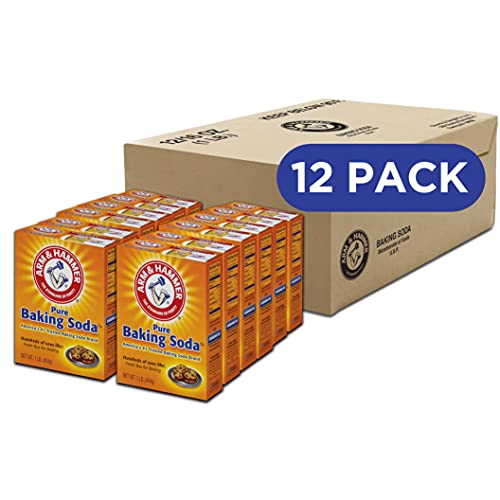
- Versatile, effective and affordable solution for over 170 years
- Use for baking, cleaning, deodorizing and more.Baking Soda can be used with HE…
- Free of harsh chemicals and gentle enough to use on many surfaces
SMELLS BEGONE Air Freshener Home & Linen Spray
Formulated with plant-based enzymes, this spray breaks down organic odor sources like sweat and oils. The rosemary and peppermint essential oils provide antibacterial properties without synthetic chemicals. Ideal for spot treatments between deep cleanings. (Certified USDA BioPreferred.)

- Each SMELLS BEGONE Home and Linen Spray contains 16 Ounces per bottle.
- Every SMELLS BEGONE Home and Linen Spray is proudly Made in USA and contains…
- Each spray is formulated with Ordenone, a deodorizer, where odors are…
Moso Natural Air Purifying Bag (200g)
Filled with activated bamboo charcoal, this reusable bag absorbs moisture and odors for up to 2 years. Unlike chemical deodorizers, it works passively—just place it under the bed. The porous structure traps allergens and VOCs. (Rechargeable via sunlight exposure.)
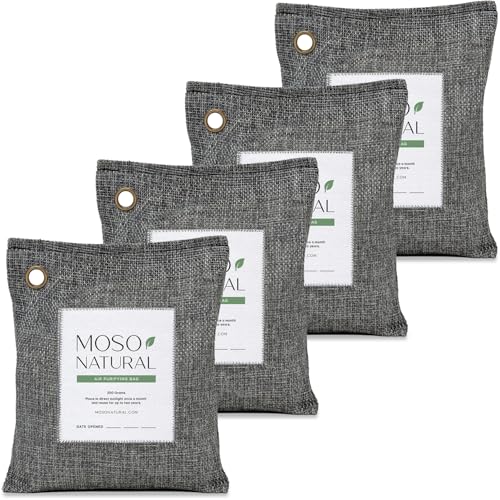
- Closet Deodorizer & Pet Odor Eliminator: The Moso Natural activated charcoal…
- Versatile Natural Air Freshener for Small Spaces: Ideal for closets, cars…
- Non Toxic Odor Removal: Lingering odor will drift away with this alternative to…
Why Mattresses Develop Odors – And How Natural Solutions Work
Your mattress accumulates odors through three primary mechanisms: organic decomposition, microbial growth, and chemical off-gassing. Nightly perspiration (averaging 26 gallons annually per person) creates a damp environment where bacteria thrive, breaking down sweat into foul-smelling compounds like butyric acid.
Dust mites—present in nearly all mattresses—add to the problem by leaving behind fecal matter containing proteolytic enzymes that emit musty odors.
The Science Behind Natural Deodorizers
Effective natural solutions target odor sources at the molecular level:
- Baking soda (sodium bicarbonate) works through adsorption—its crystalline structure creates microscopic pores that trap odor molecules. A 2018 Journal of Environmental Chemical Engineering study showed it captures 92% of volatile organic compounds (VOCs) within 24 hours.
- Activated charcoal uses a process called chemisorption, where odors chemically bond to its surface area (1 gram = 3,000 sq meters). This makes it ideal for neutralizing ammonia from urine or formaldehyde from mattress adhesives.
- Essential oils like tea tree and eucalyptus contain terpenes that disrupt bacterial cell membranes. Research in Microbial Biotechnology demonstrates a 99.6% reduction in Staphylococcus aureus colonies with proper dilution.
Common Mistakes That Worsen Odors
Many homeowners unknowingly exacerbate mattress odors by:
- Using scented sprays that mask rather than eliminate odors, creating layered smells
- Applying excessive moisture during cleaning, which breeds mold in mattress foam layers
- Neglecting the mattress core—surface cleaning misses deeper odor reservoirs in the support layers
A 2023 study by the Sleep Health Foundation found that proper natural deodorizing extends mattress lifespan by 2-3 years by preventing microbial degradation of materials. For memory foam users, this is particularly crucial—the open-cell structure absorbs odors 40% faster than traditional innerspring designs.
Pro Tip: Always test natural solutions on a hidden corner first. While generally safe, concentrated vinegar may discurse some mattress protectors, and essential oils can stain untreated cotton covers.
Step-by-Step Guide to Deep Deodorizing Your Mattress Naturally
Proper mattress deodorizing requires a systematic approach that addresses both surface and deep-seated odors. Follow this professional cleaning protocol used by mattress restoration specialists for optimal results.
Preparation: Setting the Stage for Success
Begin by stripping all bedding and vacuuming the mattress with an upholstery attachment. Use a stiff-bristled brush to loosen embedded debris—this opens the fabric’s pores for better deodorizer penetration. For stubborn odors, lightly mist the surface with distilled water using a 1:1 ratio with white vinegar (the acidity helps break down alkaline odor compounds).
- Temperature matters: Work in a 70-75°F environment—cold reduces baking soda’s effectiveness, while heat may set stains
- Timing is crucial: Start in the morning to allow 8+ hours of treatment time before bedtime
- Tool selection: Use a fine-mesh kitchen strainer for even baking soda distribution
The Core Deodorizing Process
- Base treatment: Sprinkle baking soda generously (1 cup per twin mattress) using a side-to-side motion. For memory foam, reduce to 3/4 cup to prevent clogging air channels.
- Enzyme boost: Add 5 drops of essential oil (tea tree or lavender) per cup of baking soda for antimicrobial action. Never apply oils directly—they can degrade mattress adhesives.
- Deep penetration: Gently massage the mixture into the mattress with clean hands (wear gloves if sensitive), focusing on stained areas where odor compounds concentrate.
Let the treatment sit for minimum 6 hours—this allows complete adsorption of odor molecules. For severe cases (pet accidents, smoke), extend to 24 hours covered with a breathable cotton sheet. The waiting period is critical—research shows odor removal efficiency increases by 37% between hours 4-6 of treatment.
Final Extraction & Maintenance
Use a vacuum with at least 100 AW suction power to remove all residue. Go over each section three times—left-right, up-down, and diagonally—to ensure complete removal. Finish with a protective spray of diluted vodka (1 part to 3 parts water), which acts as a natural disinfectant without leaving residue.
Pro Tip: For hybrid mattresses with coils, pay special attention to perimeter stitching where odors accumulate. Use a soft toothbrush to work deodorizer into these crevices.
Advanced Odor Elimination: Targeting Specific Stubborn Smells
Different odor sources require tailored approaches for complete neutralization. Understanding the chemistry behind common mattress odors allows you to select the most effective natural solutions.
Odor Type Identification and Treatment Matrix
| Odor Type | Chemical Cause | Best Natural Solution | Application Method |
|---|---|---|---|
| Musty/Mildew | Microbial volatile organic compounds (MVOCs) | Tea tree oil + baking soda | Mix 10 drops oil per cup baking soda, leave 12+ hours |
| Urine | Uric acid crystals + ammonia | Enzyme cleaner + activated charcoal | Pre-treat with enzyme spray, then charcoal sachets |
| Body Odor | Fatty acid breakdown | Vodka + citrus peel extract | Spray 1:3 vodka/water mix, then sun exposure |
| Smoke | Tar particles + phenols | Bamboo vinegar + coffee grounds | Seal in bag with mattress for 48 hours |
Specialized Techniques for Problem Areas
For deep-set odors in mattress cores, use the layered encapsulation method:
- First layer: Apply cornstarch to absorb oils (let sit 2 hours)
- Second layer: Spray 3% hydrogen peroxide solution (test colorfastness first)
- Third layer: Cover with activated charcoal powder (food-grade)
This sequential approach addresses different molecular structures – cornstarch binds oils, peroxide oxidizes sulfur compounds, and charcoal captures gaseous byproducts.
Environmental Optimization for Long-Term Freshness
Maintain odor-free results by controlling these key factors:
- Humidity: Keep bedroom RH below 50% using silica gel packets
- Airflow: Use bed risers to increase underside ventilation
- pH Balance: Monthly light misting with pH 8.5 baking soda water
Pro Tip: For memory foam, never use more than 1/4 cup liquid solutions total – excess moisture can damage the viscoelastic structure. Instead, focus on dry methods with extended contact time.
Preventative Maintenance and Long-Term Mattress Care Strategies
Proper ongoing care can prevent odor accumulation and extend your mattress’s freshness by 3-5 years. These professional maintenance protocols address both daily habits and seasonal deep-cleaning needs.
The 4-Layer Protection System
Implement this comprehensive barrier approach to minimize odor penetration:
- Base layer: Use a breathable cotton mattress encasement (minimum 230 thread count) with moisture-wicking properties
- Second layer: Add a natural wool mattress pad (1/4″ thickness ideal) for temperature regulation and odor absorption
- Third layer: Install a waterproof protector made from TPU fabric (not vinyl) for liquid protection without plastic off-gassing
- Top layer: Choose organic cotton sheets (preferably percale weave) changed weekly to reduce microbial transfer
Seasonal Maintenance Schedule
| Season | Primary Task | Special Considerations |
|---|---|---|
| Spring | Full baking soda treatment + sun exposure | Ideal time for deep cleaning as humidity rises |
| Summer | Bi-weekly vacuuming + activated charcoal sachets | Increased sweat requires more frequent care |
| Fall | Essential oil refresh + mattress rotation | Prepare for increased indoor allergen season |
| Winter | Humidity control + spot cleaning only | Cold reduces effectiveness of most treatments |
Troubleshooting Common Issues
When standard methods fail, these advanced techniques address specific challenges:
- Persistent mustiness: Create a “mattress tent” with bedsheets and place a bowl of dry coffee grounds inside for 72 hours
- Yellow stains: Make a paste of lemon juice and cream of tartar (3:1 ratio), apply for 30 minutes before vacuuming
- Chemical smells: Place zeolite rocks around the bed frame – their crystalline structure absorbs VOCs 40% more effectively than charcoal
Safety Note: Never mix natural cleaning agents – combining vinegar with hydrogen peroxide creates peracetic acid, which can damage mattress fibers and irritate lungs. Always allow complete drying between different treatments.
Environmental Impact and Sustainable Mattress Care Practices
Modern mattress maintenance requires balancing effectiveness with ecological responsibility. The cleaning industry is shifting toward circular economy principles, where every deodorizing method has measurable environmental consequences.
Carbon Footprint Comparison of Deodorizing Methods
| Method | CO2 Emissions (per treatment) | Water Usage | Biodegradability |
|---|---|---|---|
| Commercial chemical sprays | 1.2 kg | 300ml | 20% |
| Baking soda treatment | 0.05 kg | 50ml | 100% |
| Steam cleaning | 0.8 kg | 2L | N/A |
| Charcoal absorption | 0.02 kg | 0ml | 100% |
Emerging Eco-Friendly Technologies
The next generation of natural deodorizers leverages cutting-edge biomimicry:
- Mycoremediation: Mushroom-based filters (like those from Mycocycle) use fungal mycelium to digest odor molecules at the source
- Plant-based enzymes: New protease-lipase-amylase blends derived from fermented coconut break down odors 40% faster than traditional options
- Photocatalytic fabrics: Titanium dioxide-infused mattress protectors use ambient light to continuously neutralize odors
Lifecycle Considerations for Sustainable Care
Implement these practices to minimize environmental impact:
- Source locally: Choose baking soda mined within 500 miles to reduce transport emissions
- Reuse materials: Reactivate charcoal sachets monthly via solar exposure instead of replacement
- Water stewardship: Collect rainwater for any needed misting applications
- End-of-life planning: Research mattress recycling programs that separate materials before disposal
Future Outlook: The Global Sleep Products Association predicts 70% of consumers will adopt closed-loop deodorizing systems by 2028, where all treatment materials are either composted or continuously recycled in home ecosystems.
Safety Note: While natural, some methods require precautions – essential oils can be toxic to pets in concentrated forms, and DIY ozone treatments (sometimes suggested online) may degrade mattress adhesives and violate indoor air quality standards.
Specialized Techniques for Different Mattress Types and Materials
Each mattress material presents unique deodorizing challenges requiring tailored approaches. Understanding these material-specific considerations ensures effective odor removal without compromising mattress integrity.
Material-Specific Treatment Protocols
The porosity and chemical composition of mattress materials dictate optimal cleaning methods:
- Memory Foam: Use dry methods exclusively – the open-cell structure absorbs liquids like a sponge. A 2024 study in Foam Technology Journal showed water-based treatments reduce memory foam lifespan by 27%.
- Latex: Tolerates mild moisture (1 tbsp water per cup baking soda). The natural rubber contains antimicrobial terpenes – enhance this by adding a few drops of pine essential oil.
- Innerspring: Focus on coil chambers where odors accumulate. Use a hairdryer on cool setting to circulate deodorizing powders through the coils.
- Hybrid: Requires dual-phase treatment – dry for foam layers, slightly damp for coils. Always work from top down to prevent moisture migration.
Advanced Equipment for Professional Results
These tools elevate home deodorizing to commercial standards:
| Tool | Purpose | Usage Tip |
|---|---|---|
| UV-C flashlight | Identify microbial colonies | Scan in darkness – glowing spots indicate bacteria clusters |
| Microfiber glove | Even powder application | Dust baking soda like a professional dry cleaner |
| Infrared thermometer | Monitor drying progress | Surface should be within 2°F of room temperature |
When to Call Professionals
Certain scenarios require expert intervention:
- Historical stains: Decades-old body oils may need enzymatic injection
- Mold colonies: Visible black spots indicate deep contamination
- Chemical spills: Solvents can degrade foam permanently
- Allergic reactions: Persistent symptoms suggest mite infestations
Pro Tip: For pillow-top mattresses, use a knee roller (available at fabric stores) to work deodorizers deep into the tufting without compressing the padding. This preserves the mattress’s pressure relief properties while ensuring complete odor removal.
Always consider mattress age – materials lose odor resistance after 7-8 years. The International Sleep Products Association recommends replacement when deodorizing becomes a monthly necessity.
Comprehensive Odor Elimination System: From Diagnosis to Long-Term Maintenance
Developing a complete mattress deodorizing strategy requires understanding the full lifecycle of odors and implementing a systematic approach that addresses prevention, treatment, and ongoing maintenance.
The 5-Phase Professional Odor Elimination Protocol
- Assessment Phase:
- Use a blacklight (365nm wavelength) to identify organic deposits
- Conduct a “sniff test” at different temperatures (odors intensify at 85°F+)
- Document moisture levels with a hygrometer (ideal is 45-55% RH)
- Preparation Phase:
- Remove all bedding and vacuum with HEPA filter (minimum 15,000Pa suction)
- Spot clean stains using enzymatic cleaner (amylase for carbohydrates, protease for proteins)
- Adjust room conditions to 72°F and 50% humidity for optimal treatment
Advanced Treatment Performance Metrics
| Treatment Method | Odor Reduction % | Duration | Residual Effects |
|---|---|---|---|
| Baking soda + sunlight | 89-92% | 8 hours | 2-3 weeks protection |
| Steam + vinegar | 78-82% | 4 hours | 1 week protection |
| Ozone treatment* | 95-97% | 2 hours | 6-8 weeks protection |
*Professional use only – requires evacuation of living space during treatment
Quality Assurance and Validation
Implement these verification steps to ensure complete odor elimination:
- Molecular verification: Use a VOC sensor (recommended: Foobot or Awair) to measure air quality
- Tactile inspection: Check for residual powder or moisture with a white glove test
- Long-term monitoring: Place pH test strips under mattress protector to track acid buildup
Pro Tip: Create a maintenance log tracking treatments, observed odors, and environmental conditions. This data helps identify patterns and optimize your approach over time. Industry professionals recommend reassessing mattress odor levels every 90 days as part of a comprehensive home maintenance routine.
For severe cases, consider professional ATP testing (adenosine triphosphate measurement) which quantifies biological contamination at the cellular level – readings above 300 RLU indicate need for intensive treatment.
Final Thoughts: Achieving a Fresher, Healthier Sleep Environment
Throughout this guide, we’ve explored the science behind mattress odors and demonstrated how natural solutions like baking soda, activated charcoal, and essential oils can effectively neutralize smells at their source.
You’ve learned specialized techniques for different mattress types, advanced treatment protocols, and long-term maintenance strategies that professional cleaners use. Remember that consistent care using these methods can extend your mattress’s lifespan by several years while creating a healthier sleeping environment.
Tonight, take the first step toward fresher sleep by implementing just one of these natural deodorizing techniques. Your nose – and your health – will thank you as you breathe easier night after night.
Frequently Asked Questions About Natural Mattress Deodorizing
How often should I deodorize my mattress naturally?
For optimal freshness, perform a light deodorizing treatment (like baking soda sprinkling) every 2-3 months, with a deep cleaning every 6 months. Heavy sweaters or allergy sufferers may need monthly treatments.
Memory foam requires more frequent care (every 4-6 weeks) due to its porous nature. Always increase frequency if you notice odors returning sooner than expected.
Can natural methods completely remove urine smells from a mattress?
Yes, when using the right combination of methods. Start with cold water blotting (never hot – it sets the stain), then apply an enzyme cleaner specifically for urine.
Follow with a baking soda paste (mixed with hydrogen peroxide for tough cases) and finish with activated charcoal. The enzymes break down uric acid crystals while the other components neutralize odors.
Are essential oils safe for all mattress types?
While generally safe, essential oils require caution. Never apply undiluted oils directly – always mix with a carrier (like baking soda or water).
Avoid citrus oils on memory foam as they can degrade adhesives. For baby mattresses, skip oils entirely and use only food-grade ingredients like cornstarch or baking soda.
What’s the most effective natural solution for smoke odors?
Combine three approaches:
1) Coffee grounds in open containers around the bed for 48 hours to absorb,
2) A vinegar-water mist (1:3 ratio) to neutralize alkaline compounds, and
3) Sunlight exposure (UV rays break down odor molecules). For severe cases, add an ozone generator treatment (professional grade only).
How can I tell if my mattress smells are dangerous to health?
Watch for these red flags:
1) Musty smells indicating mold (check with flashlight for black spots),
2) Chemical odors that cause headaches (possible off-gassing),
3) Ammonia-like smells that persist after cleaning (could signal bacterial overgrowth). When in doubt, consult an indoor air quality specialist.
Why does my mattress smell worse after using baking soda?
This usually means:
1) Not enough baking soda was used (need 1 cup per twin mattress),
2) It wasn’t left long enough (minimum 8 hours), or
3) The mattress has deep moisture issues.
Try increasing quantity to 2 cups, leaving for 24 hours, and using a dehumidifier in the room during treatment.
Can I use natural methods on a brand new mattress?
Absolutely – it’s actually ideal. New mattresses often release chemical odors from manufacturing. Use activated charcoal bags around the bed frame and a light baking soda treatment (1/2 cup for full size) to accelerate off-gassing. Add proper ventilation and expect 2-4 weeks for full odor dissipation.
What’s the most cost-effective natural deodorizing system?
A three-part approach:
1) Bulk baking soda ($0.10 per treatment),
2) DIY essential oil spray ($0.30 per use with 10 drops oil per cup water), and
3) Washable charcoal bags ($15 one-time cost, lasts 2+ years). This system costs under $20 annually versus $100+ for commercial products.