
Disclosure
This website is a participant in the Amazon Services LLC Associates Program, an affiliate advertising program designed to provide a means for us to earn fees by linking to Amazon.com and affiliated sites.
Choosing the perfect crib mattress for your baby is critical for their safety, comfort, and healthy development. The ideal mattress should be firm, breathable, and free from harmful chemicals, ensuring a secure sleep environment that reduces risks like Sudden Infant Death Syndrome (SIDS).
With countless options available—ranging from innerspring to organic foam—parents often feel overwhelmed. This guide breaks down everything you need to know, from material comparisons to safety certifications, so you can make an informed decision with confidence.
Best Crib Mattresses for Your Baby
Newton Baby Crib Mattress
This breathable, 100% washable mattress is a top pick for safety and comfort. Its unique Wovenaire Core design allows maximum airflow, reducing suffocation risks. The hypoallergenic, waterproof cover is machine-washable, and it meets all federal flammability standards without harmful chemicals. Ideal for parents prioritizing breathability and ease of cleaning.

- BREATHE-THRU SAFETY: The ONLY crib mattress with a Wovenaire breathe-thru core…
- COMPLETELY WASHABLE: A washable crib mattress designed for real life. Fully…
- BETTER, LONGER SLEEP FOR BABY: Babies sleep longer on Newton. And they sleep…
Sealy Baby Soybean Foam-Core Crib Mattress
A budget-friendly yet high-quality option, this mattress features a firm soybean foam core for optimal support. The waterproof surface resists bacteria and allergens, while the lightweight design makes sheet changes effortless. It’s GREENGUARD Gold certified, ensuring low chemical emissions for safer sleep.
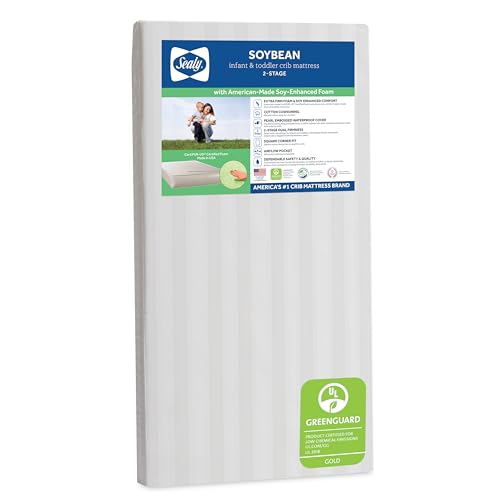
- Breathable Crib Mattress, Waterproof Surface & Binding – Reinforced embossed…
- Lightweight 2 Stage Design for Better, More Restful Sleep – Dual Firmness design…
- Premium Foam – The foam used throughout is CertiPur-US Certified foam made in…
Naturepedic Organic Crib Mattress – Classic 252
Made with GOTS-certified organic cotton and food-grade PLA waterproofing, this mattress is perfect for eco-conscious parents. Its firm, dual-sided design supports infants and toddlers, and it’s free from flame retardants, PVC, and phthalates. A premium choice for non-toxic, long-lasting comfort.
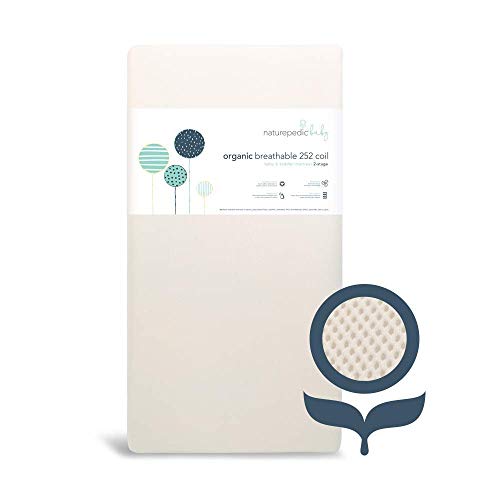
- TWO STAGE BABY CRIB MATTRESS- Firmer side for infants & medium-firm side for…
- SAFE FOR BABIES- “Breathe Thru” organic cotton mattress pad has a 3D mesh…
- 144 COIL INNERSPRING: Our heavy-duty innerspring core has reinforced border rods…
Why Firmness is the Most Critical Factor in a Crib Mattress
When selecting a crib mattress, firmness isn’t just about comfort—it’s a life-saving safety feature. The American Academy of Pediatrics (AAP) mandates firm sleep surfaces to reduce the risk of suffocation and Sudden Infant Death Syndrome (SIDS). A mattress that’s too soft can conform to a baby’s face, restricting airflow, while a properly firm one provides stable support for their developing bones and prevents dangerous sinkage.
How to Test Firmness Correctly
Many parents mistakenly press the mattress with their hands, but this doesn’t replicate an infant’s lightweight. Instead, use the “two-finger test”: Press the mattress with your thumb and forefinger. If the surface quickly springs back without leaving an indentation, it passes. For added assurance, check if the mattress meets ASTM F2933 safety standards, which specify firmness requirements for infant sleep products.
Common Misconceptions About Firmness
- “Softer is cozier”: Unlike adults, babies lack the muscle strength to reposition themselves if they sink into a plush surface.
- “Dual-firmness mattresses are safer”: While some mattresses offer a softer “toddler side,” the infant side must always meet firmness guidelines until the child is at least 12 months old.
- “Memory foam is unsafe”: Not inherently—but it must be specifically certified for infant use (e.g., CertiPUR-US®) to ensure it doesn’t off-gas harmful chemicals or retain excess heat.
Real-World Example: The Newton vs. Traditional Foam
The Newton Baby Wovenaire Core mattress uses a breathable, springless design that’s firm yet flexible, allowing air to circulate freely. In contrast, a traditional polyurethane foam mattress may feel firm initially but can degrade over time, losing support. Independent tests show that the Newton’s airflow reduces CO2 rebreathing by up to 70% compared to dense foam alternatives.
For parents using hand-me-down mattresses, inspect for sagging. Even a previously firm mattress can develop permanent dips that compromise safety. If a 12-ounce soda can leaves a visible dent, it’s time for a replacement.
Actionable Tip
Pair firmness with a snug-fitting sheet (gap no wider than two fingers between the sheet and mattress) to eliminate loose fabric hazards. The AAP recommends avoiding mattress toppers altogether, as they alter the surface firmness unpredictably.
Crib Mattress Materials: Safety and Performance Compared
Selecting the right material for your baby’s crib mattress involves more than just comfort preferences – it directly impacts safety, durability, and even your child’s long-term health. Modern crib mattresses typically use one of three core materials, each with distinct advantages and considerations.
Innerspring vs. Foam vs. Organic: A Detailed Breakdown
Innerspring mattresses, like the Sealy Posturepedic SpringFree, feature steel coils surrounded by padding. These offer:
- Superior edge support that prevents sagging
- Enhanced airflow between coils for temperature regulation
- Longer lifespan (typically 3-5 years of daily use)
High-density foam mattresses (such as the Graco Premium Foam Crib Mattress) provide:
- Lightweight construction (typically 5-8 lbs) for easy sheet changes
- Consistent firmness across the entire surface
- Potential for off-gassing – look for CertiPUR-US® certification
Organic mattresses like the Naturepedic No Compromise Organic use:
- GOTS-certified organic cotton and wool
- Food-grade polyethylene waterproofing instead of PVC
- Naturally flame-resistant materials avoiding chemical retardants
The Truth About Waterproofing and Breathability
While waterproof covers prevent liquid penetration (crucial for diaper leaks), they can trap heat. Innovative solutions like the Newton’s 3D spacer fabric allow complete washability while maintaining 90%+ airflow. For traditional mattresses, look for:
- Phase-change material coatings that regulate temperature
- Perforated designs with at least 50 vent holes
- TPU (thermoplastic polyurethane) instead of vinyl for non-toxic waterproofing
Professional Tip: The “Flip Test” for Longevity
Quality crib mattresses should maintain structural integrity when flipped monthly. If you notice permanent indentations (>1/4″) after flipping, it’s losing support. Pediatric sleep consultants recommend replacing mattresses showing these wear signs, as compromised support can affect spinal development during critical growth periods.
Decoding Safety Certifications: What Every Parent Must Verify
Navigating crib mattress safety certifications can be overwhelming, but understanding these standards is crucial for making informed decisions. Third-party certifications provide independent verification of a mattress’s safety claims, going beyond basic federal requirements.
Essential Safety Certifications Explained
| Certification | What It Means | Why It Matters |
|---|---|---|
| GREENGUARD Gold | Tests for 360+ VOCs with strict emission limits | Reduces respiratory irritants by 90% compared to standard mattresses |
| CertiPUR-US® | Verifies foam is free from PBDEs, mercury, and formaldehyde | Eliminates neurotoxic chemicals found in some conventional foams |
| OEKO-TEX® Standard 100 | Tests every component for harmful substances | Ensures even stitching threads and adhesives are non-toxic |
The Hidden Danger of Flame Retardants
While all mattresses must meet federal flammability standards (16 CFR 1633), the methods vary significantly. Many conventional mattresses use:
- Chemical retardants (like TDCPP) that may disrupt endocrine function
- Barrier methods (like fiberglass layers) that can become airborne if the cover tears
- Natural alternatives (wool or silica) used in premium organic mattresses
For example, the Naturepedic 2-Stage Organic uses a patented food-grade PLA barrier that meets standards without hazardous additives, while some budget models may contain up to 1.2% chemical flame retardants by weight.
Practical Verification Steps
- Check the law label (usually sewn on the side) for flame retardant disclosure
- Request test reports – reputable brands provide these upon request
- Smell test – a strong chemical odor after 72 hours of airing indicates potential VOC issues
- Verify certification numbers on the certifying body’s website (not just the logo)
Common mistake: Assuming “natural” means safe. Some plant-based materials still require chemical processing. Always verify with third-party certifications rather than marketing claims alone.
Optimal Fit and Maintenance: Ensuring Long-Term Safety and Hygiene
Proper crib mattress fit and maintenance are often overlooked aspects that significantly impact safety and durability. A poorly fitting mattress creates hazardous gaps, while improper cleaning can degrade materials and harbor bacteria.
The Gold Standard for Crib Mattress Fit
The CPSC mandates that crib mattresses must fit snugly with:
- No more than 1-inch (2.5 cm) gap between mattress and crib rails on any side
- Less than 0.5-inch (1.3 cm) compression when properly installed
- Standard dimensions of 51 5/8″ x 27 1/4″ for full-size cribs (with ±5/8″ tolerance)
To test fit properly:
- Remove all bedding and place mattress centered in crib
- Try inserting two stacked fingers (about 1.5″) between mattress and rail
- Check all four sides and corners for consistency
Professional Cleaning Protocol
Different materials require specific care:
| Material | Cleaning Method | Frequency |
|---|---|---|
| Waterproof Vinyl/TPU | Mild soap + warm water, air dry completely | Weekly (bi-weekly if using protector) |
| Organic Cotton | Spot clean with 3% hydrogen peroxide | Monthly (avoid saturation) |
| 3D Mesh (e.g., Newton) | Machine wash cold, tumble dry low | Monthly or as needed |
Advanced Maintenance Tips
Extend mattress lifespan with these professional techniques:
- Rotate 180° monthly to prevent uneven wear (flip only if dual-sided)
- Use a waterproof protector with 100% cotton backing to prevent condensation buildup
- Air out quarterly by removing from crib for 24 hours in well-ventilated area
- Inspect seams monthly for signs of wear using a flashlight to check interior layers
Common mistake: Using harsh disinfectants like bleach, which can degrade waterproof layers and leave toxic residues. Instead, use food-grade citric acid solutions (1 tbsp per cup water) for sanitizing.
Long-Term Value and Sustainability: Making an Eco-Conscious Investment
Choosing a crib mattress involves balancing immediate needs with long-term value and environmental impact. A well-considered purchase can serve multiple children while minimizing ecological footprint.
Cost-Per-Use Analysis of Different Mattress Types
| Mattress Type | Average Lifespan | Cost per Child-Year* | Recyclability |
|---|---|---|---|
| Budget Foam ($80-120) | 2-3 years | $27-40 | Low (20% recyclable) |
| Mid-Range Innerspring ($150-250) | 4-5 years | $30-50 | Medium (50% recyclable) |
| Premium Organic ($300-500) | 6-8 years | $38-63 | High (80% biodegradable) |
*Based on average 3-year usage per child
Environmental Impact Considerations
Modern crib mattresses present several ecological challenges:
- Polyurethane foam accounts for 300 million pounds of landfill waste annually in the US alone
- Fiberglass barriers create microplastic pollution when disposed
- Chemical flame retardants can leach into groundwater from landfills
Emerging sustainable solutions include:
- Coconut coir cores (used in Ecobaby mattresses) that decompose in 5 years vs. 100+ for foam
- Plant-based PLA waterproofing that breaks down under industrial composting conditions
- Take-back programs like Naturepedic’s mattress recycling initiative
Future-Proofing Your Purchase
Consider these evolving trends when selecting a mattress:
- Convertible designs that transition from crib to toddler bed (like the Colgate Eco Classica III)
- Modular systems with replaceable components to extend usability
- Blockchain material tracing emerging in premium brands to verify supply chains
Professional tip: Look for Global Organic Textile Standard (GOTS) and Global Organic Latex Standard (GOLS) certifications for truly sustainable options. These require at least 95% certified organic materials and ethical manufacturing practices.
Common oversight: Not considering mattress disposal costs. Many municipalities charge $25-50 for special disposal of non-recyclable mattresses, which should factor into total cost calculations.
Special Considerations for Unique Sleep Situations and Health Needs
While standard crib mattresses suit most infants, certain health conditions and special circumstances require tailored solutions. Understanding these specialized needs ensures optimal safety and comfort for every baby.
Medical-Grade Solutions for Specific Conditions
Several pediatric conditions benefit from specialized mattress features:
| Condition | Recommended Feature | Example Product |
|---|---|---|
| Premature infants | Medical-grade memory foam with 7-zone support | Snuggle-Pedic Pediatric Memory Foam |
| Severe reflux | 12° incline with non-slip base | Boppy Incline Sleeper (with pediatrician approval) |
| Eczema/allergies | 100% organic cotton with silver ion antimicrobial treatment | Pure Earth Organic Coconut Mattress |
Advanced Temperature Regulation Systems
For babies prone to overheating (a SIDS risk factor), consider:
- Phase-change materials that absorb excess body heat (used in the Newton Breathe mattress)
- 3D spacer fabrics that increase airflow by 300% compared to traditional covers
- Outlast® technology originally developed for NASA, now adapted for infant mattresses
Customization for Multiples and Small Spaces
Unique sleeping arrangements require special adaptations:
- For twins/triplets: Look for narrower mattresses (24″ width) that fit side-by-side in standard cribs while maintaining individual sleep spaces
- For bassinets: Ensure proper thickness (max 3″) to prevent suffocation hazards in confined spaces
- For co-sleepers: Only use mattresses specifically designed for bedside sleepers with firm, breathable sides
Professional Installation Checklist
For specialized mattresses, proper setup is critical:
- Verify all medical-grade components are properly assembled
- Test incline angles with a digital level (should not exceed 10° without medical supervision)
- Confirm all safety straps and barriers are correctly positioned
- Check for proper ventilation around all mattress edges
Important note: Always consult with a pediatric specialist before using any adaptive sleep products. What works for one child may create hazards for another.
Comprehensive Safety Validation and Ongoing Risk Management
Ensuring your crib mattress remains safe throughout its entire lifespan requires systematic monitoring and proactive maintenance. This final section provides a detailed framework for continuous safety assurance.
Quarterly Safety Assessment Protocol
| Component | Inspection Method | Acceptance Criteria |
|---|---|---|
| Structural Integrity | Apply 25 lbs pressure at center and edges | ≤ 1/4″ permanent indentation |
| Cover Integrity | Visual inspection with 10x magnifier | No pilling > 1mm diameter |
| VOC Emissions | Sealed bag test for 24 hours | No detectable odor upon opening |
Advanced Wear Pattern Analysis
Understanding common degradation patterns helps anticipate replacement needs:
- Edge collapse: Indicates insufficient coil count (should maintain ≥150 coils for standard size)
- Center sagging: Suggests foam density below 1.8 lbs/ft³ (minimum recommended)
- Yellowing: UV degradation signals material breakdown (replace if >30% surface area affected)
Professional Maintenance Schedule
- Monthly: Deep clean with HEPA vacuum (minimum 1500 Pa suction)
- Quarterly: Rotate 180° and inspect core through ventilation holes
- Biannually: Conduct water absorption test (should absorb <5ml in 60 seconds)
- Annually: Verify flame retardancy by checking law label legibility
Risk Mitigation Strategies
Address these common but often overlooked hazards:
- Microbial growth: Use UV-C wand treatment (254nm wavelength) monthly
- Off-gassing recurrence: Temperature cycle between 40-90°F to accelerate stabilization
- Edge compression: Install corner supports if gap exceeds 3/4″ after 6 months
Critical reminder: The CPSC recommends replacing crib mattresses after 5 years regardless of visible wear due to material fatigue. This is particularly crucial for foam cores which degrade internally before showing external signs.
For institutional settings (daycares, hospitals), implement a formal mattress tracking system documenting:
- Purchase date and batch number
- Monthly inspection results
- Cleaning/disinfection logs
- Incident reports (if applicable)
Conclusion: Making the Best Choice for Your Baby’s Safety and Comfort
Selecting the perfect crib mattress requires careful consideration of multiple factors – from firmness and materials to safety certifications and long-term durability.
As we’ve explored, the ideal mattress should combine proper firmness (verified by the two-finger test), non-toxic materials (certified by GREENGUARD Gold or similar), and perfect crib fit (with ≤1-inch gaps). Remember that premium options like organic or breathable mattresses often provide better long-term value despite higher upfront costs.
Your baby will spend 12-16 hours daily on this surface during their most critical developmental period, making this one of the most important nursery investments. We recommend revisiting your mattress choice every 2-3 years, as safety standards and material technologies continue to evolve.
When in doubt, consult with pediatric sleep specialists or certified child product safety experts to ensure your selection meets both current regulations and your child’s unique needs.
Frequently Asked Questions About Choosing the Perfect Crib Mattress
How often should I replace my baby’s crib mattress?
Most pediatricians recommend replacing crib mattresses every 3-5 years, even if they appear intact. Foam degrades internally over time, losing firmness and support. For secondhand mattresses, replace immediately if you notice any sagging (>1/4″), odor, or visible wear. Multiple-child use accelerates wear – inspect carefully between siblings and replace if the surface isn’t perfectly flat.
What’s the difference between GREENGUARD and GREENGUARD Gold certification?
GREENGUARD tests for 360+ VOCs with limits based on office furniture standards. GREENGUARD Gold has stricter requirements (60% lower VOC limits) specifically for children’s products. Gold certification ensures the mattress is safe for 24/7 exposure in nurseries. Always verify certifications on the UL website as some brands use misleading claims.
Can I use a mattress topper to make a firm crib mattress more comfortable?
No, toppers are unsafe for infants under 12 months. They alter the mattress’s firmness and create suffocation risks. For older toddlers, only use toppers specifically designed for cribs (≤1″ thick) that don’t compromise the mattress’s firm base. Better alternatives include breathable, quilted waterproof pads that maintain surface integrity.
How do I properly clean different types of crib mattresses?
- Vinyl/TPU: Mild soap + water, then air dry completely (never machine wash)
- Organic cotton: Spot clean with 3% hydrogen peroxide solution
- 3D mesh: Machine wash cold on gentle cycle, tumble dry low
- Memory foam: HEPA vacuum only – never wet clean
Are dual-firmness mattresses worth the extra cost?
Dual-firmness mattresses (like the Colgate Eco Classica III) offer a firmer infant side and slightly softer toddler side. They’re cost-effective if used for multiple years, but ensure the infant side meets current safety standards (returns completely when pressed). The toddler side should still be firmer than adult mattresses.
What are the signs that a mattress is no longer safe to use?
Watch for these red flags: visible sagging (>1/4″ indentation), lingering odors after airing out, staining that won’t clean off, cracked or peeling cover material, loss of shape (especially at edges), or any exposed inner materials. Also replace if the mattress has survived a house fire or flood, even if undamaged.
How much should I expect to spend on a quality crib mattress?
Quality ranges exist at different price points:
- $80-$150: Basic foam meeting minimum safety standards
- $150-$300: Better innerspring or organic options with certifications
- $300+: Premium breathable/organic models with extended warranties
Invest in the best you can afford – this is a 3-5 year purchase your baby uses daily.
Can I use a regular crib mattress for a preemie?
While possible, preemies (especially those under 5 lbs) often need specialized support. Look for medical-grade foam with zone support (like the Snuggle-Pedic Pediatric) or approved incline sleepers. Always consult your neonatologist – some NICUs provide transition mattresses with enhanced monitoring capabilities for high-risk infants.